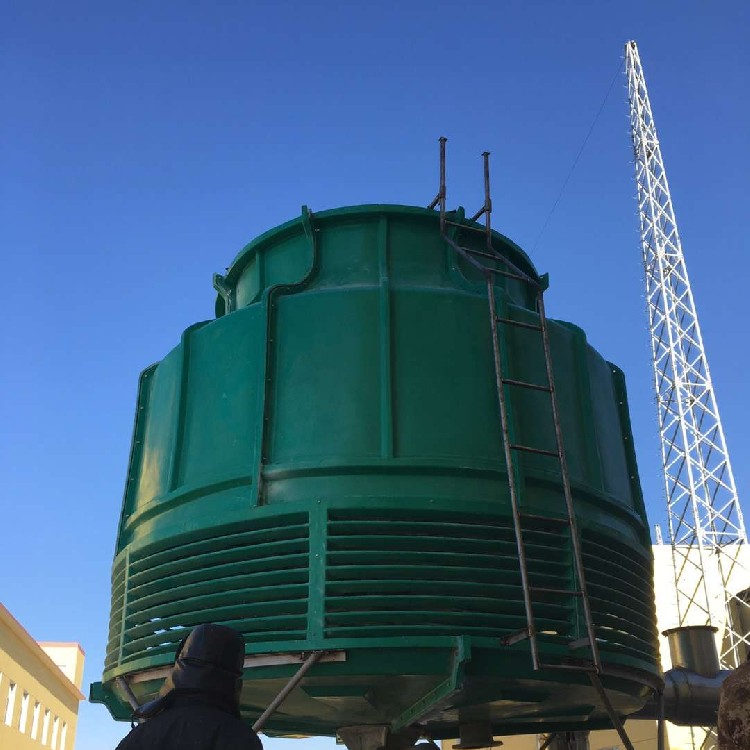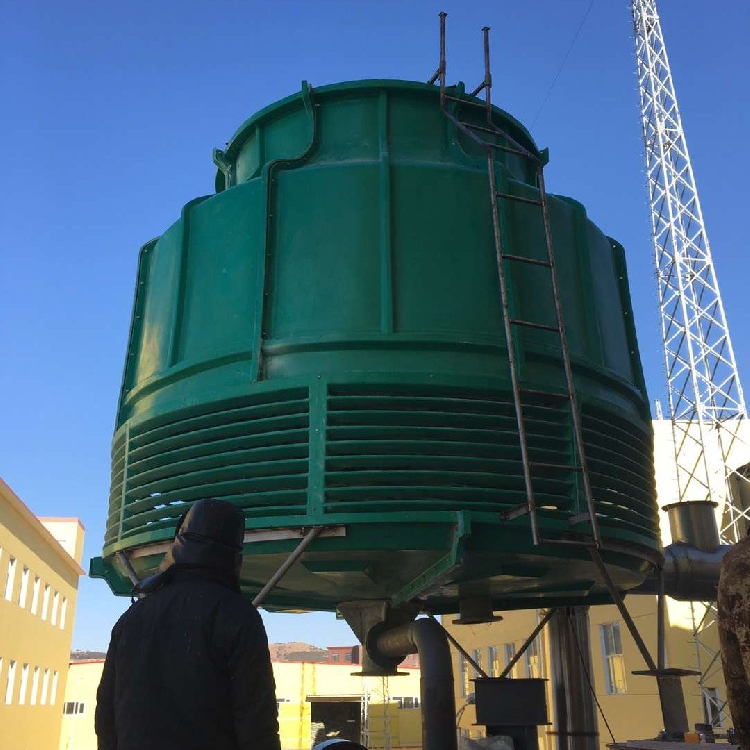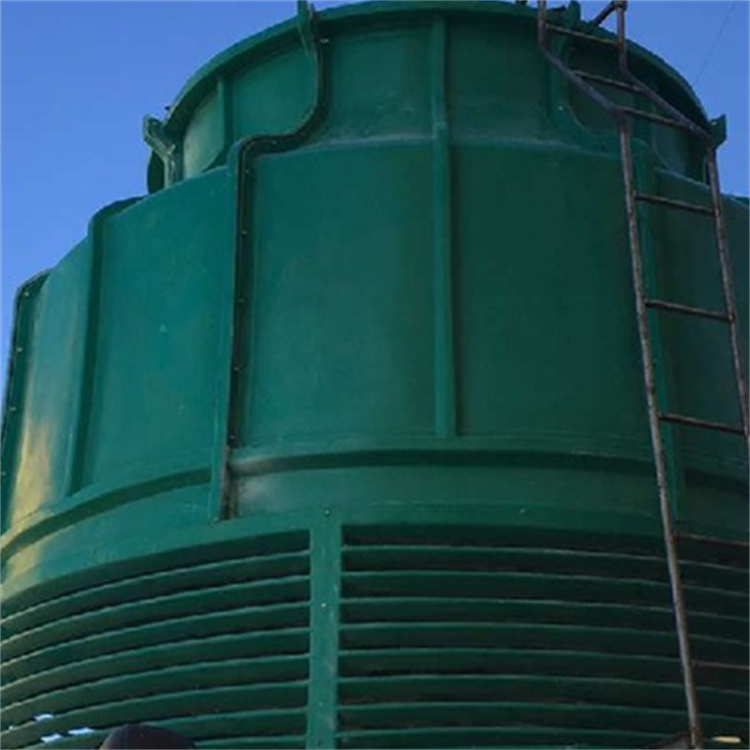

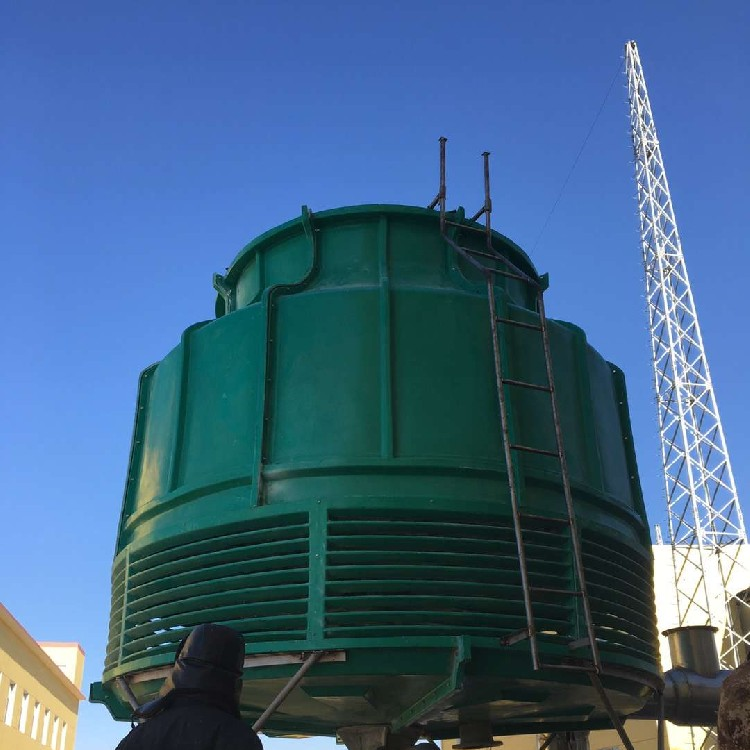

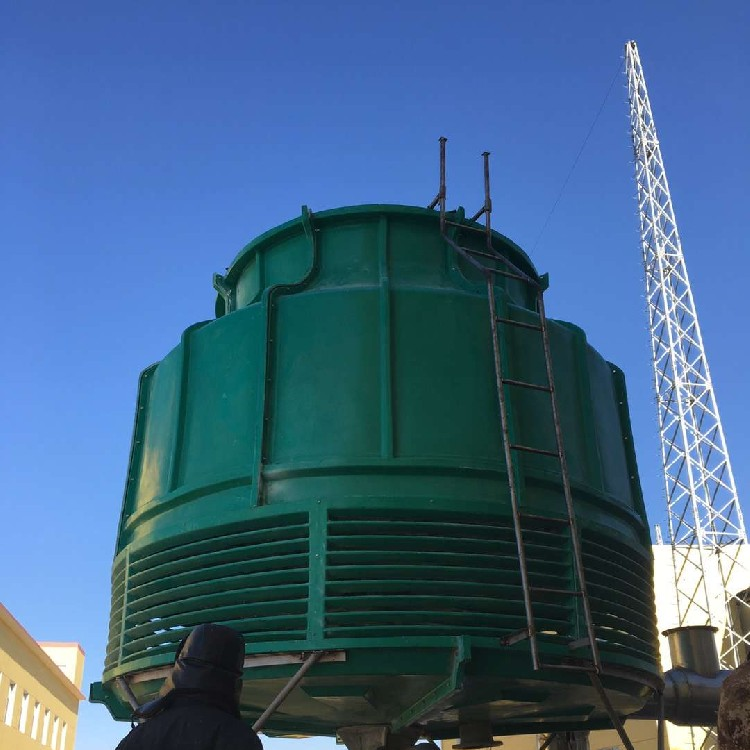
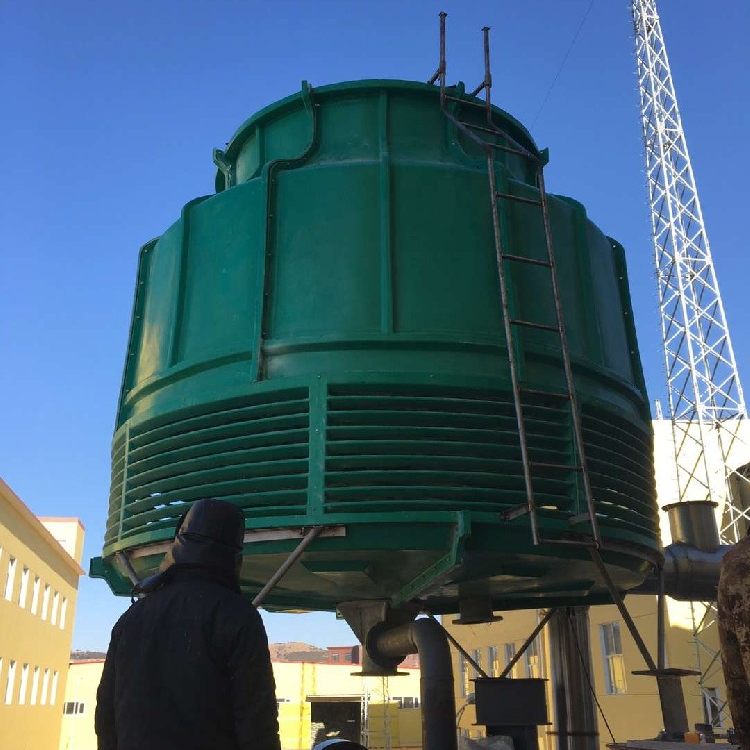
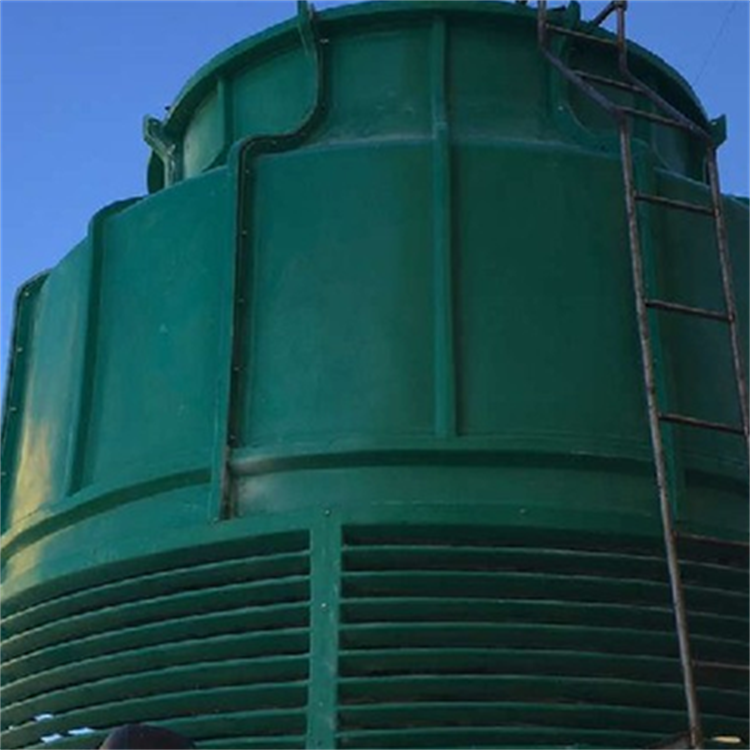











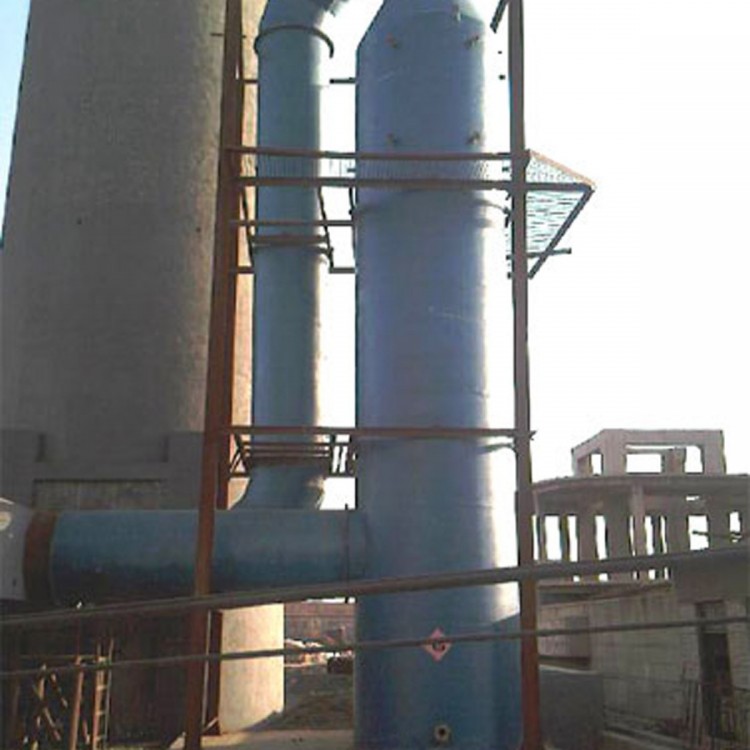
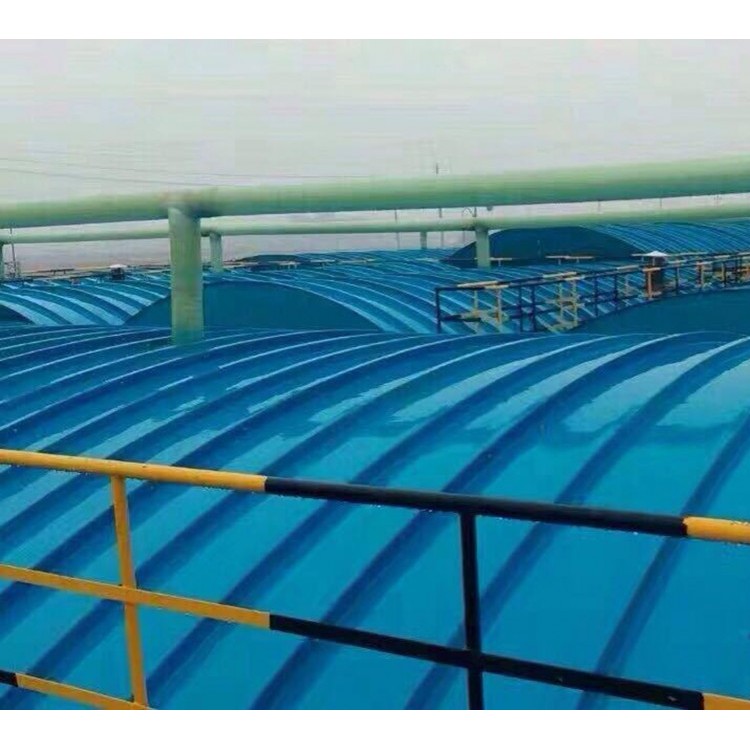
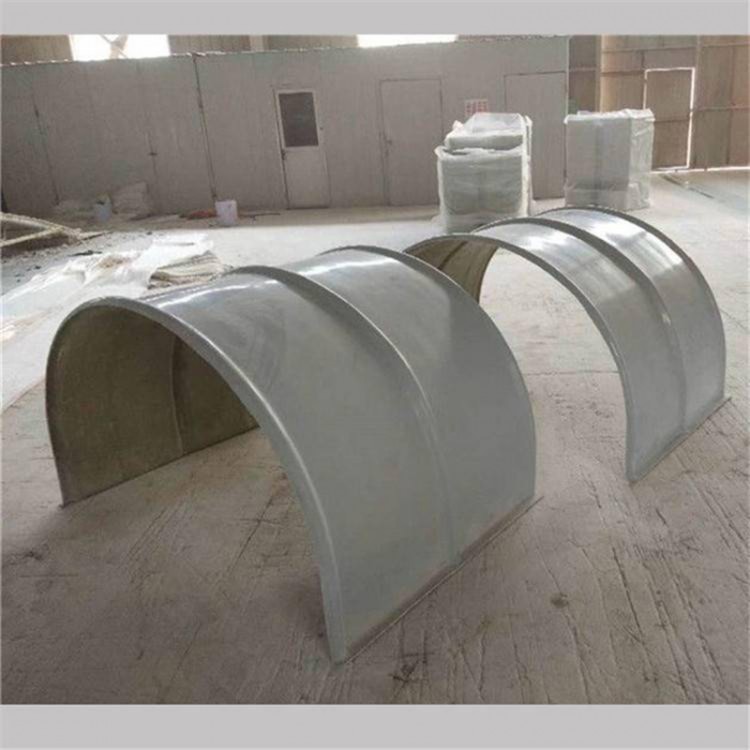
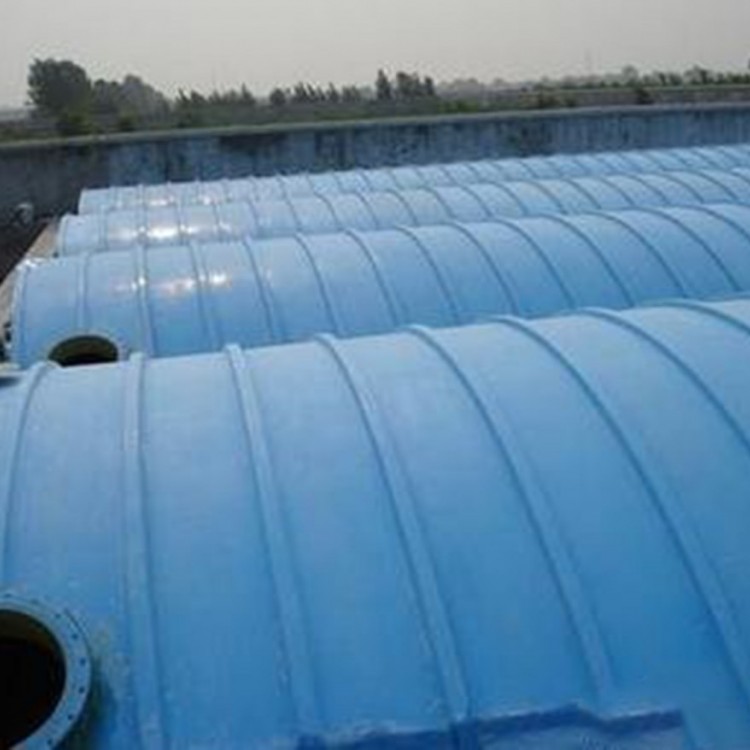
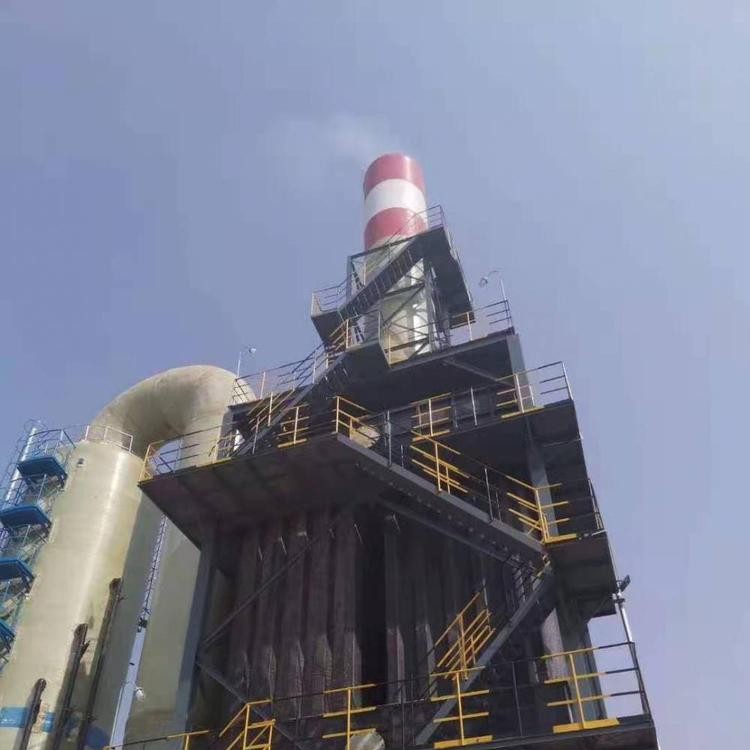

With the development of industrial production and the continuous improvement of people's living standards, it has become increasingly urgent to control water environmental pollution and rationally exploit water resources. To this end, many units have widely adopted glass fiber reinforced plastic cooling towers as an ideal energy-saving device. By implementing closed-loop water recycling within the system, they have increased the reuse rate, effectively reduced cost, and at the same time, turned the desire to adjust the surrounding environment's temperature, humidity, cleanliness, and noise impact into a reality.Corrosion-resistant, high strength, lightweight, compact, space-saving, and aesthetically pleasing with durability. Easy to transport, install, and maintain, it is widely used in various sectors of the national economy, particularly suitable for cooling water circulation systems in air conditioning, refrigeration, air compressor stations, heating furnaces, and condensation processes.
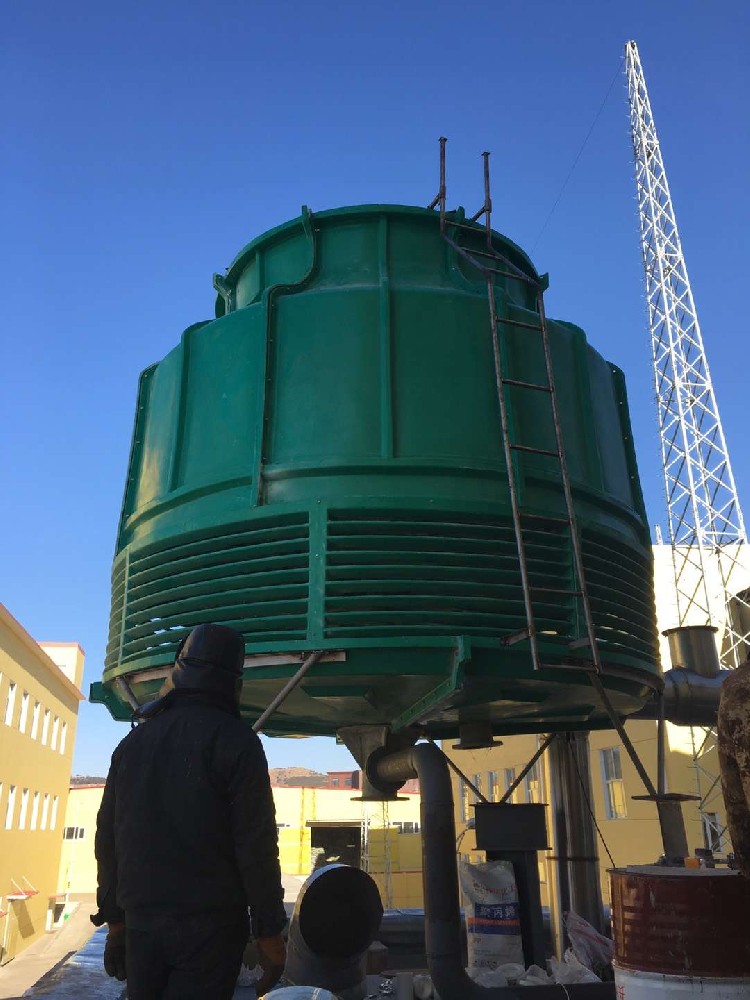
Circular Counterflow Glass Fiber Reinforced Plastic Cooling TowerUtilizing countercurrent gas-heat exchange technology, the packing is made of modified polyvinyl chloride wave sheets to expand the diffused watering area; uniform watering is achieved through a rotating watering method, enhancing the cooling effect. Our company has made partial improvements to the外形 design of this series, making it more reliable, durable, and easy to assemble.
Primary Use
DBNL3 Series Low-Noise Glass Fiber Cooling Towers - Suitable for air conditioning cooling systems requiring water temperature reduction of 3-8 degrees and general cooling applications.
(2) CDBNL3 Series Ultra-Low Noise Glass Fiber Cooling Towers - Ideal for hotels, public buildings with strict noise requirements, and locations near residential areas.
(3) GBNL3 Series High-Temperature Industrial FRP Cooling Towers - Suitable for industrial water recycling cooling systems with water temperature reduction of 10-25 degrees.
Model Composition
Circular counterflow glass fiber cooling towers are available in three series: DBNL3, CDBNL3, GBNL3
1. Design Parameters:
1) Standard Operating Conditions: Inlet water temperature t1 = 37°C, outlet water temperature t2 = 32°C, design wet bulb temperature τ = 28°C, resulting in water temperature difference Δt = 5°C, and cooling amplitude t2-τ = 5°C.
2) Medium temperature operation: Inlet water temperature t1=43°C, outlet water temperature t2=33°C, designed wet bulb temperature τ=28°C, resulting in water temperature Δt=10°C, and cold amplitude high t2-τ=6°C.
3) High-Temperature Operating Conditions: Inlet water temperature t1 = 60°C, outlet water temperature t2 = 35°C, designed wet bulb temperature τ = 28°C, resulting in water temperature difference Δt = 25°C, and cold amplitude high t2 - τ = 8°C
2. When selecting, note the water flow rate Q, inlet water temperature t1, outlet water temperature t2, and design wet bulb temperature τ, and then determine the model based on the thermal performance curve. For operating conditions outside the curve table, thermal calculations can be performed, with the volumetric mass transfer coefficient of the packing β×ν as follows: At 1.2 times the nominal flow rate: β×ν=18600 At 1.0 times the nominal flow rate: β×ν=17800 At 0.8 times the nominal flow rate: β×ν=17000
3. Operating weight is calculated as half the depth of the water in the tower's storage, or multiply by 1.5 if filled to capacity.
4. This series of cooling towers is suitable for regions where the average monthly temperature in the coldest months does not fall below -10°C. Users in areas with extremely low temperatures should request anti-freezing measures, such as installing drain diverters to prevent water from flowing onto the louvers. During intermittent operation in winter, electric heating pipes can be added to the basin.
5. Turbidity of recirculating water should not exceed 50 milligrams per liter, and temporarily not exceed 100 milligrams per liter. It should not contain oil污 and mechanical impurities. Measures for algae control and water quality stabilization should be taken when necessary.
6. Water temperature should not exceed 60°C; if it does, please specify at the time of order, and our factory will address the issue in material selection. If a flame-retardant cooling tower is required, please indicate this at the time of ordering, as our factory can meet this requirement.
7. Bore water pipes according to nominal flow rate. If the actual flow rate differs by ±15% or more from the nominal flow rate, the user should specify this when placing an order.
8. The water pressure of the inlet pipe is approximately 2-5 meters of water column. Do not design with excessive pressure, otherwise, water splashing may occur.
9. Motors and fans are supplied with the package. On-site installation by our factory staff or technical guidance is required, with an additional charge.
10. When users need to directly draw water from the base of the cooling tower, it is necessary to install an "Automatic Water Supply Pipe," a "Rapid Water Supply Pipe," a "Drain Pipe," and an "Overflow Pipe."