


















Overview:
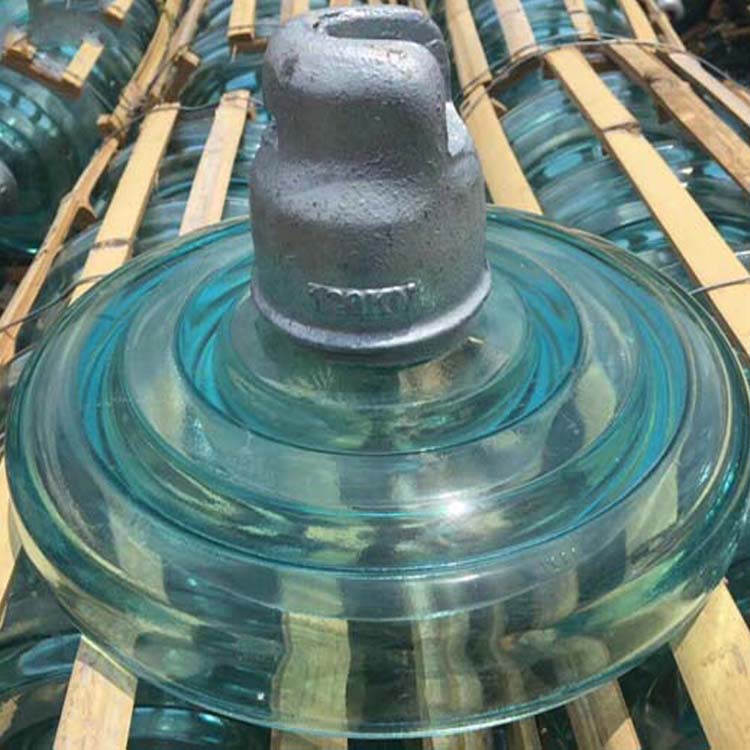
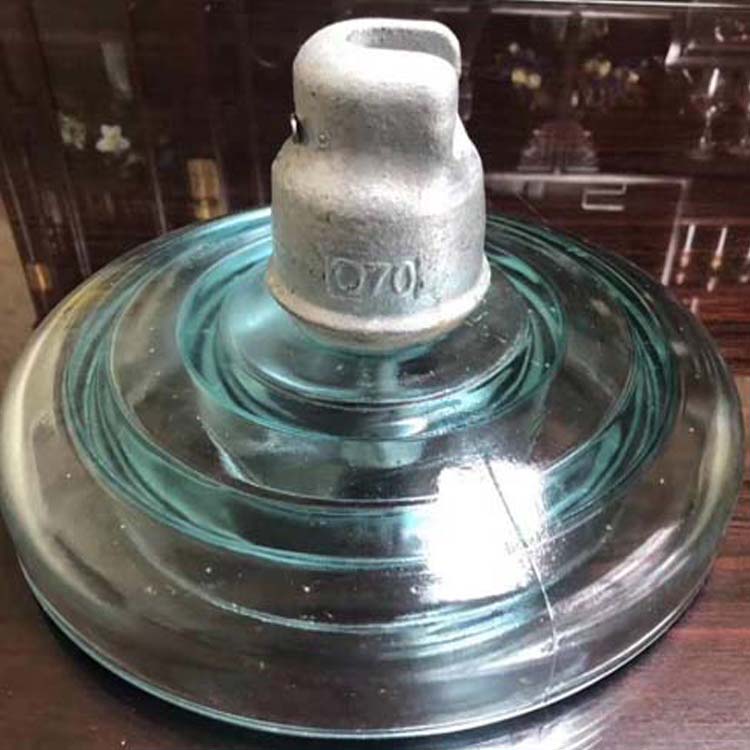
The ground wire insulator consists of two parts: the insulator and the protective gap. The protective gap is formed by electrodes fixed to the insulator through bolts.
Ground wire insulators are used to support the ground wire in high-voltage overhead transmission lines. When the line is operating normally, the ground wire is insulated from the tower, reducing transmission energy loss and enabling ground wire carrier communication. When the ground wire voltage is set, arc discharge occurs, allowing the ground wire to conduct with the tower, and it serves various protective functions.
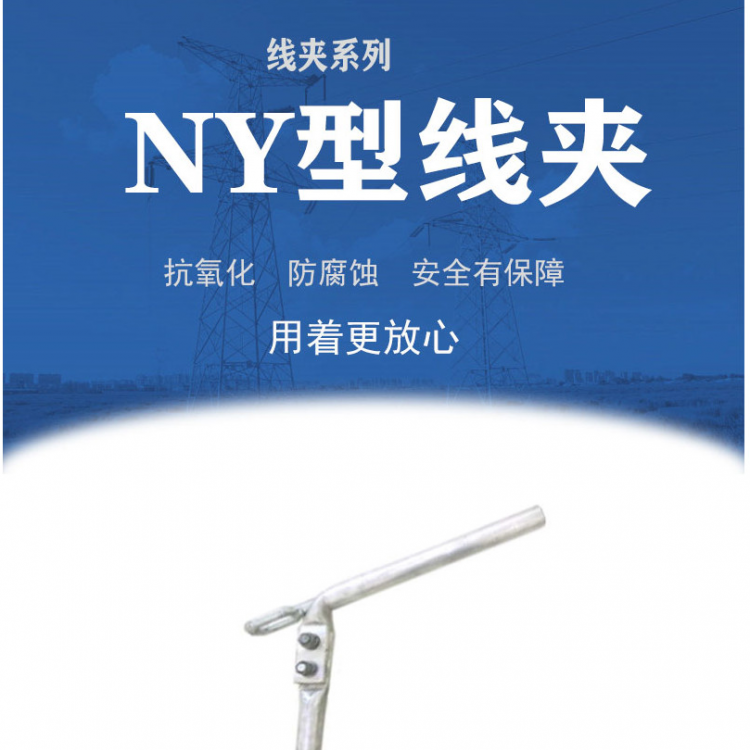
Ground wire insulators can be divided into suspended and tension types according to their installation forms and electrode structures, with mechanical and electrical failure load ratings of 70kN and 100kN respectively.
The ground wire insulator upper and lower electrodes are pre-assembled before shipment, and the discharge gap has been adjusted and securely fastened according to design requirements; no on-site assembly is needed.
Technical Standards:
JB 9680-1999 Insulating Wire Suspenders for Overhead Transmission Lines with High Voltage, Disc-Type Porcelain Insulators
Model Description:
XDP - Disc-shaped suspension porcelain insulator for high-voltage overhead transmission line insulated ground wire
The number following the “—” represents the mechanical failure load value, in kN.
C - Channel structure
N - electrode form, N indicates tension type (suspended type is not indicated)