








Synthetic Method
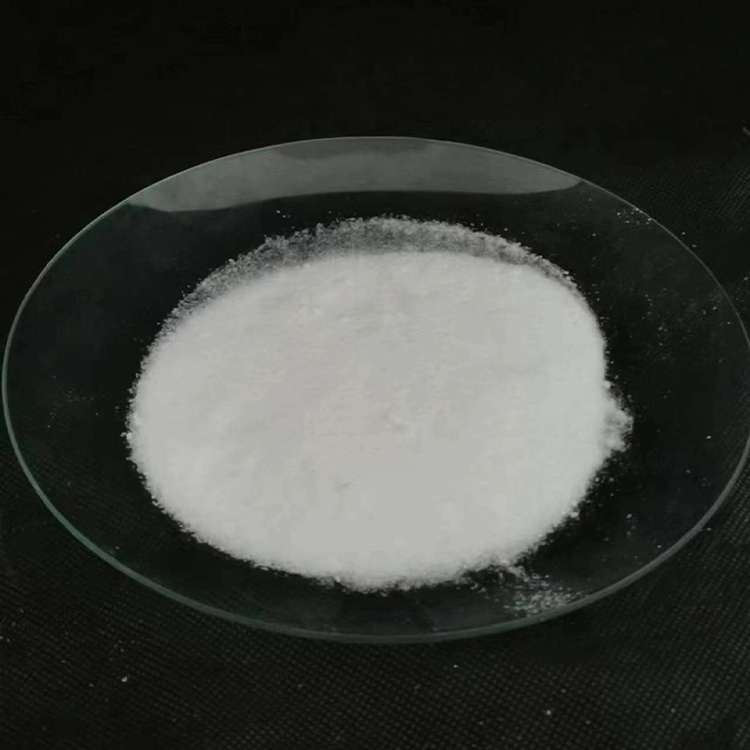
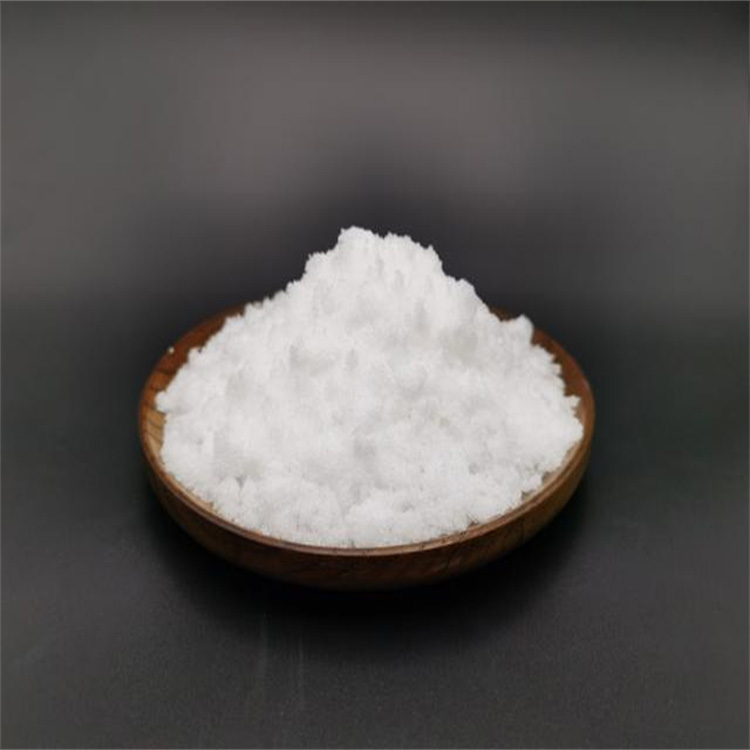
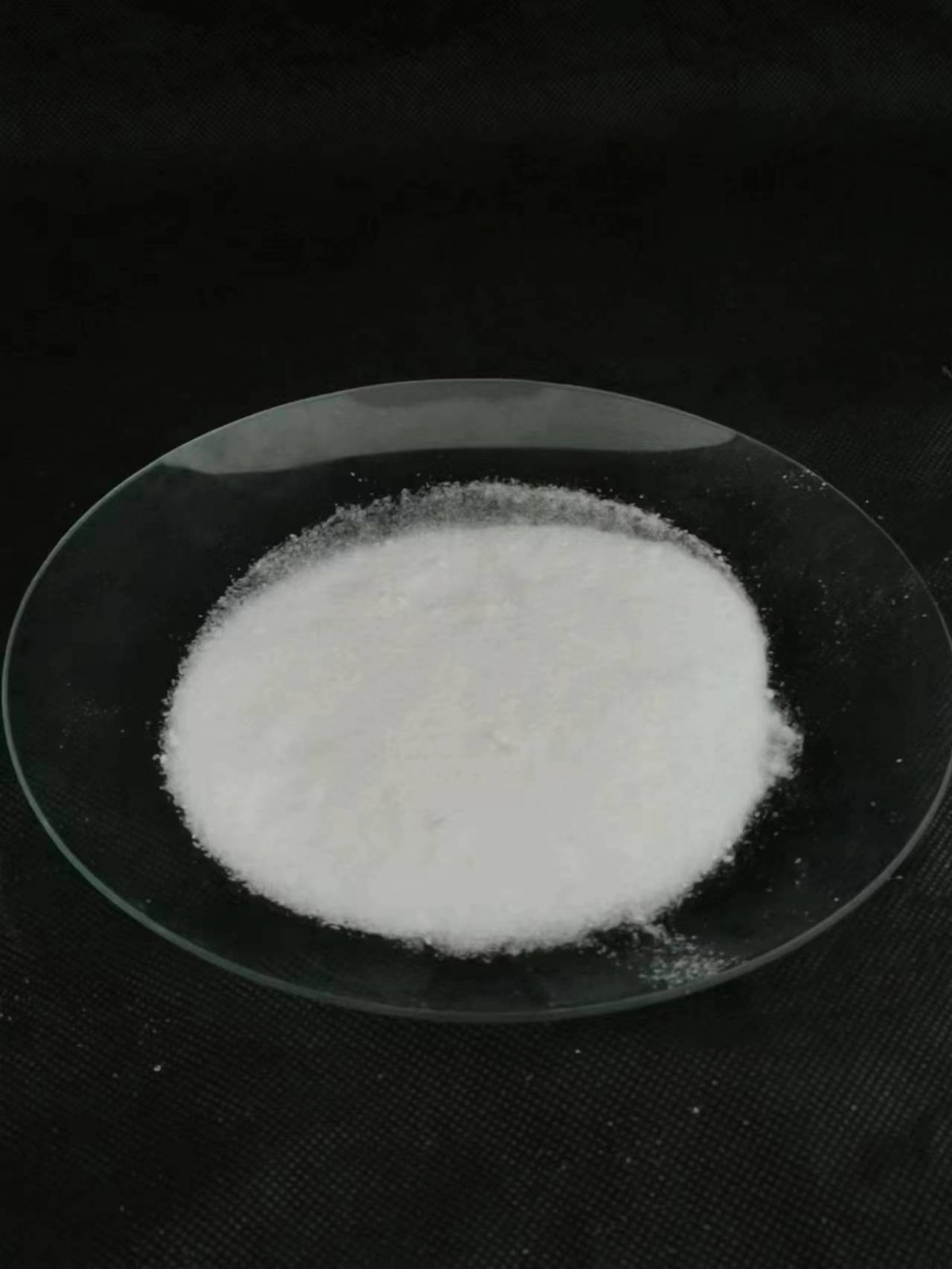
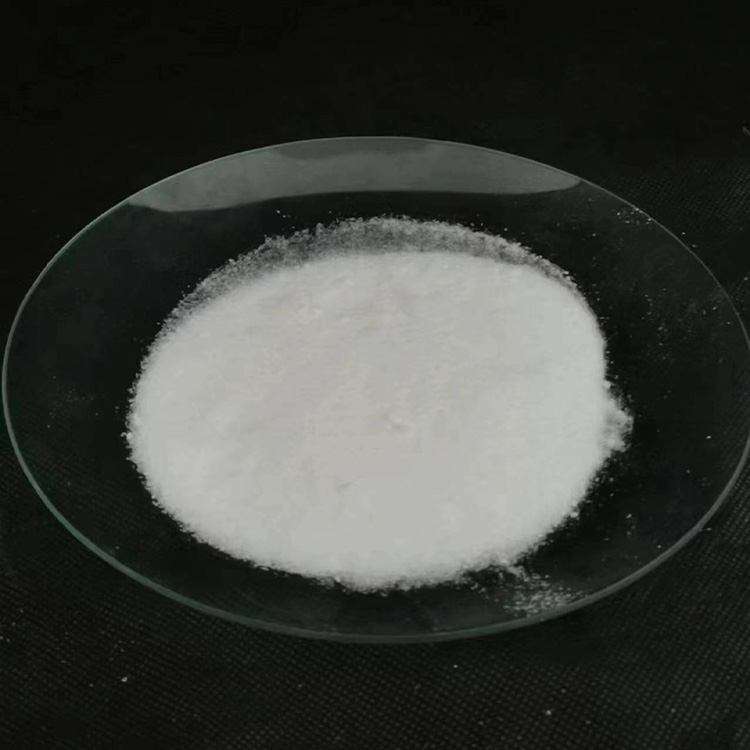
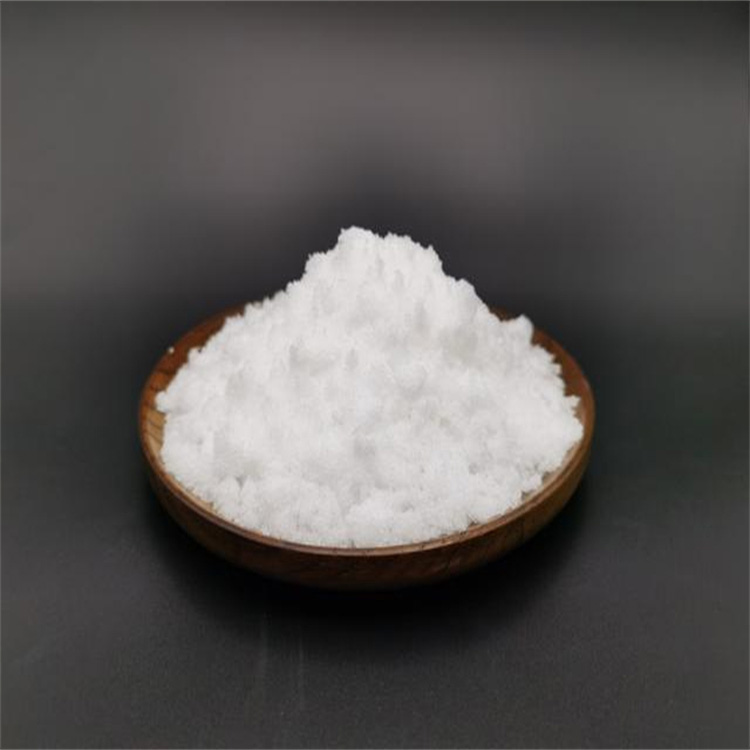
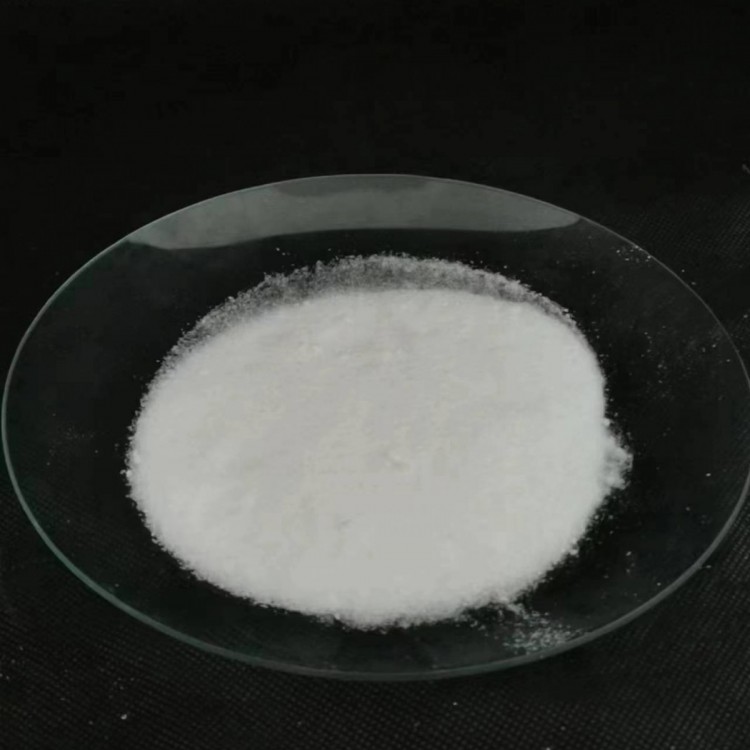
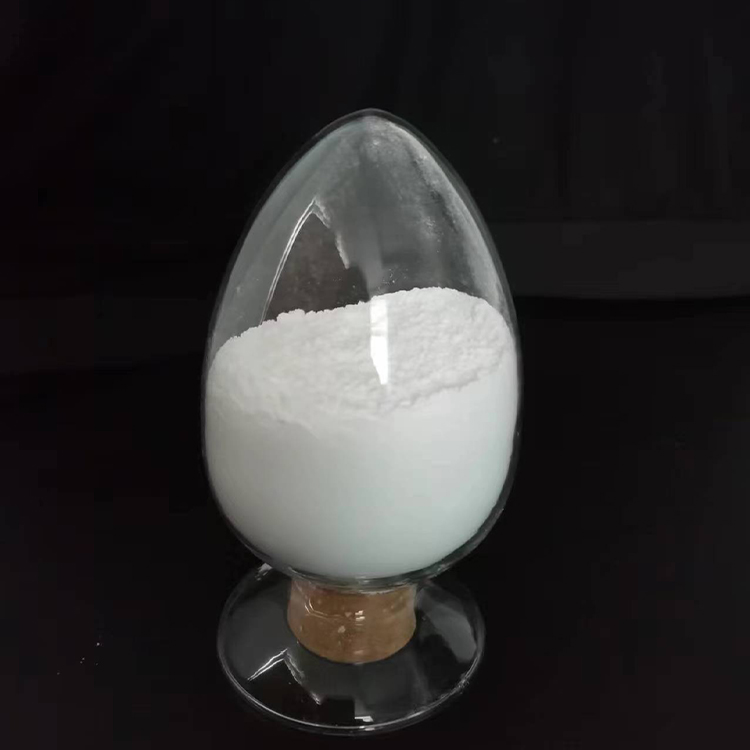
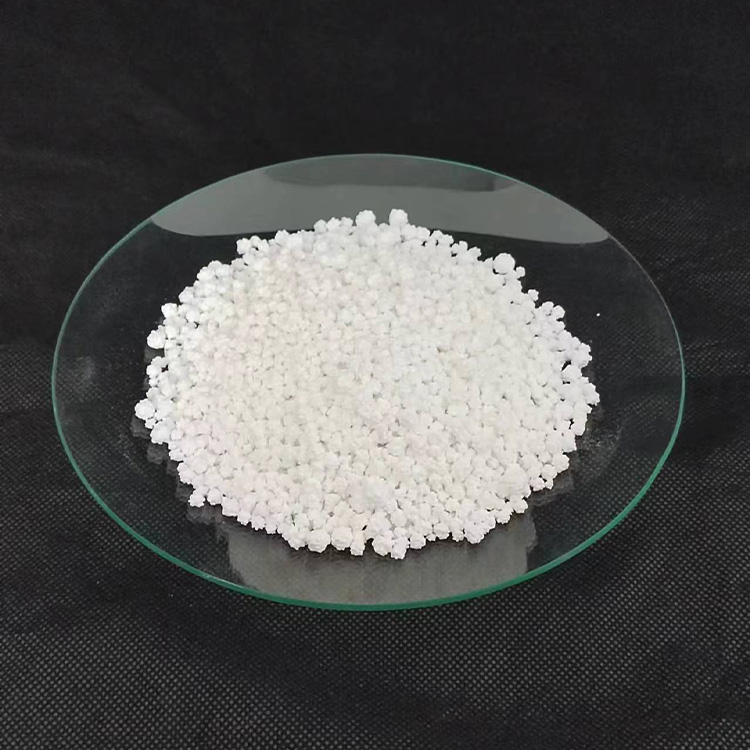
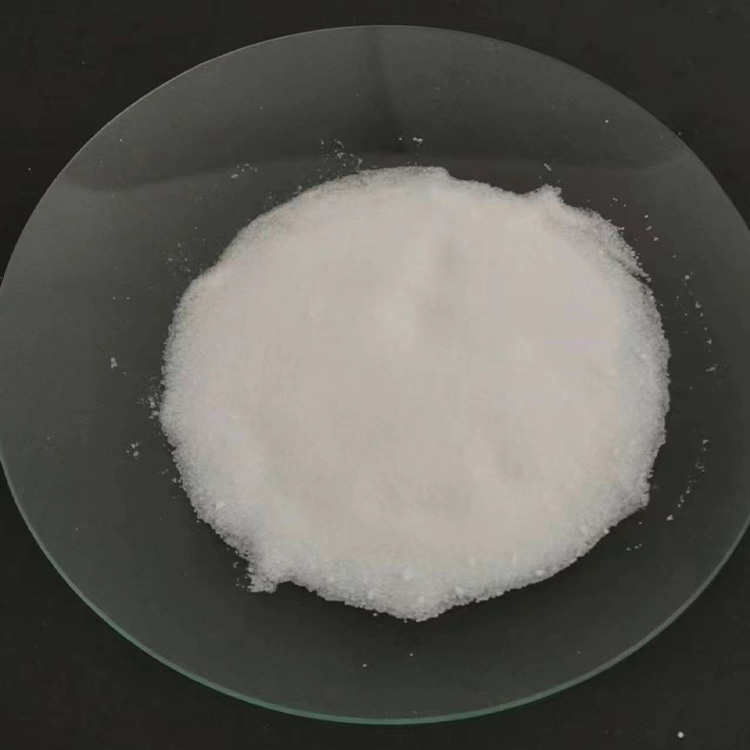
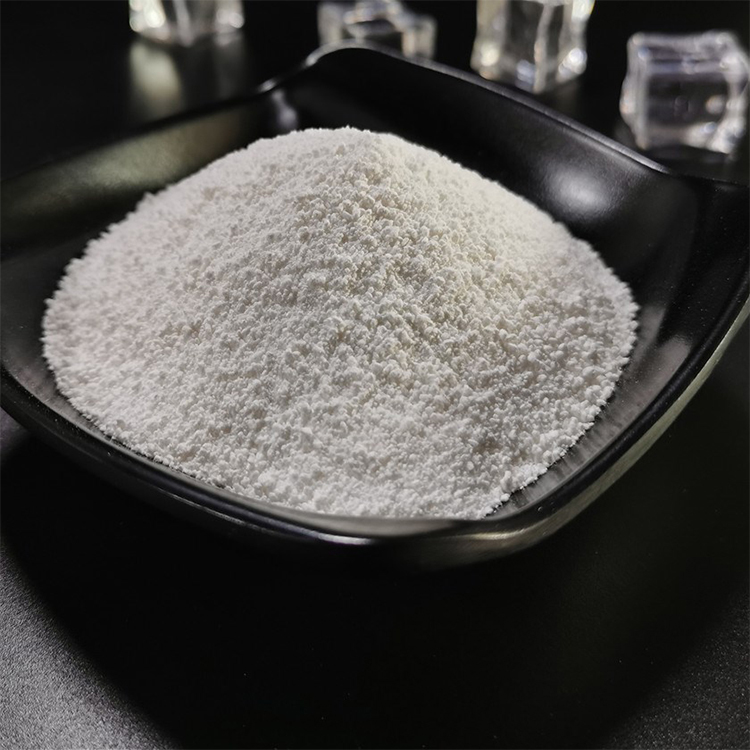
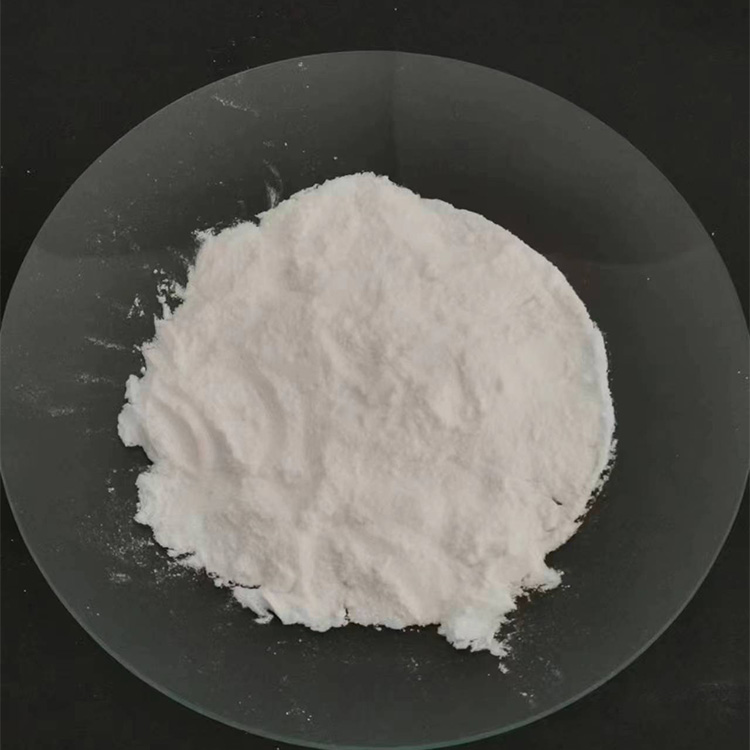
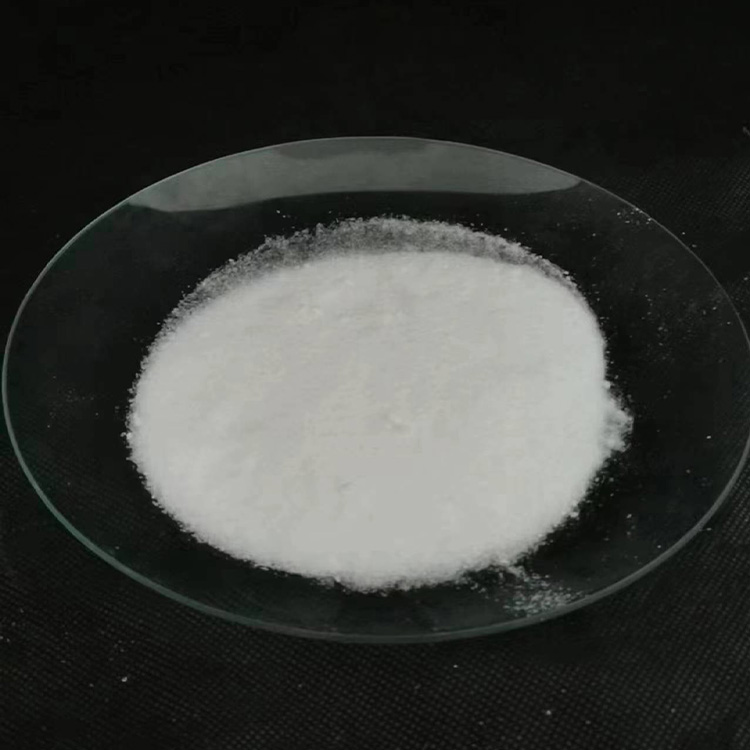
1. Place sodium acetate trihydrate in an earthenware dish, heat to 120°C until a dry white substance is obtained, yielding anhydrous sodium acetate.
In organic synthesis, such as preparing methane by co-melting anhydrous sodium acetate with quicklime, the anhydrous sodium acetate should be prepared just before use. Place an appropriate amount of sodium acetate trihydrate in a porcelain evaporating dish, heat it under stirring with a glass rod until it reaches approximately 58°C. The sodium acetate trihydrate dissolves in the结晶 water, and as the water evaporates, a white solid is obtained at a temperature of about 120°C. Continue heating until the solid melts, but do not exceed the melting point of sodium acetate (324°C) to avoid decomposition into acetone and sodium carbonate. Under stirring, cool slightly, then grind it fine in a mortar while hot, and immediately store it in a sealed container for later use.
2. Sodium carbonate crystalline is neutralized with acetic acid, filtered, then evaporated, cooled, crystallized, and dried at room temperature.
Processed from calcium acetate with sodium sulfate and sodium bicarbonate.
4. There are many production methods for sodium acetate, which can be obtained by reacting dilute acetic acid or calcium acetate with pure soda; or by the double decomposition of sodium sulfate with calcium acetate.