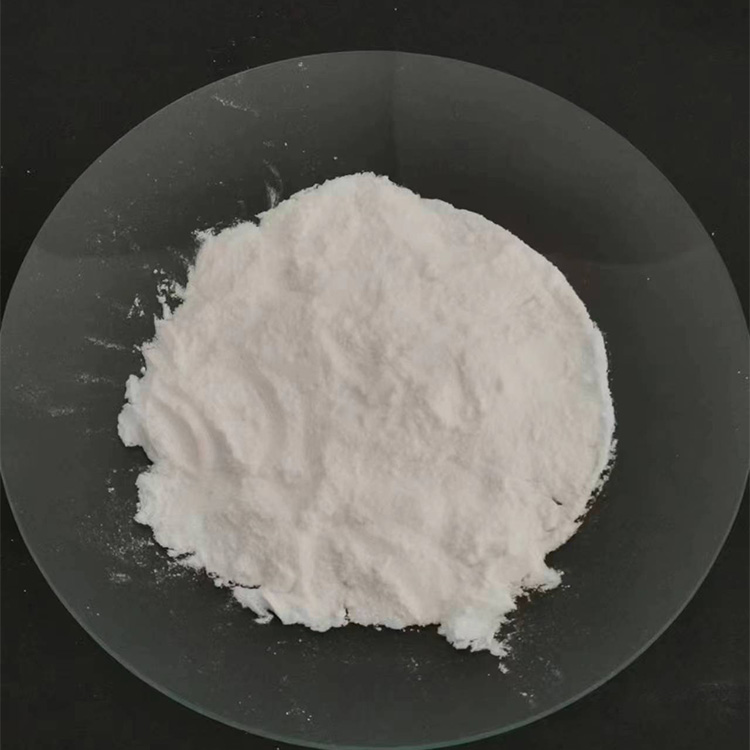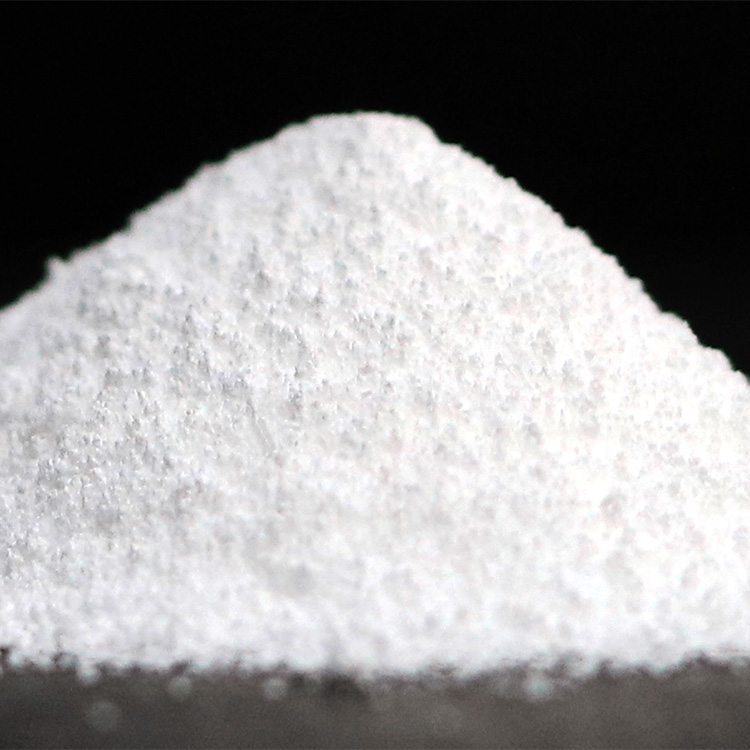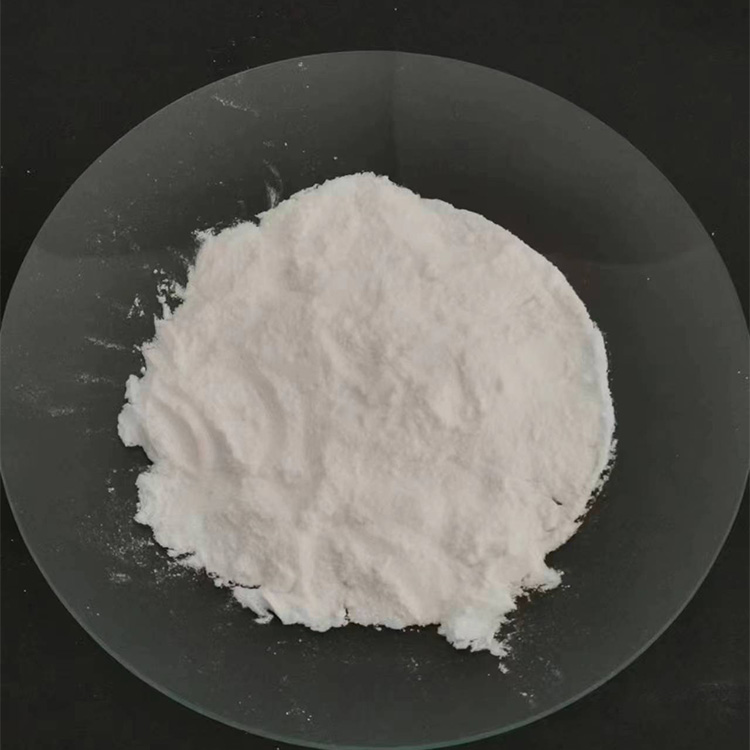

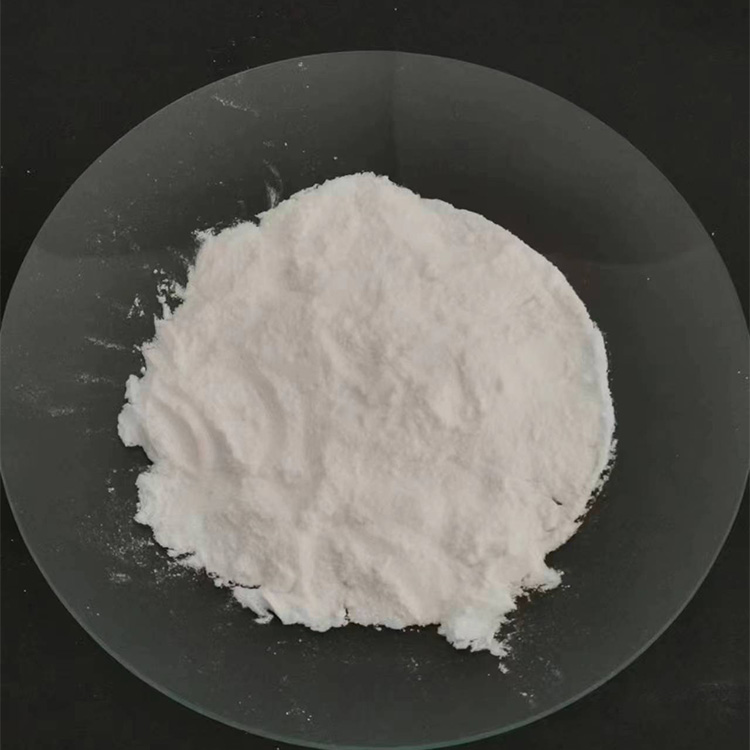
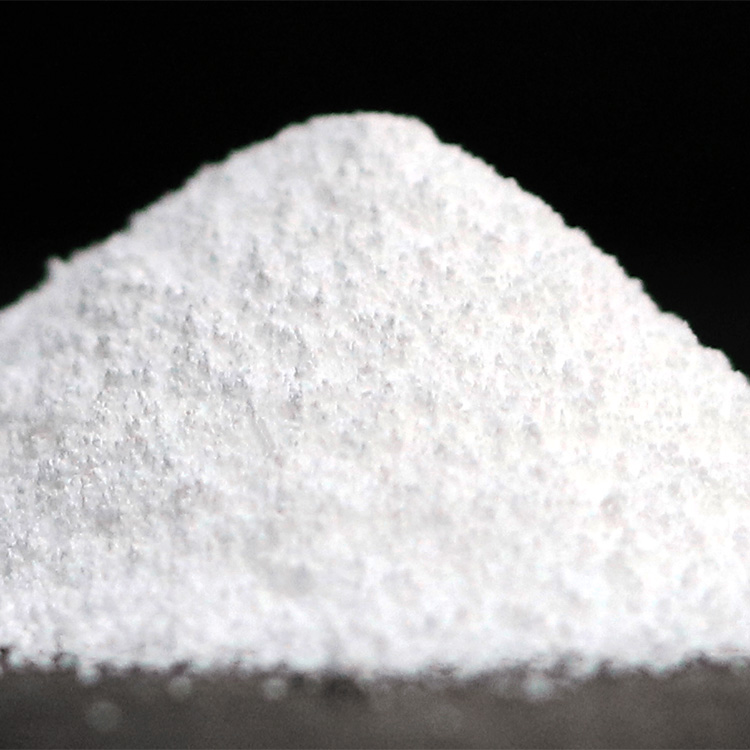
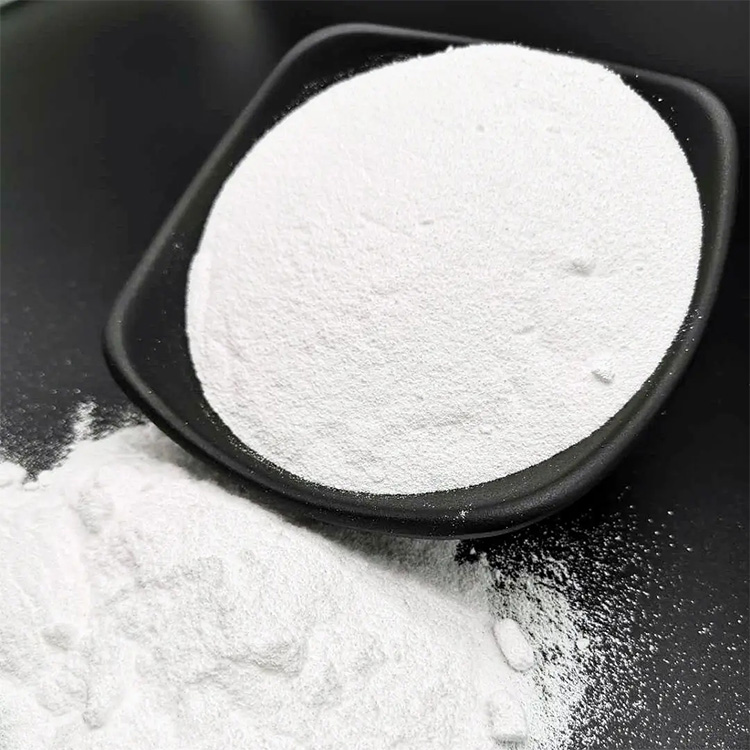


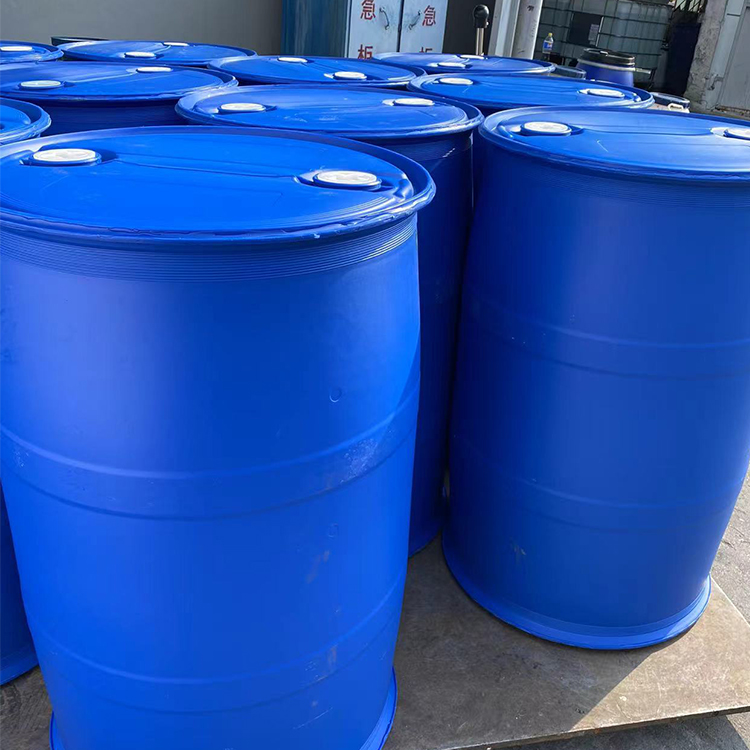
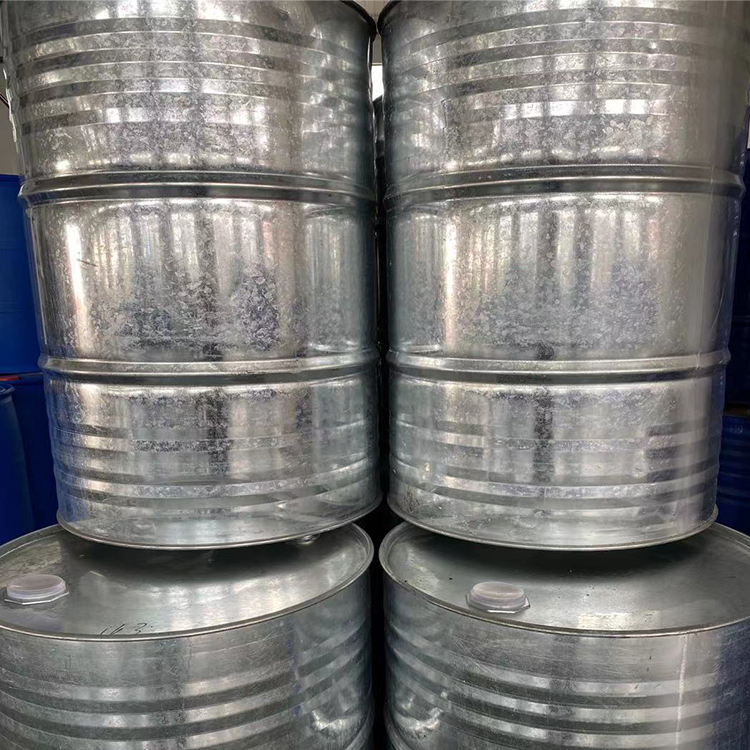







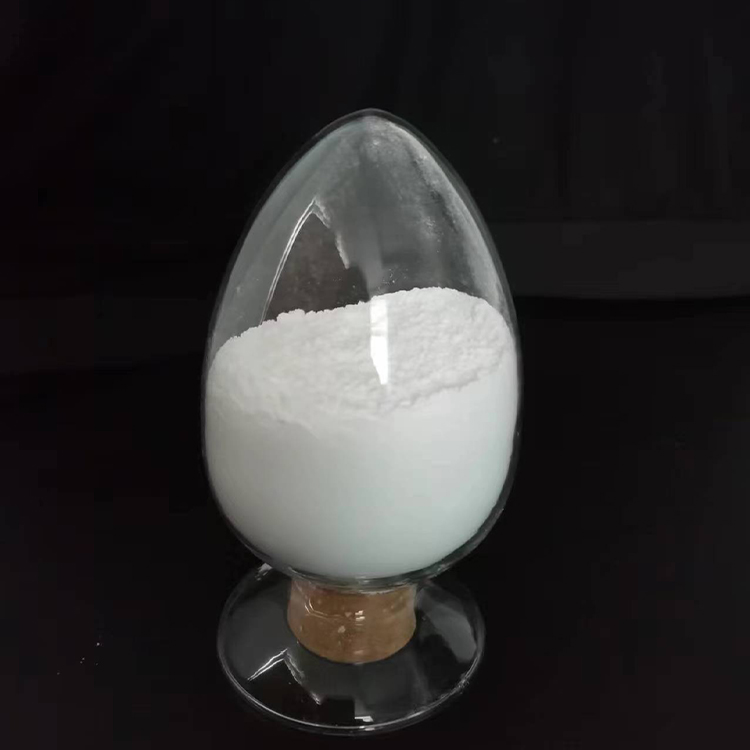
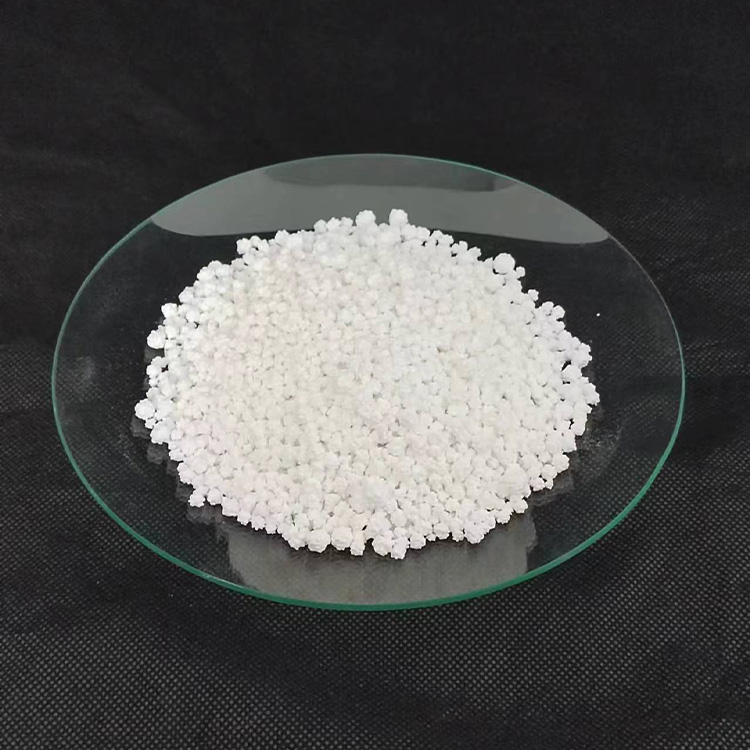
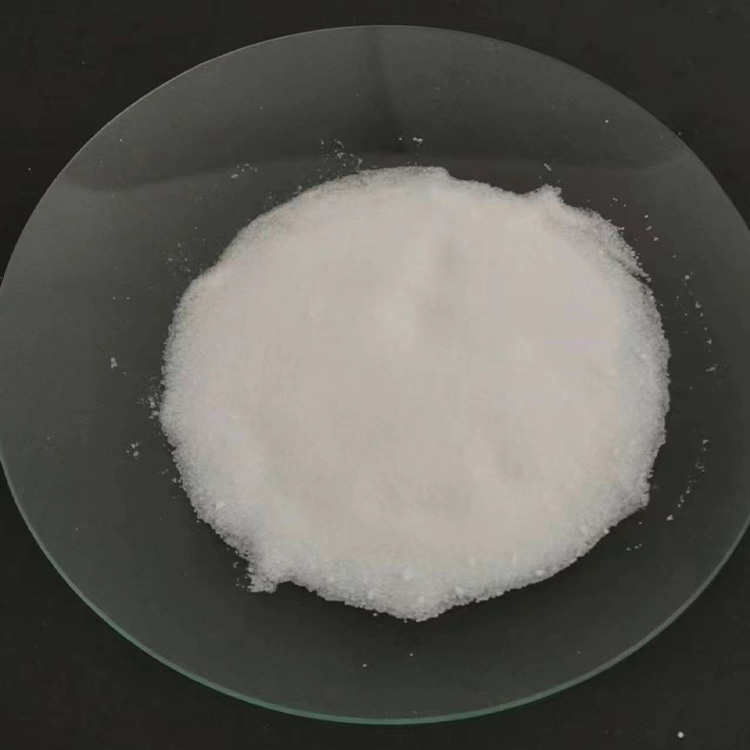
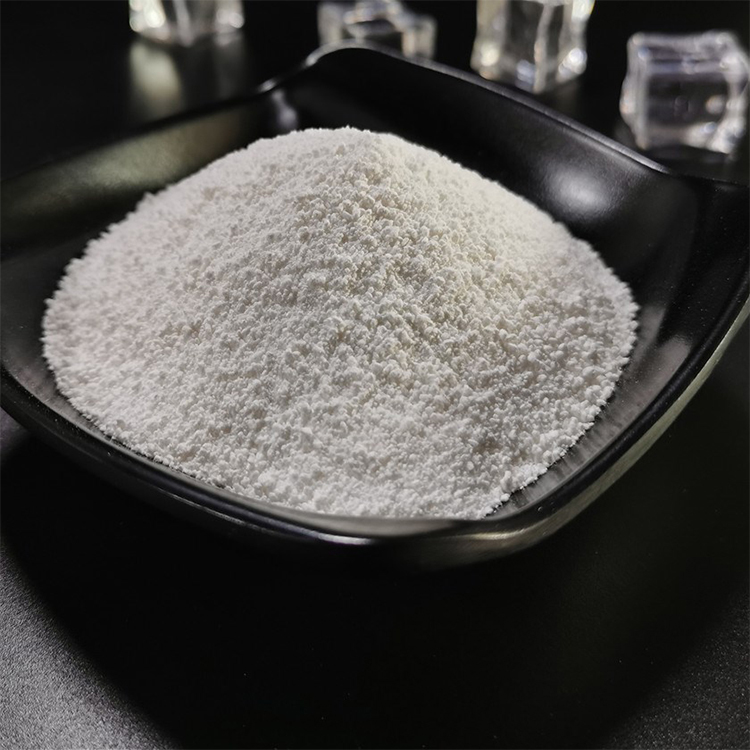
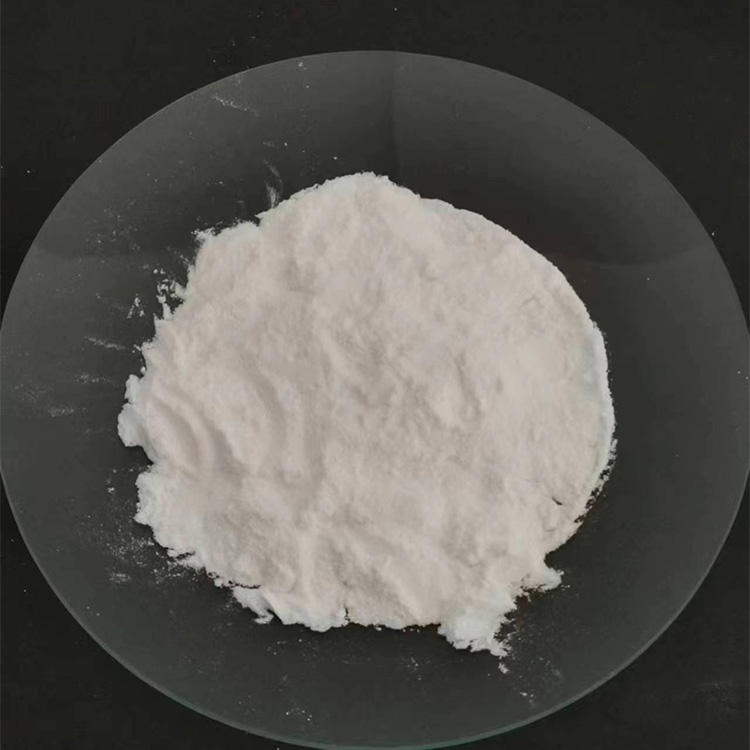
Sodium Carbonate, also known as soda ash, is an inorganic compound with the chemical formula Na2CO3 and a molecular weight of 105.99. It is a type of salt, not an alkali, and is also referred to as soda or soda ash in international trade. It is a white powder, odorless and tasteless, easily soluble in water, with a strongly alkaline solution. In humid air, it absorbs moisture and forms lumps, some of which convert to sodium bicarbonate. Production methods include the Solvay process, ammonia process, and Leblanc process, among others, and can also be refined from natural alkali. It is a crucial raw material for inorganic chemical industries, primarily used in the production of flat glass, glass products, and ceramic glazes. It is also widely employed in household cleaning, acid neutralization, and food processing.
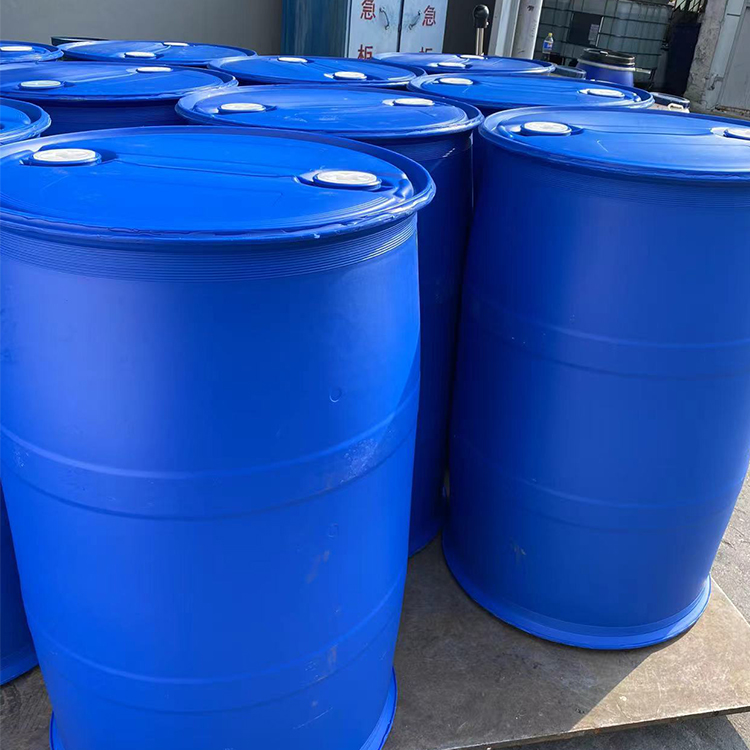
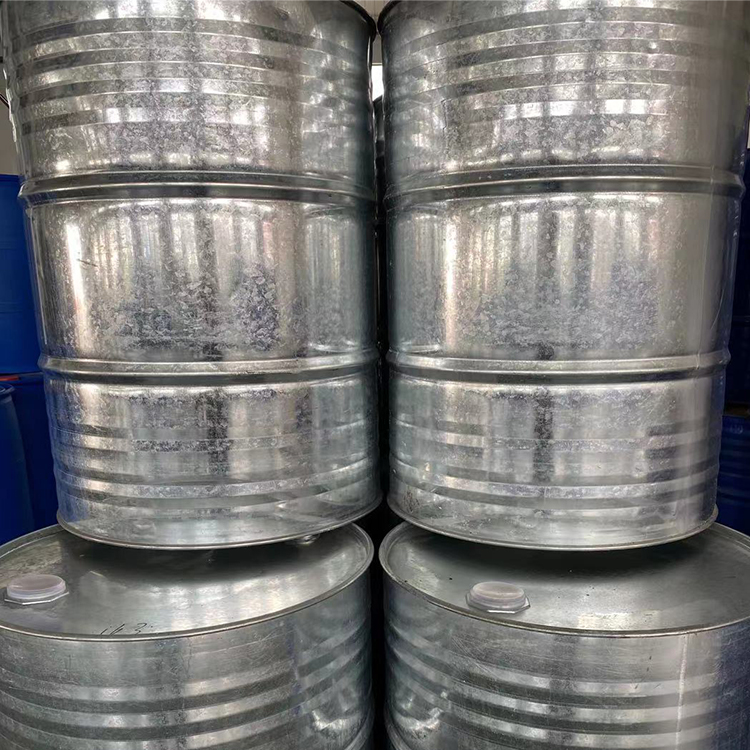
Caution: Sodium carbonate has a strong hygroscopic property; therefore, it must be tightly sealed before and after use. Store in a dry and well-ventilated environment to prevent caking and degradation, which may affect its performance.
Sodium carbonate is commonly used in the production of glass, chemical metallurgy, dyeing and printing industries, industrial water treatment, leather manufacturing, and other fields. Additionally, due to its strong degreasing ability, it is also used as a cleaning agent.