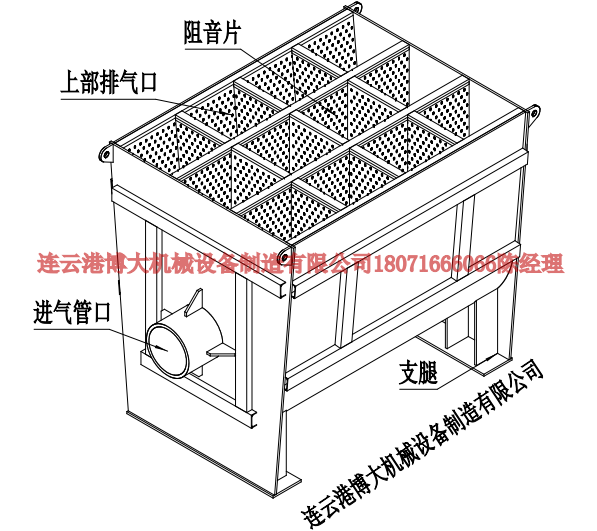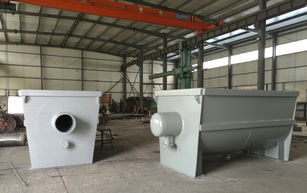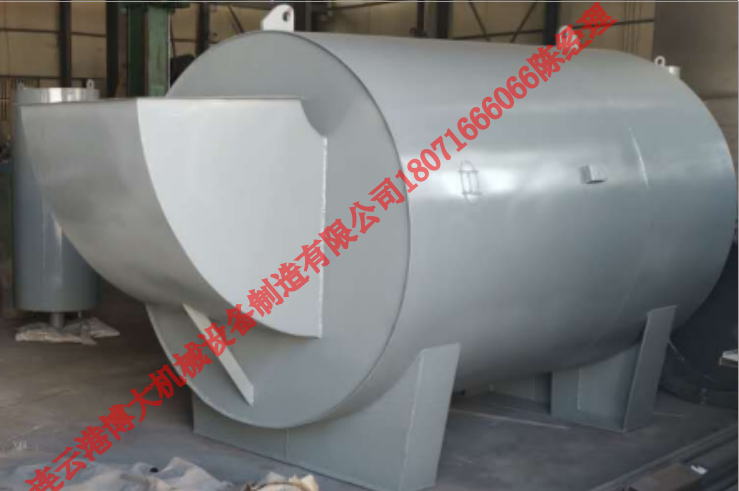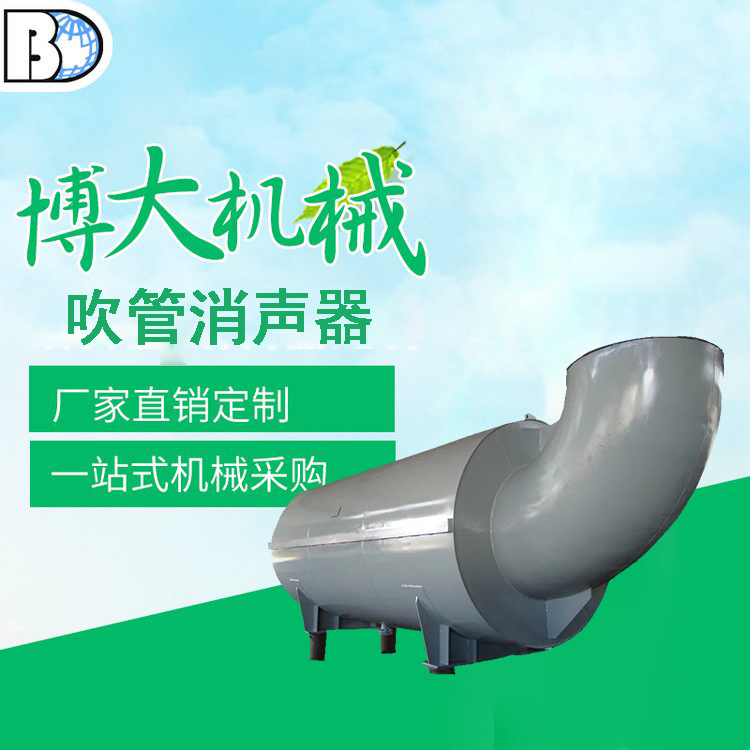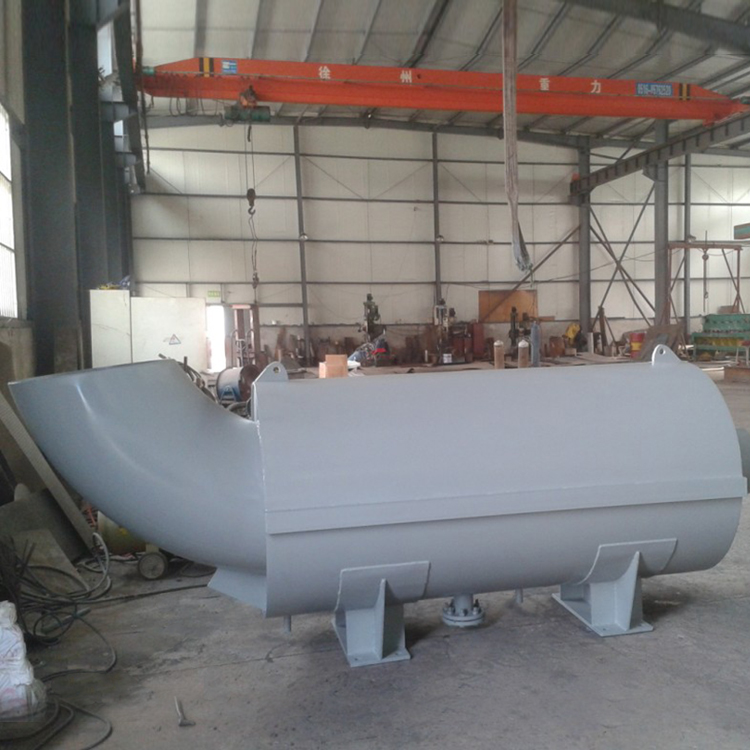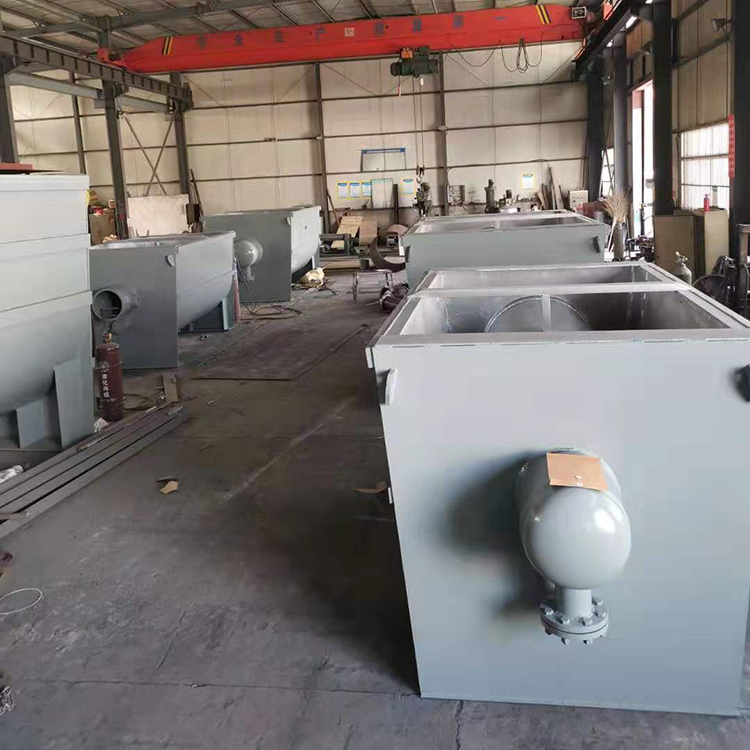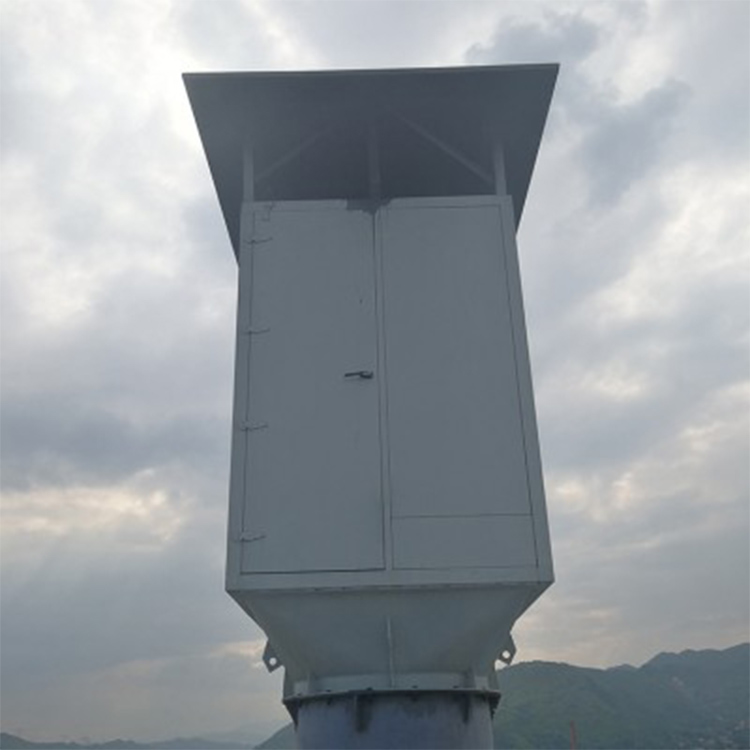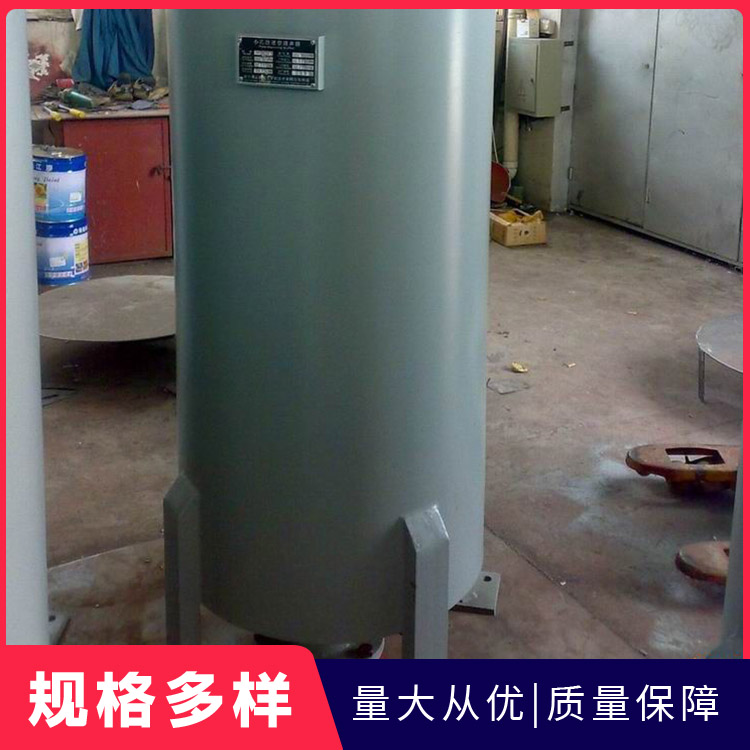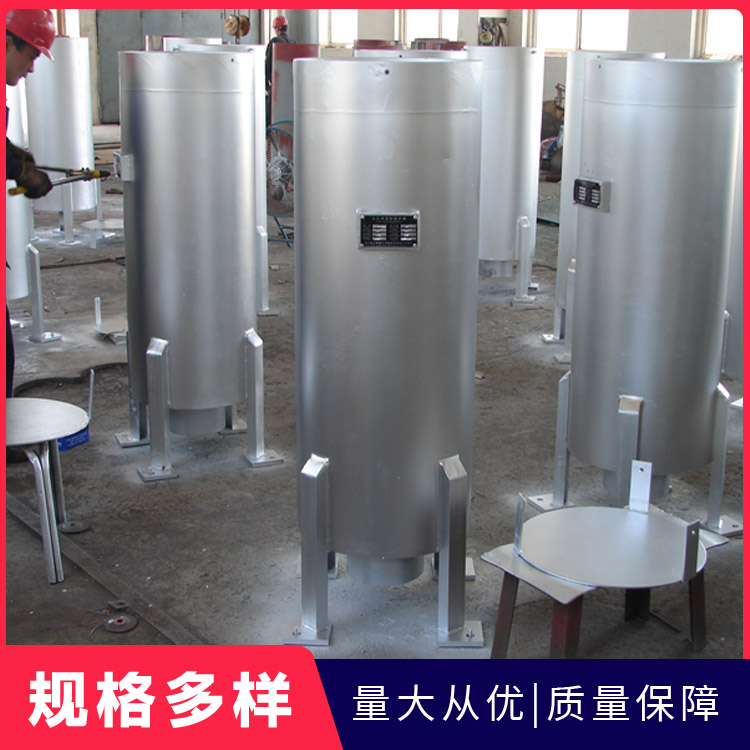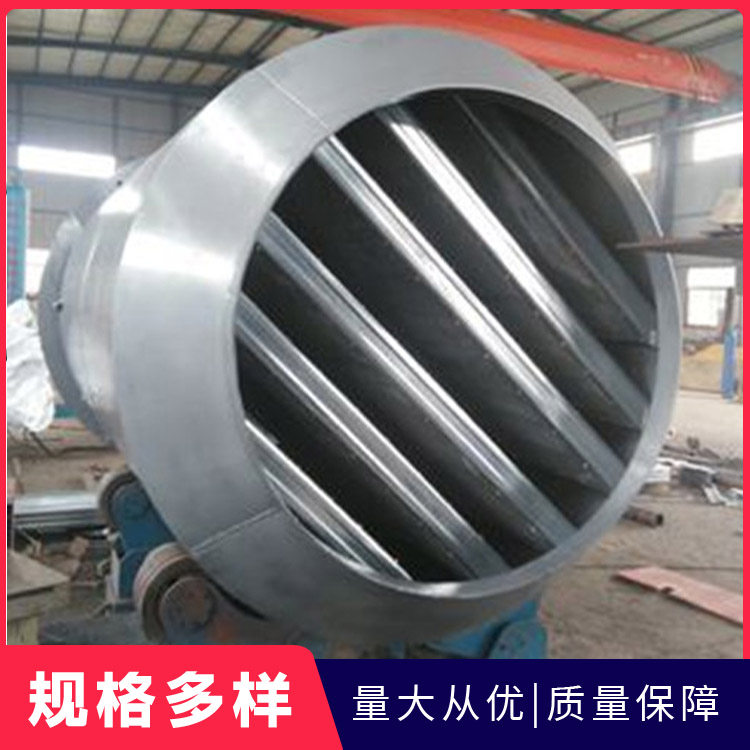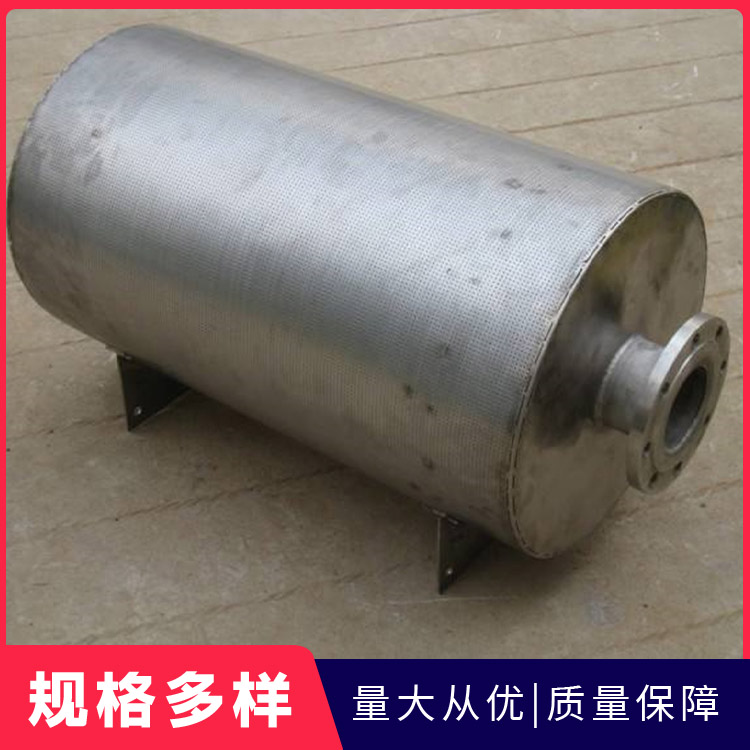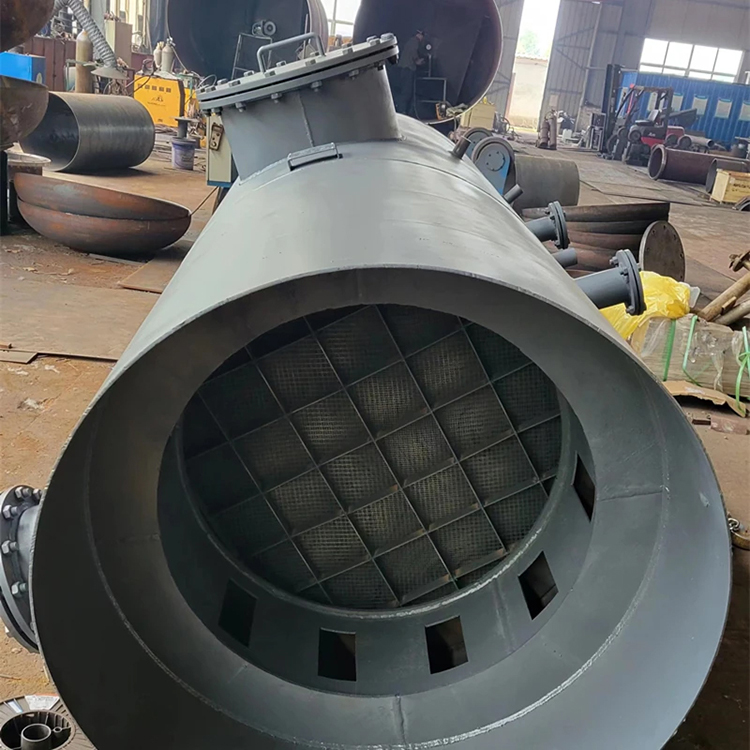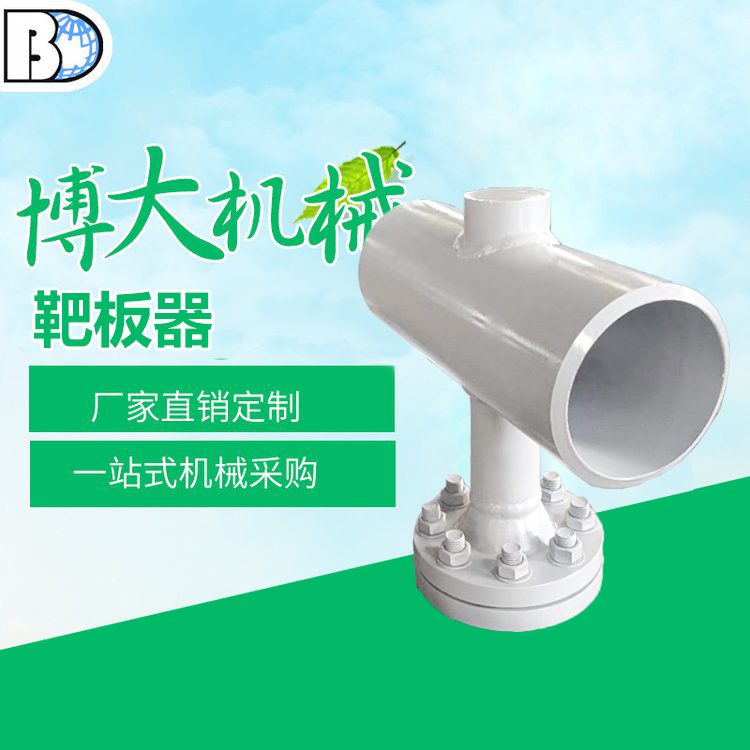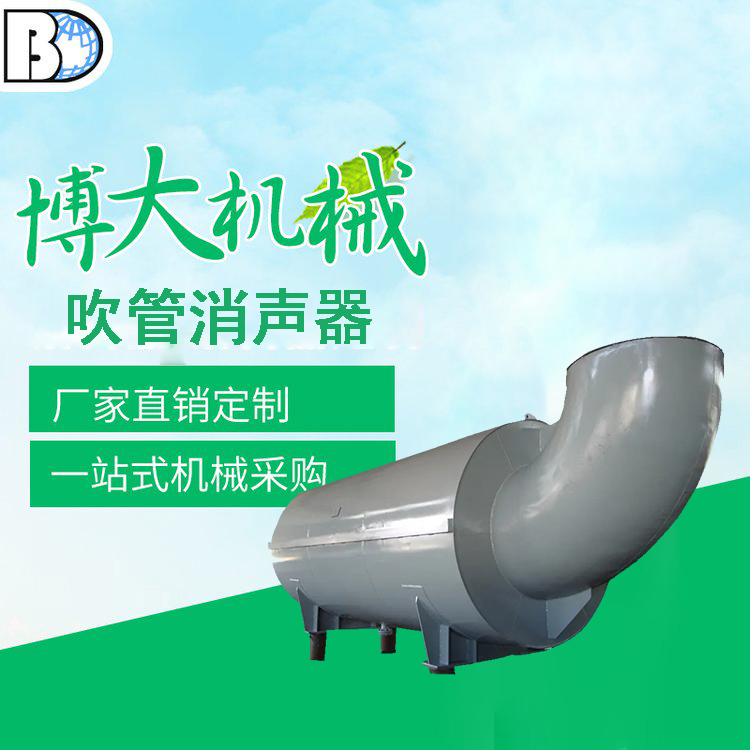

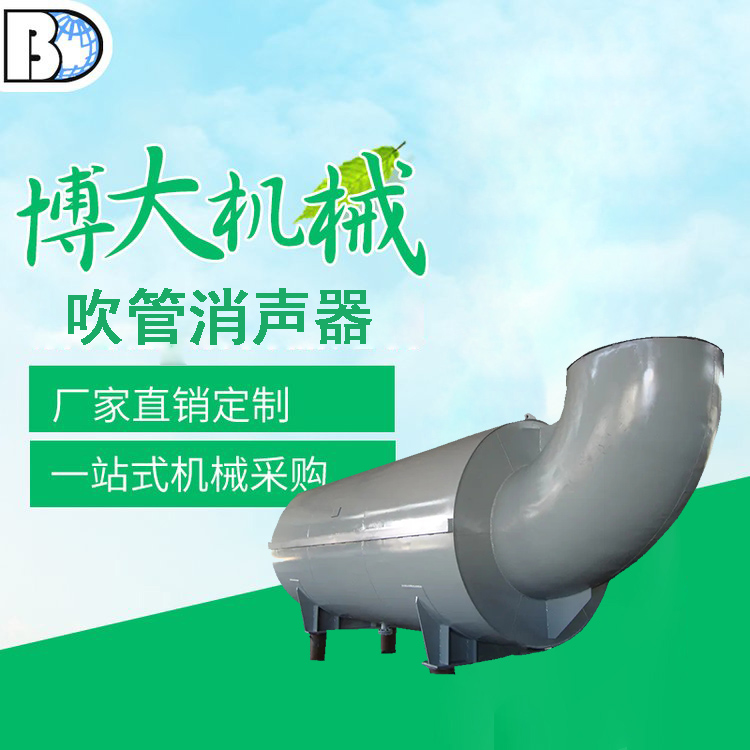
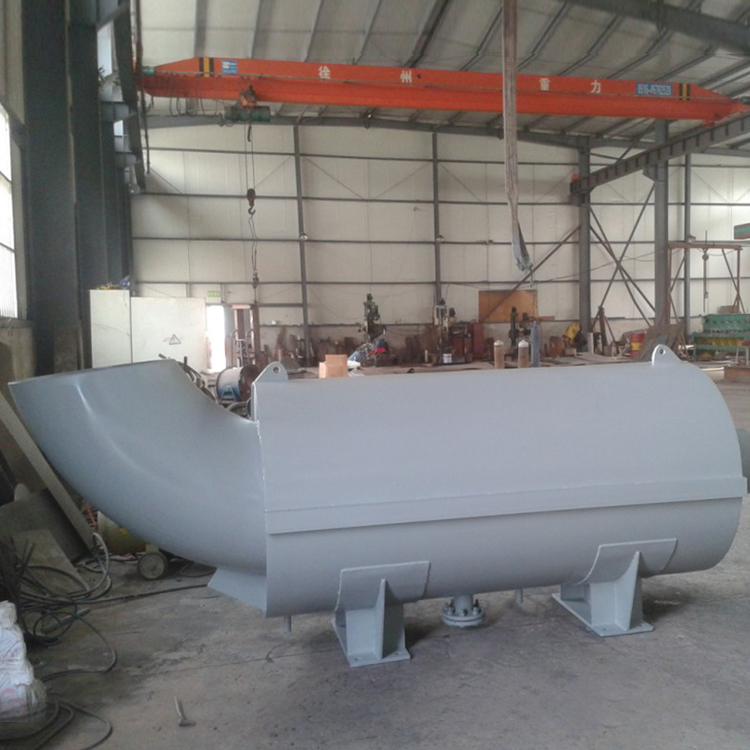
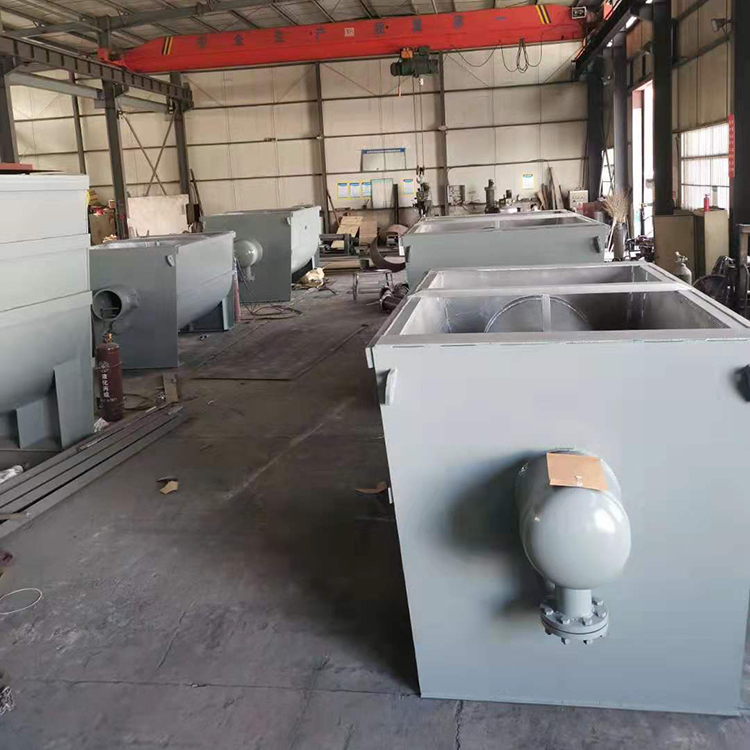


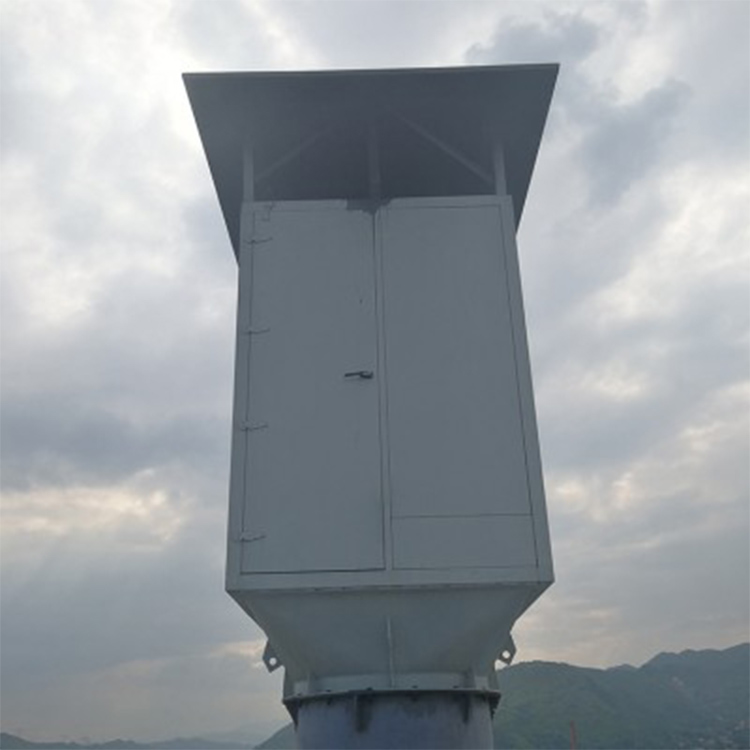
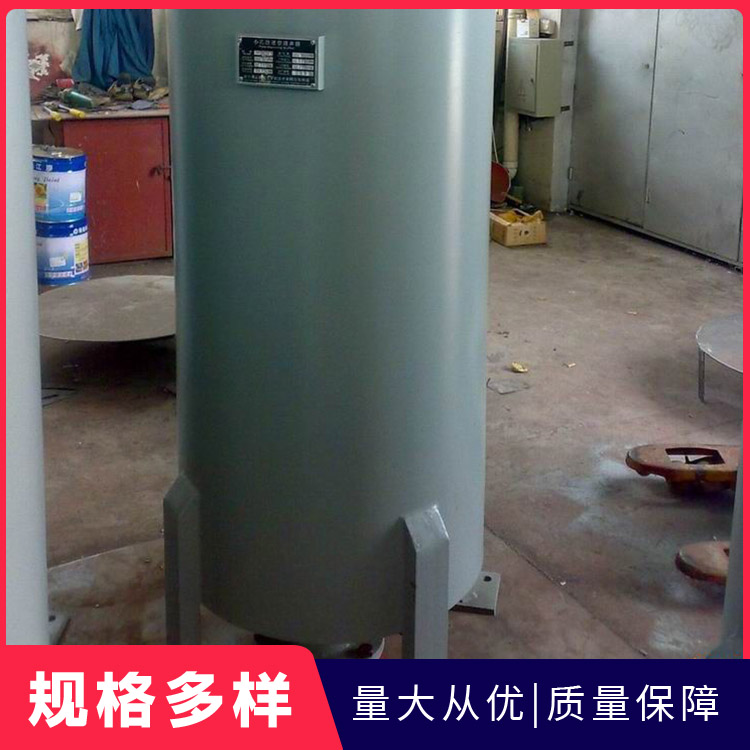
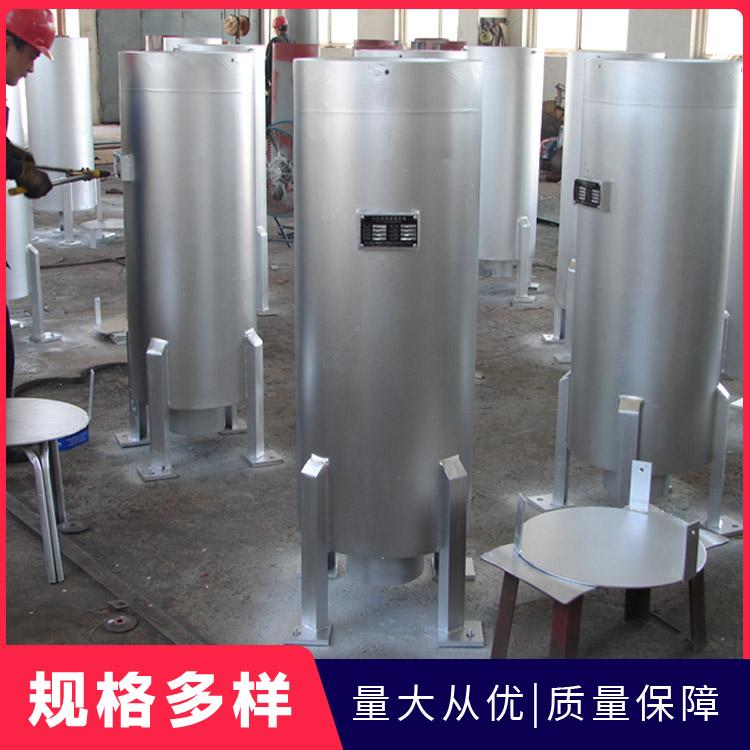







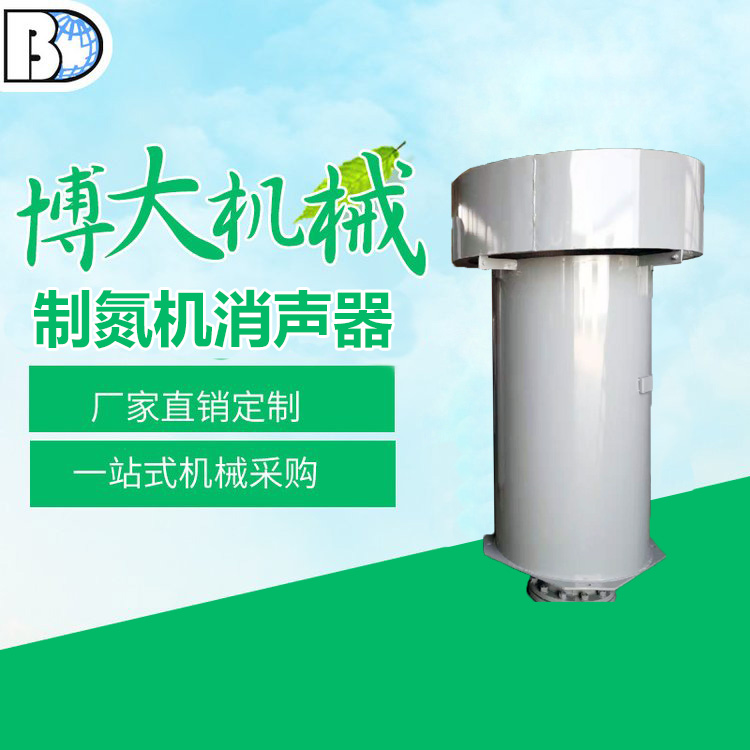
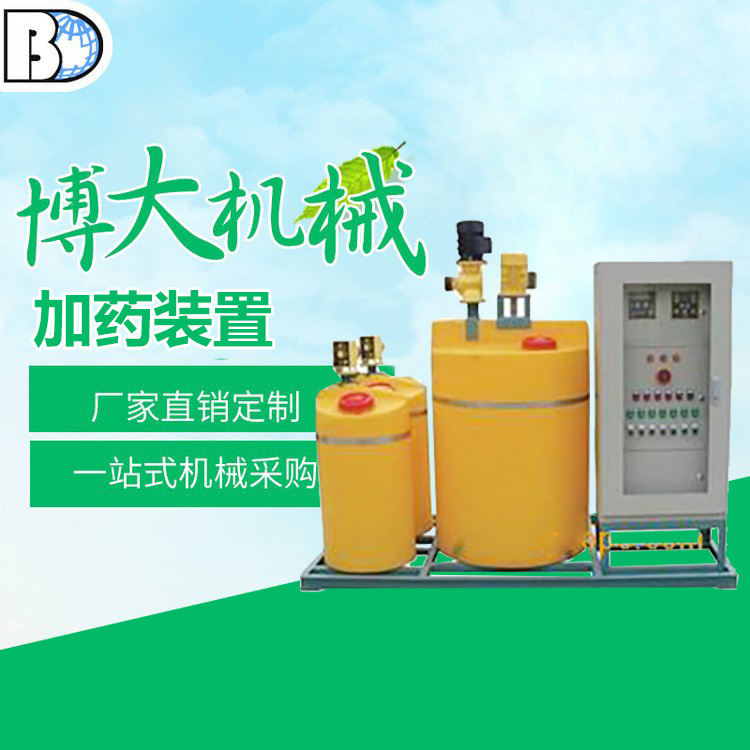
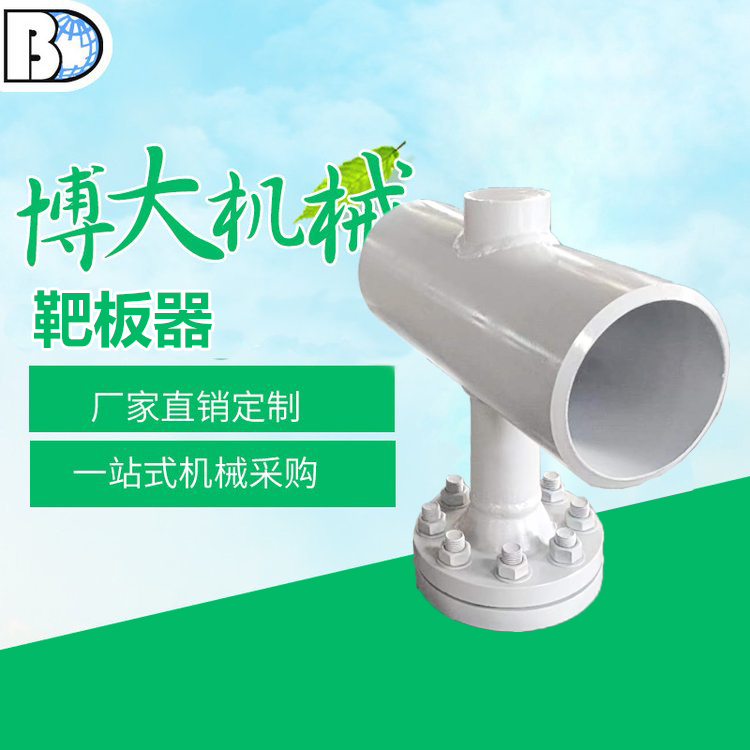
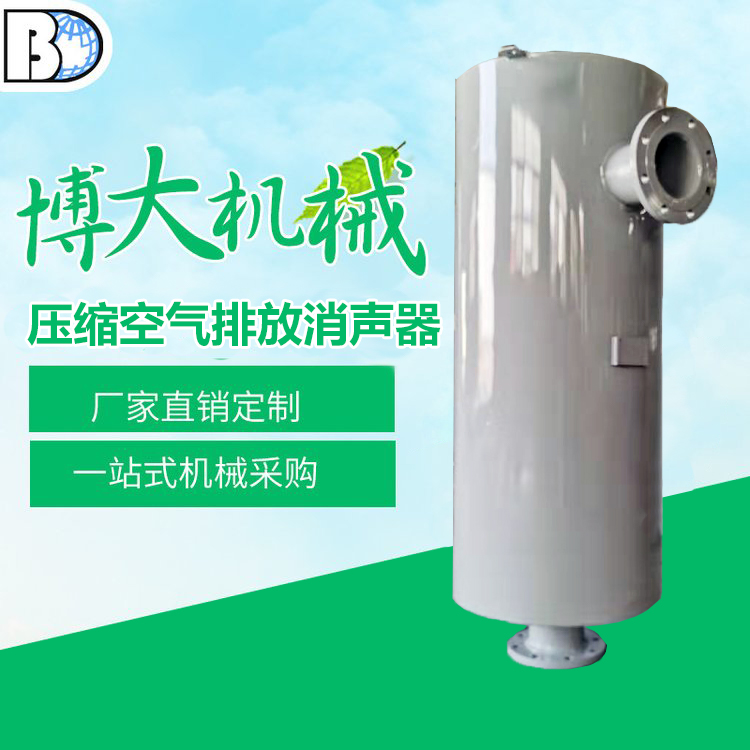
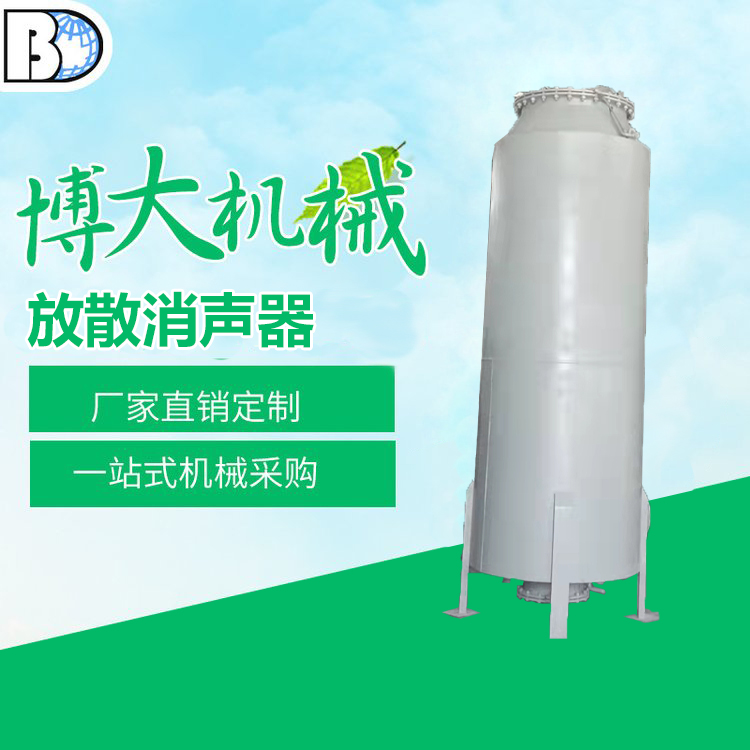
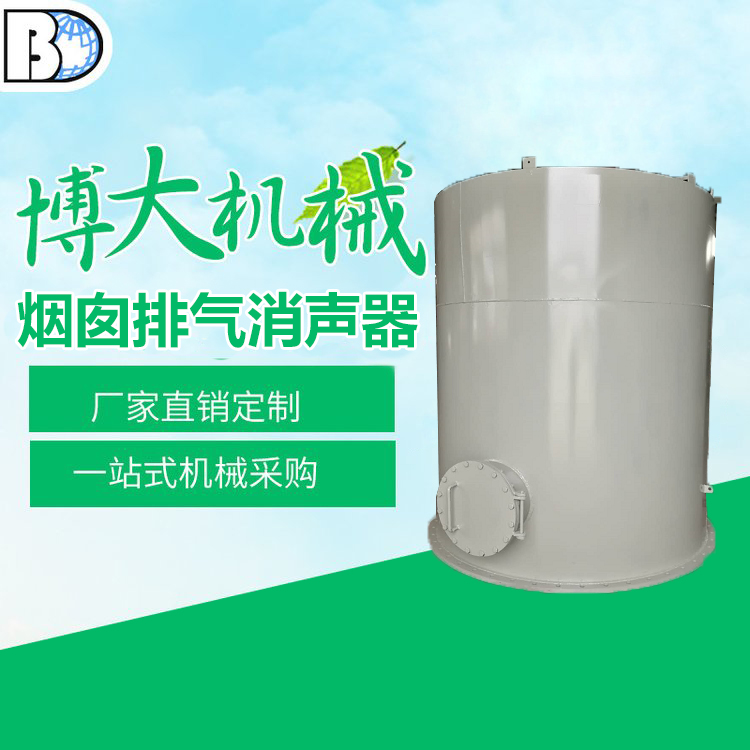
The silencer for blow pipes can be considered as a component of the pipeline. After acoustic processing inside, it can reduce the generation and transmission of noise. The design of the silencer for steam blow pipes should not solely focus on noise reduction effects. First and foremost, it must meet the requirements of the steam blow pipes, ensuring high flow rates, minimum resistance, and maximum momentum. Then, noise reduction can be achieved through techniques such as pressure reduction, throttling, volume expansion, and frequency shifting.
Boiler blowing pipes is a quick and easy method to eliminate residual engineering debris from pipeline: The blowing process generates a tremendous noise of about 130-150dB, while blowing pipe silencers can reduce the generation and transmission of noise, achieving a noise reduction of over 30-40 decibels (A-weighted) at the outlet, correspondingly reducing the loudness by over 60%, which results in a noticeable subjective effect.
Features
1. To meet the requirement of high steam temperature during supercritical unit steam blowing, the material selected for the inlet of the blowing pipe silencer and the first stage throttle tube is 0Cr18Ni9, while the second stage throttle tube and housing are made of 20g or 16MnR.
2. Suitable for harsh working environments; can contain water, ferrous debris (particle size up to ∮30mm), and construction residues in the working medium.
3. Noise reduction up to 20dB-40dB(A). Suitable for (blowing methods): constant pressure blowing tube, voltage reduction blowing tube, oxygen enrichment blowing tube.
4. During design and manufacturing, the technical specifications of GB150-1998 "Steel Pressure Vessels" must be strictly followed. To ensure the safe operation of the muffler, structural measures and requirements must be established and met, including strength, differential expansion, displacement, drainage, corrosion allowance, and protection against damage from solid debris. The manufacturing quality of the muffler should be supervised and inspected by professionals from the design and supervisory authorities.
Design and manufacturing
1. The design of the muffler body must possess adequate strength and rigidity to withstand the impact of high-speed steam flows laden with various debris (such as weld slag, oxidized rust, sand, etc.). The strength of the muffler, calculated according to the standards of 150-98 "Steel Pressure Vessels," requires a certain safety margin to compensate for the special circumstances of this project, where various debris are impacting the muffler at high speeds.
2. The supports and connecting components of the muffler shell and its assembly must have sufficient rigidity and strength. The structural design should be reasonable and capable of withstanding additional forces such as counterforces, thermal expansion thrust, torque, and vibration forces caused by high-speed airflow carrying debris. The muffler itself should be able to withstand various impacts brought about by temperature and pressure fluctuations. After multiple cycles of opening and blowing, the muffler should still maintain its overall integrity.
3. The material selection and welding of the blowpipe muffler should comply with the requirements of relevant specifications or standards.
Order Parameters
Please provide the following information when selecting a blowpipe muffler:
1. Blower tube steam pressure, temperature.
2. Tube spool diameter and wall thickness.
3. Steam volume.