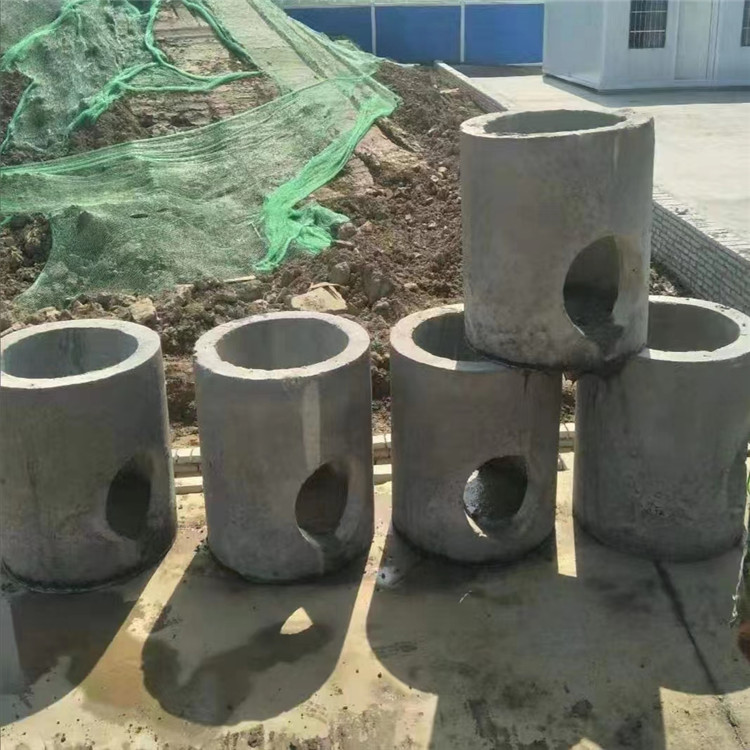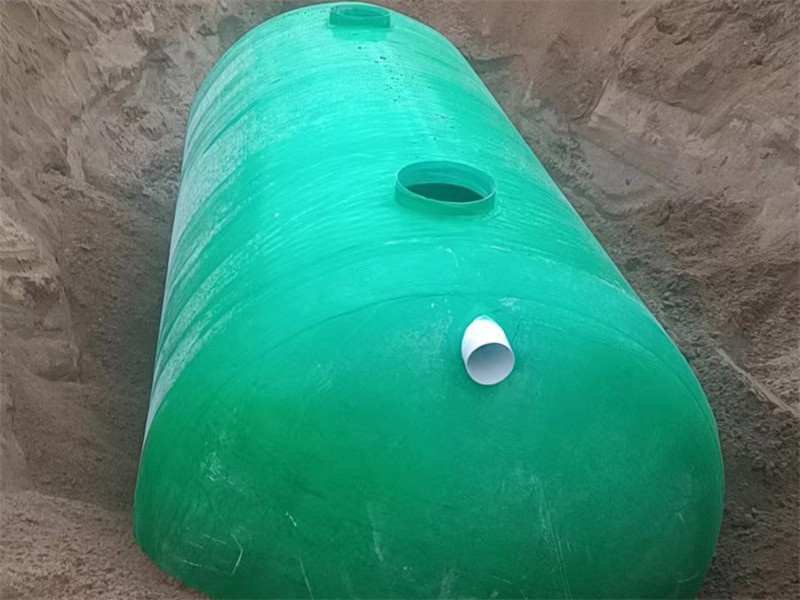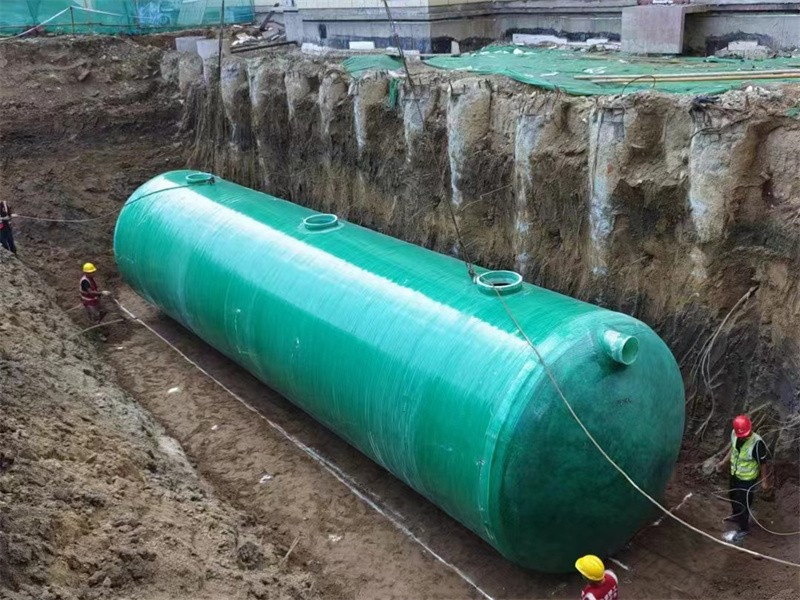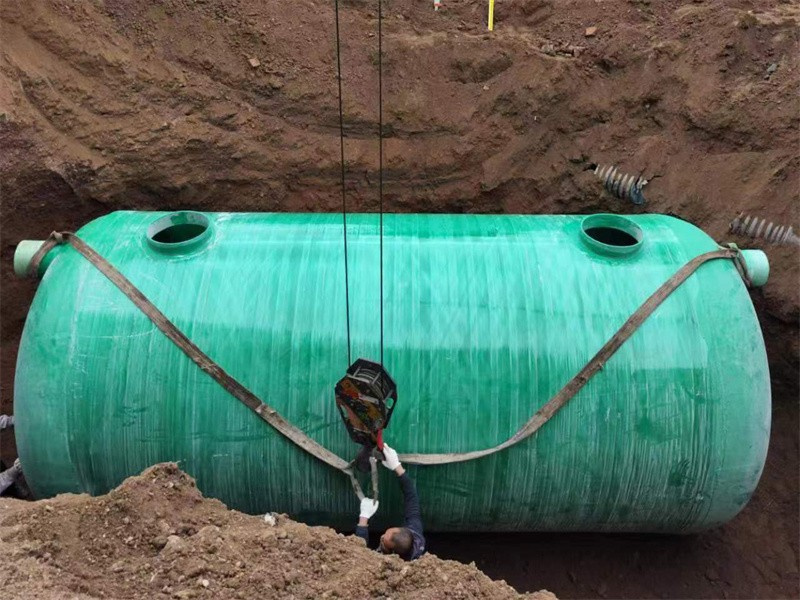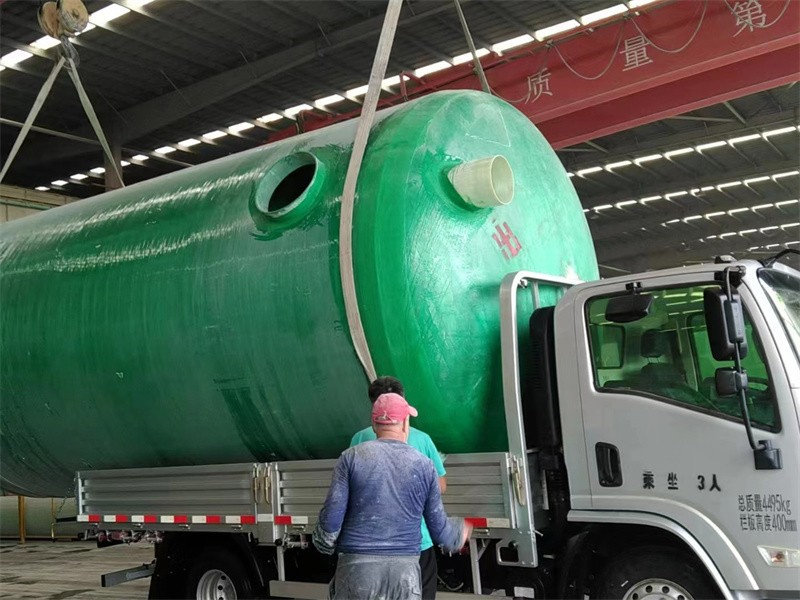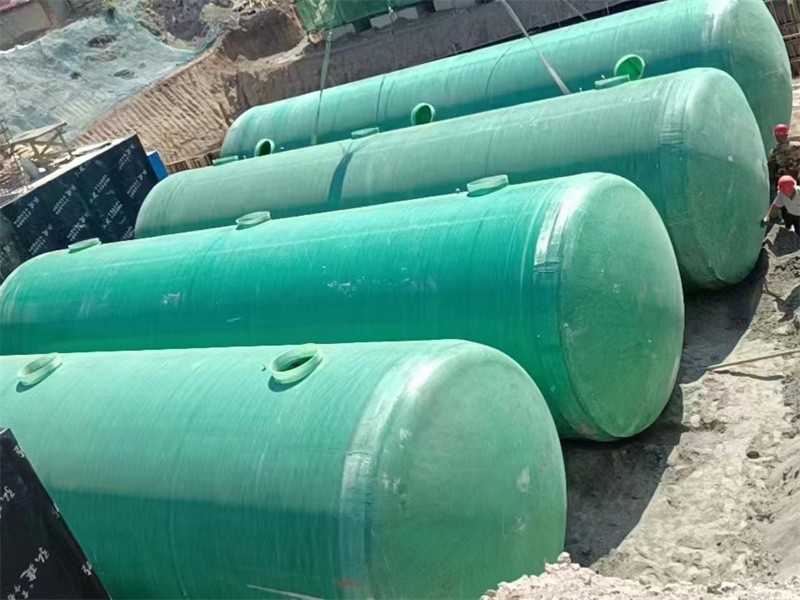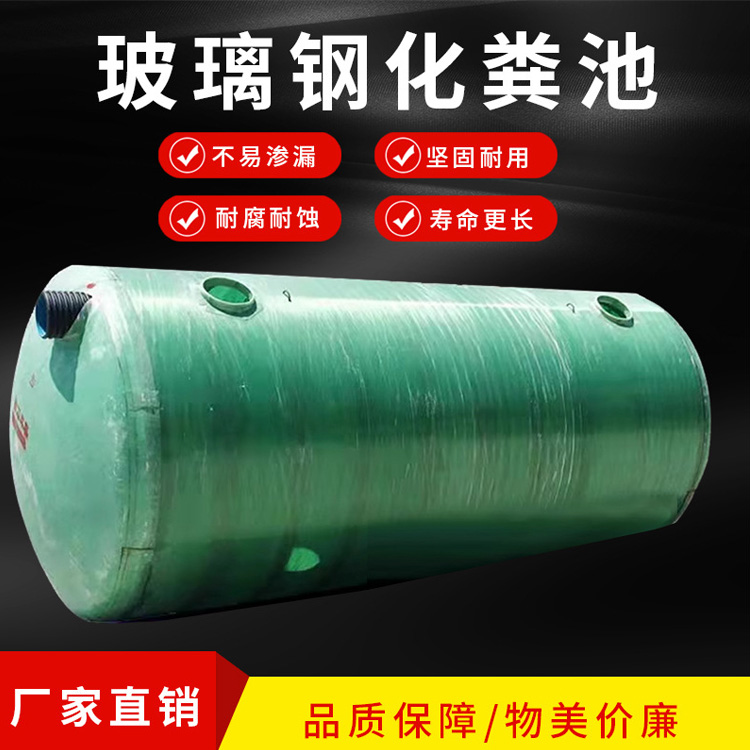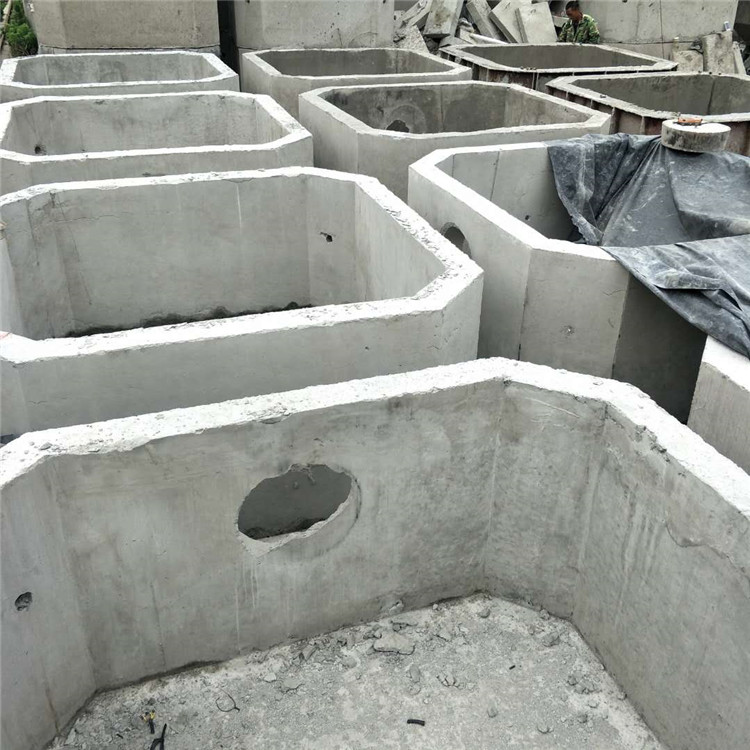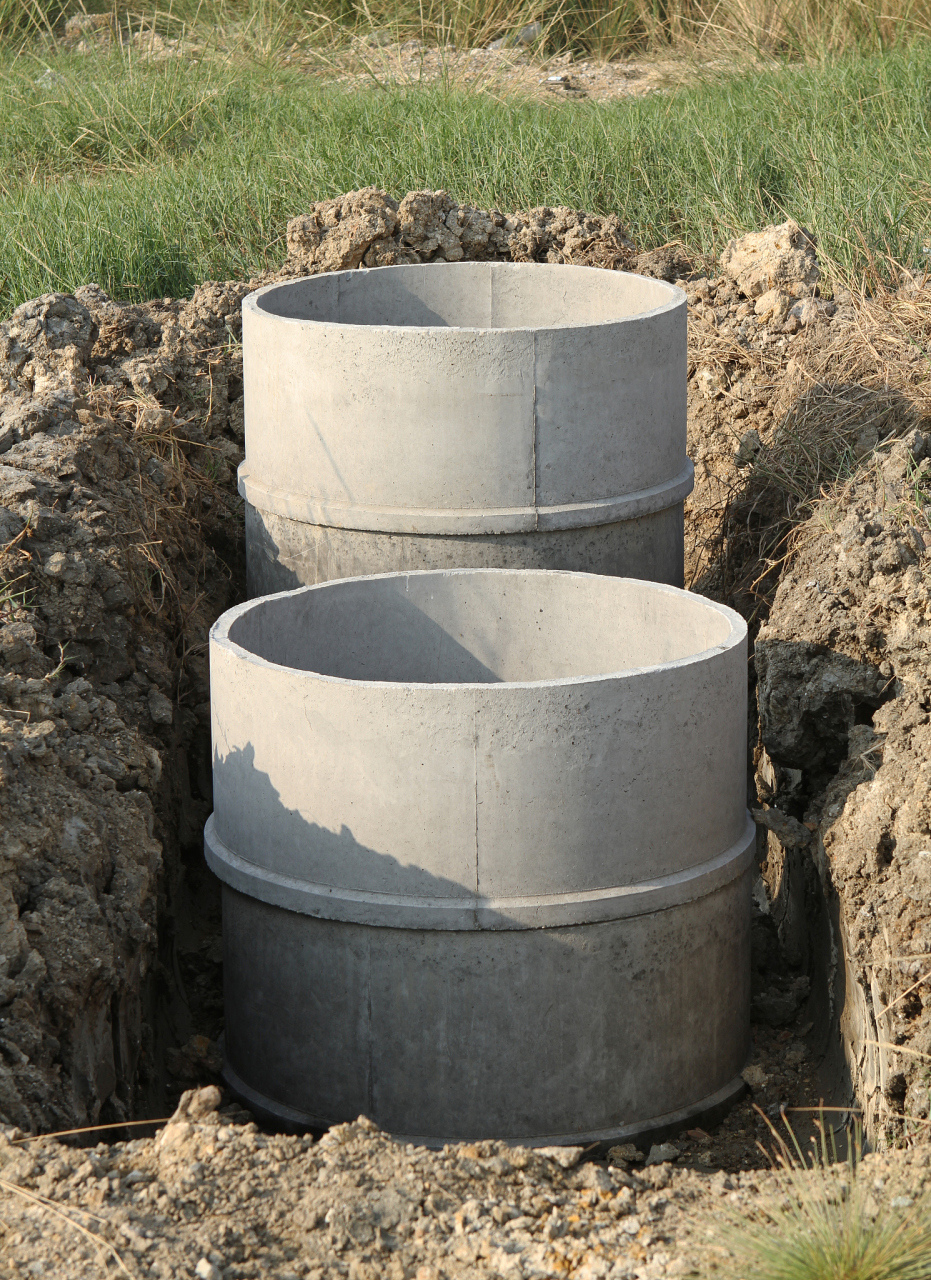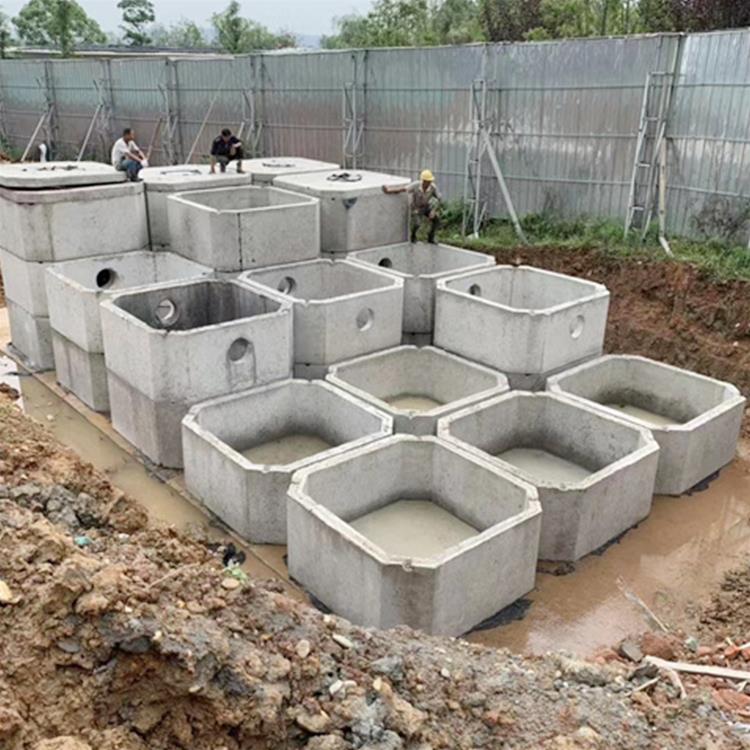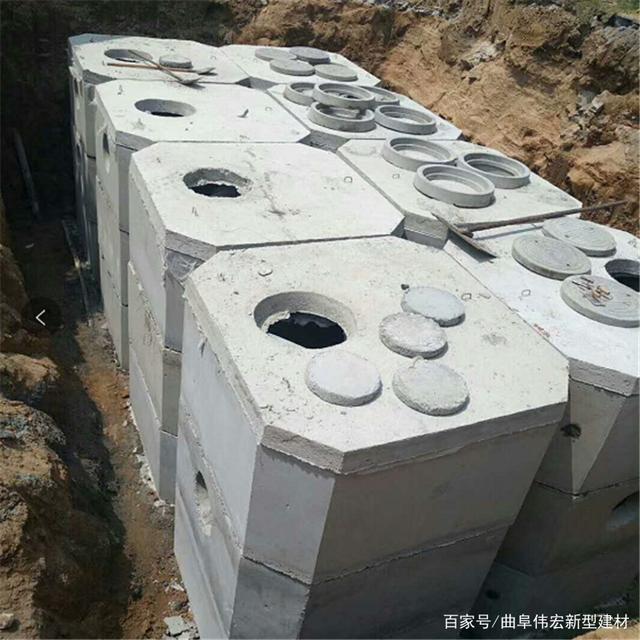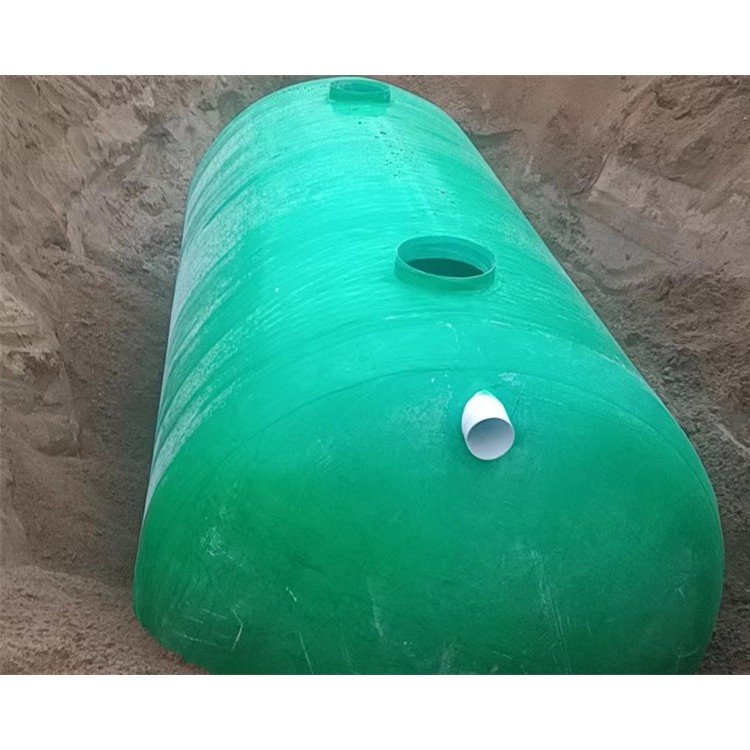
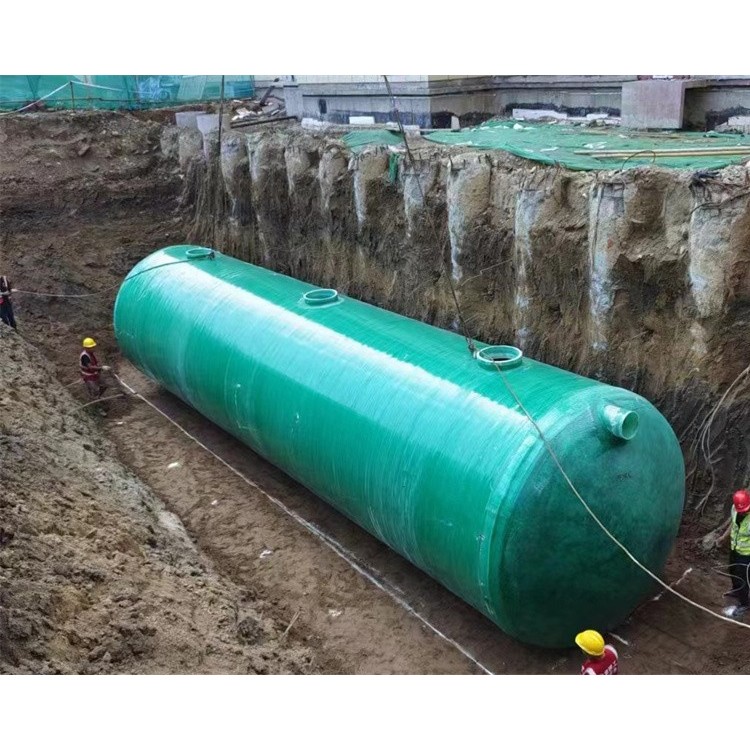
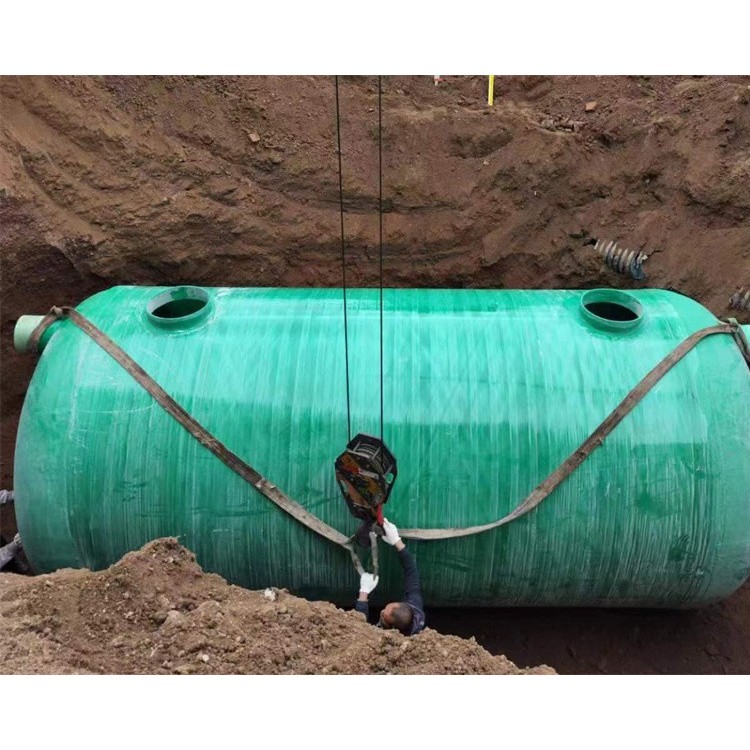
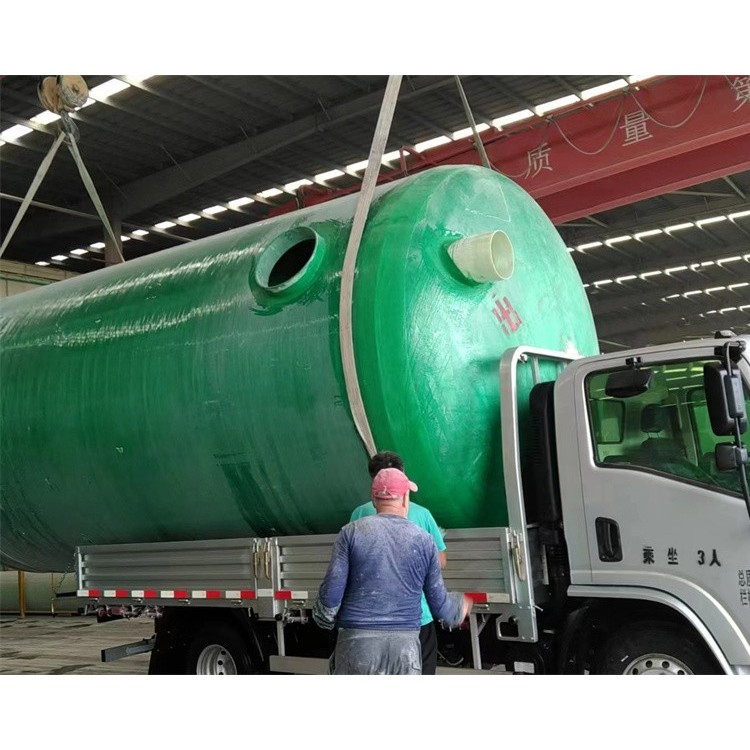
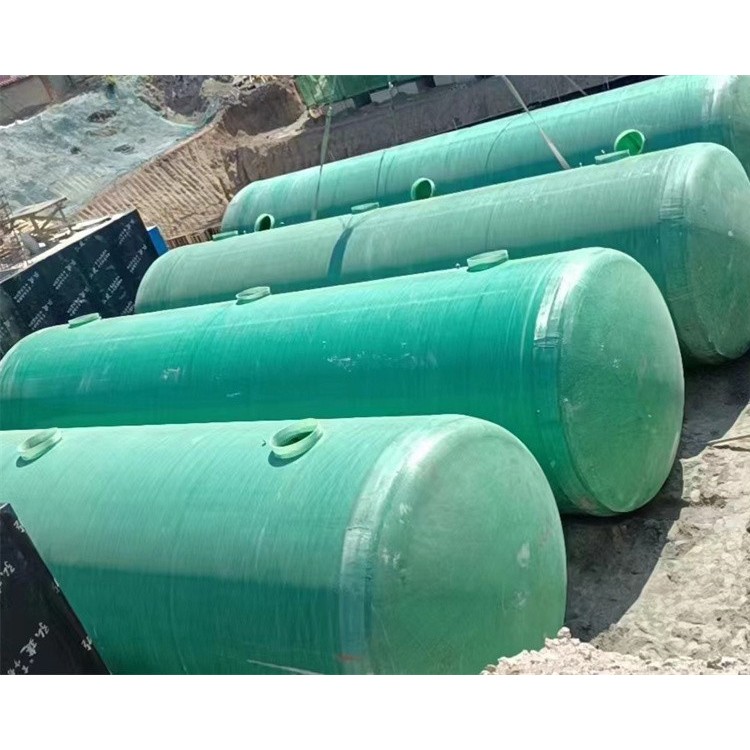







A septic tank is a treatment facility that utilizes sedimentation and anaerobic fermentation principles to remove suspended organic matter from domestic wastewater. It is classified as a primary transitional treatment structure. Domestic wastewater contains a large amount of feces, paper debris, pathogenic parasites... The concentration of suspended solids is 100~350 mg/L, and the concentration of organic matter is
COD levels are between 100~400mg/L, with the concentration of suspended organic matter BOD5 ranging from 50~200mg/L. Sewage entering the septic tank undergoes sedimentation for 12~24 hours, which can remove 50%~60% of suspended solids. The sludge settled out is decomposed by anaerobic fermentation for over 3 months, converting organic matter in the sludge into
Stable inorganic matter, easy conversion of primary sludge into stable mature sludge, alters the sludge structure, and reduces its moisture content. Regularly remove and transport sludge for landfilling or use as fertilizer. Requirement: The calculated volume of the sedimentation and digestion sections of the septic tank should comply with the "Design of Building Water Supply and Drainage."
The "Code for Design of Building Drainage and Sewage Disposal Systems" (GB50015-2003) Article 4.8.4 to 4.8.7 determines that the retention time of wastewater in a septic tank should be between 12 to 36 hours. For wastewater treatment systems without sludge disposal, the volume of the septic tank should also include the storage volume for sludge.
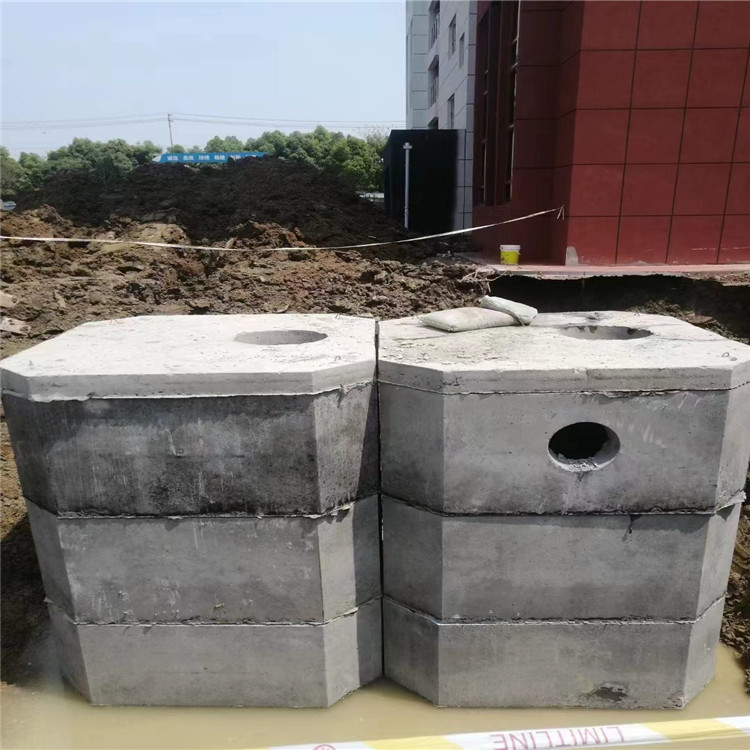
A septic tank is a device used for treating feces and filtering out sediment. Its principle involves the decomposition of solid matter at the bottom of the tank, with the liquid portion rising to the surface and flowing out through pipes, preventing blockages. This allows sufficient time for the solid matter (such as feces and garbage) to undergo hydrolysis.
A small treatment structure for separating and sedimenting domestic wastewater and anaerobic digestion of sludge.