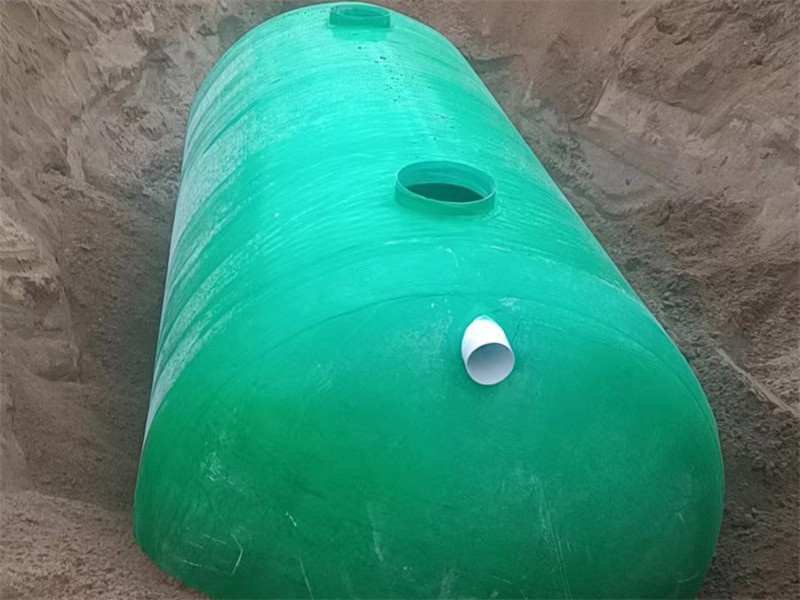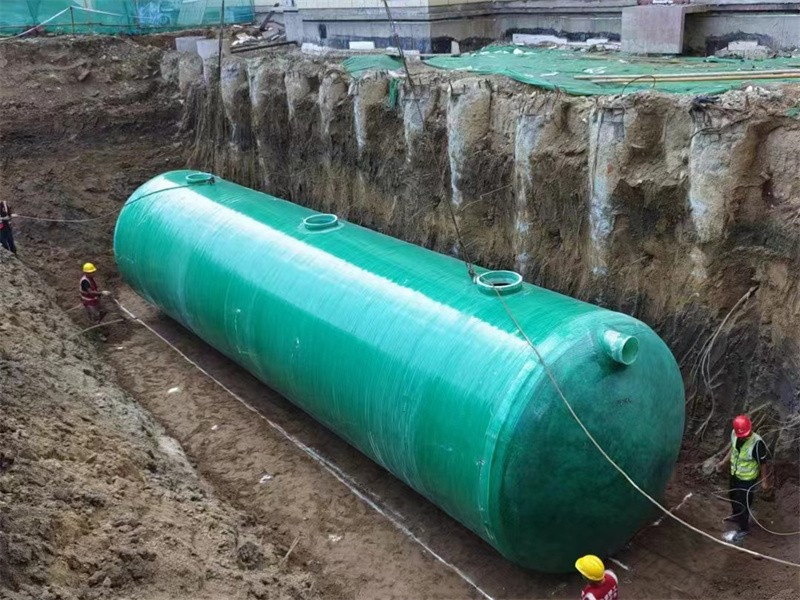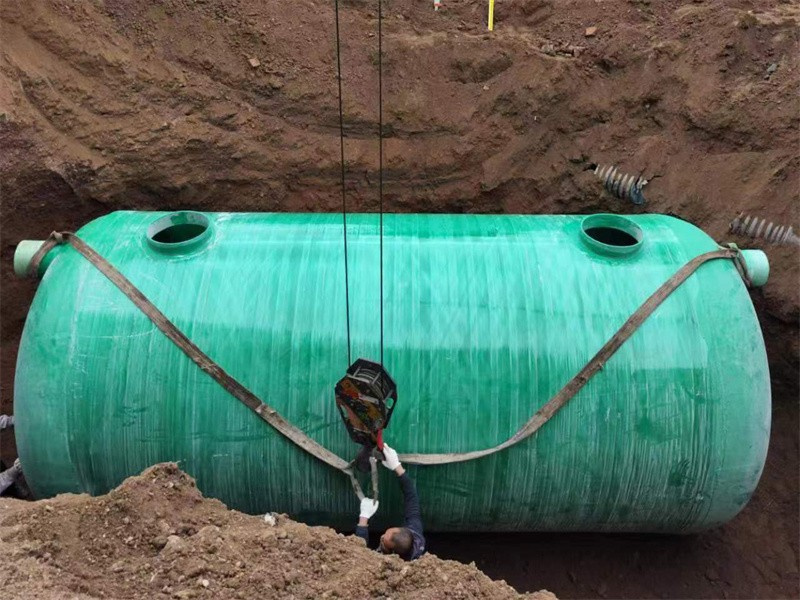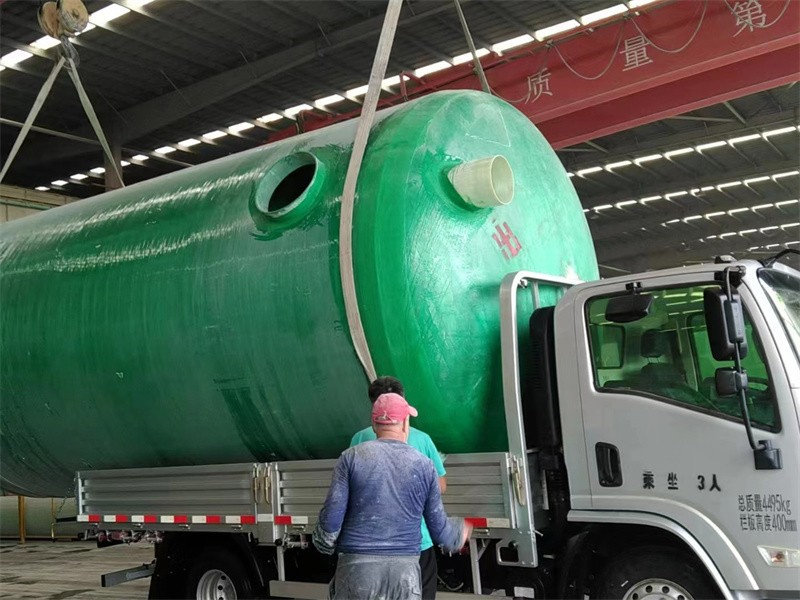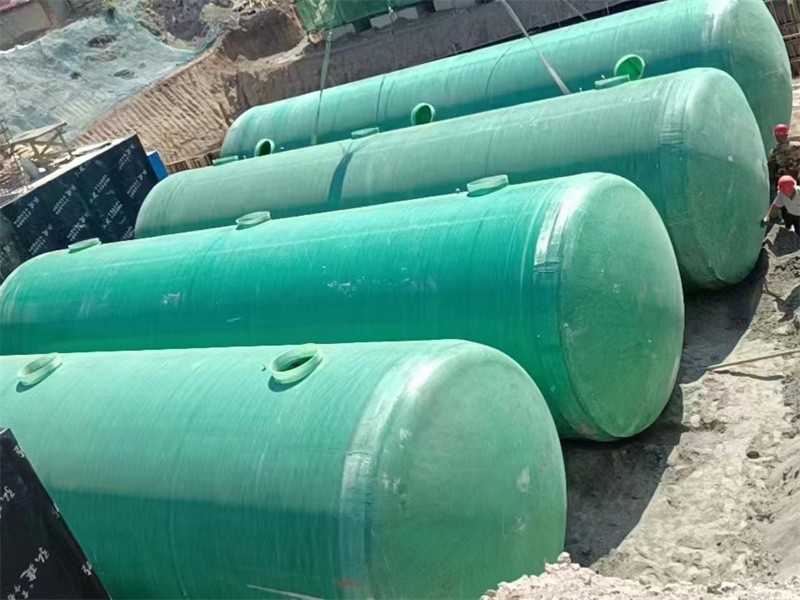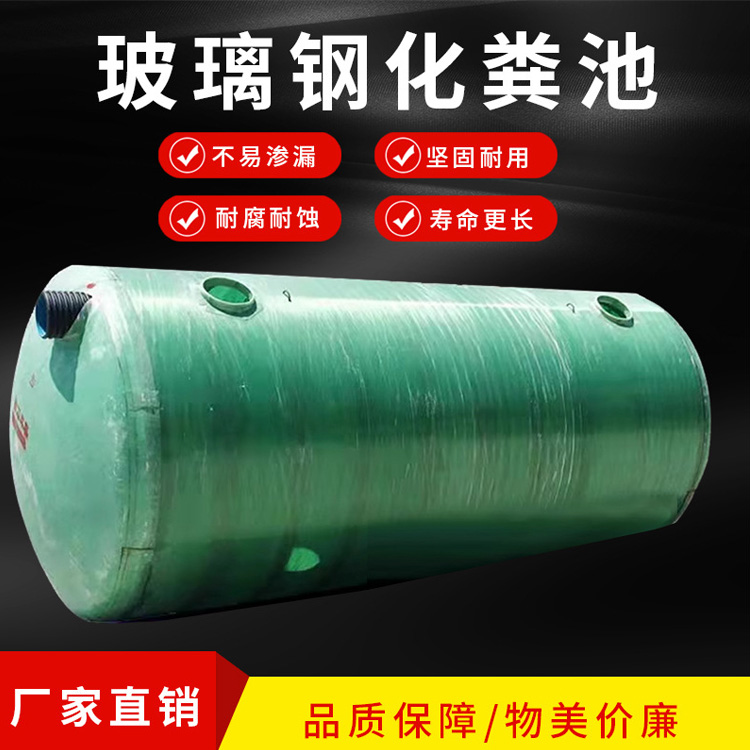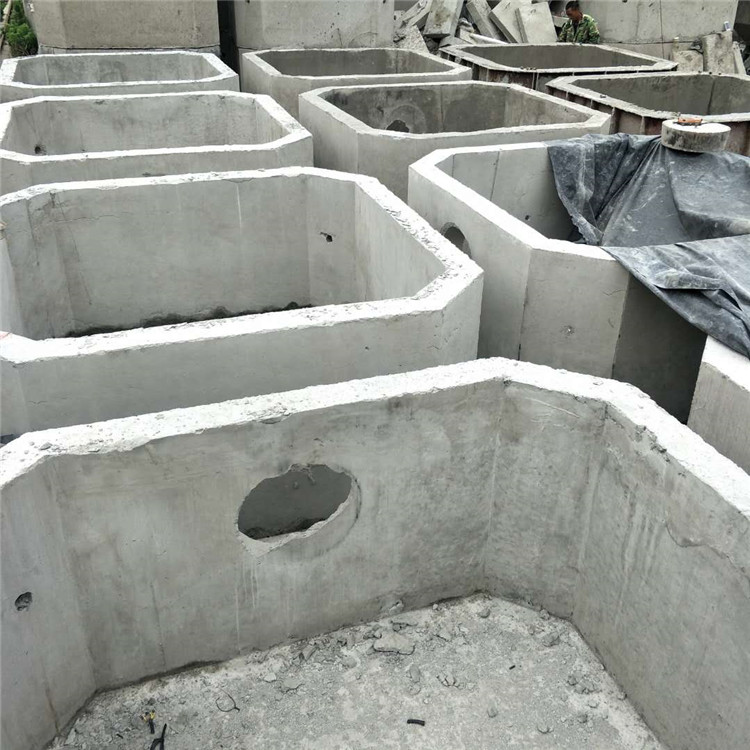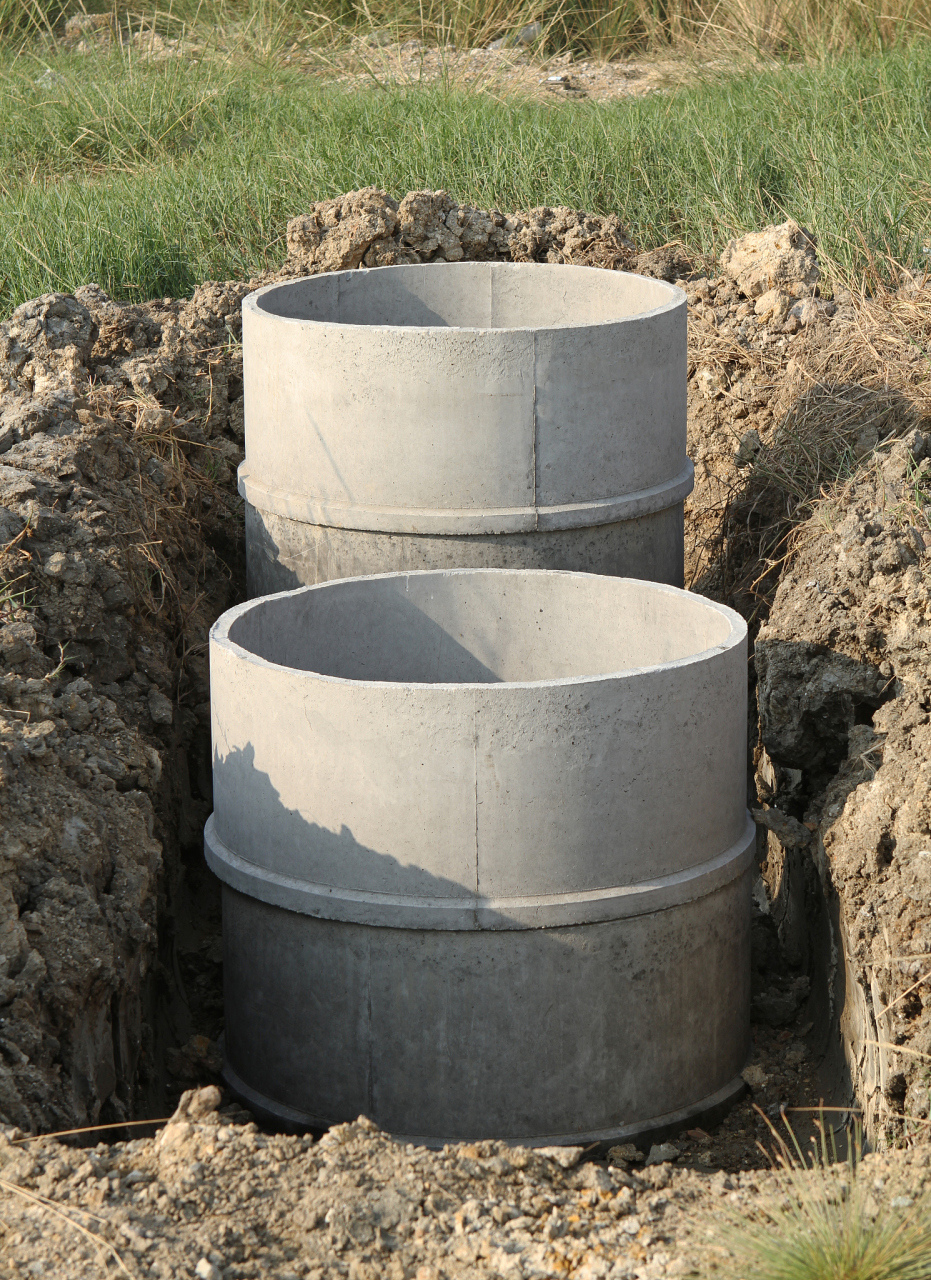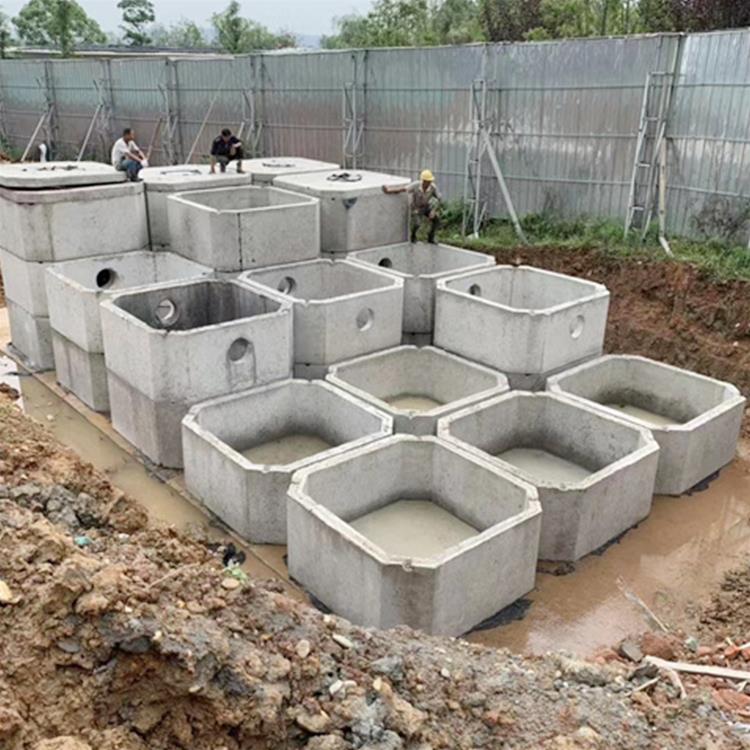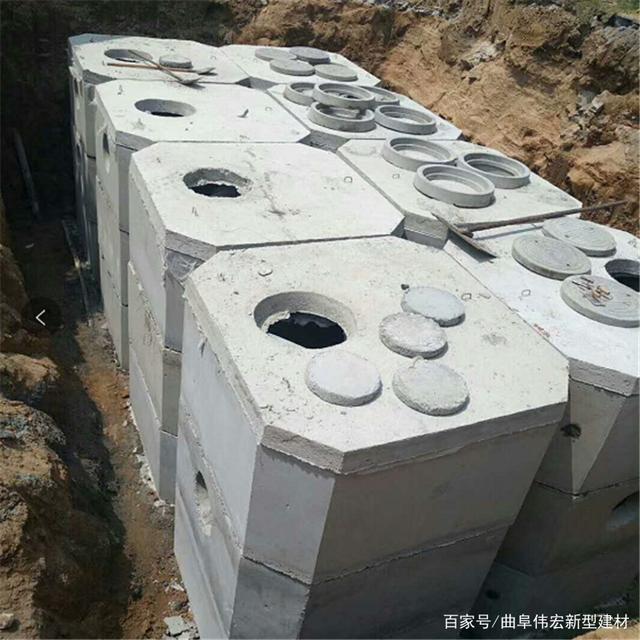
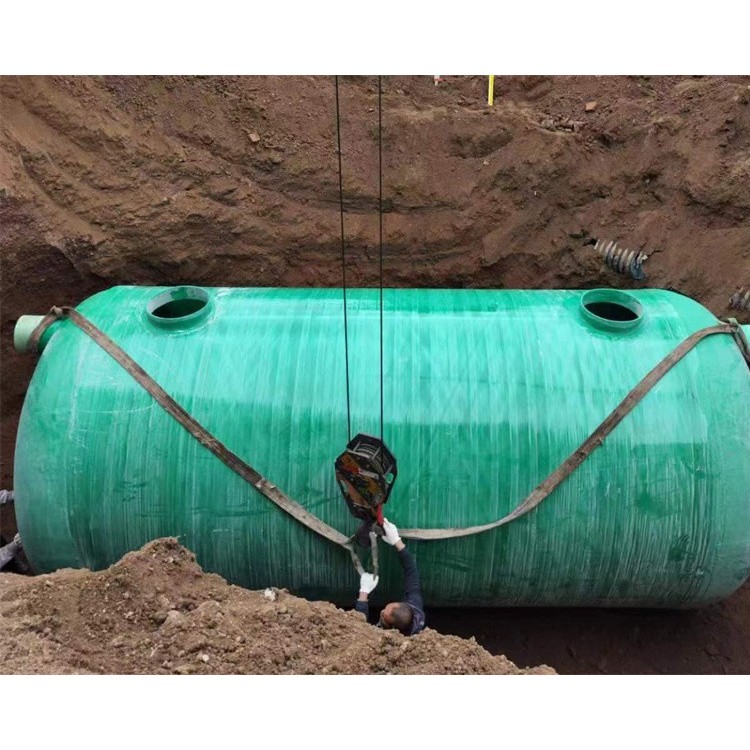
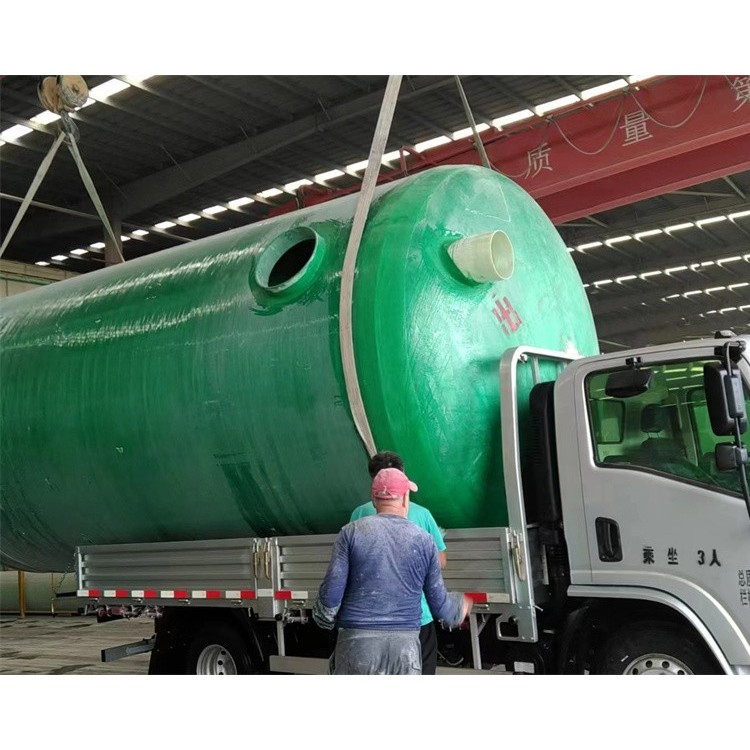
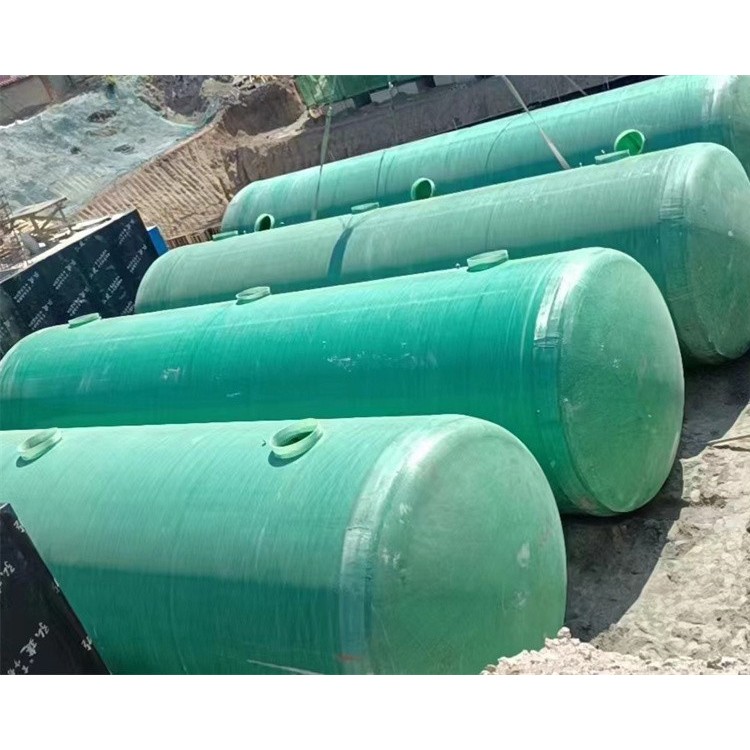







A septic tank is a treatment facility that utilizes sedimentation and anaerobic fermentation to remove suspended organic matter from domestic wastewater, classified as a primary transitional treatment structure. Domestic wastewater contains a large amount of feces, paper fragments, pathogenic parasites... The concentration of suspended solids ranges from 100 to 350 mg/L, and the concentration of organic matter...
CODCR ranges between 100~400mg/L, with the suspended organic matter concentration of BOD5 being 50~200mg/L. Sewage entering the septic tank undergoes 12~24 hours of sedimentation, which can remove 50%~60% of the suspended solids. The settled sludge is decomposed by anaerobic fermentation for over 3 months, converting the organic matter in the sludge into
Stable inorganic matter, easy to convert raw sludge into stable mature sludge, altering the sludge structure and reducing its moisture content. Regularly remove and transport sludge for landfilling or use as fertilizer. Requirements: The calculated volume of the sedimentation and decomposition sections of the septic tank should be in accordance with the "Design Standards for Building Water Supply and Drainage."
The "Code for Design of Building Sanitation Facilities" (GB50015-2003) Article 4.8.4 to 4.8.7 determines. The detention time for wastewater in septic tanks should be adopted between 12h to 36h. For wastewater treatment systems without sludge disposal, the septic tank volume should also include the storage volume for sludge.
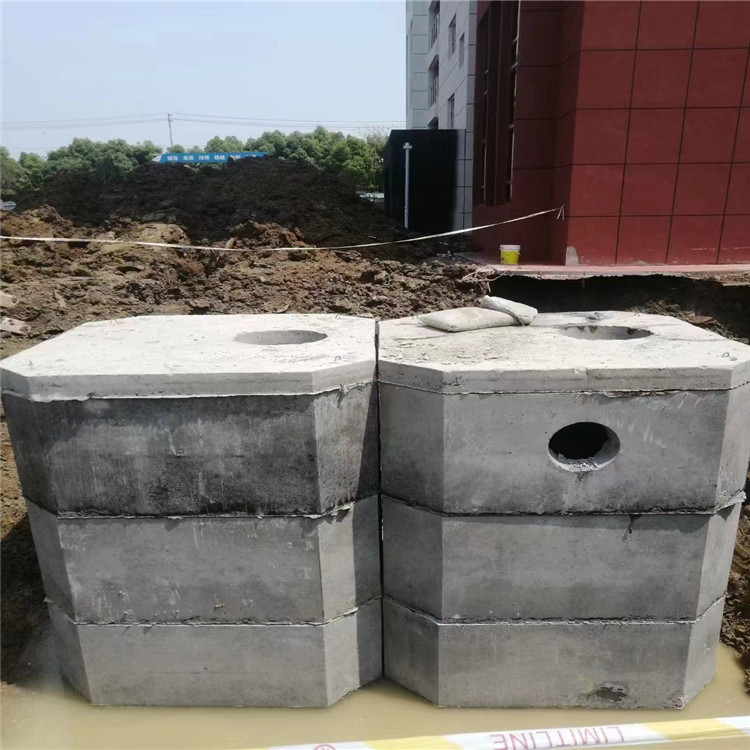
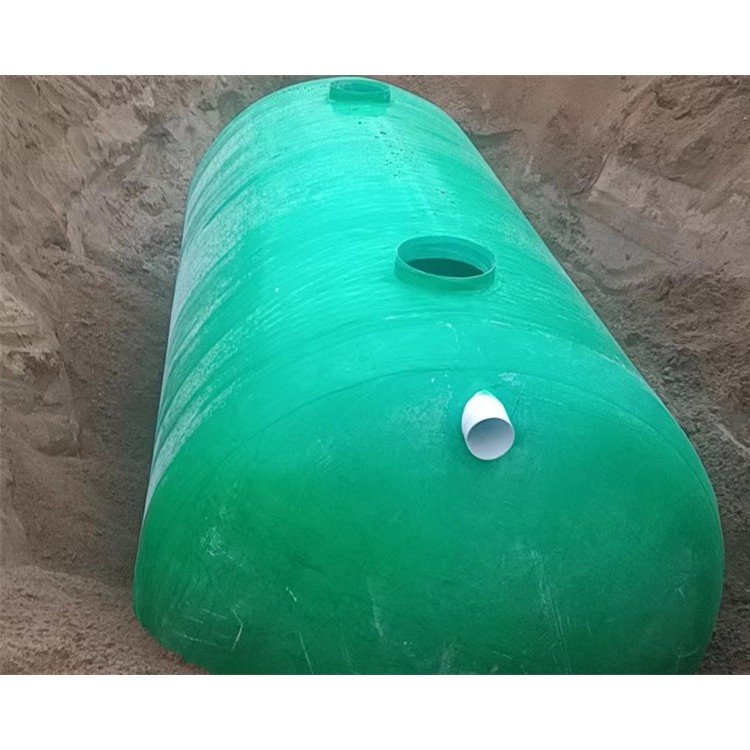
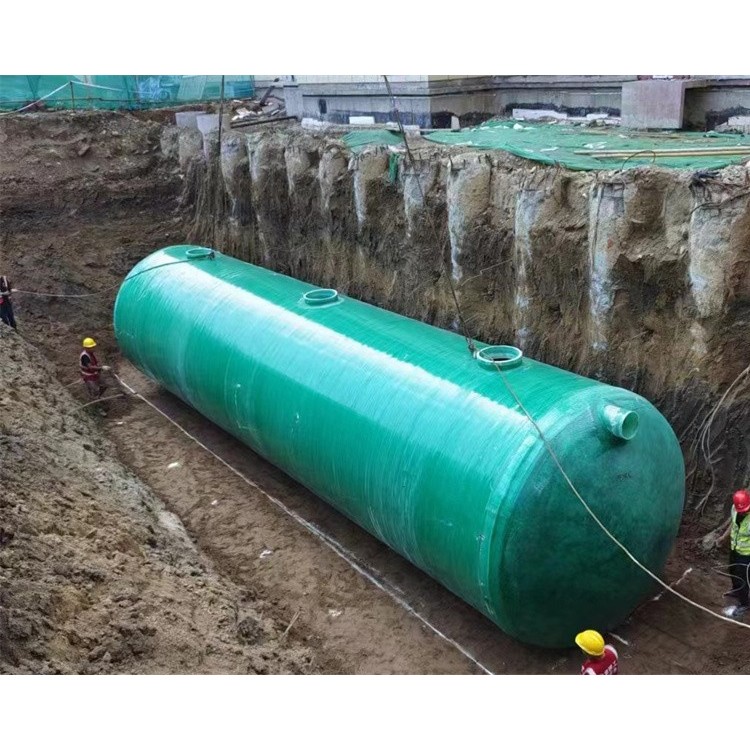
Septic tanks are treatment equipment that utilizes sedimentation and anaerobic fermentation principles to remove suspended organic matter from domestic wastewater. The high-efficiency corrugated fiberglass septic tank is internally equipped with baffles, with holes on the baffles misaligned vertically, preventing short-circuiting and dividing the entire tank into three sections: primary anaerobic chamber, secondary anaerobic chamber, and clarification section.
The room features a first and second-grade anaerobic chamber with a common bottom, internally fitted with "MDS Special Type Filler." This separation reduces the contact time between wastewater and sludge, ensuring that the acidic fermentation and alkaline fermentation processes do not interfere with each other. Additionally, the presence of the filler increases the contact surface area between wastewater and sludge, greatly
Enhanced response efficiency.