






Mud and water mixture
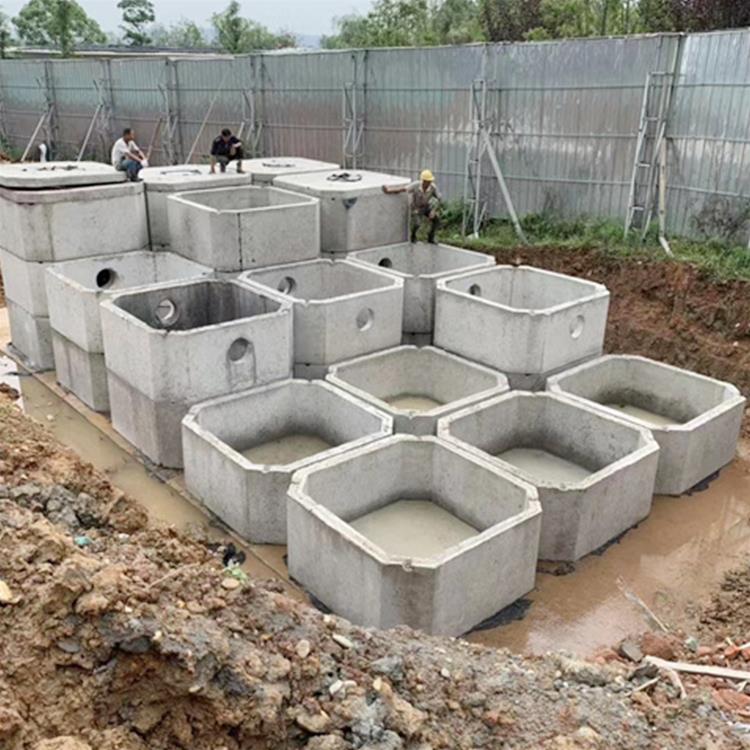
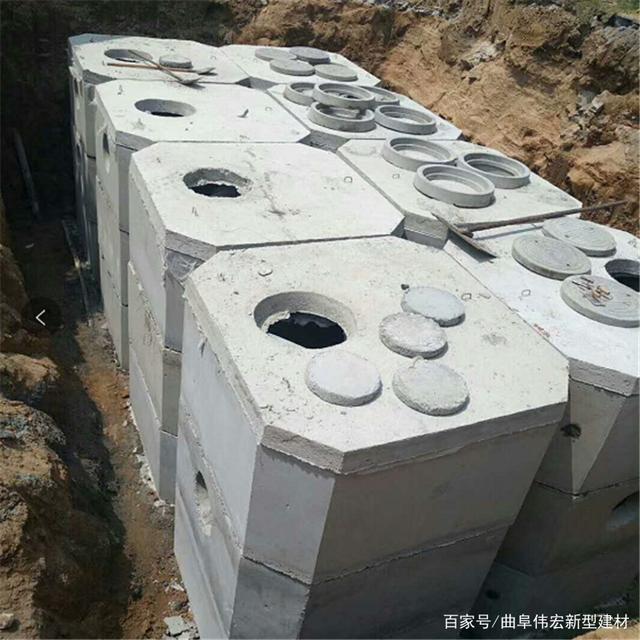
The traditional septic tank has been in use for over a century, utilizing a technology that involves the contact between wastewater and sludge. The deposited sludge undergoes digestion and degradation, producing biogas, carbon dioxide, and other digestion gases. The buoyant action of the digestion gases disturbs the sludge, allowing for the interaction between the sludge and...
The mixed biofilm is more thorough, aiding in digestion and degradation. However, the bottom sludge rises with the digestion gas, and after the bubbles escape, the sludge settles back down, re-polluting the wastewater with these rising and settling sludges.
In the technological model where septic tank wastewater and sludge come into contact and mix, the sedimentation and effluent water quality of the septic tank are affected. To improve the sedimentation effect and effluent water quality, the wastewater retention time needs to be extended, typically ranging from 12 to 24 hours.
Three-phase Separation
The Three-Phase Separation Septic Tank Technology retains the advantages of sludge-water mixture in traditional septic tanks, and adds a technique for separating "wastewater, sludge, and digested gas" into three phases. It sets up a three-phase separation device at the outlet end of the septic tank, separating the sludge and digested gas from the wastewater treatment process.
Prevent interference from gas floatation phenomena in wastewater treatment. The sedimentation tank at the outlet end follows the technical standards of the horizontal sedimentation tank, with a sedimentation time of no more than 2 hours.
Technical Comparison
The septic tank's volume consists of wastewater and sludge compartments. In a three-phase separated septic tank, the wastewater retention time is 4-6 hours, compared to 12-24 hours in a mixed sludge-water septic tank. By reducing the wastewater retention time, the effective volume saved can store more wastewater.
Clay.
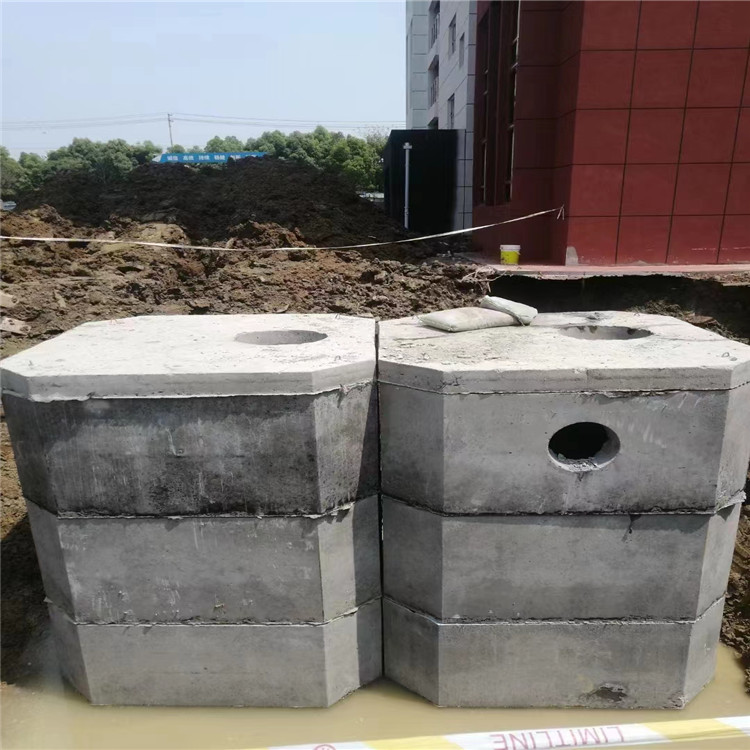
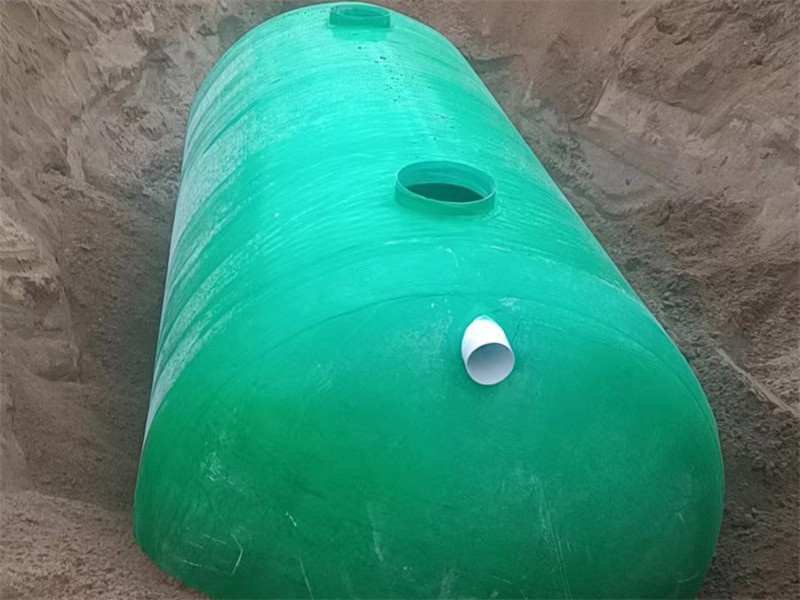
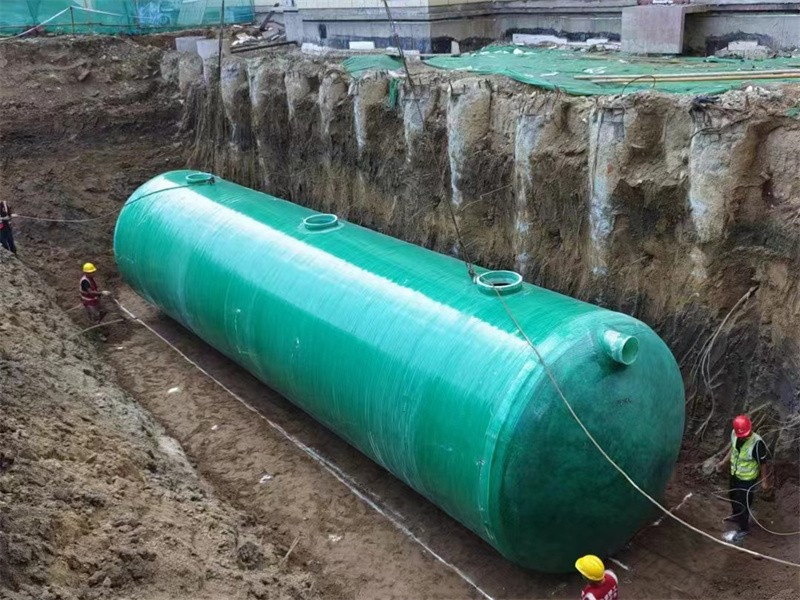
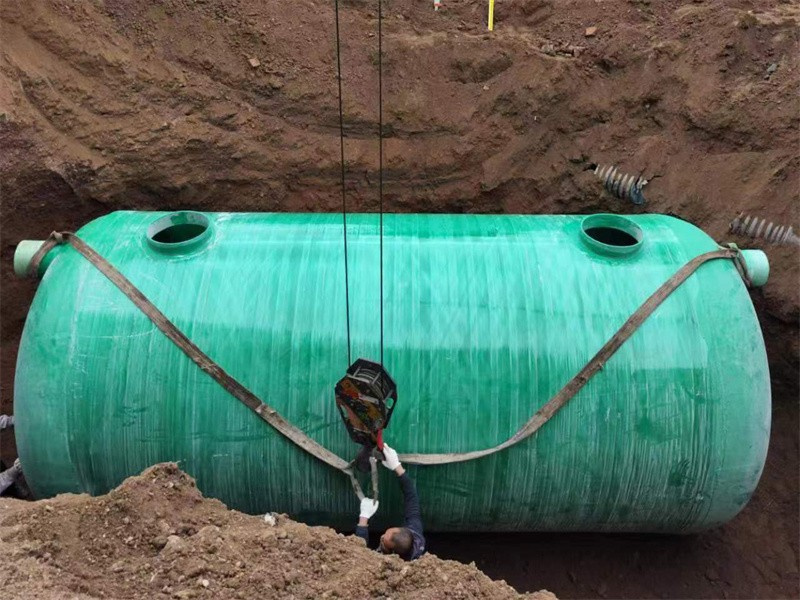
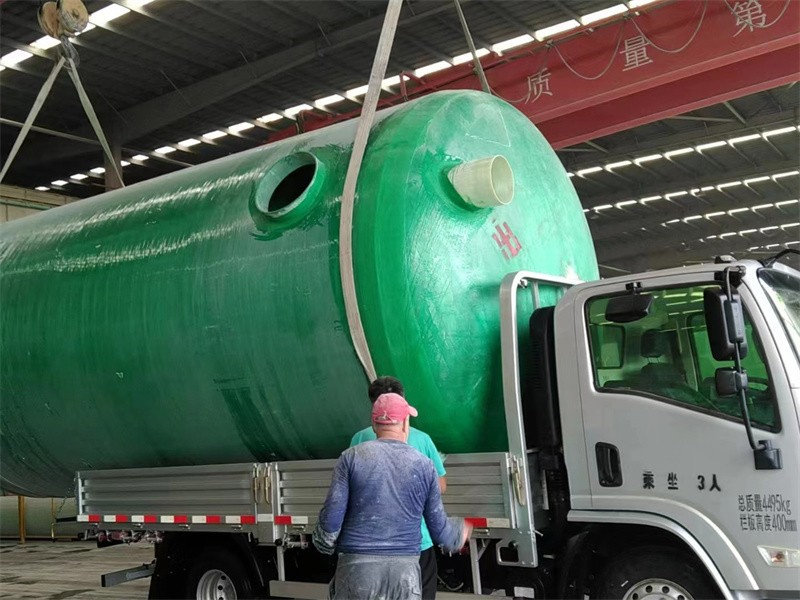
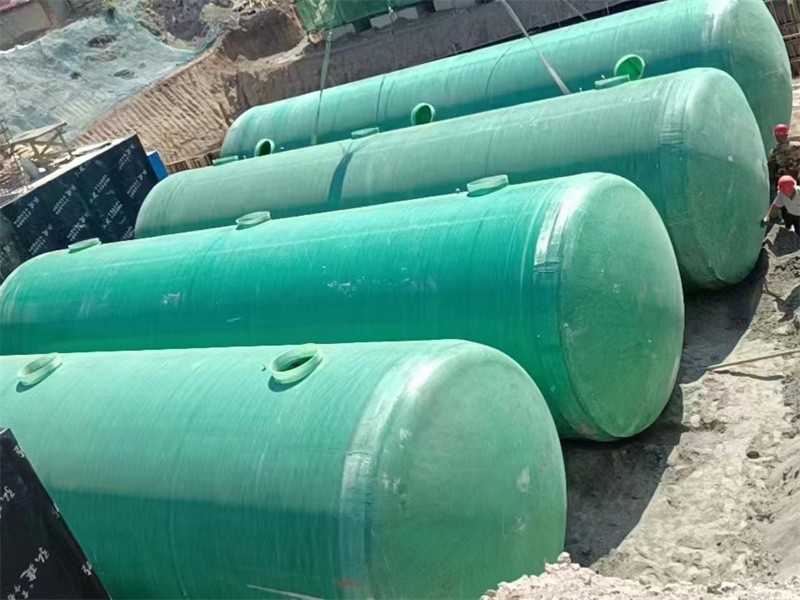
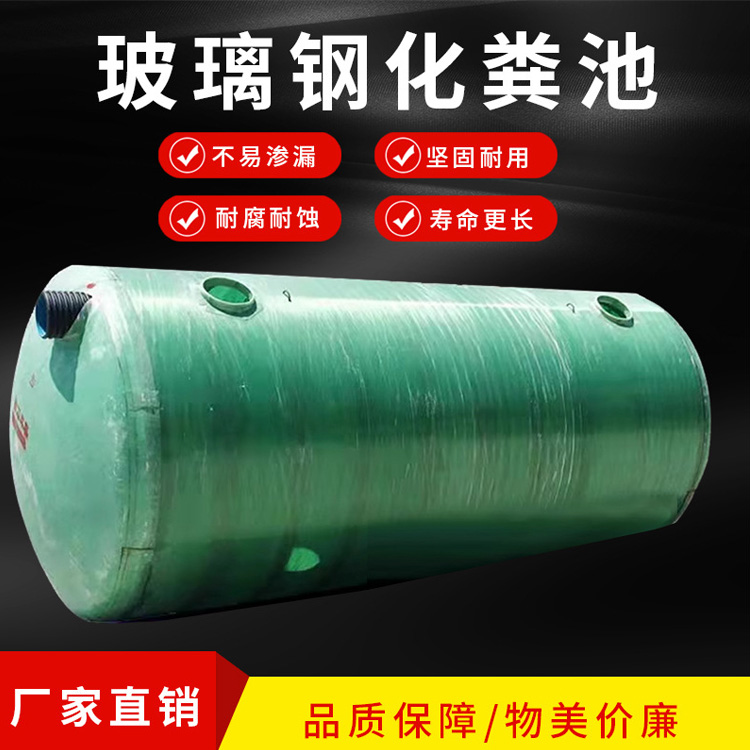
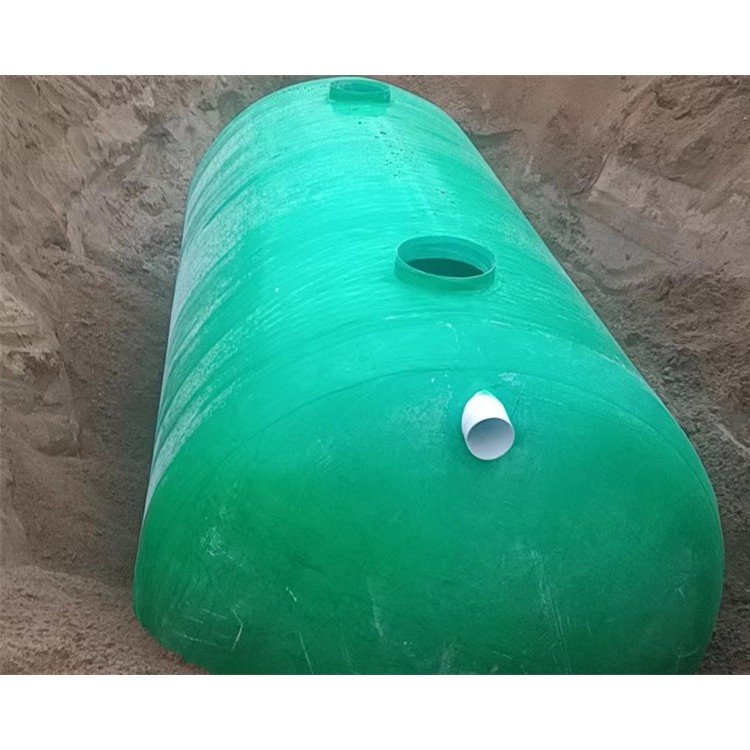
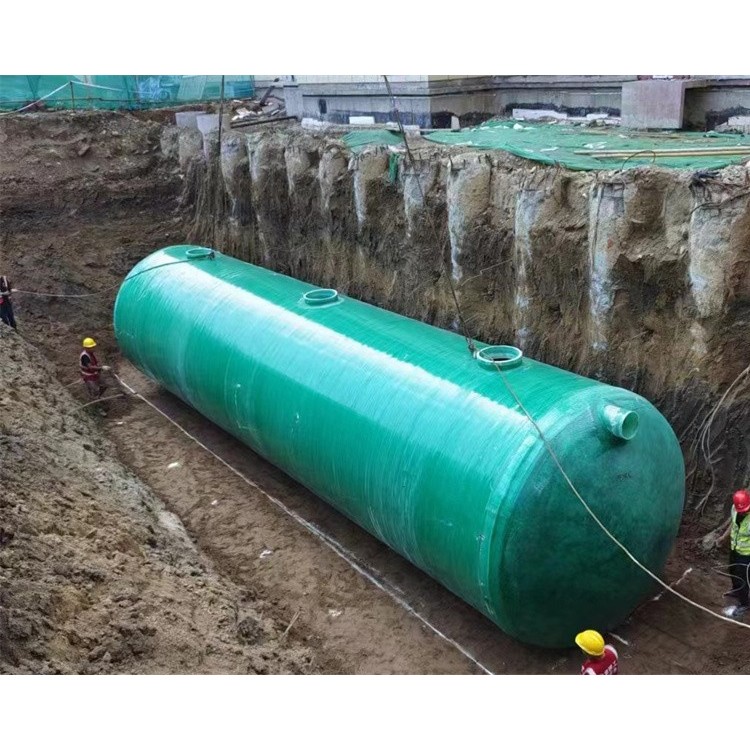
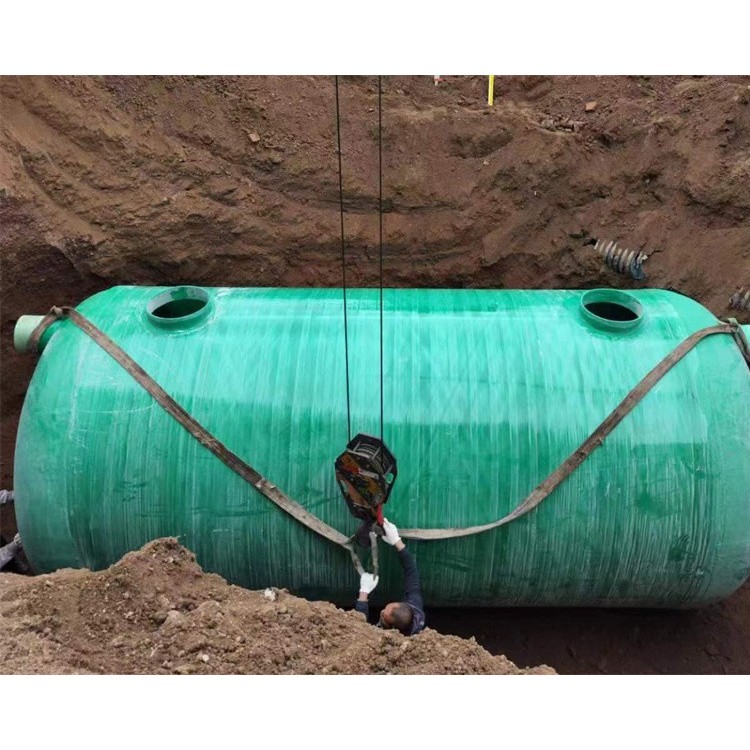
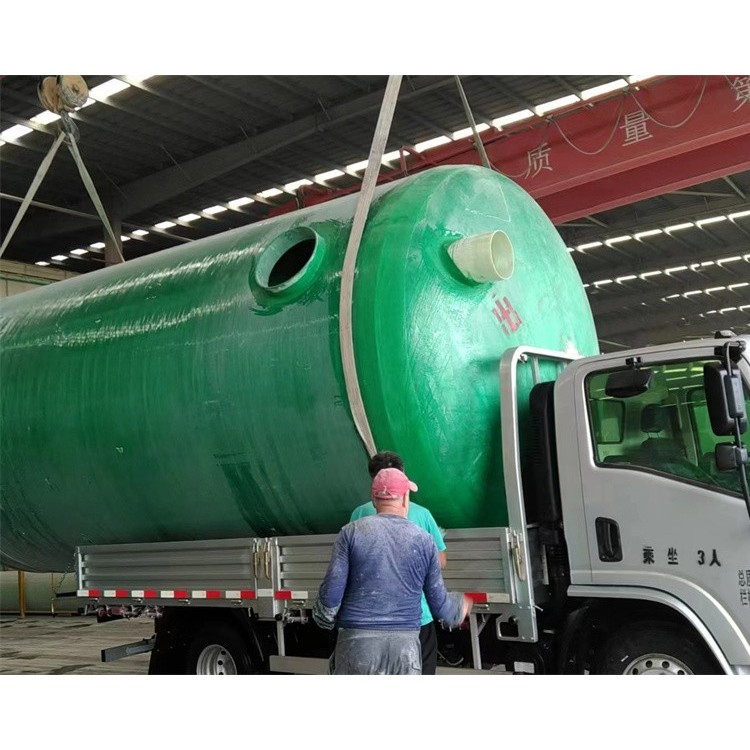
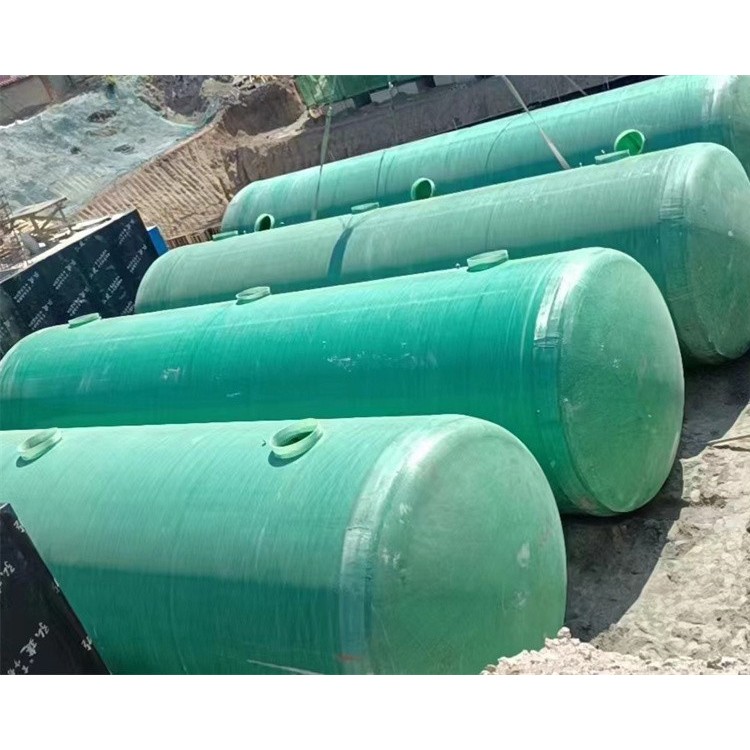
Septic tanks are treatment equipment that utilizes sedimentation and anaerobic fermentation principles to remove suspended organic matter from domestic wastewater. The high-efficiency corrugated fiberglass septic tank is internally equipped with baffles, with holes on the baffles misaligned vertically, preventing short circuits and dividing the entire tank into three sections: primary anaerobic chamber, secondary anaerobic chamber, and clarification section.
The room has a first and second-grade anaerobic compartment with their bottoms interconnected, internally fitted with "MDS Special Type Filler." This partitioning reduces the contact time between wastewater and sludge, ensuring that the acidic fermentation and alkaline fermentation processes do not interfere with each other. Additionally, the presence of the filler increases the contact surface area between wastewater and sludge, greatly
Enhanced response efficiency.