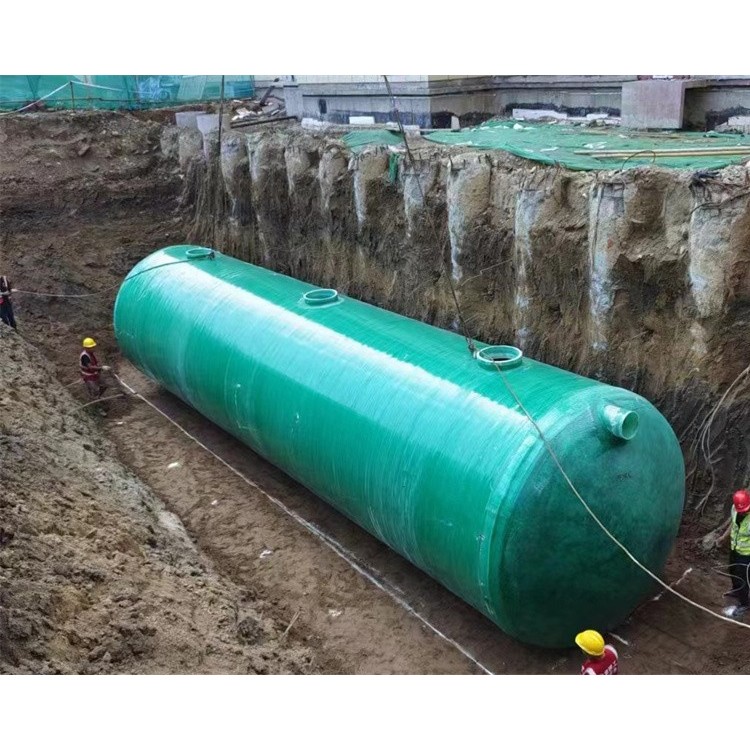
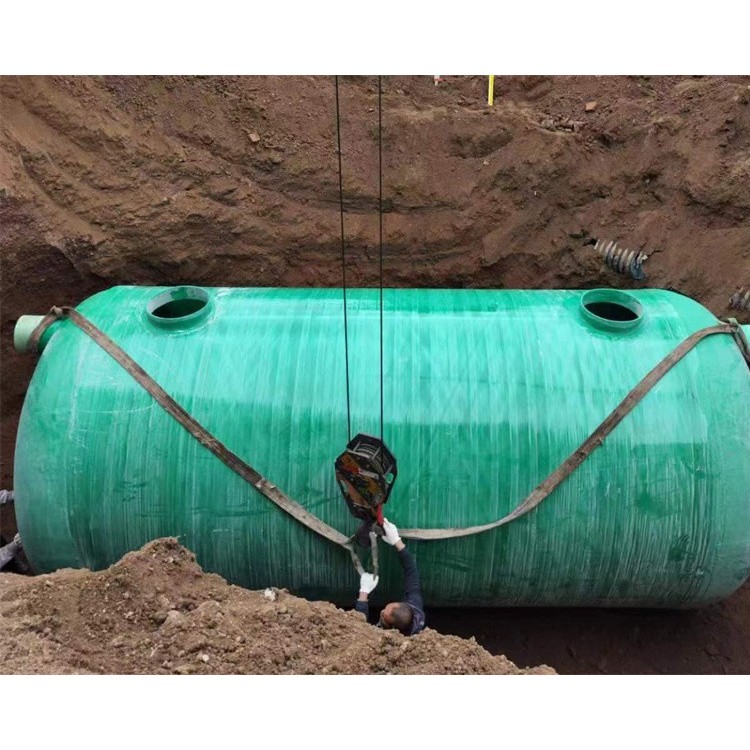
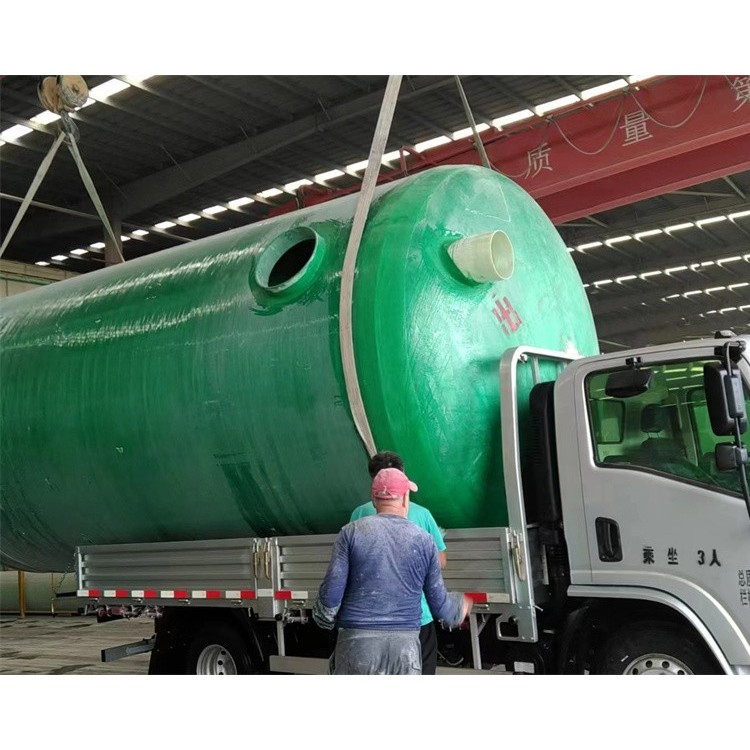
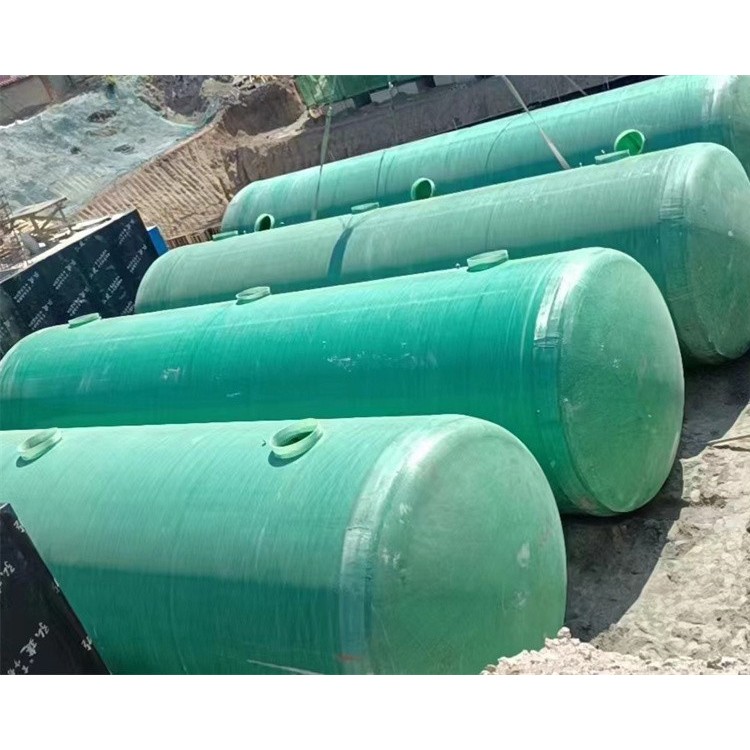







Mud and water mixture
The traditional septic tank has a history of over a hundred years. Its technological approach involves the contact between wastewater and sludge. The settled sludge undergoes digestion and degradation to produce biogas, carbon dioxide, and other digestion gases. The buoyant action of the digestion gases creates disturbance in the sludge, allowing for the mixing of sludge with...
The mixed biofilm is more thorough, aiding in digestion and degradation. However, the bottom sludge rises with the digestion gas, and after the bubbles escape, the sludge settles back down, thereby re-polluting the wastewater.
In the technological model where sewage and sludge are mixed and contacted in septic tanks, the sedimentation and effluent water quality of the septic tank are affected. To improve the sedimentation effect and effluent water quality, it is necessary to extend the sewage retention time. The general retention time is 12-24 hours.
Three-phase Separation
The three-phase separation septic tank technology retains the advantages of the mixed sludge and water in traditional septic tanks, and introduces a three-phase separation technique for "sewage, sludge, and digested gas." It features a three-phase separation device at the outlet of the septic tank, separating the sludge and digested gas from the wastewater treatment process.
To avoid interference from froth formation on wastewater treatment, the sedimentation tank at the outlet should comply with the technical standards of horizontal sedimentation ponds, with a wastewater sedimentation time of no more than 2 hours.
Technical Comparison
The septic tank's volume is composed of wastewater and sludge compartments. In a three-phase separation septic tank, the wastewater retention time is 4-6 hours, compared to 12-24 hours in a mixed sludge-water septic tank. By reducing the wastewater retention time, the effective volume saved can store more wastewater.
Clay.
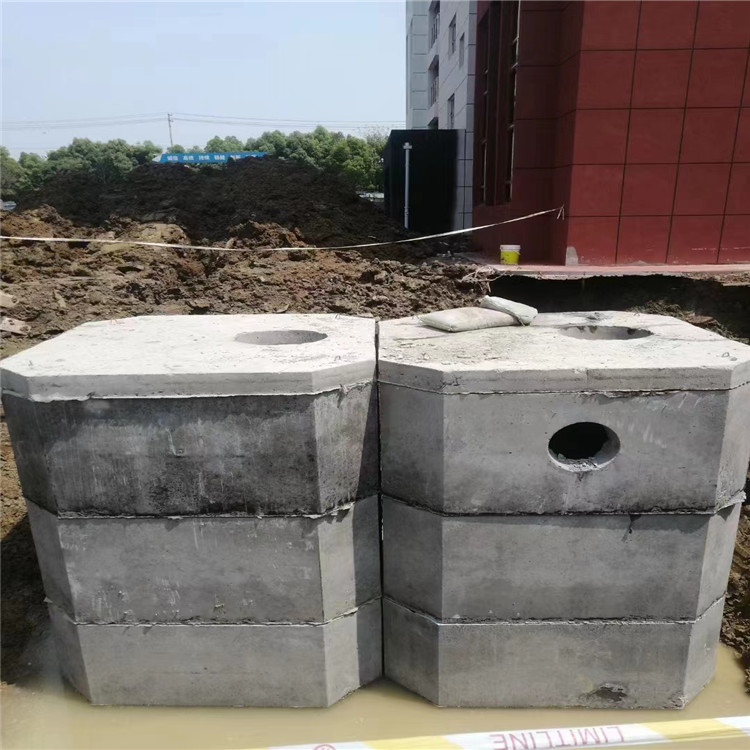
The function of a septic tank
A septic tank is a fundamental facility for sludge treatment, as well as a pretreatment facility for domestic wastewater, and its functions are manifested in:
1. Ensure the environmental hygiene of residential communities, preventing the spread of domestic wastewater and pollutants in living environments.
2. Eliminate mosquito and fly eggs in the anaerobic digestion environment of septic tanks.
3. Temporary storage of sludge, anaerobic digestion for organic sludge, matured organic sludge can be used as agricultural fertilizer.
4. Preliminary treatment of domestic wastewater (primary treatment), sedimentation of impurities, and hydrolysis of macromolecular organic matter into smaller organic molecules such as acids and alcohols, to improve subsequent wastewater treatment.