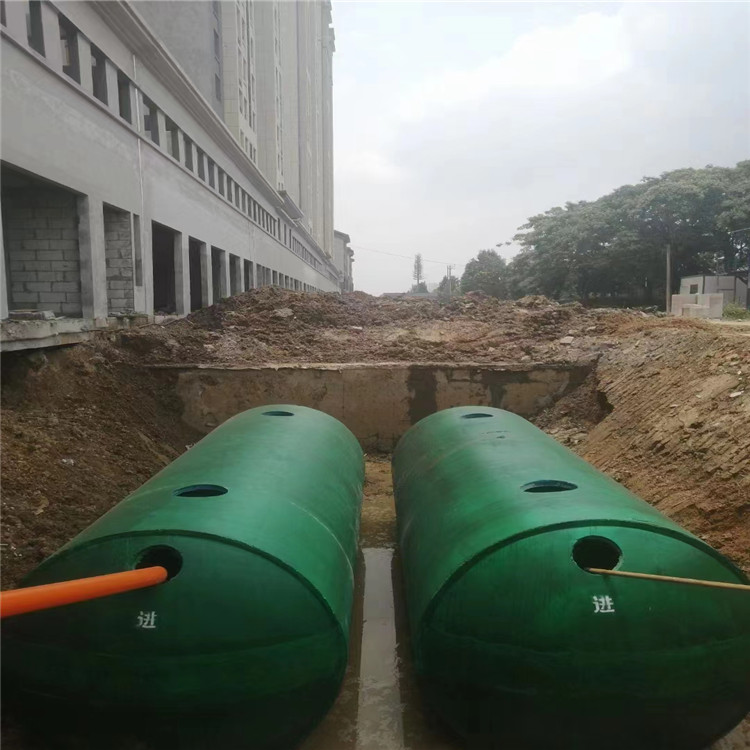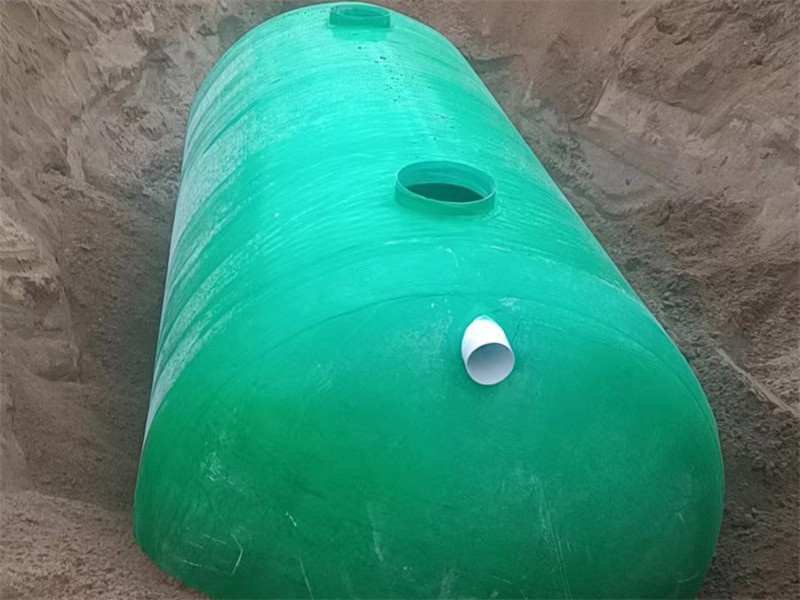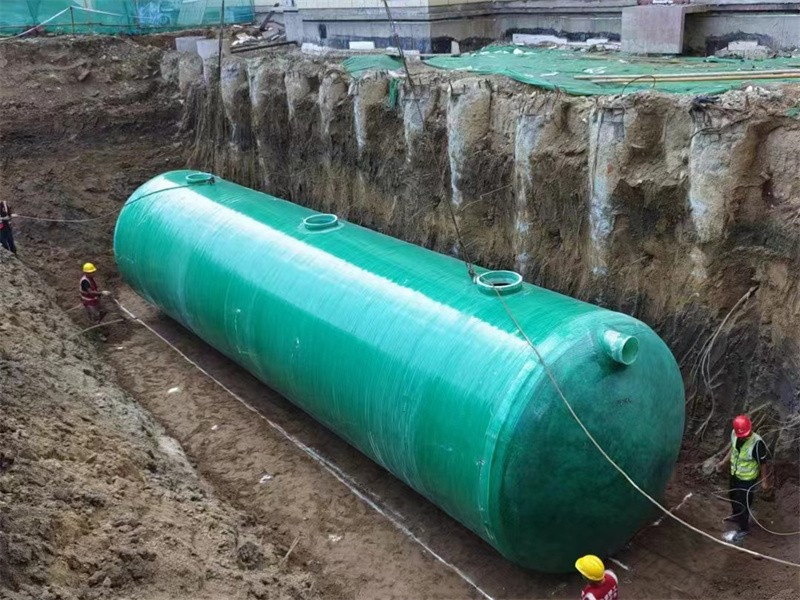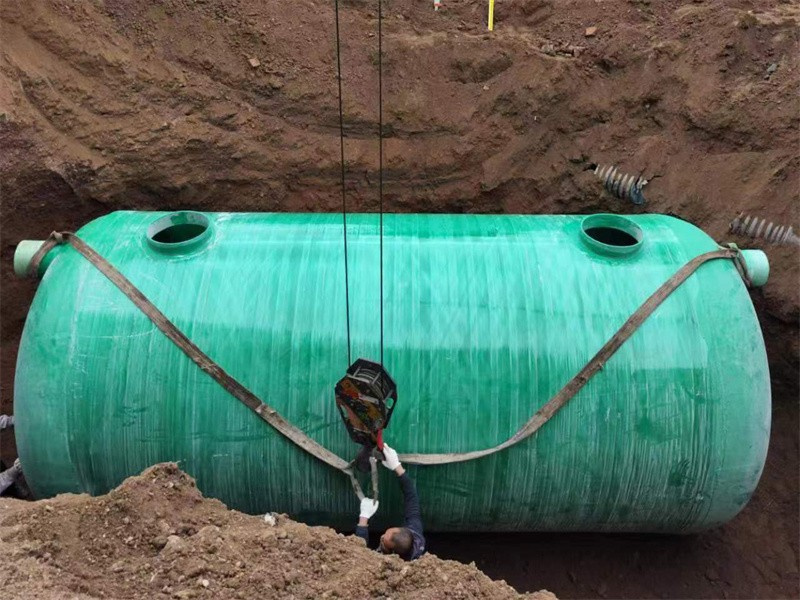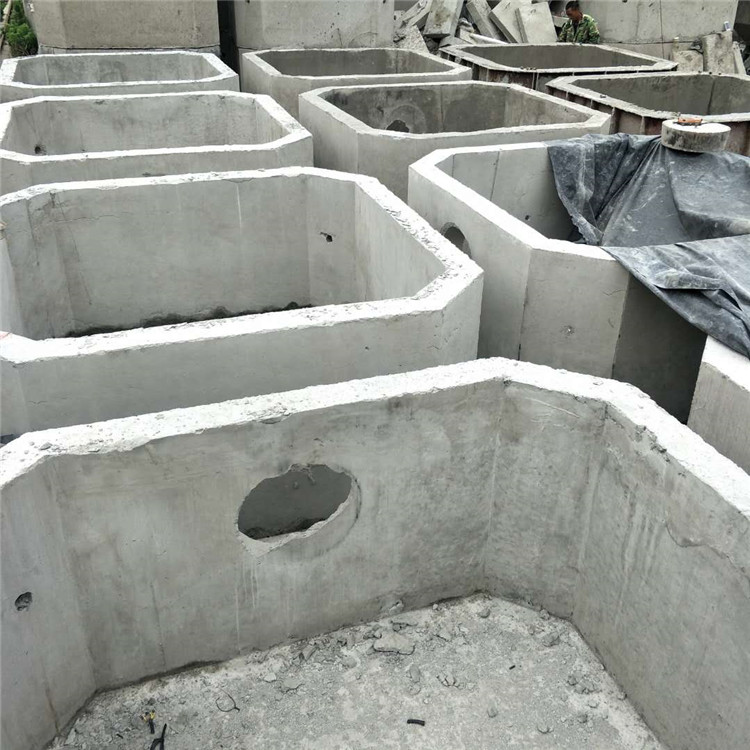
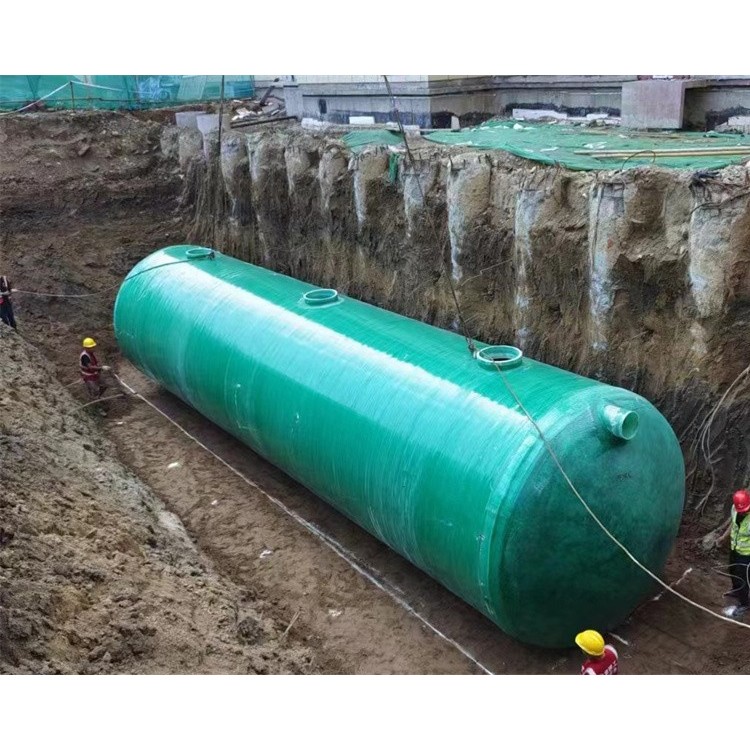
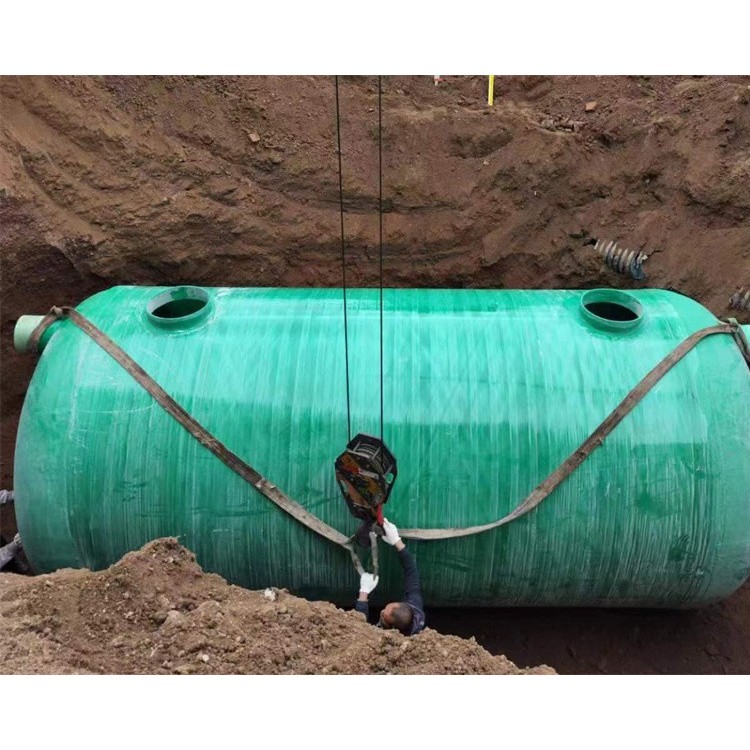
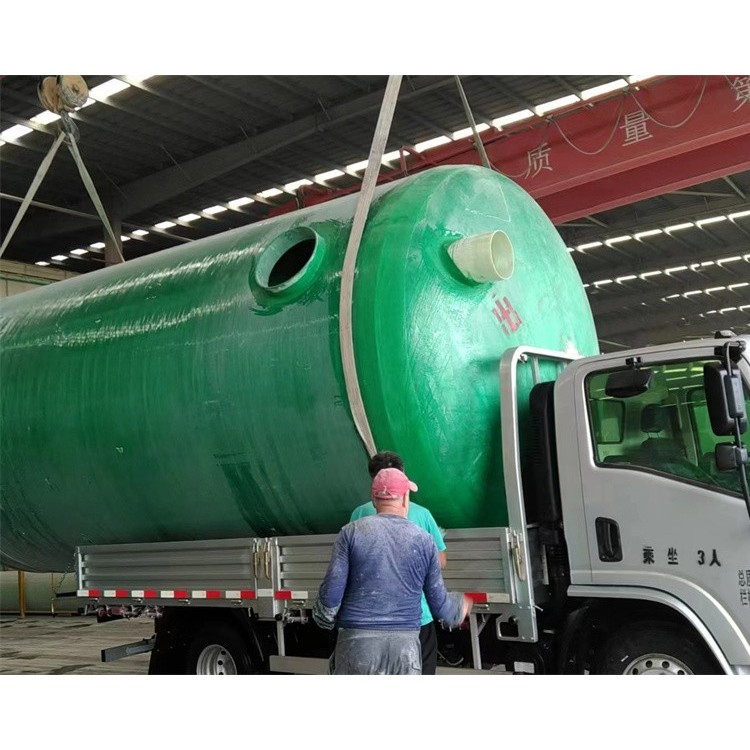
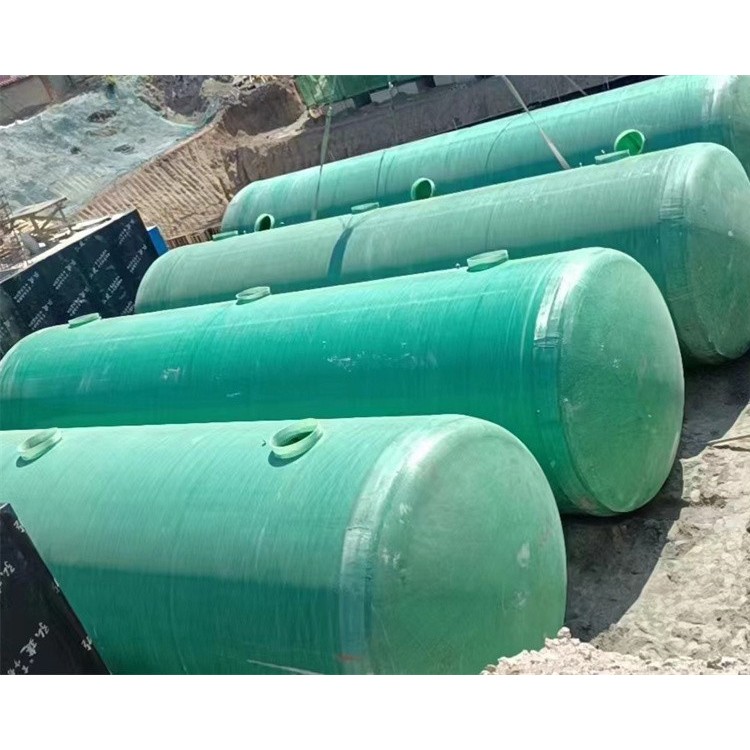







A septic tank is a treatment facility that utilizes sedimentation and anaerobic fermentation principles to remove suspended organic matter from domestic wastewater, and is classified as a primary transitional treatment structure. Domestic wastewater contains a large amount of feces, paper fragments, pathogenic parasites... The concentration of suspended solids is 100~350 mg/L, and the concentration of organic matter is
COD levels are between 100~400 mg/L, with the concentration of suspended organic matter (BOD5) ranging from 50~200 mg/L. Sewage entering the septic tank undergoes sedimentation for 12~24 hours, which can remove 50%~60% of suspended solids. The sludge settled out is decomposed through anaerobic fermentation for over 3 months, converting the organic matter in the sludge into
Stable inorganic matter, easy conversion of primary sludge into stable mature sludge, altering the sludge structure and reducing its moisture content. Regularly remove and transport sludge for landfilling or use as fertilizer. Requirements: The calculated volume of the sedimentation and digestion sections of the septic tank should comply with the "Design Specifications for Building Water Supply and Drainage."
The provisions in Article 4.8.4 to 4.8.7 of the "Code of Construction Standard for Building Design of Urban Sanitation Engineering" (GB50015-2003) determine. The retention time of wastewater in the septic tank should be adopted between 12 to 36 hours. For wastewater treatment systems without sludge disposal, the volume of the septic tank should also include the storage volume for sludge.
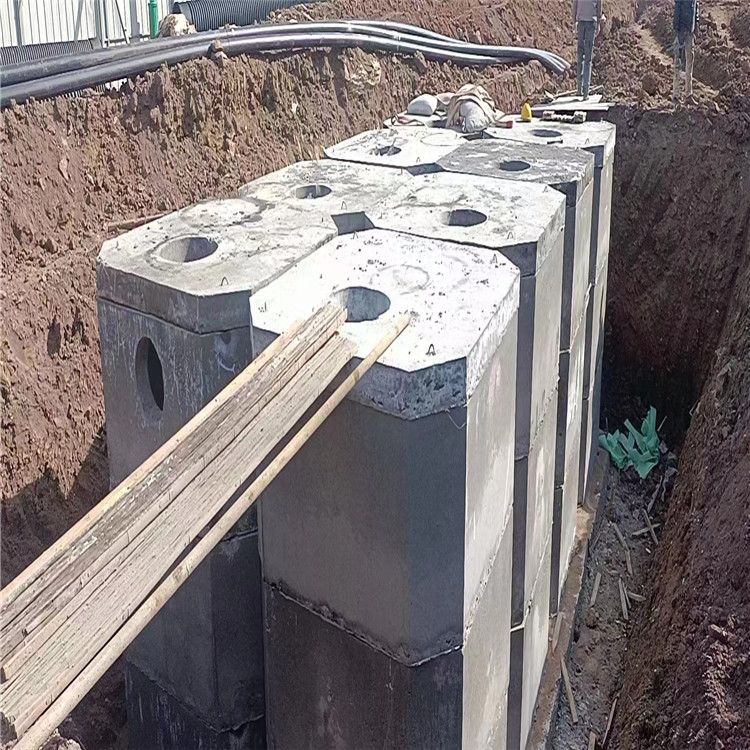
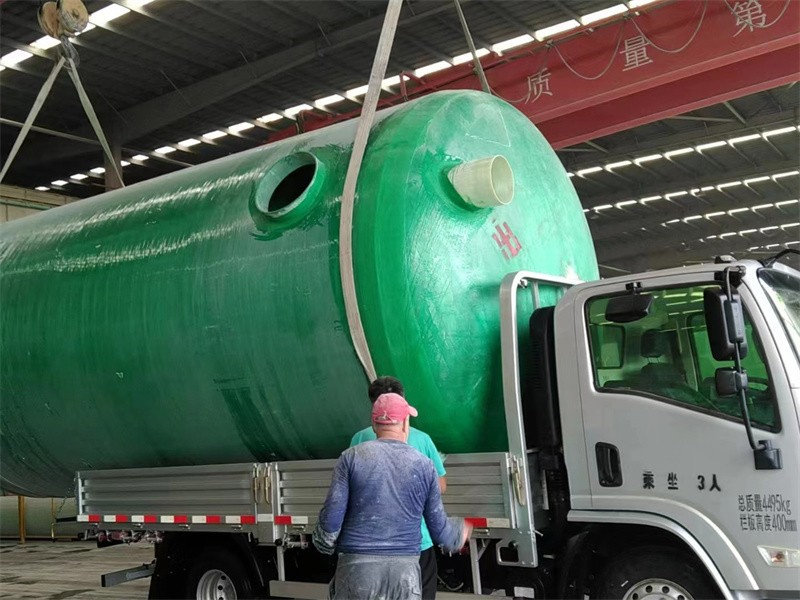
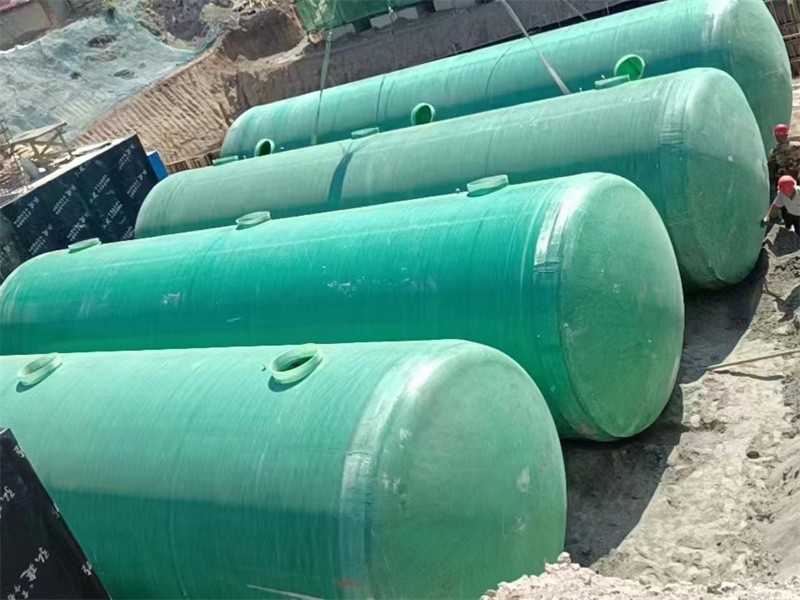
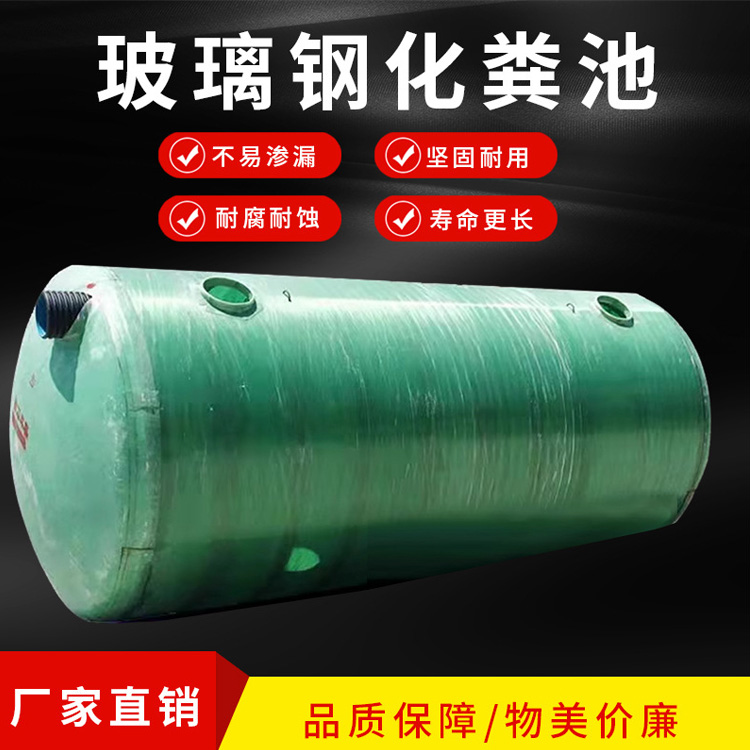
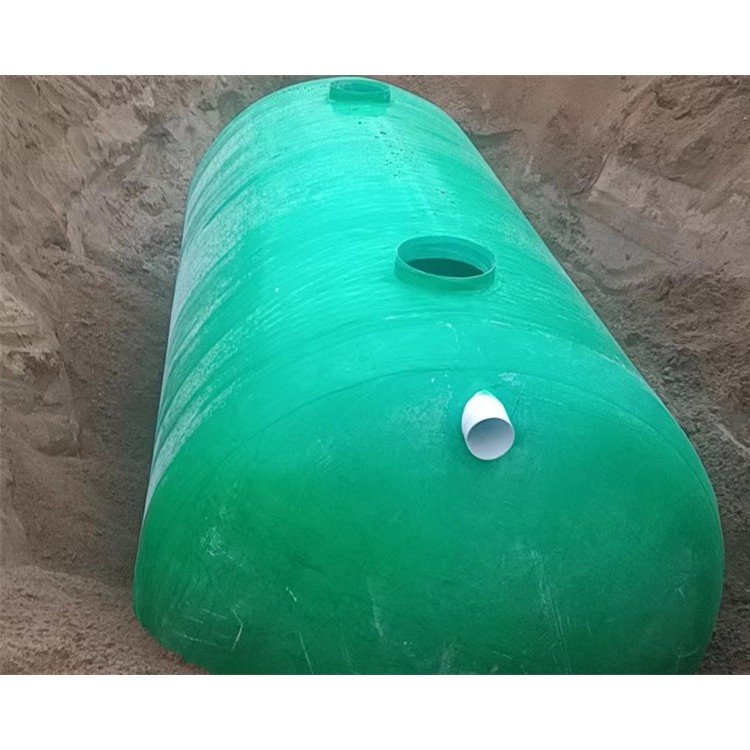
Sewage treatment plants are devices that utilize sedimentation and anaerobic fermentation principles to remove suspended organic matter from domestic wastewater. The high-efficiency corrugated fiberglass septic tanks are internally equipped with baffles, which have holes positioned unevenly to prevent short-circuiting and divide the entire tank into three sections: primary anaerobic chamber, secondary anaerobic chamber, and clarification section.
Rooms, the first and second-grade anaerobic rooms are interconnected at the bottom, equipped with "MDS Special Type Filler" inside. This partitioning reduces the contact time between wastewater and sludge, ensuring that the acidic fermentation and alkaline fermentation processes do not interfere with each other. Additionally, the presence of the filler increases the contact surface area between wastewater and sludge, significantly
Enhanced response efficiency.