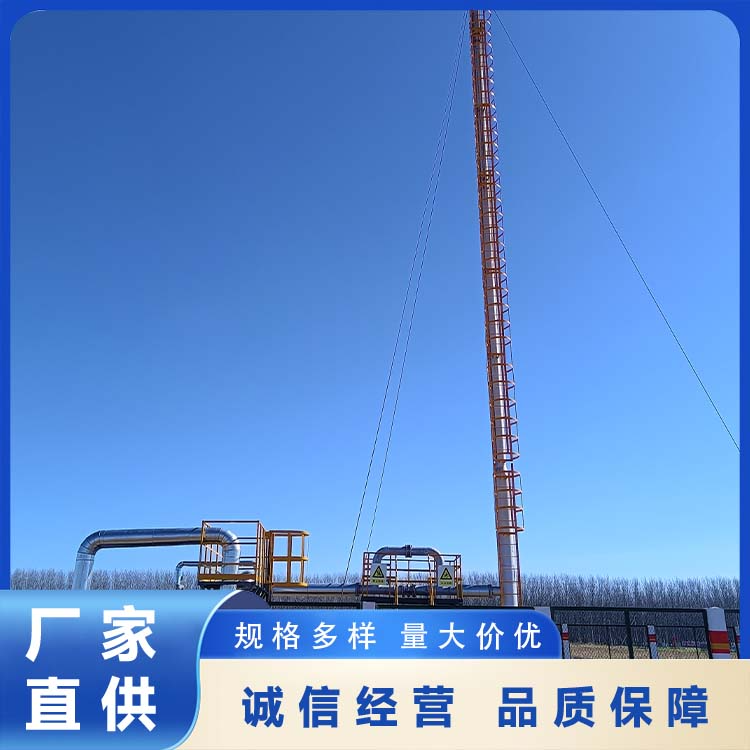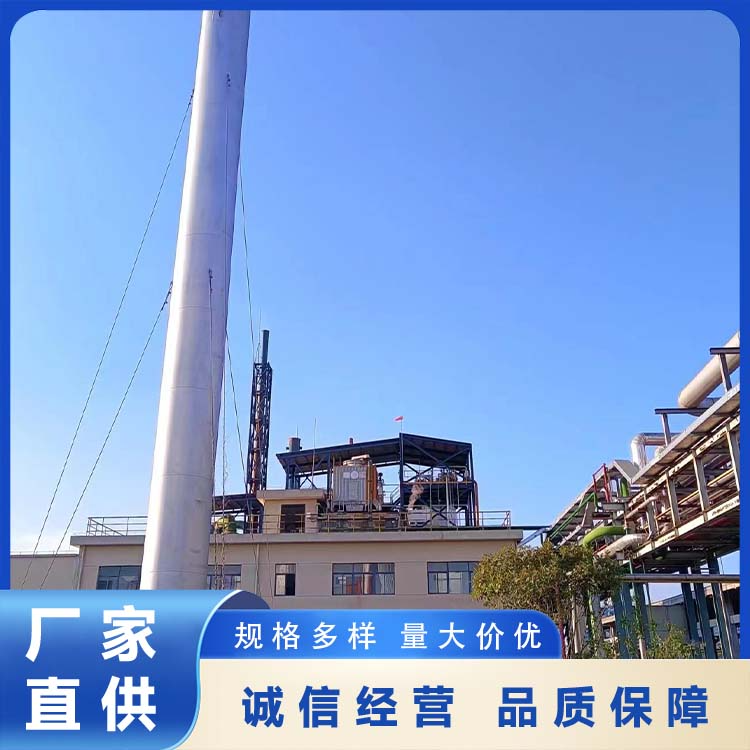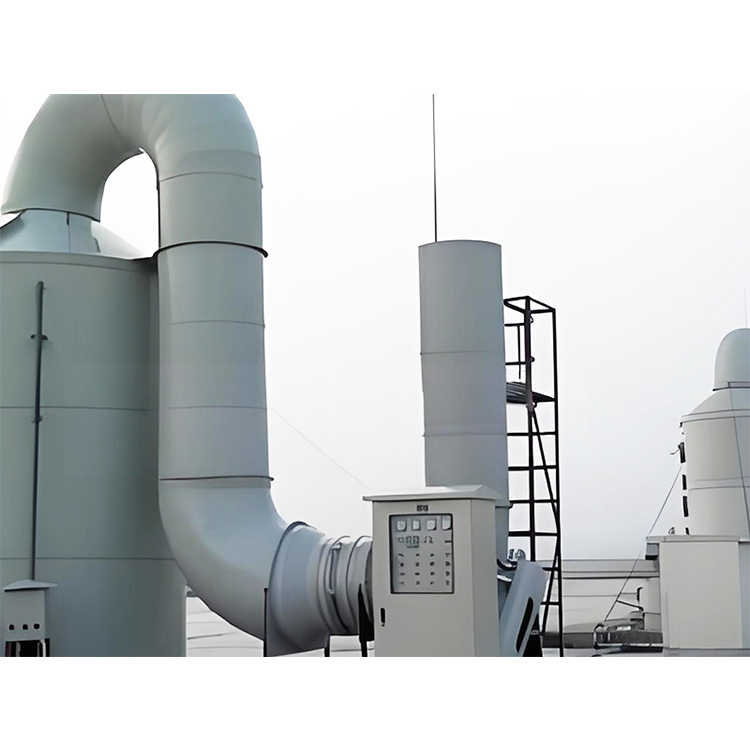
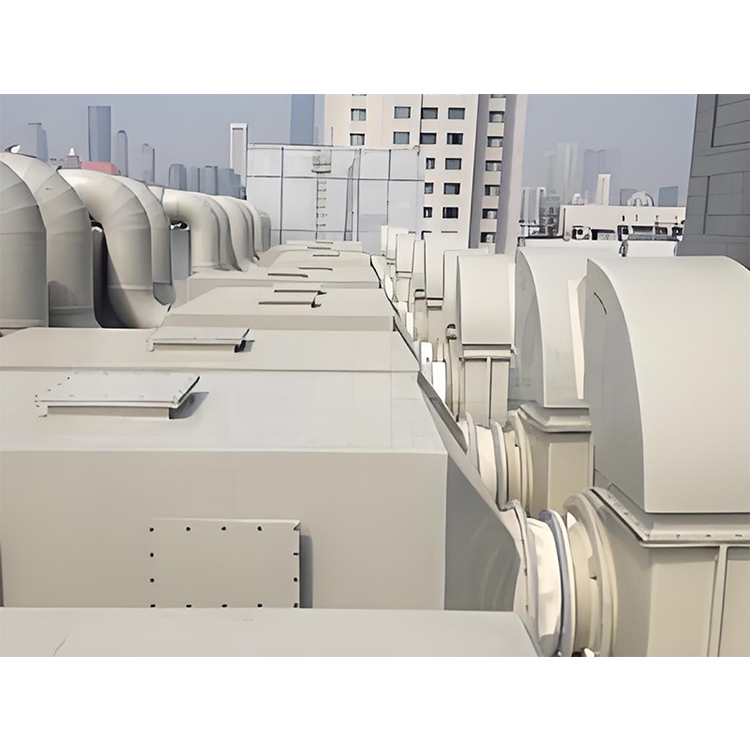
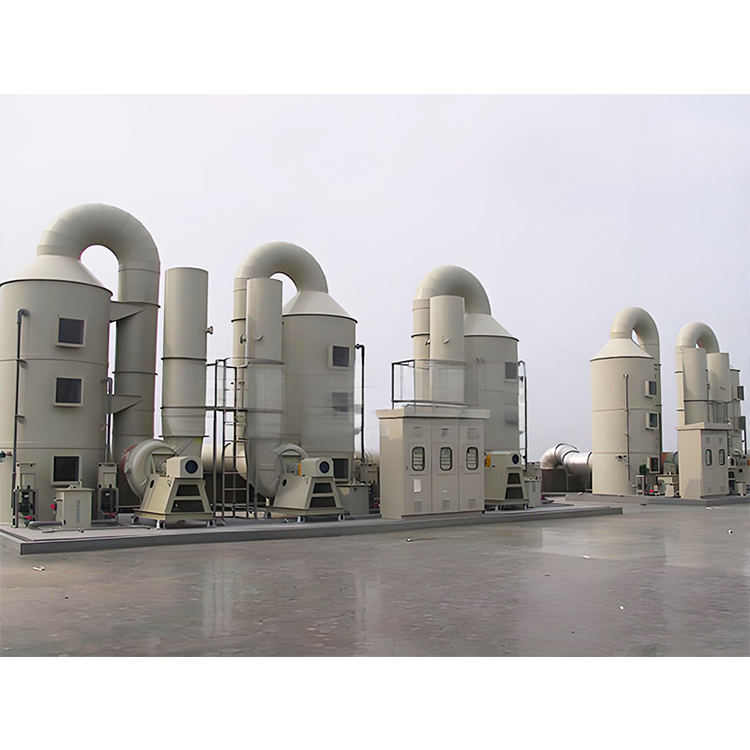
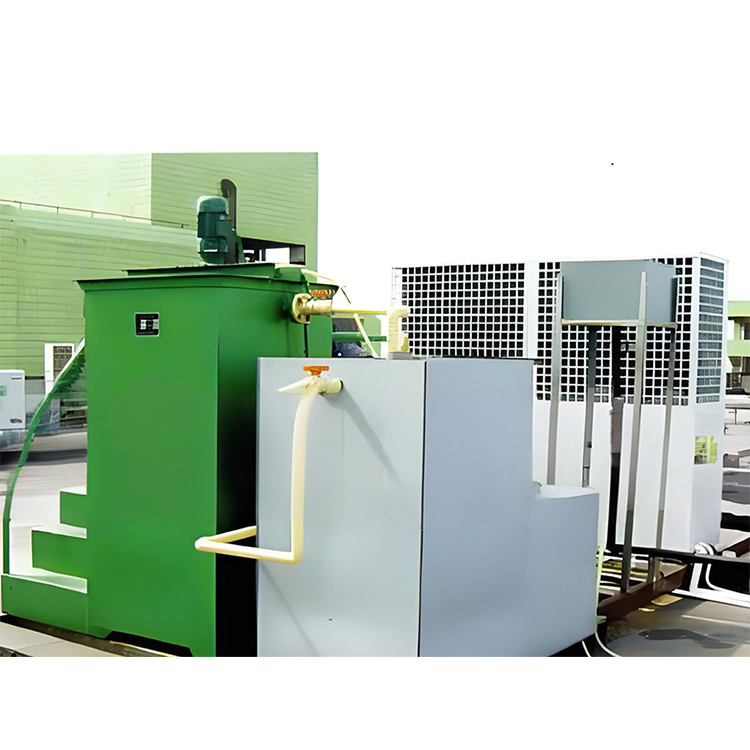





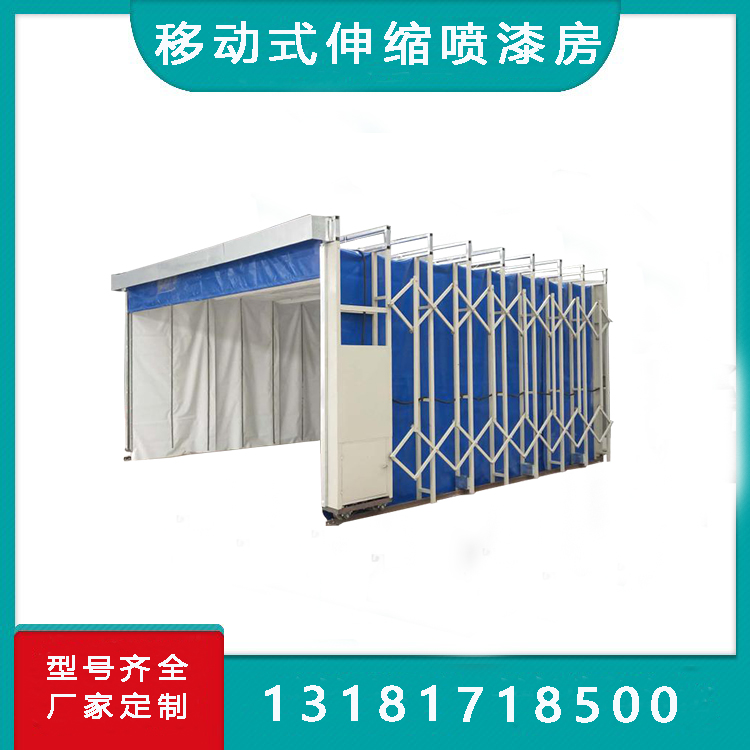
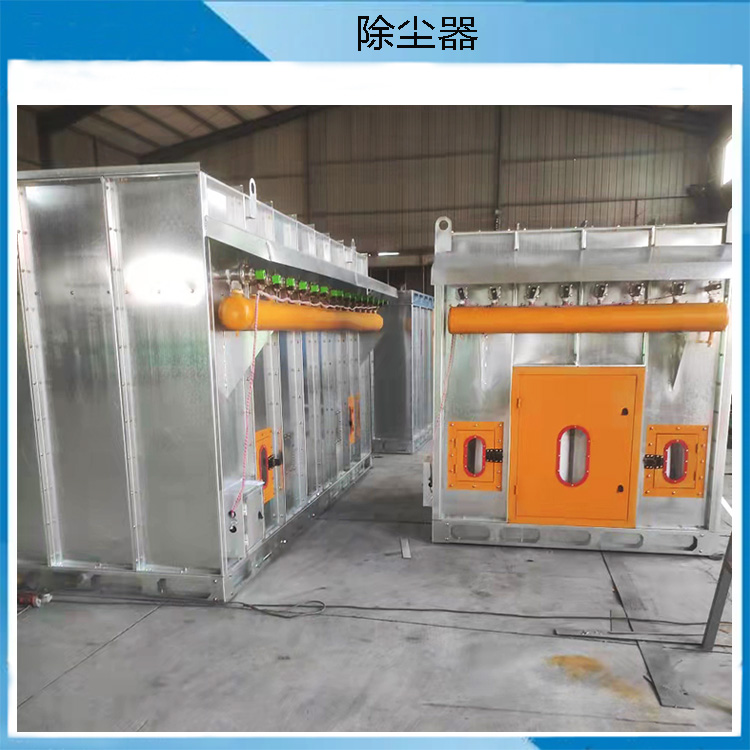



VOC emissions, also known as volatile organic compounds, refer to a general term for a variety of substances. Many manufacturing companies now produce VOC emissions, such as ink from printing plants, paint booth exhaust, rubber factory emissions, or pharmaceutical factory emissions, and so on.
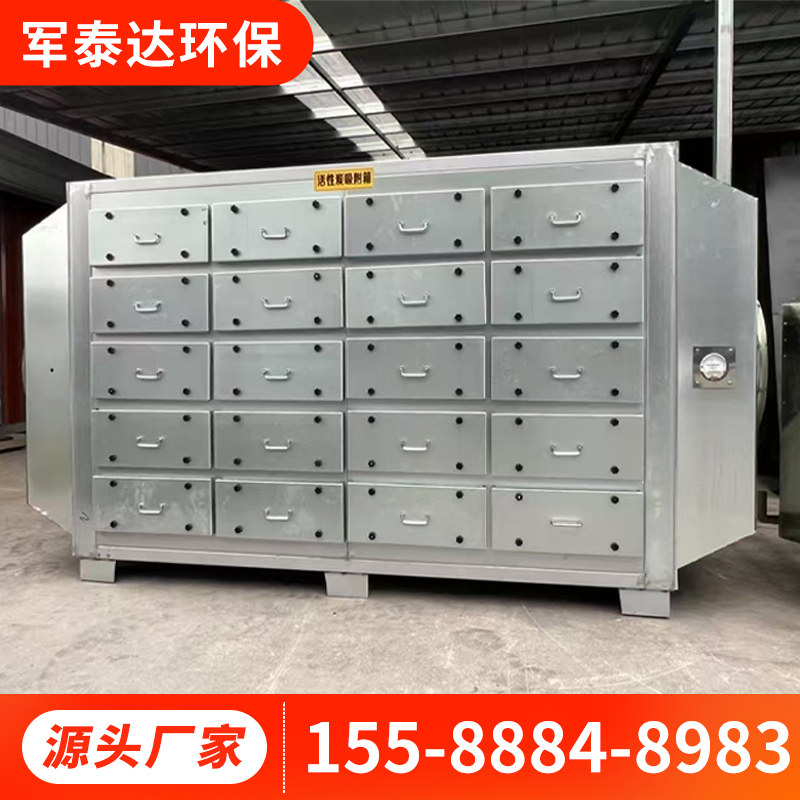
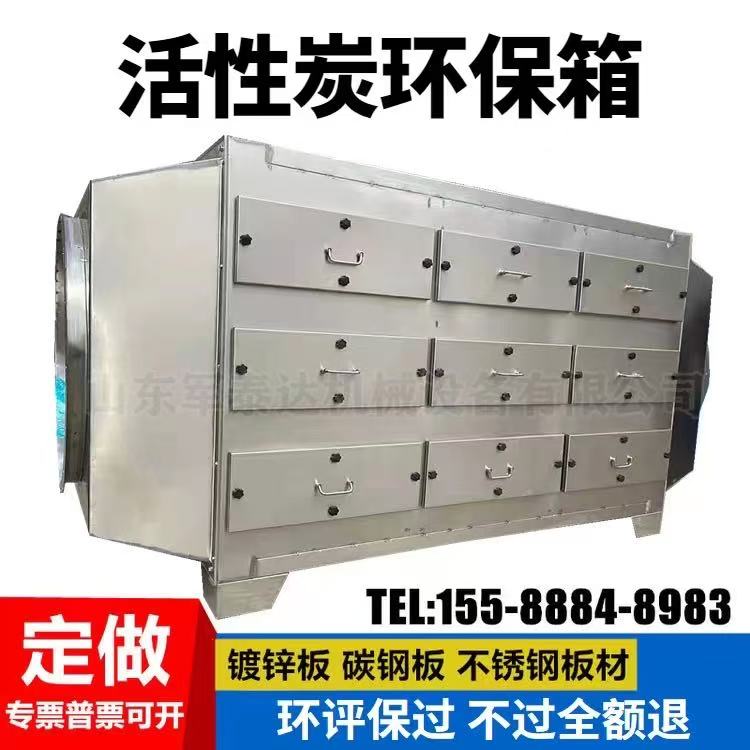
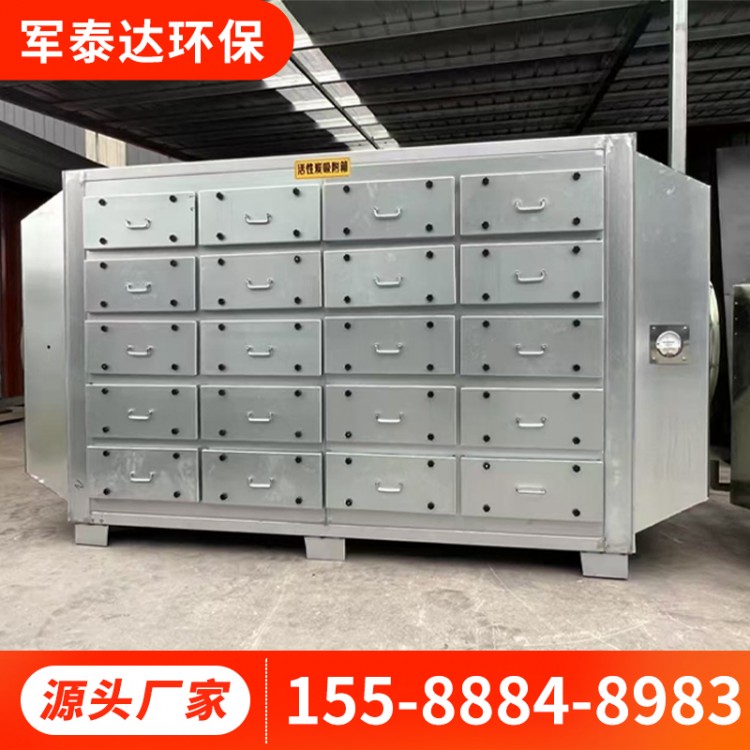
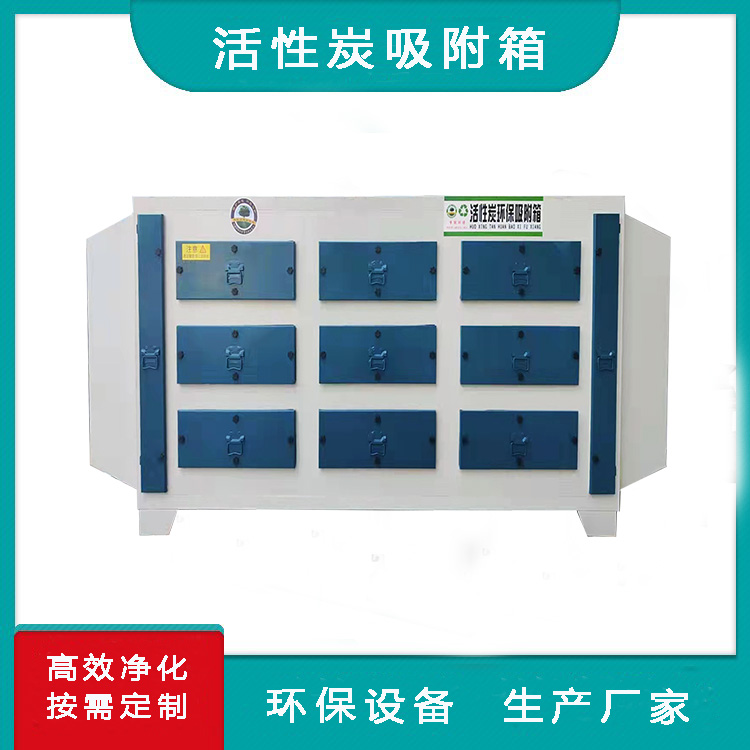
Waste Gas Treatment Adsorption-Desorption Catalytic Combustion Method: This method combines the advantages of adsorption and catalytic combustion methods, using a new type of adsorption material (honeycomb activated carbon) for adsorption. The adsorbed waste gas is then introduced to hot air for desorption and pyrolysis. After desorption, the waste gas is fed into a catalytic combustion bed for flameless combustion, achieving complete purification. The hot gas is recycled within the system, significantly reducing energy consumption. This method is characterized by stable and reliable operation, low investment, low operating costs, and easy maintenance. It is suitable for treating large-volume, low-concentration waste gases and is currently a mature and practical method for treating organic waste gases in China.