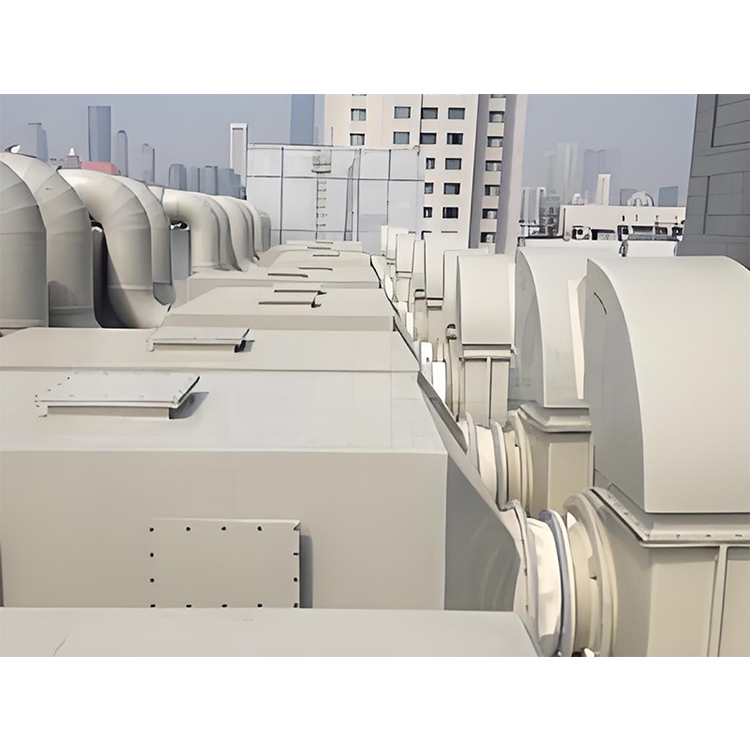
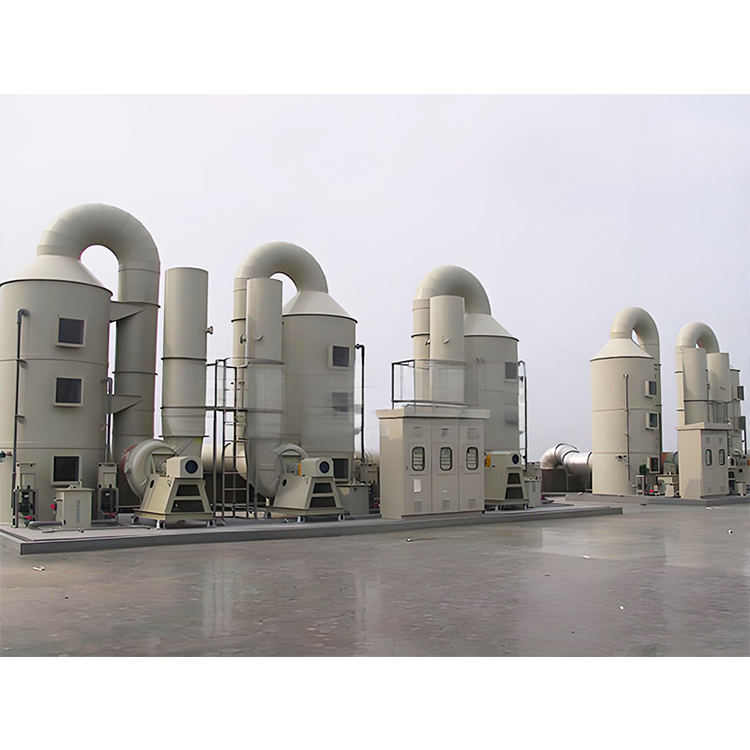
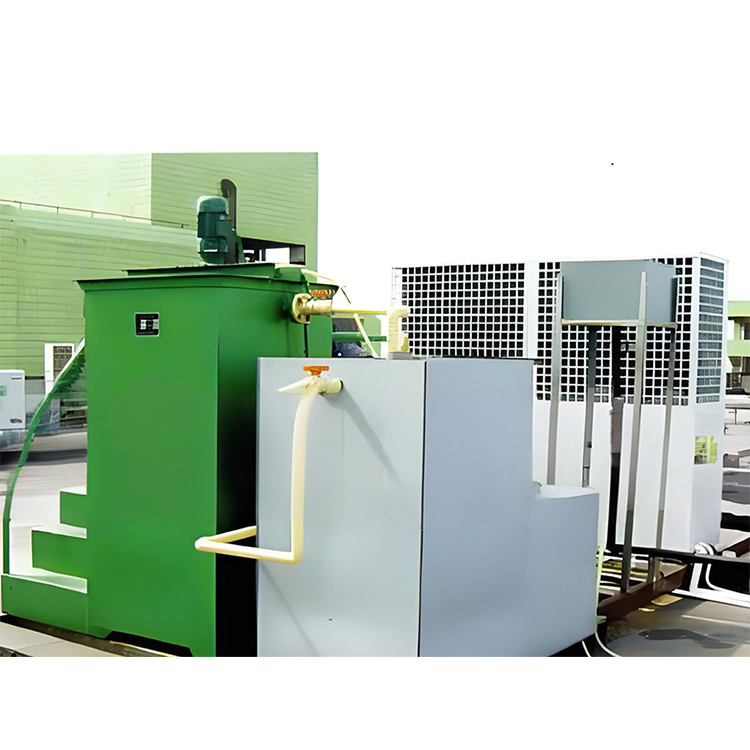
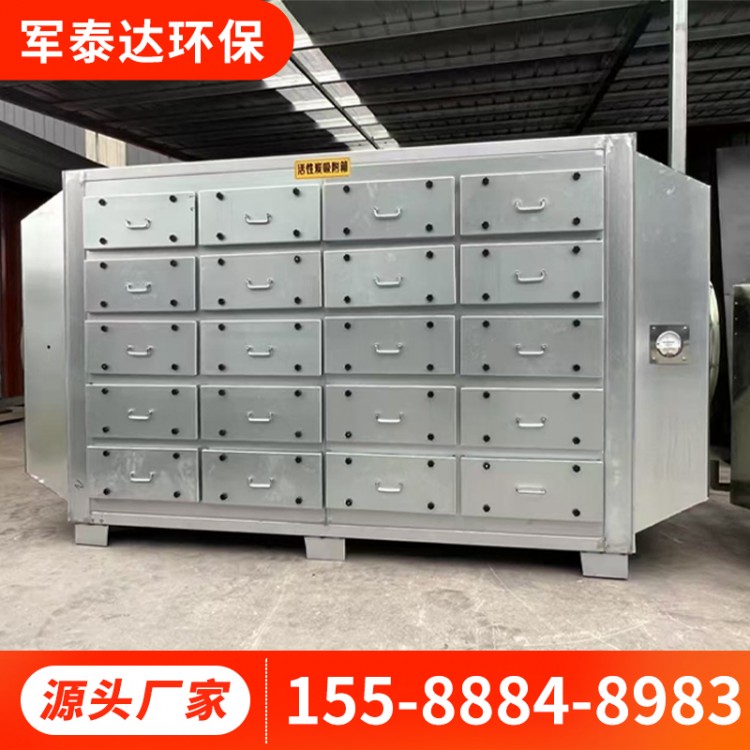





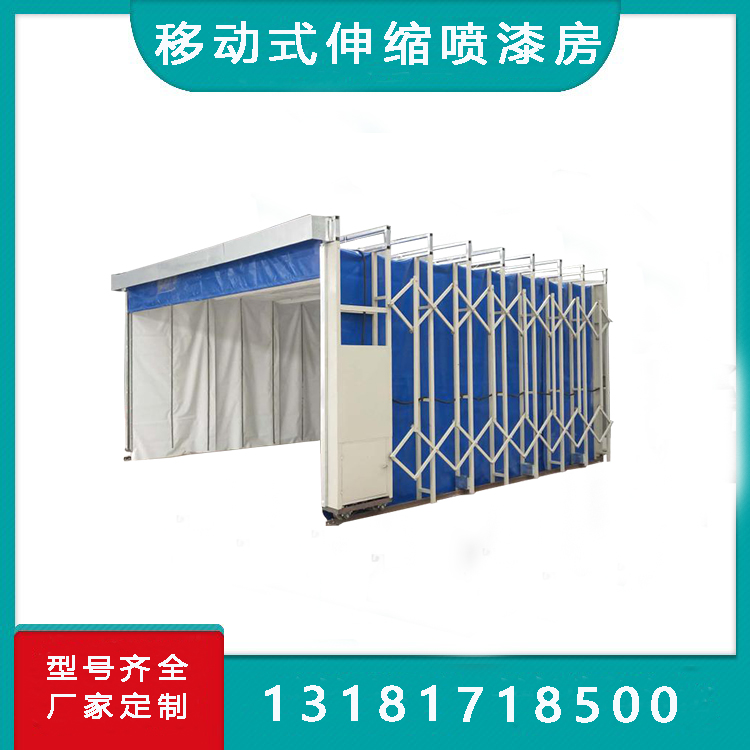
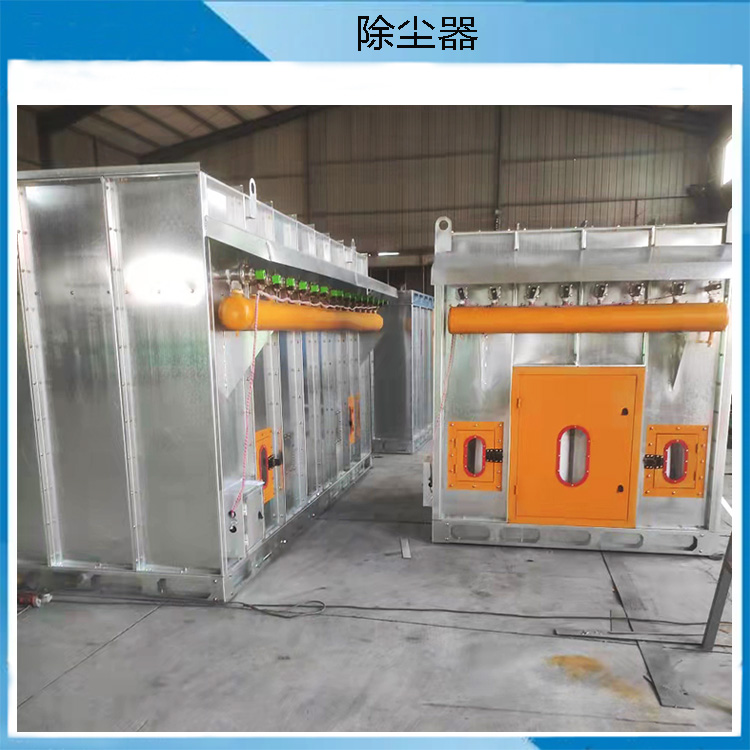

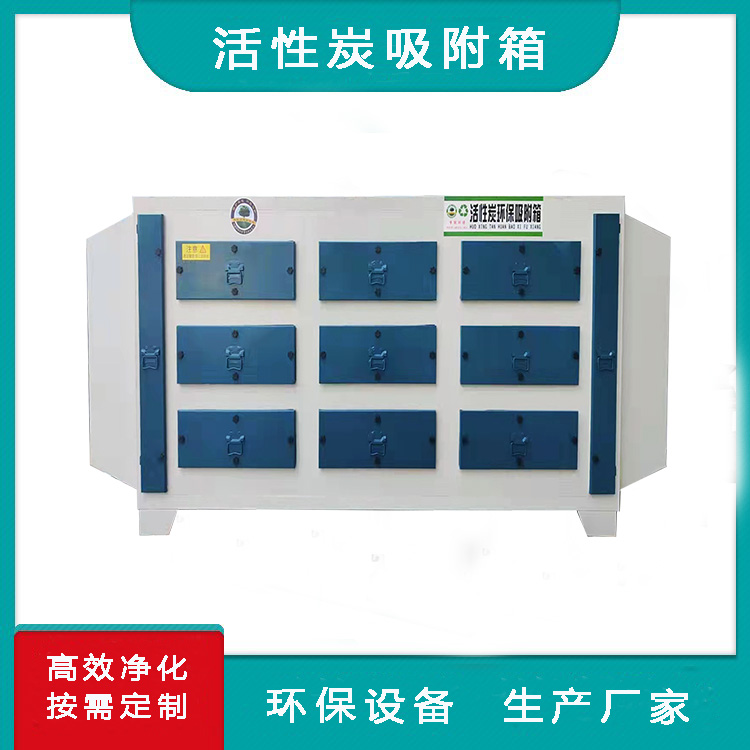
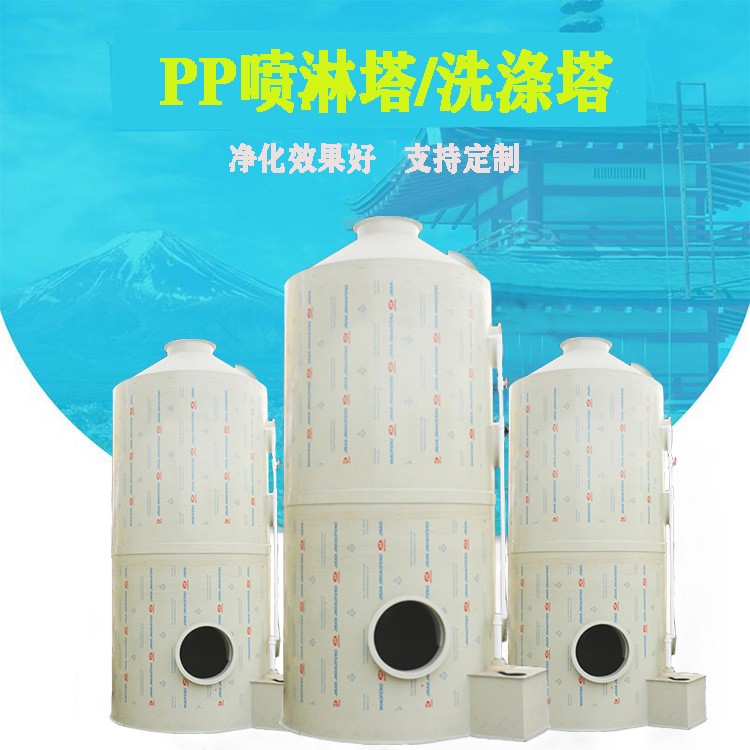
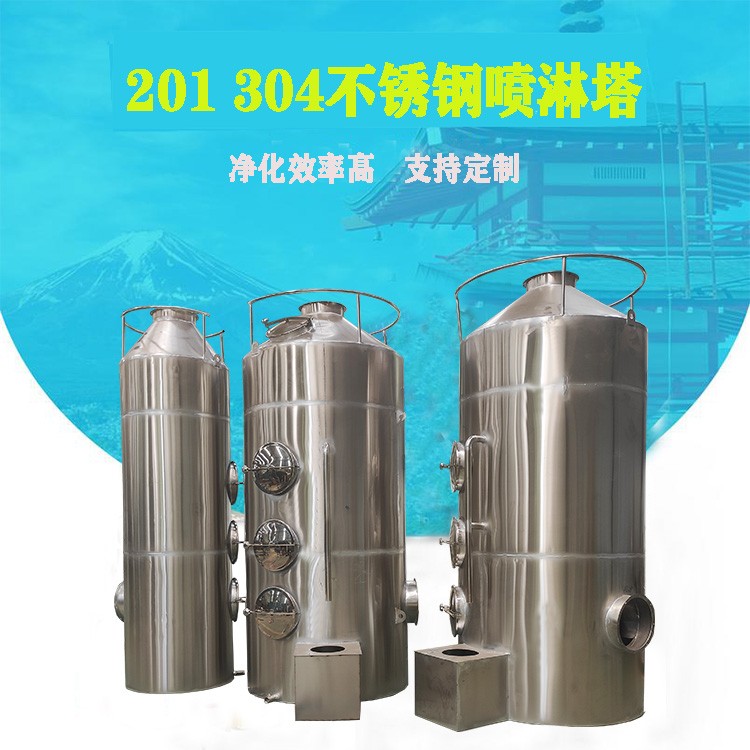

It's widely known that equipment used in painting processes generates a significant amount of waste dust. This waste is primarily produced during painting booths, equipment baking processes, and automatic spray lines, characterized by low waste gas concentration and high airflow. The waste gases consist mainly of toluene and xylene, which are benzene derivatives, and these gases can be harmful to both human health and the environment.
In the process of handling paint booth exhaust gases, it can be divided into two stages. One is the treatment of paint mist, which can be removed using adsorption methods. The second is volatile organic compounds (VOCs), commonly referred to as VOC exhaust, which can be treated with photo-oxidation catalysis or catalytic combustion.
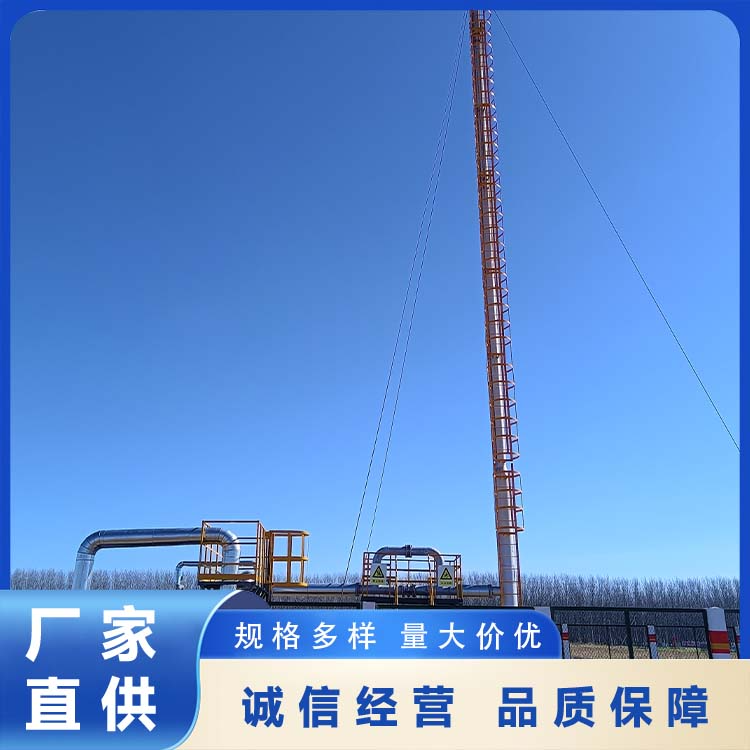
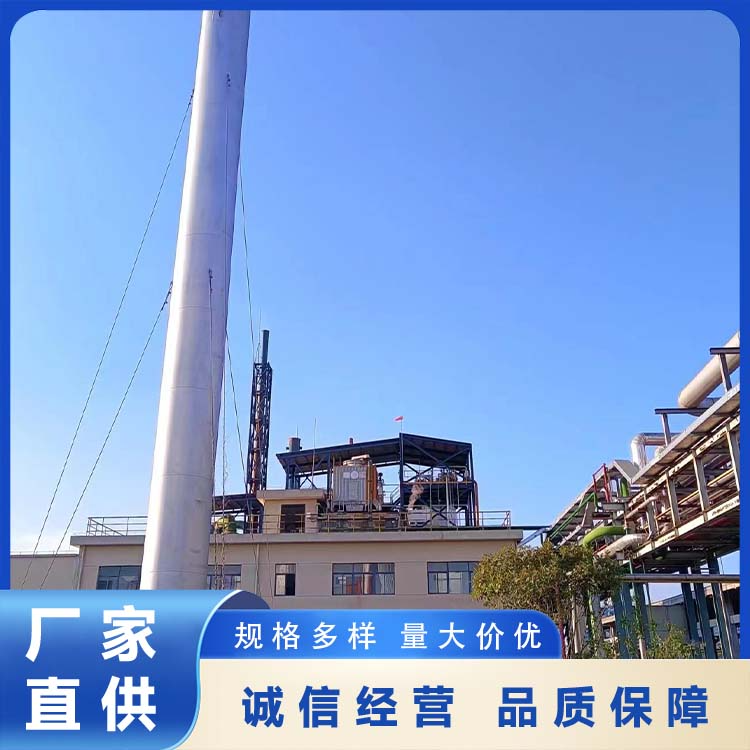
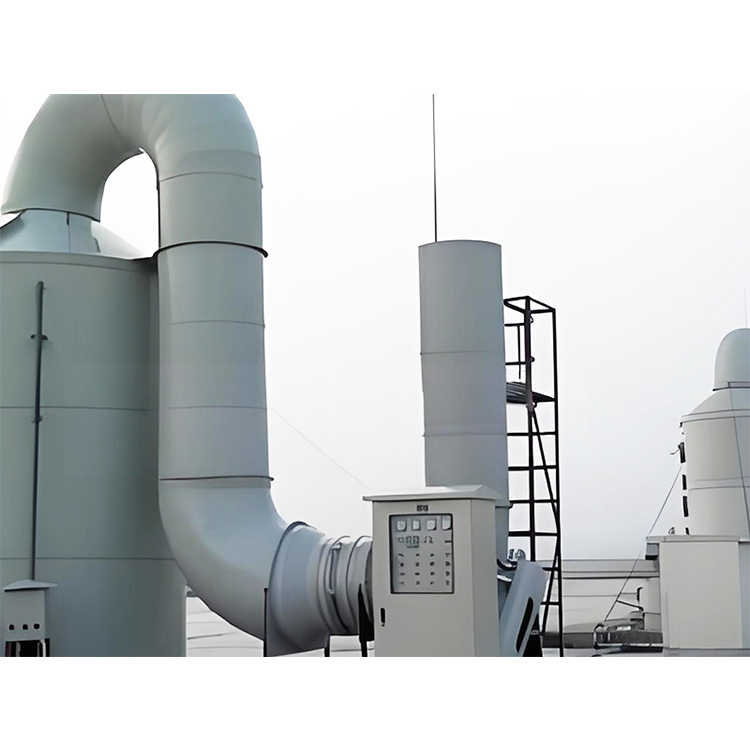
The catalytic combustion unit is primarily composed of a heat exchanger, combustion chamber, catalytic reactor, heat recovery system, and a chimney for emissions purification, as shown in the right figure. Its purification principle is as follows: Unpurified gas is preheated by the heat exchanger before entering the combustion chamber, where it reaches the required reaction temperature. The oxidation reaction takes place in the catalytic reactor, and the purified flue gas releases some heat through the heat exchanger before being discharged into the atmosphere through the chimney.