










Alias:February Bluebell
Scientific Name, Genus:Brassica family, Raphanus genus
Scientific Name, Common Name:Orychophragmus violaceus
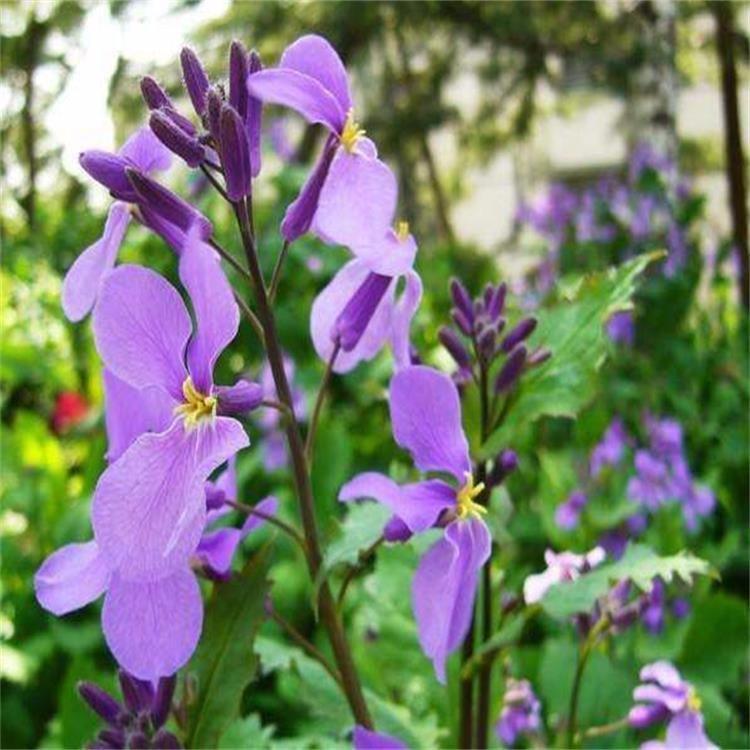
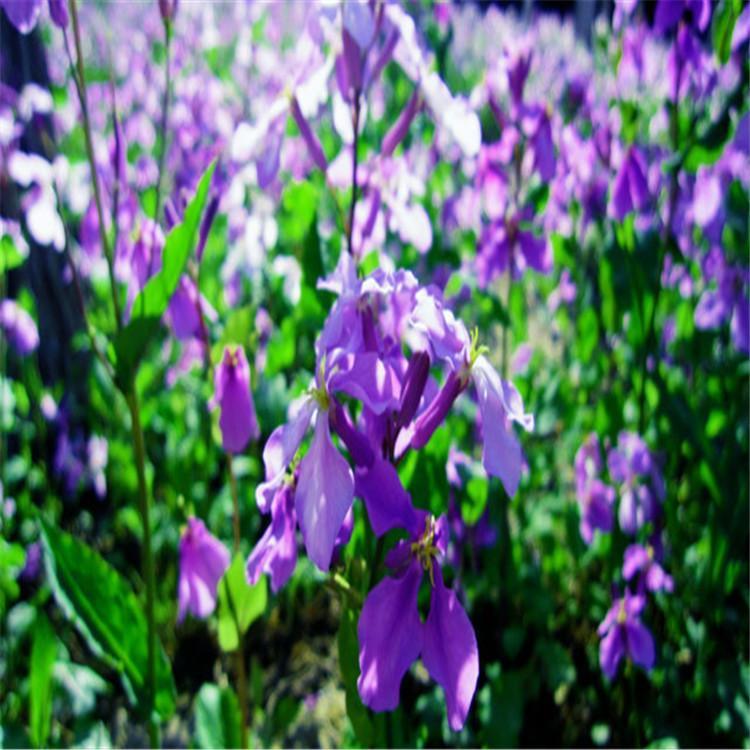
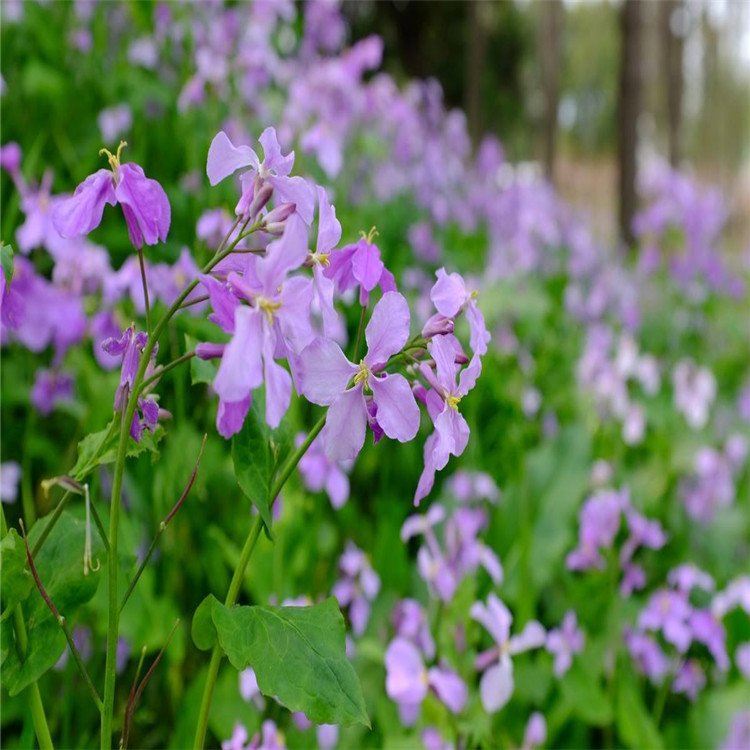
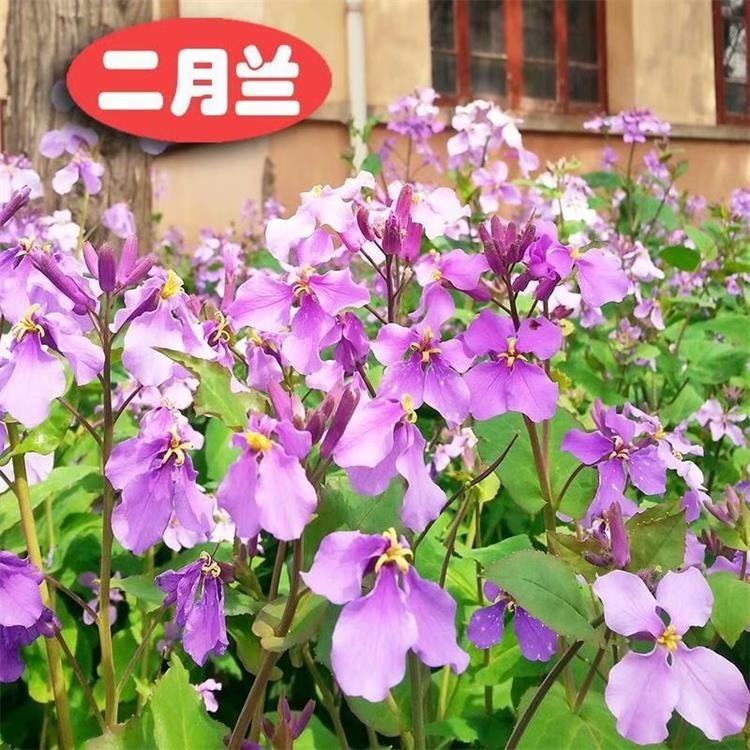
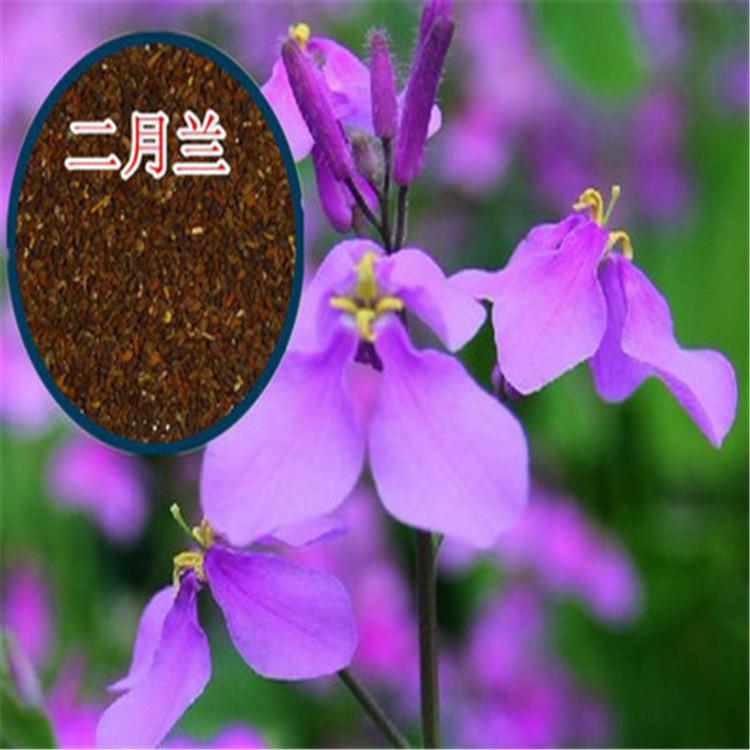
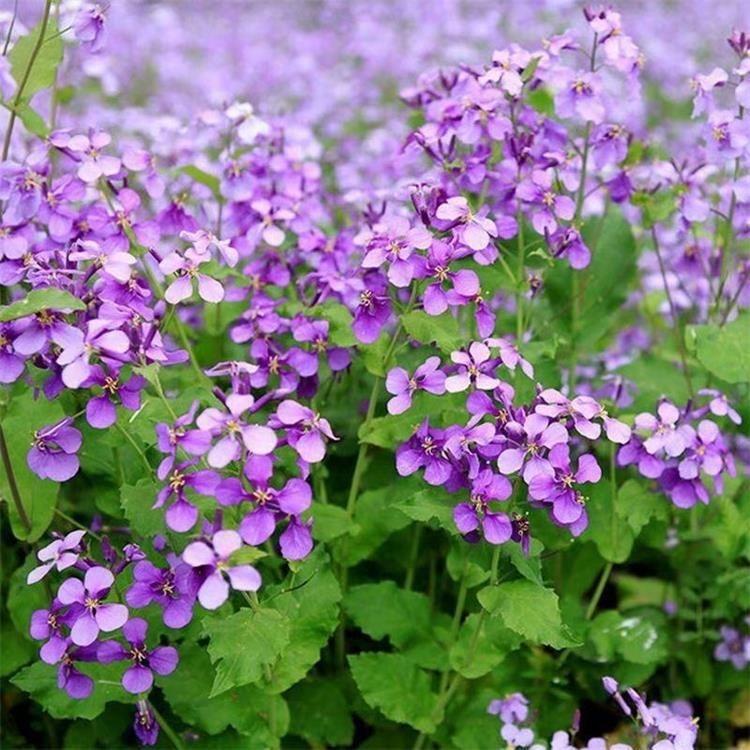
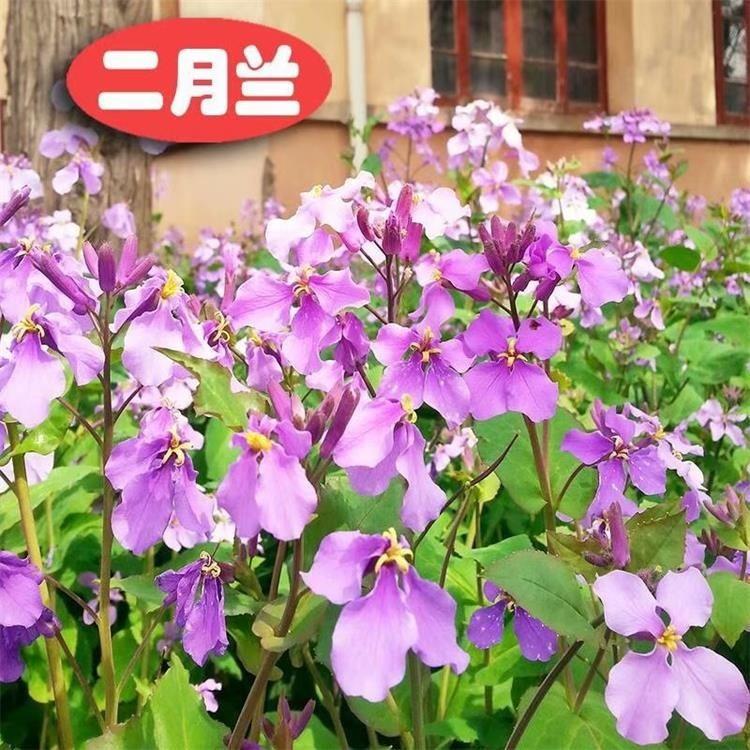
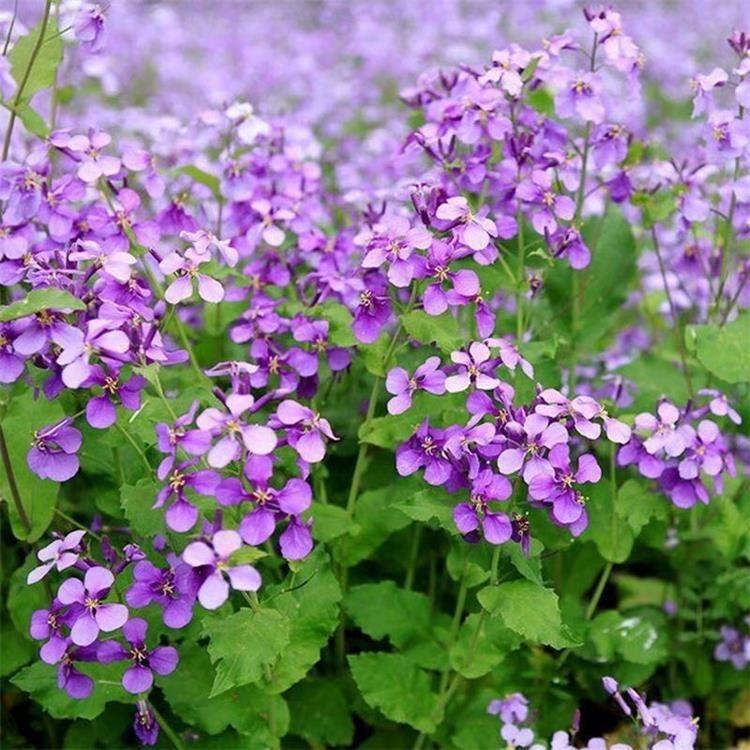
Feature Morphology:A biennial herb with an upright stem, reaching 30-50 cm in height. The leaf shapes vary greatly, with the basal leaves nearly round, lower stem leaves in pinnate division, and top and lateral leaves kidney-shaped or nearly ovate. The raceme is terminal, with purple flowers and four petals arranged in a cruciate pattern, blooming sequentially from February to May or June in early spring. The siliqua is elongated, maturing in May or June, with brown, oval, slightly irregular seeds. After the fruit ripens and naturally splits open, it should be harvested promptly.
Distribution Origin:Originating from Northeast and North China, including Liaoning, Hebei, Shandong, Shanxi, Shaanxi, Jiangsu, Zhejiang, and Shanghai, both wild and cultivated.
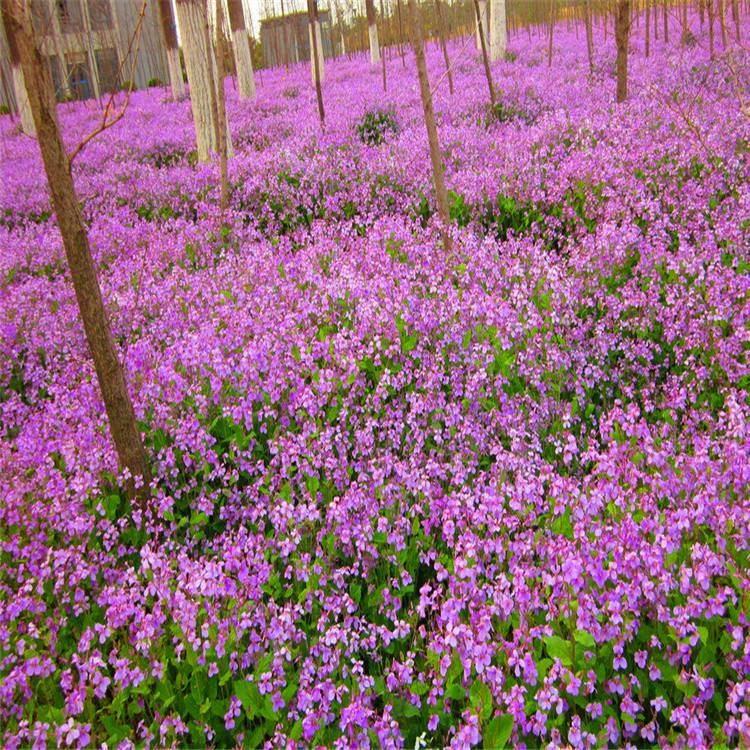
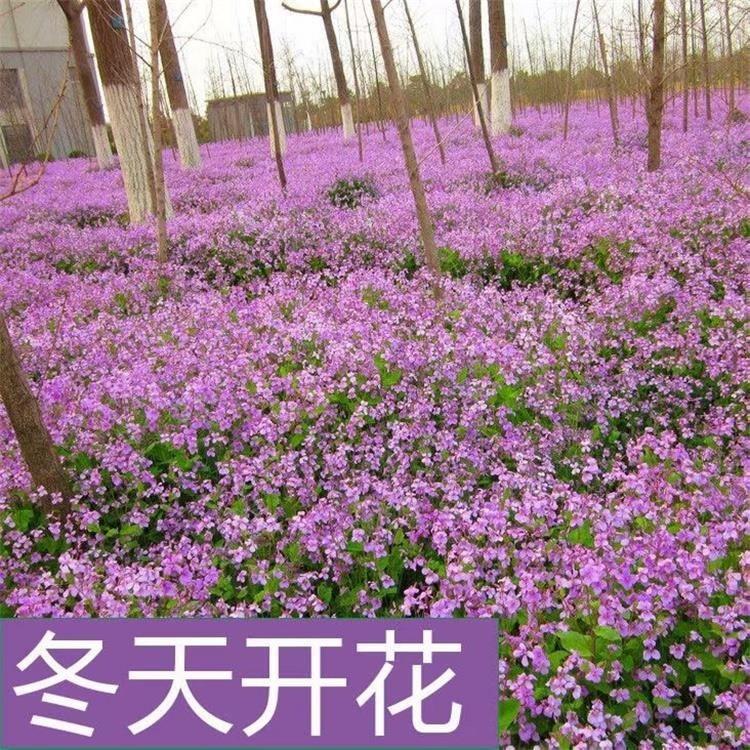
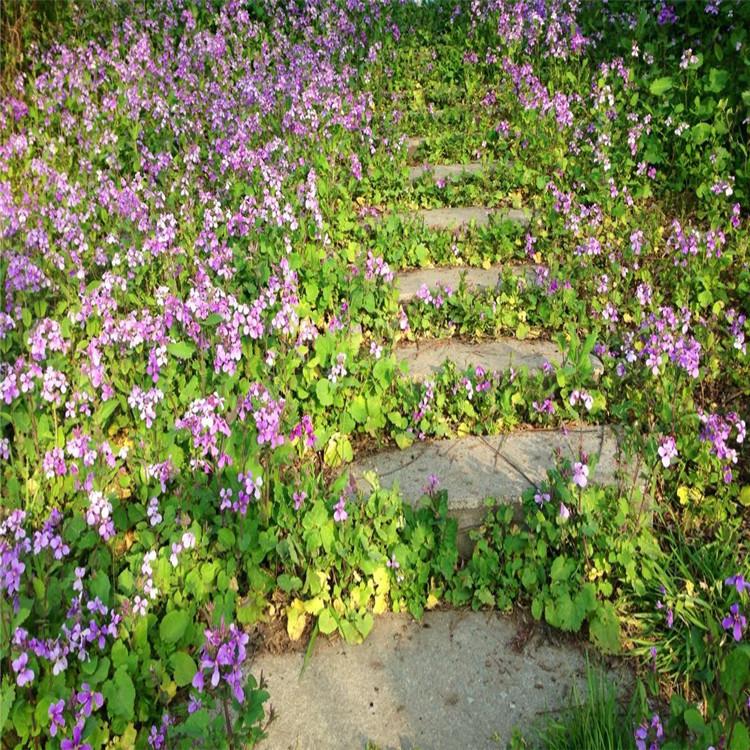
Growth characteristics:① Highly frost-resistant and evergreen during winter. It also tolerates shade well, making it an excellent ground cover with lush green foliage, a sight that is pleasing to the eye. ② Highly adaptable, it can grow in Northeast, North China, and even East and Central China. Even during heavy frost and snow in winter, some leaves may freeze, but new leaves, flowers, and fruits will emerge in early spring. It is not particular about soil conditions. ③ Produces purple flowers that bloom sequentially from bottom to top, with continuous blooming from February to May or June, especially when planted in groups, creating a vast area of blue and purple. When planted along rivers or sea dykes, the interplay of green leaves, flower seas, sea water, and blue sky creates a spectacular view. ④ February Blue has strong self-propagation capabilities, forming a community with a single sowing every year. After seeds mature in May or June, they fall into the soil and grow into green seedlings in September. These seedlings survive the winter, bloom in late spring, and produce seeds in summer, continuing annually. It is commonly planted in gardens, green belts, parks, residential communities, and under overpasses, widely used as an ornamental ground cover. The seed source is abundant and the price is low, costing only a few cents per square meter to plant. Therefore, it is often used in landscaping projects, parks, and tourist attractions. Experts also suggest planting February Blue in large areas at airports, as it remains green in winter, has purple flowers in spring, and can self-propagate without requiring much maintenance, making it suitable for mixed plantings and a variety with multiple advantages.
Primary Value:February Bellflower boasts lush green leaves in winter and delicate, beautiful flowers in spring. The early spring blooms cover large areas and have a long blooming period, making them ideal for extensive ground cover or as backdrop plants for lawns requiring minimal maintenance. They are excellent for garden shade or ground cover under trees and can also be grown in flower beds. Suitable for slopes and roadside plantings as well.