










| Scientific Name:Beautiful Evening Primrose | Mellisuga sinensis (Honey locust) pods |
| Scientific Name: Linaria vulgaris Mill. | |
| Synonyms: Night-blooming Jasmine, Waiting-for-Dawn Herb, Pink Evening Primrose, Pink Moonsee Grass | |
| Gate: Angiosperms | Dicotyledonae |
| Myrtales | Subcategory: |
| Clusiaceae | Yako: |
| Tribe: | Oenothera genus |
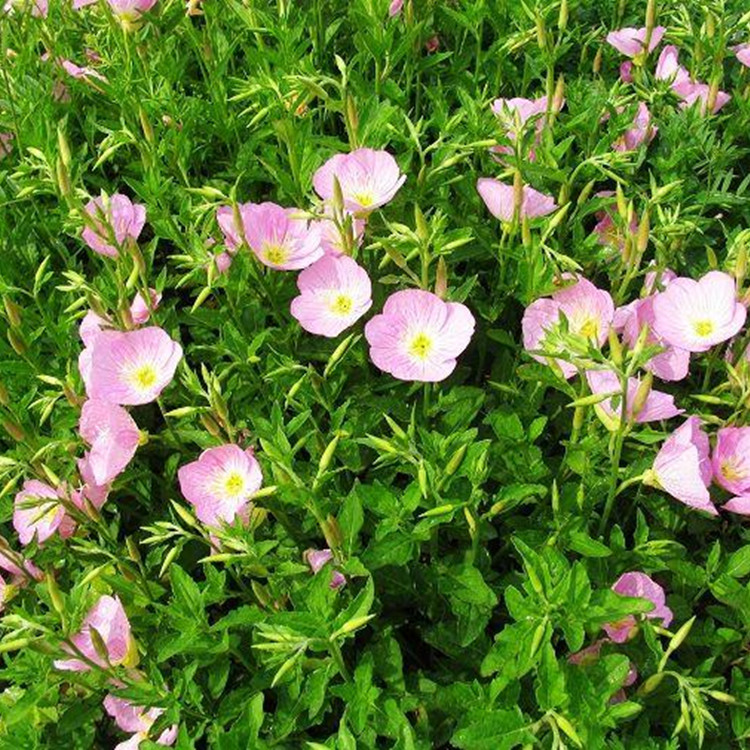
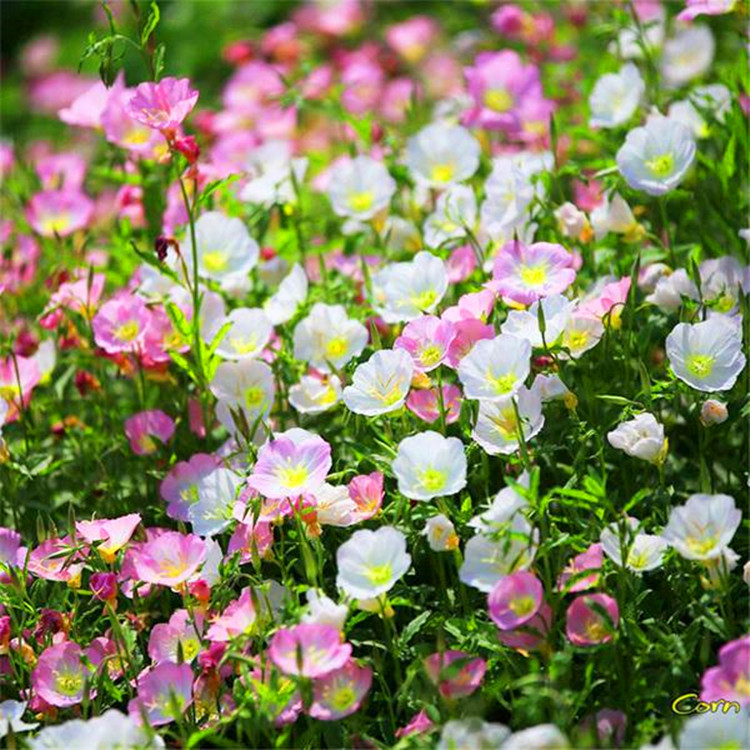
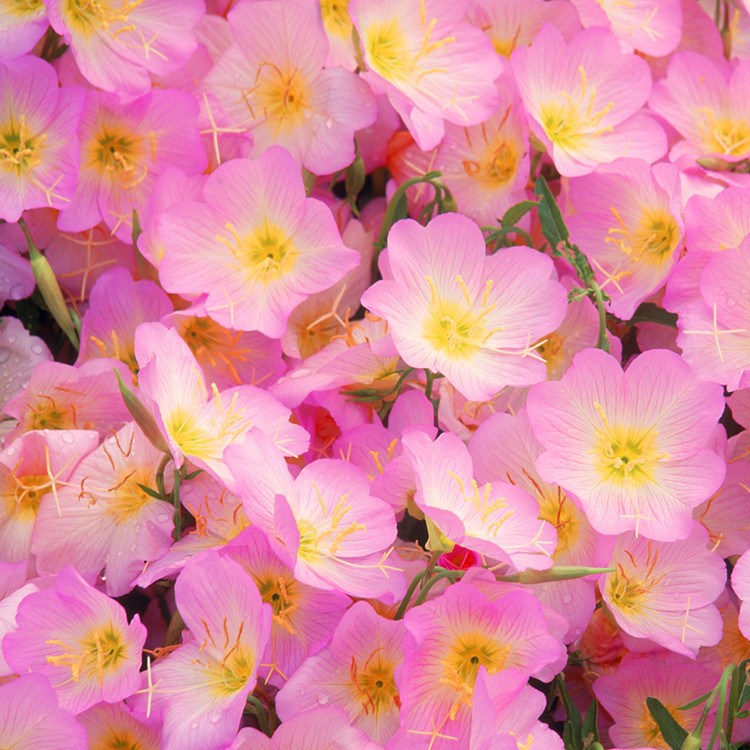
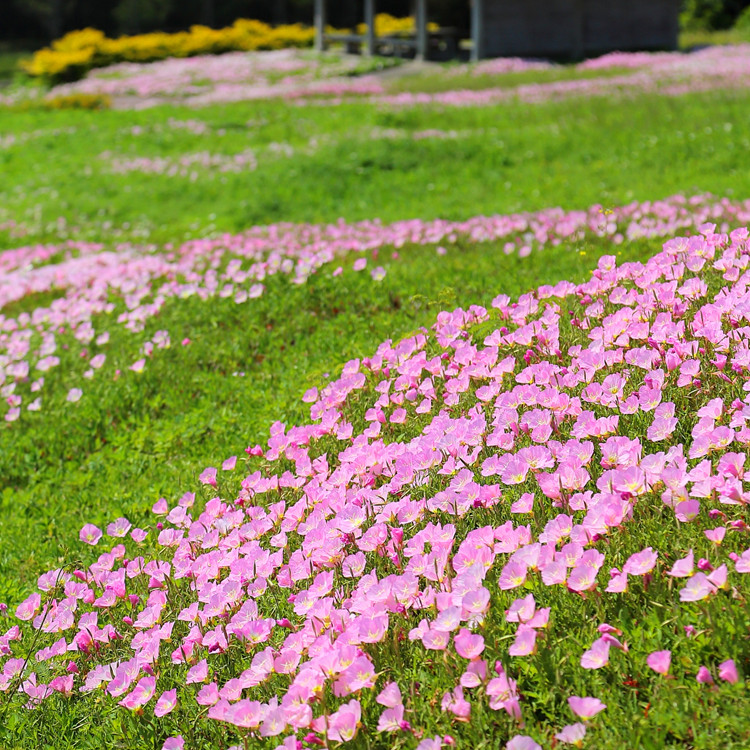
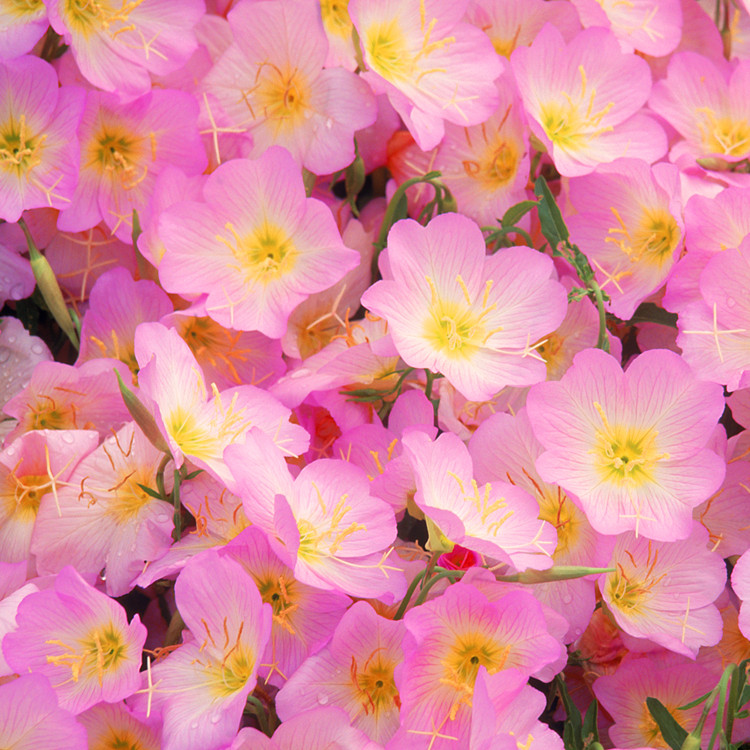
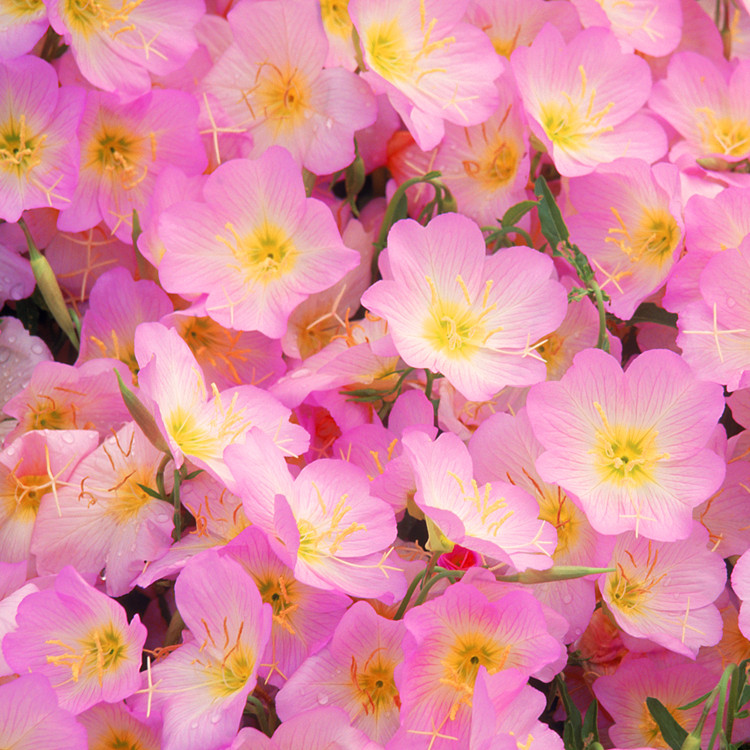
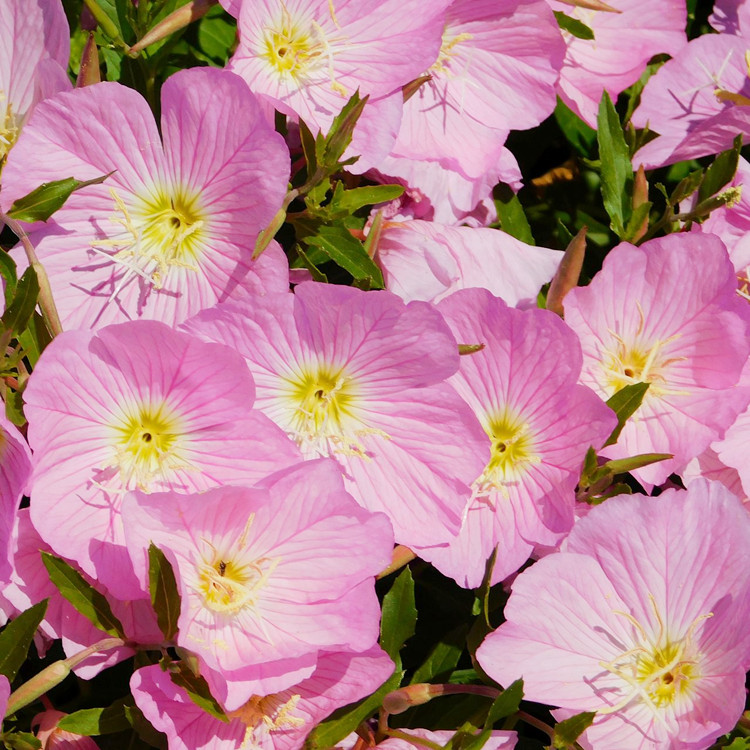
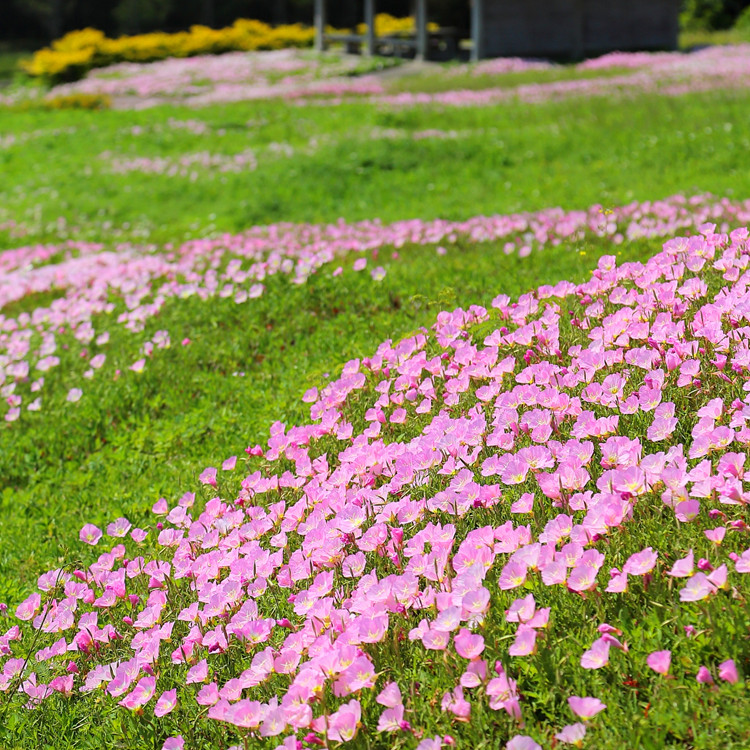
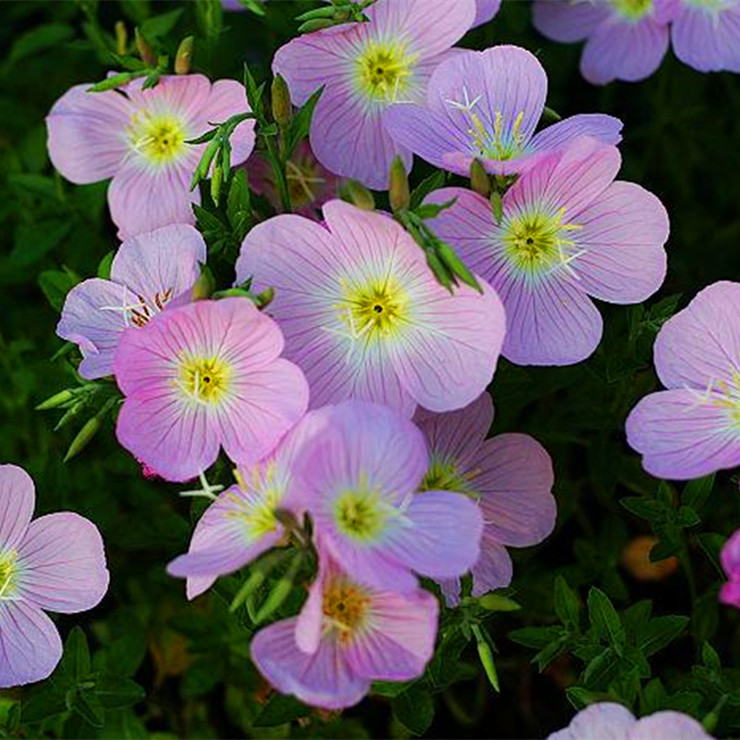
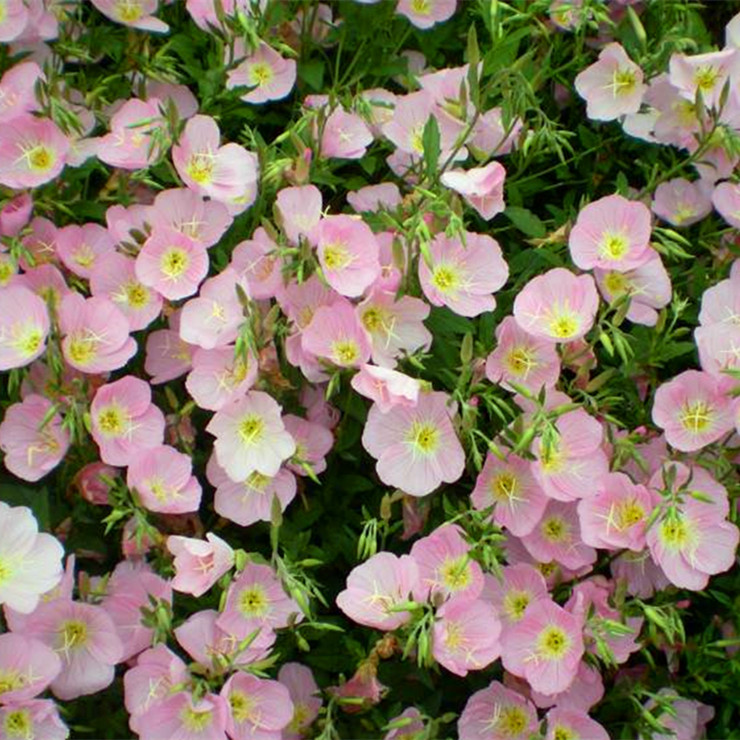
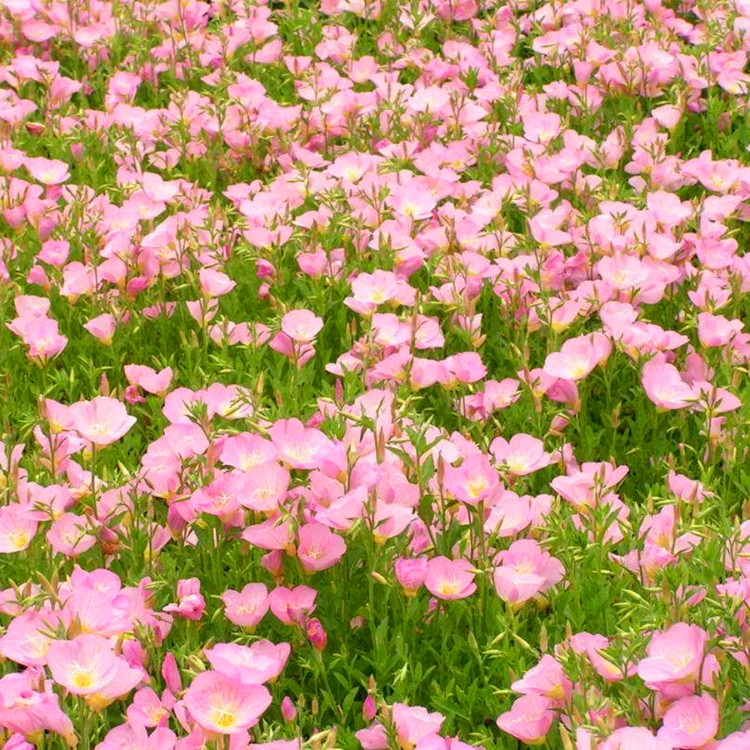
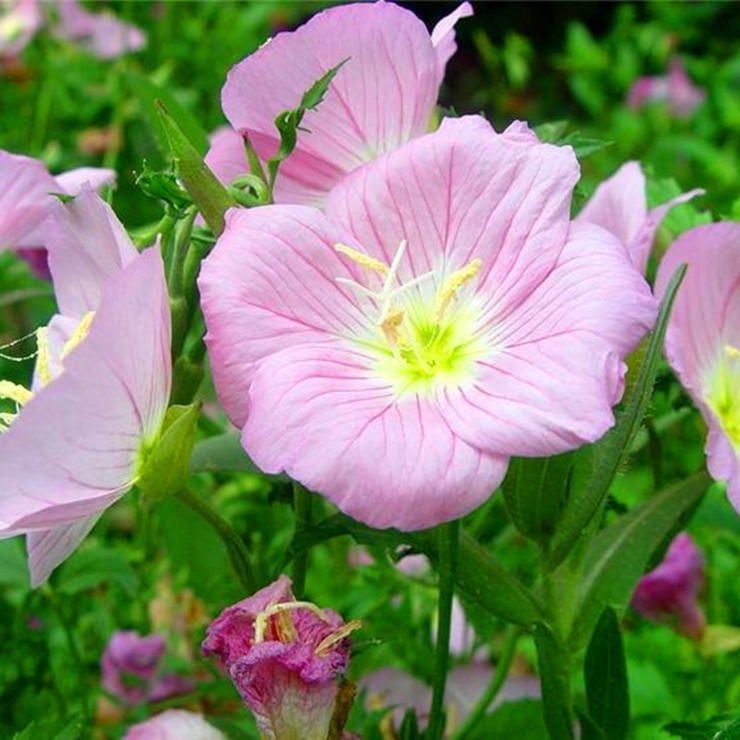
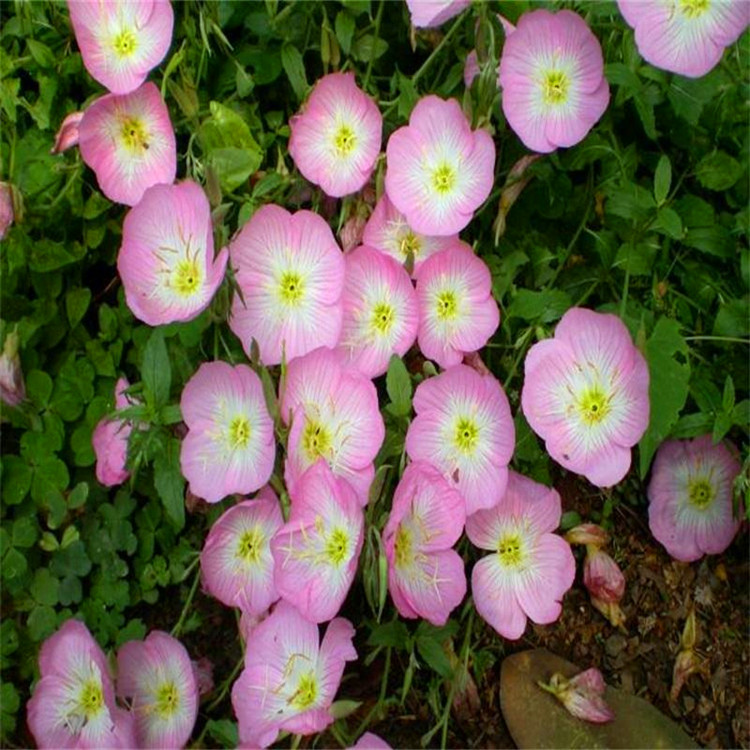
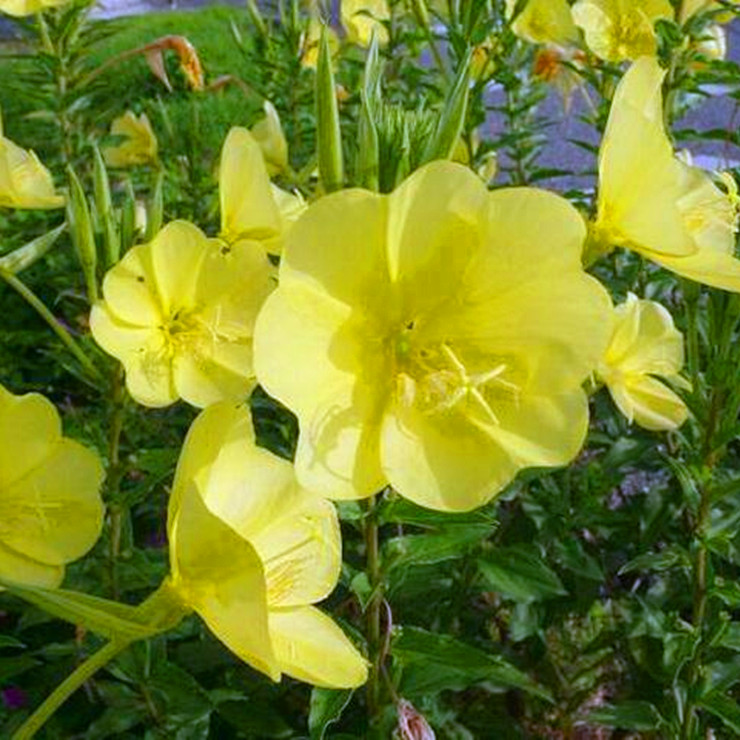
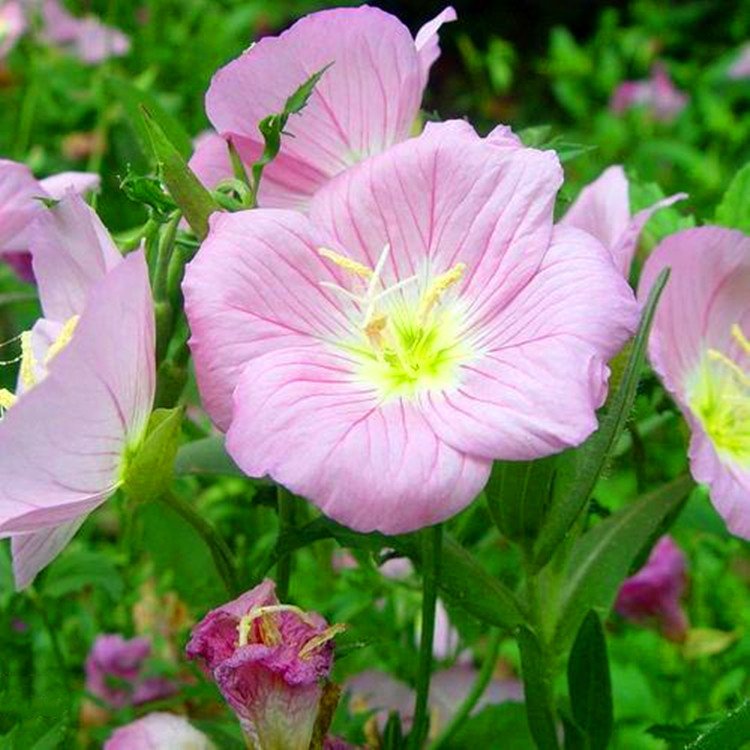
Beautiful evening primrose, also known as wait-for-moon herb, pink evening primrose, or pink moonflower, Latin name: Oenothera speciosa, English name: evening primrose, is a type of evening primrose in the Onagraceae family and the genus Oenothera, a perennial herb with a thick main root (up to 1.5 cm thick). The stems are commonly clumped. It is named "moonflower" because it blooms at dusk and wilts at dawn. However, the beautiful evening primrose also blooms during the day, with cup-shaped flowers that attract fluttering pink butterflies, making it very beautiful.
1. Seed Sowing Method
Beautiful Evening Primrose seeds germinate best at temperatures of 15-25 degrees Celsius, typically sown in spring when the season is most conducive to seed germination. This flower is not picky about soil and can withstand acidity and drought, thriving in loose, fertile, and well-drained soil. It does not grow well in overly moist environments, so excellent soil drainage is essential.
2. Select Seeds
Beautiful Evening Primrose is usually cultivated by sowing, and the seeds must be carefully selected before sowing. This directly affects the germination rate. Choose mature, plump, healthy seeds without diseases to ensure higher germination rates and promote vigorous and uniform growth of seedlings.
.jpg)