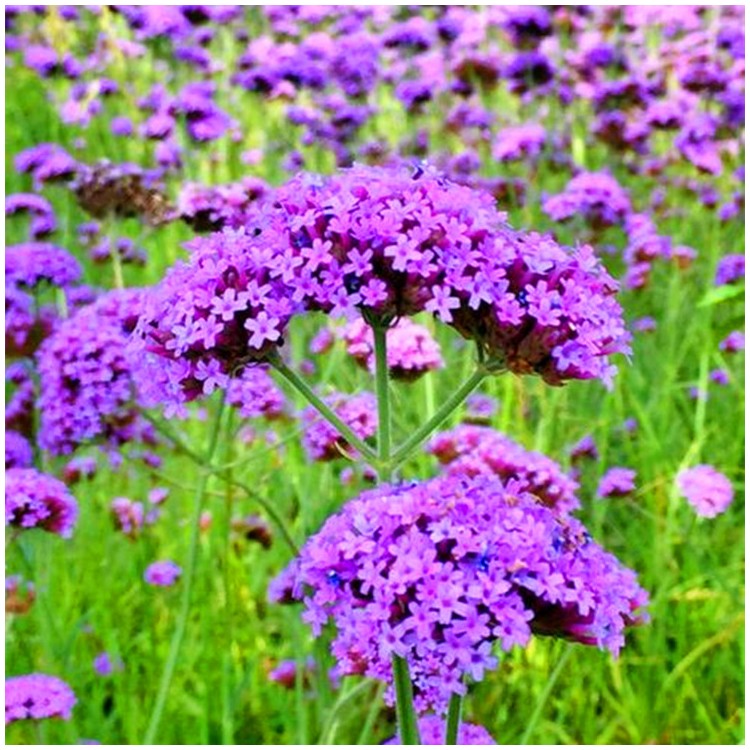

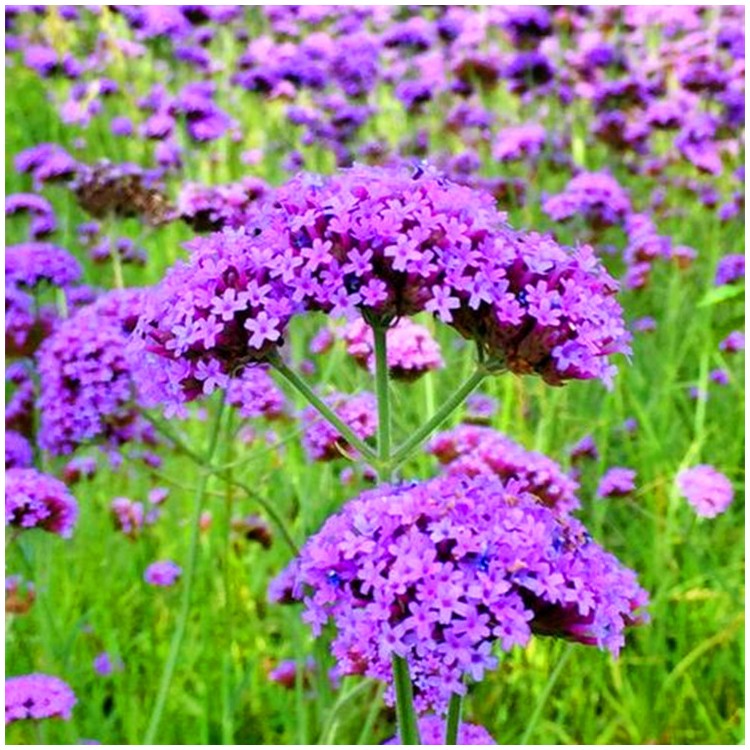







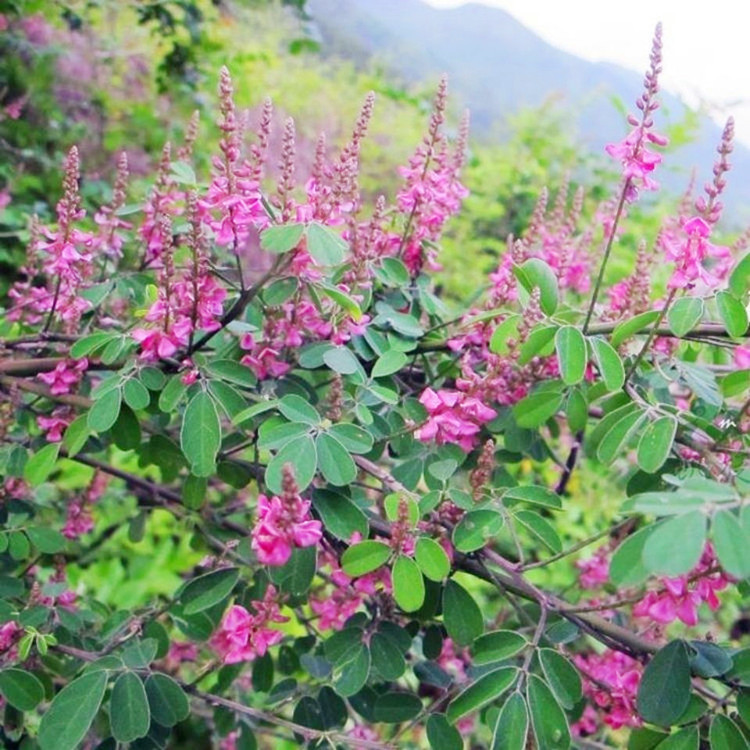

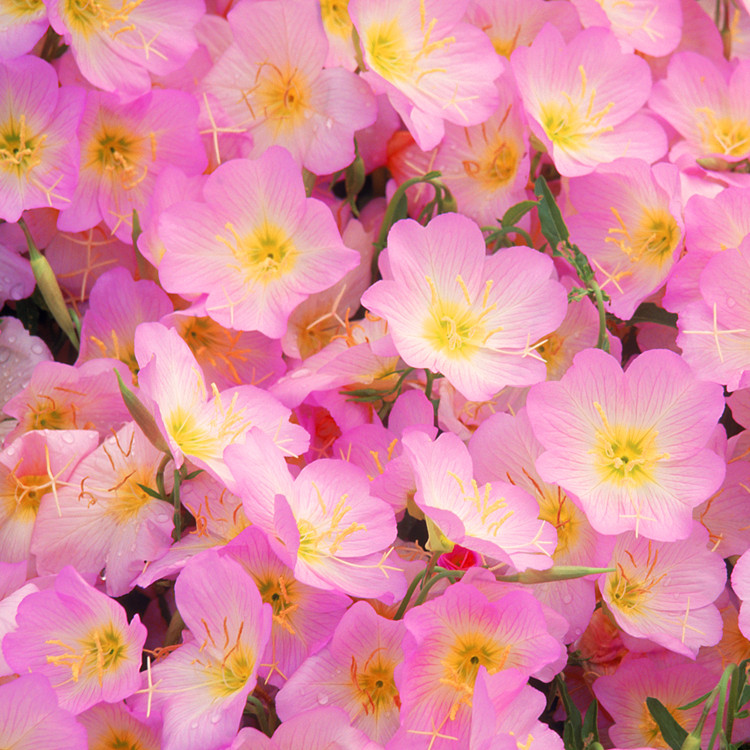
Lippia platyphylla, native to South America and belonging to the Verbenaceae family, has thrived in China due to its strong adaptability. Now, it can be found on many mountains across the country. There are even specialized potted varieties, though the blooming period of these potted plants is generally shorter than that of the wild ones.Open only during the summer each year; due to the tiny petals, they are easily shed with a bit of wind or rain.However, fortunately, the herb Lavender leaf is resilient, and it can quickly sprout new growth.
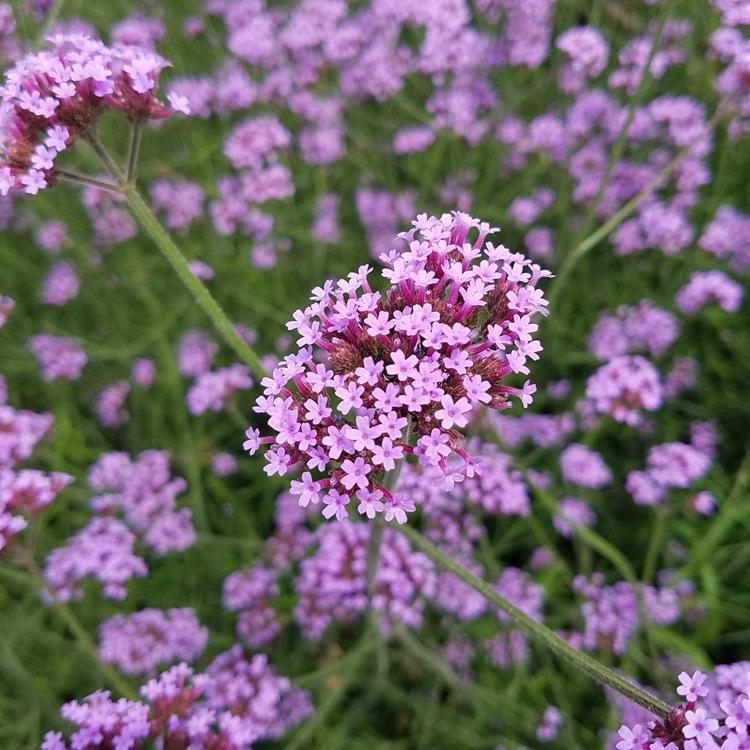
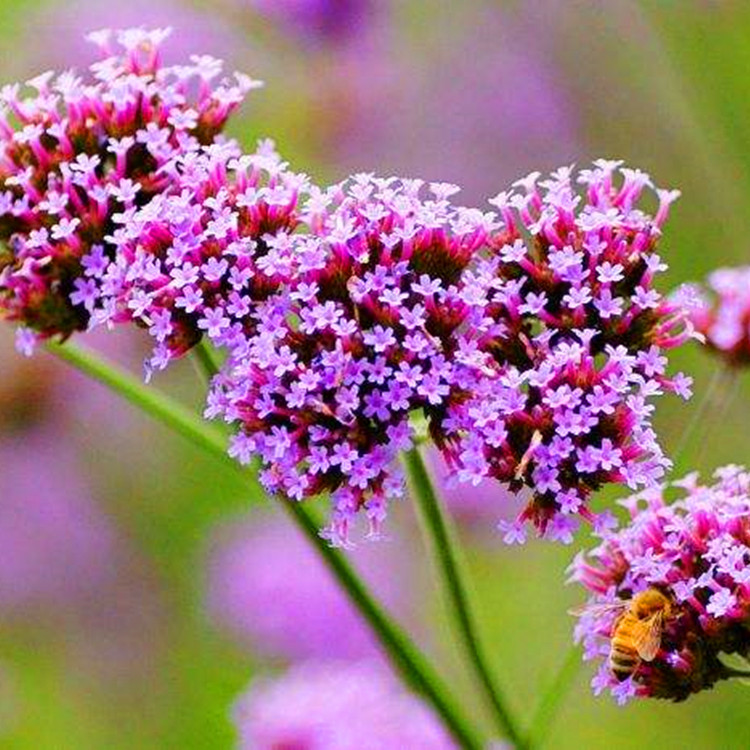
Honeysuckle mint.
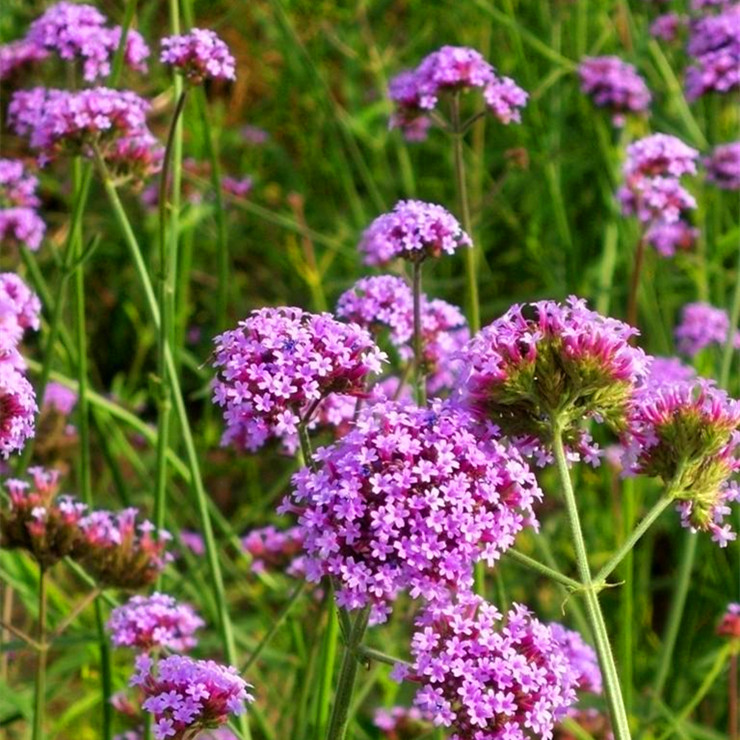
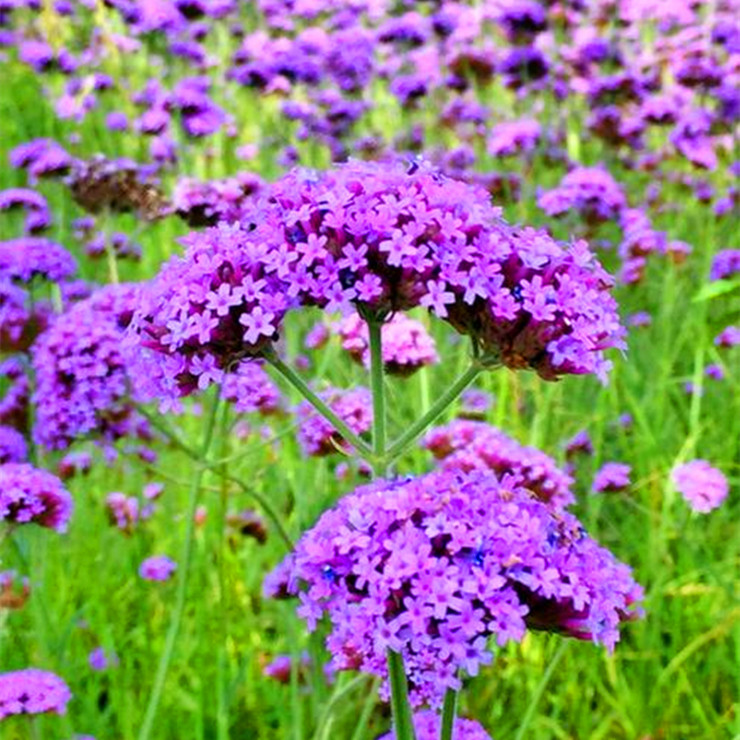
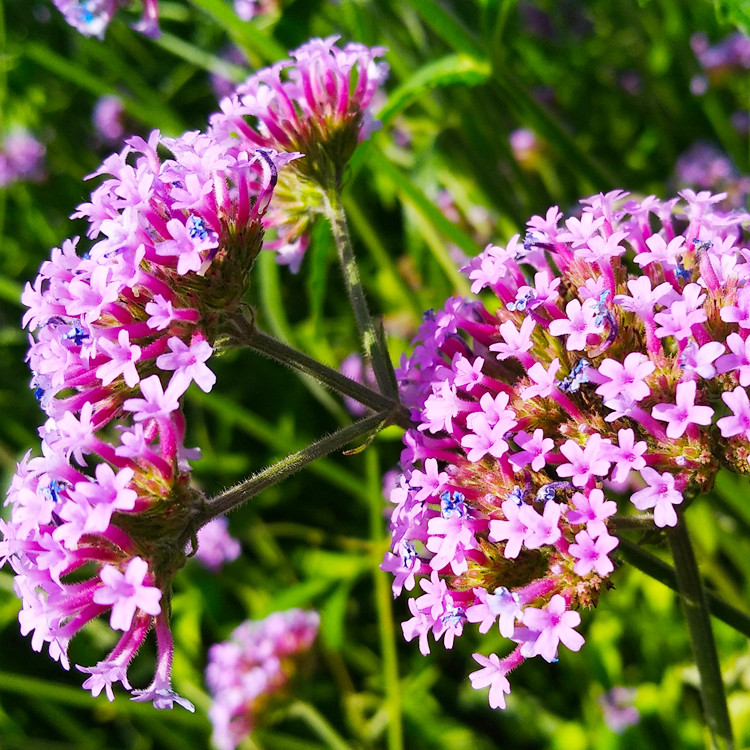
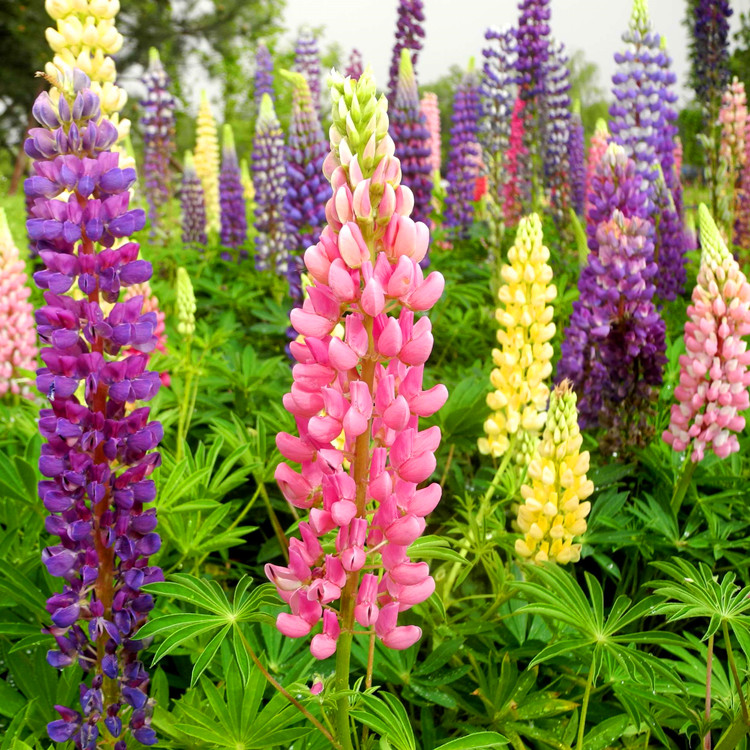
1. Verbena bonariensis, a species under the genus Verbena of the Verbenaceae family, is a perennial herb. It thrives in warm climates, is drought-resistant, and requires moderate water. The plant is upright with dark green leaves, clustering at the base. Its stems are tall, slender, and robust. The inflorescence is terminal, with tiny flowers in a purple-blue hue, with a diameter of 60 cm, blooming in summer and autumn. With its graceful swaying form, vibrant flower colors, and a long blooming period, the flowering plant can reach up to 1.5 meters in height. Despite its height, the spike remains upright, and its soft coloration is especially suitable for planting with other species, making it ideal as a backdrop for floral borders. Its application in landscape design is widespread.
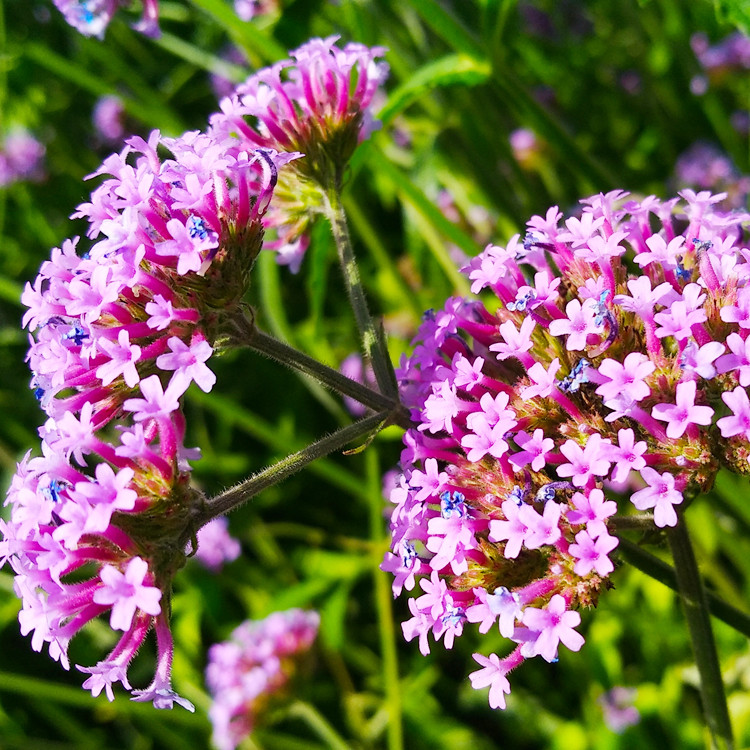
2. Verbena bonariensis, a perennial herb. Stature ranges from 100 to 150 cm. Umbellate inflorescences with small tubular flowers at the top of the flowering stems, purple or light purple. Leaves are lanceolate, opposite, with elliptical shapes and slightly notched edges in the early stage. As the flowering stem elongates, the leaves become slender and lanceolate, retaining pointed notches along the edges. The stems are square, and the entire plant is covered in fine hairs. Flowering period is from May to September. In the wild, it may cross with some species of Verbenaceae with spike-like inflorescences, resulting in some plants with intermediate morphologies between umbellate and spike-like inflorescences.
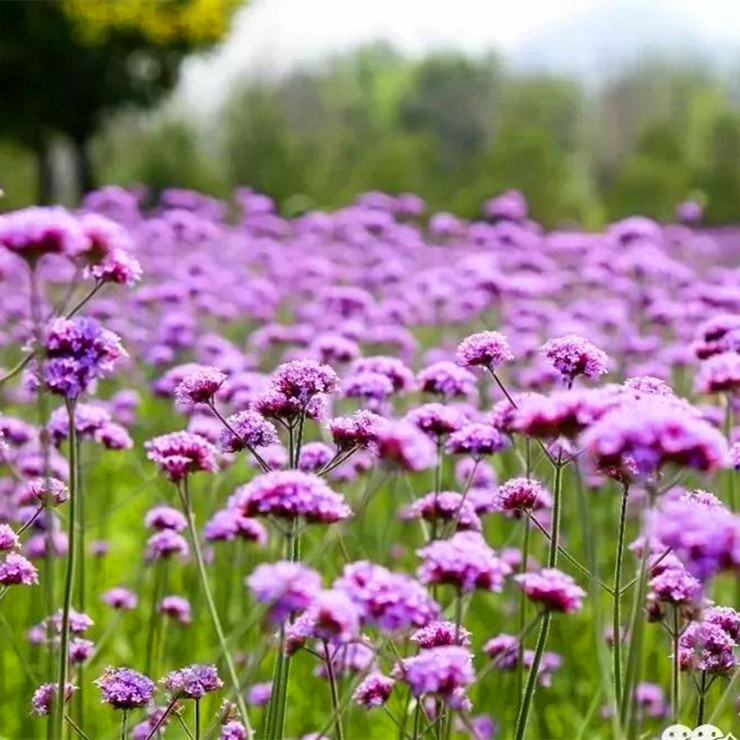
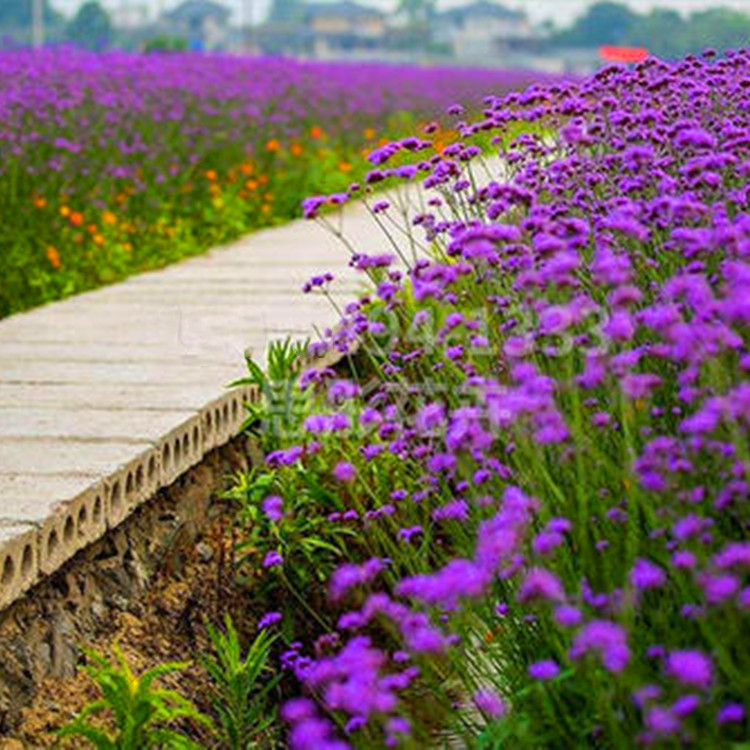
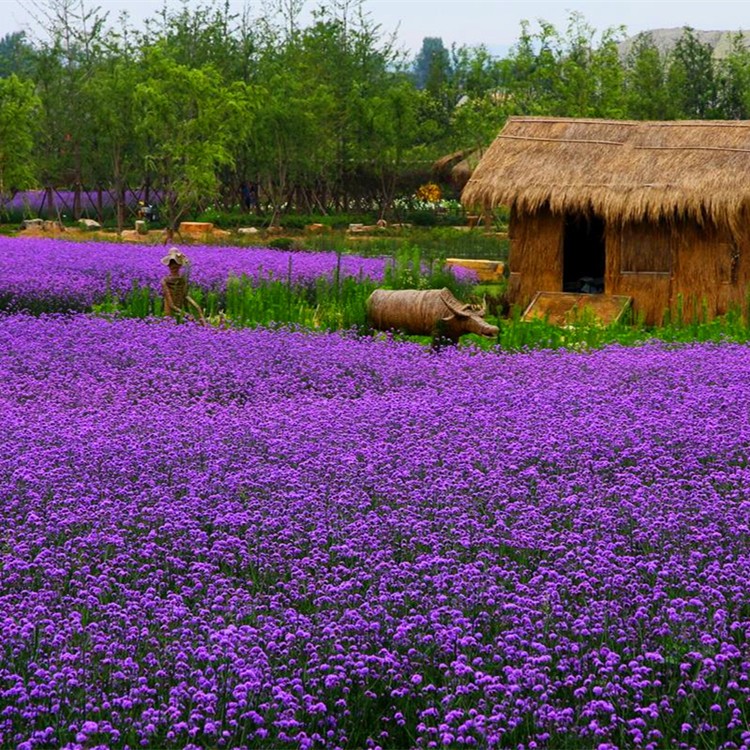
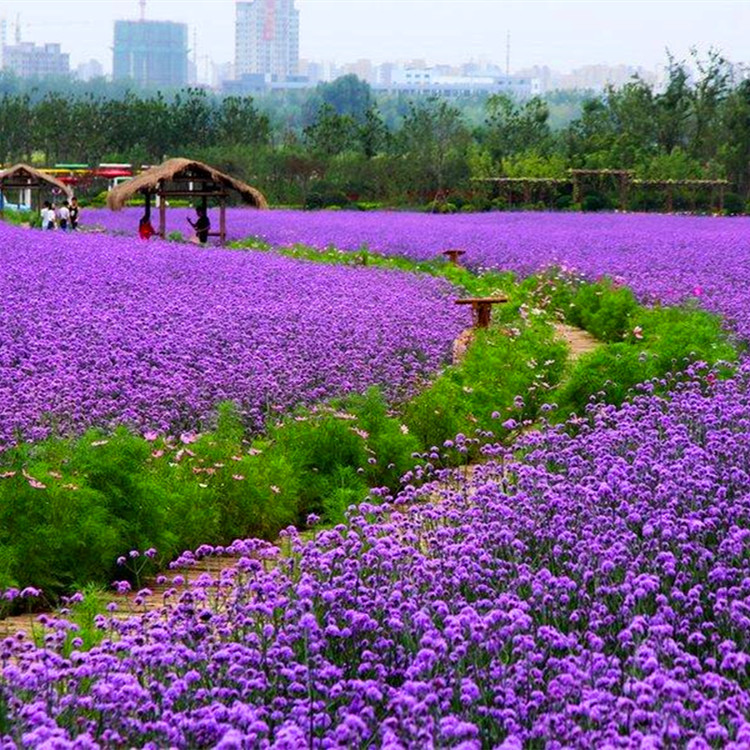
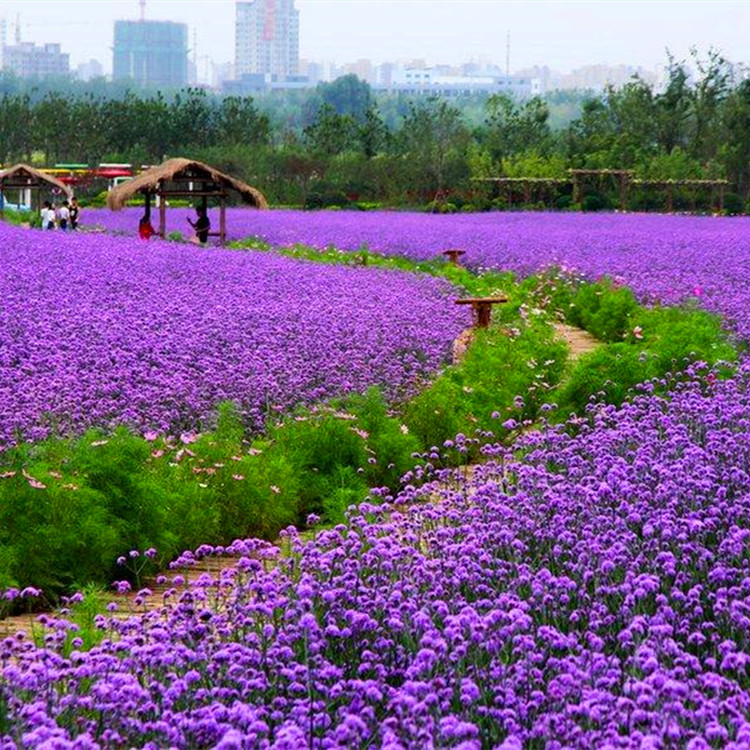
3. Chinese Wormwood is widely used in landscape design due to its impressive sheet planting effect. It is often employed under sparse forests, botanical gardens, and villa areas, where it blooms like a cloud of pink and purple hues, offering a stunning spectacle. In courtyard greening, Chinese Wormwood can be planted in strips along pathways, dividing the courtyard space while enriching the roadside scenery. Below the Chinese Wormwood, you can add beautiful Moonseed, Violet Daffodil, and Leafy Sedum, enhancing the overall effect.