








Scientific Name:Coreopsis
Scientific Name:Coreopsis drummondii Torr。 et Gray
Alternative Name:Daisy, Chrysanthemum, Peacock Daisy
Binomial name:Coreopsis drummondii
WorldPlant kingdom
Door:Angiosperms
Outline:Dicotyledonae
Yajiang:Sympetalae subclass
Objective:Platycodiales
Kou:Chrysanthemum family
Yako:Subgenus Tubulosae
Category:Asteraceae (daisy family)
Distribution Area:Origin: Southern United States
Name in English:Coreopsi
Introduction to varieties of Black-eyed Susan
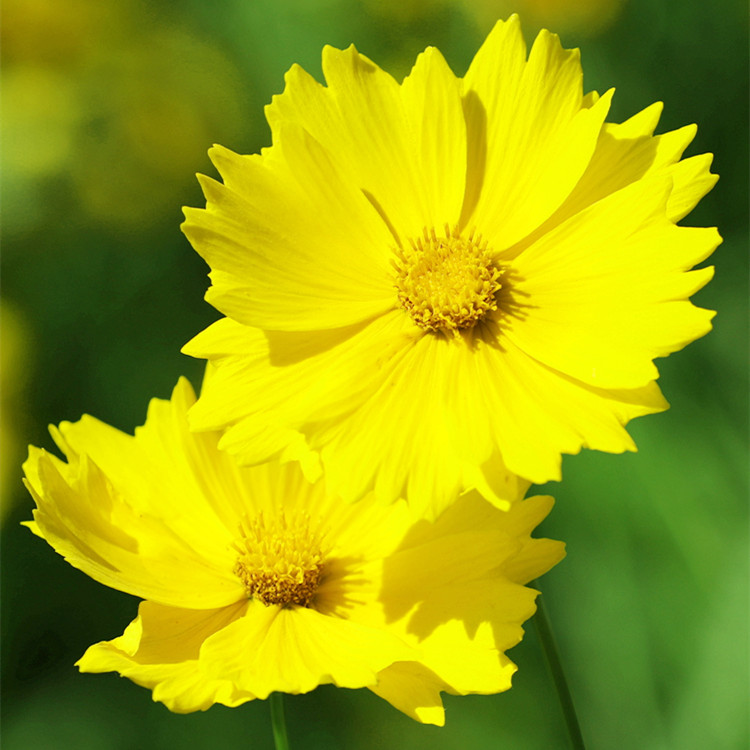
Coreopsis, also known as Dwarf Cosmos or Moneyplant, is a perennial herbaceous plant. It is highly adaptable, withstanding cold and drought, and not fussy about soil conditions. Due to its strong resistance to sulfur dioxide, it is particularly well-suited for planting around chemical factories.
Cultivation Key Points for Black-eyed Susans
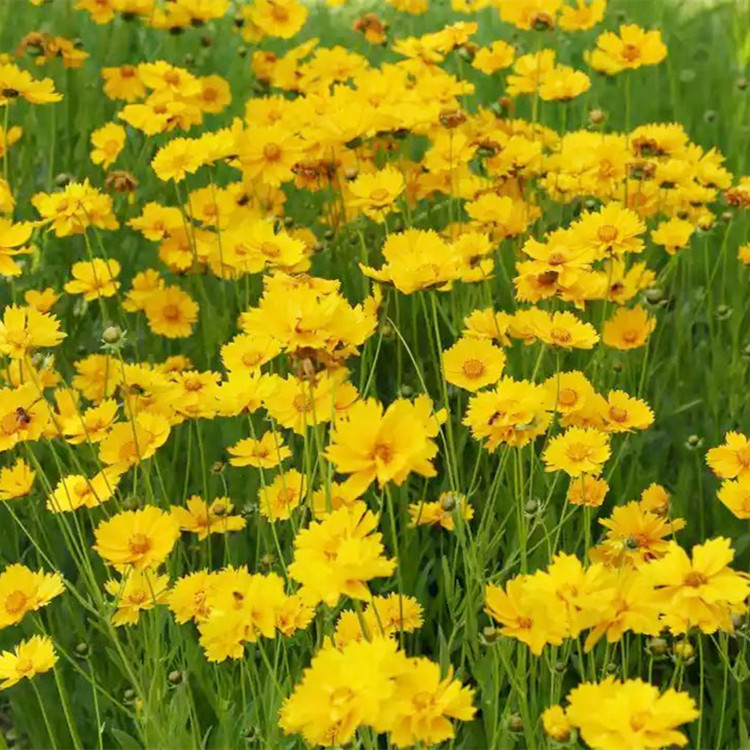
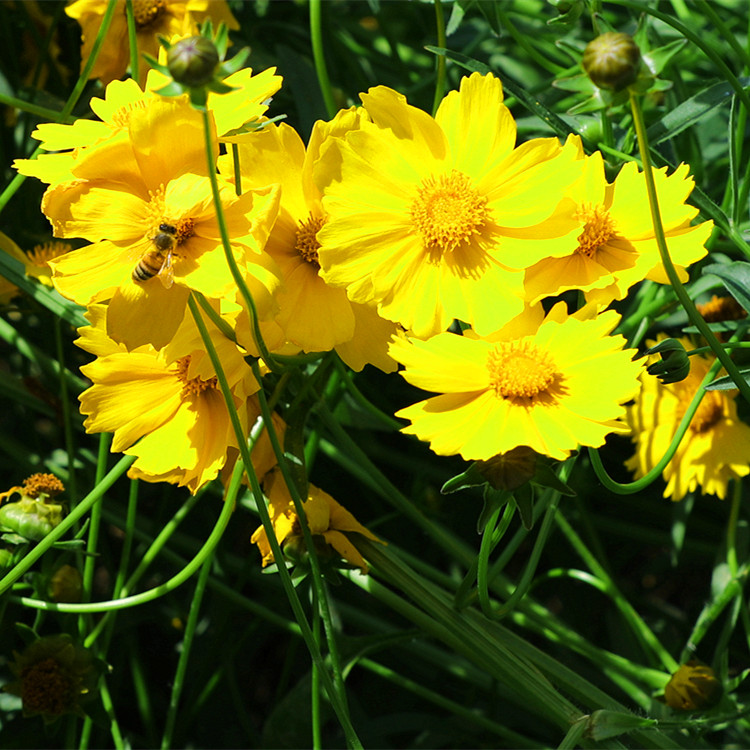
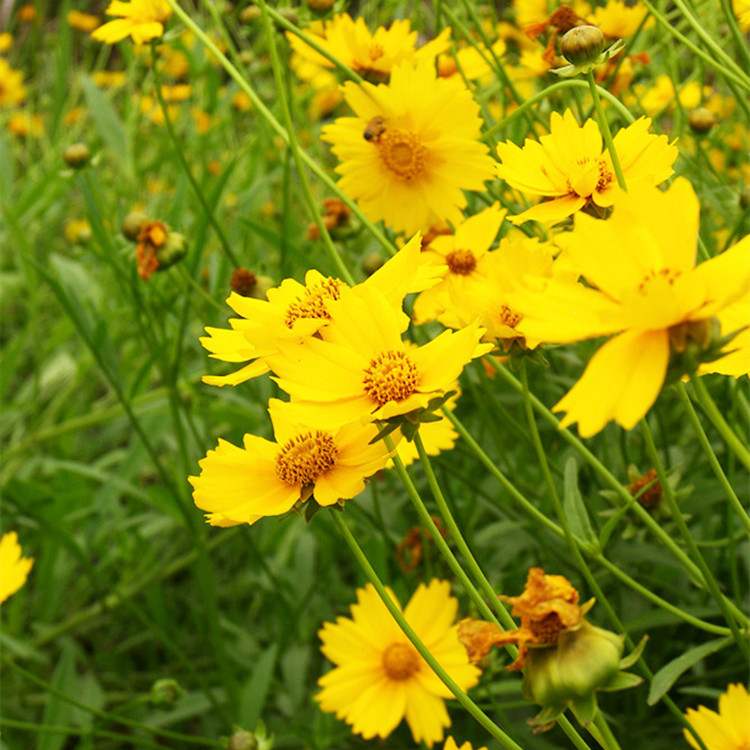
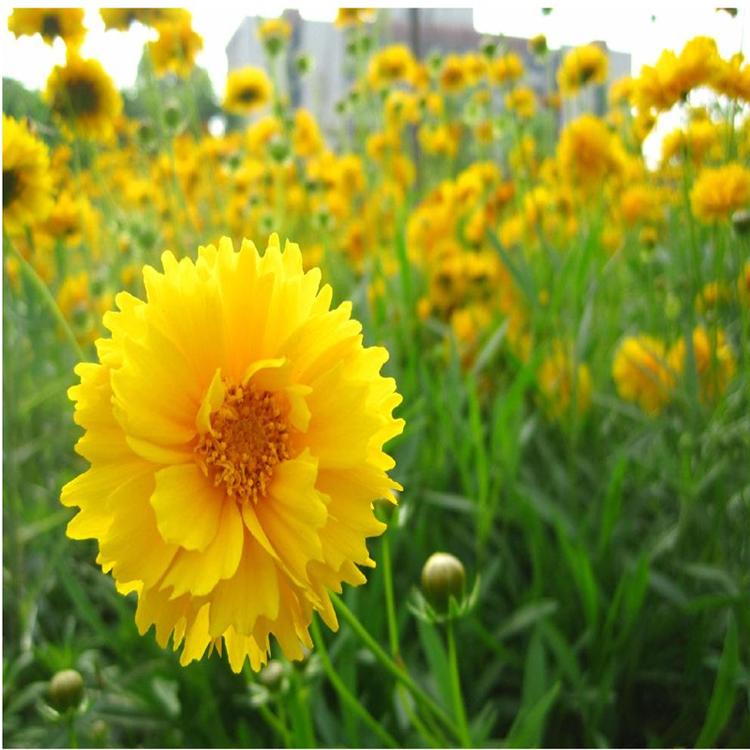
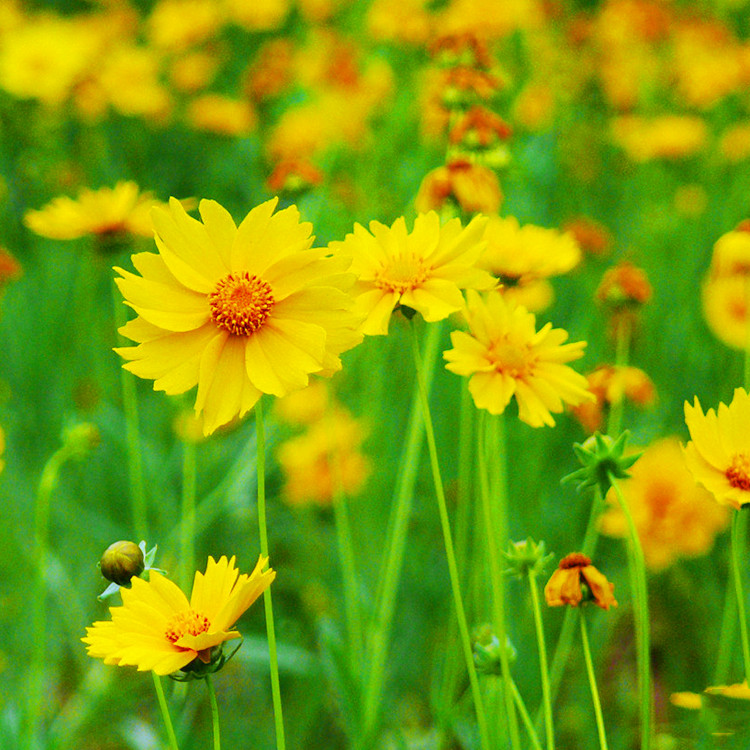
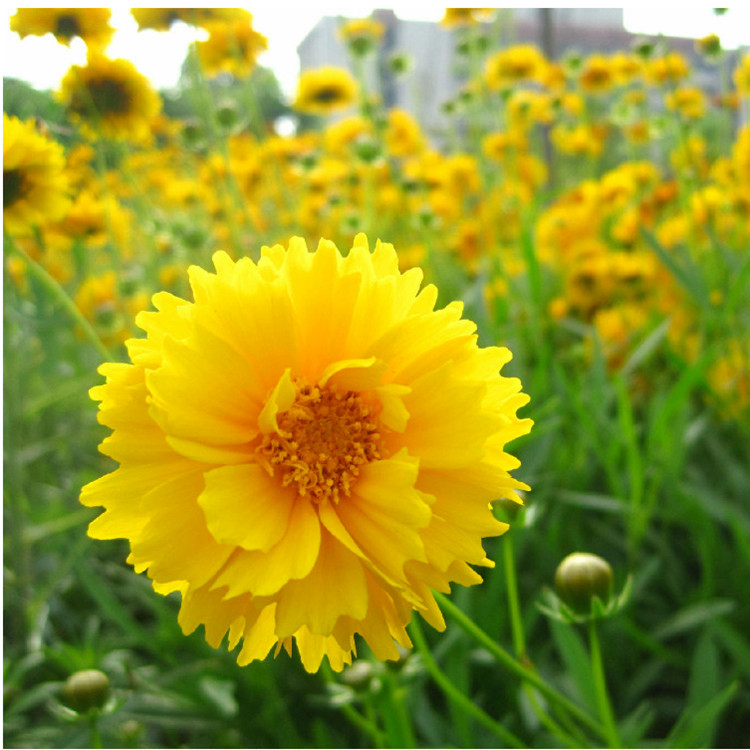
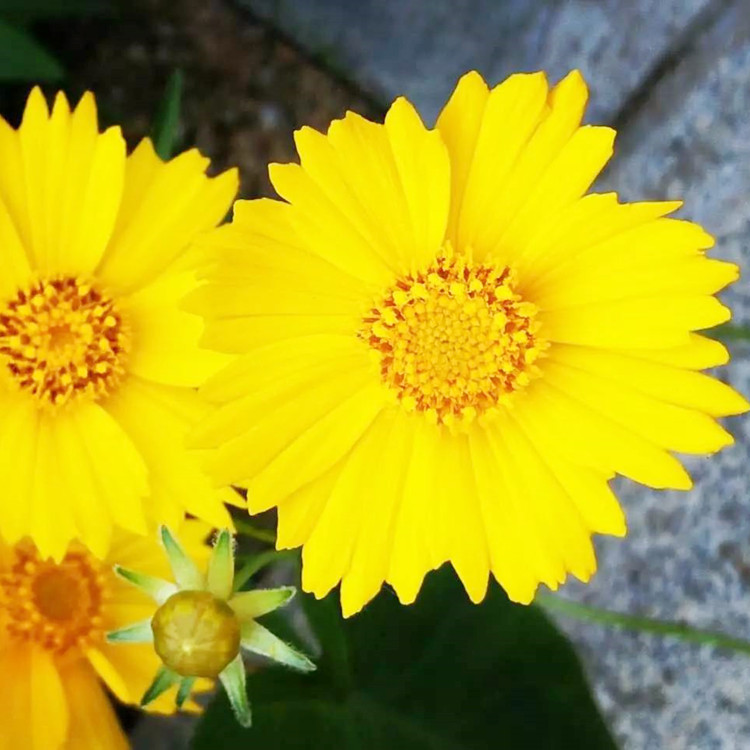
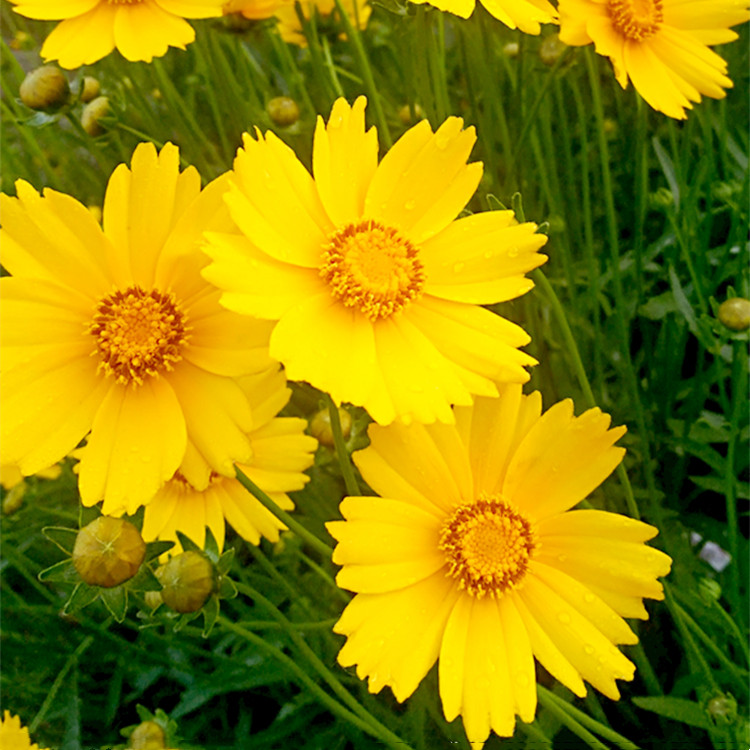
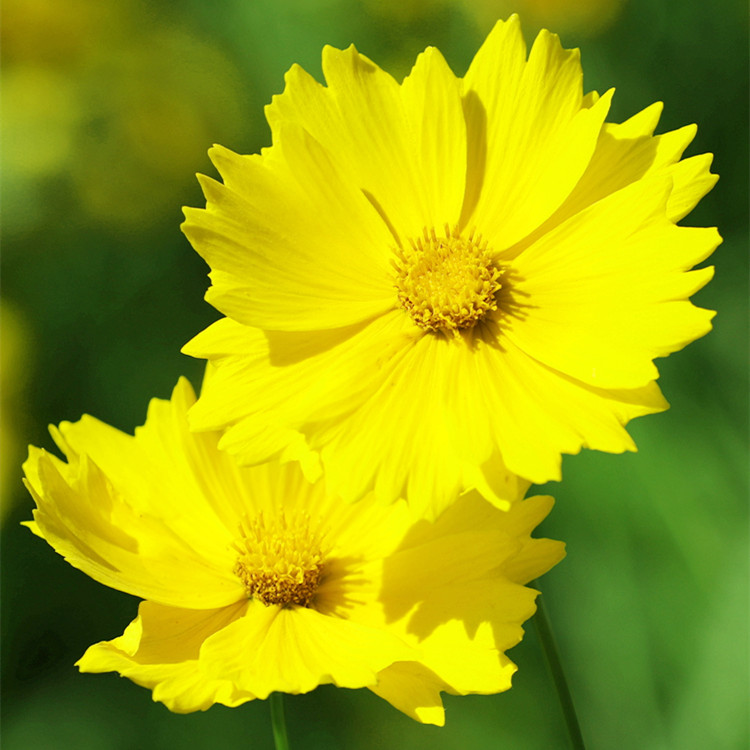
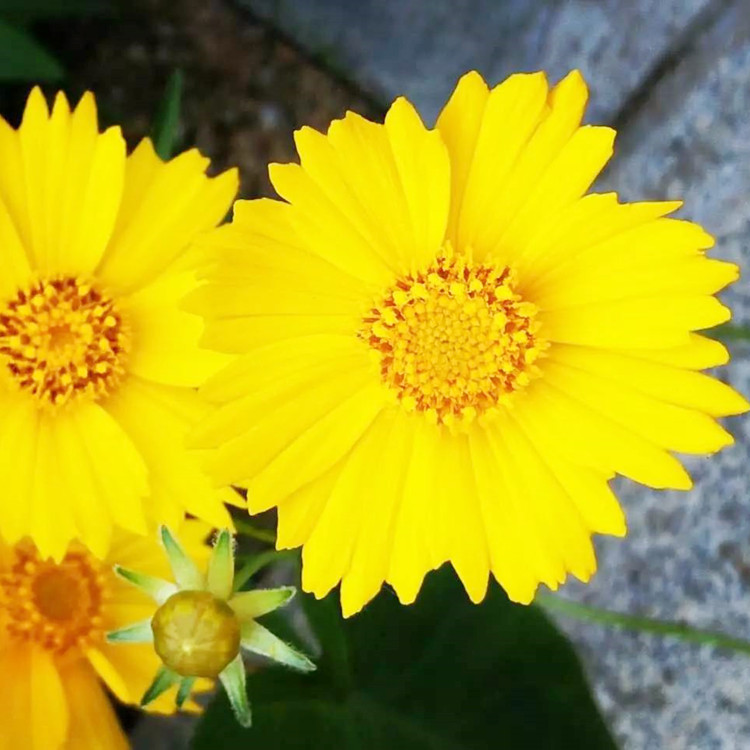
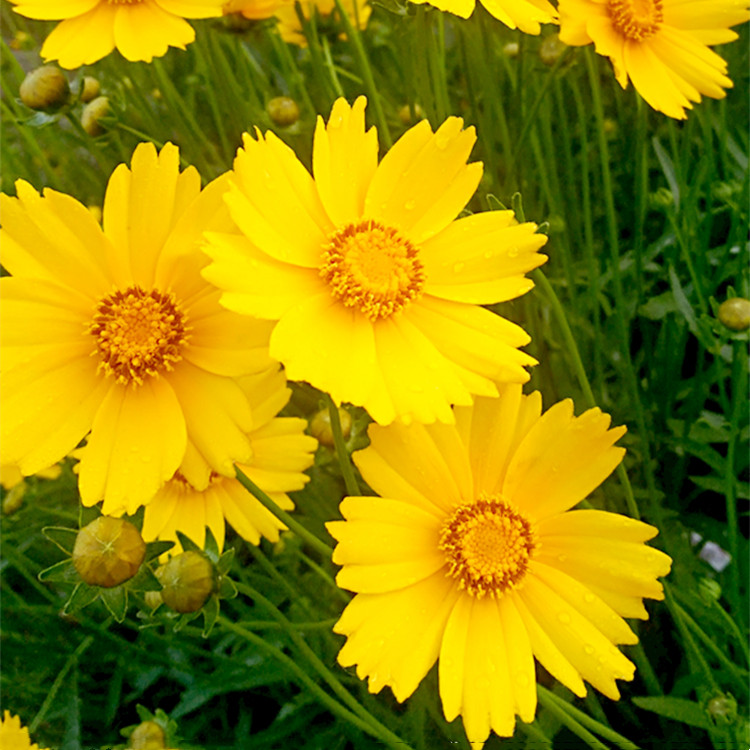
The flowers of the Black-eyed Susan are a striking golden yellow, highly attractive. Due to their resistance to sulfur dioxide, they are particularly well-suited for planting in flowerbeds, along roads, and other green spaces. Cultivating Black-eyed Susans is not difficult; they are hardy, drought-resistant, and often self-seed.
Soil:Coreopsis planting requires well-drained, aerated, and humus-rich soil. Loosen the soil before planting to aid root respiration, especially after rain. Weeding should be done weekly during the rainy season.
Irrigation:Coreopsis cultivation is easy; after planting, water thoroughly once, then control watering to prevent excessive growth.
Lighting:Astrantia prefers direct sunlight and tends to become leggy in shaded conditions. As a short-day plant, Astrantia blooms vividly under short-day conditions, which are common in recent residential settings.
Fertilizing:Before planting coreopsis, use decayed leaves as base fertilizer (1 Kg/m2). Stop fertilizing during the transition from the growth period to the flowering stage, and add fertilizer after 4 flower buds have emerged.
Pruning:When the Black-eyed Susan reaches 6cm in height, pinch out the center once, pinch out the center twice when it branches at 10cm, and remove willow buds promptly.