








Product Introduction
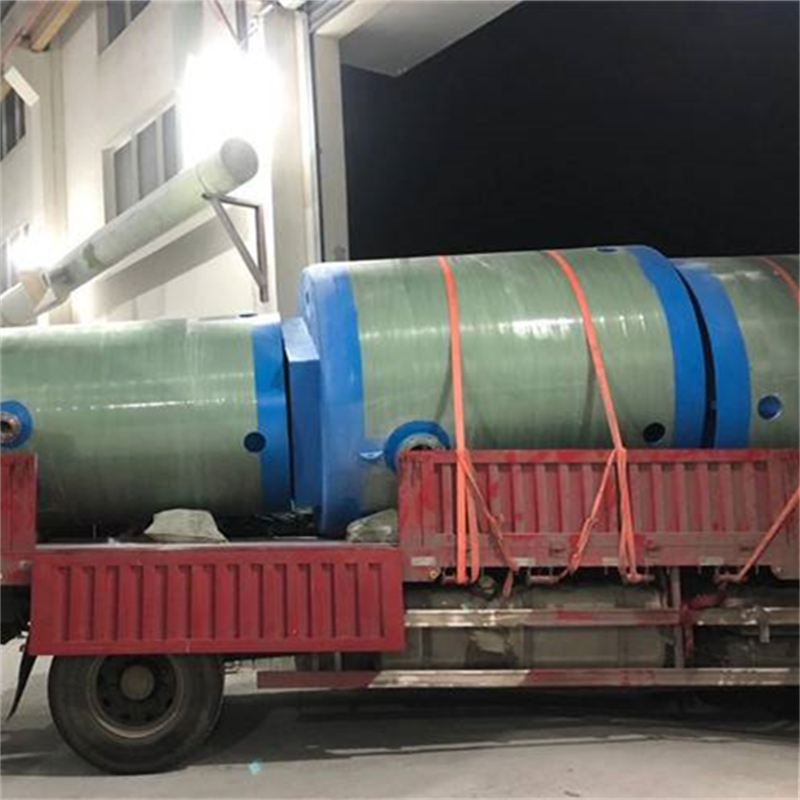
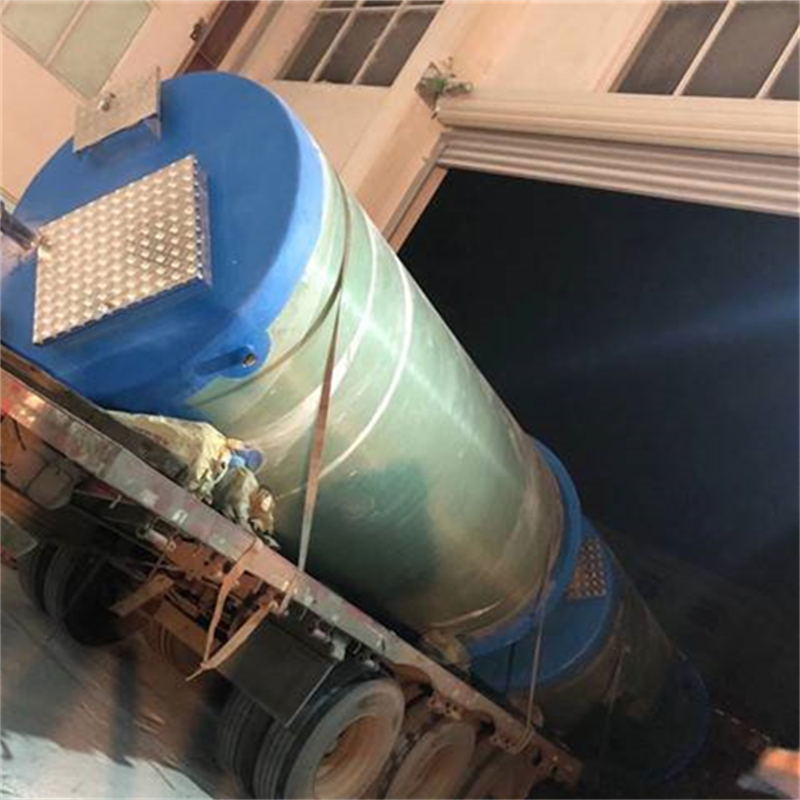
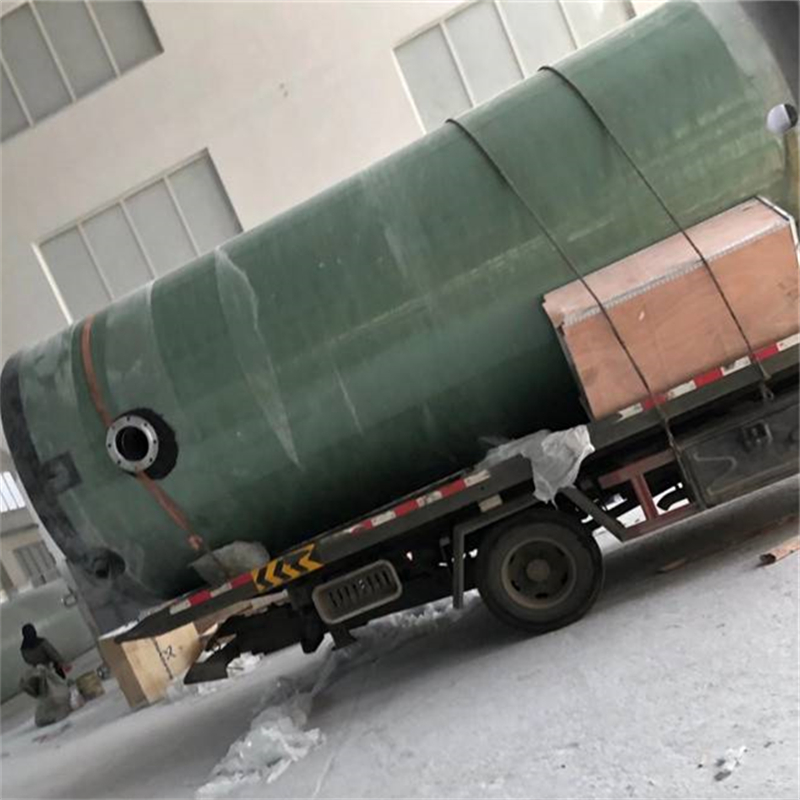
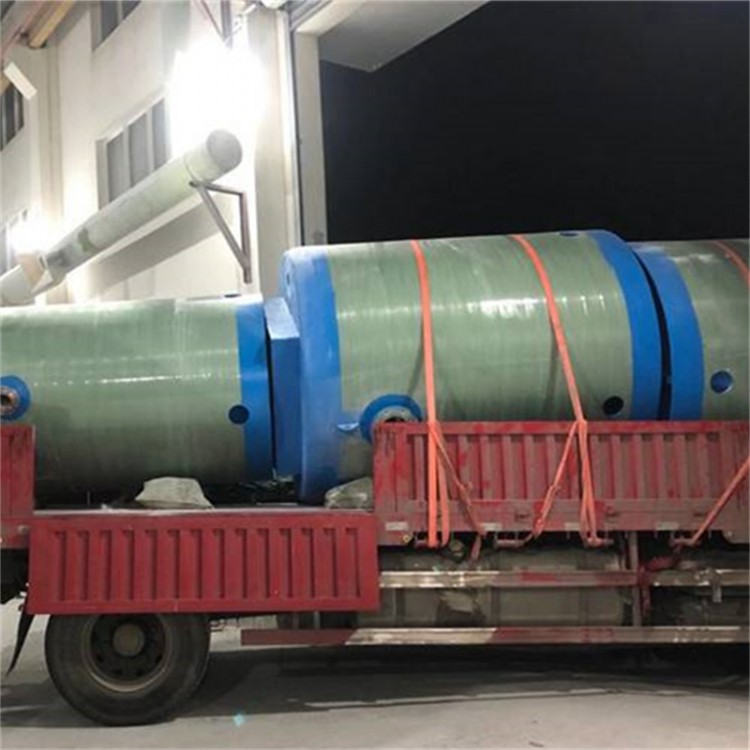
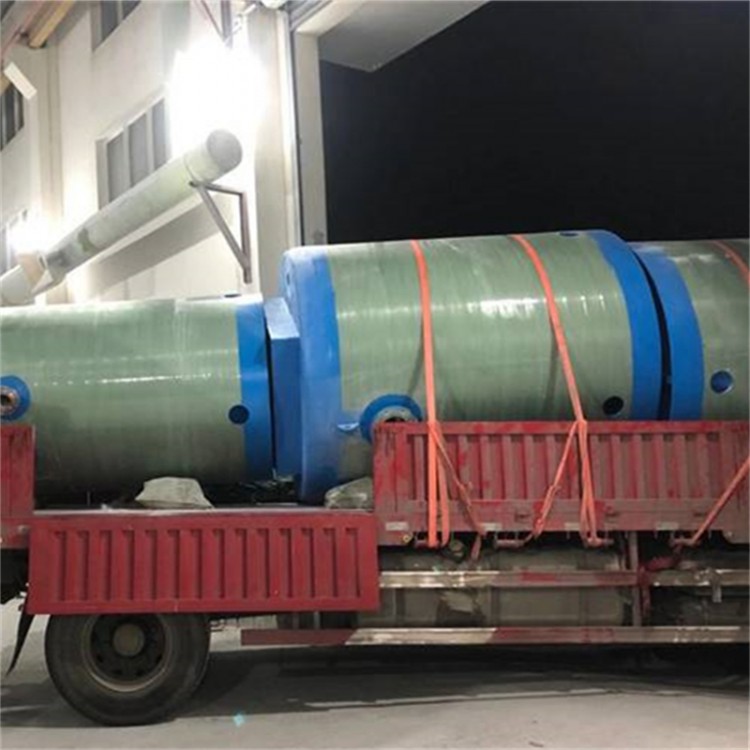
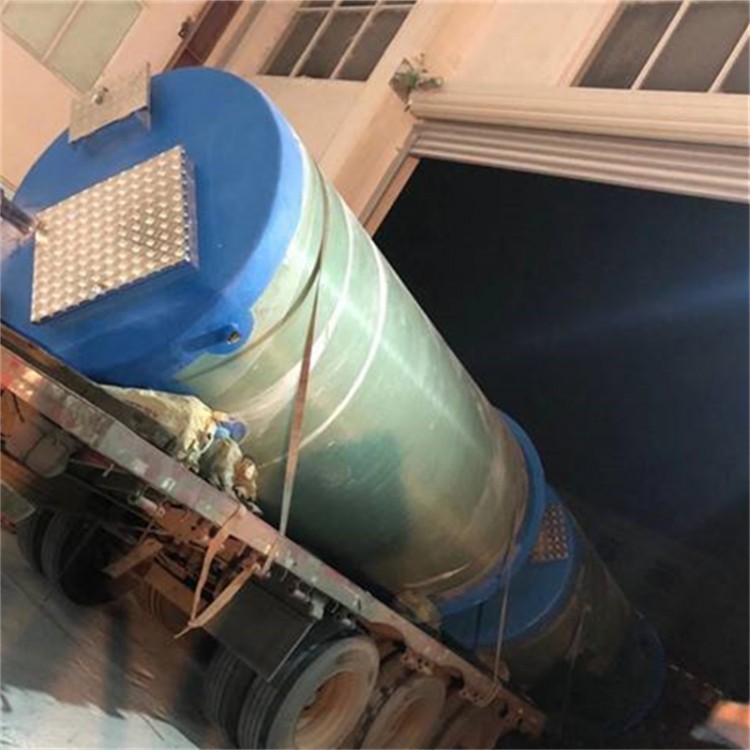
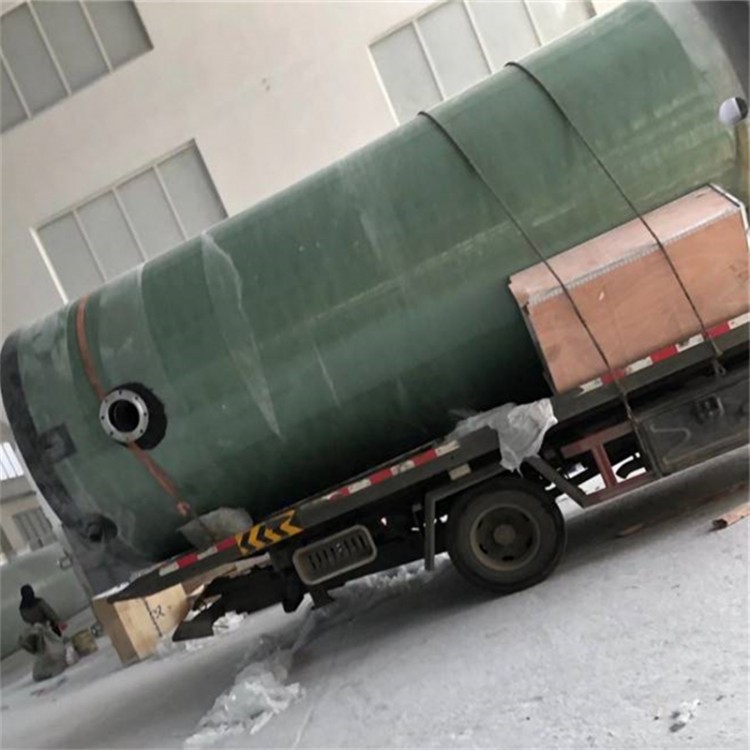
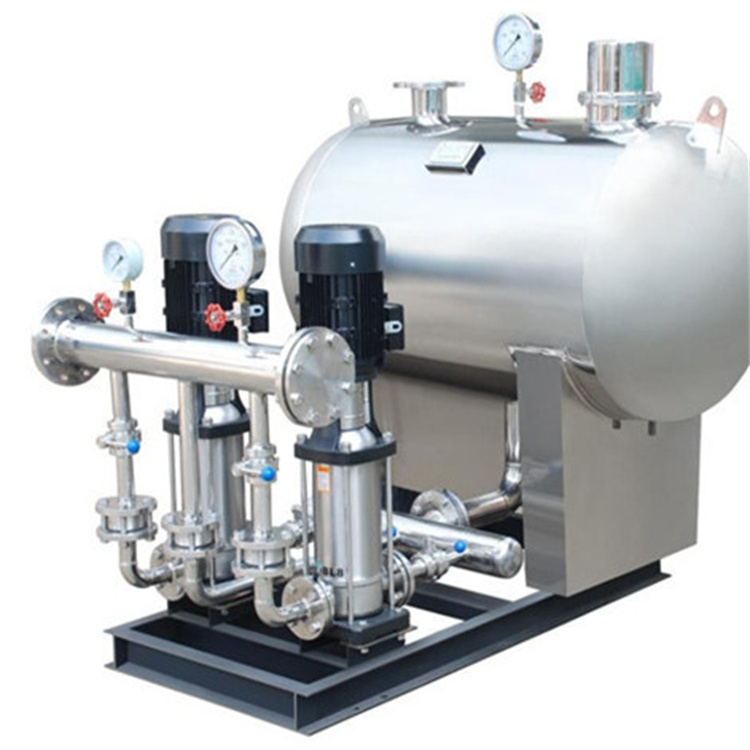
Integrated pre-fabricated pump station equipment mainly includes pumps and their auxiliary equipment, debris removal equipment, pressure pipelines, valve equipment, and control systems. The pump station is composed of the cylindrical part made of glass fiber reinforced plastic (GFRP) with winding characteristics, which contains exhaust (ventilation) pipes, a grate system, and is further divided into lift basket grates and crushing grates. As the name implies, the lift basket grate is for manual debris handling; it is a debris basket that can be manually lifted for disposal when the debris is too much, while the crushing grate shreds the debris.

Structural Advantages
1. Integrated precast pump stations typically employ gravity flow methods through various structures and equipment during their operational process. It is necessary to install an integrated precast pump station at the pretreatment stage to lift wastewater to a certain height before it can operate using gravity flow. The function of the integrated precast pump station is to elevate the incoming wastewater to the required height for subsequent treatment units, allowing for gravity flow. An integrated precast pump station usually consists of: pumps, a collecting pool, and a pump house.
2. The integrated prefabricated pumping stations feature a variety of pumps, with centrifugal pumps being the most common. They are categorized by installation type into dry well pumps and submersible污水pumps, with dry well pumps further divided into vertical and horizontal models. Submersible污水pumps come in two types: those installed in wastewater and those installed in a dry environment.
3. The purpose of the sedimentation basin is to adjust the imbalance between incoming and pumping volumes, preventing frequent start-ups of the pump.
3.1 The layout of the sedimentation pond should fully consider the ease of pump maintenance, such as fixing the pump base, etc. (It's ideal for the submersible pump and sedimentation pond to operate separately.)
3.2. To balance the inflow and outflow of water, most now use frequency adjustment methods, which have proven effective.
3.3. The layout of the settling pond should take into account the convenience of cleaning and maintenance. For enclosed settling ponds, ventilation holes and fans should be installed at the convection locations.
3.4. Sump pits should be regularly cleared of debris based on specific conditions to ensure the normal operation of the pump.
4. Principles to consider for the operation control of the pump unit in the sedimentation pond:
4.1 Ensure the incoming water volume matches the lifting volume, meaning as much comes in as is lifted.
4.2 Maintain the elevated water level in the settling pond.
4.3 Avoid frequent starting and stopping of the pump.
4.4 At least one spare pump is required.
4.5 Maintain equal start and stop times for each pump within the pump set

Function of the Equipment
Current Status of Municipal Sewage Disposal
1. Direct discharge of domestic wastewater can easily lead to pollution of surrounding water bodies.
2. Industrial wastewater and sewage are also discharged directly, which easily leads to pollution of water resources like rivers, and is both costly to maintain and challenging.
3. Construction of underground water storage and water supply facilities occupies a large area, causing tension in municipal land use and wasting limited land resources.
4. Water supplied by public waterworks often faces issues such as declining water levels, water shortages, slow flow, and the problem of high terrain for waterworks construction, which leads to timely water replenishment for residents and factories being unable to be met, affecting municipal residents' lives and economic operations.
Equipment Installation
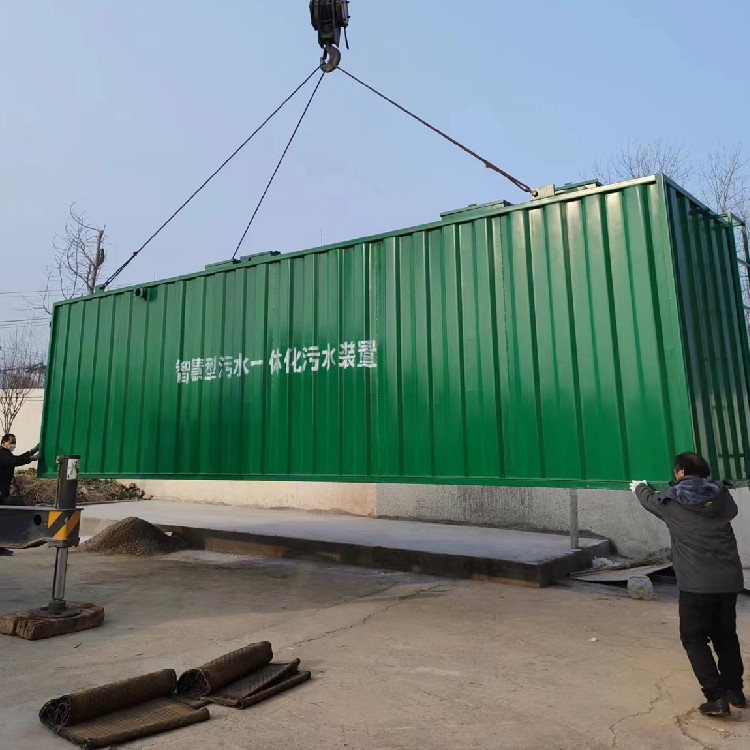
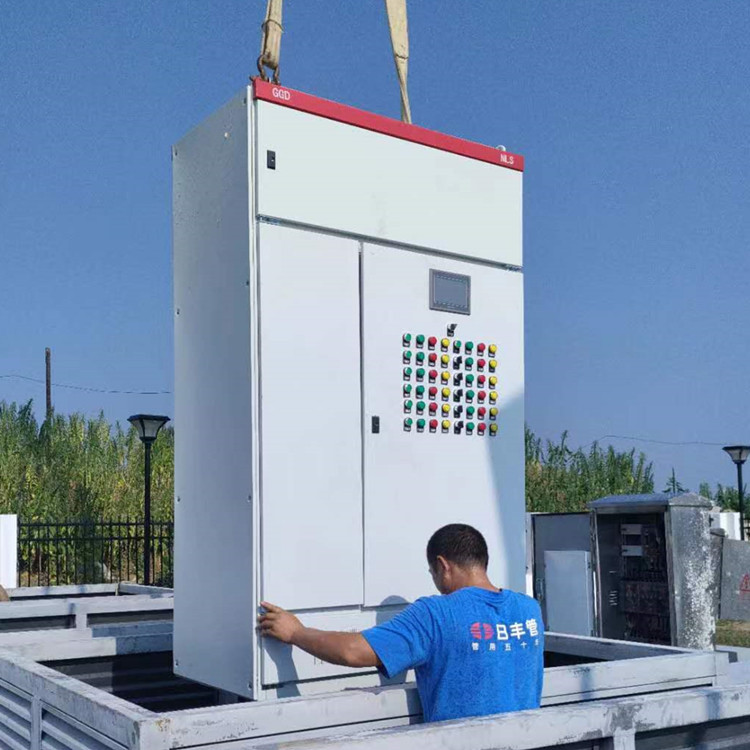
1. Integrated prefabricated pump station cylinder hoisting should be accompanied by a special construction plan. For hoisting projects involving large-scale, high-risk operations within a specific scope of work, the hoisting plan must undergo justification.
2. Operation should be in accordance with the instructions provided. When lifting the cylinder vertically, the hook should bear the load evenly. It is recommended to use a hoisting sling or rope to protect the pump station and cover from being damaged.
3. Prior to positioning, use a brush to clean the surface of the concrete base, ensuring there is no dirt or debris between the installation surface and the pump mounting flange.
4. During the hoisting of the cylinder, the in/out direction of the cylinder should align with the direction of the in/out pipes. Flexible joints should be added to the in/out pipes at the pump station for pipe connections.
5. The cylinder should be vertically mounted and securely fastened with foot bolts.

Product Warranty
After the system installation and debugging are completed, our engineering staff will remain on-site to monitor the system's operation and provide on-site training to relevant personnel until we ensure that the client's system maintenance staff are proficient in basic operations and possess the necessary experience to independently manage the system and handle abnormal situations.
Monitoring of service quality
Staff in the Maintenance Service Department must continuously learn and improve their technical proficiency to deliver excellent service to customers. They must adhere strictly to the company's policies and behavioral standards, ensuring they are "affable, enthusiastic, and quick to respond." The Maintenance Service Department should maintain detailed records and establish repair documentation for better management and statistics. Our company is committed to providing superior service and continuously refining our service, maintenance, and supervision systems. As part of the supervision system, department leaders will periodically conduct phone interviews to gauge customer satisfaction with the maintenance staff, which will be used as an important assessment criterion.