













Equipment Overview
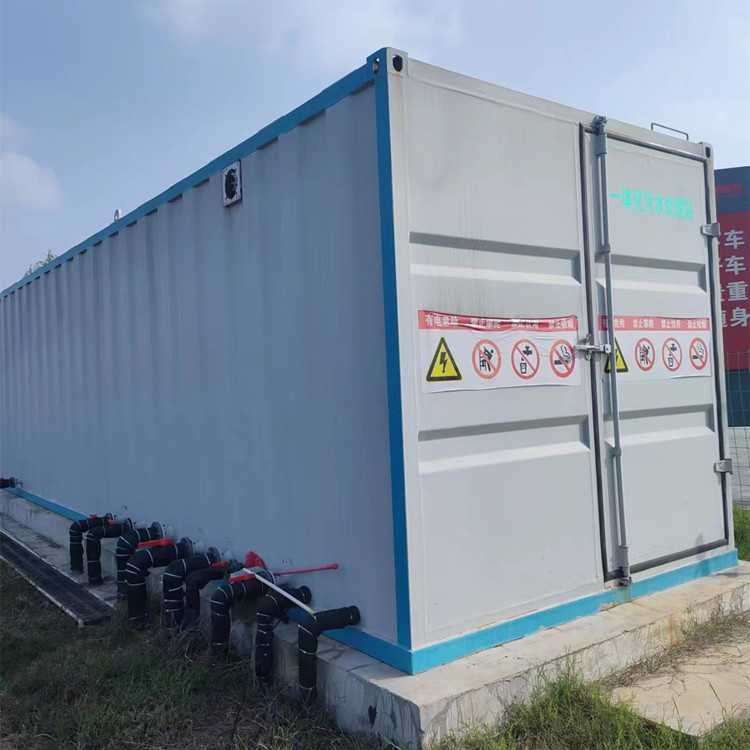
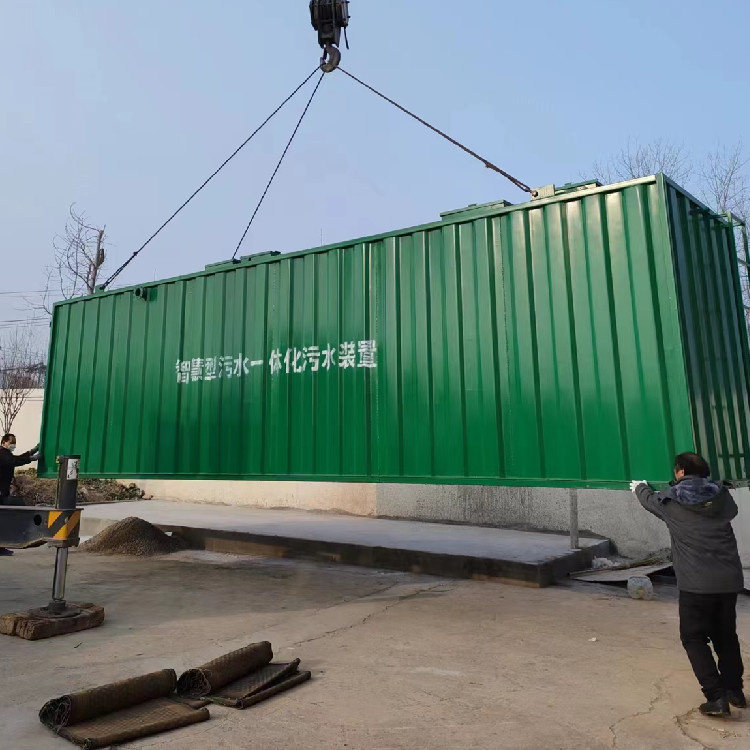
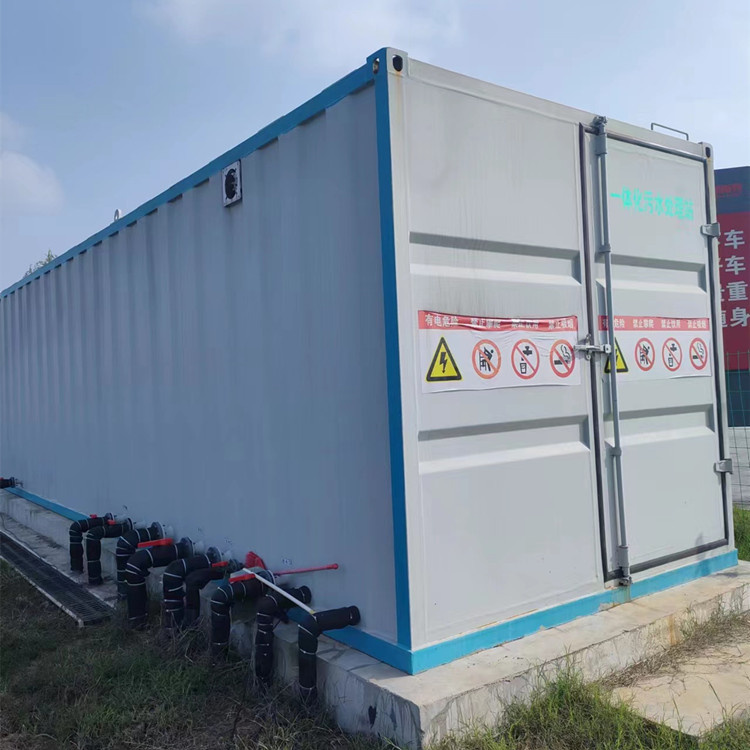
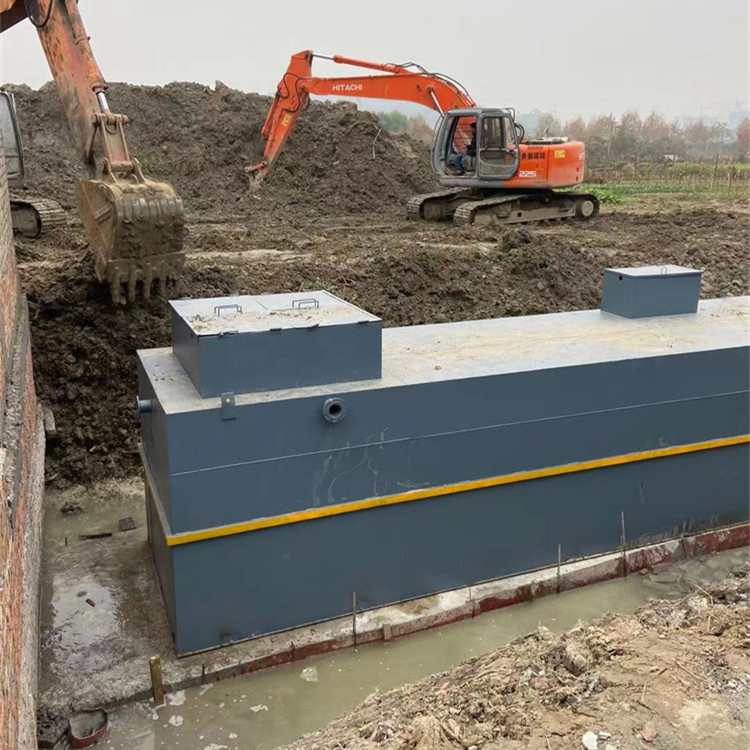
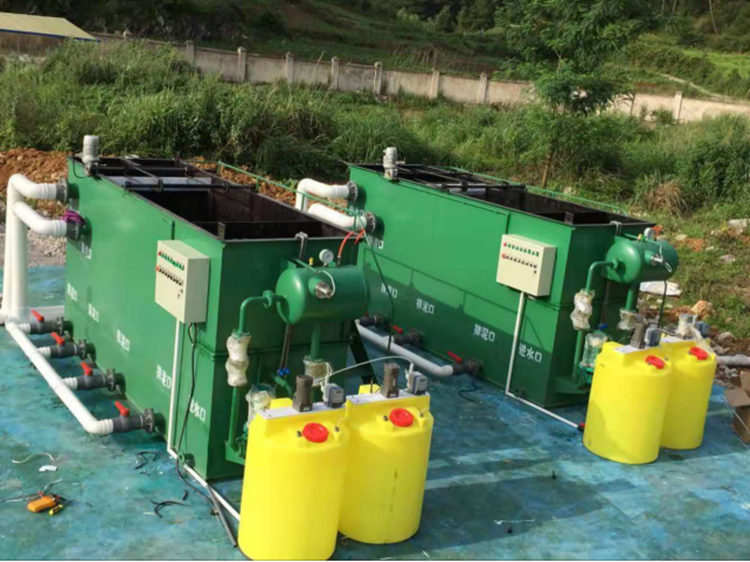
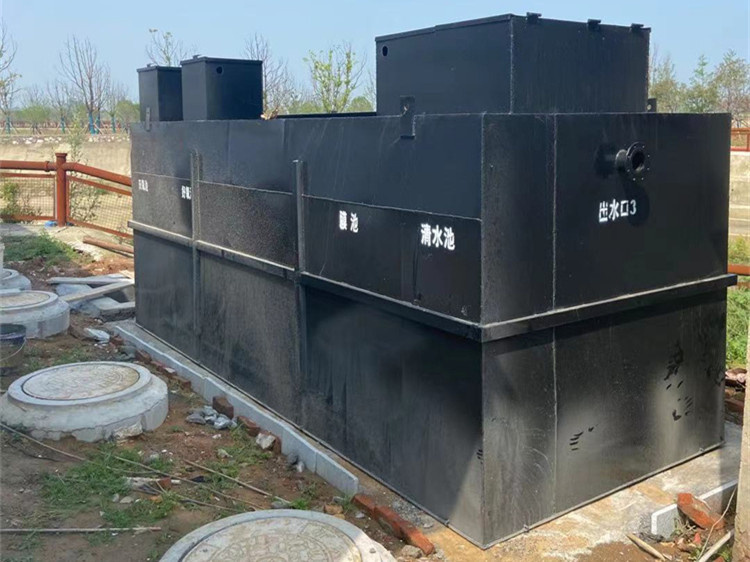
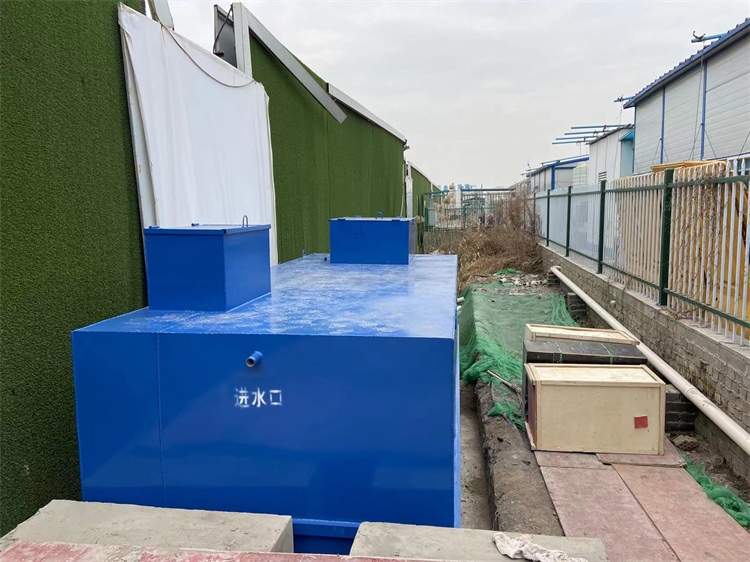
Wastewater Treatment EquipmentIt is a sedimentation pond.A unit integrating I & II stage contact oxidation tanks, secondary sedimentation tanks, and sludge ponds, with aeration and aeration blowers operating in the I & II stage contact oxidation tanks to effectively combine the contact oxidation process with the activated sludge process. This unit boasts the advantages of both methods while overcoming their drawbacks, thereby enhancing the level of wastewater treatment.
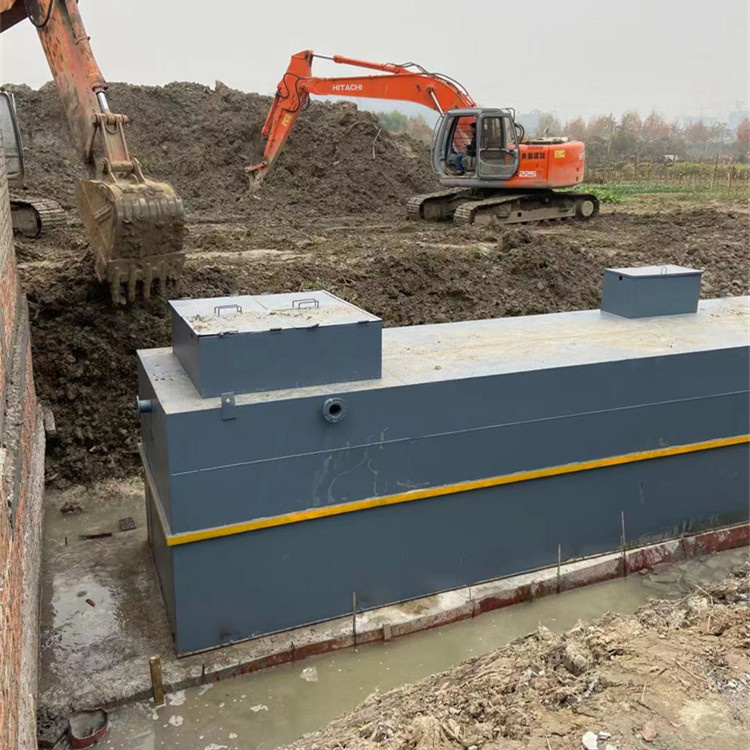
Facilities can be constructed below ground level, with the surface area available for landscaping, roads, parking lots, or other uses without occupying construction land. Low investment, long lifespan, one-time investment, long-term benefits.
Operating Principle
Wastewater Treatment EquipmentThe removal of organic pollutants and ammonia nitrogen mainly relies on the equipment within.AO Biological Treatment Process. The working principle is that at Stage A, due to the high concentration of organic matter in the wastewater, the microorganisms are in an anaerobic state. At this point, the microorganisms are facultative, converting organic nitrogen in the wastewater into NH3-N, while using organic carbon as an electron donor to convert NO2-N and NO3-N into N2. Additionally, they utilize some organic carbon sources and NH3-N to synthesize new cellular matter. Therefore, the A stage not only has the function of removing organic matter, reducing the organic load of subsequent aerobic tanks to facilitate nitrification, but also, relying on the higher concentration of organic matter in the raw water, completes denitrification, ultimately eliminating the eutrophication pollution of nitrogen. At Stage O, since the concentration of organic matter hasSignificantly reduced, yet still contains a certain amount of organic matter and higherNH3-N is present to further oxidize and decompose organic matter, ensuring simultaneous smooth nitrification while carbonization is complete. An aerobic biological contact oxidation pool with low organic loading is set up at the O stage. In the O stage pool, aerobic microorganisms and autotrophic bacteria (nitrifying bacteria) utilize inorganic carbon produced from the decomposition of organic matter or atmospheric CO2 as a nutrient source to convert NH3-N in the wastewater into NO2-N and NO3-N. A portion of the effluent from the O stage pool is recycled back to the A stage pool, providing an electron acceptor for the A stage pool, and ultimately eliminating nitrogen pollution through denitrification.
Highlight Features
Wastewater Treatment EquipmentBuried installation, taking up no space, causing no damage to greenery, and having no impact on the environment. The equipment utilizes a second-level biological contact oxidation process, employing plug flow biological contact oxidation, which offers superior treatment effects compared to complete mixing or two-stage series complete mixing biological contact oxidation ponds. It has strong adaptability to water quality and ensures stable effluent quality. The pond uses new elastic three-dimensional packing material, with a large specific surface area, facilitating easy attachment and detachment of microorganisms. Under the same organic load, it achieves a high removal rate of organic matter and enhances the solubility of oxygen in water. The sludge production is minimal, requiring only one discharge every three months or more.
Application Scope
Wastewater Treatment EquipmentSuitable for residential communities, villages, townships, office buildings, shopping malls, hotels, restaurants, sanatoriums, government agencies, schools, highways, railways, factories, mines, tourist attractions, and similar small and medium-sized industrial organic wastewater from activities such as slaughtering, aquatic product processing, and food processing. The wastewater treated by this equipment meets the national comprehensive discharge standards for wastewater treatment.。
Equipment Utilization
Wastewater Treatment EquipmentThe unit can be installed underground, allowing for the planting of flowers and grass above ground without affecting the surrounding environment. Actual applications have shown that the underground residential wastewater treatment unit is an ideal equipment with excellent treatment performance and easy management.
It is widely used in the treatment of domestic wastewater, replacing septic tanks that have low removal rates and effluent that fails to meet national comprehensive discharge standards after treatment.