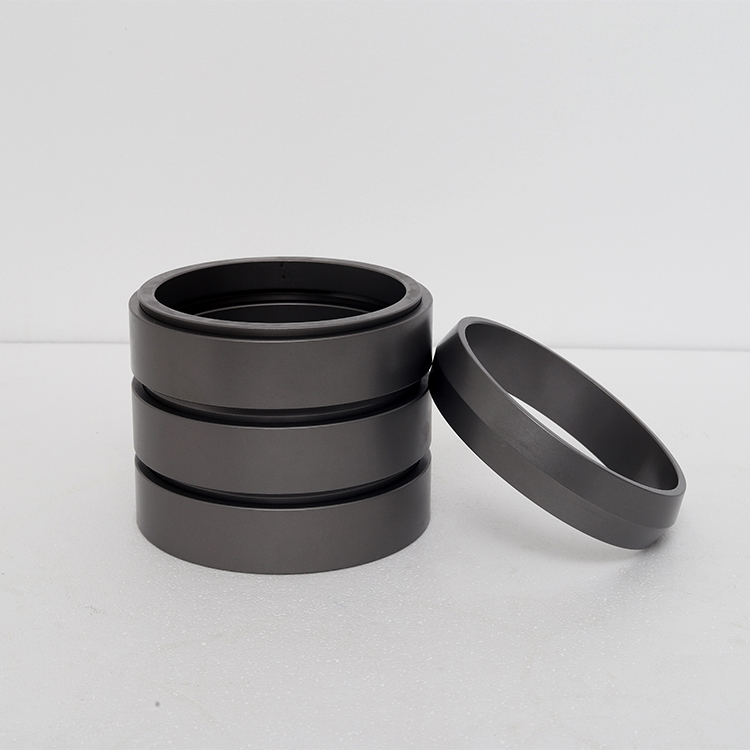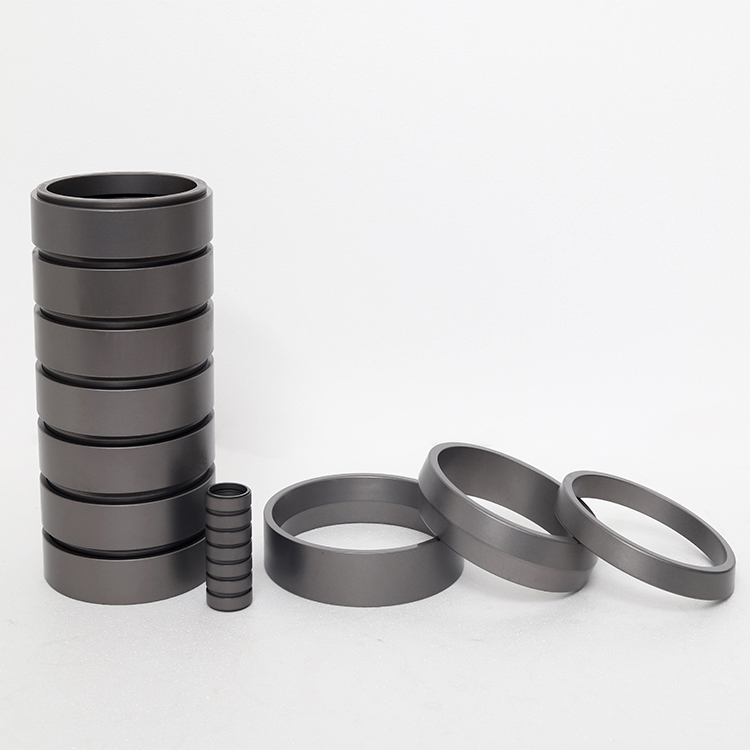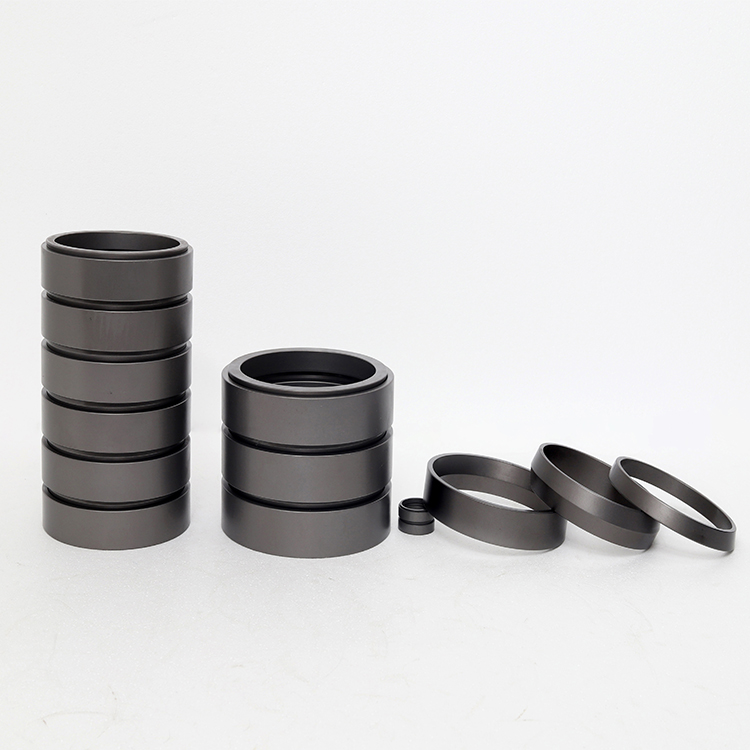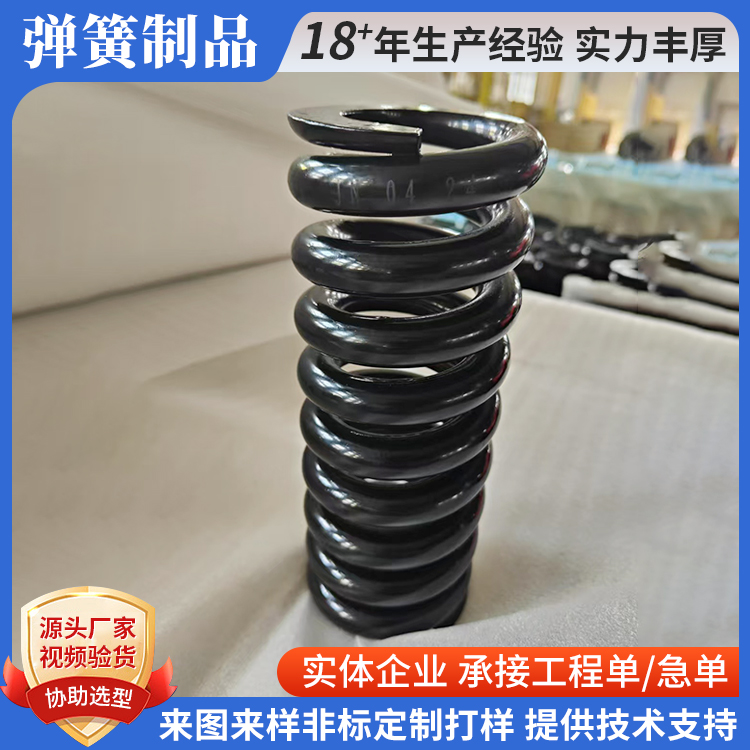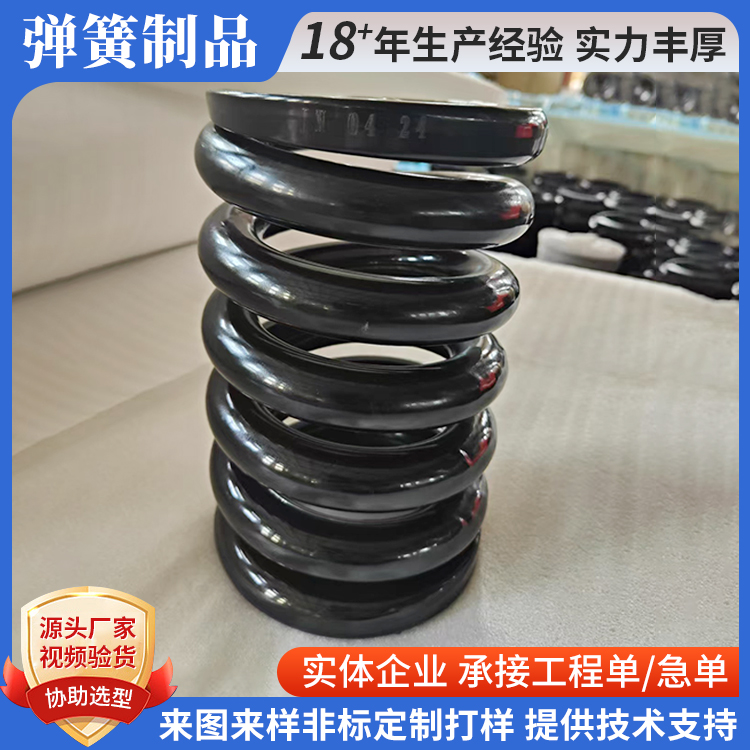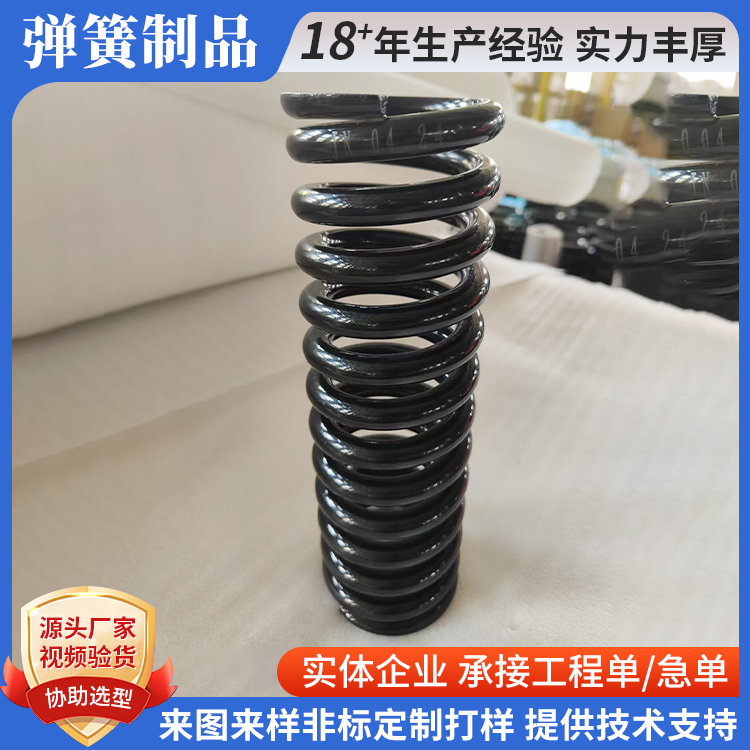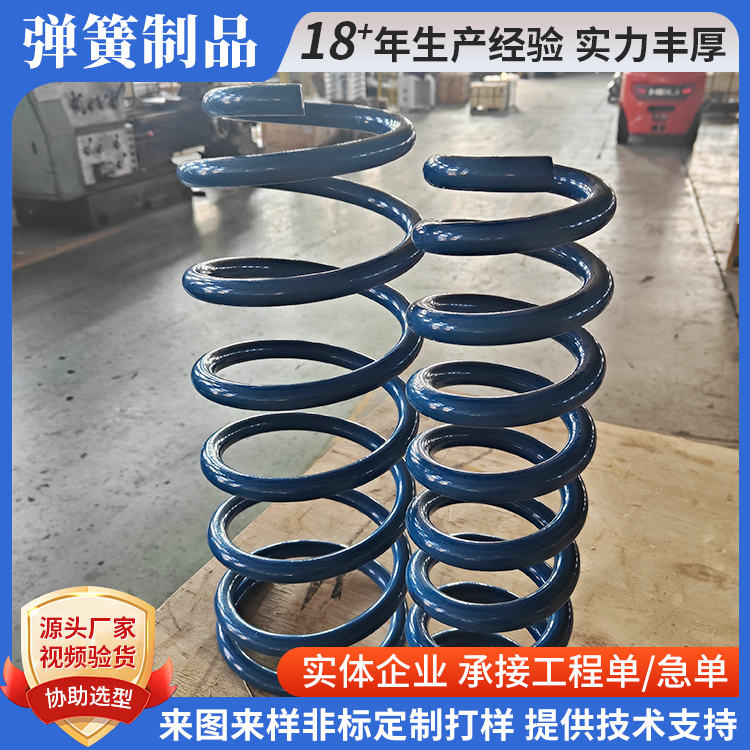

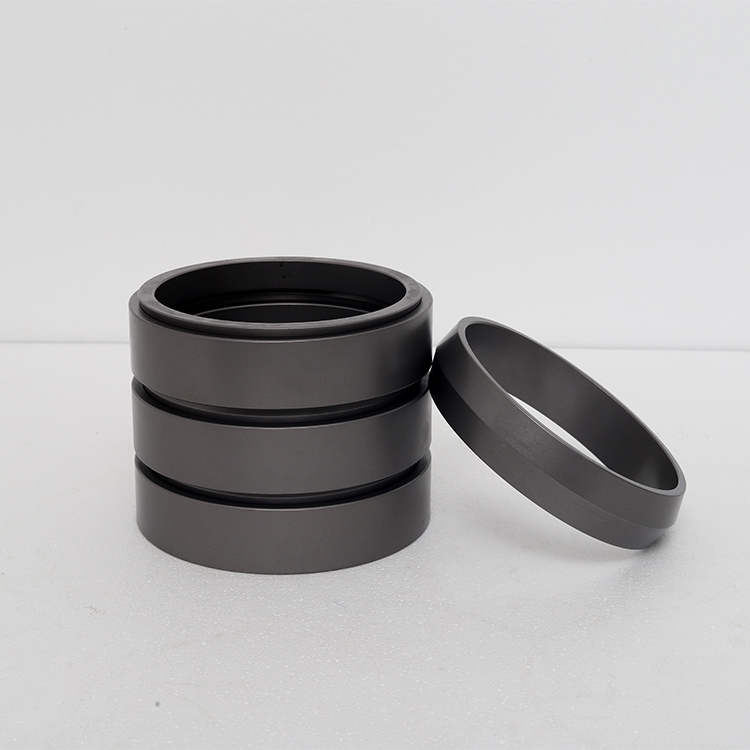

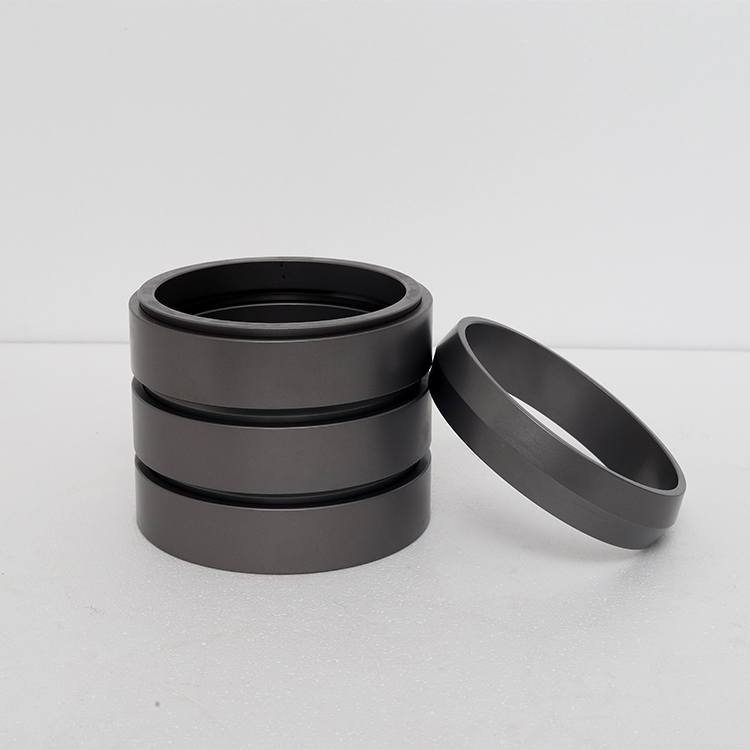
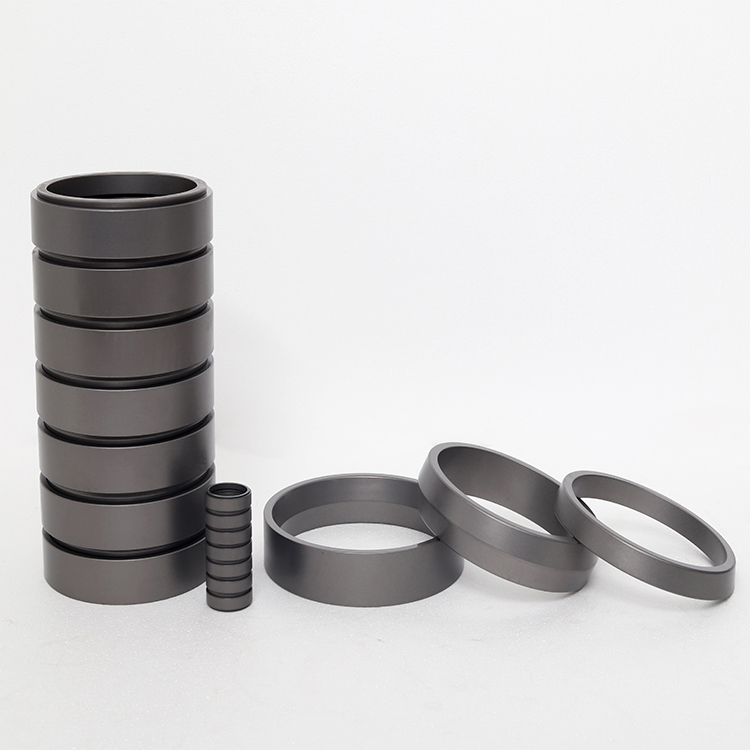








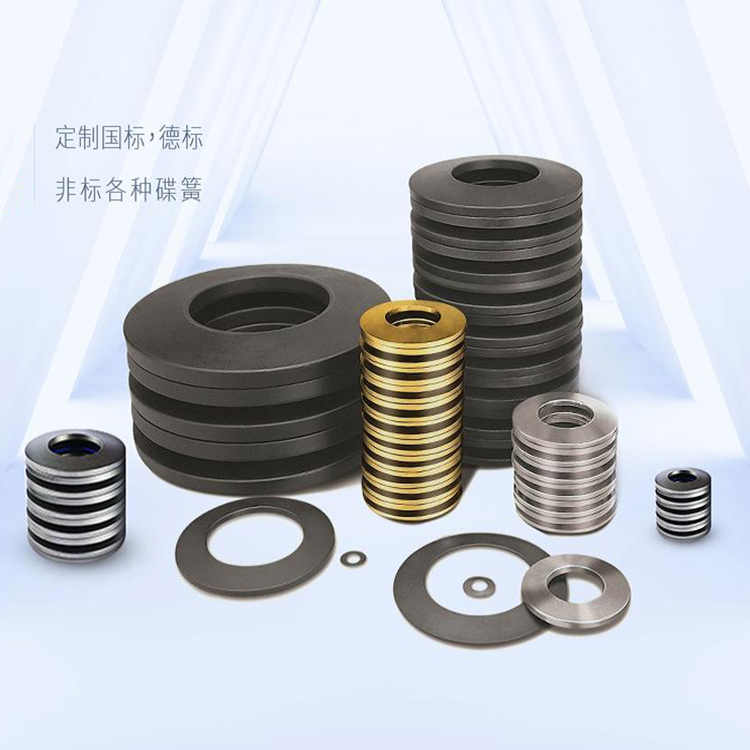
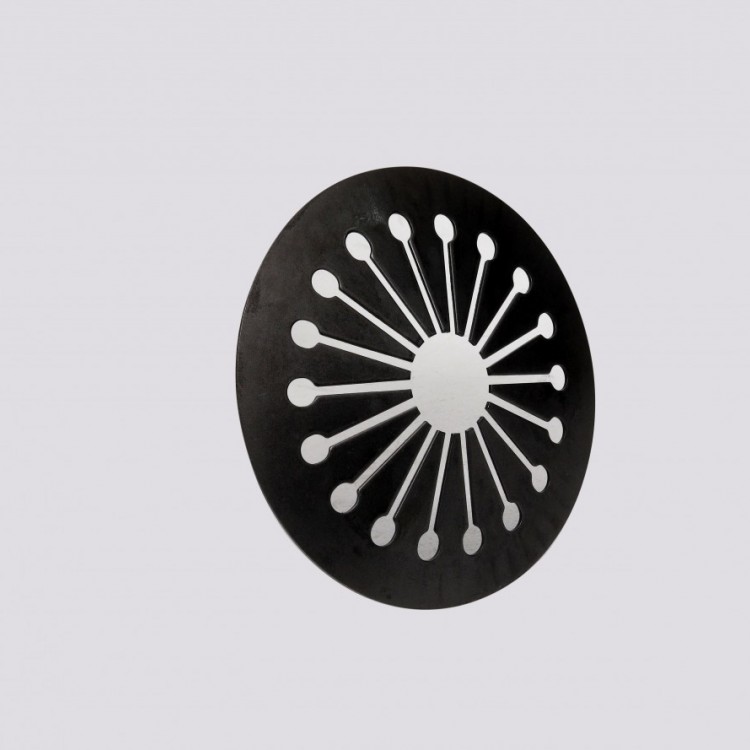
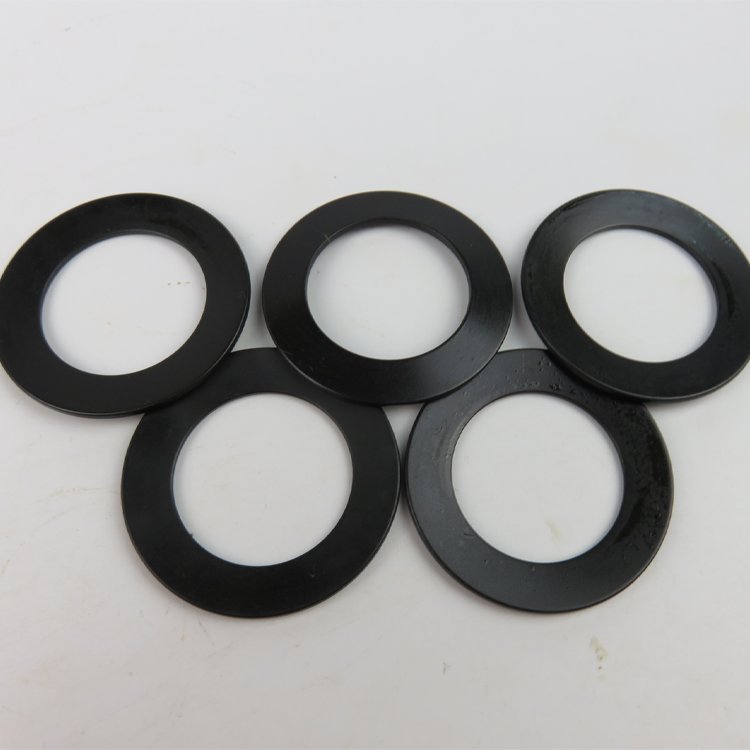
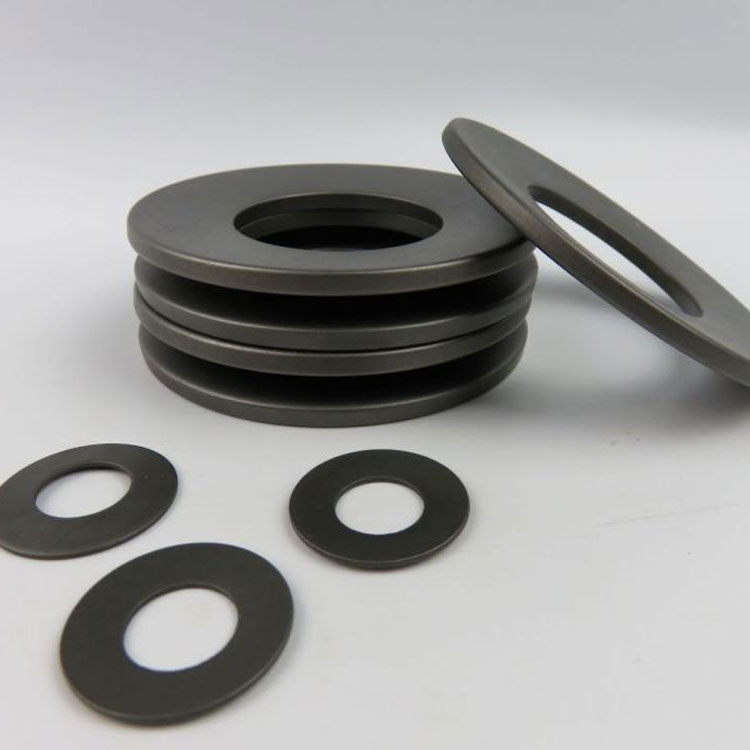
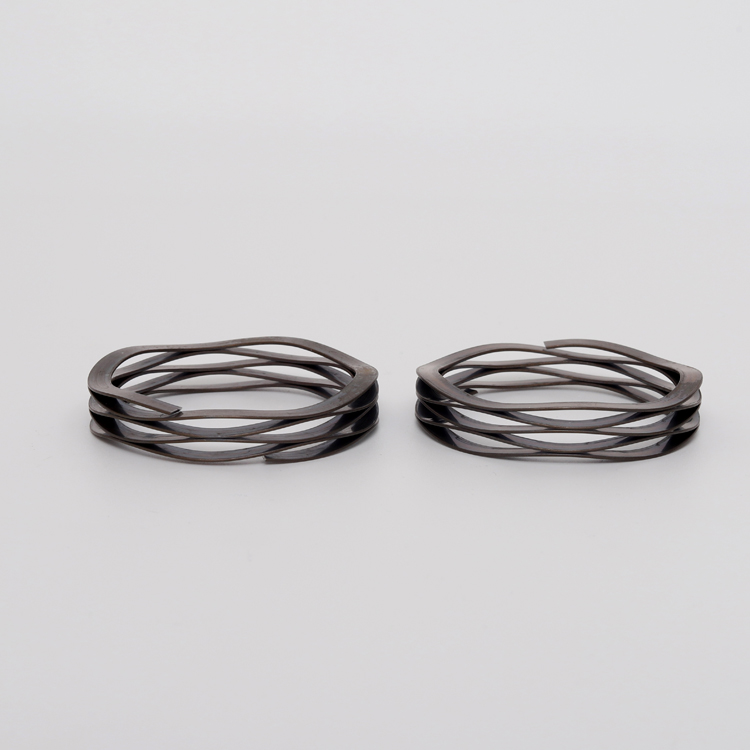
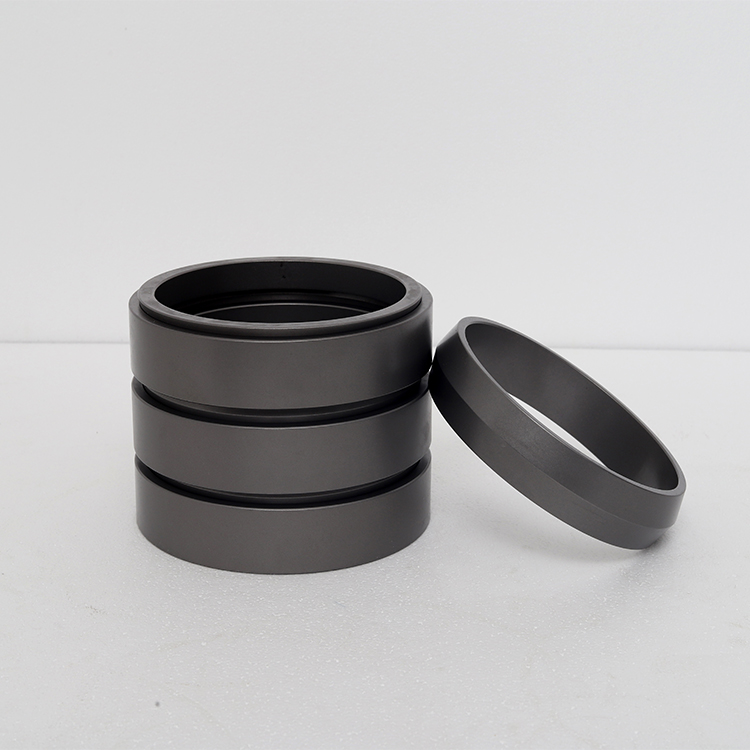
Ring Spring Introduction
I. Scope
This document specifies the definition, classification, design calculations, technical requirements, testing methods, inspection rules, marking, packaging, transportation, and storage of annular springs.
This document applies to outer diameter ϕ18mm ~ ϕ500mmCircular Spring
II. Normative References
The contents of the following documents are incorporated into this document as essential terms by normative references within the text. For dated references, only the version corresponding to the specified date applies to this document; for undated references, the new version (including all amendments) applies to this document.
GB/T 230.1Metal Rockwell Hardness Test1Partial: Test Method
GB/T 1031Surface Roughness Parameters and Their Values
GB/T 1182Geometric Tolerance and Positional Tolerance General Rules, Definitions, and Symbol and Representation Method
GB/T 1184-1996Shape and Position Tolerances / Unspecified Tolerance Values
GB/T 1222Spring steel
GB/T 1800.1Limit and Fit - Basics1Partial: Vocabulary
GB/T 1800.2Extreme and Fit Fundamentals2Basic Regulations on Tolerance, Deviation, and Fit
GB/T 1800.3Limit and Fit Fundamentals3Partial: Standard Tolerance and Basic Deviation Values Table
GB/T 1800.4Limit and Fit Fundamentals4Partial: Standard Tolerance Grades and Limits of Deviation for Holes and Shafts
GB/T 1804-2000General Tolerance - Tolerance for linear and angular dimensions not specified.
GB/T 1805 Spring Terminology
GJB 2028Magnetic Particle Inspection
III. Terms and Definitions
GB/T 1805The terms and definitions defined herein and the following apply to this document.
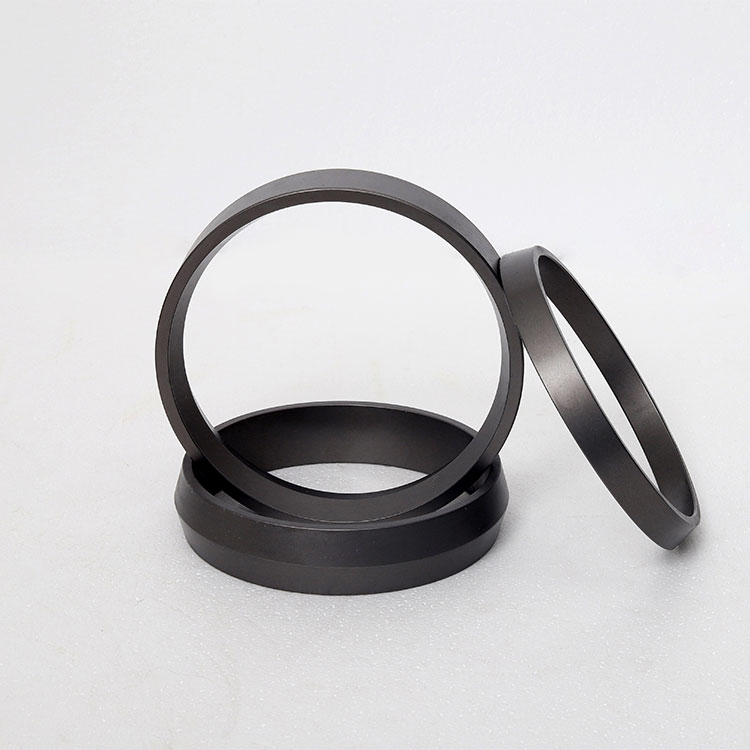
3.1Inner Ringinternal(inside)ring
Inner ring with external working cone surfaces on both ends
3.2Outer Ringexternal(outer)ring
Outer ring with internal working cone surfaces on both ends
3.3End Ringend ring
An inner ring with only one end featuring an external working cone surface, situated at the ends of a circular spring.
IV. Parameter Names, Symbols, and Units
Table1The parameter names, symbols, and units apply to this document. For convenience of use, a structural illustration is provided as shown in Figure [insert figure number].1Shown.
Table1 Parameter Name, Symbol, and Unit
Serial Number | Parameter Name | Symbol | Unit | Description |
1 | Spring Inner Diameter | D1 | mm | |
2 | Spring Outer Diameter | D2 | mm | |
3 | Inner diameter | D1' | mm | |
4 | Outer Ring Inner Diameter | D2' | mm | |
5 | Starting Load | P1 | N | |
6 | Work completion load | P2 | N | |
7 | Spring Free Length | H0 | mm | |
8 | Starting Height of Work | H1 | mm | |
9 | Work completion height | H2 | mm | |
10 | Ring thickness | h | mm | |
11 | Spring spacing after loading | S | mm | |
12 | Conical Half Angle | β | ° | |
13 | Inner Ring Small Cone Diameter | d1 | mm | |
14 | Outer ring large cone diameter | d2 | mm | |
15 | Deformation amount | f | mm | |
16 | Load | F | N |
V. Technical Requirements
5.1Dimensions
5.1.1The inner diameter, outer diameter, free height, and compressed height of the circular spring should comply with the specifications in the product drawing.
5.1.2The inner and outer ring dimensions of the annular spring should conform to the tolerance and fit.GB/T 1800.1~GB/T 1800.4As per relevant regulations, the maximum deviation for dimensions not marked with tolerance should comply with:GB/T 1804-2000Please provide the Chinese content you would like translated into American English.mRegulation Level.
5.1.3The inner and outer rings of the annular spring should conform to the shape and position tolerances.GB/T 1182、GB/T1184~1996Or provisions related to product drawings; where shapes and positional tolerances are not specified.GB/T 1184-1996Please provide the Chinese content to be translated.kGrade specifications.
5.1.4The inner and outer ring radial dimensions and tolerances of the annular spring should comply with the table.2Regulations state, the shape of the inner and outer rings is as illustrated.2Shown.
Table2 Radial dimensions and tolerances
Outer Diameter Size | Inner Ring | Outer Ring | ||
D1 | D1' | D2 | D2' | |
ϕ18~ 500 | H9/H10 | h8/h9 | H8/H9 | h9/h10 |
Table3 Other sizes and tolerances
Diameter | Project | |||
H0 | h | δ | β | |
ϕ18~30 | -0.2 +0.2 | -0.1 +0.1 | -0.1 +0.1 | -0.1° +0.1° |
ϕ30~50 | -0.3 +0.3 | -0.1 +0.1 | -0.1 +0.1 | -0.1° +0.1° |
ϕ50~80 | -0.4 +0.4 | -0.2 +0.2 | -0.2 +0.2 | -0.1° +0.1° |
ϕ80~120 | -0.6 +0.6 | -0.2 +0.2 | -0.2 +0.2 | -0.1° +0.1° |
ϕ120~00 | -0.8 +0.8 | -0.2 +0.2 | -0.2 +0.2 | -0.1° +0.1° |
ϕ200~300 | -1.2 +1.2 | -0.3 +0.3 | -0.3 +0.3 | -0.1° +0.1° |
ϕ300~500 | -1.5 +1.5 | -0.3 +0.3 | -0.3 +0.3 | -0.1° +0.1° |
5.2Materials
Material for the inner and outer rings of the annular spring should comply withGB/T 1222In accordance with the provisions of relevant technical agreements, the well should be accompanied by a quality certification. It can only be put into use after being re-inspected and approved by the manufacturer. The surface of the material should be smooth with no visible scratches or dents. For the selection of other materials, it is to be agreed upon by both the supplier and the buyer.
5.3Process
High-volume production of circular springs, where the blanks for the inner and outer rings are forged, then rolled into the finished shape and size using a transfer ring mill. After inspection and approval, they undergo heat treatment.
Ring springs produced in small quantities, with blanks forged freely and then machined to achieve finished shape and size, followed by heat treatment. Contact surfaces are ground if necessary after heat treatment.
The inner and outer ring surfaces of the circular spring should meet the roughness requirements.GB/T 1031Regulations regarding the product's image or patterns, the surface roughness of the inner and outer ring conical surfaces is generally:Ra0.4~Ra0.8。
Due to the thin ring thickness, special attention should be paid during manufacturing to avoid distortion of the ring.
5.4Appearance quality
The inner and outer rings of the circular spring should have smooth arcs, cylindrical surfaces, and ends without any signs of damage, warping, burrs, or fractures.
5.5Internal Quality
The inner and outer rings of the annular spring should not have cracks and blow holes, or other internal defects.
5.6Design and Structure
5.6.1The design of the circular spring should consider the requirements for stiffness, strength, and motion stability, ensuring it meets the smoothness of motion for the entire buffer system and adapts to its working environment.
5.6.2The structure of the circular spring should meet the basic requirements that both the inner and outer rings do not exhibit sticking under lubricated conditions.
5.6.3The annular spring is guided by the inner guide rod, and the single side should not exceed...D1 ×2%Retain the gap between the annular spring and the guide rod; the annular spring should be guided by the outer ring guide tube, with the single-side dimension not exceedingD2 ×2%Retain the gap between the retaining ring spring and the guide tube.
5.6.4Typical design characteristic curve of a circular spring within a loading and unloading cycleOABOAs shown3As shown.OAThe segment indicates that the compression of the circular spring during loading is proportional to the load.ABThe section indicates that the compression amount at the initial stage of unloading should remain relatively constant and exhibit a distinct lagging characteristic.BOThe section indicates that as the load decreases to a certain extent, the compression begins to decrease and continues to decrease to zero during the unloading process. At this point, the annular spring starts to extend and should return to its original size.
5.6.5Circular springs should possess well-designed vibration-damping properties, and the total energy loss after deformation and recovery should generally not be less than50%。
5.6.6Inner and outer ring hardness
The inner and outer rings of the annular spring, after heat treatment, should generally have a surface hardness value of48HRC-54HRC。
5.6.7Surface Treatment
The inner and outer rings of the annular spring should be treated for rust prevention in accordance with relevant standards after mechanical processing, such as phosphatizing and oxidation.
5.6.8High-pressure treatment
Circular springs should be subjected to a high-pressure treatment; unless otherwise specified, the general duration of high-pressure treatment should not be less than24h。
5.6.9Wear-in treatment
Circular springs should be磨合processed according to the product drawing specifications. When the drawing does not specify the number of磨合processes, the general number of磨合processes should be no fewer than10Next.
5.6.10Workload
Circular springs, after being subjected to high-pressure and wear-treatment, have improved working load.(P1OrP2The value should comply with the specifications of the product drawing or the contract.
5.6.11Tightness rate
The fit rate between the inner and outer rings of the annular spring, corresponding to the conical contact surfaces, should not be less than75%。
5.6.12Service Life
The service life of the circular spring should comply with the specifications of the product drawings and the manufacturing acceptance technical requirements.
Section 6: Inspection Rules
6.1Inspection Conditions
Subject to specific provisions, the following conditions shall apply:
aIndoor Inspection: Temperature5℃ ~ 35 ℃Relative humidity not exceeding80%;
bOutdoor Inspection: When using instruments, they should comply with the environmental requirements permitted by the instruments.
6.2First Article Inspection
6.2.1The initial identification inspection items for circular springs should be in accordance with the product drawings, contract, and the table below.4Regulations.
6.2.2The inspected samples for the first piece inspection should be at least two in number.
6.2.3When all inspected samples and items in the first piece inspection meet the requirements of this specification, the first piece inspection is deemed to pass; if any inspected sample or any inspection item in the first piece inspection does not meet the requirements of this specification, the first piece inspection is deemed to fail.
Table4 Inspection Item List
Serial Number | Inspection Items | Requirements Article Number | Inspection Method Article Number | First Article Inspection | Quality Consistency Inspection | ||
A | B | C | |||||
1 | Dimensions | 5.1 | 6.4.1 | ● | ● | - | - |
2 | Appearance quality, surface treatment | 5.2、5.5.7 | 6.4.2 | ● | ● | - | - |
3 | Internal Quality | 5.3 | 6.4.3 | ● | ● | - | - |
4 | Inner and outer ring hardness | 5.5.6 | 6.4.4 | ● | ● | - | - |
5 | High-pressure treatment | 5.5.8 | 6.4.5 | ● | ● | - | - |
6 | Break-in treatment | 5.5.9 | 6.4.6 | ● | ● | - | - |
7 | Workload | 5.5.10 | 6.4.7 | ● | ● | - | - |
8 | Adhesion rate | 5.5.11 | 6.4.8 | ● | - | ○ | - |
9 | Service Life | 5.5.12 | 6.4.9 | ○ | - | - | ○ |
Note:●Mandatory inspection items○Inspection according to product drawings or items specified in the contract.-Uninspected Items | |||||||
6.3Quality Consistency Inspection
6.3.1Sampling Plans, Batching Rules
Circular springs shall be inspected in lots, with each lot consisting of inner and outer rings made from the same specification and brand of steel, produced under the same process conditions. The lot size for inspection shall be as specified by the product drawing or contract.
AInspection items are subject to a 100% inspection scheme.BGroupCInspection items are conducted according to the product drawings or the sampling scheme specified in the contract.
6.3.2Eligibility Criteria
AAll items inspected by the group meet the requirements specified in this specification.AGroup inspection passed; ifAIn the event that any inspection item of the group inspection does not meet the requirements specified in this specification, it is deemed:AGroup inspection failed.
Be deemedADefective items that have been repaired can be re-inspected. Non-compliant products should be removed.
If a single-loop part breaks during the high-pressure treatment inspection, the number of such parts shall not exceed the quantity of the single-loop parts submitted for inspection.3At %, replacement with internally or externally treated rings after high-pressure treatment is permitted; retesting with high-pressure treatment must be conducted if the number of broken single rings exceeds the aforementioned specifications. If, upon retesting with high-pressure treatment, there is still one broken single ring, the batch is deemed不合格.AGroup inspection failed.
BIf any sample in the group inspection does not meet the requirements specified in this specification, double the number of samples should be re-inspected. If there is still a sample that does not meet the requirements, the batch is deemed不合格.BLot inspection failed.
Be deemedBBatches with group inspection failures can undergo a full inspection and the non-compliant items can be removed.
CIf any sample in the group inspection does not meet the requirements of this specification, double the number should be re-inspected. If there is still one that does not meet the requirements, the batch will be deemed不合格.CGroup inspection failed.
6.4Inspection Method
6.4.1Dimensions
Inspection using general or interchangeable measuring tools that have been calibrated, with the measuring tools for internal or external diameters having a least count value not less than0.05mm。
6.4.2Appearance quality, surface treatment
Inspect the appearance quality and surface treatment by visual inspection, tactile feel, or referencing standard samples; available for disputes.5Inspect with a magnifying glass, x2.
6.4.3Internal Quality
Please provide the Chinese content to be translated.GJB 2028Inspect in accordance with the specified regulations.
6.4.4Inner and outer ring hardness
Please provide the Chinese content to be translated.GB/T 230.1Inspect in accordance with the regulations.
6.4.5High-pressure treatment
The annular spring is subjected to high-pressure treatment on a pressure testing machine, compressing it until the coils are in contact with no significant gaps, or until it reaches the specified height for the corresponding product, or until the specified load for the corresponding product is applied, and maintaining the specified action time. After the high-pressure treatment, the appearance quality is inspected visually.
6.4.6Wear-in treatment
The磨合treatment is conducted after the strong pressure treatment passes inspection.
On the磨合试验机, maintain the annular spring in a compressed state, and make itH1Please provide the Chinese content you would like translated into American English.H2Between trips, the number of round trips3.9.2Regulations. The entire process should not be interrupted and should be completed in one continuous session.
6.4.7Workload
The measurement of work load should be conducted after the磨合 processing has been qualified.
On the pressure testing machine, compress the annular spring toH1OrH2Measure and record the workloadP1OrP2。
When the work load does not conform to the product drawing or contract specifications, adjustable washers can be used for adjustment. The thickness and number of the washers should comply with the requirements of the product technical specifications.
6.4.8Tightness rate
The detection is conducted using the coal smoke method.
6.4.9Service Life
Conduct fatigue tests on the circular spring, ensuring the stroke matches the actual working stroke, the reciprocating frequency is the same as the working frequency, and the number of cycles should not be less than the actual working life cycles.110%~130%After fatigue testing, inspect or check the working load, internal quality, and appearance quality of the circular spring to ensure they meet the requirements of the relevant product drawings and this specification, and record accordingly.
Section 7: Branding, Packaging, Transportation, and Storage
7.1Trademark
7.1.1At a prominent location on the circular spring, there should be a clear and legible durability mark.
7.1.2The logo should include the following:
a) Product Model
b) Product Trademark
c) Manufacturer's name or code;
d) Manufacturing Date (Year, Month).
7.1.3Products that pass the factory inspection should have a certificate of conformity or a conformity mark.
7.1.4Certificate of Conformity includes:1Product Name, Model, Specifications;2Product Number:3Manufacturer's Name or Code:4Year of manufacture, month;5Inspection Personnel.
7.2Packaging
7.2.1The product's packaging and transportation labels should meet the customer's requirements.
7.2.2Packaging should ensure that it is not crushed or deformed.
7.2.3The packaging box surface should have product name, quantity, and protective identification.
7.2.4The packaging box should indicate the stacking direction and the permissible number of layers.
7.2.5The packaging box should include the product certification and product manual.
7.3Transportation and Storage
7.3.1Circular springs should be stored and transported in an upright position within the packaging box, without any signs of damage to the packaging.
7.3.2Ring springs should be handled with care to avoid impacts during transportation and storage. They should be kept away from acids, alkalis, salts, oils, water, soot, and other organic solvents, and should be as far as possible from heat sources.
A.1Standard Ring Spring Size Series is shown in the table.A.1
TableA.1
D2 | D1 | h | t | δ0 | β | F | Gea |
mm | mm | mm | mm | mm | ° | kN | kg |
18.1 | 14.4 | 3.6 | 4.4 | 0.8 | 13.1 | 5 | 0.002 |
25 | 20.8 | 5 | 6.2 | 1.2 | 13.5 | 9 | 0.004 |
32 | 27 | 6.4 | 8 | 1.6 | 13.4 | 14 | 0.007 |
38 | 31.7 | 6.4 | 9.4 | 1.8 | 13.4 | 20 | 0.012 |
42.2 | 34.6 | 8.4 | 10.4 | 2 | 13.2 | 26 | 0.018 |
48.2 | 39.4 | 9.6 | 11.8 | 2.2 | 13.4 | 34 | 0.026 |
55 | 46 | 11 | 13.6 | 2.6 | 13.2 | 40 | 0.035 |
63 | 51.9 | 12.6 | 15.4 | 2.8 | 13.3 | 54 | 0.056 |
70 | 58.2 | 14 | 17.2 | 3.2 | 13.2 | 65 | 0.074 |
80 | 67 | 16 | 19.6 | 3.6 | 13.5 | 83 | 0.105 |
90 | 75.5 | 18 | 22 | 4 | 13.3 | 100 | 0.145 |
100 | 84 | 20 | 24.4 | 4.4 | 13.5 | 125 | 0.203 |
130 | 111.5 | 24.8 | 30 | 5.2 | 13.4 | 160 | 0.376 |
124 | 102 | 24.8 | 30 | 5.2 | 13.3 | 200 | 0.408 |
140 | 116 | 28 | 34 | 6 | 13.3 | 250 | 0.568 |
300 | 250 | 60 | 77 | 11.6 | 13.2 | 1000 | 5.51 |
320 | 263 | 64 | 76.4 | 12.4 | 13.1 | 1200 | 7.06 |
350 | 288 | 70 | 83.2 | 13.2 | 13.2 | 1400 | 9.18 |
400 | 330 | 80 | 95.2 | 15.2 | 13.1 | 1800 | 13.56 |
aWeight of the corresponding annular spring for a pair of contact surfaces | |||||||
B.1Ring Spring Design Parameters Selection
(1) Cone surface angleβWhen selecting a smaller size, the spring stiffness is lower.β <ρA self-locking mechanism will occur upon disassembly, meaning it cannot be retracted.βAngle selection too large, resulting in load during elastic deformation recoveryPRLarger, which reduces the buffering and vibration-damping ability of the annular spring. During design, it is advisable to...β=12°~20°When the precision of the cone surface processing is high, it can be selectedβ=12°When processing accuracy is generally moderate, it is often takenβ=14.04°Poor lubrication conditions, with a higher coefficient of friction.βEnsure the size is larger to avoid self-locking.
(2) Friction FactorfμFriction angleρSelect as per the following conditions:
Raw surface under heavy-duty working conditions | ρ ≈9° | fμ ≈ 0.16 |
Precision-finished surface under heavy-duty working conditions | ρ ≈ 8.5° | fμ ≈ 0.15 |
Precision machined heavy-duty working conditions with mating surfaces | ρ ≈ 7° | fμ ≈ 0.12 |
(3) Allowable stress of the circular spring is as shown in the table.B.1。
TableB.1Allowable stress of commonly used materials for annular springs/MPa
Processing and Usage Conditions | Outer ring allowable stressσ1p | Permitted stress in inner ringσ2p |
For general lifespan requirements | 900 | 1200 |
For short life expectancy requirements (unrefined surface) | 1000 | 1300 |
For short life expectancy requirements (of finely processed surfaces) | 1200 | 1500 |