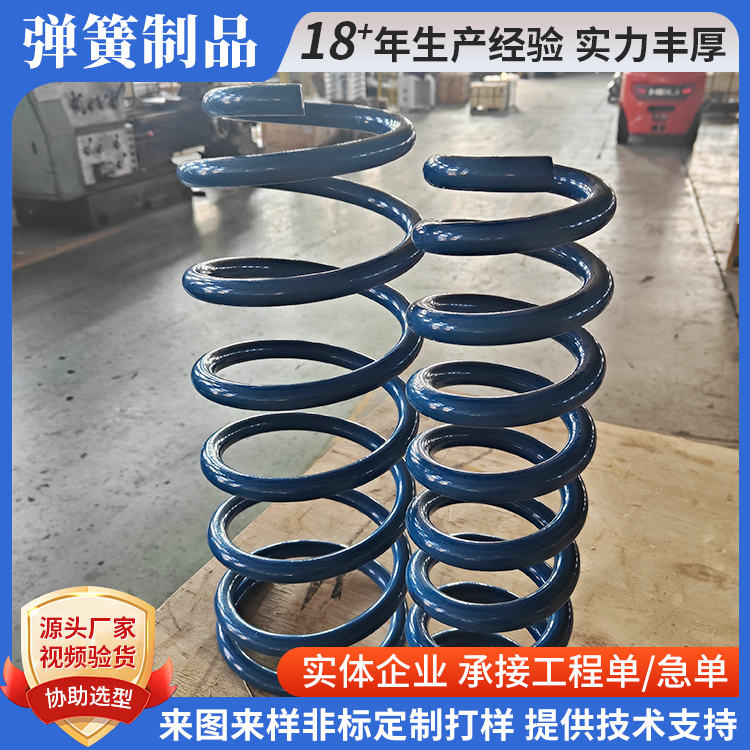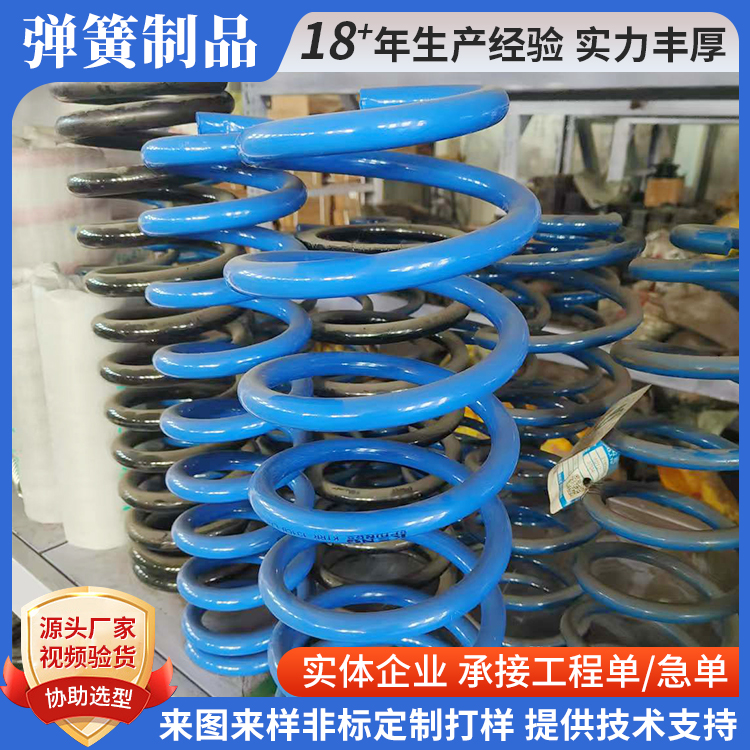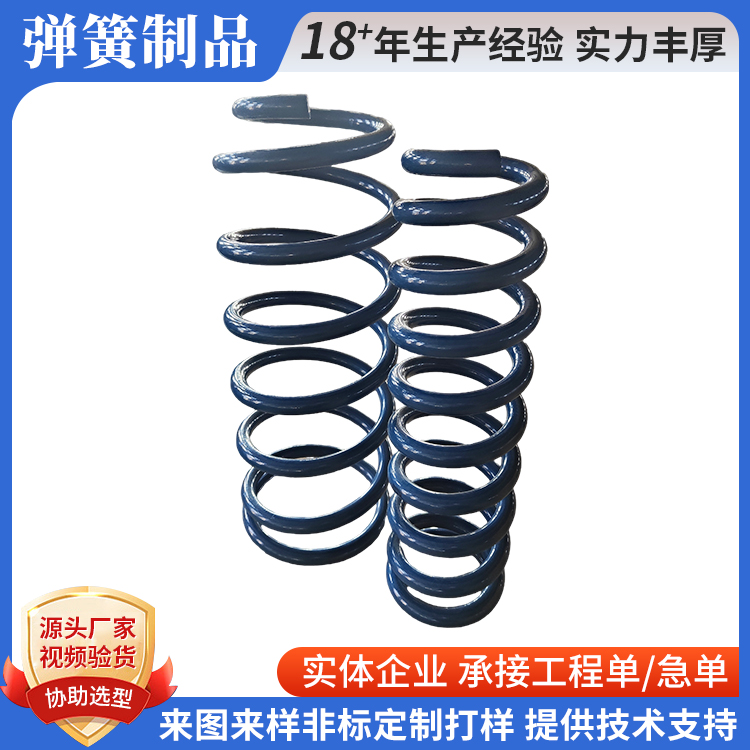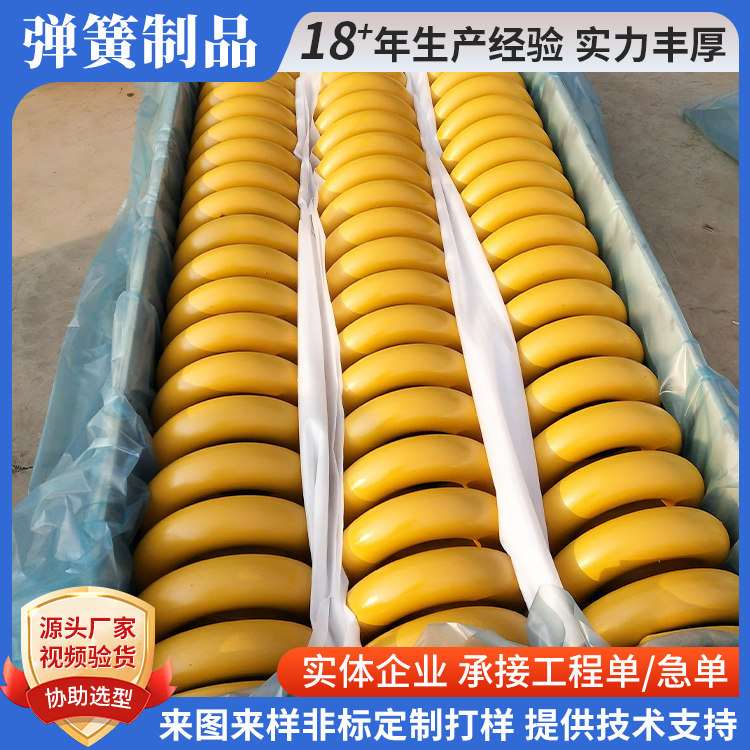

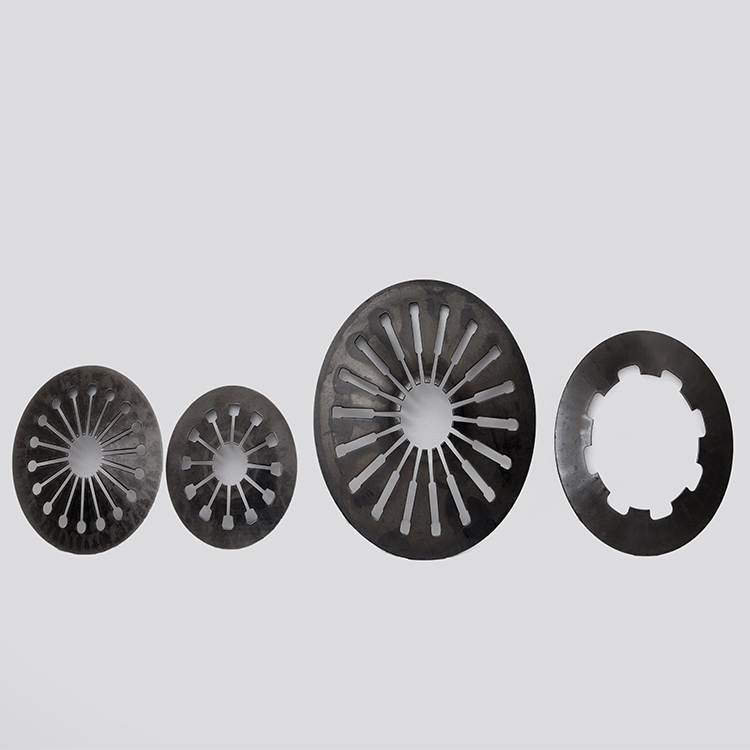

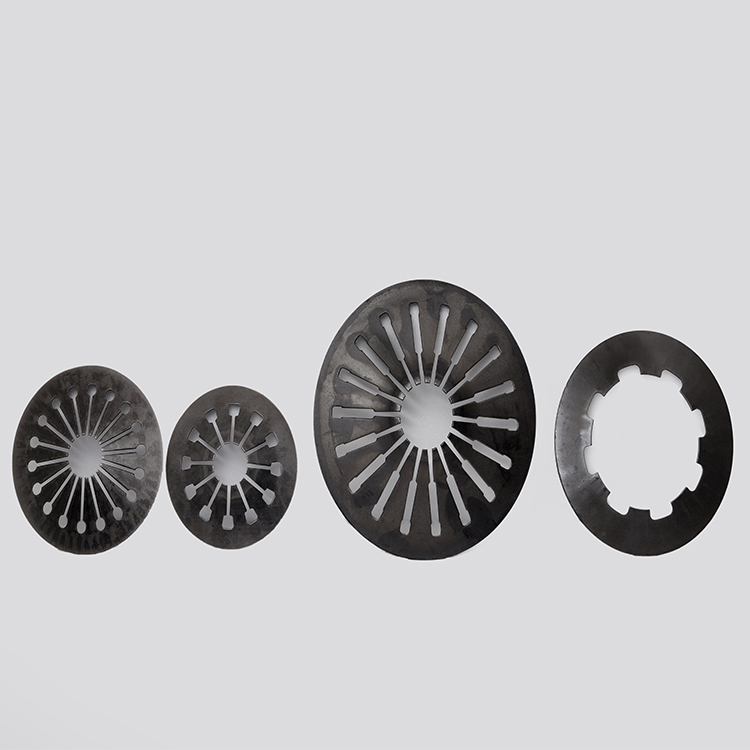
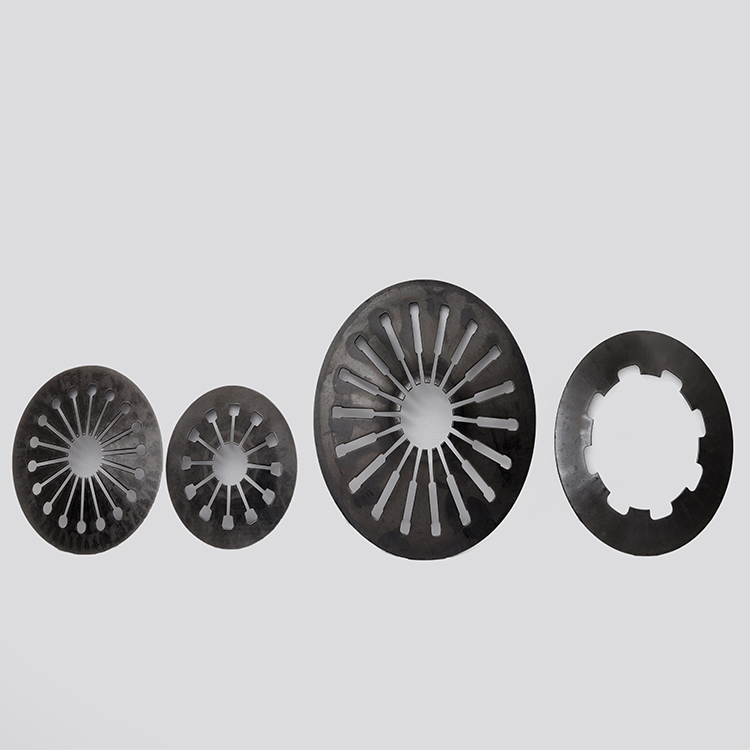
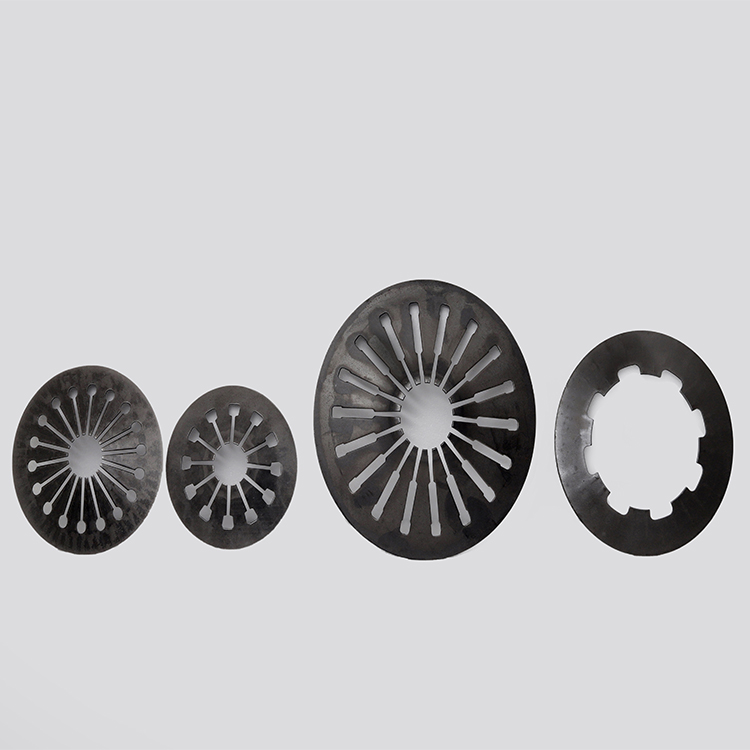








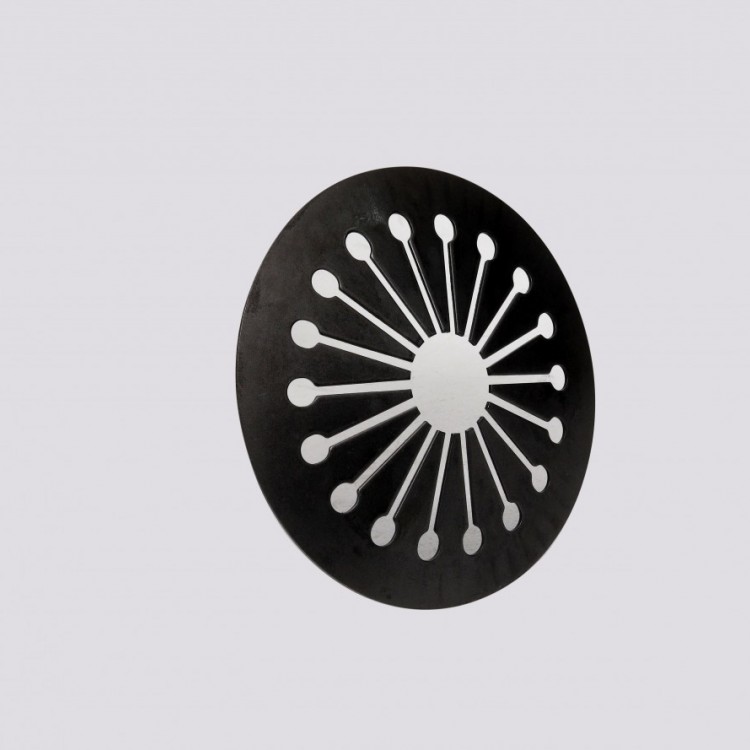
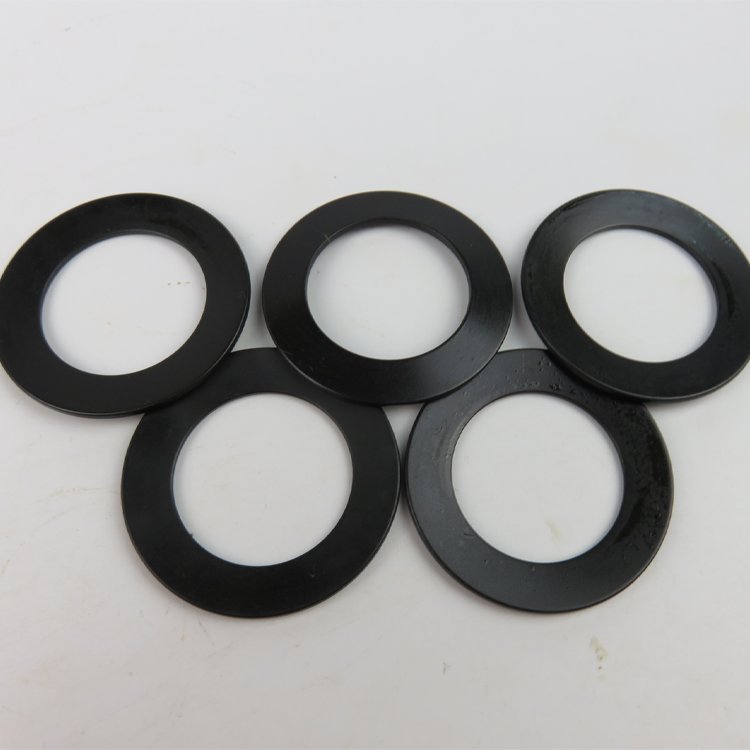
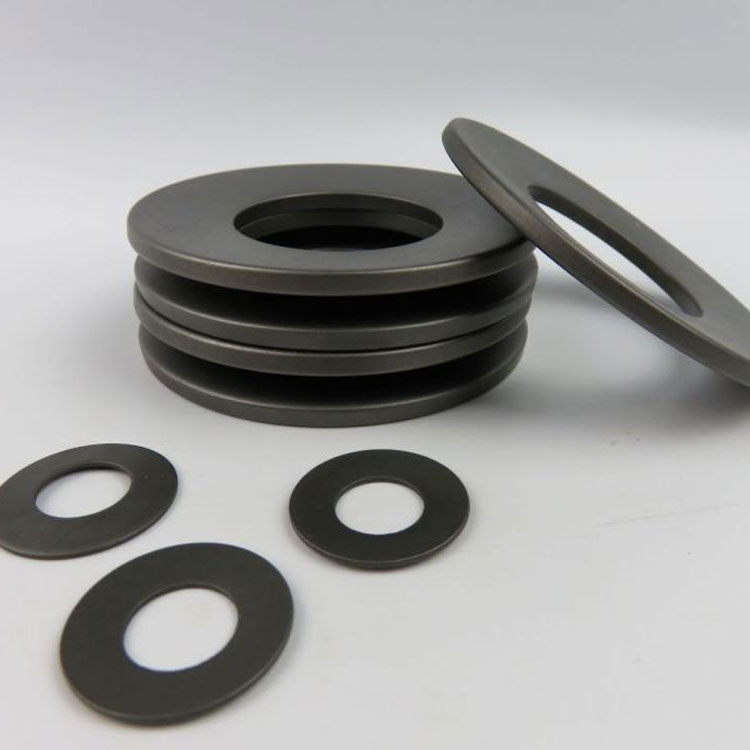
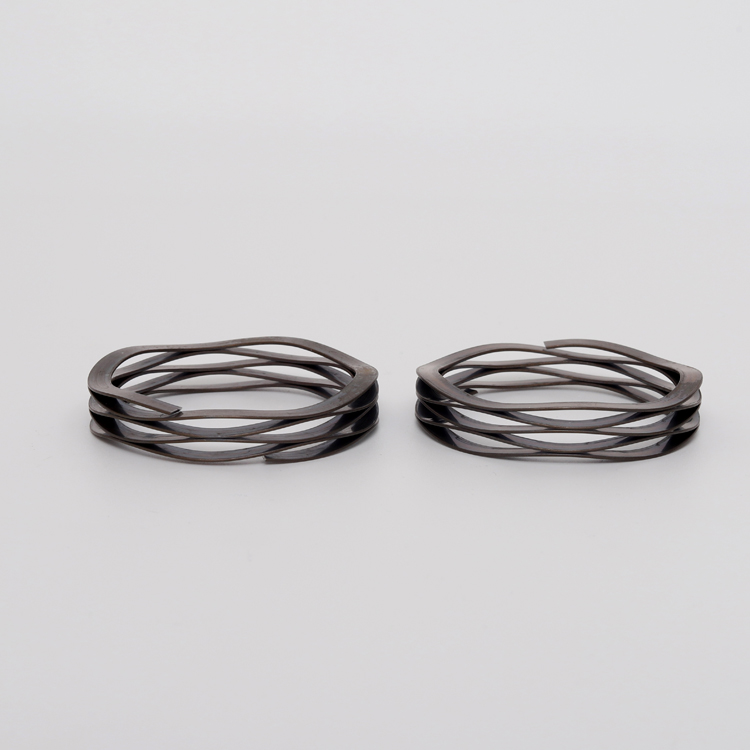
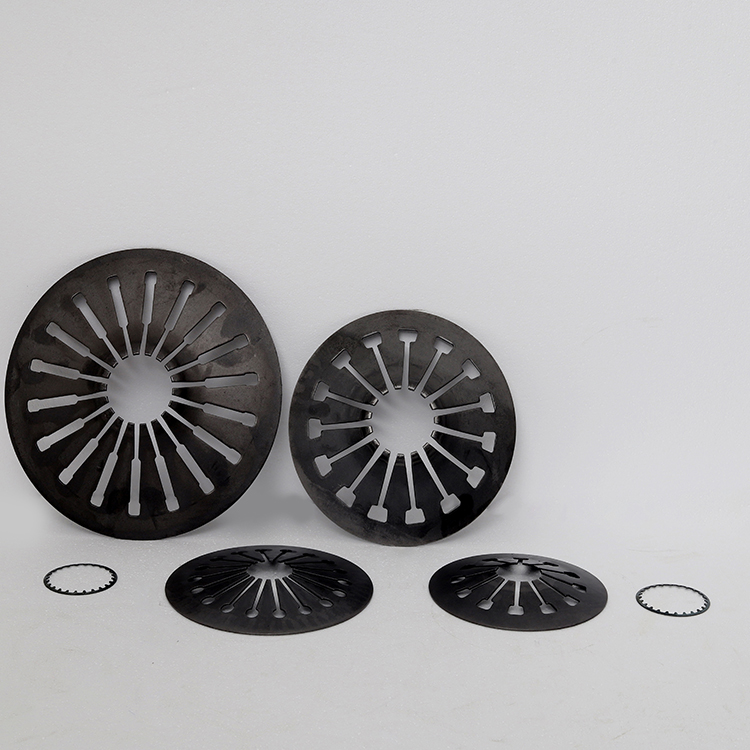
Diaphragm Spring Introduction
Clutch Disc Spring, Technical Conditions
I. Scope
This standard specifies the structural types, technical requirements, testing methods, and inspection rules for diaphragm springs.
This standard applies to mechanical clutch diaphragm springs (hereinafter referred to as "diaphragm springs"), and the diaphragm springs in dampers are to be used in accordance with this standard.
Section II: Standard Reference Documents
The following documents are essential for the application of this document. For referenced documents marked with dates, only the version marked with the date applies to this document. For referenced documents not marked with dates, the latest version (including all amendments) applies to this document.
Method for Determining the Decarburization Layer Depth of Steel according to GB/T 224
GB/T 230.1 Metal Materials Rockwell Hardness Test Part 1: Test Method (Scales A, B, C, D, E, F, G, H, K, N, T)
GB/T 1222 Spring Steel
GB/T 1800.2-2009 Product Geometric Technical Specification (GPS) Limits and Fits Part 2: Standard Tolerance Grades and Hole and Shaft Limit Deviation Tables
GB/T 1972 Disc Spring
GB/T 3279 Hot-Rolled Spring Steel Sheets
YB/T 5058 Spring Steel, Tool Steel Cold-Rolled Steel Strip
III. Parameter Name, Code, and Unit
Parameter names, codes, and units are listed in Table 1.
Table 1 Parameter Name, Code, and Unit
Parameter Name | Code | Unit |
Diaphragm Spring Outer Diameter | D | mm |
Diaphragm Spring Inner Diameter | d | |
Inner diameter of the sealed ring section in diaphragm springs | Dm | |
Diaphragm spring thickness | t | |
Internal cone height of the sealed ring part in diaphragm spring | y | |
Free height of diaphragm spring | H。 | |
Large Deformation of Diaphragm Spring (Inner Cone Height) | Smax(Smax=Ho-t) | |
Separation refers to the small end width | b1 | |
Separation refers to the width of the window slot. | b2 | |
Inner radius of the sealed ring in diaphragm spring | r | |
Outer radius of the sealed ring section in the diaphragm spring | R | |
Deformation amount | S | mm |
Deflection amount of the sealed ring section in the diaphragm spring | Is | |
Deformation amount of the tongue part in the diaphragm spring | S2 | |
Separation Index (number of tongue blades) | Z | |
Workload | F | N |
IV. Structural Style
4.1Diaphragm Spring Structure Type
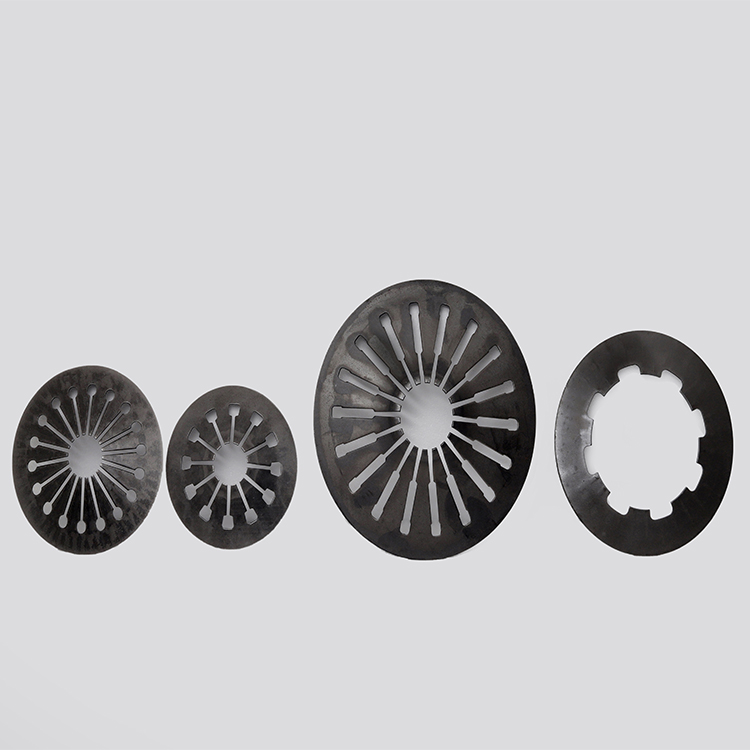
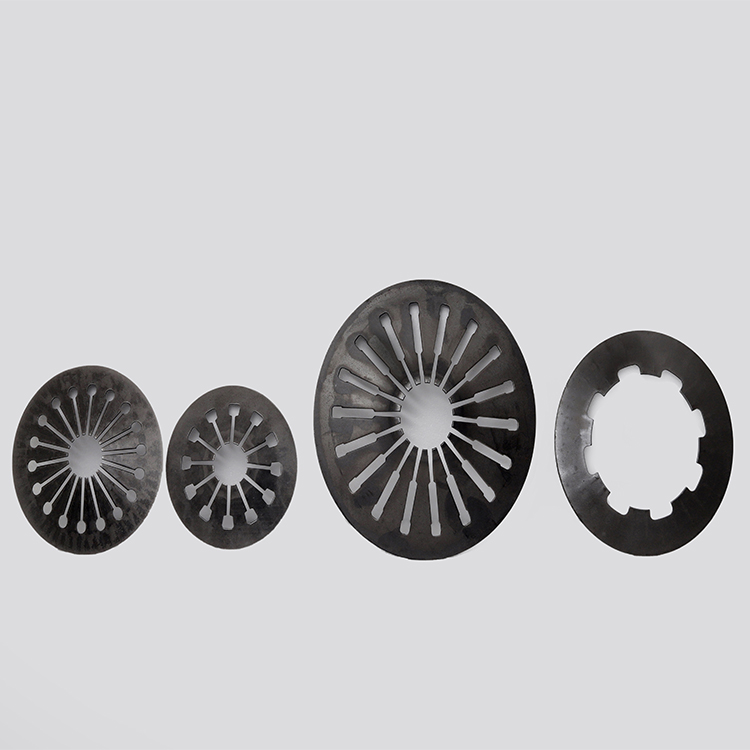
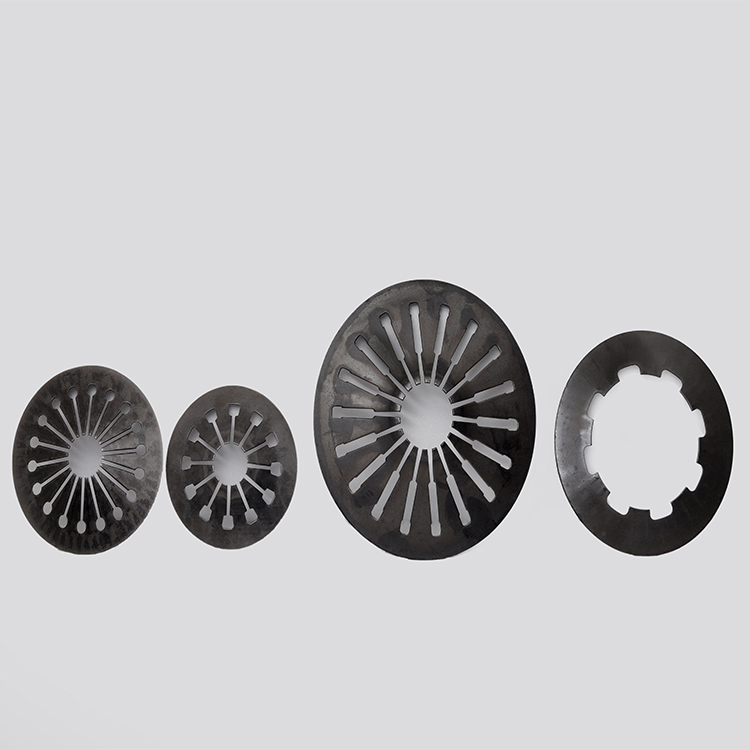
The diaphragm spring structure is as shown in Figure 1.
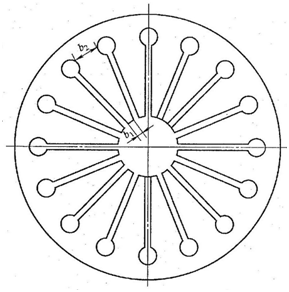

Figure 1: Diaphragm Spring
Section 6: Technical Requirements
6.1 Materials
6.1.1 Material
The material for diaphragm springs is generally 50CrVA or 60Si2MnA, which should meet the requirements of GB/T 1222 in terms of chemical composition and physical properties; if other materials are used, they can be agreed upon by both parties.
6.1.2 Requirements
The steel strip used for diaphragm springs should comply with the requirements of YB/T 5058 or GB/T 3279.
6.1.3 Inspection
Materials must be accompanied by a quality certificate from the manufacturer and must pass a re-inspection before use.
6.2 Dimensional Tolerance Limits
6.2.1 Thickness
The allowable deviation of the thickness "t" of the diaphragm spring should comply with the specifications in Table 2. In cases of special requirements, the allowable deviation of thickness "t" shall be agreed upon by both the supplier and the buyer.
Table 2: Limiting Deviation for Thickness tDifference (in millimeters)
Thickness t | Ultimate deviation |
0.5~1.0 | +0.02 -0.03 |
>1.0~2.3 | +0.03 -0.05 |
>2.3~3.0 | +0.04 -0.05 |
>3.0~4.0 | ±0.05 |
6.2.2 Free Height
The limit deviation of the free height of the diaphragm spring should comply with the specifications in Table 3. Under the condition of ensuring the performance requirements, the free height can be appropriately adjusted during manufacturing, but the tolerance value remains unchanged.。
Table 3: Limiting Deviation of Free Height (in millimeters)
Free Height H. | Extreme Deviation |
<10 | +0.20 -0.10 |
>10~20 | +0.20 -0.20 |
>20~50 | +0.10 -0.50 |
>50~100 | ±1.50 |
6.2.3 Diameter
The inner and outer diameter tolerances of the diaphragm spring are in accordance with the H13 and h13 grades specified in GB/T 1800.2-2009.
6.3 Flatness
The bottom surface flatness tolerance of the diaphragm spring's sealing section should be 0.25mm, and the arc length of the non-contact surface should not exceed 1/3 of the circumference.
6.4 Coaxiality
The coaxial tolerance of the diaphragm spring should comply with the specifications in Table 4.
Table 4: Axial Tolerance (in millimeters)
Outer Diameter D | 30~50 | >50~125 | >125~250 | >250~500 |
Coaxiality tolerance | 0.2 | 0.25 | 0.3 | 0.4 |
6.5 Load Characteristic Limit Deviation
According to user requirements, the characteristics of the diaphragm spring working area are specified, but the load deviation at the working point is within the range of -10% to 20%.
6.6 Heat Treatment
Diaphragm springs must be quenched and tempered, and the quenching process should not exceed two times.
6.7 Hardness
The hardness value of the sealed section of the spring diaphragm after tempering should be selected within the range of 71.5HRA to 76.8HRA, and the hardness tolerance of a single spring diaphragm should be within ±2HRA.
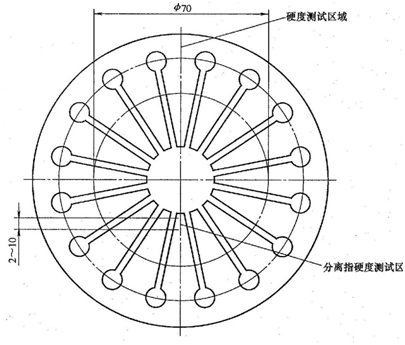
Surface hardness values for the separated tip section (up to ø70mm) must be above 79HRA, with a depth greater than 0.5mm. A hardness transition zone is permissible between the separated tip section and the sealed part, but the minimum hardness within this zone should not be less than 68.9HRA.
6.8 Carbon Layer Depth
The heat-treated diaphragm spring should have a single-sided decarburization layer depth not exceeding 1% of its thickness, and the maximum depth should not be more than 0.05mm.
6.9 High-pressure treatment
The diaphragm spring should be subjected to high-pressure treatment, which involves compressing the diaphragm spring with a load not less than twice s=0.75h for a duration of at least 12 hours, or with short-term compression, with a minimum of 5 compression cycles.
6.10 Surface Quality
The diaphragm spring surface should be free of burrs, cracks, and any defects harmful to use.
6.11 Surface Corrosion Treatment
Diaphragm springs are typically dipped in anti-rust oil after shot peening, and can also be treated with oxidation, phosphatization, electro-phoresis, etc. as per customer requirements. Diaphragm springs are not suitable for electroplating treatment.
6.12 Fatigue Life
When fatigue life requirements are specified, the number of fatigue life cycles can be agreed upon by both the supplier and the buyer.
Section 7: Test Methods
7.1 Dimensions and Positional Tolerances
7.1.1 Thickness
Measure the thickness of the diaphragm spring using a micrometer at least three points along the circumference at both the inner and outer diameters of the diaphragm spring, and take the maximum value.
7.1.2 Diameter
The diameter of the diaphragm spring is measured using a micrometer with a graduation value of less than or equal to 0.02mm. At least three measurements are taken at different positions along the circumference, with the outer diameter being the largest value and the inner diameter being the smallest value.
7.1.3 Free Height
The free height of the diaphragm spring should be measured using a depth micrometer with a graduation value not exceeding 0.02mm on a grade 2 precision flat plate. At least three measurements should be taken at different positions along the circumference, and the maximum value should be taken.
7.1.4 Flatness
Place the diaphragm spring on a secondary precision flat plate, measure the diaphragm spring plane clearance under a load of 2% s = 0.75ho using a feeler gauge, and take the largest clearance value. The maximum load should not exceed 300N, as shown in Figure 3.

Figure 3: Diagram of Flatness
7.1.5 Coaxiality
Place the diaphragm spring on a secondary precision flat plate, measure its diaphragm spring width with a micrometer with a graduation less than or equal to 0.02mm, as shown in Figure 4. Measure at least three different positions, calculate the difference between the maximum measured value and the theoretical value; this difference is the coaxiality error.
Coaxiality error can also be agreed upon by both parties for measurement using a converted tooling.
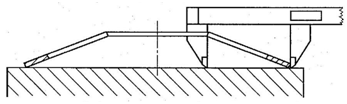
Figure 4: Coaxiality Error Measurement
7.2 Load Characteristics
The load of the diaphragm spring is tested on a machine with precision not less than 1%, measuring the load when loaded to the deformation amount required by the user. Lubricant must be used during the test. The hardness of the upper and lower pressure plates for measuring the load characteristics of the diaphragm spring must be above 52HRC, and the surface roughness Rz must be less than 1.6μm.
7.3 Hardness
The hardness test for diaphragm springs is conducted according to GB/T 230.1 specifications. The indentation should be made between the outer diameter of the diaphragm spring and the window, with 4 points per piece, the first point being disregarded, and the average of the last 3 points taken. The separation index hardness should be tested within a range of 2mm to 10mm below the finger tip (see Figure 5 of this standard); the method is the same as above.