

















Screw Air Compressor Working Principle: The principle of an air compressor involves a pair of parallel, interlocking male and female rotors (also known as screws) rotating within the cylinder, causing periodic volume changes between the rotor teeth. Air is then transported along the axis of the rotors from the intake side to the discharge side, thus completing the entire process of suction, compression, and exhaust. The intake and discharge ports of the compressor are located at the ends of the casing, with the slots of the female rotor and the teeth of the male rotor driven by the main motor.
During the long and continuous operation of screw air compressors, electrical energy is converted into mechanical energy, and mechanical energy is converted into wind energy. In the process of mechanical energy being converted into wind energy, the air is subjected to intense high-pressure compression, causing a significant rise in temperature. This is a common phenomenon of mechanical energy conversion in physics, where the high-speed rotation of the mechanical screw also generates heat through friction. These high temperatures are mixed with the added lubricating oil in the air compressor./Discharging gas steam from the unit, this portion of high-temperature/gas flow accounts for 80% of the air compressor's input power. The temperature typically ranges from 80℃ (winter) to 100℃ (summer/fall). This thermal energy is unnecessarily wasted into the atmosphere due to the temperature requirements of the machine's operation, which is then fulfilled by the air compressor's cooling system.

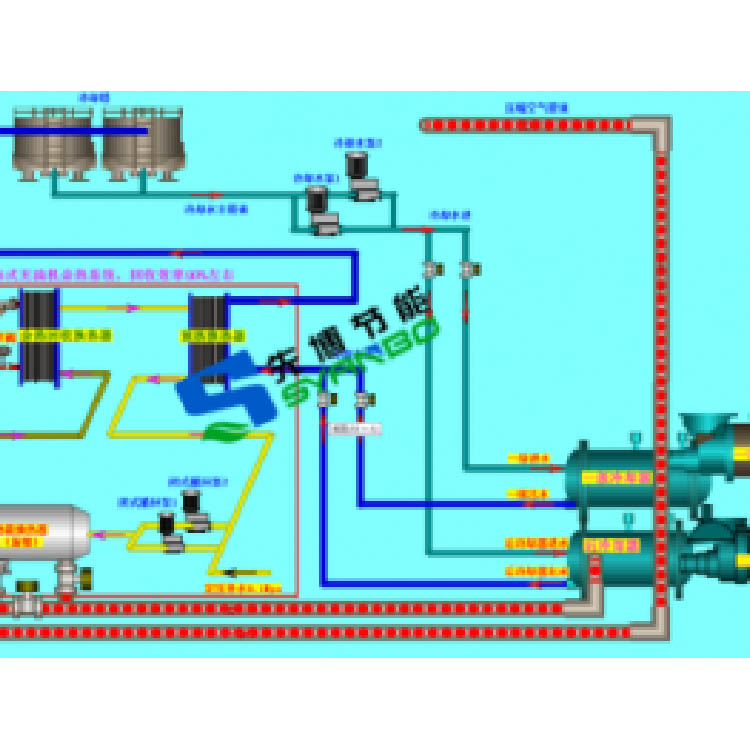
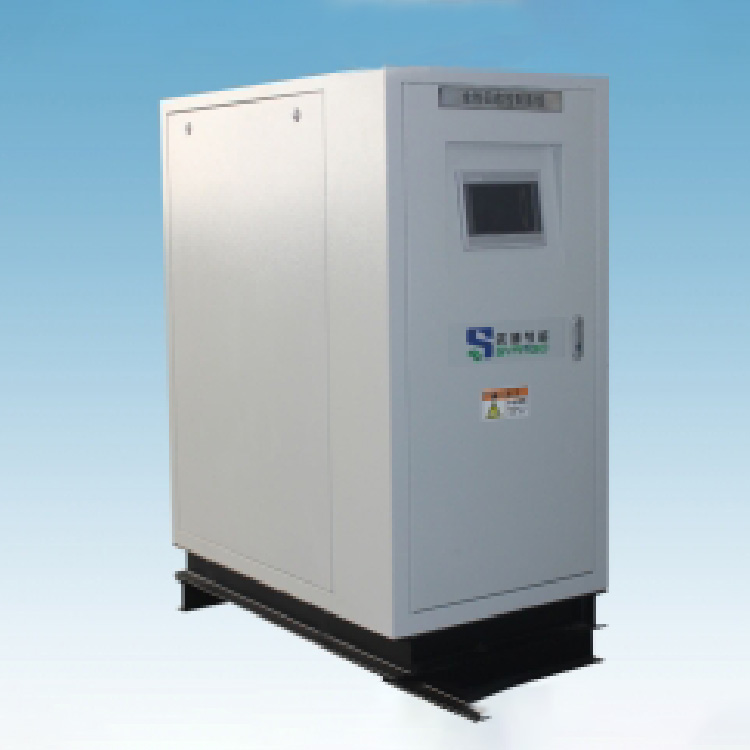
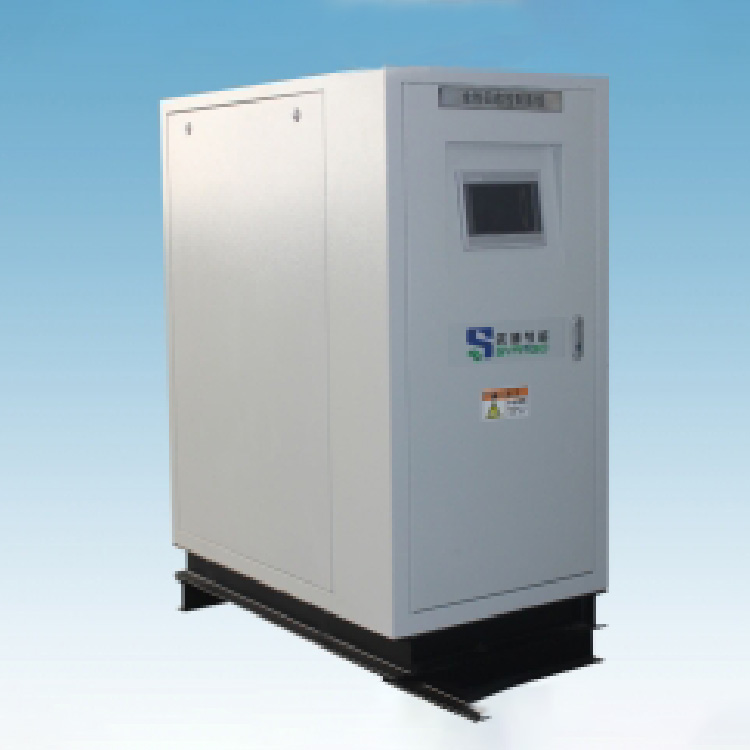
An air compressor water heater utilizes the principle of heat energy conversion, recycling and converting the heat emitted by the air compressor into water. As the water absorbs the heat, its temperature rises. The operating temperature of the air compressor unit is thus reduced. Unlike simple traditional cold and hot exchange forms, the air compressor water heater employs a counterflow interception reverse flow technology to significantly enhance the cold and hot exchange efficiency.1.8 to 2.0 times.
a. Screw air compressor heat principle = electrical energy → mechanical energy → heat (with the heat mainly caused by the sudden increase in temperature of the air after compression)
b. Screw Compressor Heat Principle = High-speed screw rotation → Frictional heating → Raises the temperature of the compressor oil and air above 100 degrees (These heat are dissipated into the atmosphere by the compressor cooling fan, which is wasted. To ensure the compressor temperature requirement and maintain it between 68 to 96 degrees).

By utilizing the principle of heat energy conversion, the heat emitted by the air compressor is recycled and transferred to water. After absorbing the heat, the water temperature rises, lowering the operating temperature of the air compressor unit. This not only enhances the efficiency of the air compressor but also extends the lifespan of the compressor's lubricating oil. The recovered hot water can be used for employee showers, heating in offices and production workshops, boiler make-up water, metal coating cleaning, cleanroom temperature control, and other locations requiring hot water, thereby reducing the long-term operational costs for welfare and industrial hot water use by the enterprise.