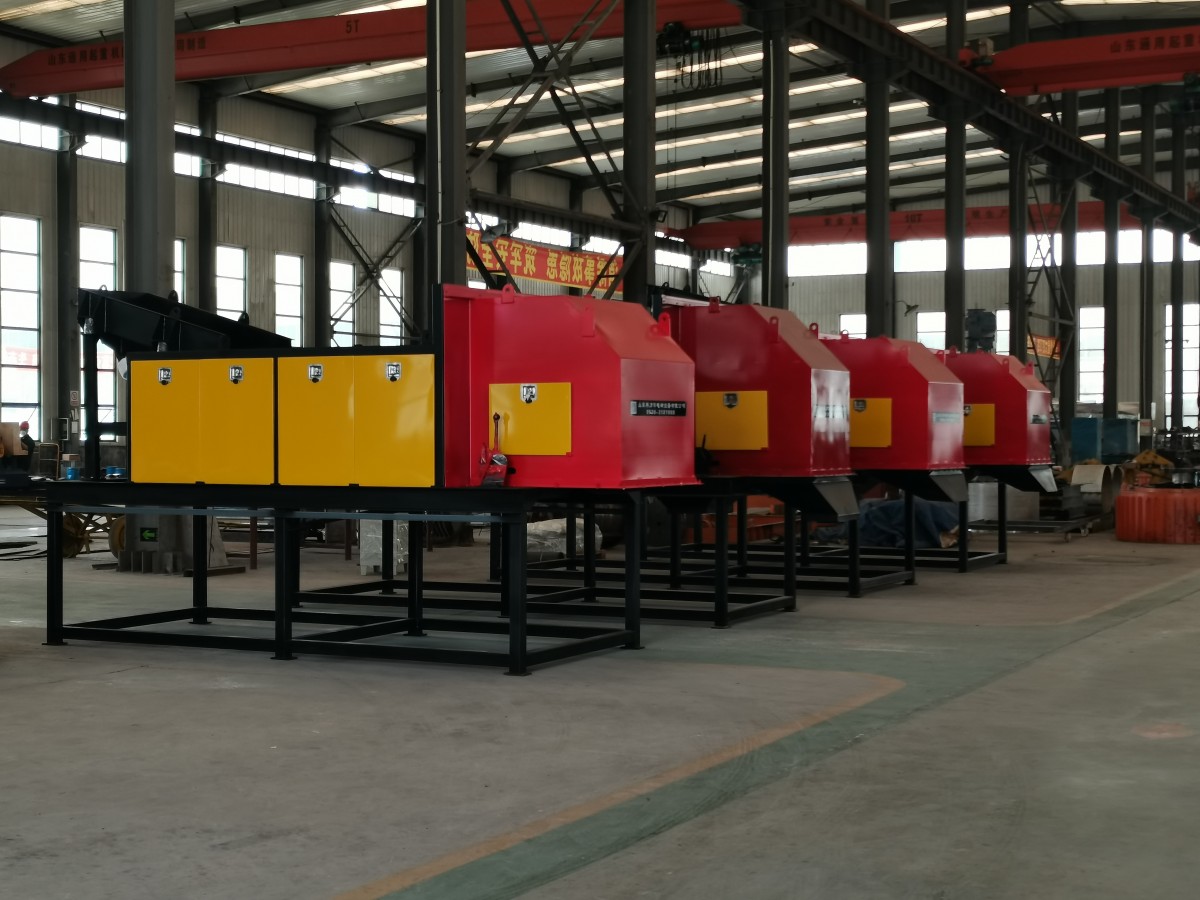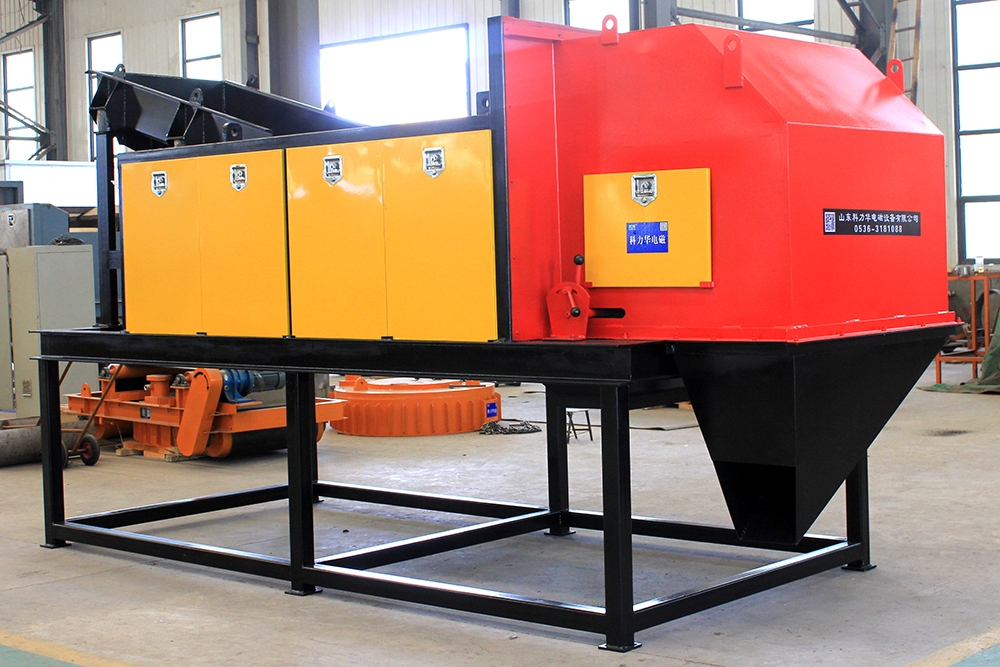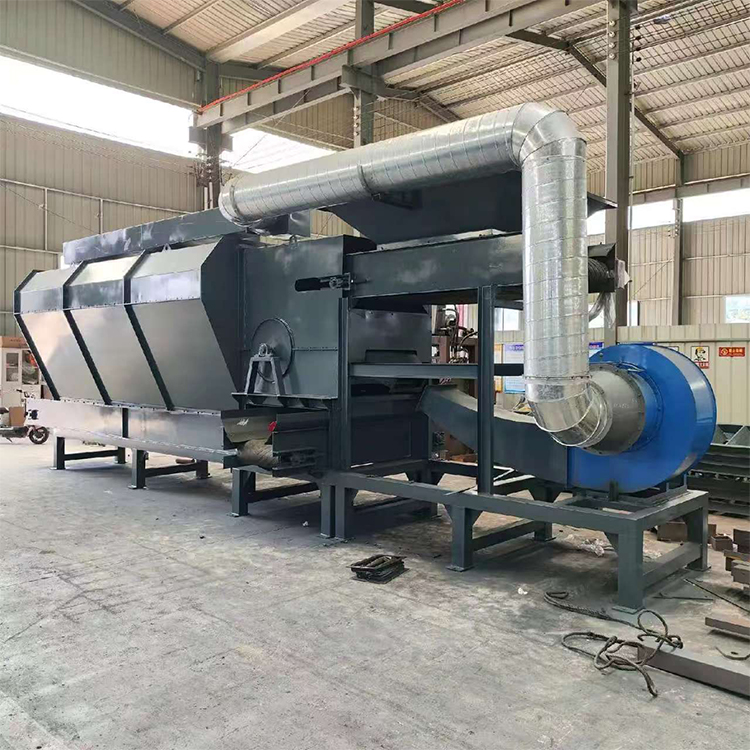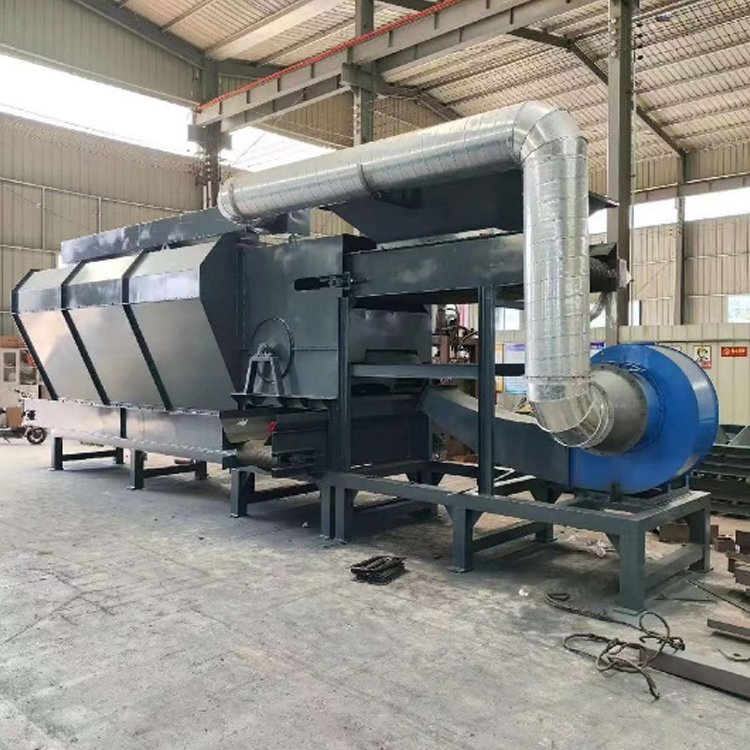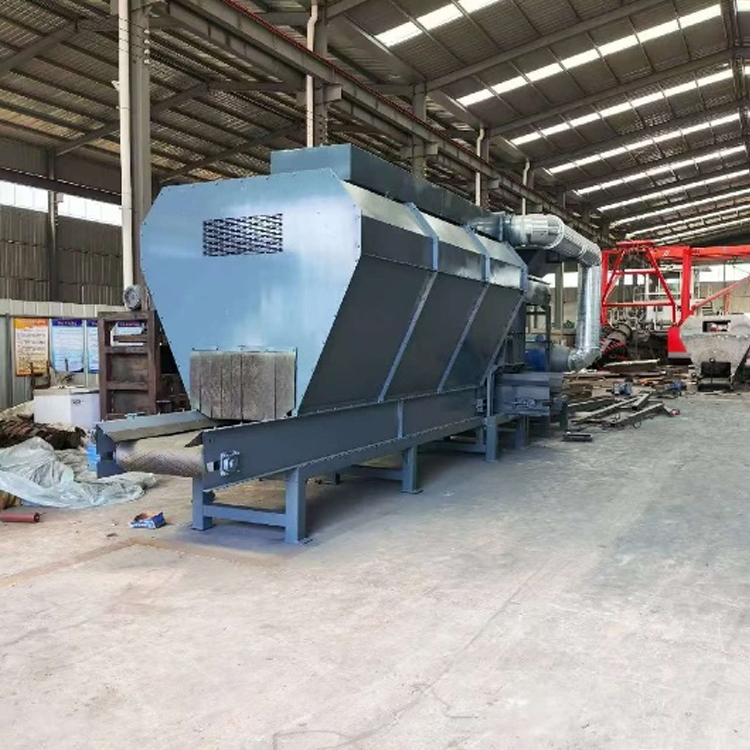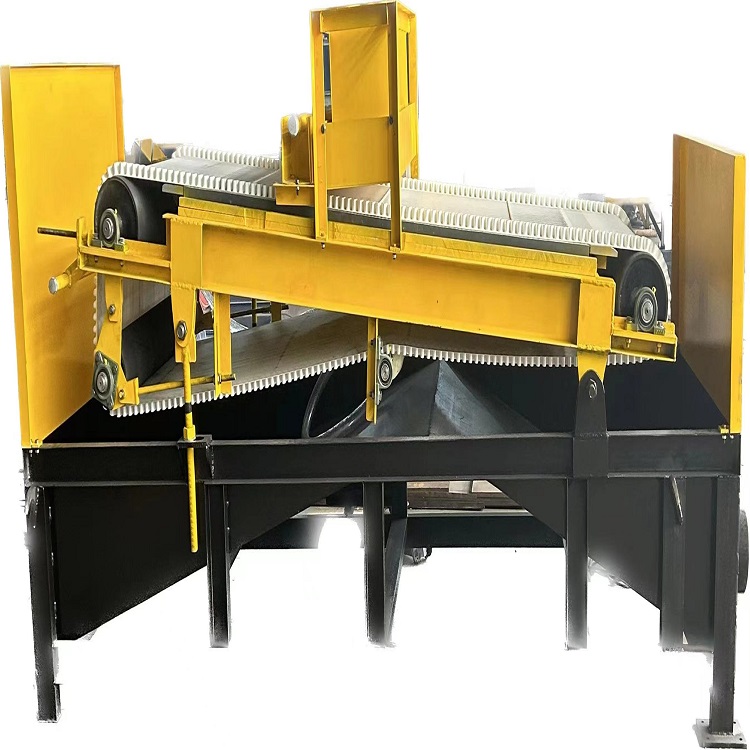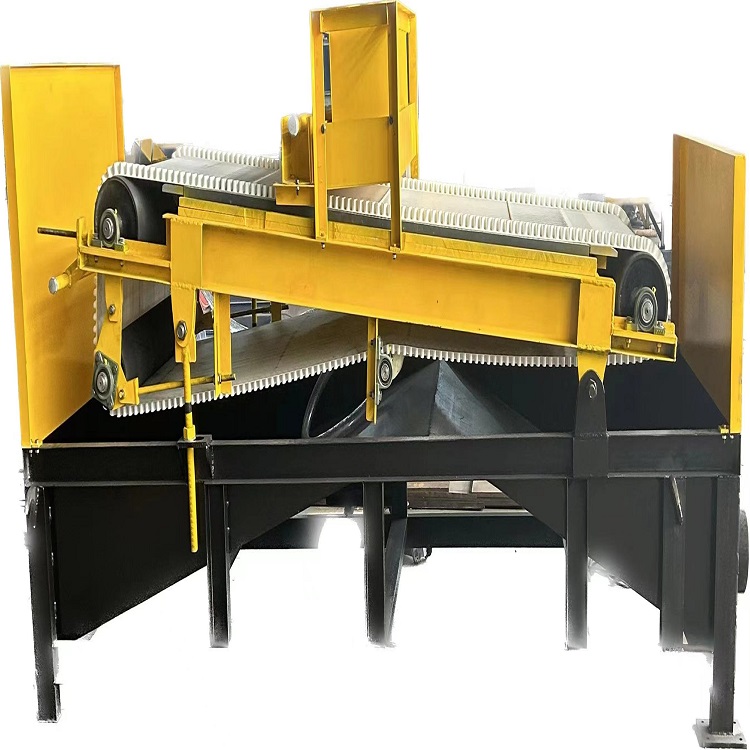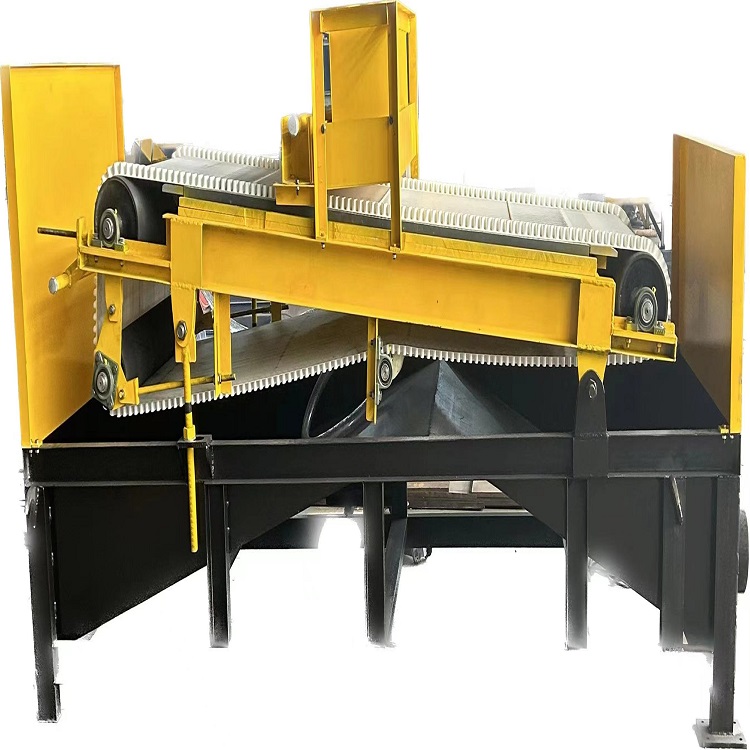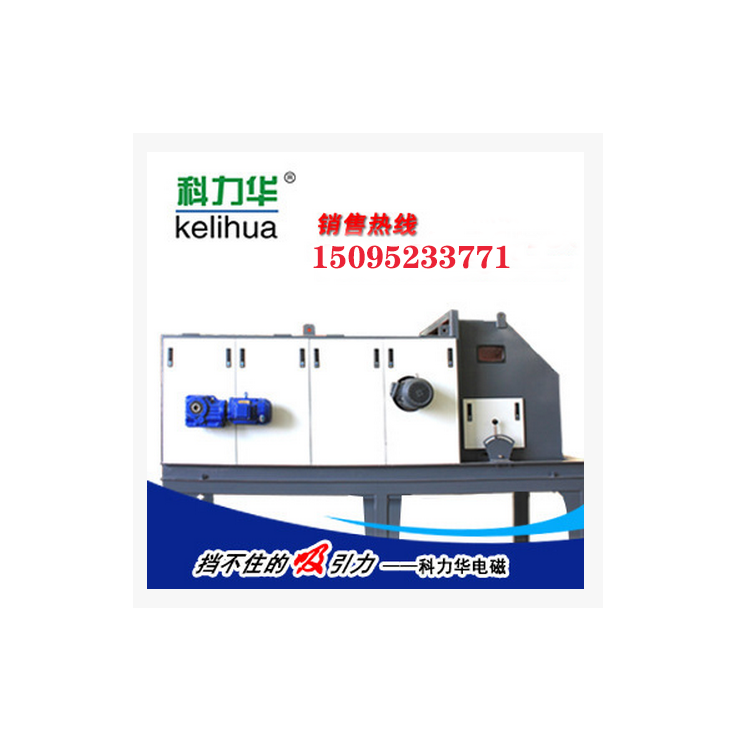

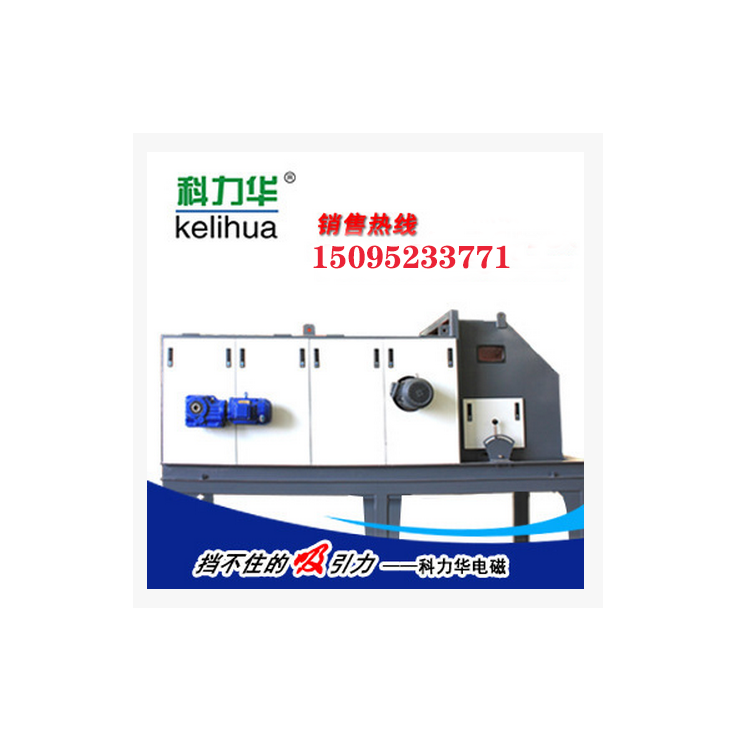
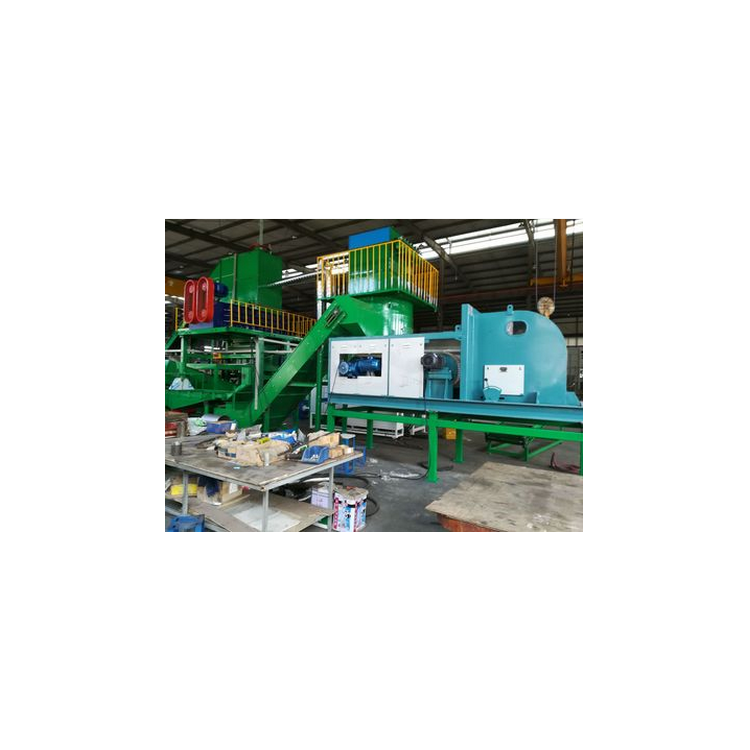


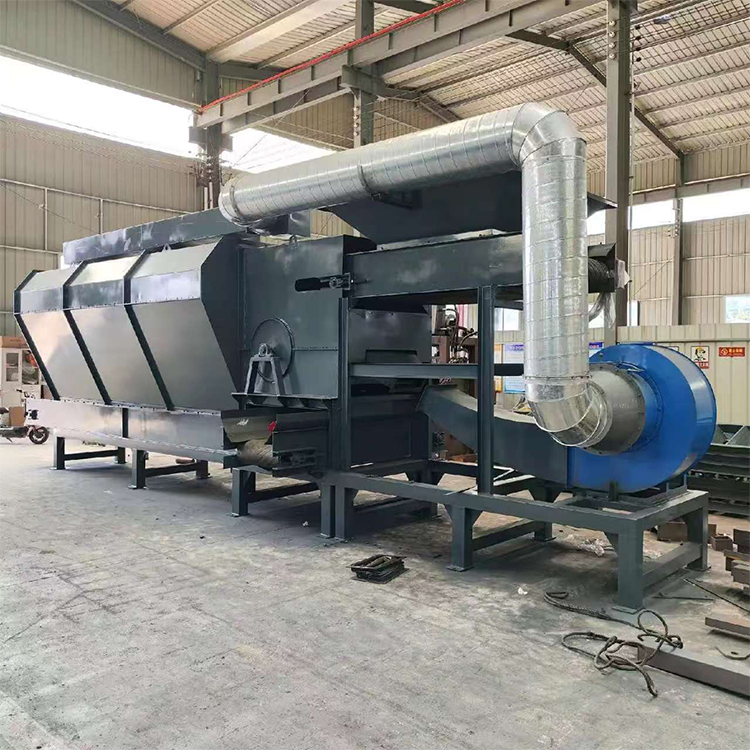






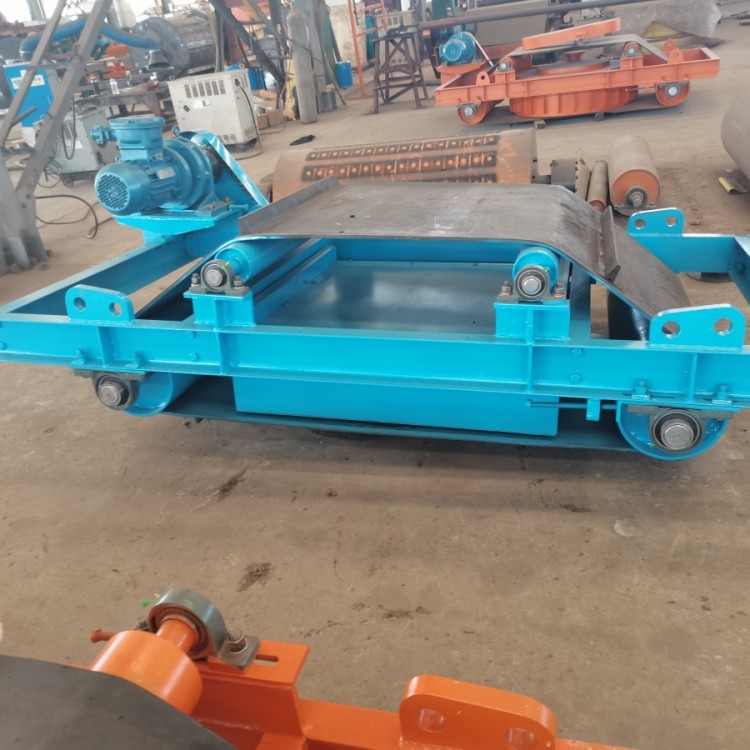

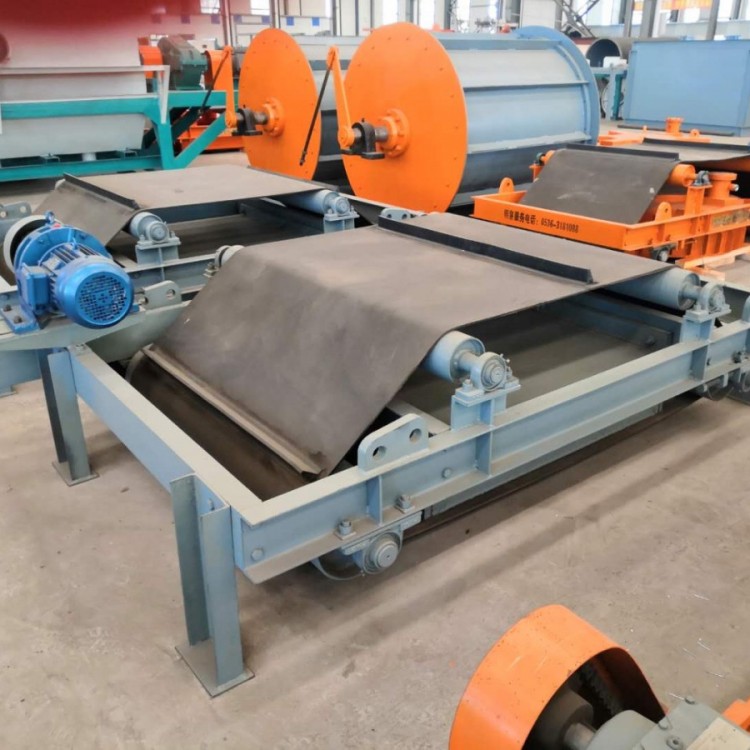
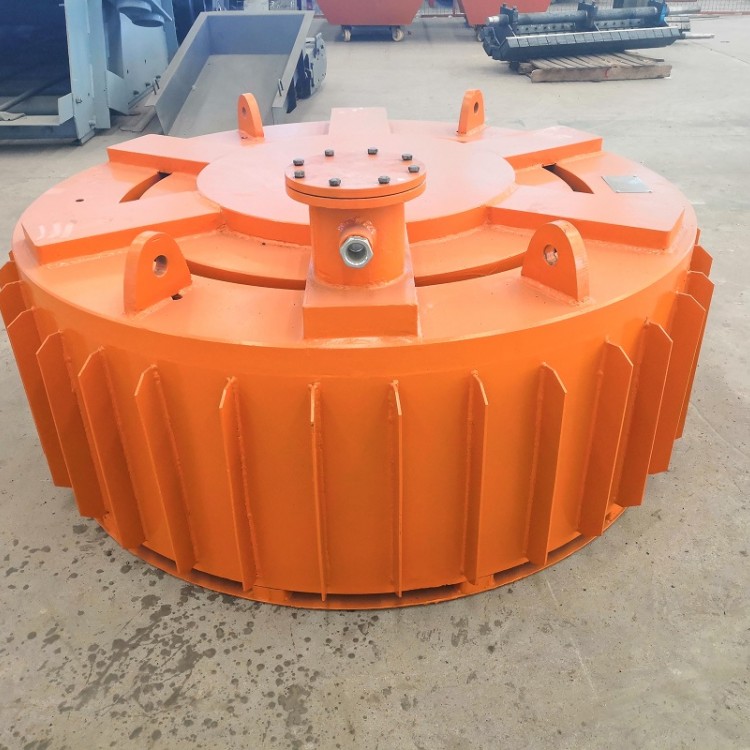
A coreless eddy current separator is an effective method for non-ferrous metal recovery. It boasts excellent sorting performance, strong adaptability, reliable mechanical structure, lightweight and strong repulsion (adjustable), high sorting efficiency, and large processing capacity. It allows for the separation of certain non-ferrous metals from electronic waste, mainly used in electronic waste recycling and processing lines for sorting out non-ferrous metals like copper and aluminum from mixed materials. It can also be widely applied in the field of environmental protection, particularly in the non-ferrous metal recycling industry.
When electronic waste fragments containing non-magnetic conductive metals (such as lead, copper, zinc, etc.) pass through an alternating magnetic field at a certain speed, induced eddy currents are generated in these non-magnetic conductive metals. Due to the relative motion between the material flow and the magnetic field, there is a thrust on the metal sheets or blocks that produce eddy currents. This principle can be used to separate some non-ferrous metals from the mixed material flow.