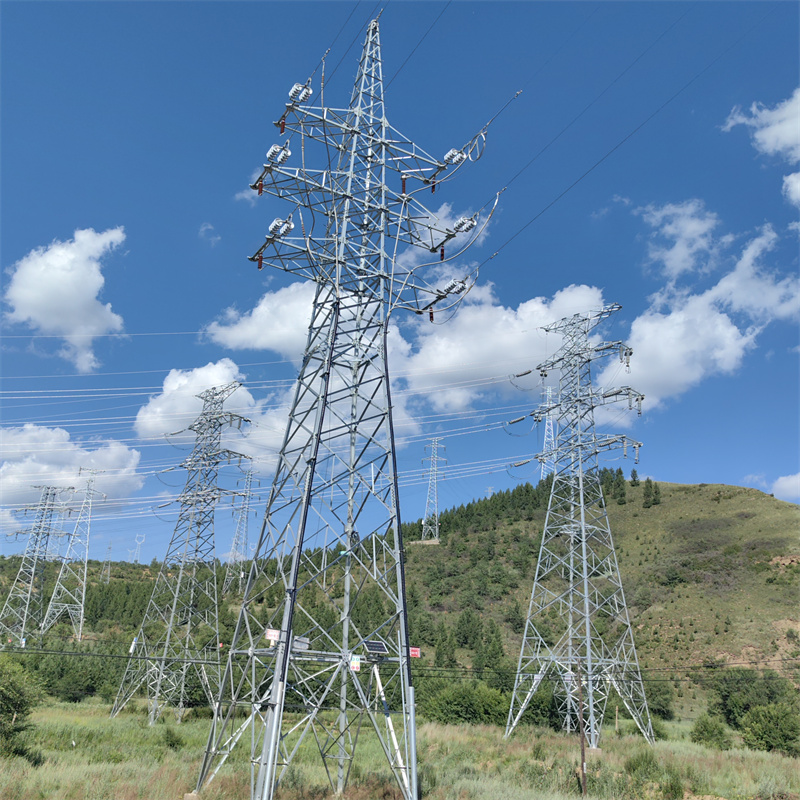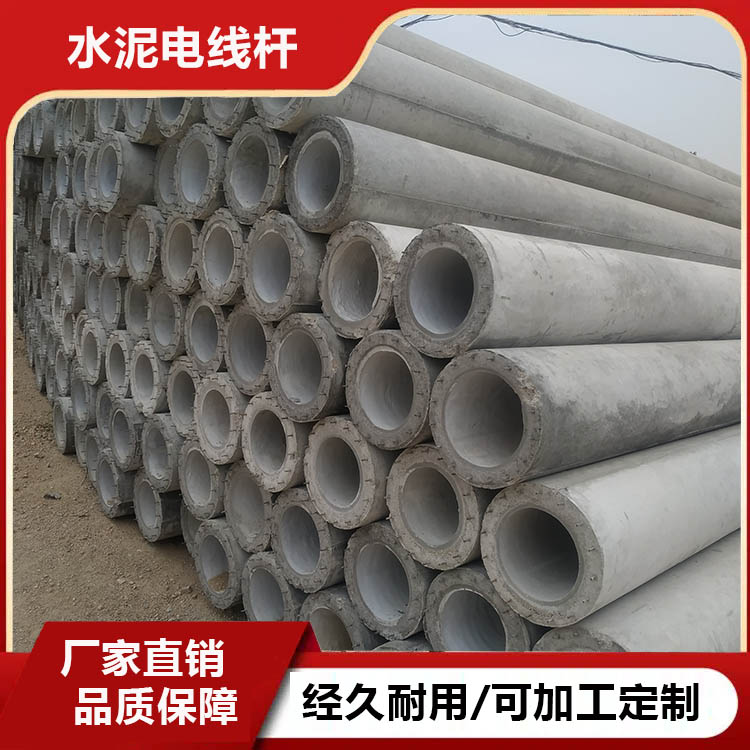
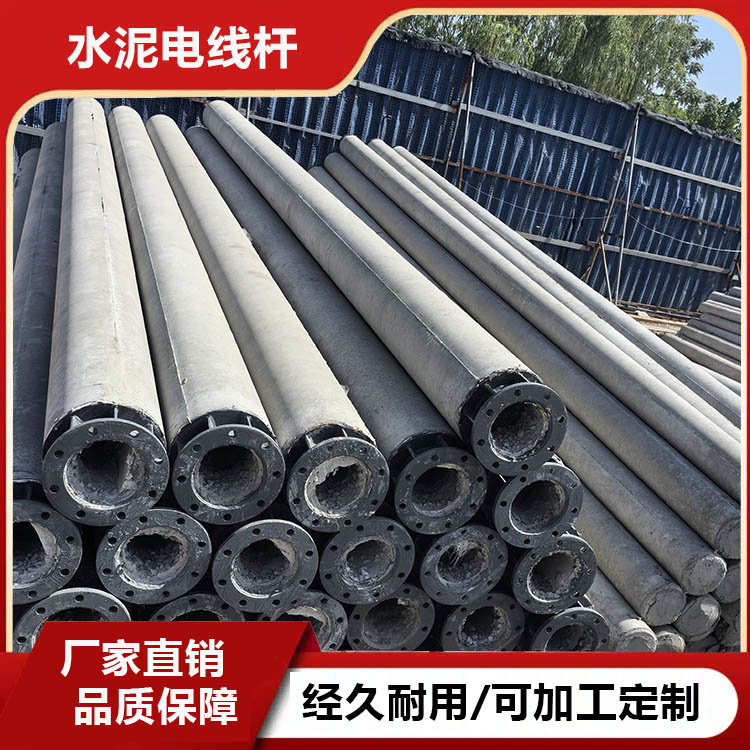
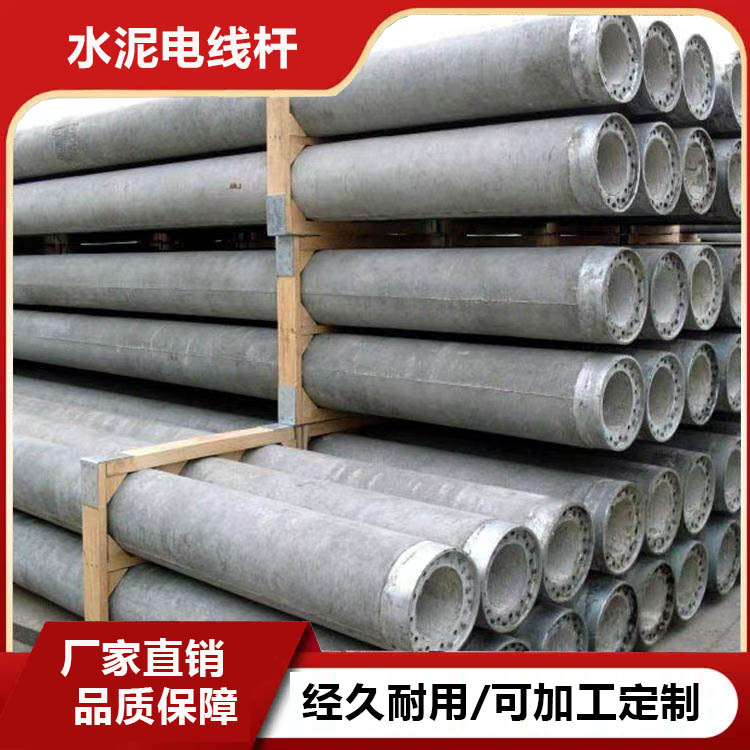
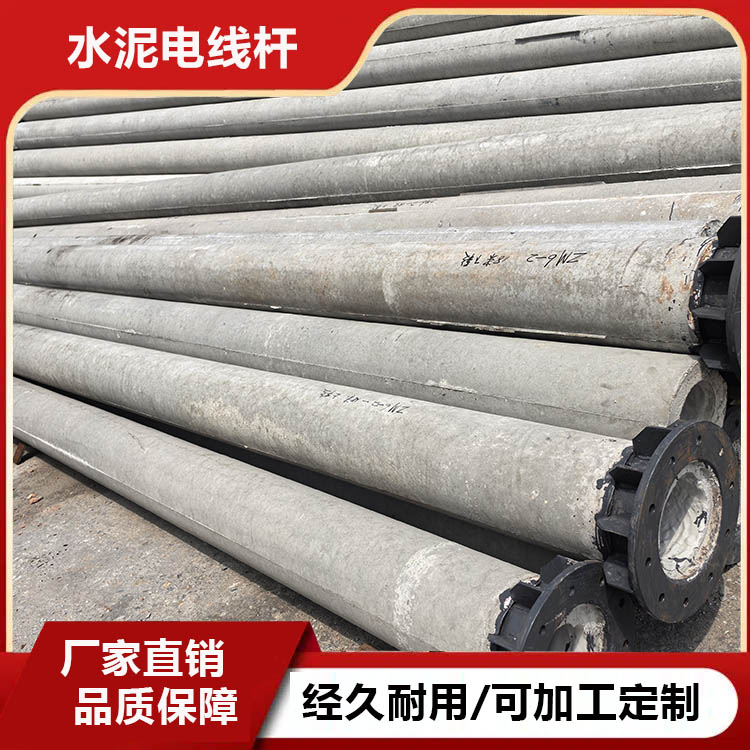
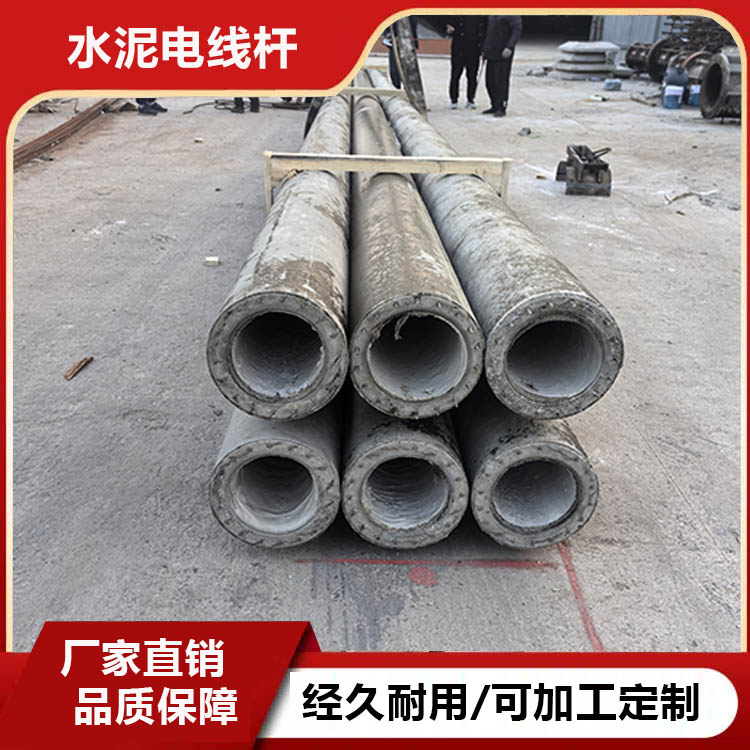







Tower Classification: Generally divided by shape into five types: Goblet-shaped, Cat Head-shaped, U-shaped, I-shaped, and Barrel-shaped. By application, they include Tension Towers, Straight Towers, Corner Towers, Reversing Towers (towers for changing wire phase positions), Terminal Towers, and Spanning Towers, etc.
According to the purpose of the tower in the transmission line, they can be classified into straight towers, tension towers, angle towers, transposition towers, span towers, and terminal towers. Straight towers and tension towers should be set up along the straight sections of the line, angle towers at the bends of the transmission line, higher span towers on both sides of the crossed structures, transposition towers set at regular intervals to balance the impedance of the three conductors, and terminal towers at the junctions of the transmission line with the substation structure.
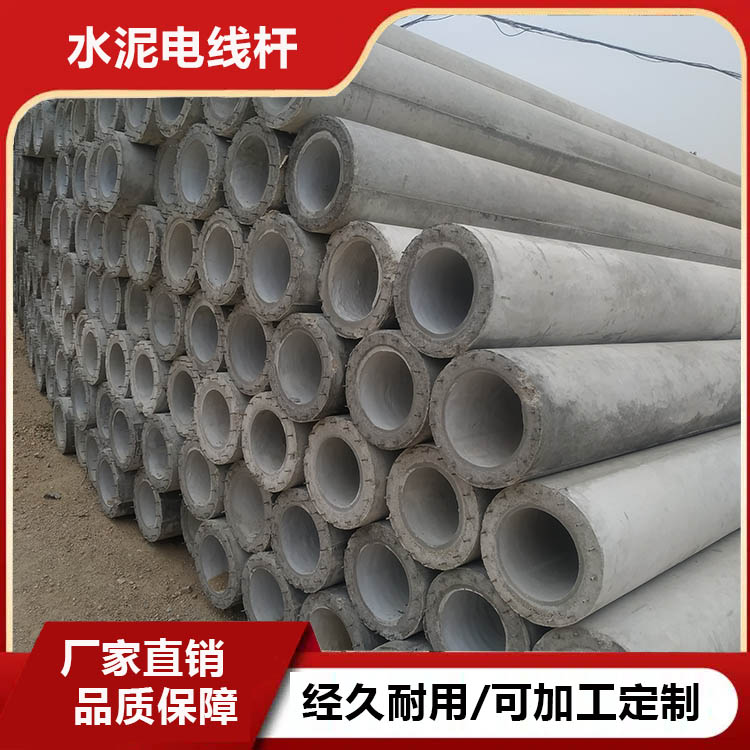
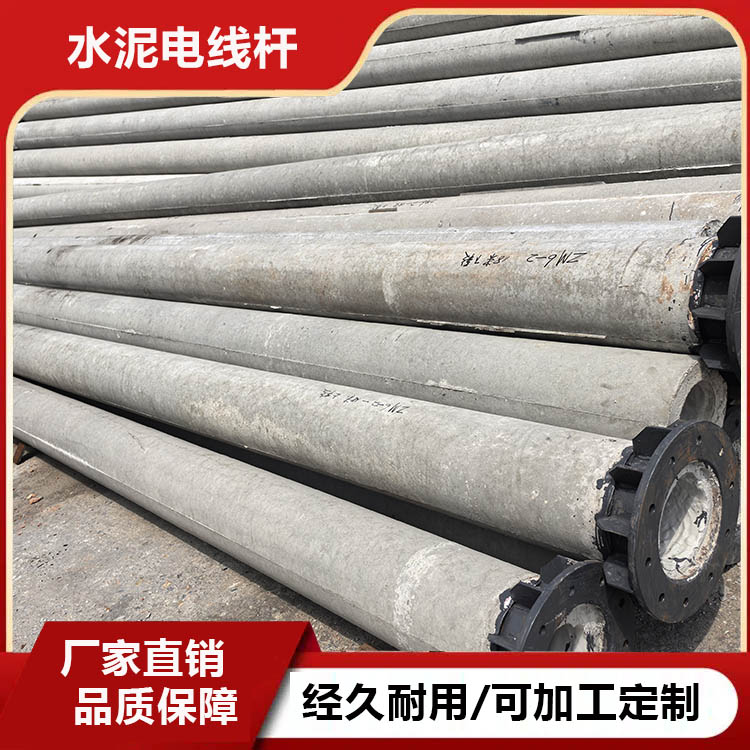
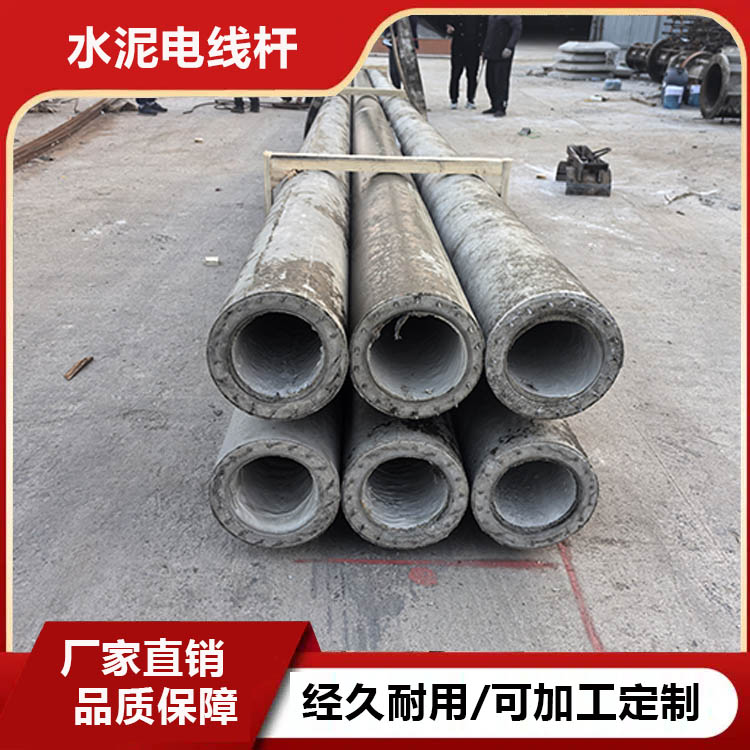
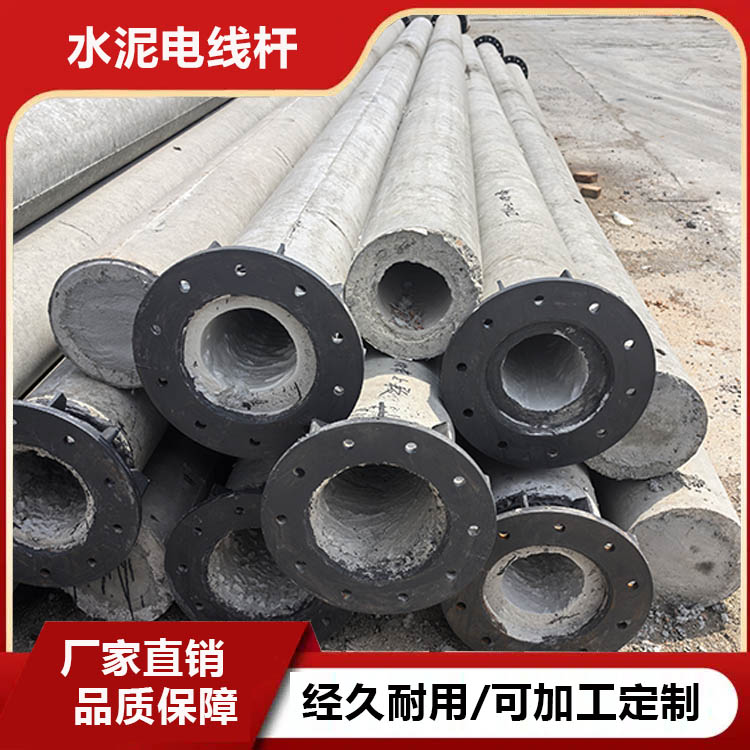
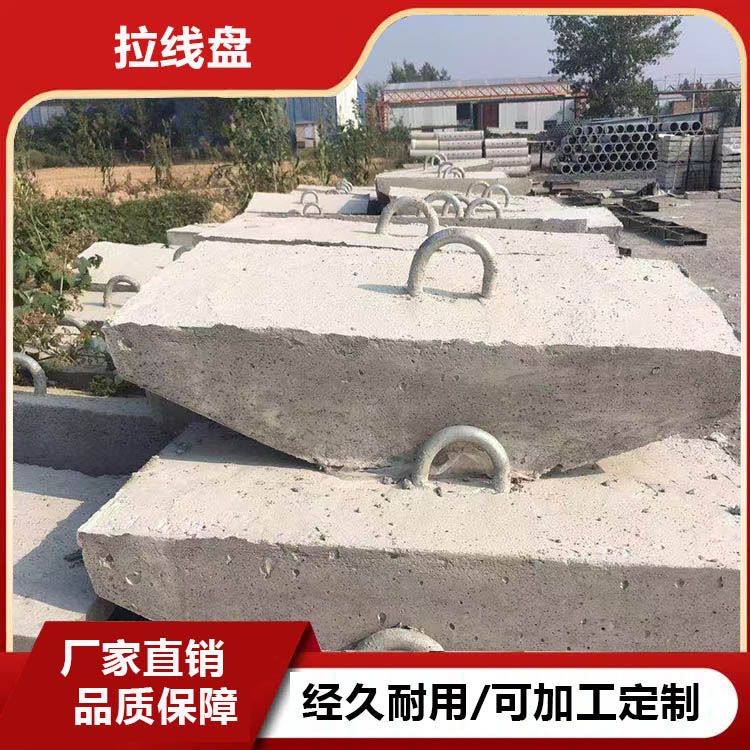
Tower structures used in transmission lines are mainly reinforced concrete poles and steel towers, categorized by their structural materials. They are divided into self-supporting towers and guyed towers based on maintaining overall structural stability. The structural forms of towers are diverse. From the transmission lines already constructed in our country, steel towers are commonly used in transmission lines with voltage levels above 110kV, while reinforced concrete poles are typically used for voltage levels below 66kV. The guy wires on towers are used to balance lateral loads and wire tensions, reducing bending moments at the tower base. The use of guy wires can decrease the consumption of tower materials and lower the cost of the line. Guyed towers are more commonly used on paths in flat terrain. The selection of tower type and shape should be calculated to meet electrical requirements while also considering the voltage level, circuit count, terrain, and geological conditions of the transmission line. Combined with the actual project conditions, a suitable tower type should be chosen, and the most economical and reasonable tower type should be ultimately selected through economic and technical comparisons.

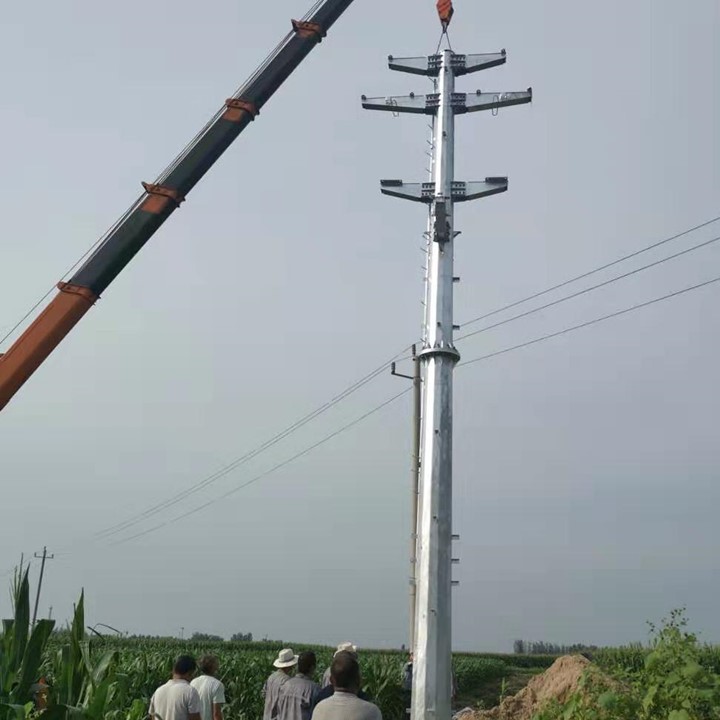
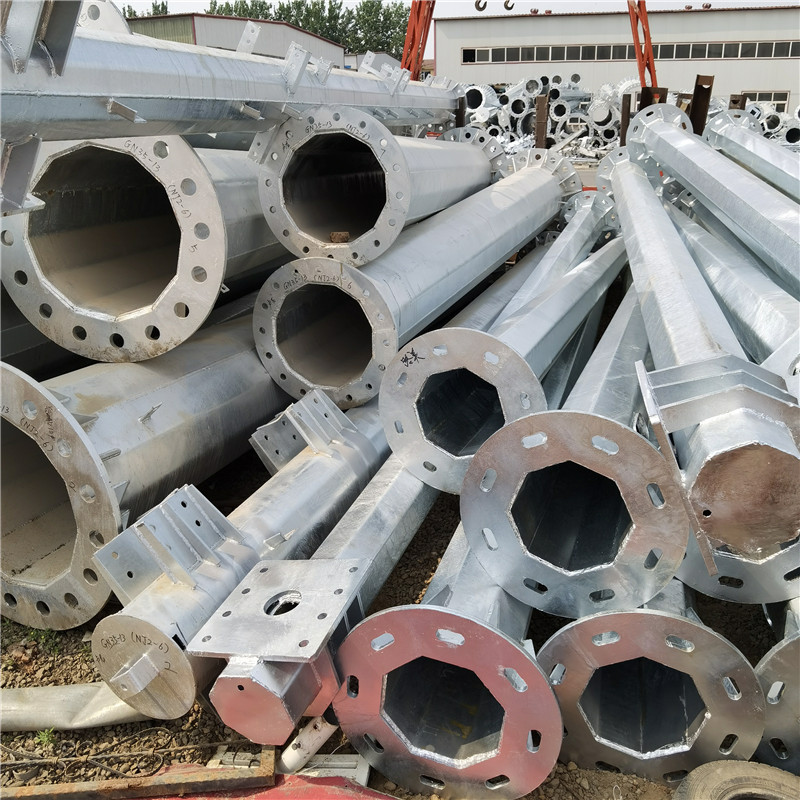
Steel Tower Structure
The entire tower is mainly composed of three major parts: the tower head, the tower body, and the tower legs. For guyed towers, an additional guyed section is included.
Tou Tai
The tower section changes abruptly upwards from the tower leg (forming a zigzag line). The portion above this change is the tower head. If there is no abrupt change in the section, the portion above the lower horizontal brace is considered the tower head.
Tower Leg
The section above the tower frame is called the tower leg.
Tower body
The section between the tower leg and the tower frame is called the tower body.