






Introduction to Steel Pipe Rod Structural Forms
With the rapid development of urban construction, the beautification of cities has continuously drawn high attention from all sectors. The planning around urban outskirts and tourist routes often recommends the use of steel tube poles for electrical line installation. Steel tube poles occupy less land and are aesthetically more pleasing compared to iron towers. Steel tube poles have not been newly adopted in recent years; they have been in use since the last century. The domestic design specifications for steel tube poles are the "Technical Specification for the Design of Steel Tube Poles for Overhead Transmission Lines" (DL/T5130-2001), which refers to the American standard "Design of Steel Transmission Pole Structures." The current American standard version is the 2011 edition. Our national steel tube pole specifications have not been revised for 15 years. In the upcoming lecture, I will introduce the calculation methods of the current American standard version.
This introduction provides a general overview of the shape and structural design of steel pipe poles, covering the pole shape, connection methods, and cross arm types.
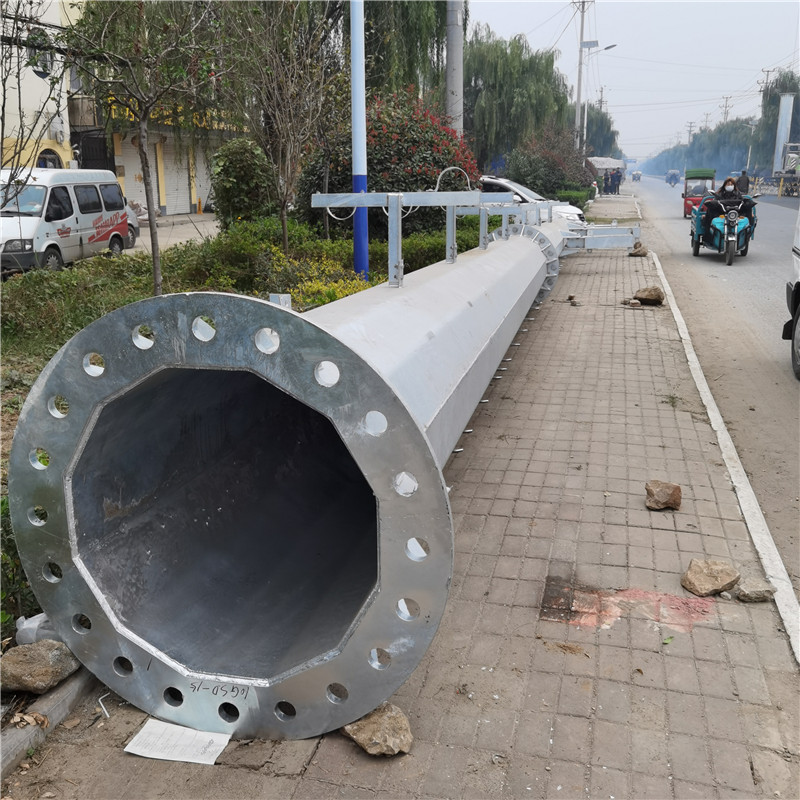
1. Currently, the cross-sectional shapes of steel pipe rods mainly include circular and polygonal (including square, hexagonal, octagonal, twelvelateral, and sixteen-sided shapes). The common shapes are the twelvelateral and sixteen-sided ones. The cross-sectional shapes of steel pipe rods are primarily determined based on the overall aesthetic of the polygonal edge lengths after the pipe is made.
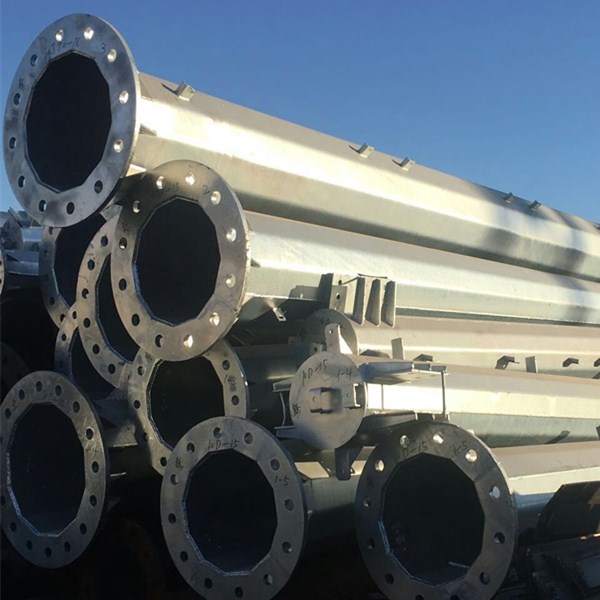
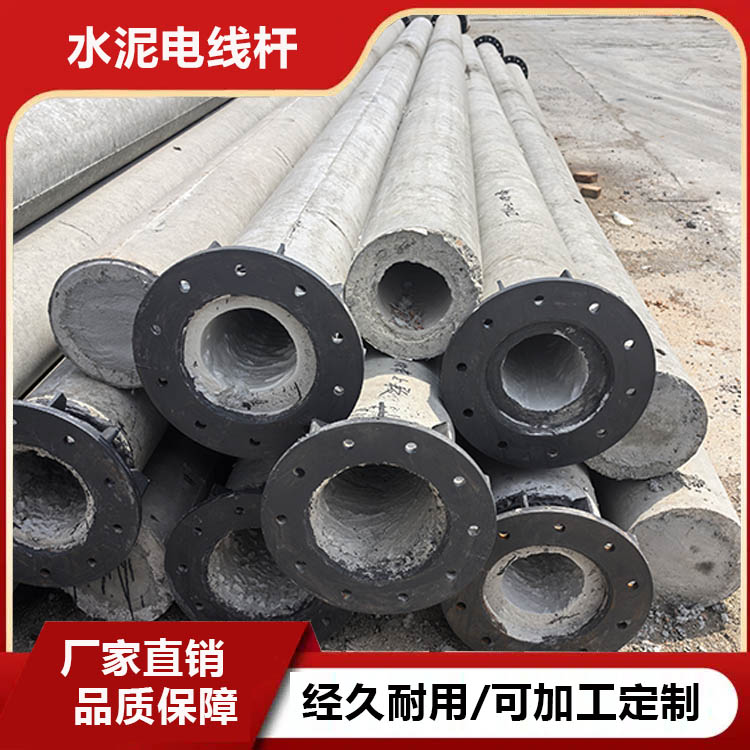
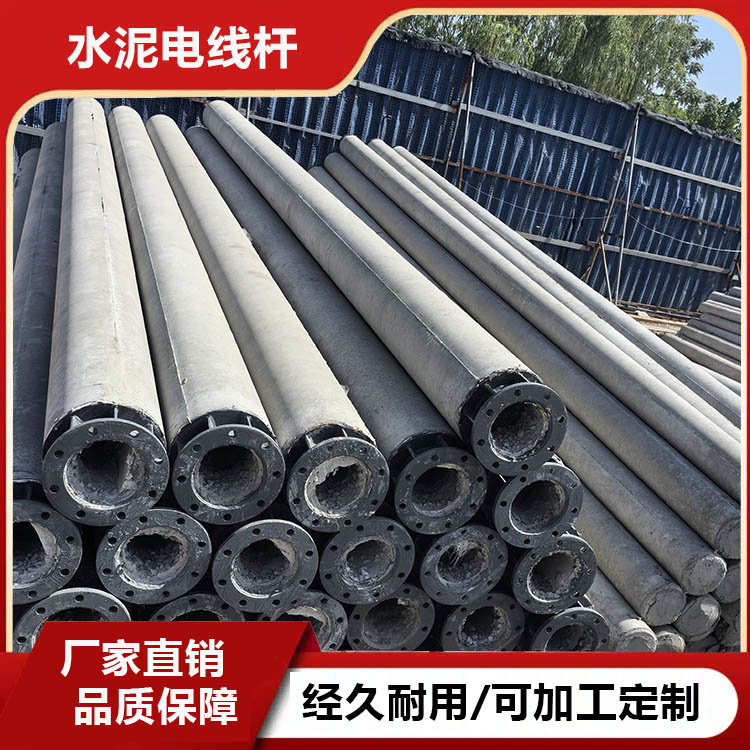
2. The main connection methods for the main steel pipe poles are welding, sleeve, and flange connections. Welding is not recommended due to the inability to control on-site operations and the quality of the welds. Based on past engineering operation experience, sleeve connections often result in uneven deformation at the joints, leading to significant deflection.法兰 connections have not shown such issues, and using flange connections requires less material when only the net weight of the flange is considered. Therefore, it is recommended to use flange connections for the main steel pipe pole joints.
3. The cross arm structures are mainly in straight or arched shapes (some units refer to them as swallow-tail shapes). The cross arm cross-sectional types can be divided into tubular and non-tubular styles (with box-type cross arms being predominantly used). The connection between the cross arm and the main pole is categorized based on the cross-sectional type: tubular cross arms are connected to the main pole using traverse or flange connections, while non-tubular cross arms are connected using reinforced plate bolt connections; the former involves a more complex process and significantly weakens the pole, making it difficult to control residual stresses after welding, whereas the latter has a more widespread application history in China at this stage.
4. Steel pipe rods are currently available in single rod and double rod configurations, with the single rod form being the most common.
Some structural requirements in steel pipe rod design:
1. The main pole is usually segmented into sections of 6 to 10 meters, with 8 meters typically being the midpoint, adding or subtracting as needed.
2. The top of the rod should be welded with a cover plate for sealing.
3. Steel pipe rods should be equipped with installation吊points.
4. Steel pipe poles and crossarms should be equipped with climbing facilities.
Other construction requirements are detailed in the relevant specifications.