









.jpg)
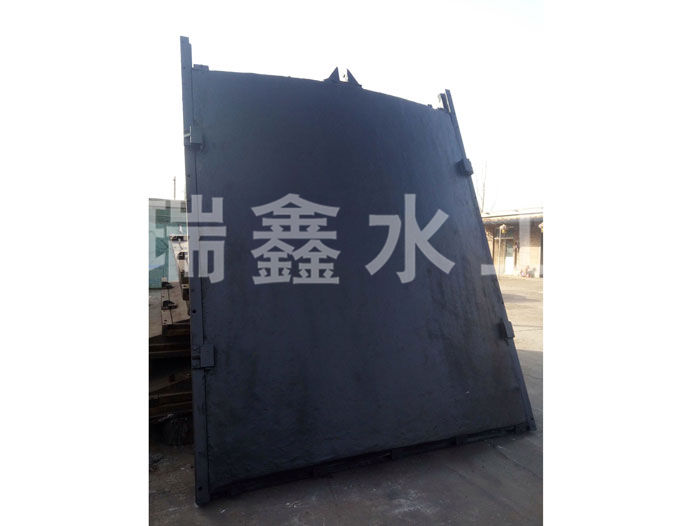
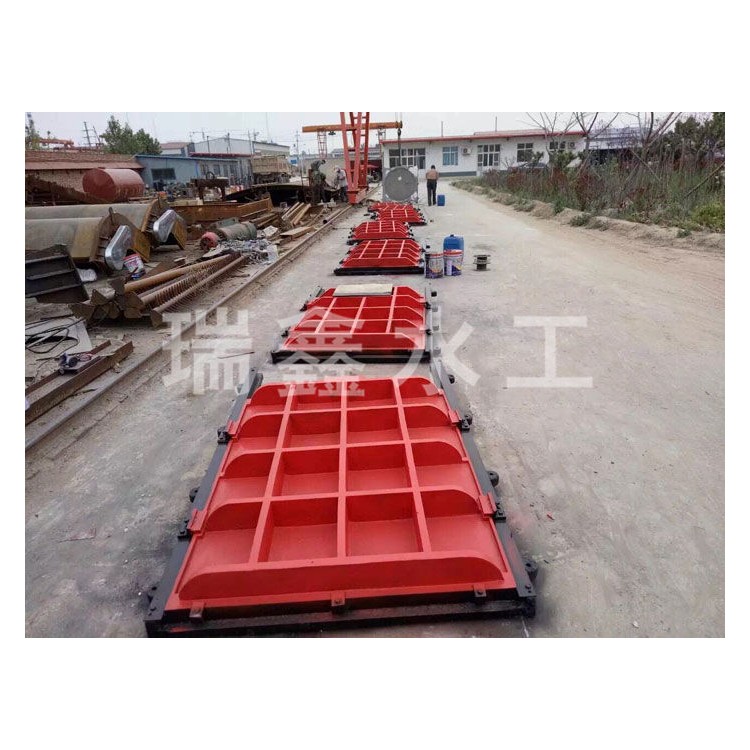
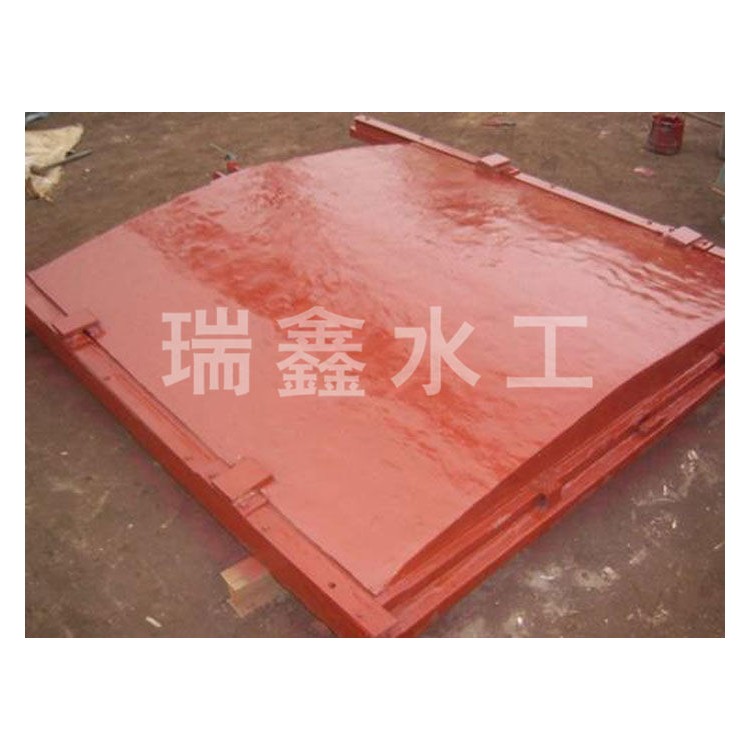
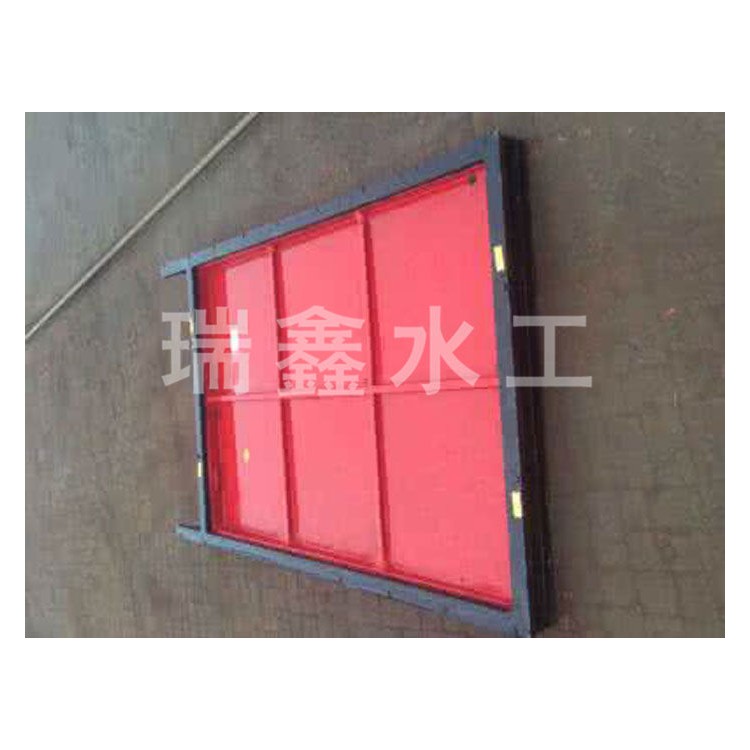
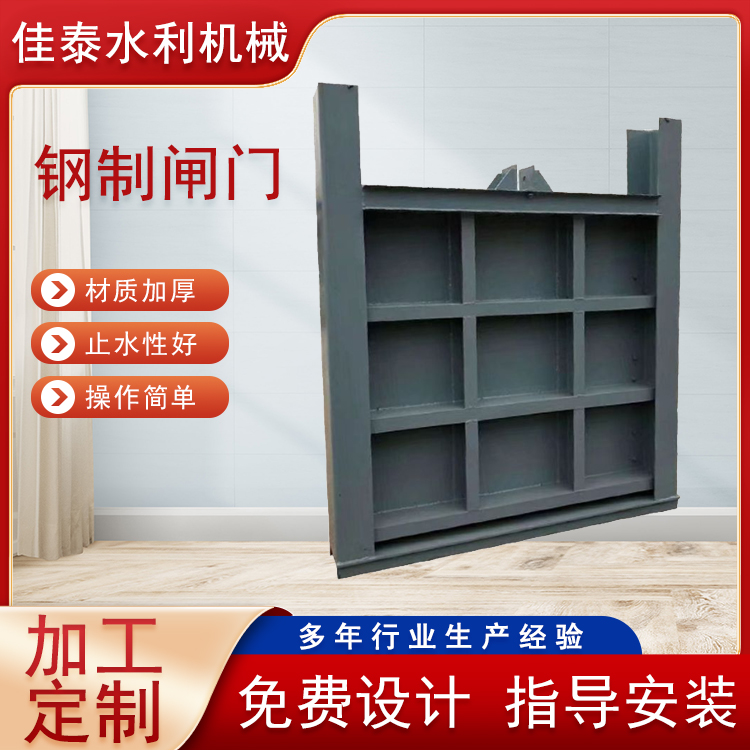
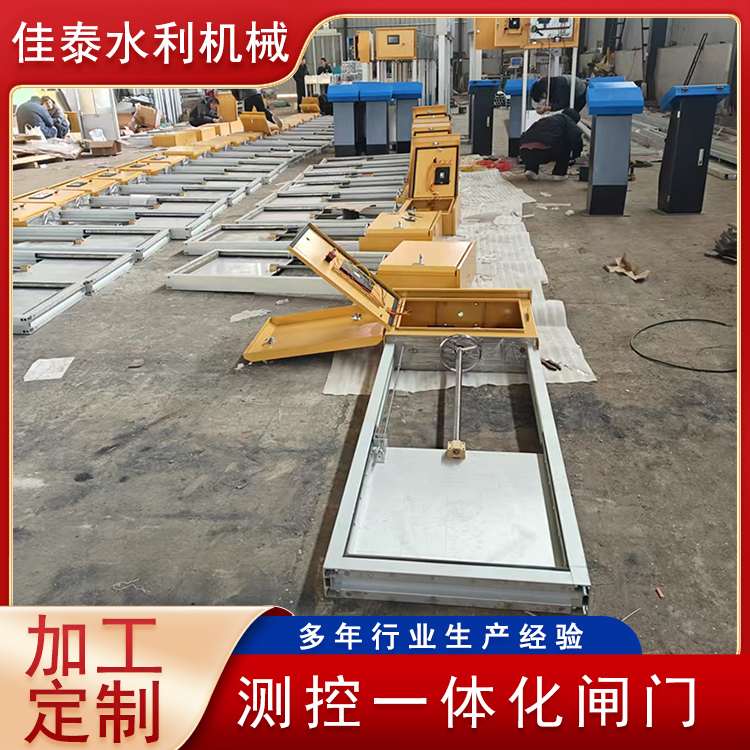
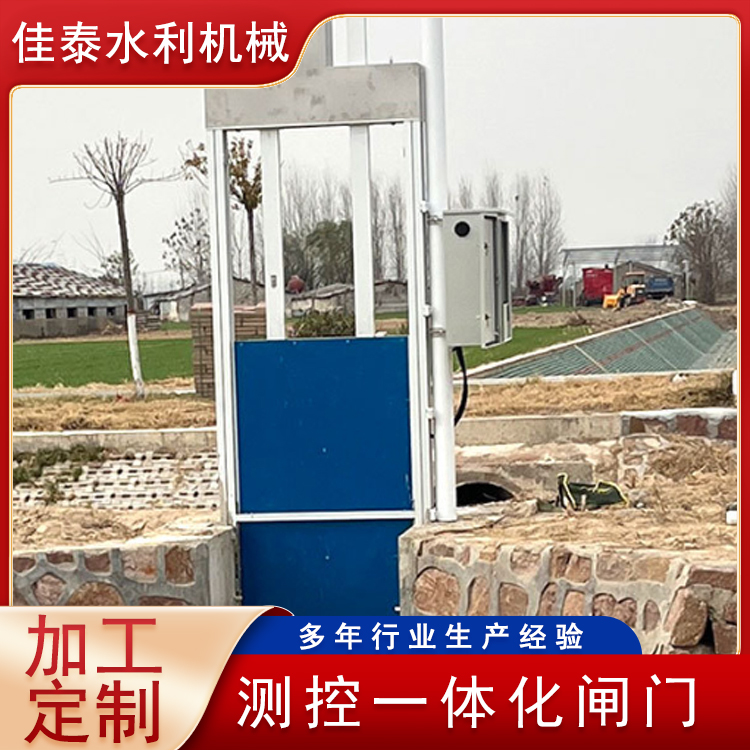
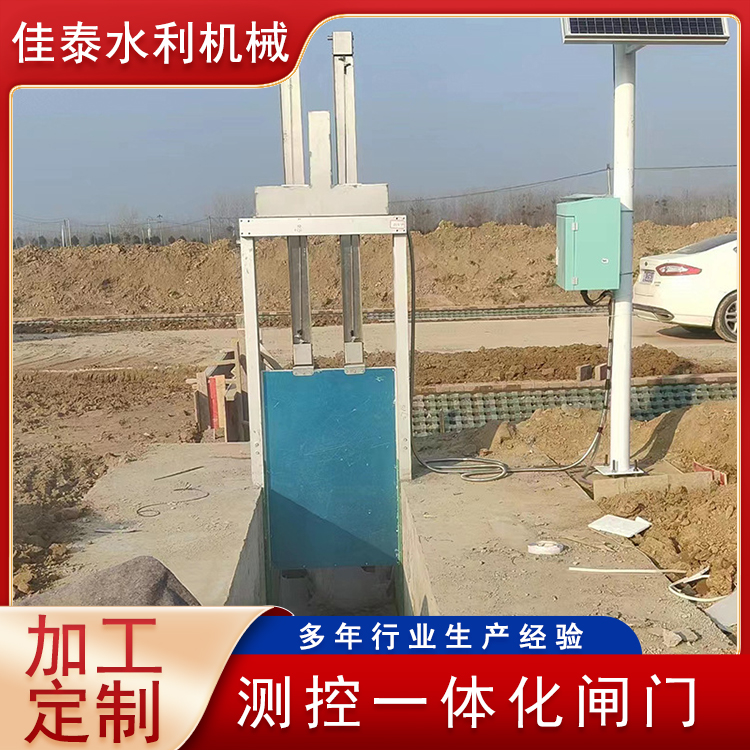
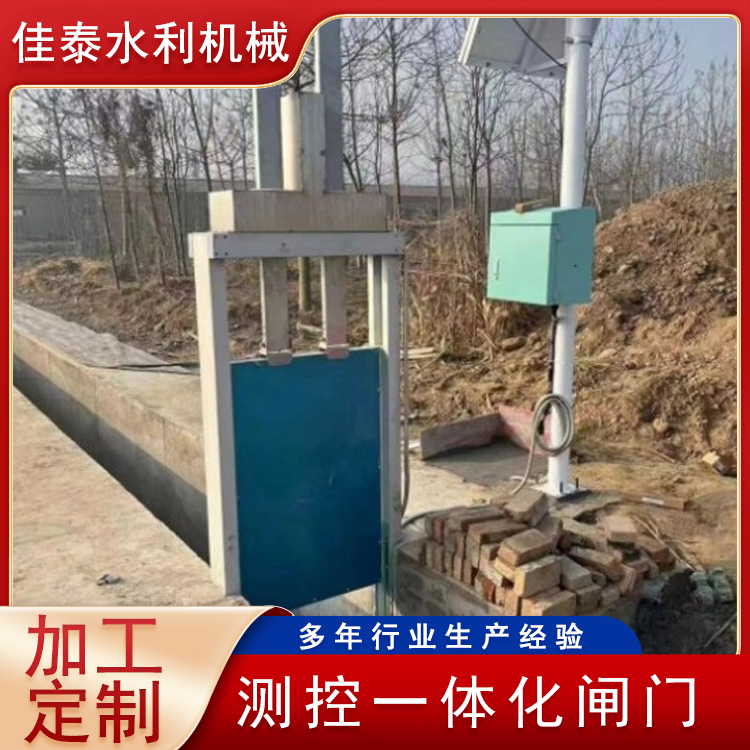
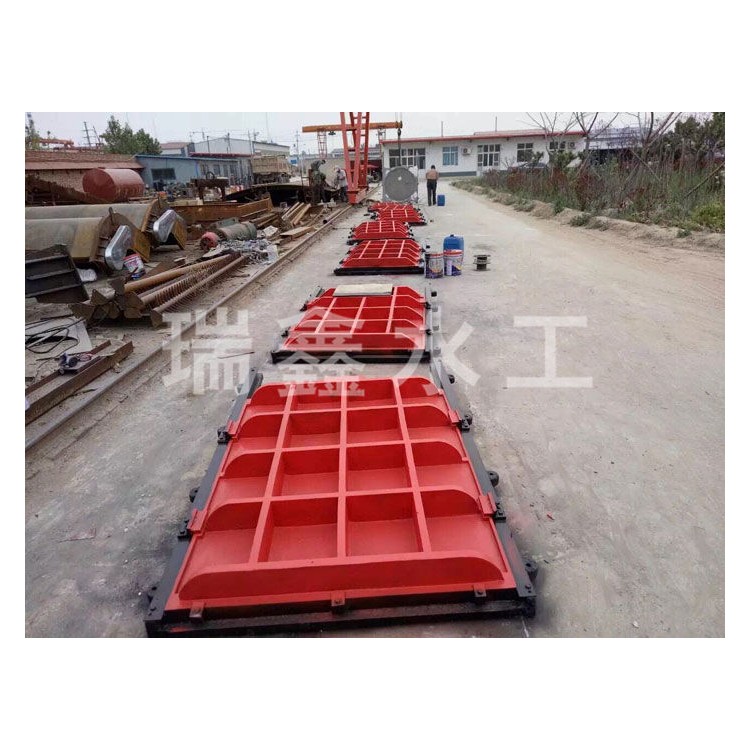
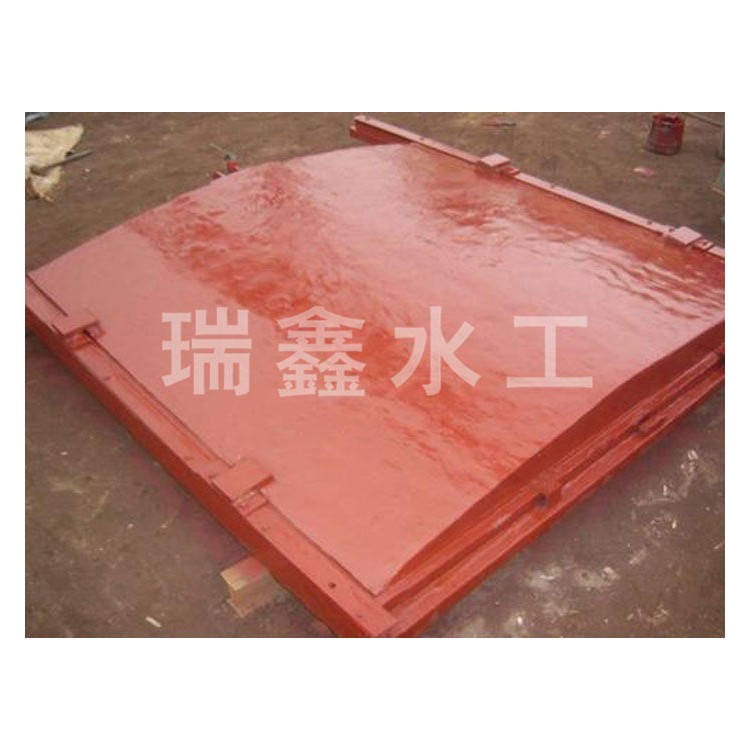
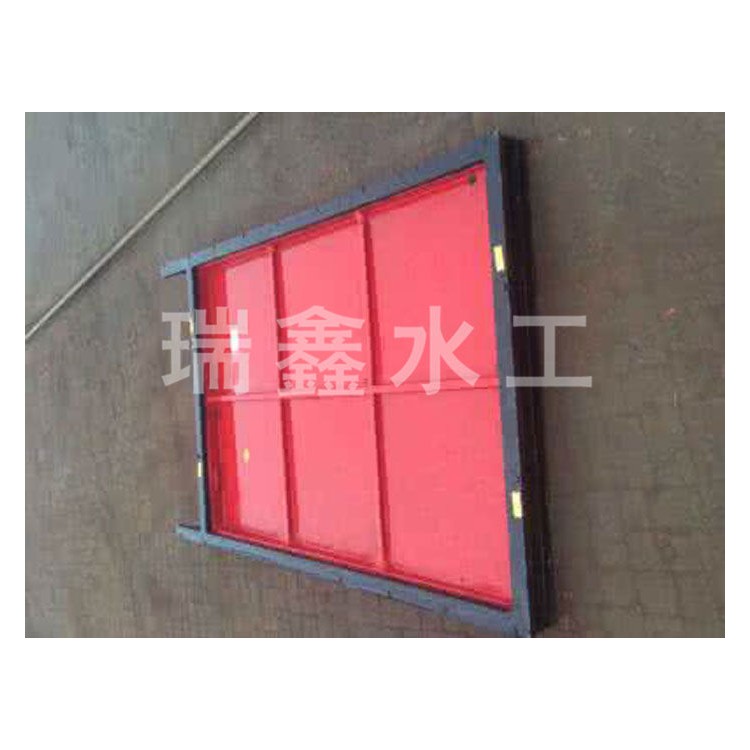
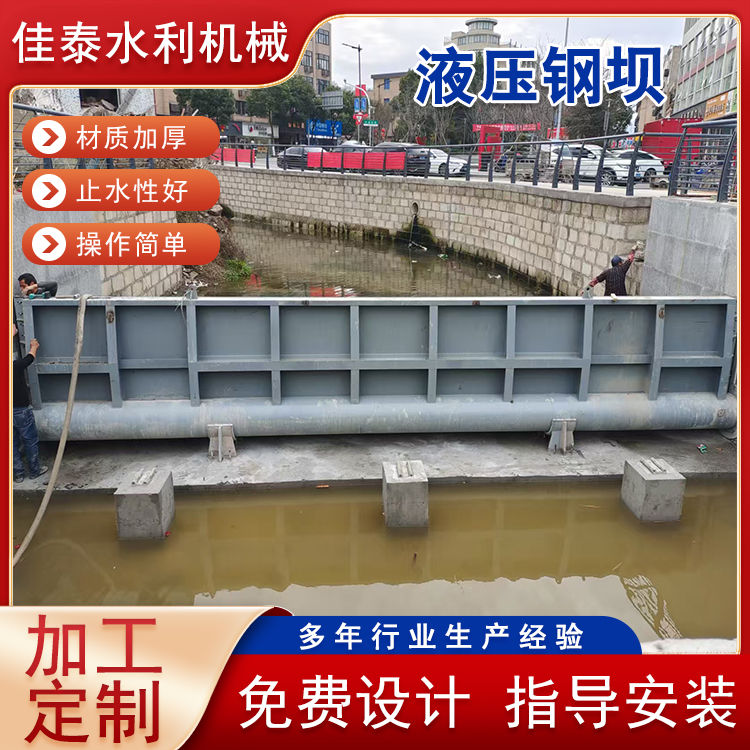
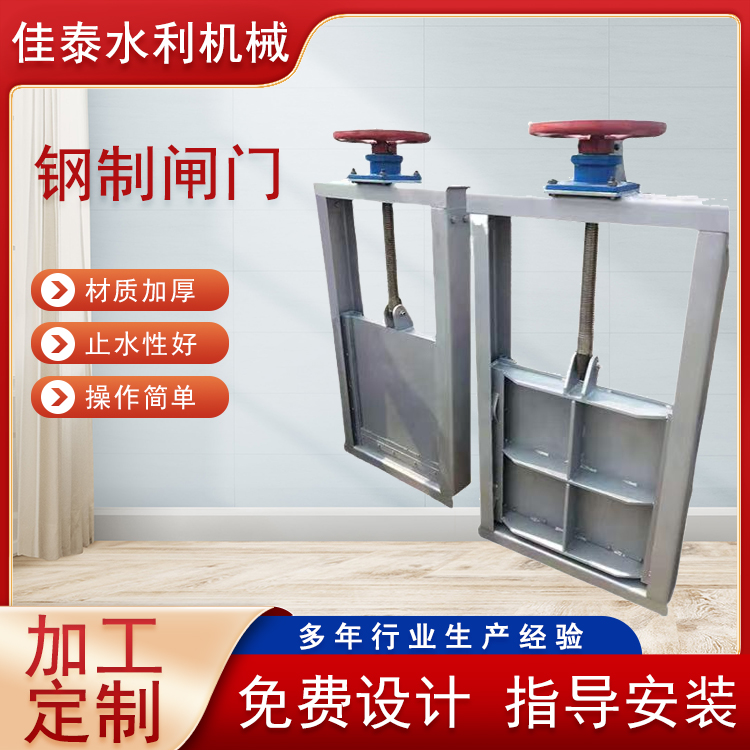
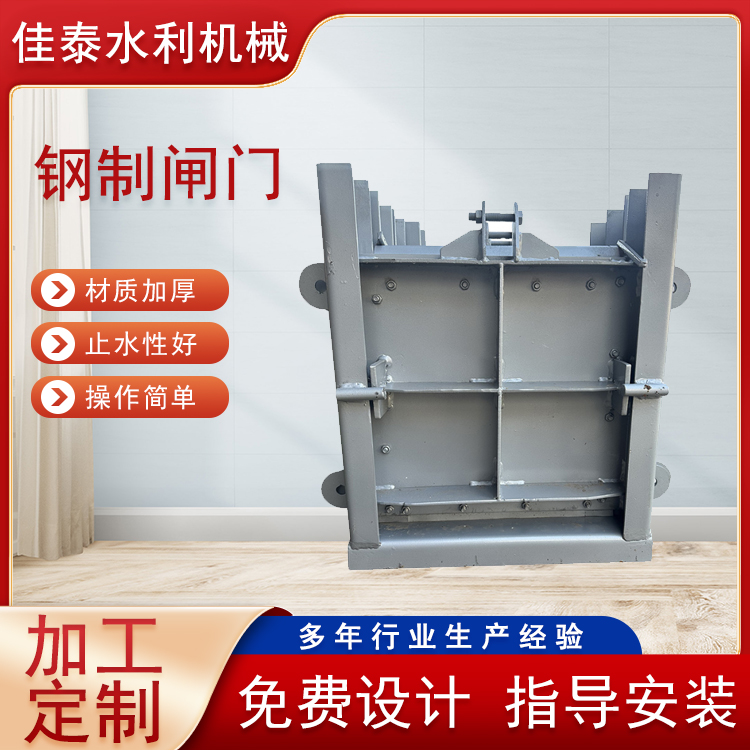
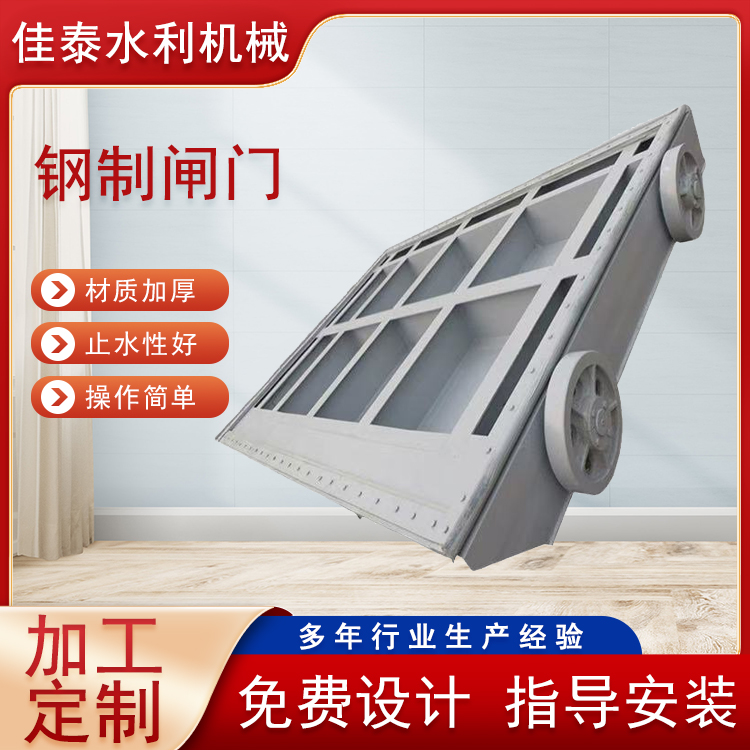
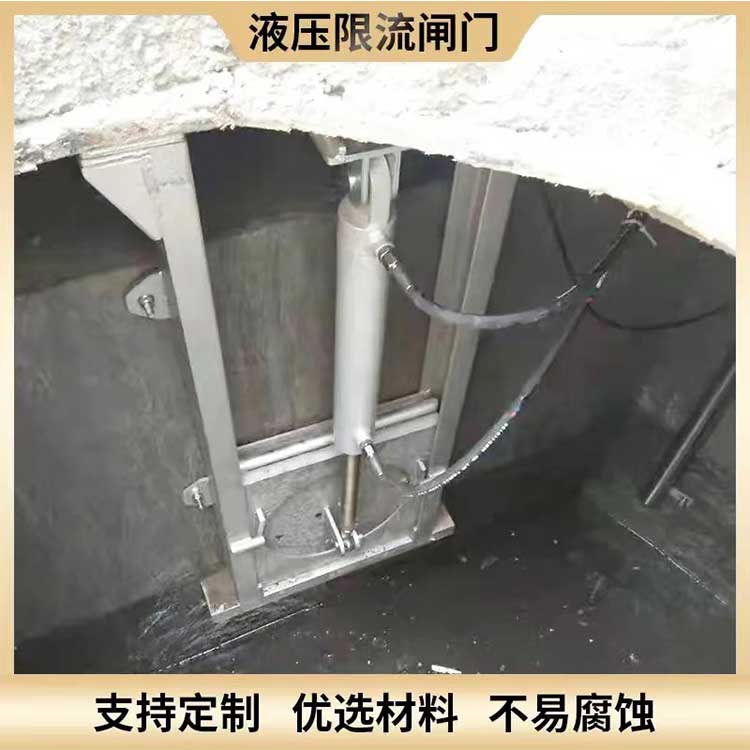
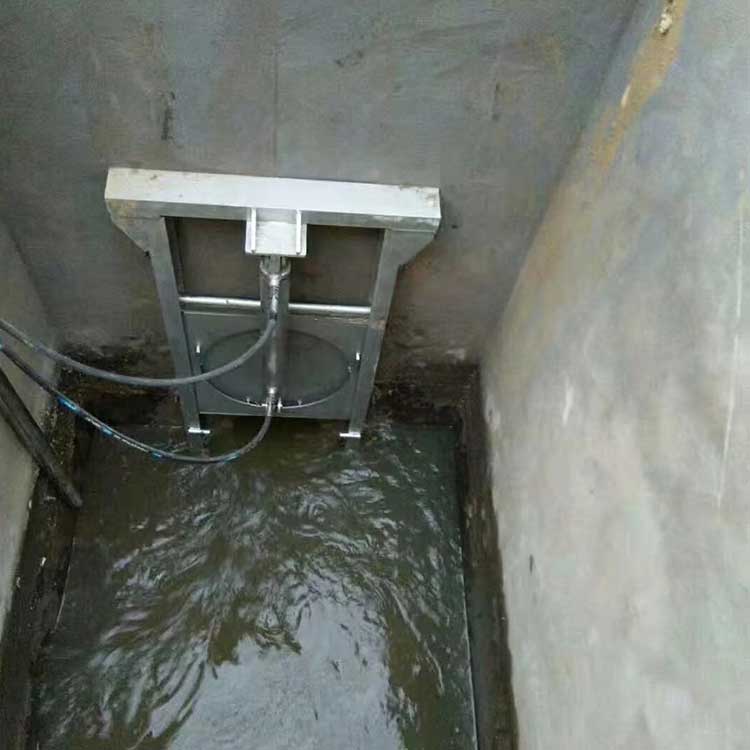
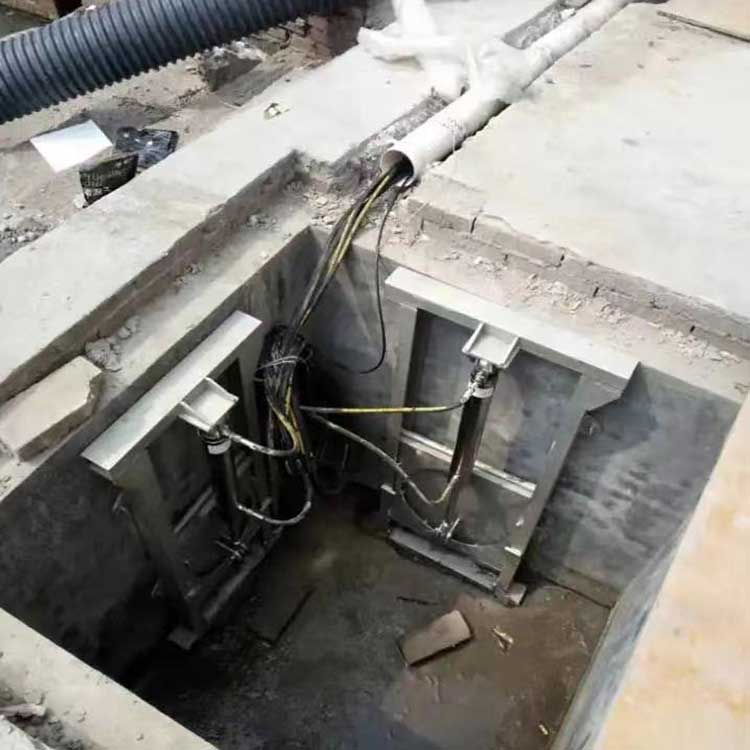
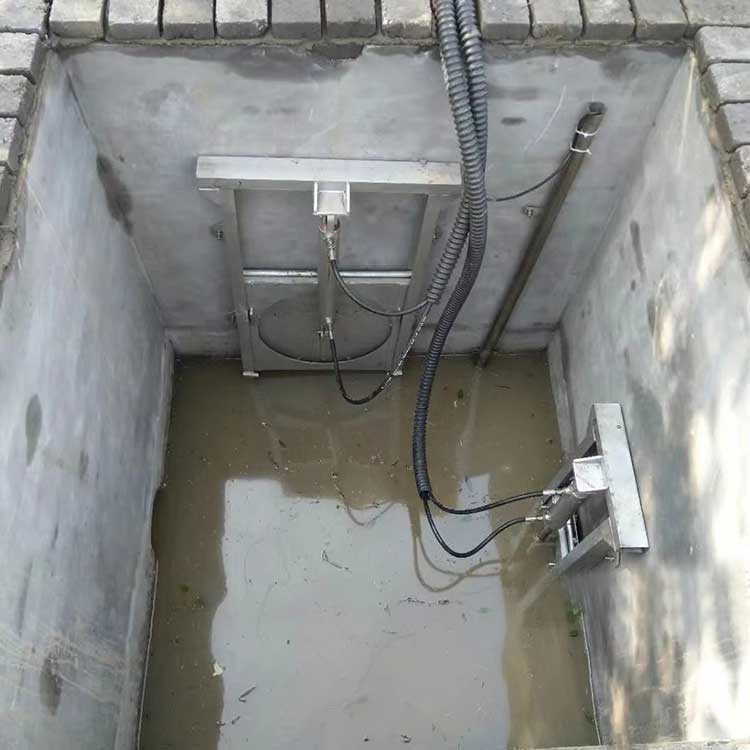
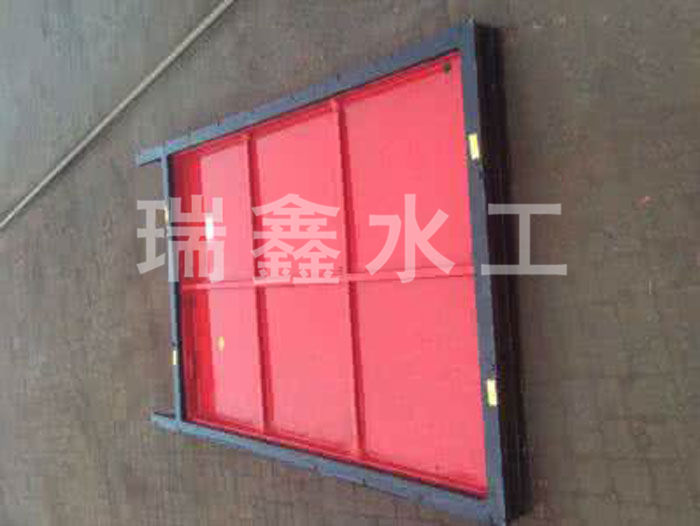
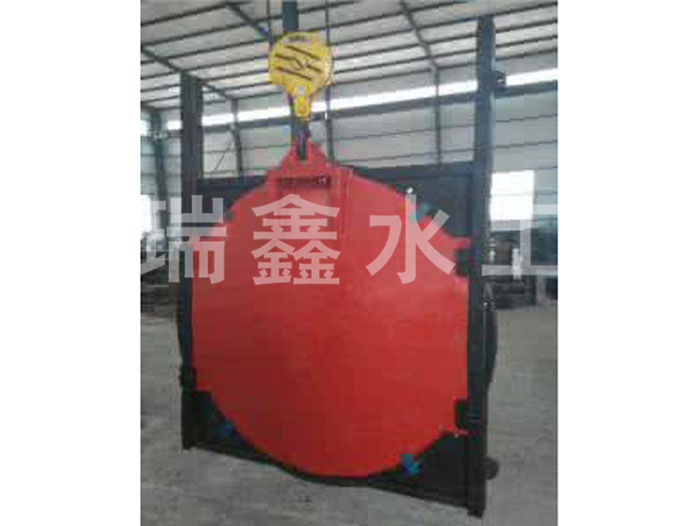
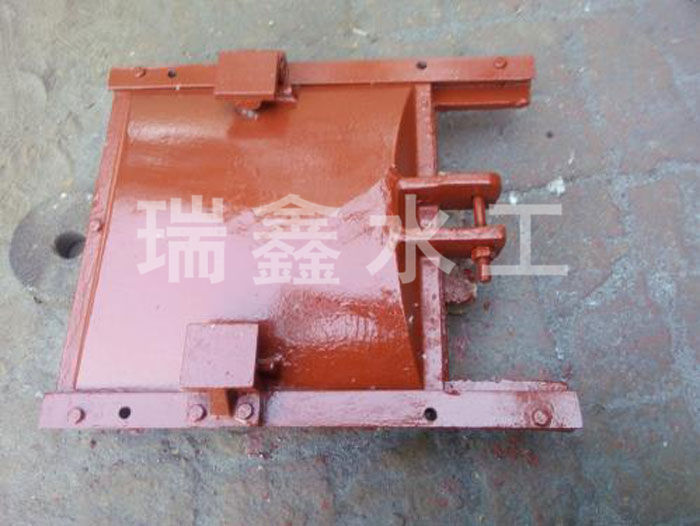
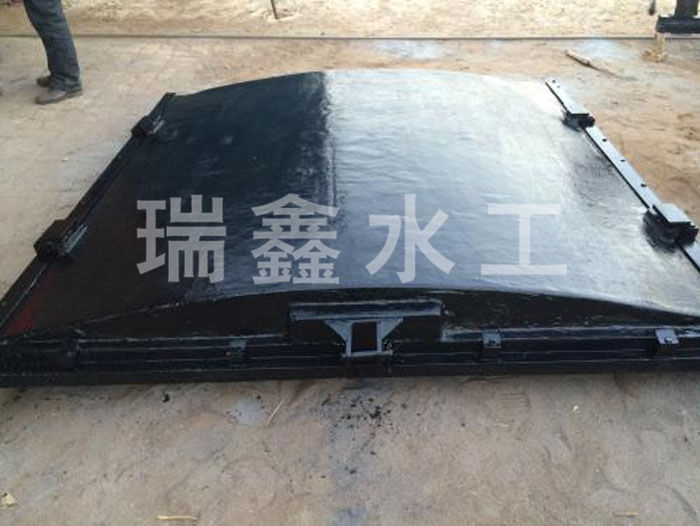
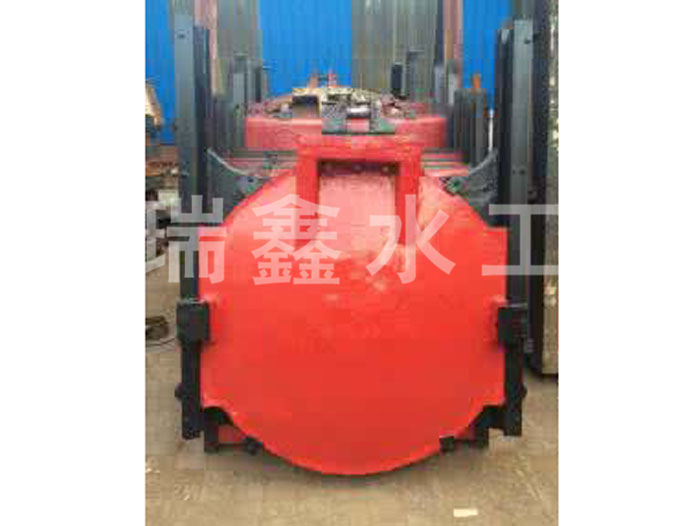
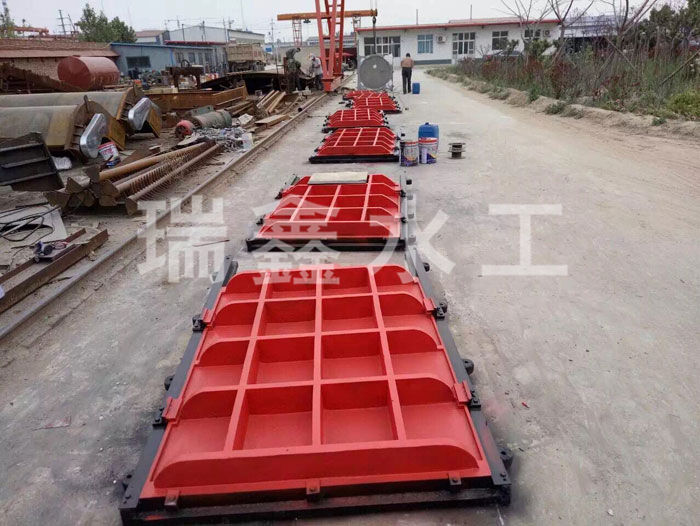
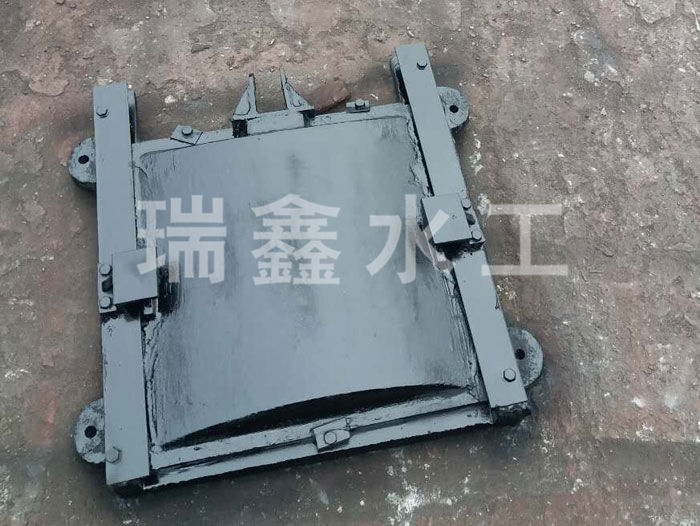
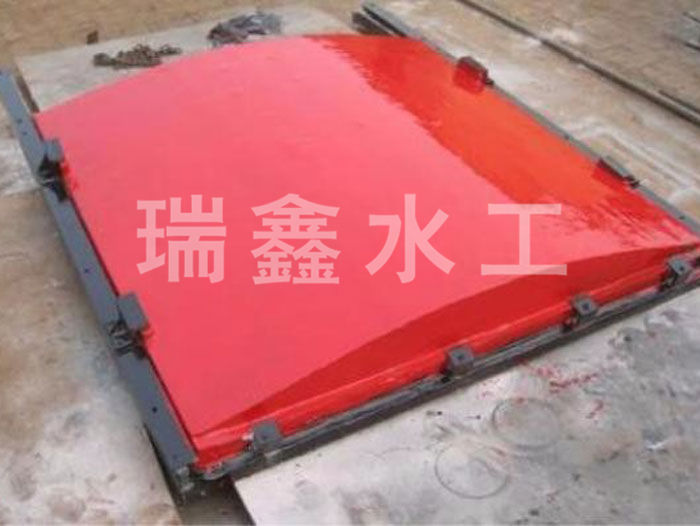
Cast iron sluice gates are produced from cast iron, featuring corrosion resistance, suitable for use in fluids with a pH range of 6-8, excellent water-sealing performance, easy installation, and long service life. They offer both single and double water-sealing options, with water-sealing achieved through precision finishing, or by using copper or stainless steel inserts. Available specifications include: flat plate cast iron sluice gates, curved plate cast iron sluice gates, hand-cranked cast iron sluice gates, integrated machinery sluice gates, enclosed cast iron sluice gates, modular cast iron sluice gates, flap gates, full-fold flap gates (available in square and round designs), tidal gates (used as one-way valves at drainage pipe outlets, featuring automatic closure to prevent river and tidal backflow), and high head submerged copper water-sealing high-pressure gates (suitable for deep water tunnels, can be installed at an angle for slanting use, with water-sealing achieved through copper plates).
Feature Description
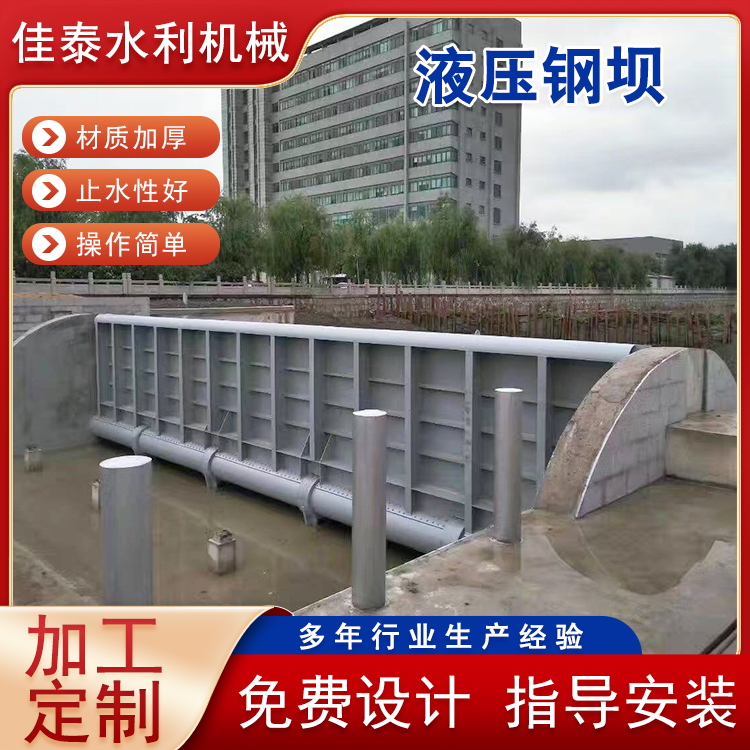
(1) Divided according to the relative position of the gate top to the horizontal plane. Mainly includes overhead gates and submersible gates. (2) Divided according to the nature of work. Mainly includes operating gates, emergency gates, and maintenance gates. (3) Divided according to the gate opening and closing method. Mainly includes gates operated by mechanical means and hydraulic automatic gates that control opening and closing based on the change in water pressure on the gate due to water level fluctuations. (5) Divided according to different support forms of the gate leaf. Mainly includes fixed-wheel supported gates, hinge-supported gates, gate supported by sliding channels, chain-wheel gates, roller chain gates, round roller gates, etc.
Instructions for Use
Prior to gate installation, first check if the bolts at all connection points have become loose during transportation and handling. If loose, they should be tightened.
2. Check if there's misalignment on the stopper at the connection between the main frame and cross frame; if misaligned, loosen the connecting bolts and adjust the stopper to be on the same plane.
3. The gate installation should be done in a whole-set positioning method, prohibiting the installation of the gate frame and gate leaf separately to prevent deformation of the gate frame.
4. Prior to the second phase pouring, after the gate is lifted and properly positioned, ensure the correct front-to-back and left-to-right alignment. Then, adjust the bolts and securely weld them with the engineering reinforcement steel.
5. Prior to shipment, to ensure a tighter fit between the gate leaf and frame, reducing gaps after installation, pressure plates and clamping irons are installed on the horizontal frames of gates over 2 meters in height. Additional top screws are added to the inclined iron of the upright frame. Note that after adjusting the gaps, remove the top screws from the clamping irons and inclined iron to facilitate the opening and closing of the gate.
6. During concrete pouring, any mortar that seeps into gaps between the gate, gate frame, slanted iron, and挡板 should be cleared to prevent it from solidifying and affecting the opening and closing. Due to varying production batches and specific models of the product, the above images are for reference only. For details, please contact our sales personnel for specific verification.