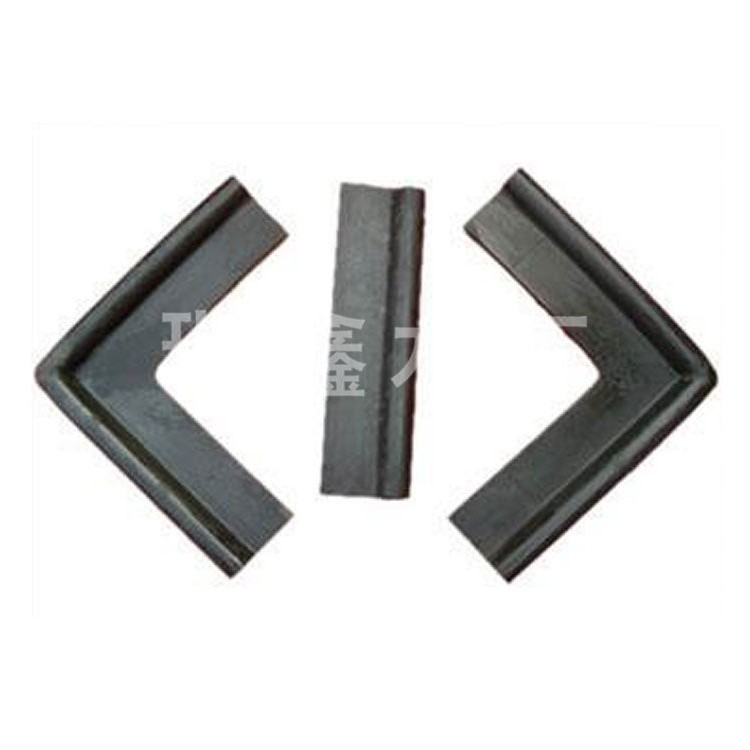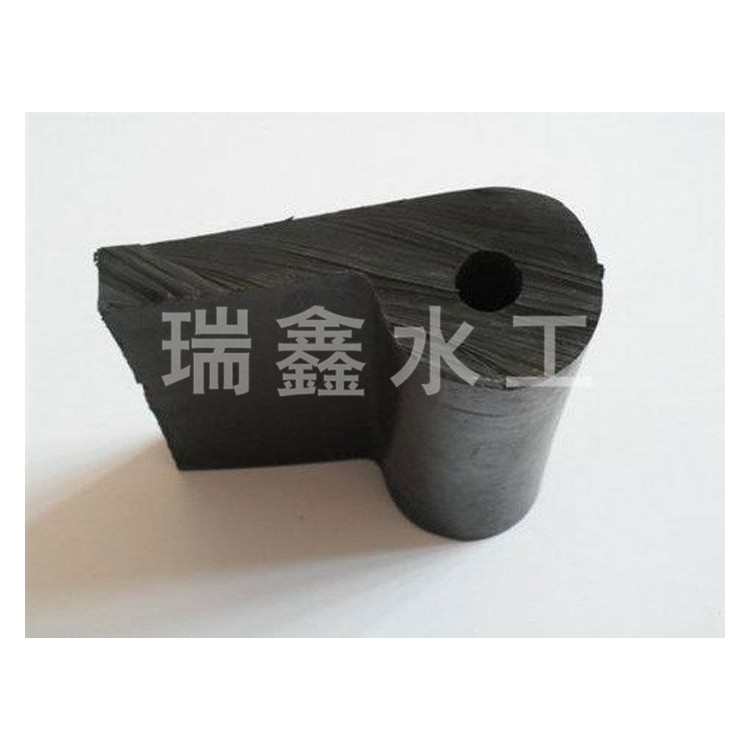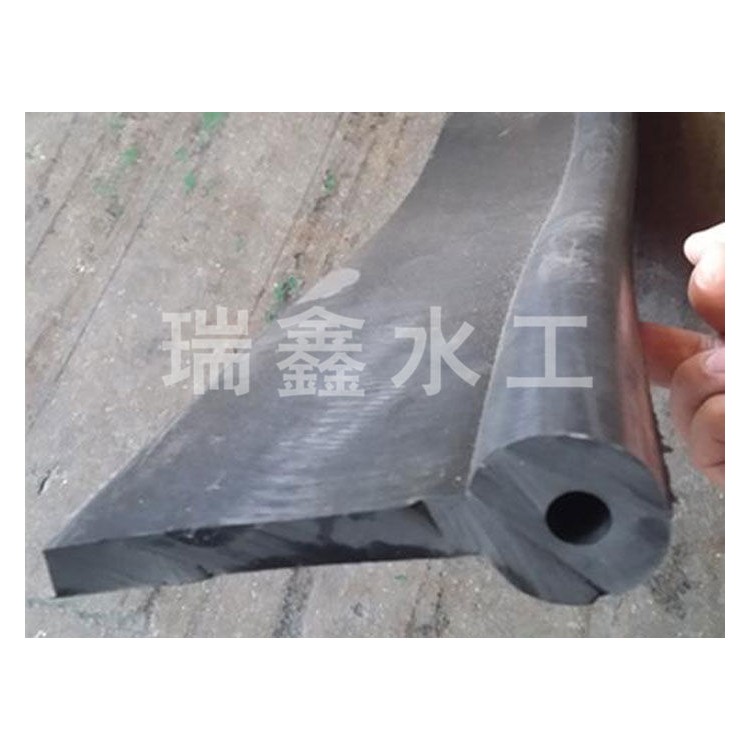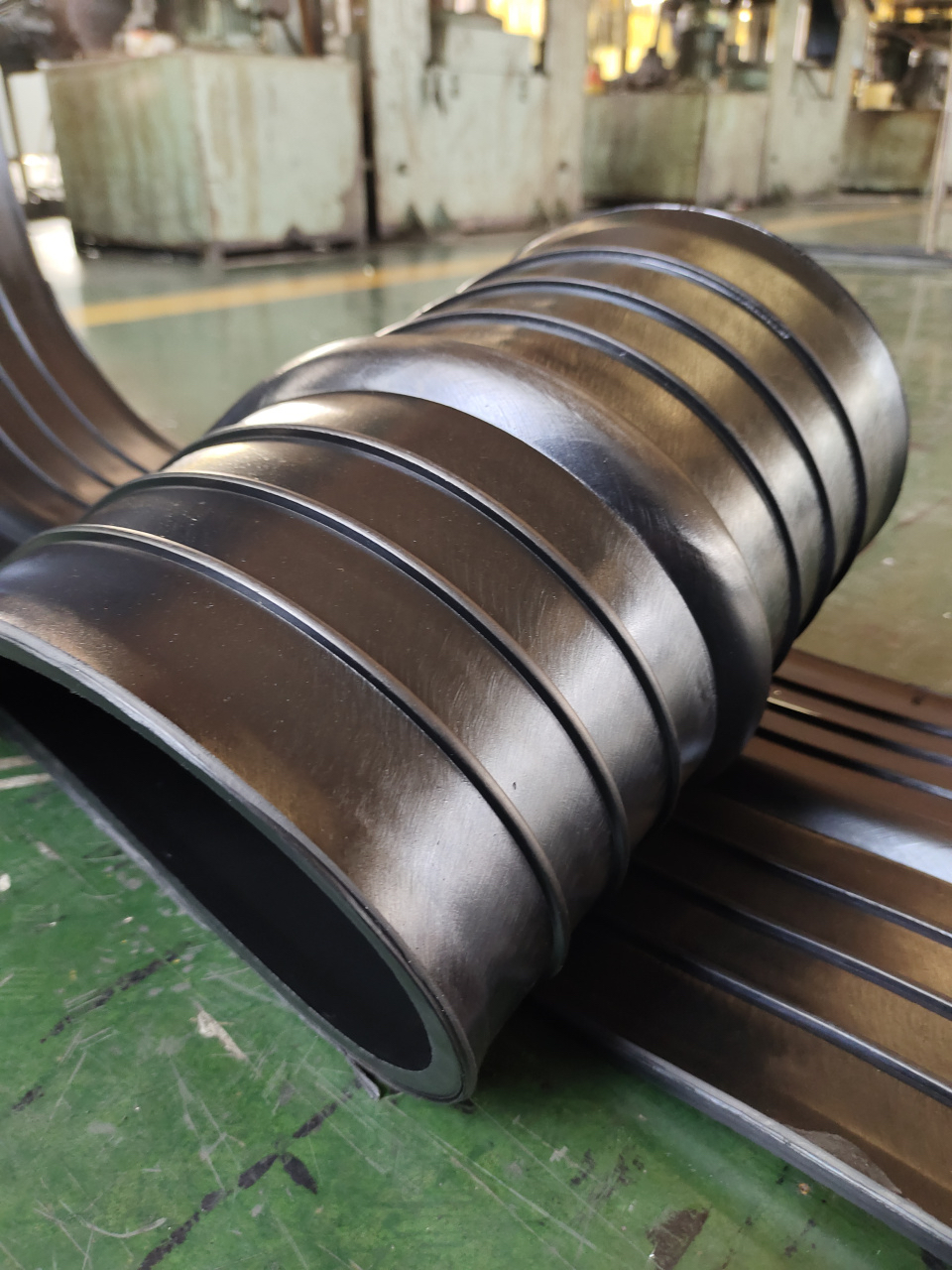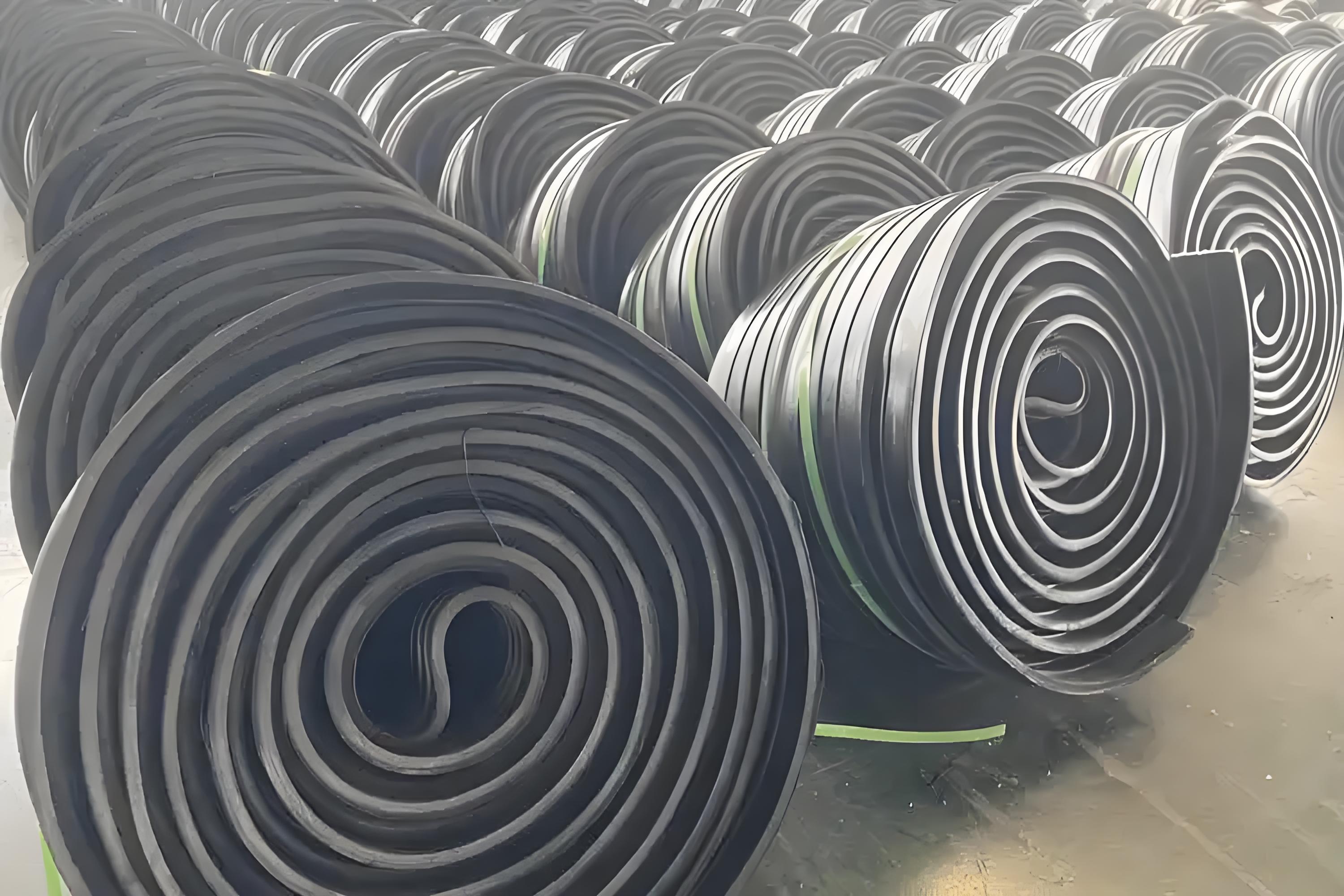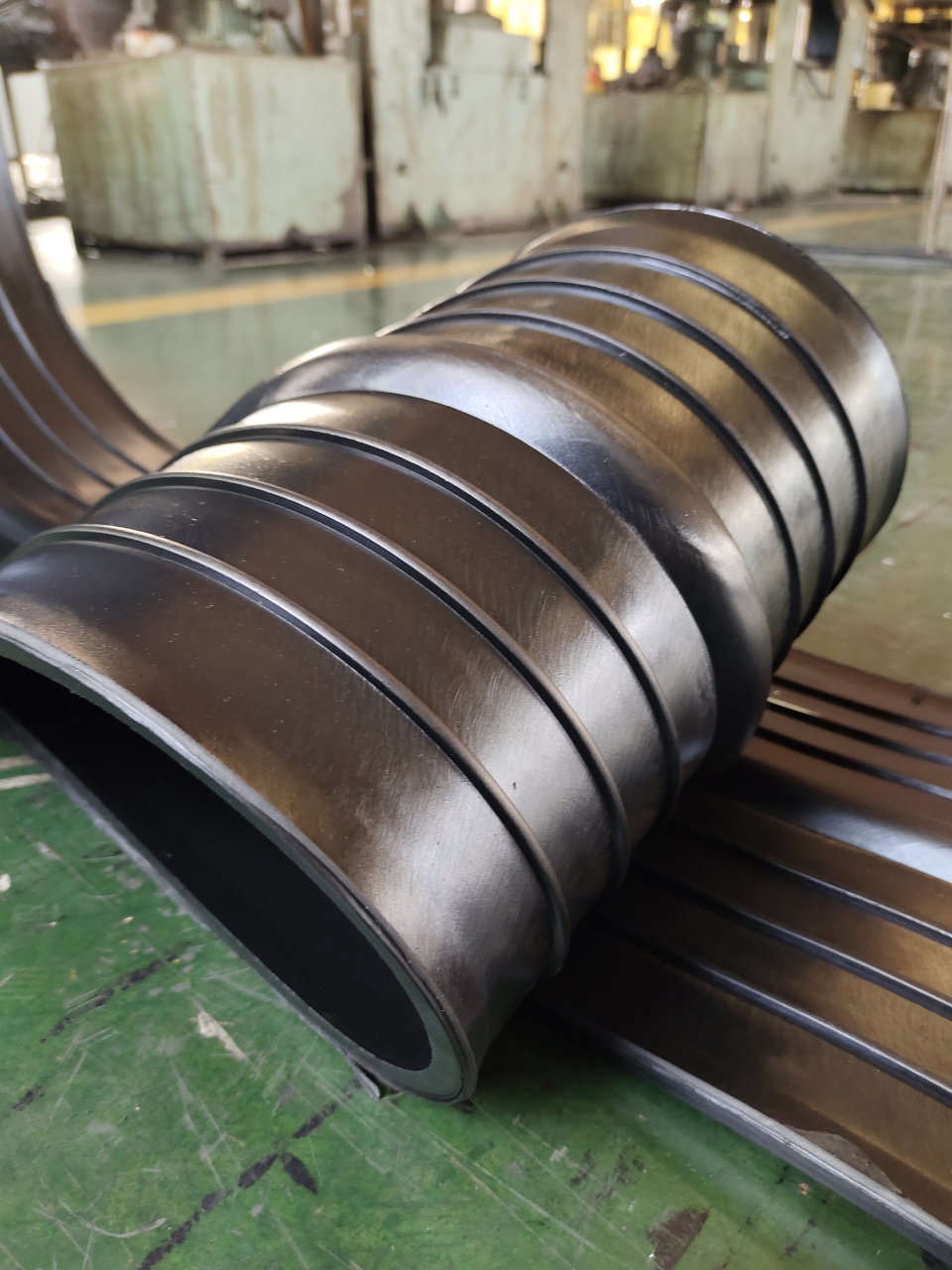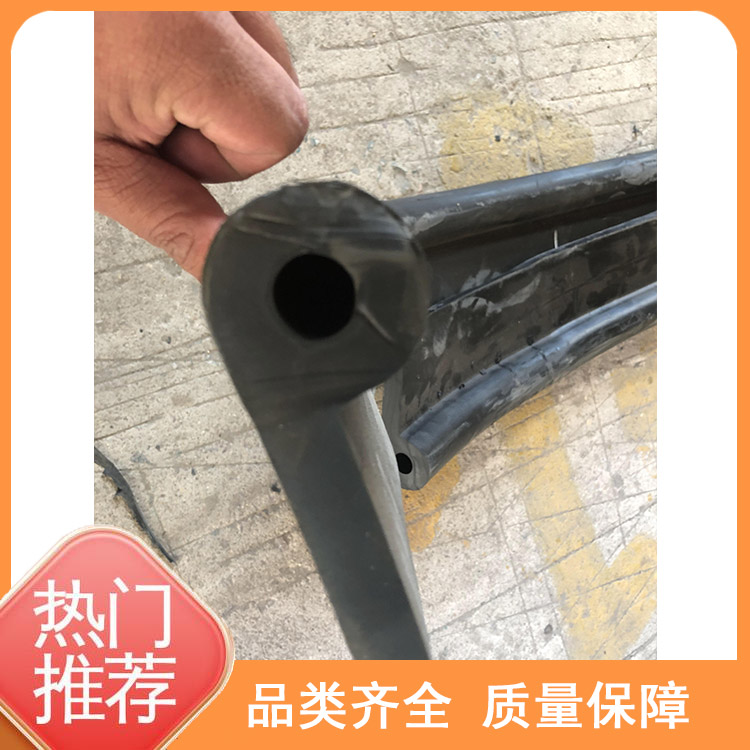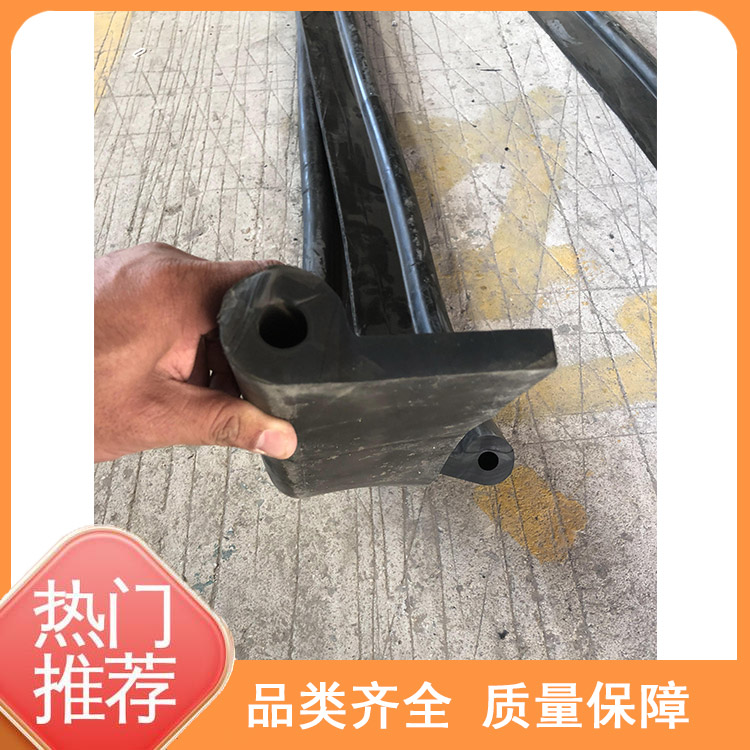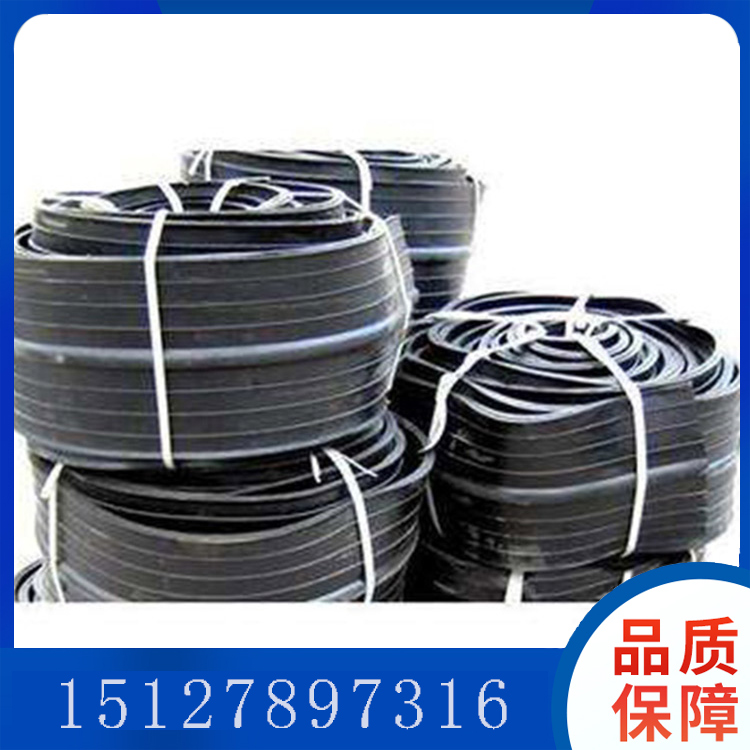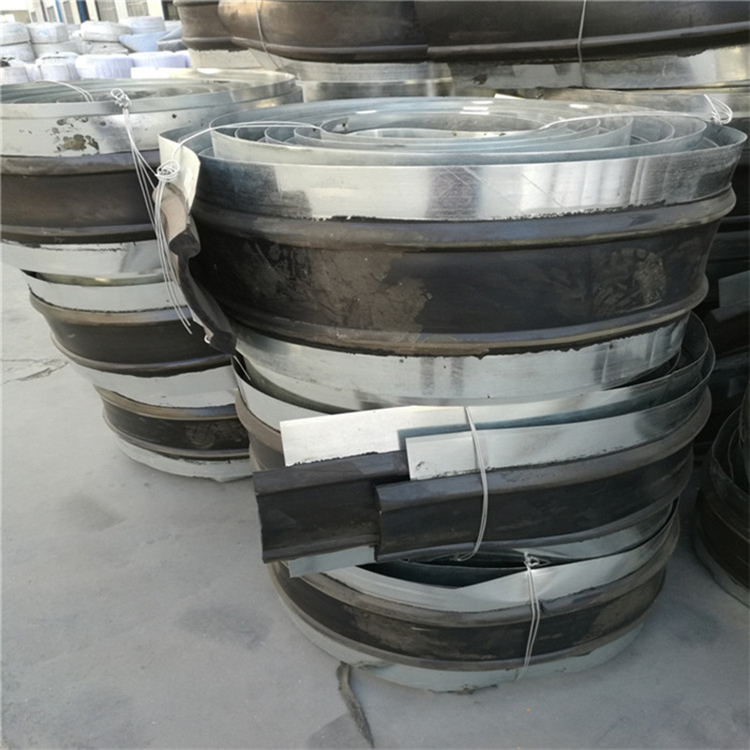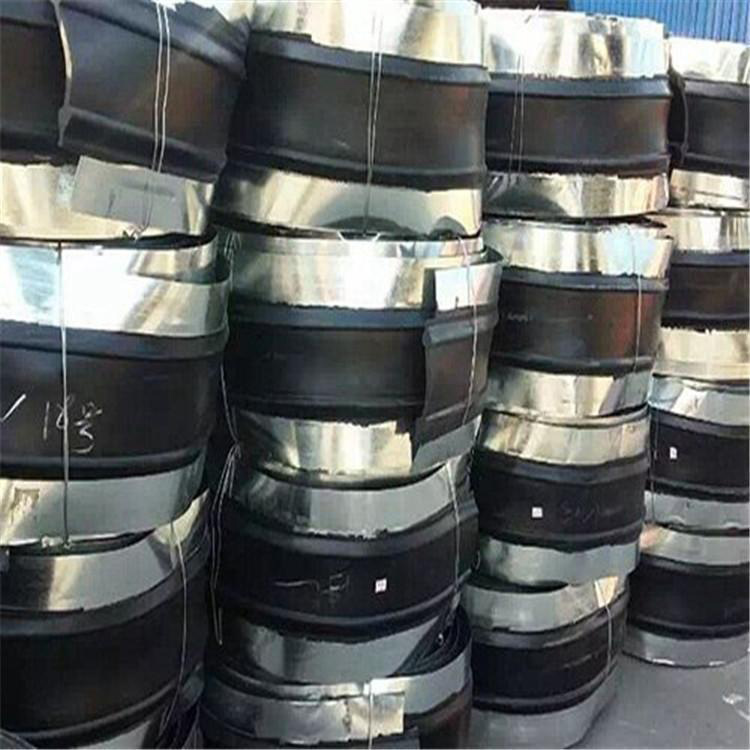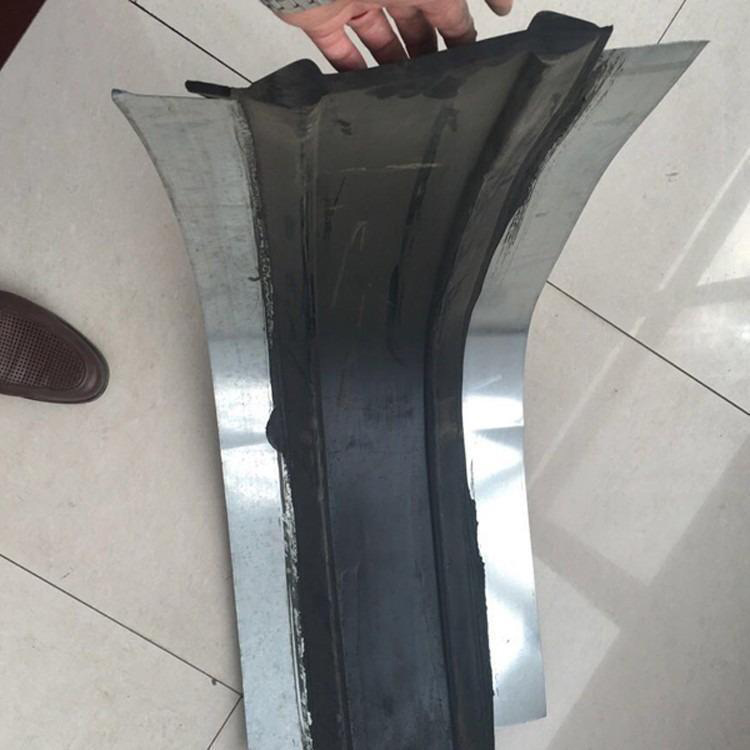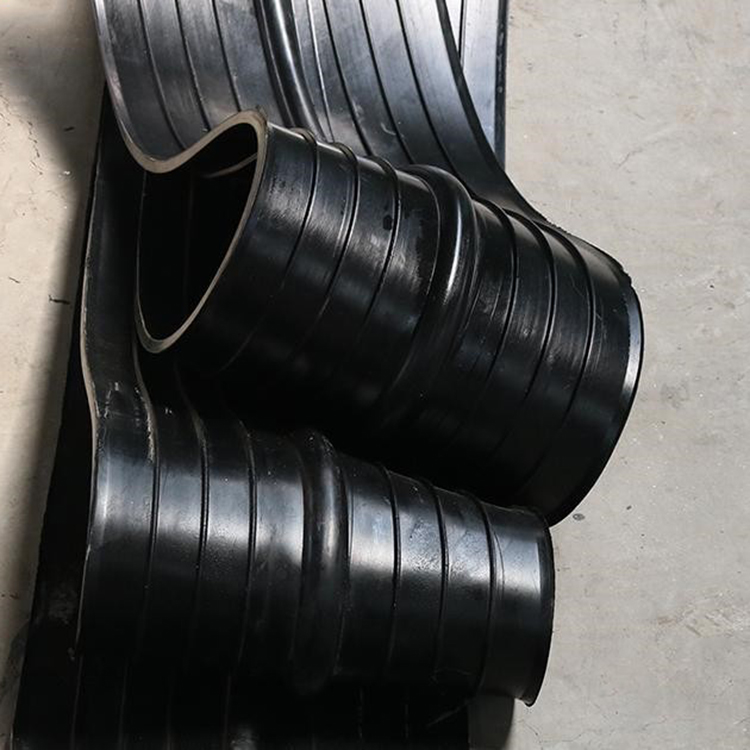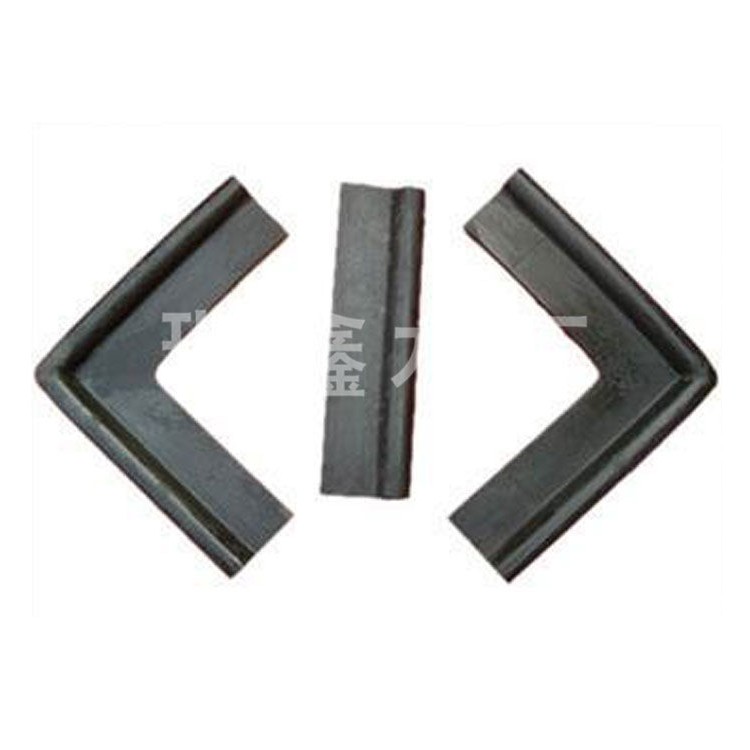

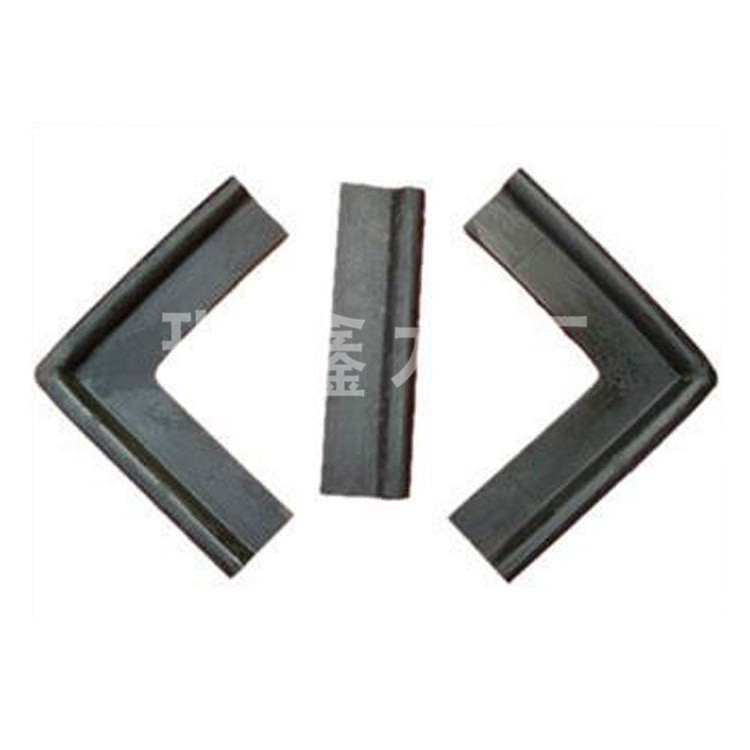

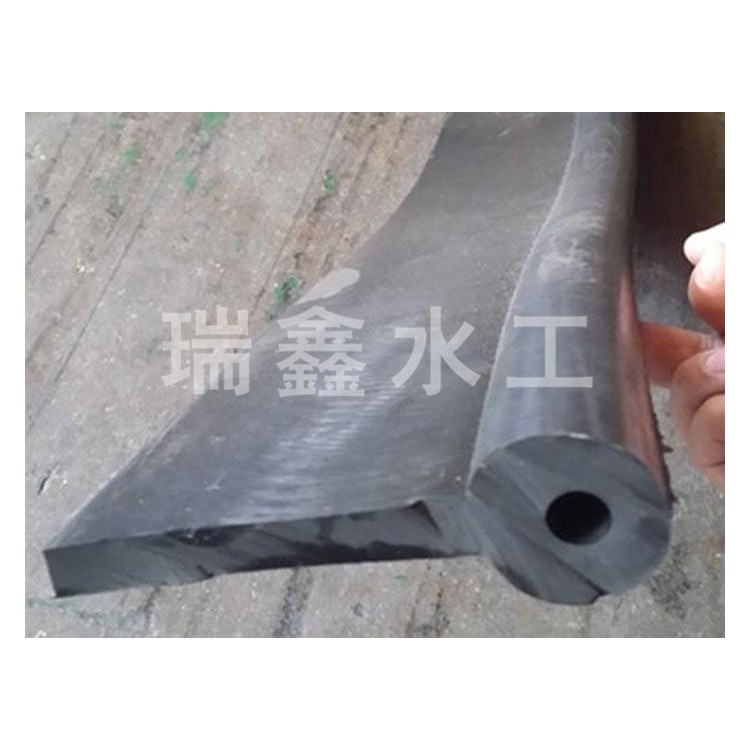


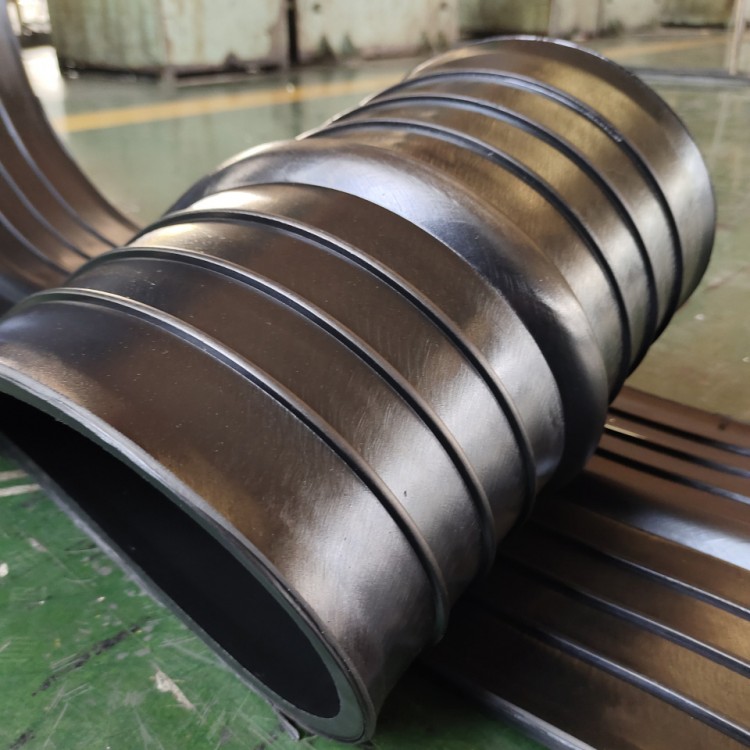
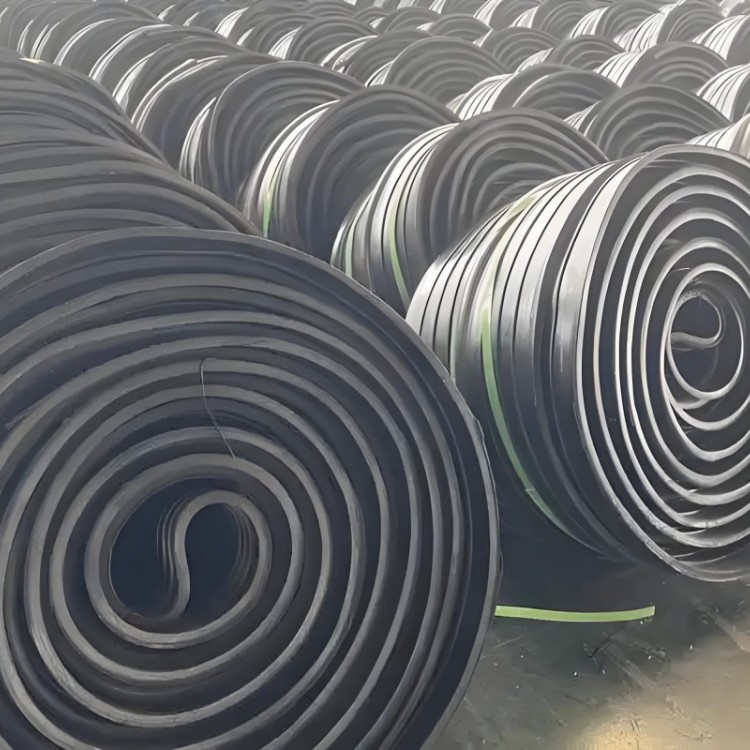
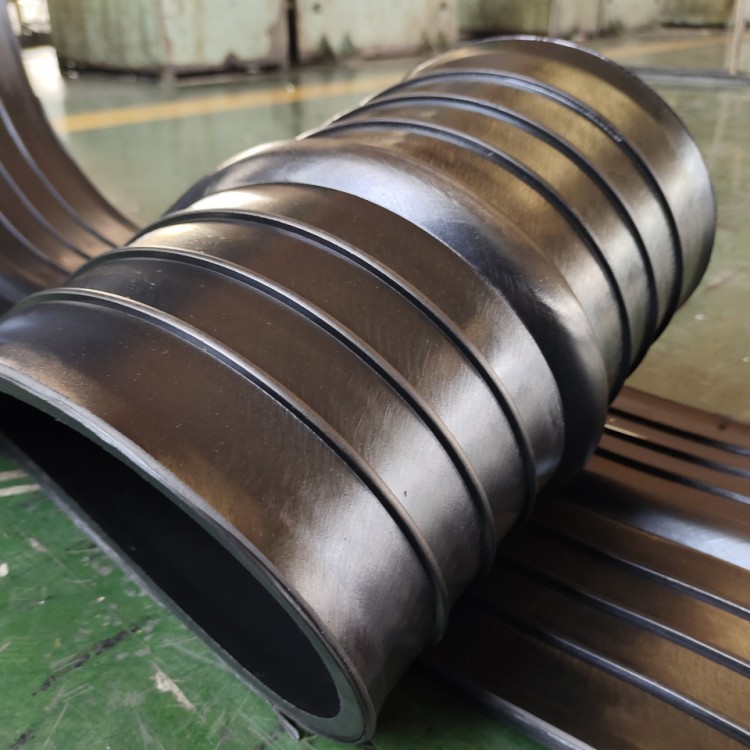
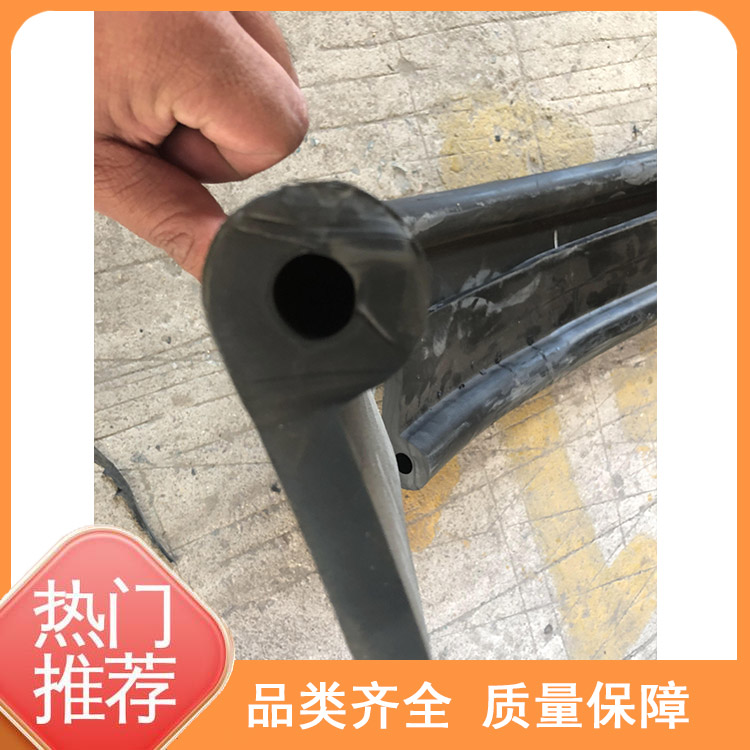
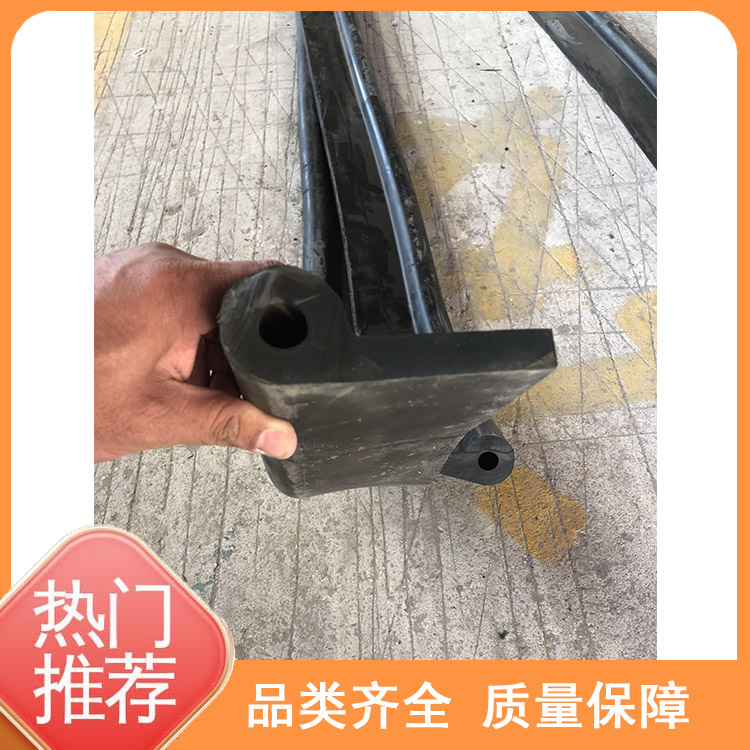






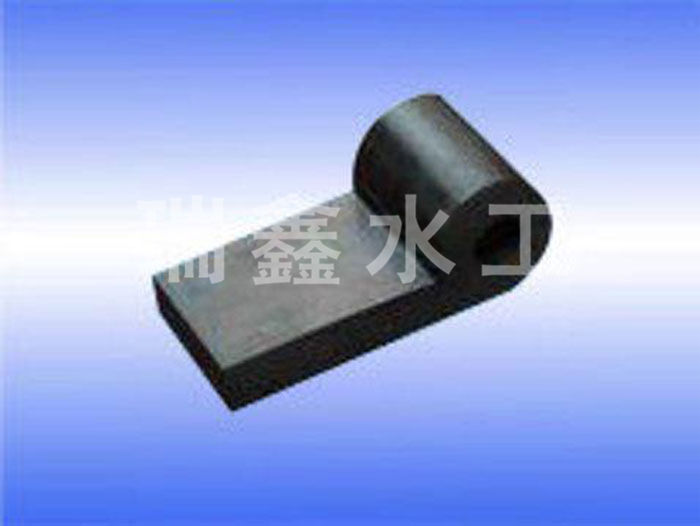


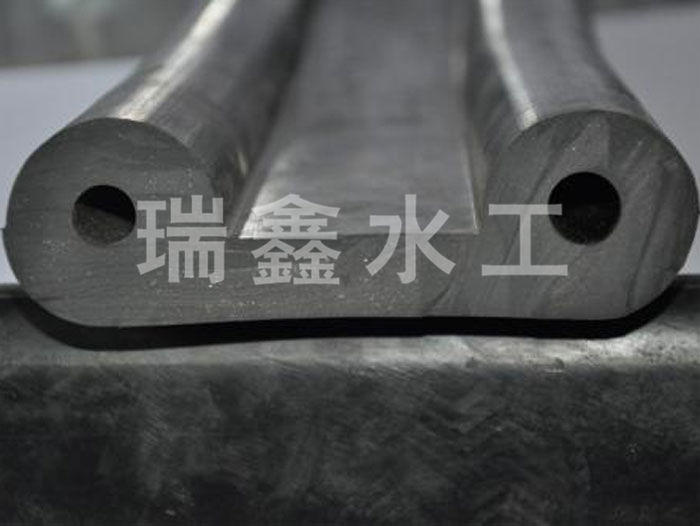
Rubber waterstops and rubber water stoppers are mainly made from natural rubber and various synthetic rubbers, mixed with various additives and fillers. After plasticizing, blending, and molding, they come in a variety of types and specifications, including bridge-type, mountain-type, P-type, U-type, Z-type, Y-type, T-type, H-type, E-type, and Q-type.
Instructions for Use
Waterstop rubber must be securely fastened during the reinforcement binding and formwork setup to prevent displacement during concrete pouring and ensure its correct position in the concrete.
Only drill holes at the permitted locations on the waterstop for installation; do not damage the effective waterproof areas of the waterstop.
Common fixed methods include: using additional rebar for fixation; specialized clamps for fixation; using wire and molds for fixation, etc. Regardless of the chosen method of fixation, the fixing method for the waterstop should be carried out according to the construction specifications required by the design, and it is necessary to ensure accurate positioning of the waterstop without damaging the effective waterproof areas, and facilitate the concrete pouring process.
Application Scope
Rubber waterstop belts are primarily used in foundation projects where they are installed in construction joints and deformation joints during concrete pouring, integrating with the concrete structure. These projects include underground facilities, tunnels, culverts, water conveyance channels, dam structures, and liquid storage constructions.