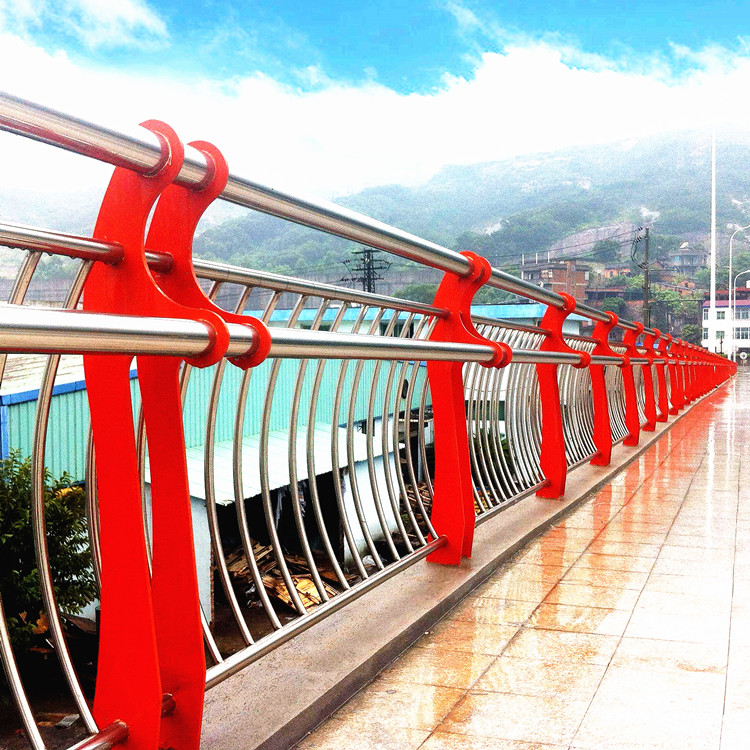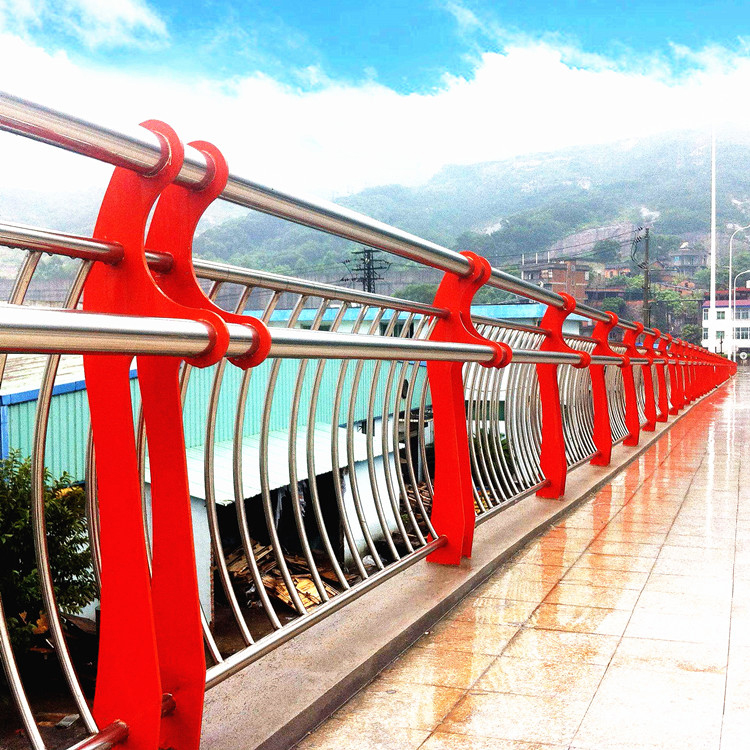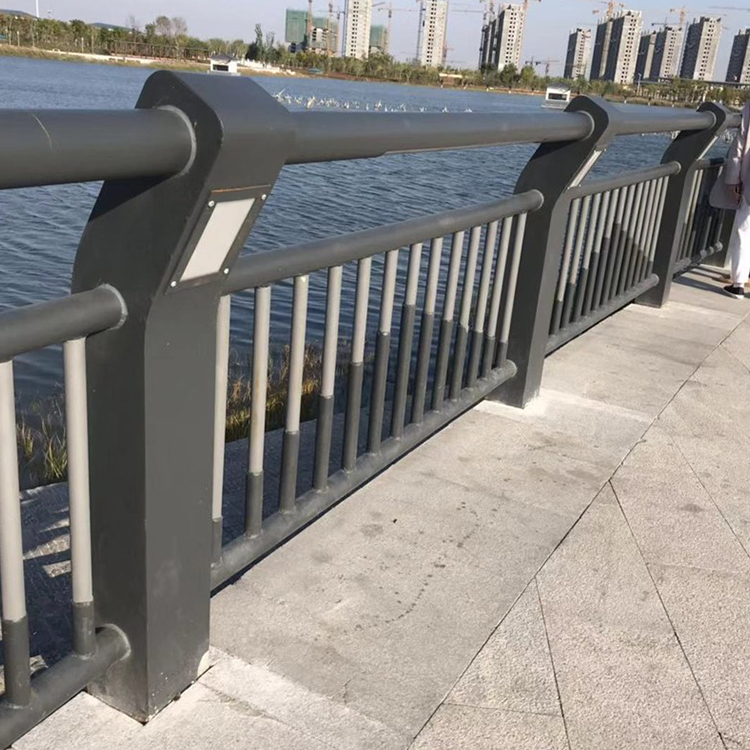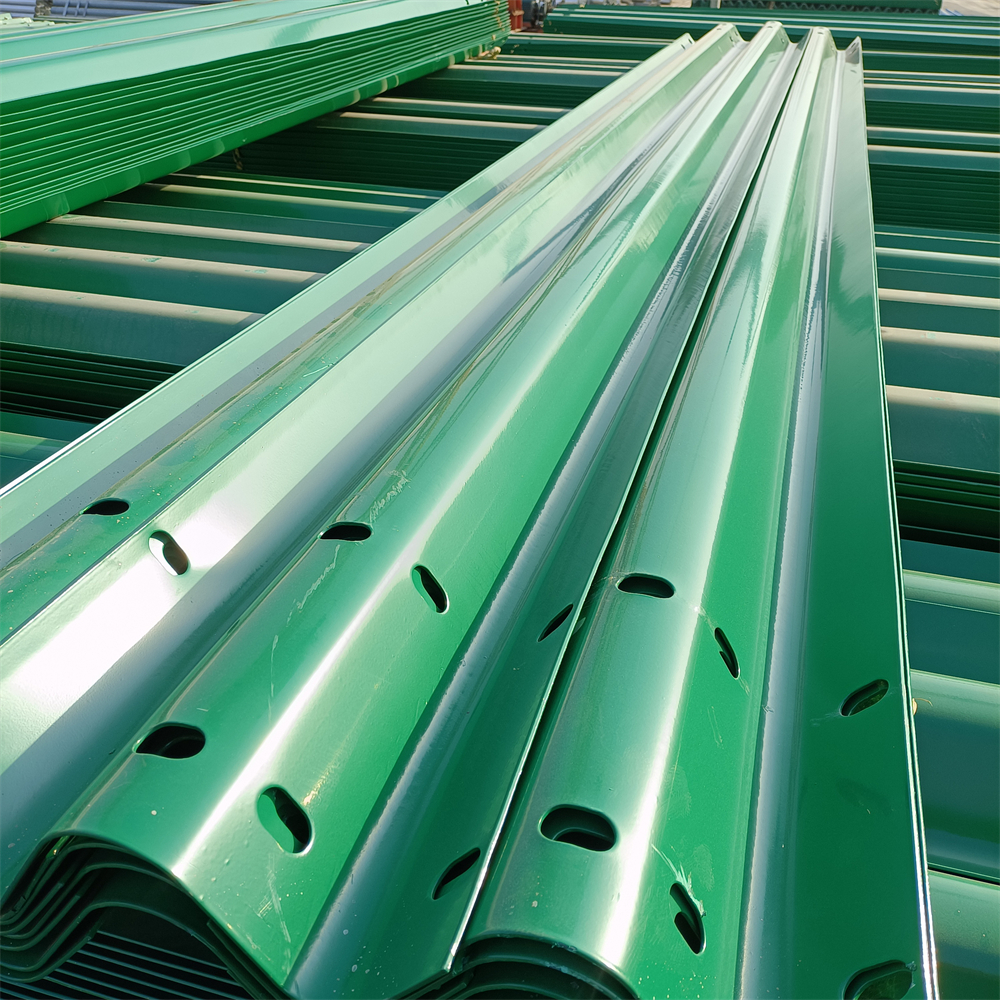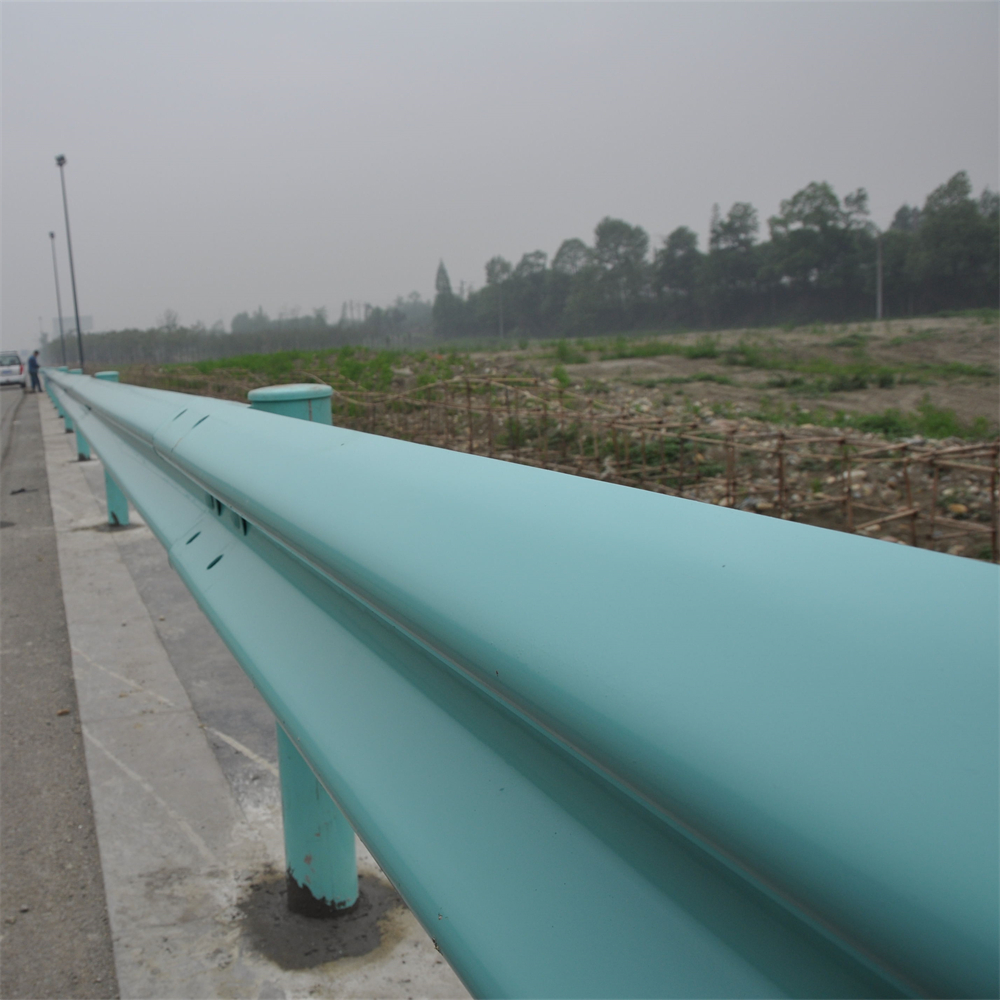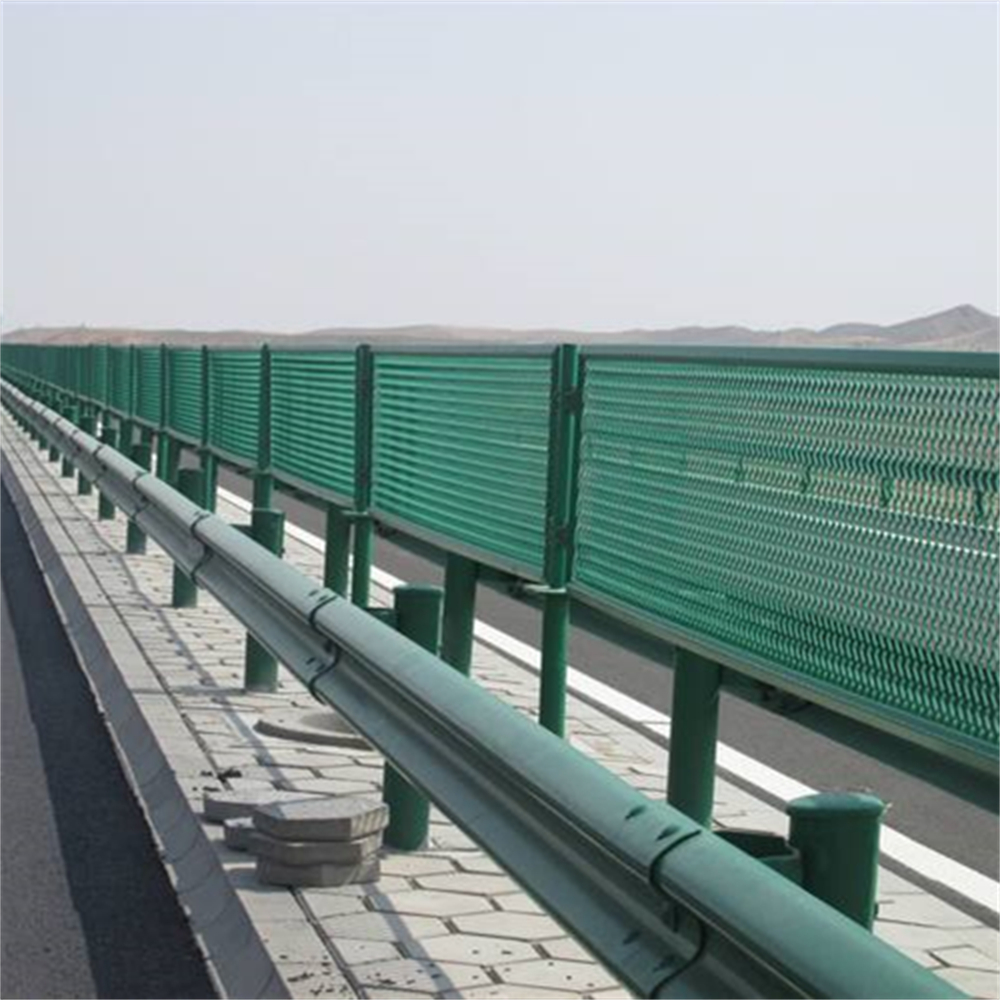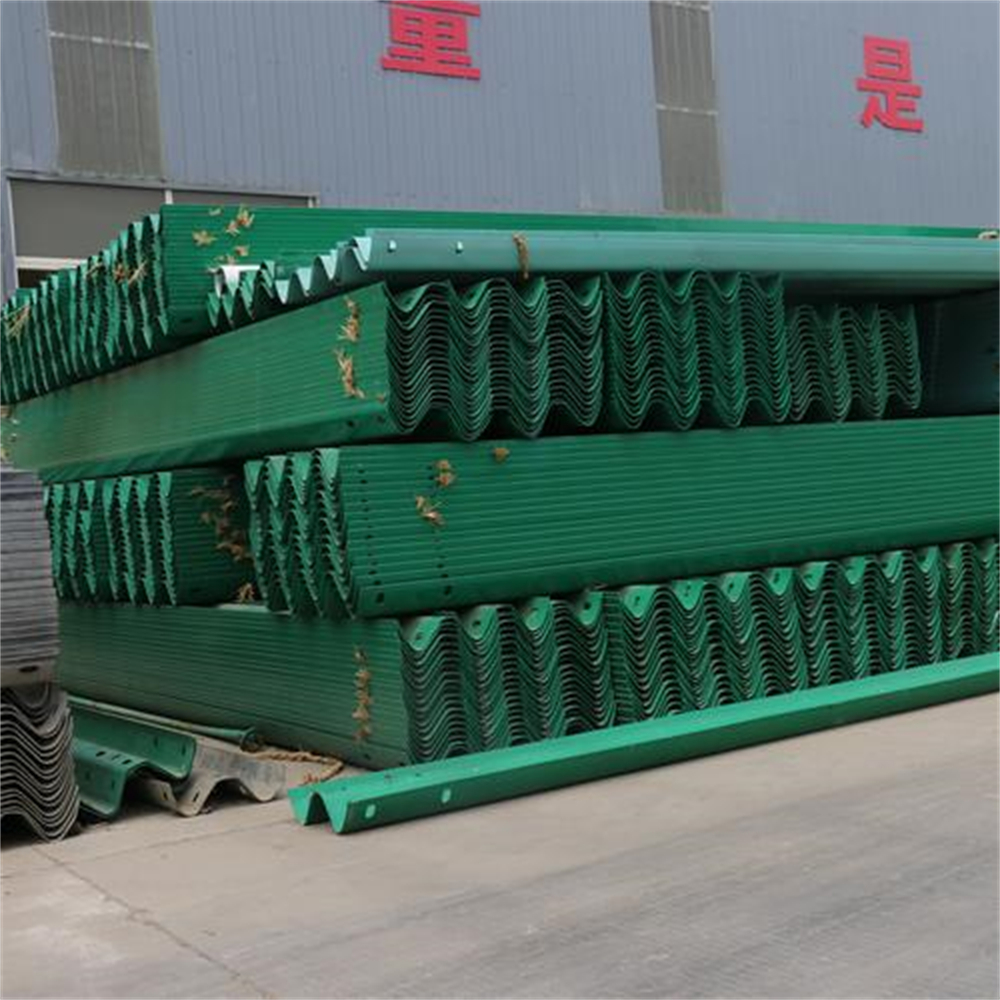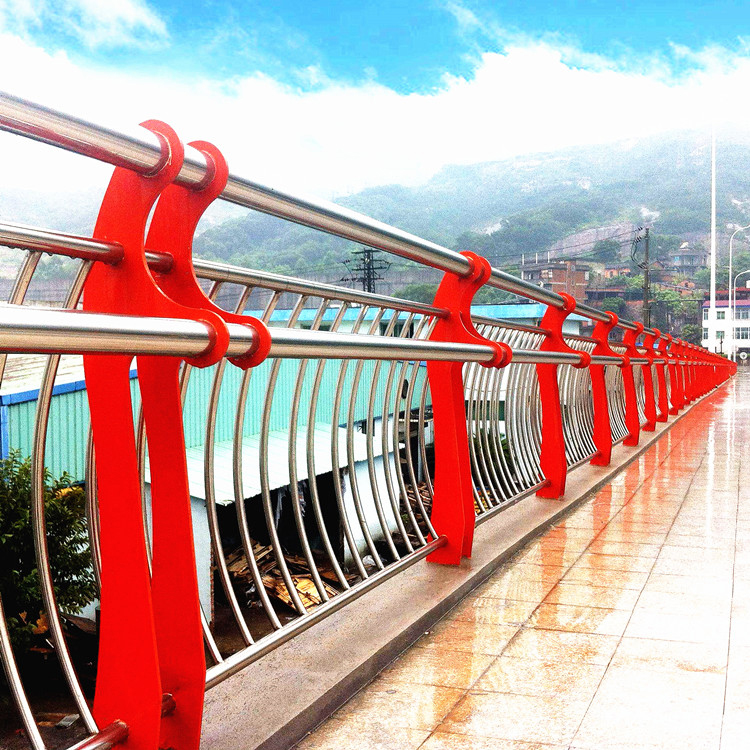

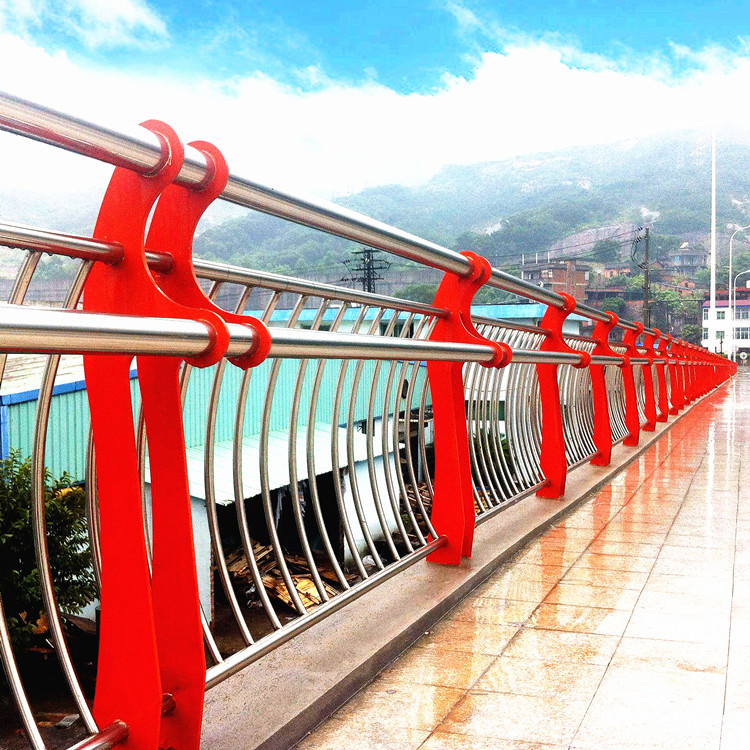
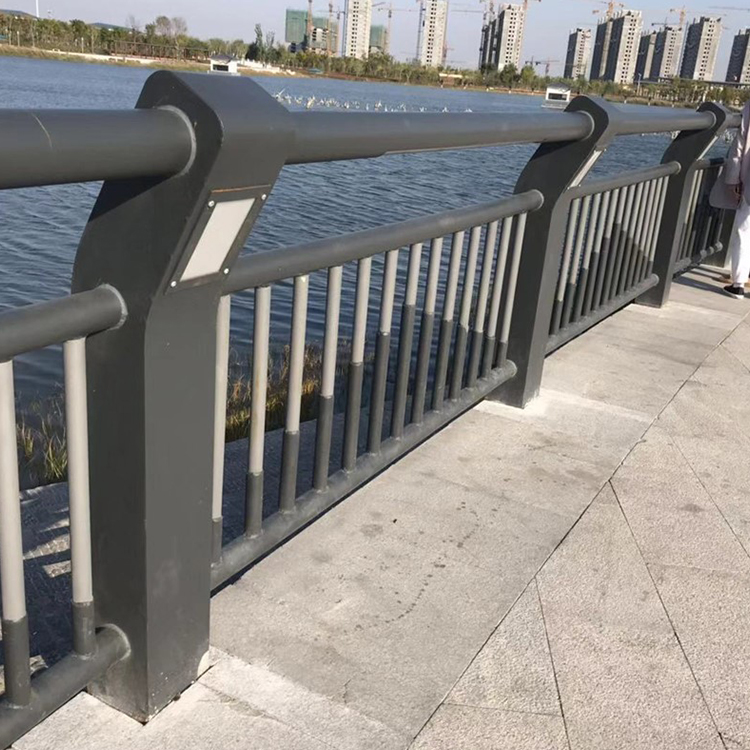
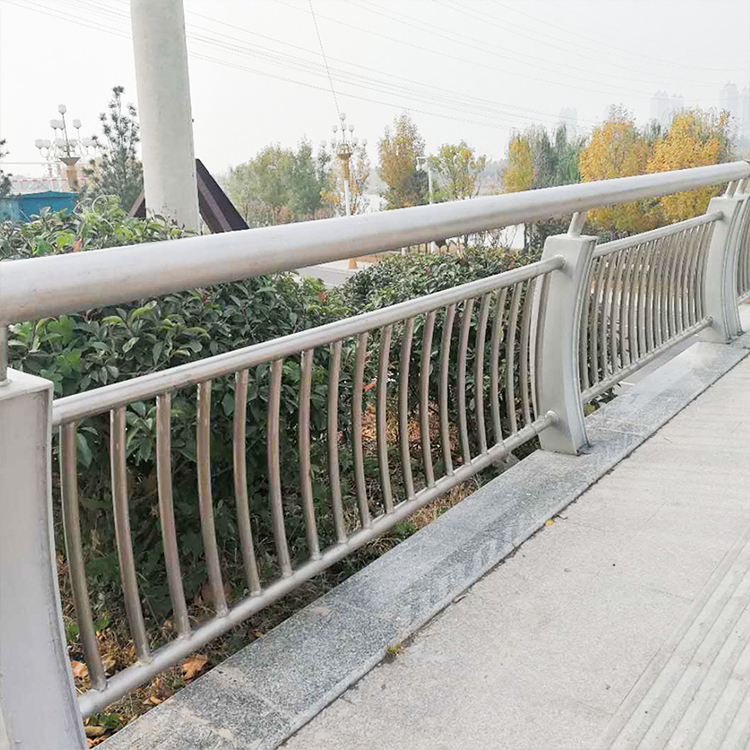








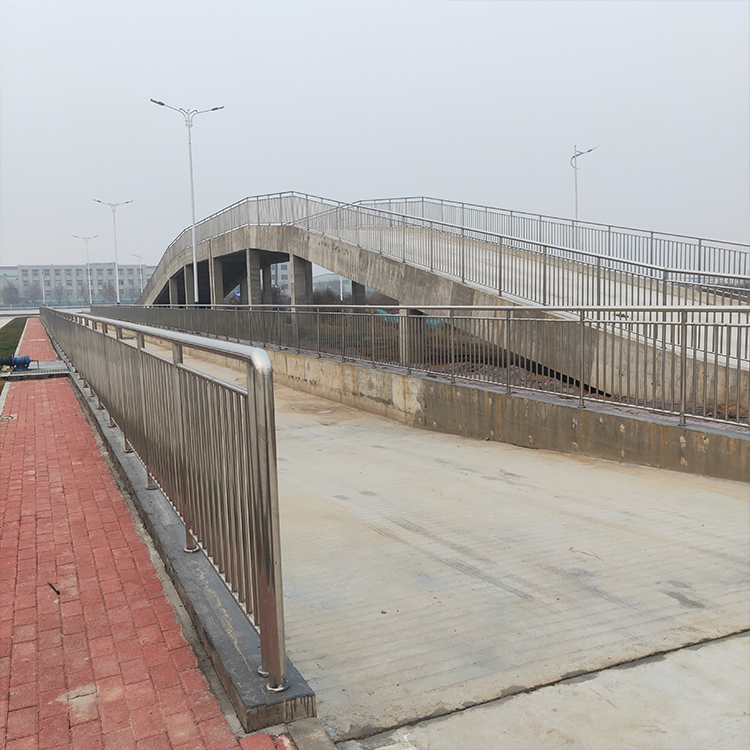
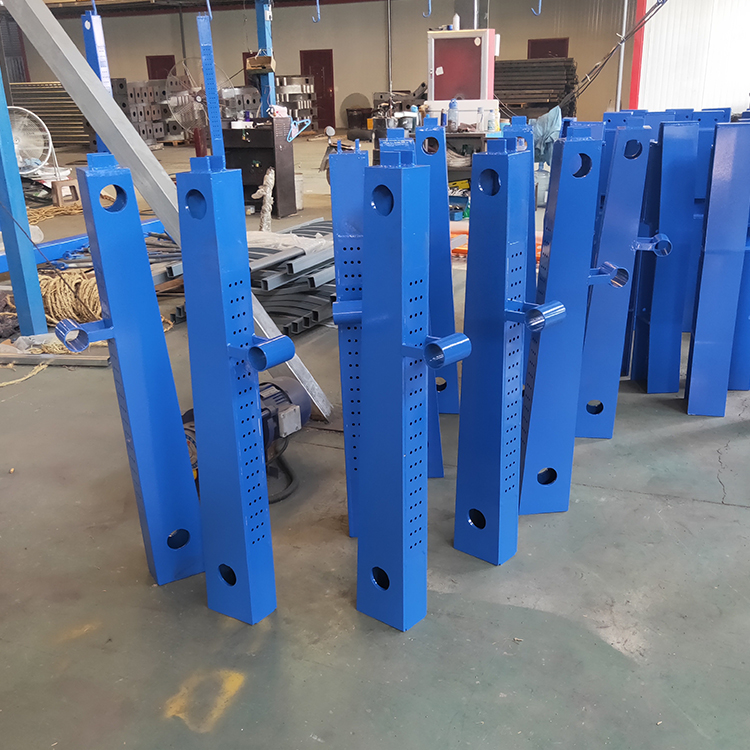

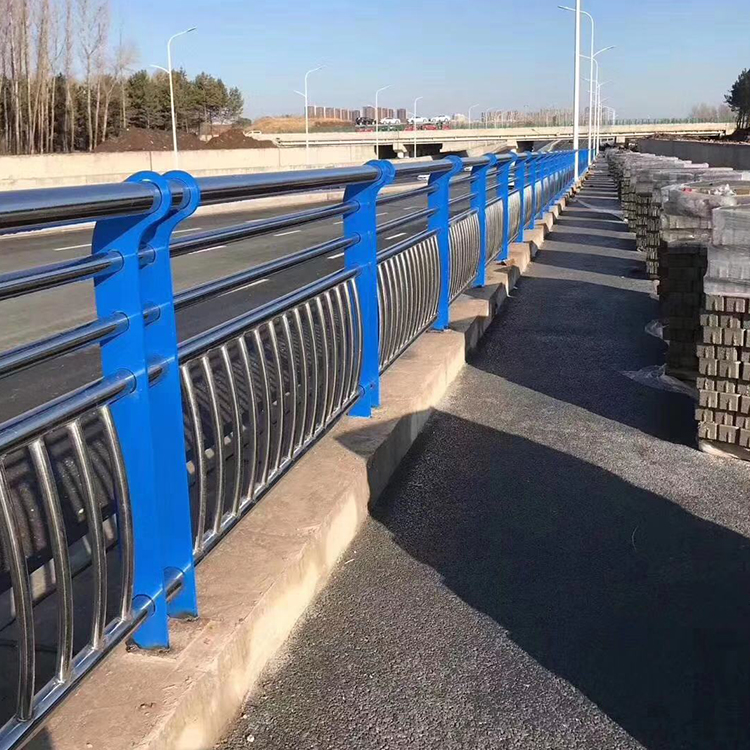

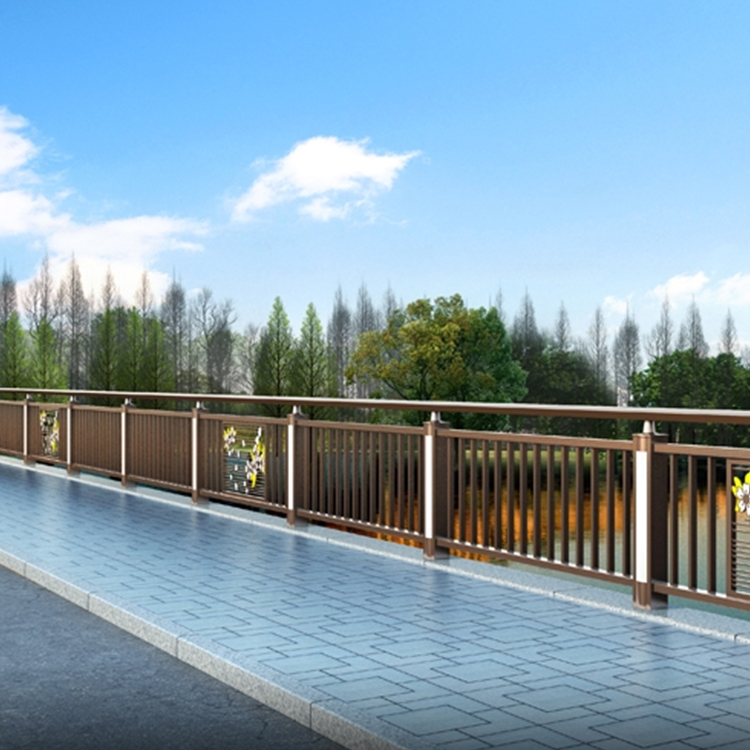
Bridge guardrails are made of galvanized steel posts with electrostatic spraying treatment on the surface. The cross tubes are made of stainless steel/carbon steel composite pipes, which are double metals consisting of stainless steel (SUS304) and carbon structural steel (Q195-Q235, SPCC), and are high-tech synchronously compounded and welded. The product combines the exquisite appearance of stainless steel, excellent corrosion resistance, and the strong strength of carbon steel structures, offering significant advantages over pure stainless steel pipes, while also saving costs and enhancing strength.
Bridge guardrails refer to protective railings installed on bridges. Their purpose is to prevent out-of-control vehicles from crossing over the bridge, providing functions such as preventing vehicles from breaking through, driving under, or climbing over the bridge, as well as beautifying the bridge architecture. There are many types of bridge guardrails, which can be categorized not only by their installation location but also by their construction features and collision resistance. By construction, they can be classified into beam-column guardrails (made of metal steel and concrete), reinforced concrete wall-type expanded guardrails, and combined bridge guardrails; by collision resistance, they can be divided into rigid guardrails, semi-rigid guardrails, and flexible guardrails. By installation location, they can be categorized as bridge-side guardrails, central divider guardrails on the bridge, and guardrails at pedestrian and lane separation points.
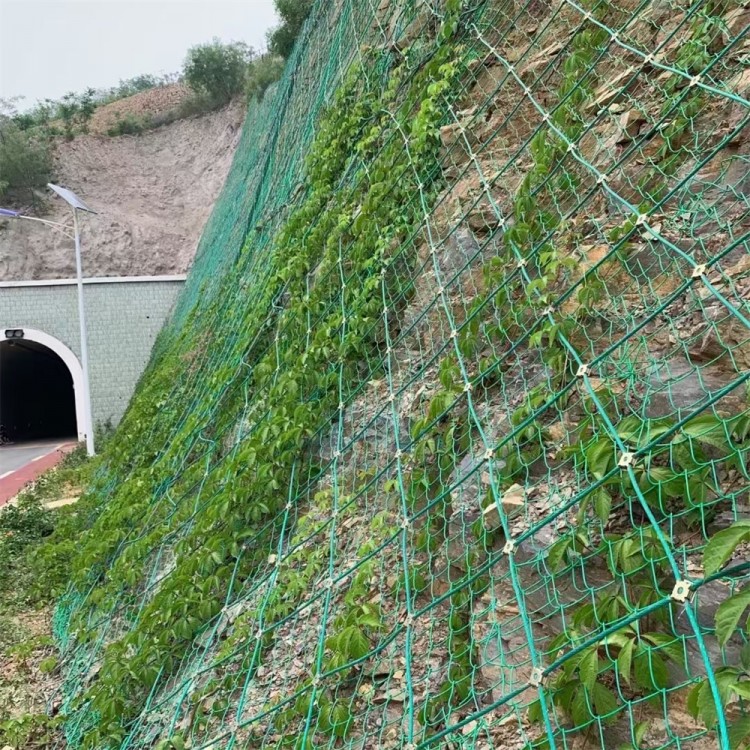
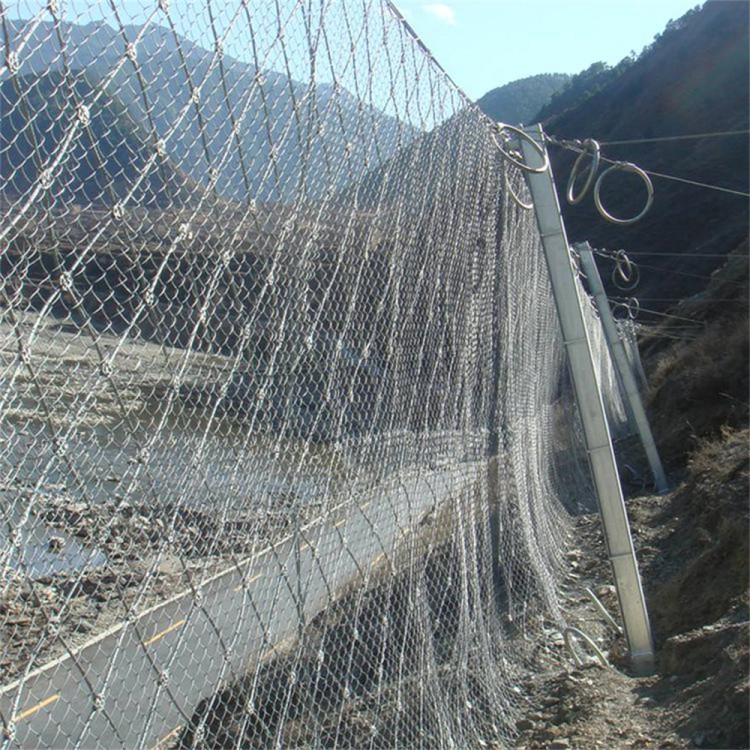
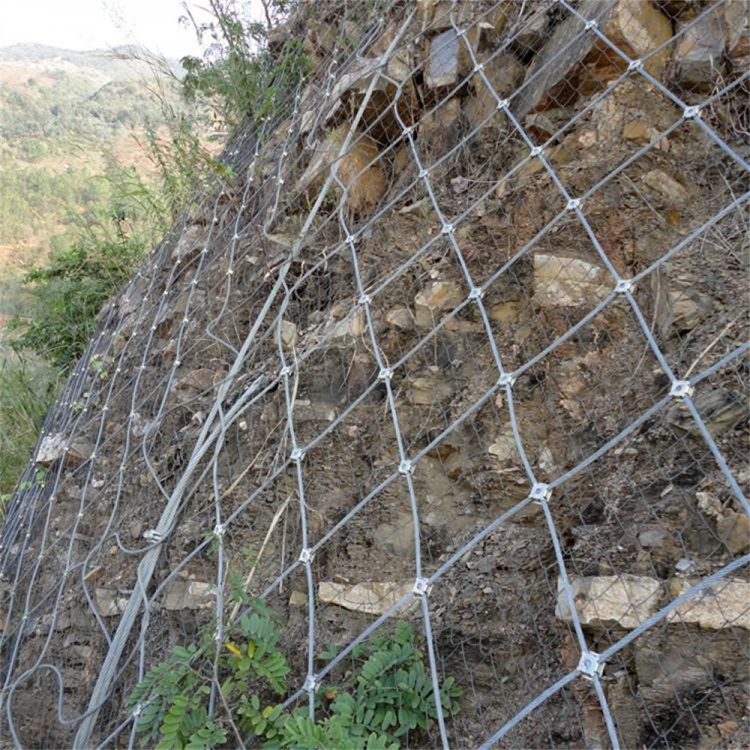
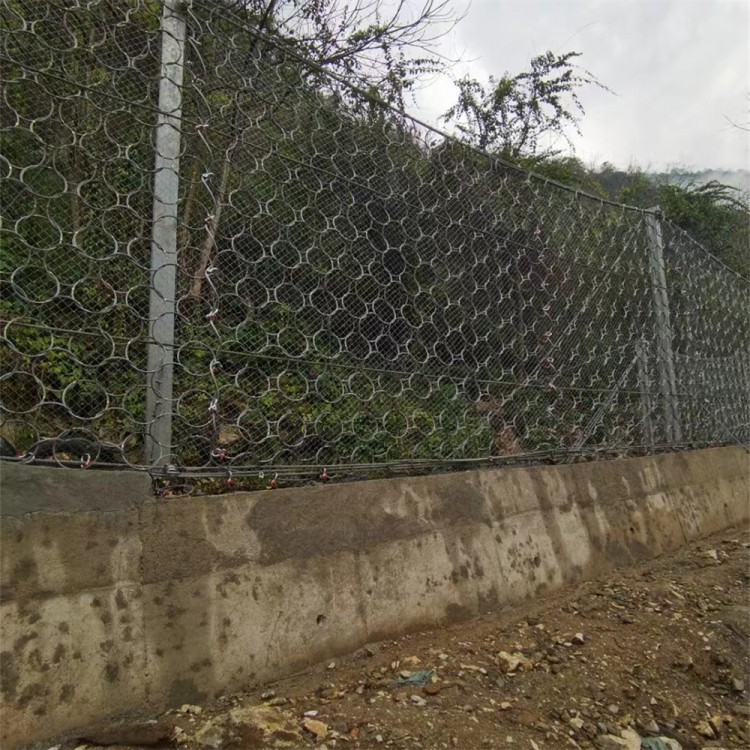
There are numerous methods to classify bridge guardrail types, including categorizing by installation location, construction features, and collision resistance performance. By installation location, they can be classified into bridge-side guardrails, median barrier guardrails, and pedestrian/traffic separation guardrails. By construction features, they can be categorized into beam-column guardrails (made of metal and concrete), reinforced concrete wall-type expanded guardrails, and composite guardrails. By collision resistance performance, they can be divided into rigid guardrails, semi-rigid guardrails, and flexible guardrails. Common guardrail types include concrete guardrails, wire mesh guardrails, and cable guardrails.
Bridge guardrail construction注意事项:
1. During the guardrail construction, accurate information of all facilities should be obtained, particularly the precise locations of various pipelines embedded in the subgrade. Any damage to underground facilities is strictly prohibited during construction. If underground communication pipelines, drainage pipes, or insufficient fill depth over culvert tops are encountered, adjust the column positions or alter the column anchoring methods.
2. If the pillar is driven too deep, do not pull it out to correct it; instead, remove all pillars, recompact their foundations, and then drive them back in, or adjust the pillar positions.
3. Bridge guardrails should be installed with flanges, paying attention to the positioning of the flanges and the control of the top elevation of the posts.