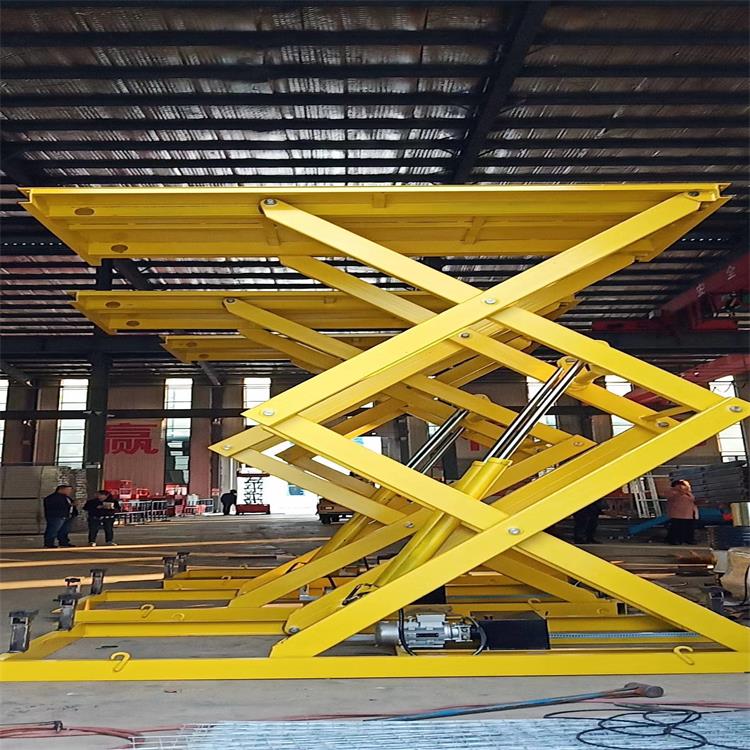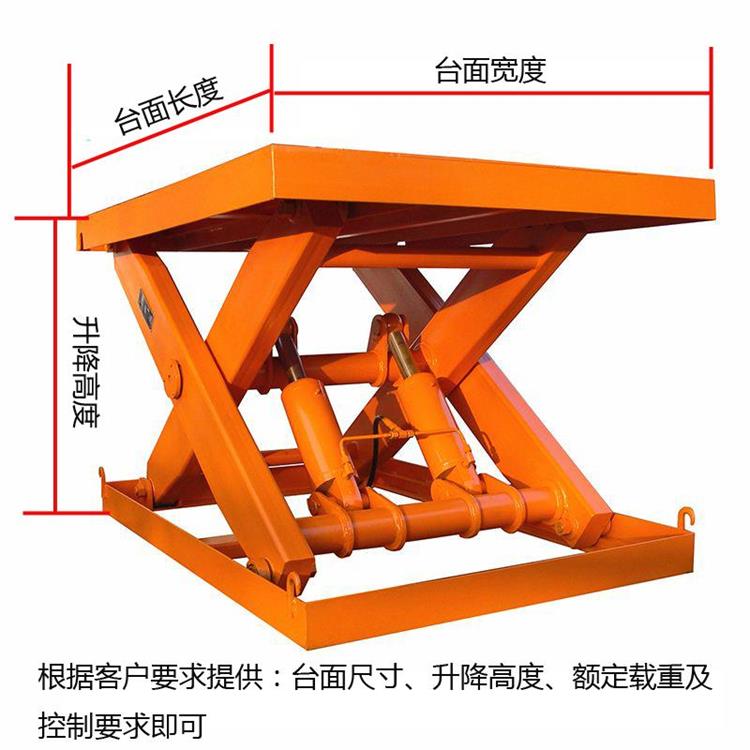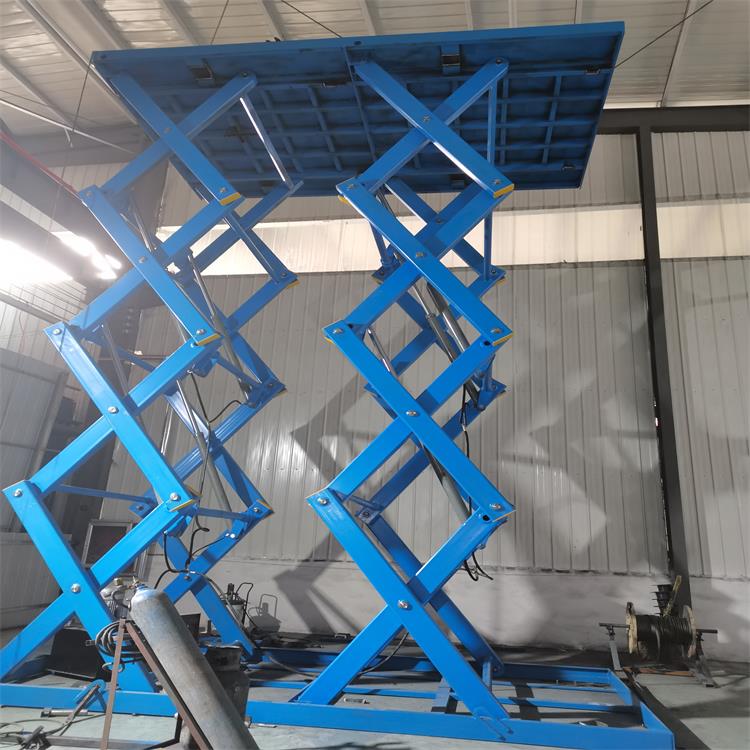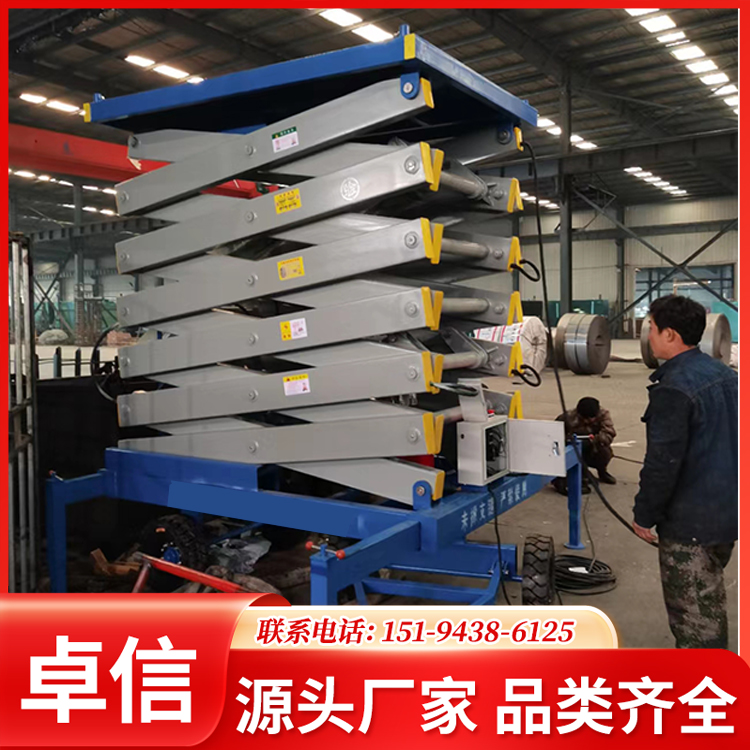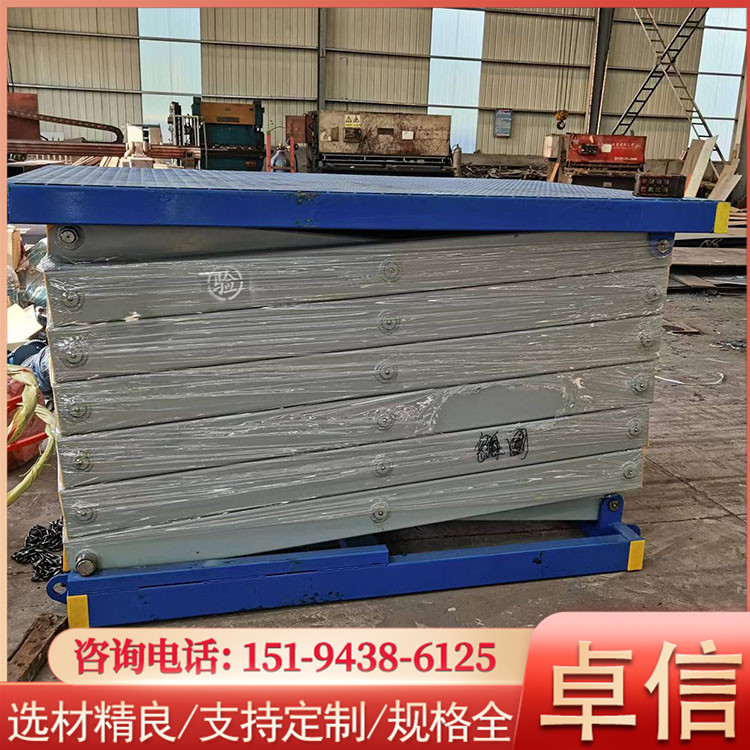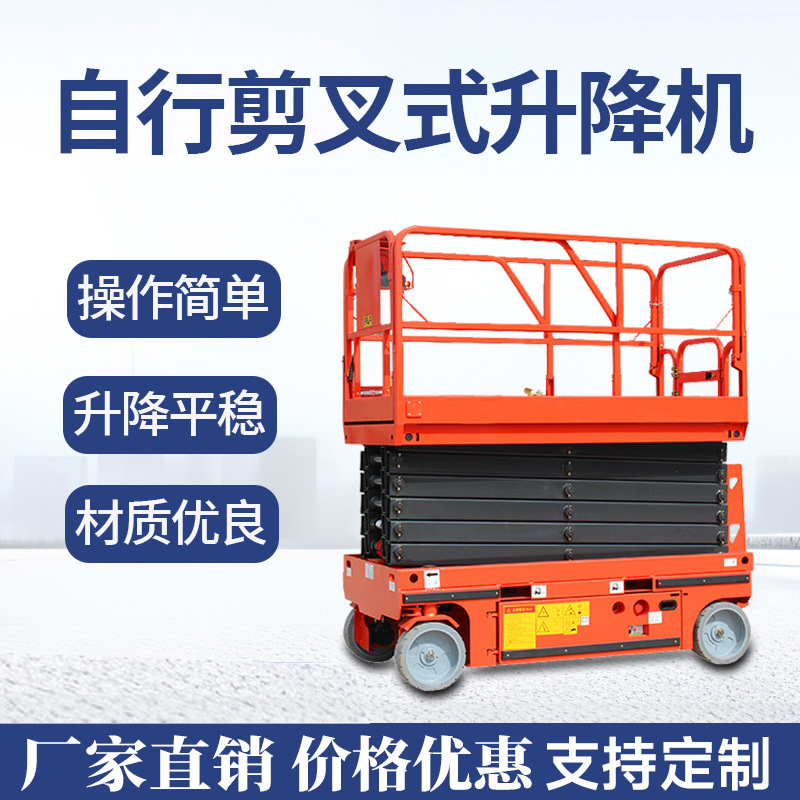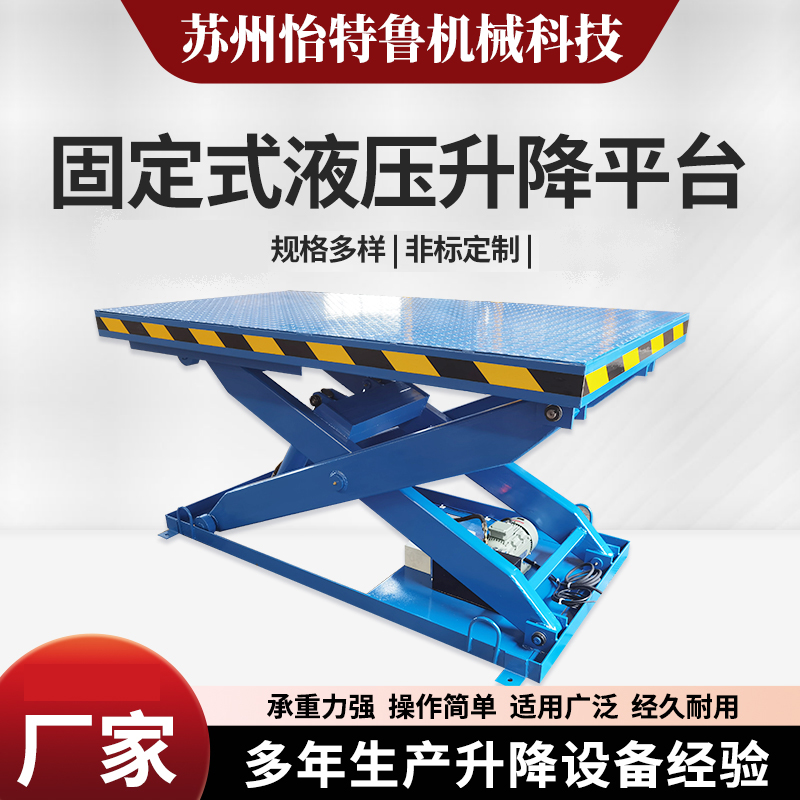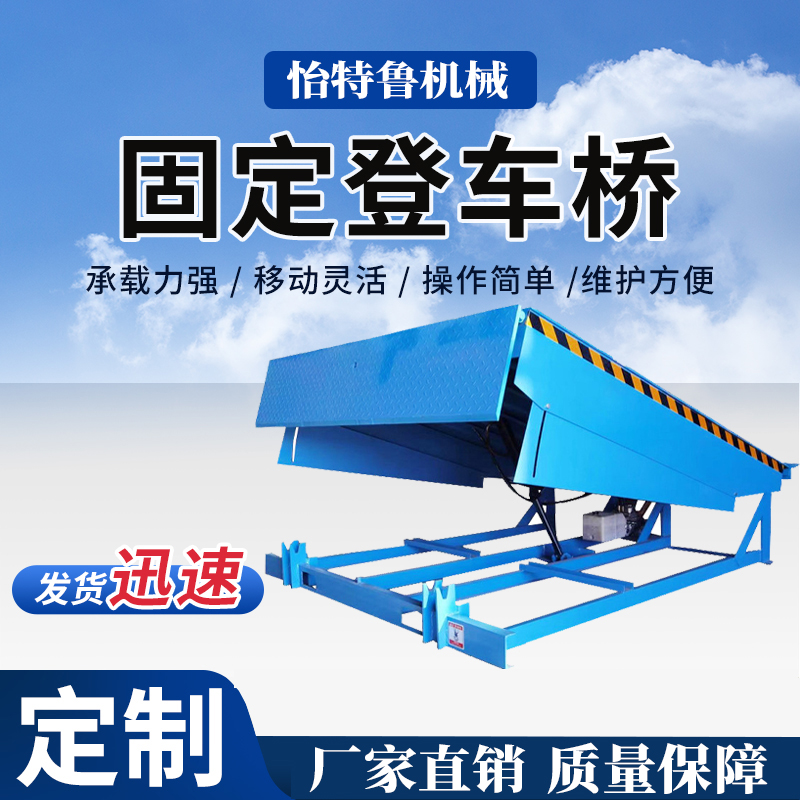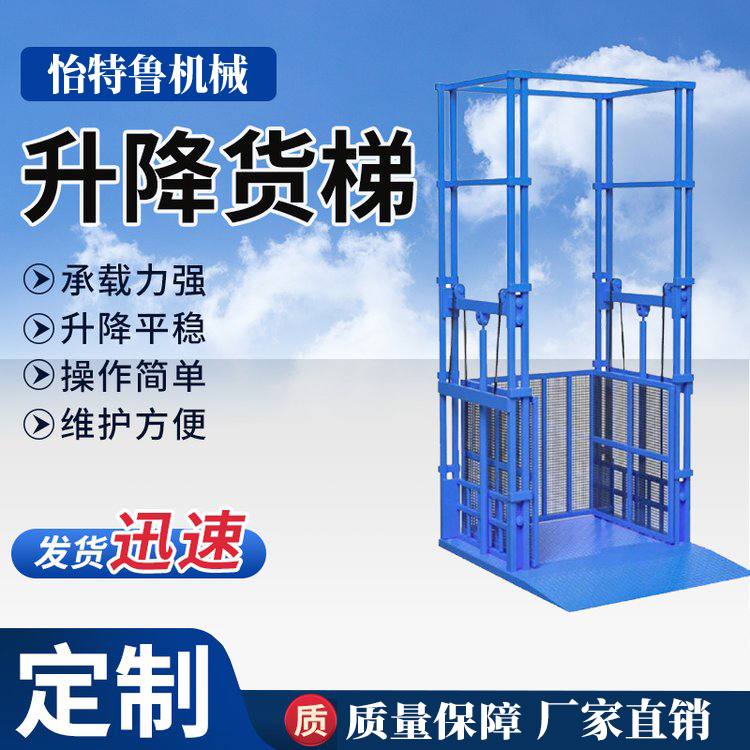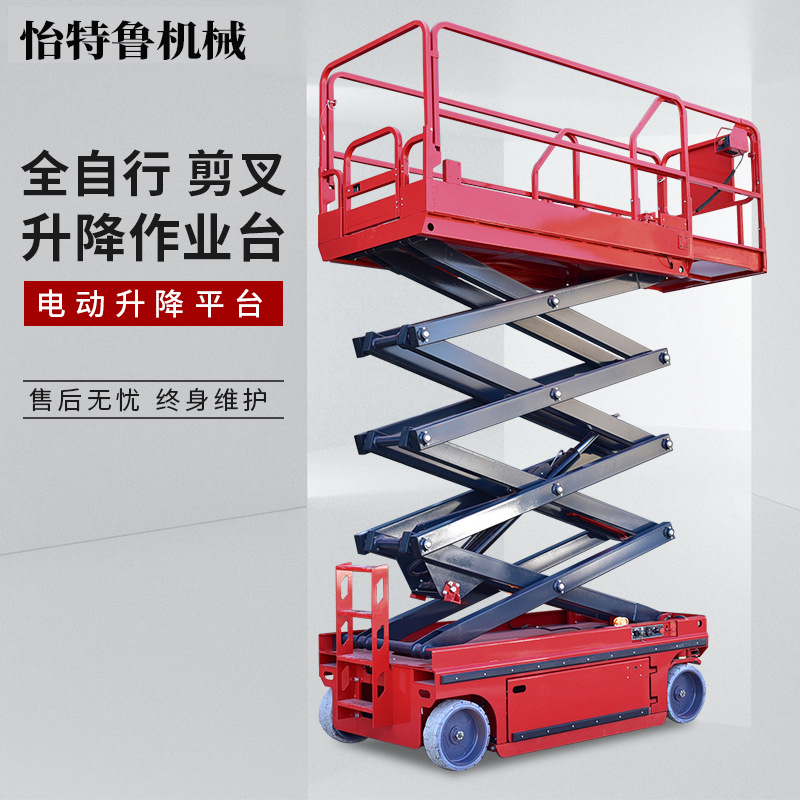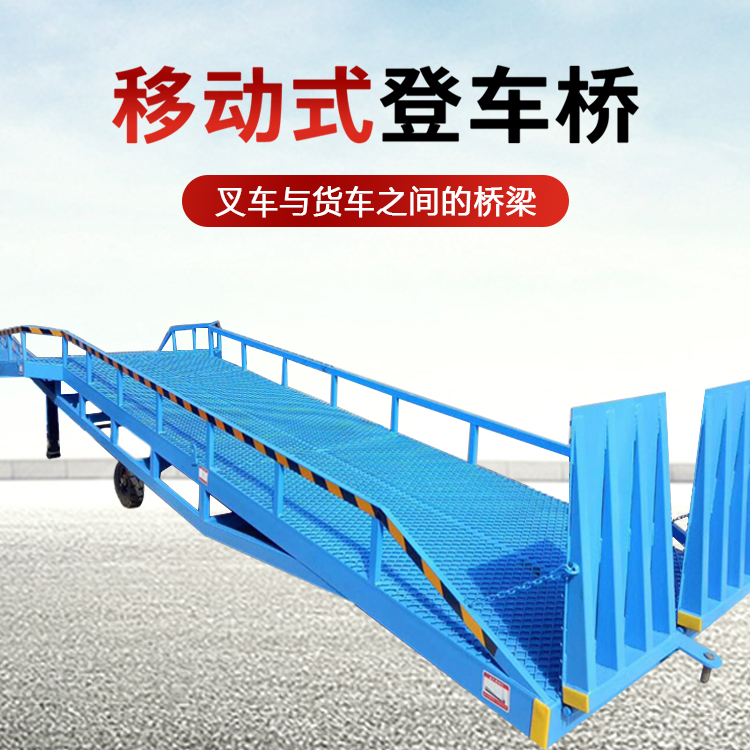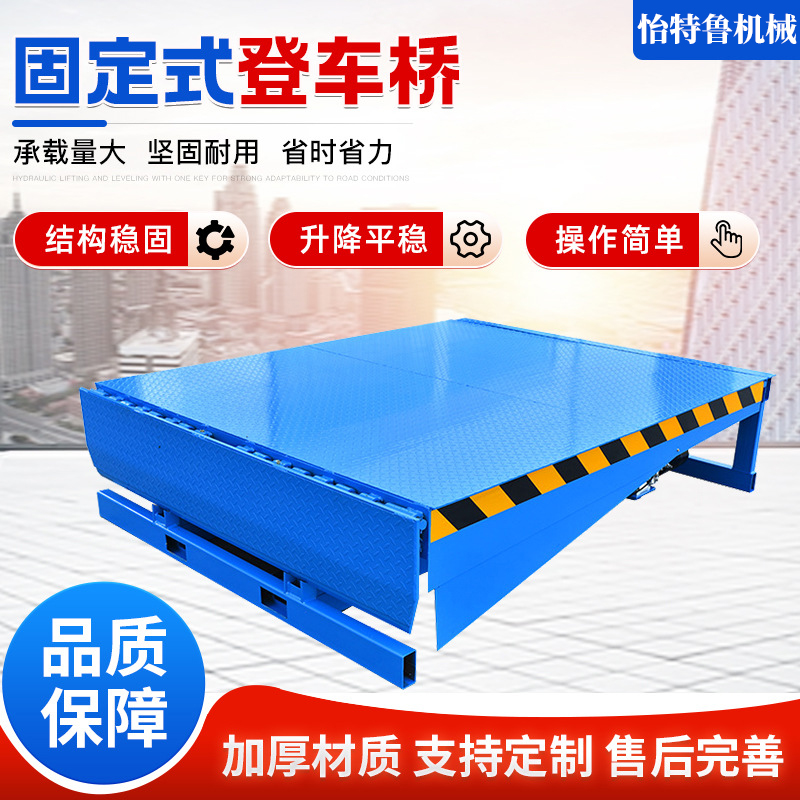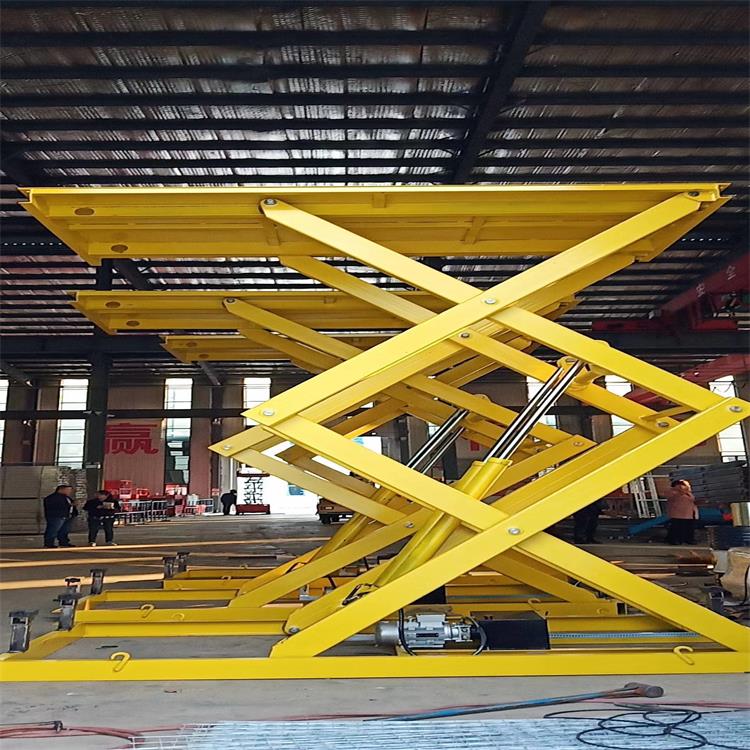

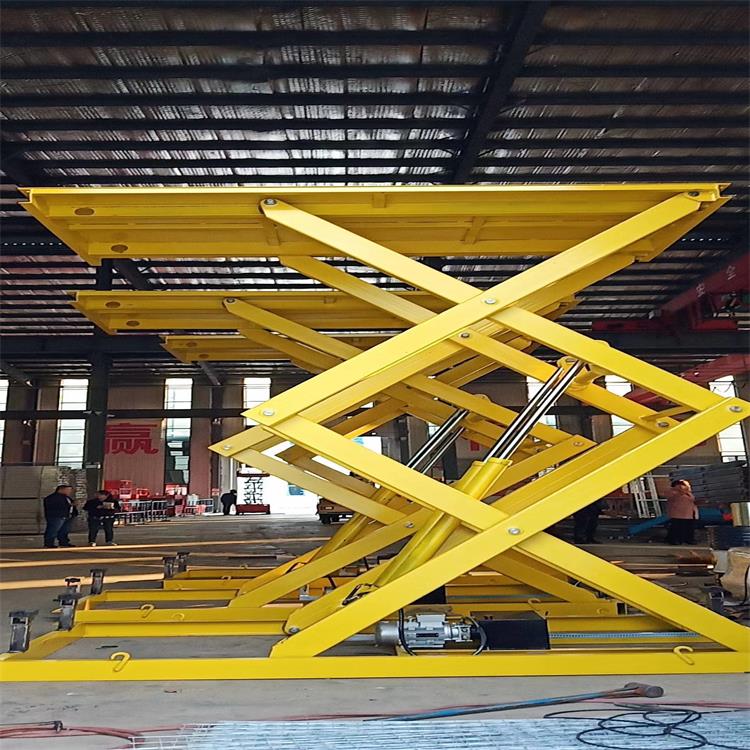

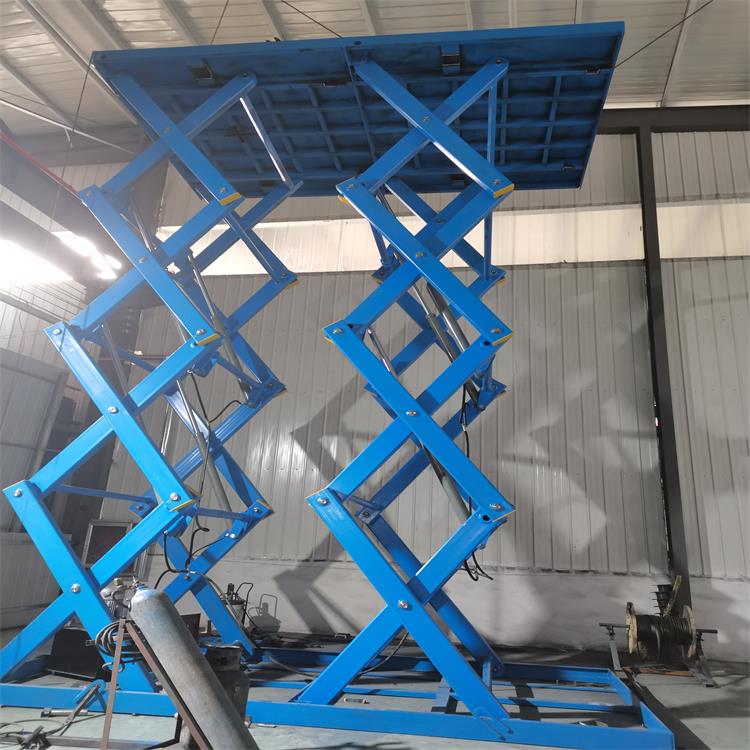


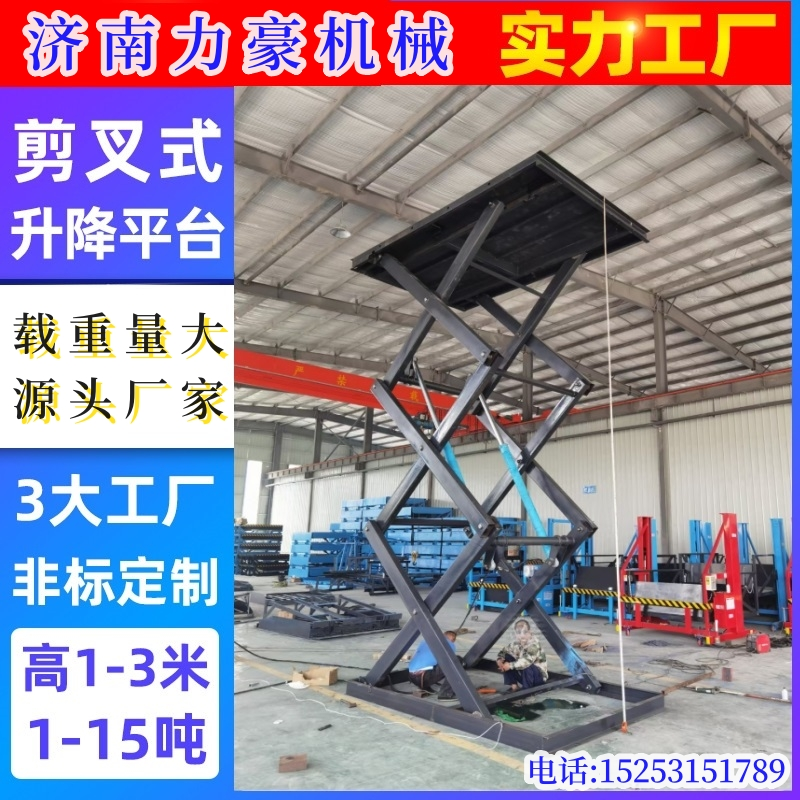
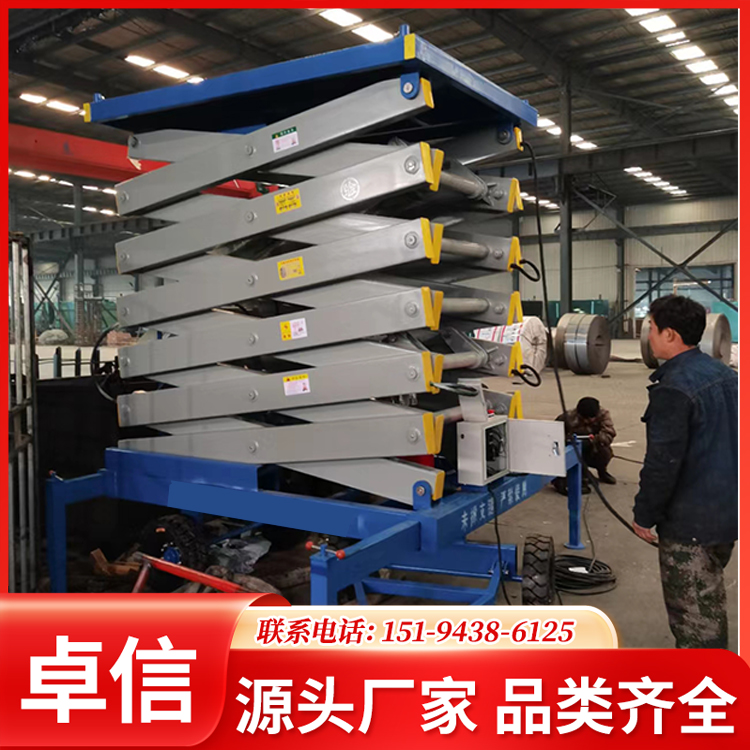
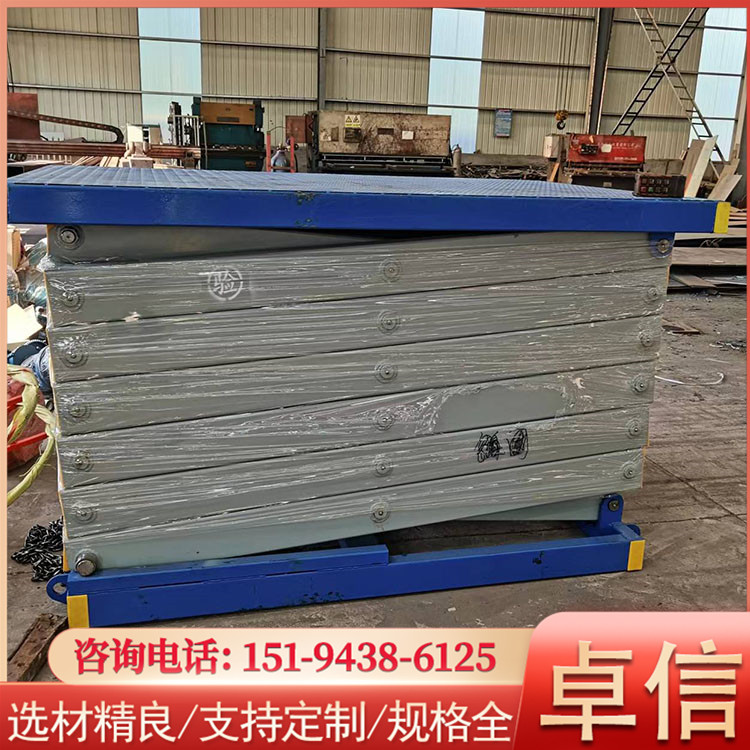
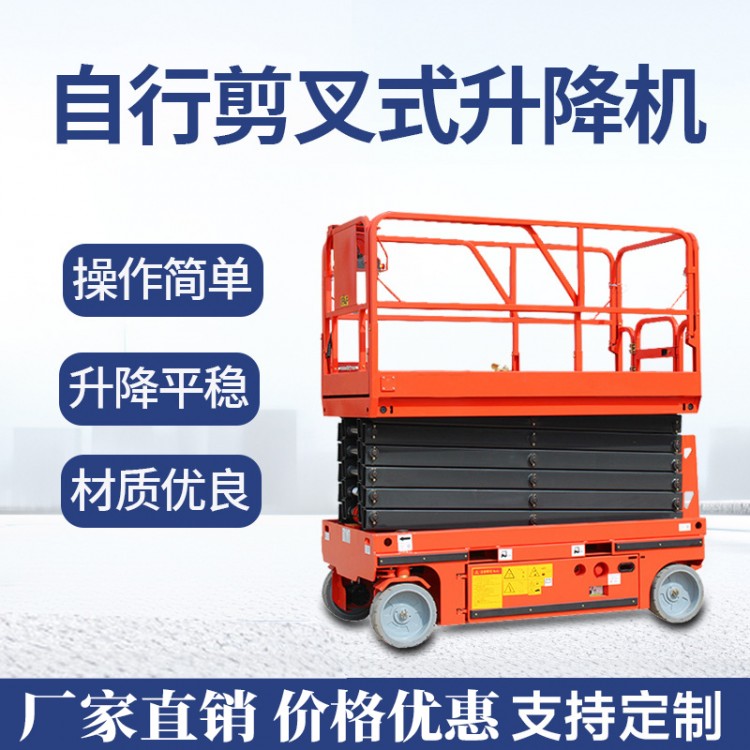






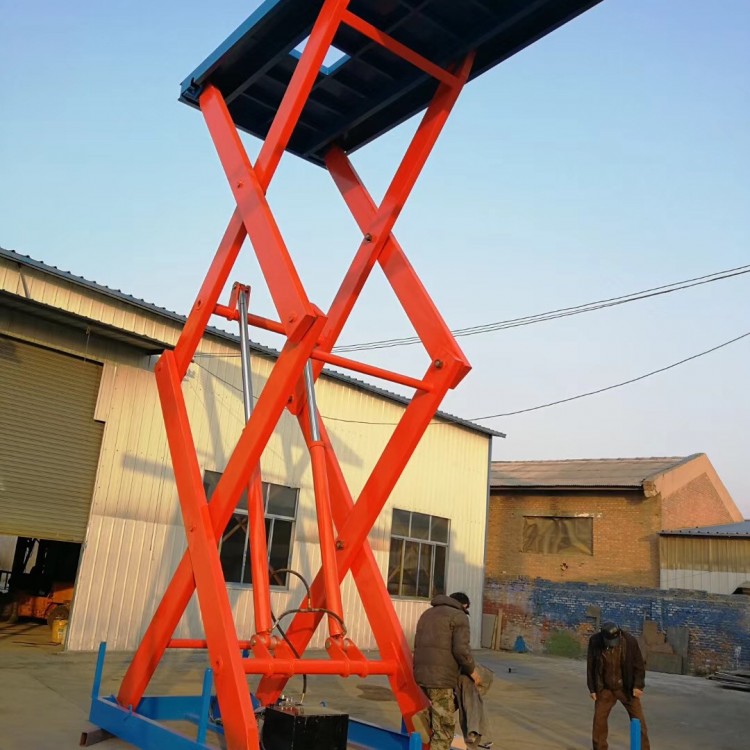

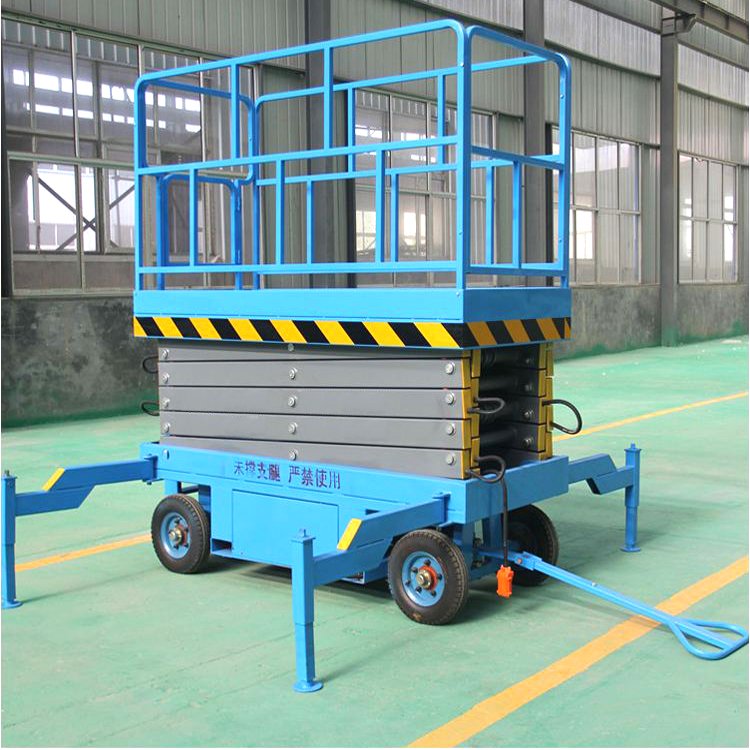
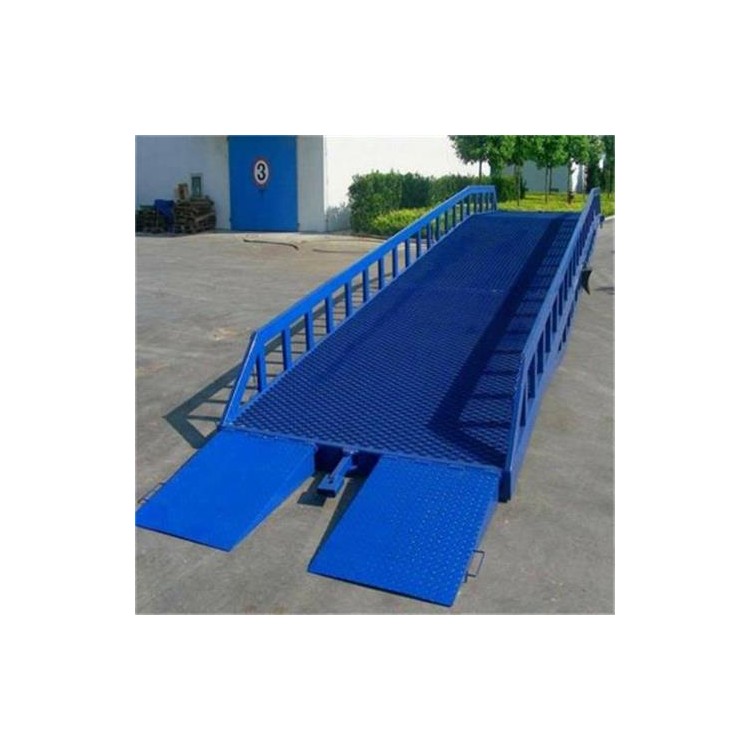
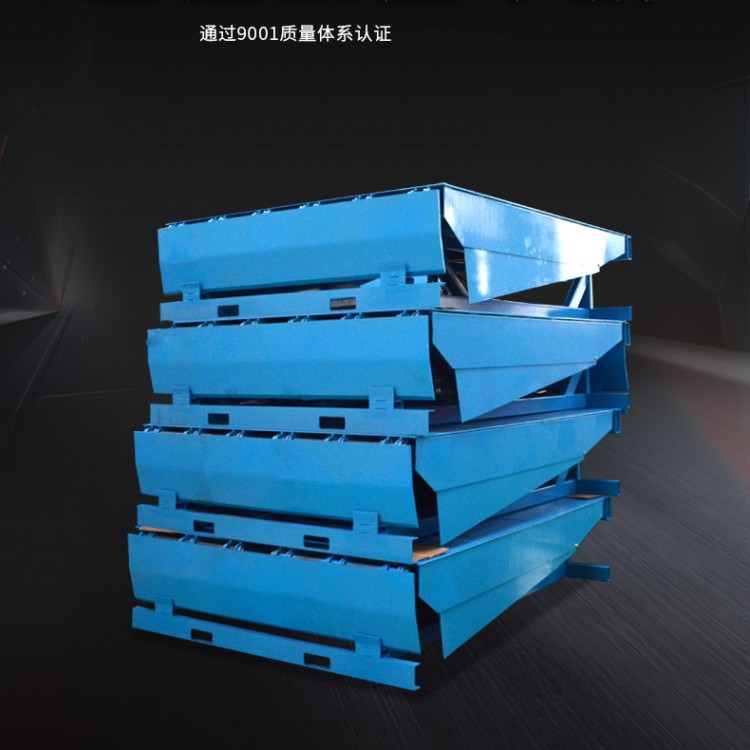
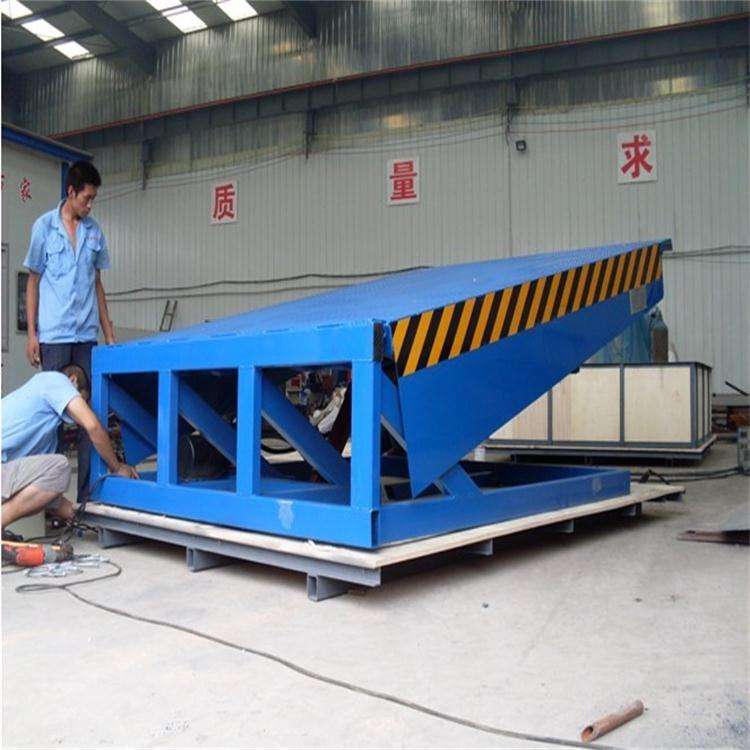
Lifting platforms have become an essential equipment for modern goods handling, and they will play an even greater role in future development and applications. Currently, China has emerged as a major country in the installation, production, and manufacturing of lifting platforms.
How should a fixed lifting platform be installed?
1. Adjust the position of the cable shield and cable bracket for the fixed lift platform, ensuring that the cables are securely positioned within the "U" shape of the cable shield.
2. Connect the cable to the power box and start the winch to check if the cable is tangled or twisted.
3. Secure the fixed lifting platform's cable to the cable bracket, then insert the cable plug into the outlet.
4. Release approximately 2.5 meters of cable to connect the fixed lifting platform cable to the power box.
5. Use a lifting device to hoist the cable reel onto the top of the cable drum to prevent any accidents during the operation of the fixed lifting platform.
6. The same method is used to securely fasten the other end of the steel wire rope to the rope wheel, and to install the cable shield bracket.
7. Pull the cable out from the bottom of the fixed hoist platform cable drum to the power box; do not connect temporarily.
8. Place the cable into the cable drum in a clockwise direction, ensuring each layer is as uniform as possible, with the diameter slightly smaller than the drum's diameter.
9. During the process of raising the fixed lifting platform's guide rail架, simultaneously install a cable shield.

Four performance characteristics of fixed elevating platforms:
1. Equipped with a safety device to prevent the lifting platform from overloading.
2. Equipped with a protective valve to prevent hydraulic oil tube rupture.
3. Equipped with an emergency descent device for sudden power failure.
4. Safety devices interlock with the control system for doors between floors.
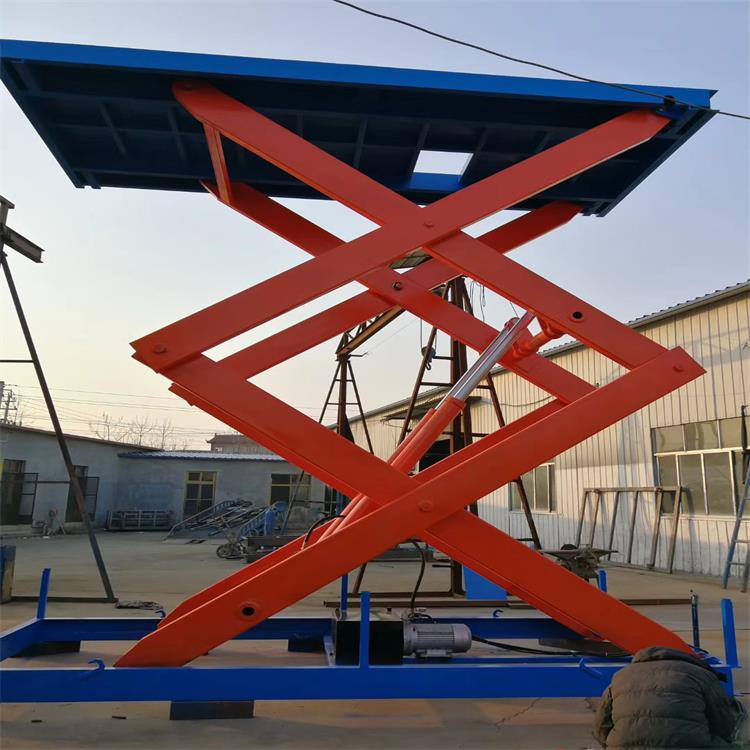
Scissor-type fixed lifting platforms are commonly used for transporting goods between levels on automatic production lines, for item loading and unloading, adjusting work height during assembly, feeding materials to machines from elevated positions, lifting parts during large-scale equipment assembly, and for quick loading and unloading of goods at storage and handling areas, often paired with forklifts and other transport vehicles.