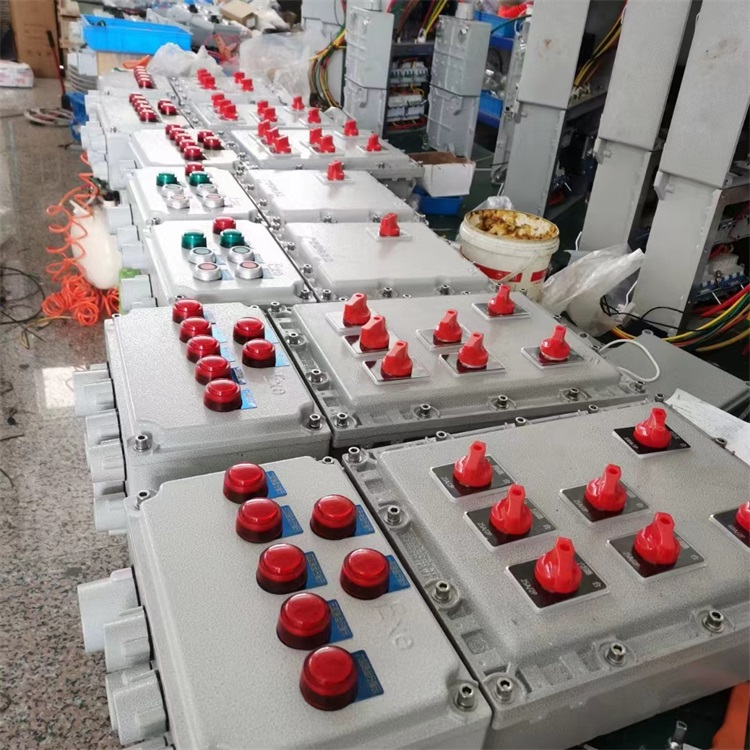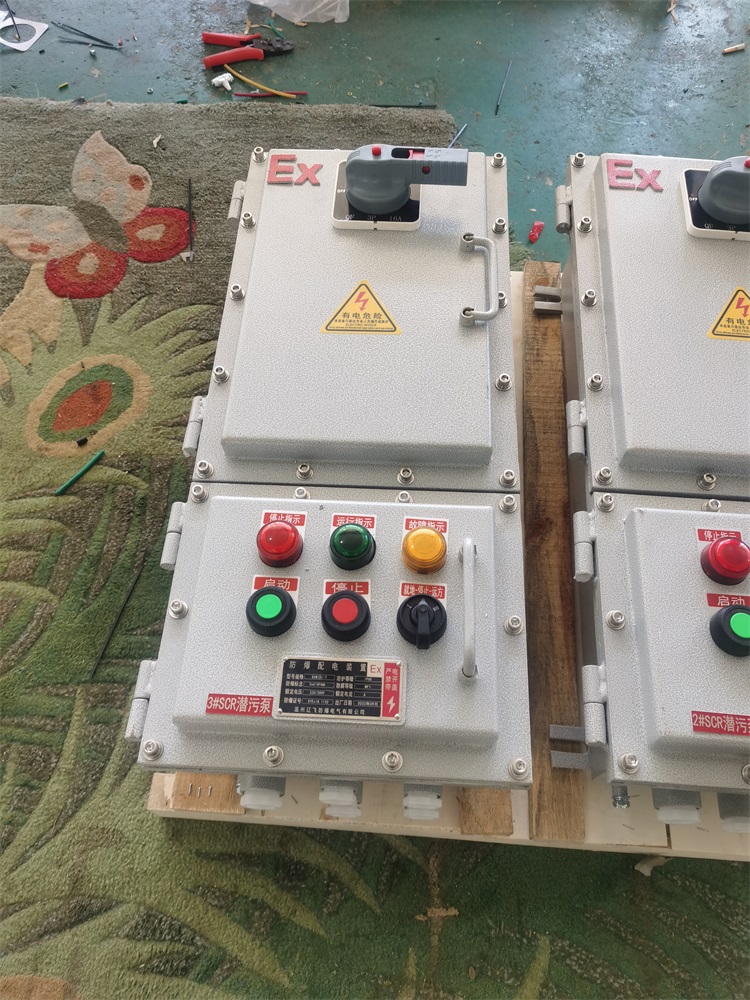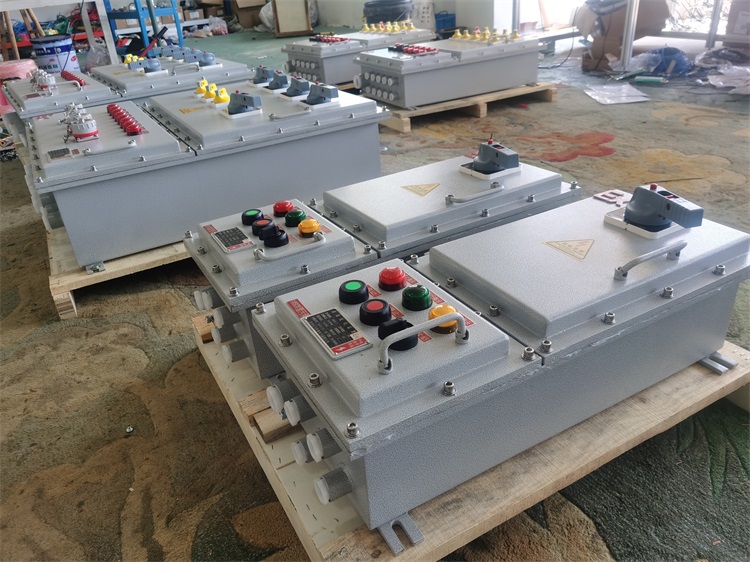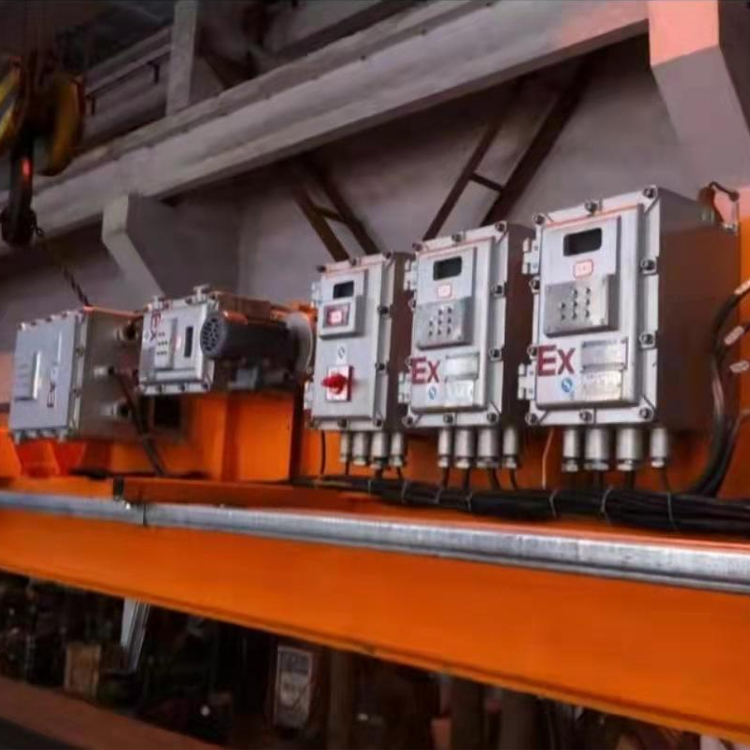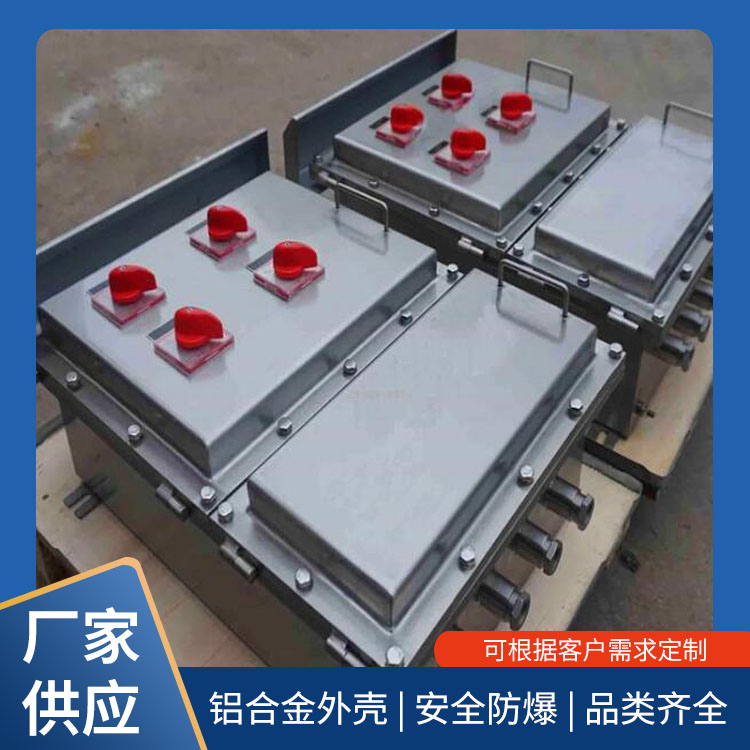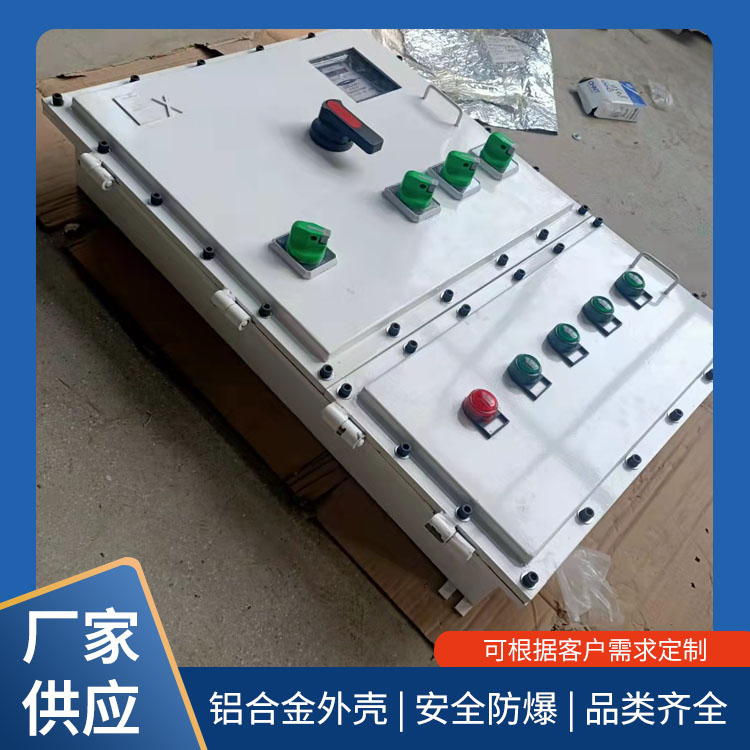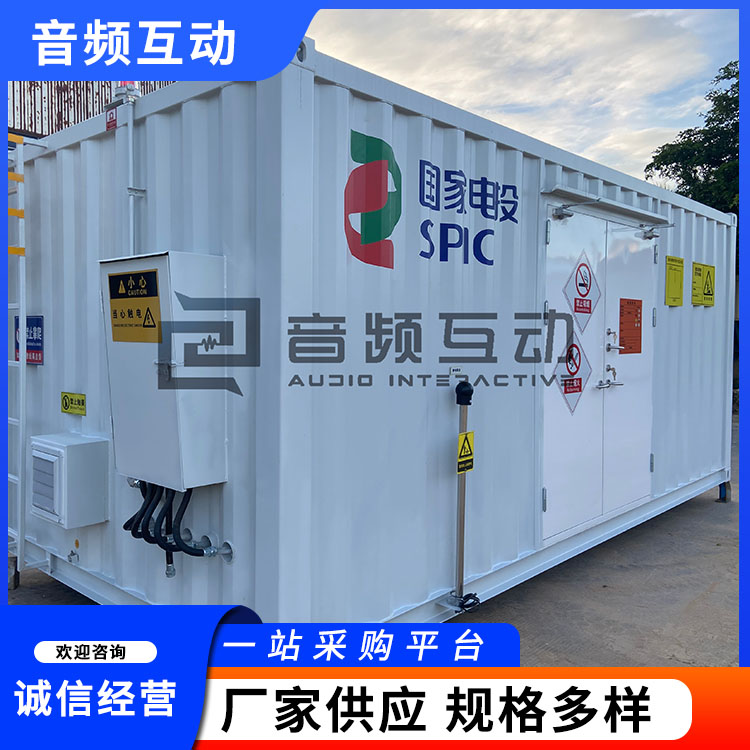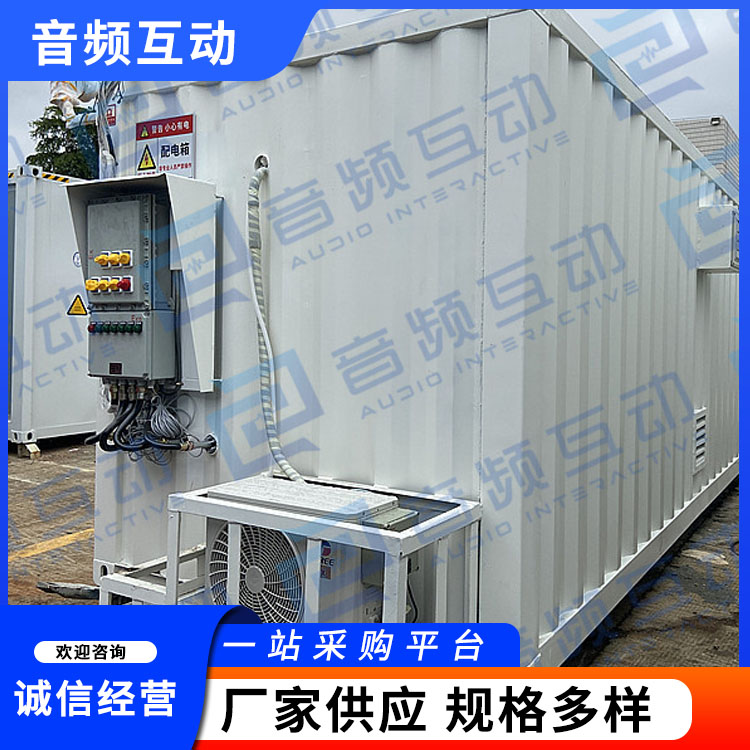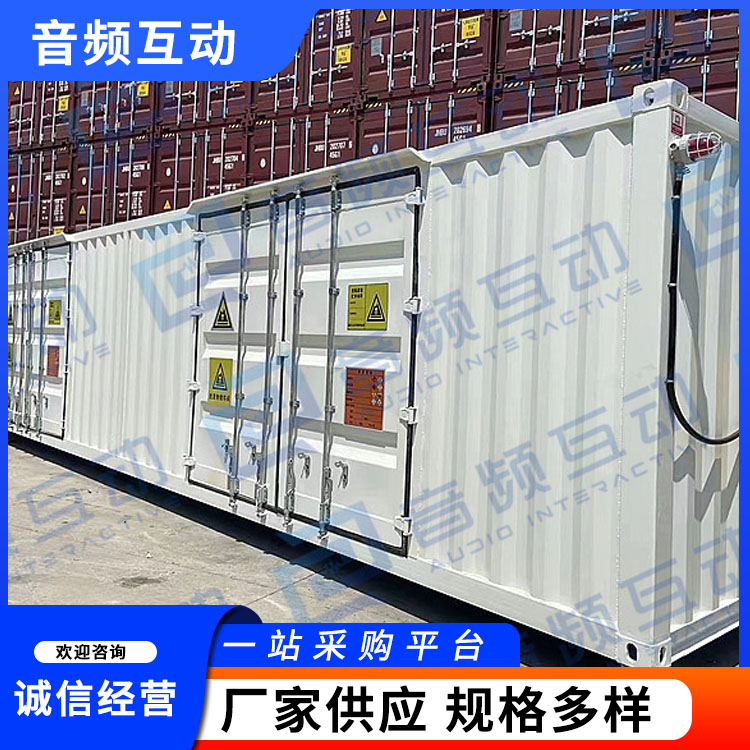

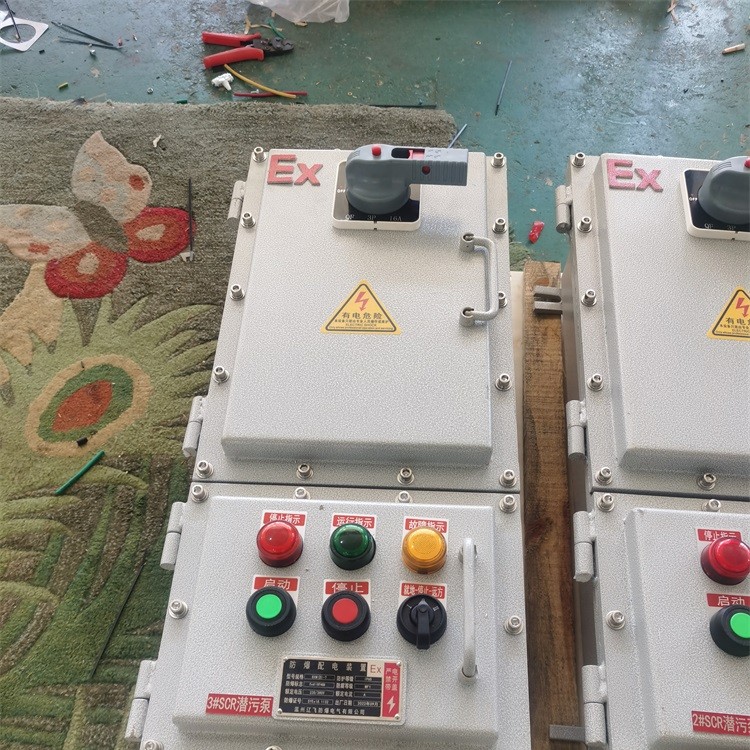

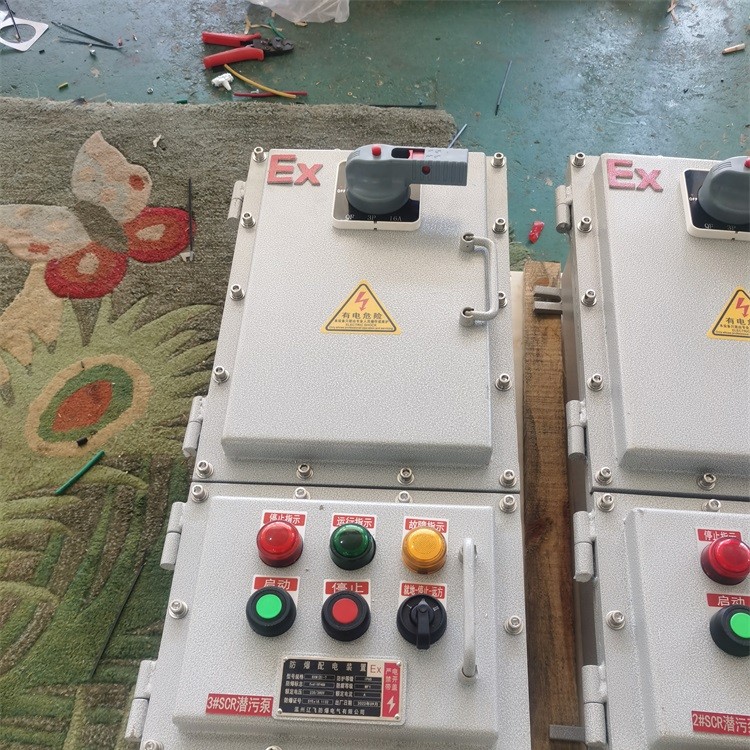

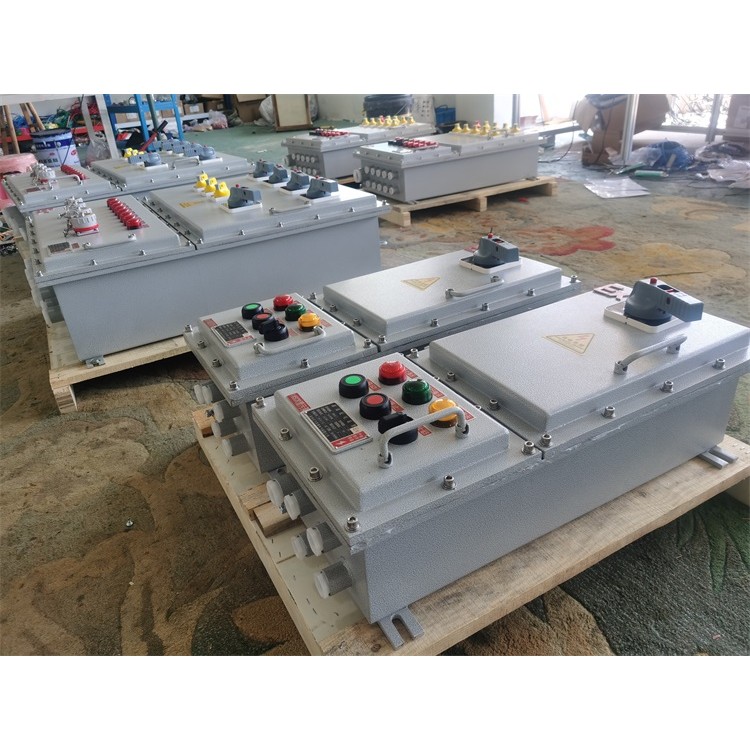


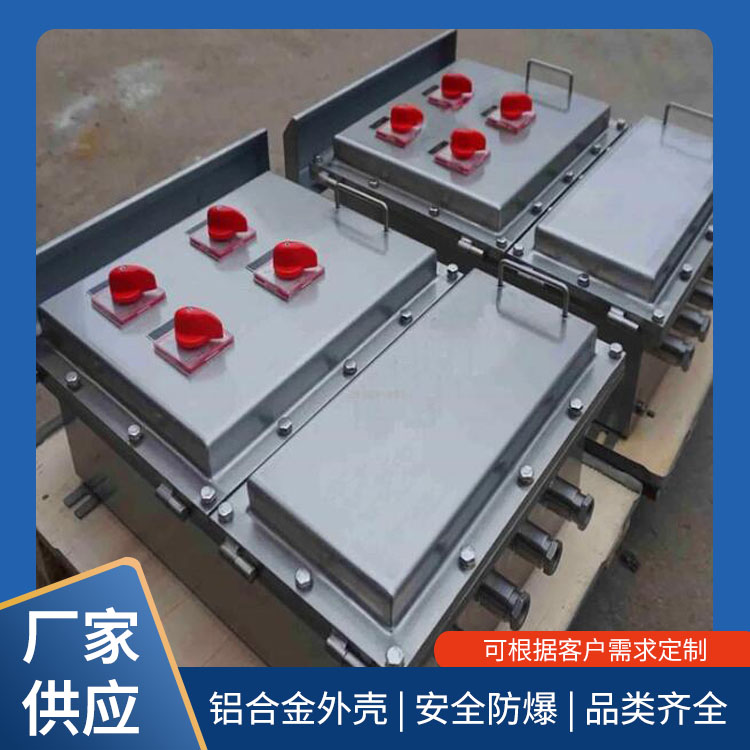
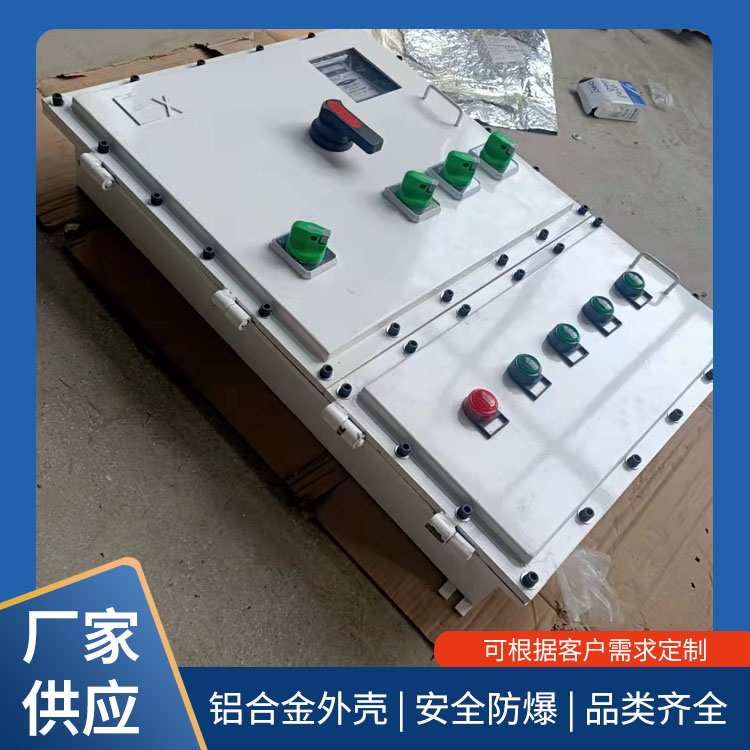








Explosion-proof junction boxes for explosion-proof electrical equipment; here, this primarily refers to the equipment classification, explosion-proof grade, temperature class, and protection level of the equipment.
(1) Category
GB 3836.1—2010 "Explosive Atmospheres, Part 1: Equipment — General Requirements, Electrical Equipment for Explosive Atmospheres. In principle, they can be divided into two major categories based on different usage environments: Category I electrical equipment and Category II electrical equipment.
Category I electrical equipment refers to electrical equipment suitable for use in underground coal mines and on the surface for handling coal. This type of explosion-proof electrical equipment essentially refers to equipment designed for environments where methane and coal dust are both present.
You know, underground in coal mines, the production environment is extremely harsh. It's not just flammable gases like methane and combustible dust like coal dust that are present; there are also factors like dripping water, humidity, and mold. All of these present higher requirements for the design, manufacturing, and use of electrical equipment.
Class II electrical equipment refers to electrical equipment used in explosive gas atmospheres other than those in coal mines, essentially electrical equipment operating on the ground (including flammable gas and flammable dust environments).
(2) Explosion-proof rating
Flammability Class is a safety criterion that evaluates the ability of combustion products from a flammable gas-air mixture to penetrate the shell gaps during a combustion explosion within a certain shell (measured by the gap), or the magnitude of the current required to ignite it by an electric spark (measured by the current ratio). A large amount of data has been obtained through tests, classifying flammable gases into three levels: Class II A, Class II B, and Class II C. This classification is shown in Table 1.1.
Explosion-proof equipment is similarly divided into 3 levels as per Table 1.1. In practical application, such explosion-proof levels are generally applicable only to隔爆型 electrical equipment and inherently safe electrical equipment and circuits, as well as certain "n" type electrical equipment. However, if necessary, other explosion-proof electrical equipment can also be classified into explosion-proof levels based on tests, such as increased safety type AC motors.