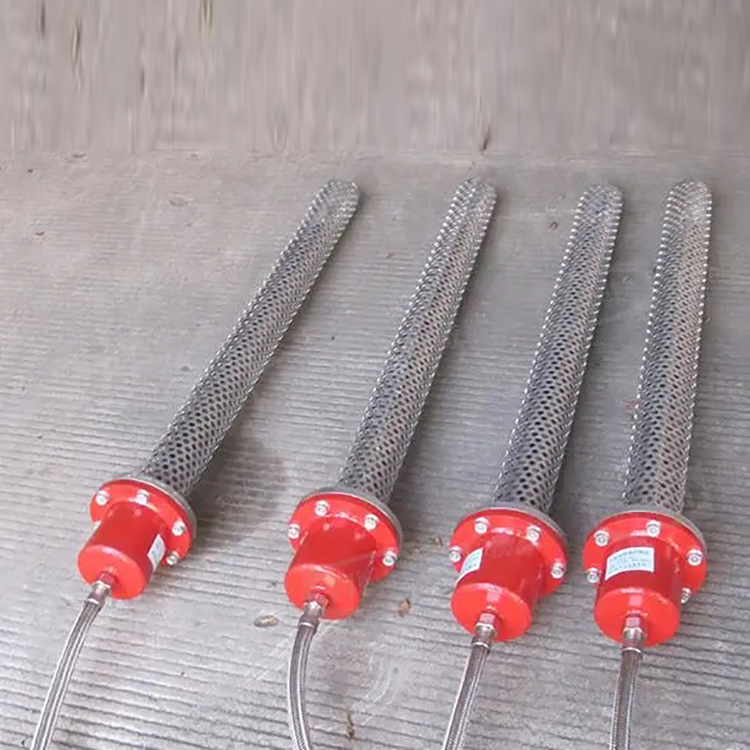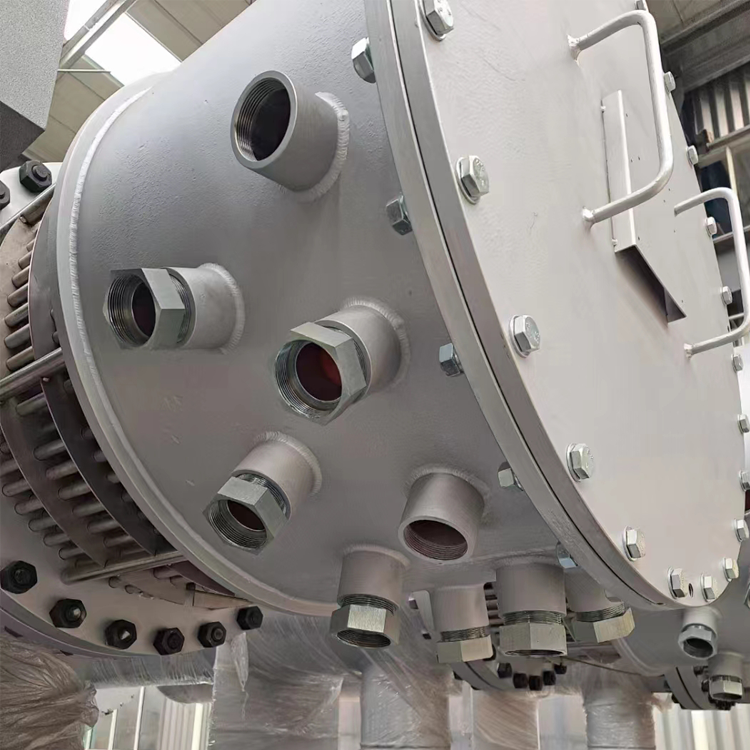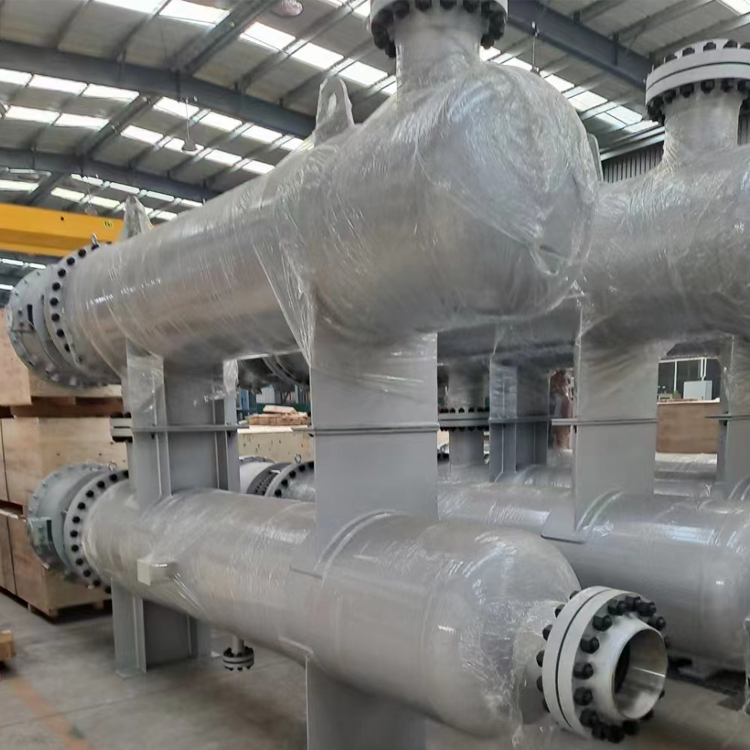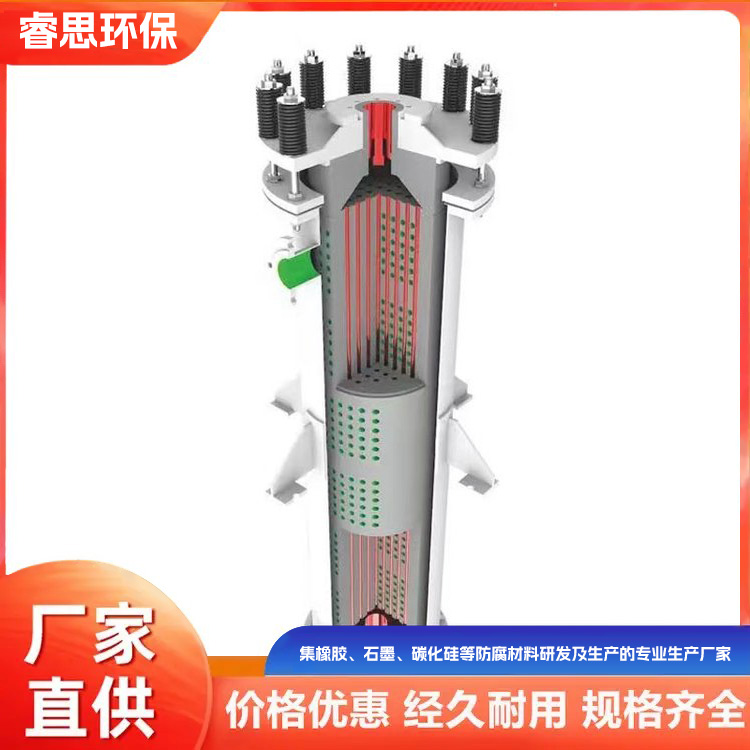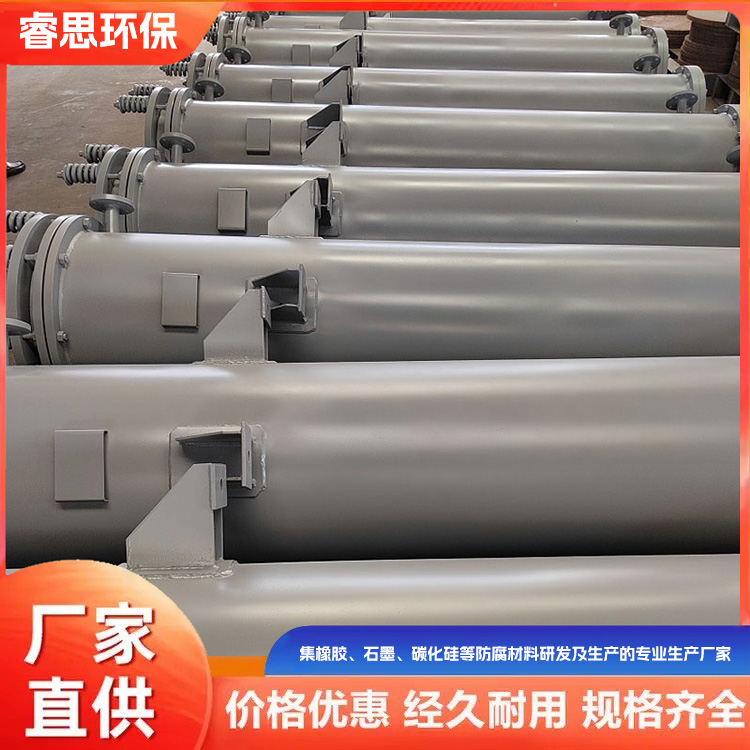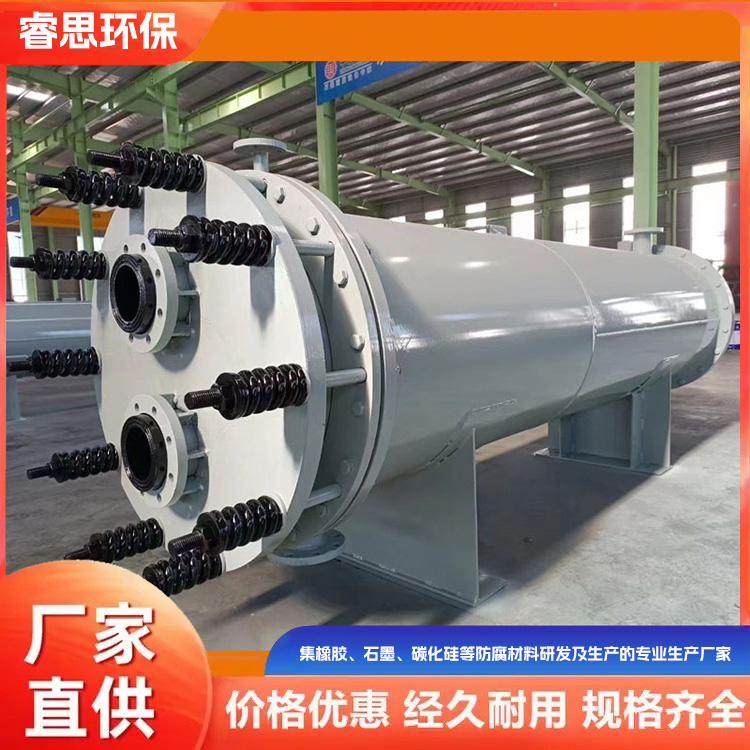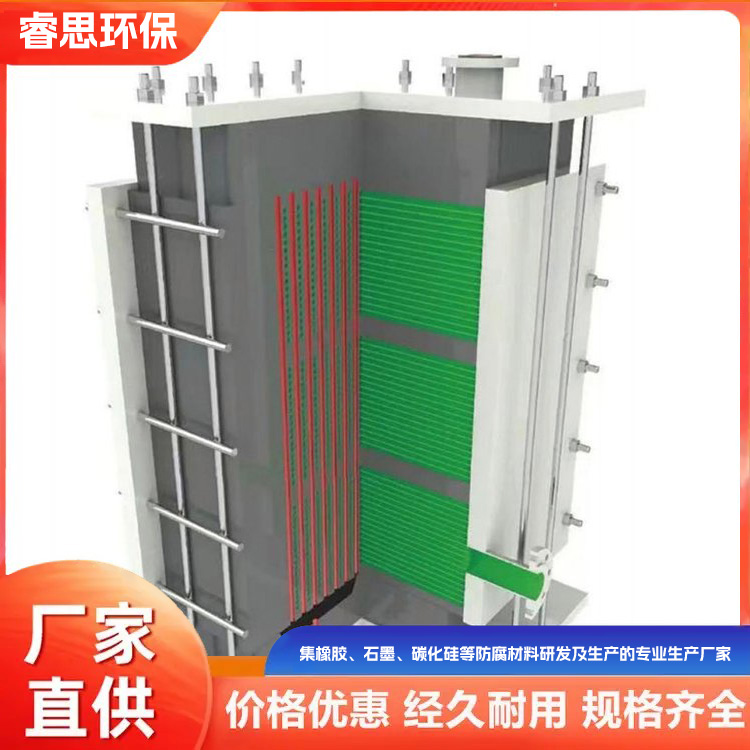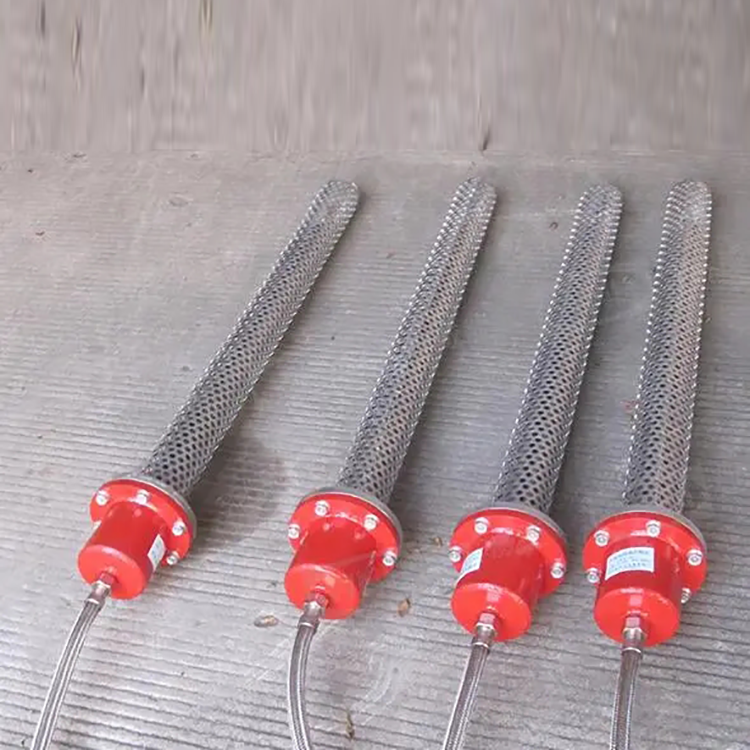


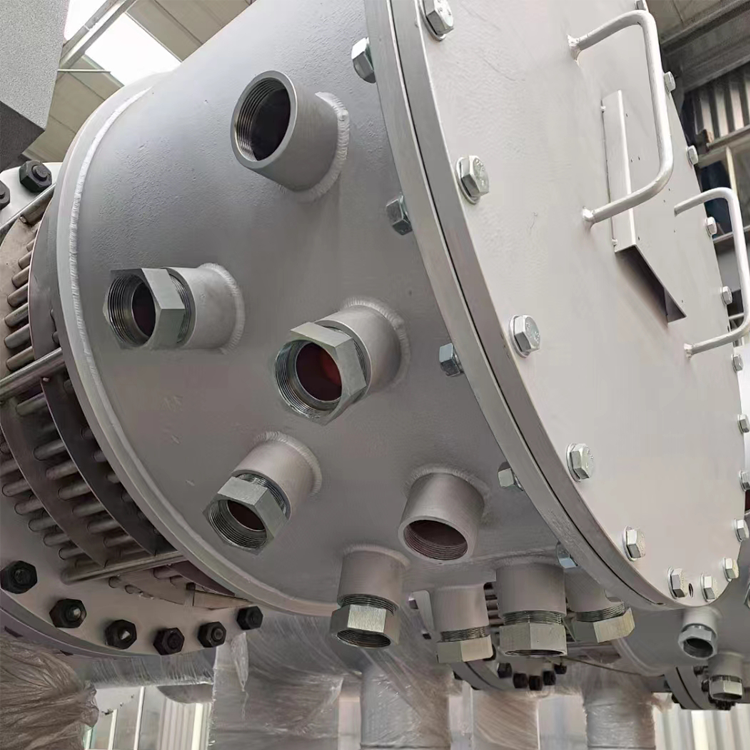
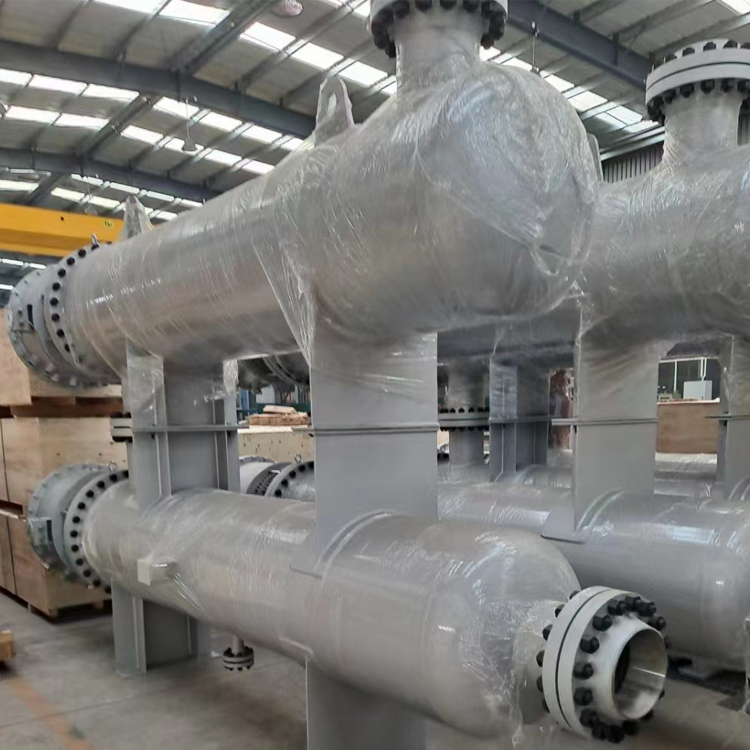


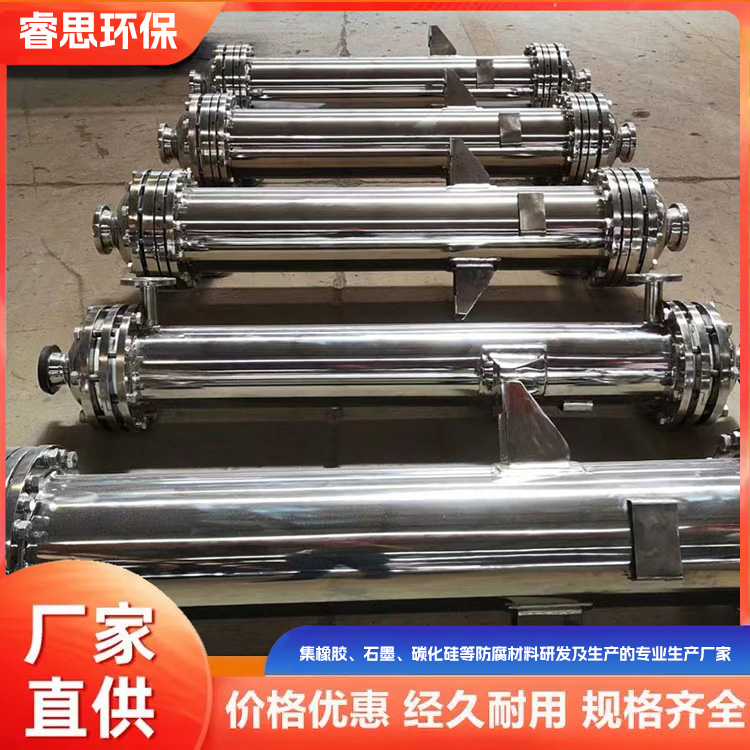
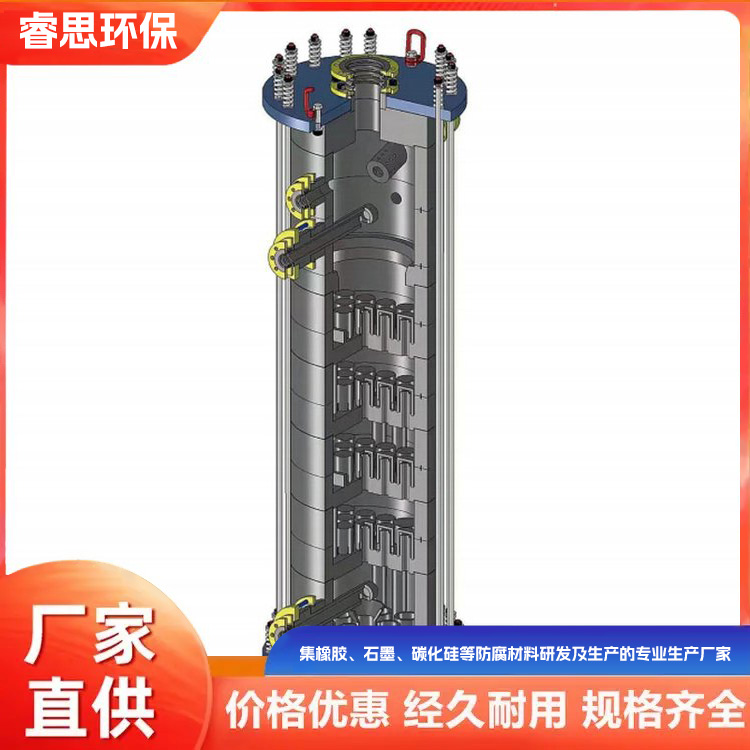





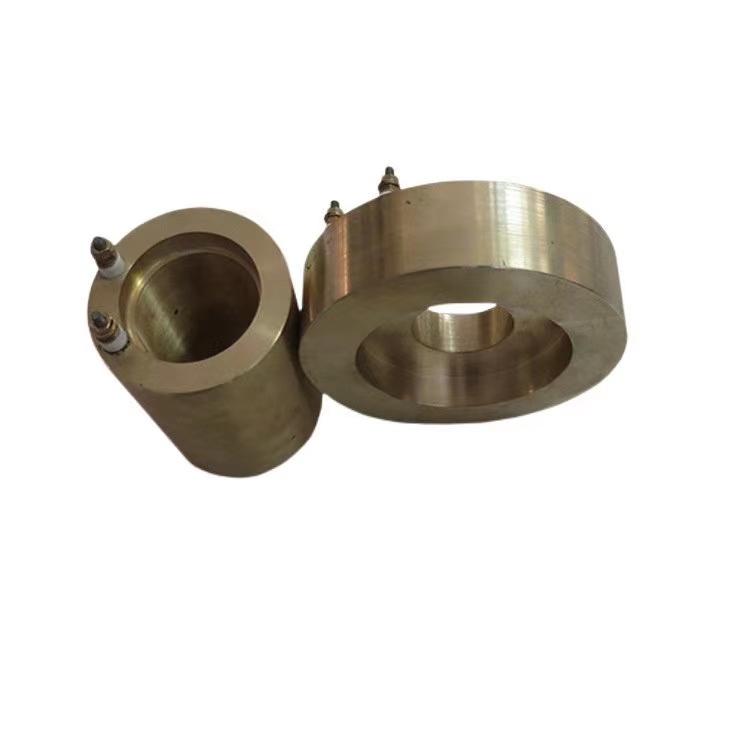
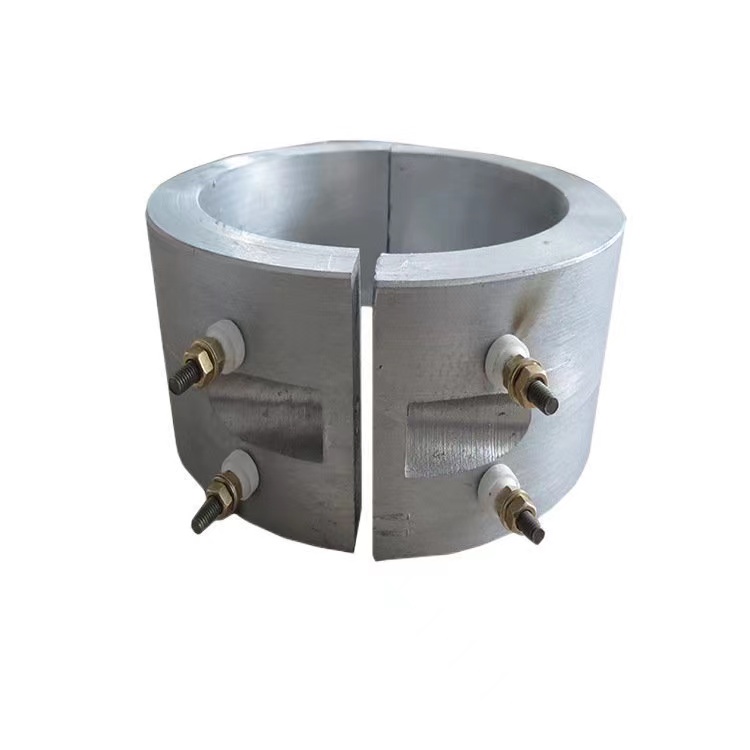
An explosion-proof electric heater converts electrical energy into heat to heat the required material. In operation, low-temperature fluid medium enters through the inlet under pressure, flows along a specific heat exchange channel inside the electric heating vessel, following a path designed according to fluid thermodynamics principles, and carries away the high-temperature heat energy generated during the operation of the electric heating elements. This raises the temperature of the heated medium, resulting in a high-temperature medium at the outlet of the electric heater that meets the process requirements. The internal control system of the electric heater automatically adjusts the output power based on the temperature sensor signal at the outlet to ensure uniform temperature of the medium. In the event of overheating of the heating elements, the independent overheat protection device of the heating elements immediately cuts off the heating power, preventing the heated material from overheating, which can lead to coking, deterioration, carbonization, and in severe cases, damage to the heating elements, effectively extending the service life of the electric heater.
Typical applications for explosion-proof electric heaters include:
1. Chemical industry: material heating, drying under pressure, chemical processes, and spray drying.
2. Hydrocarbon heating, including crude oil, heavy oil, fuel oil, thermal oil, lubricating oil, paraffin wax, etc.
3. Heating fluids such as process water, superheated steam, molten salt, nitrogen (air), and water-gas mixture, etc.
4. Due to its advanced explosion-proof structure, the equipment can be widely used in explosive environments such as chemical, military, oil, natural gas, offshore platforms, ships, mining areas, etc. Application Examples: