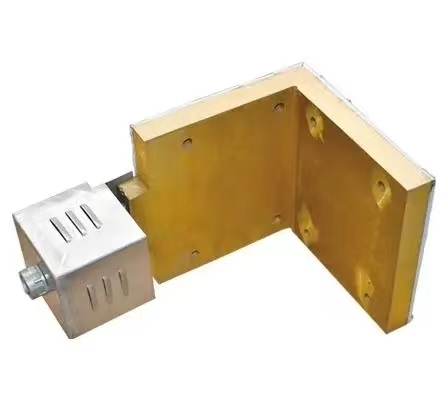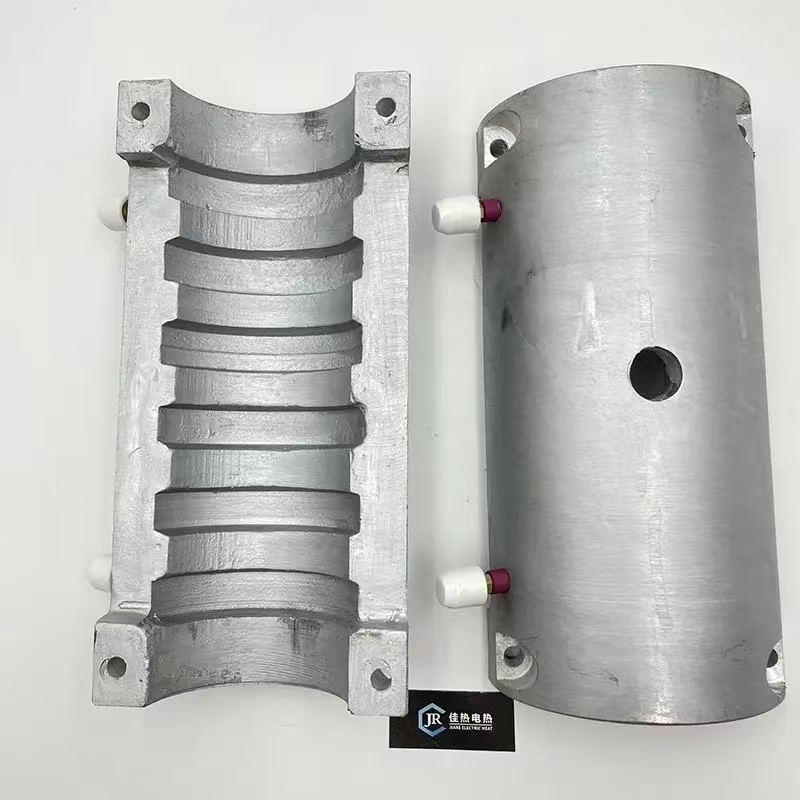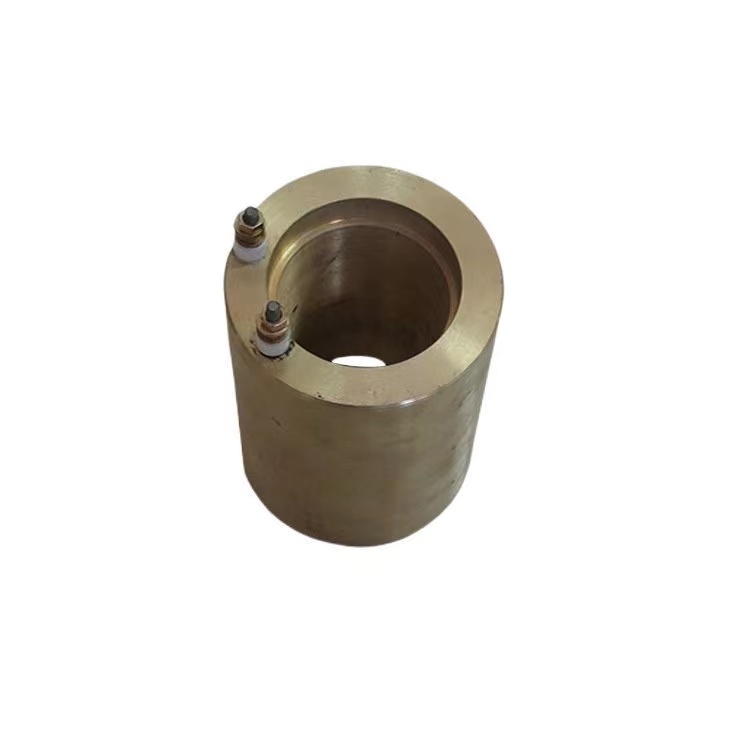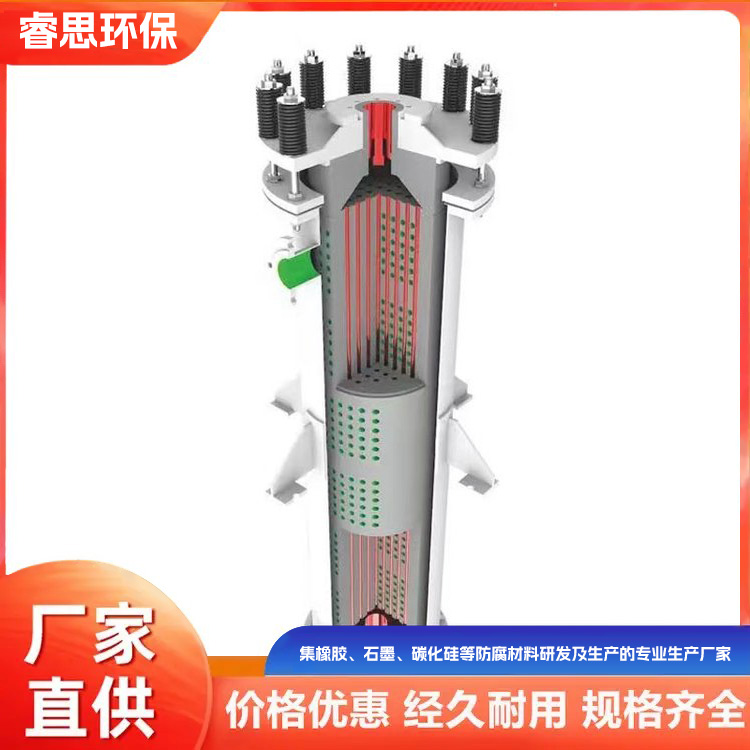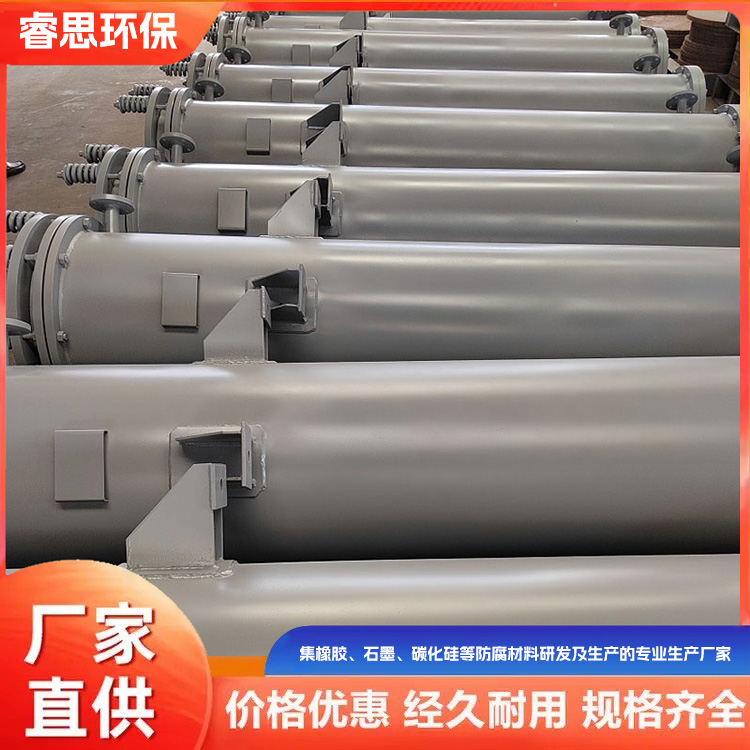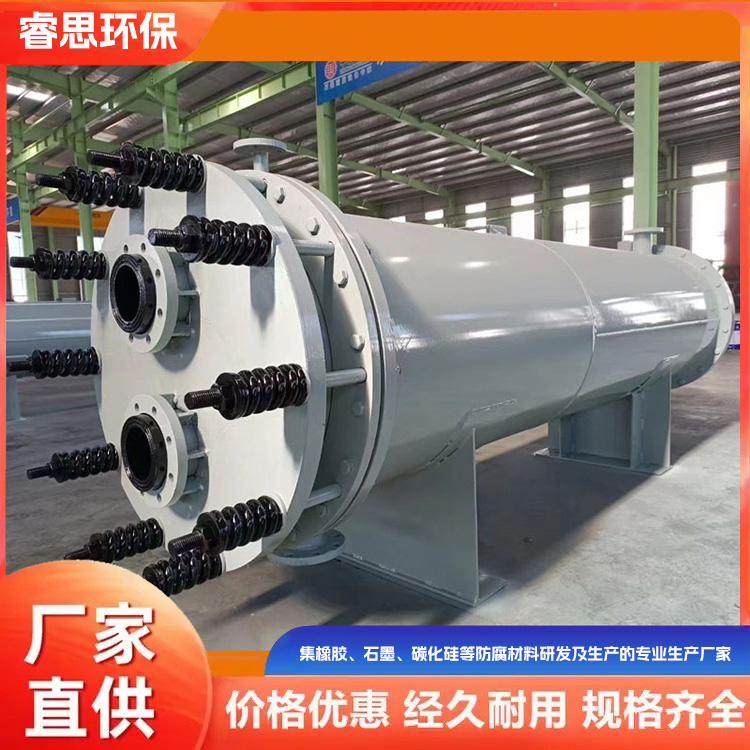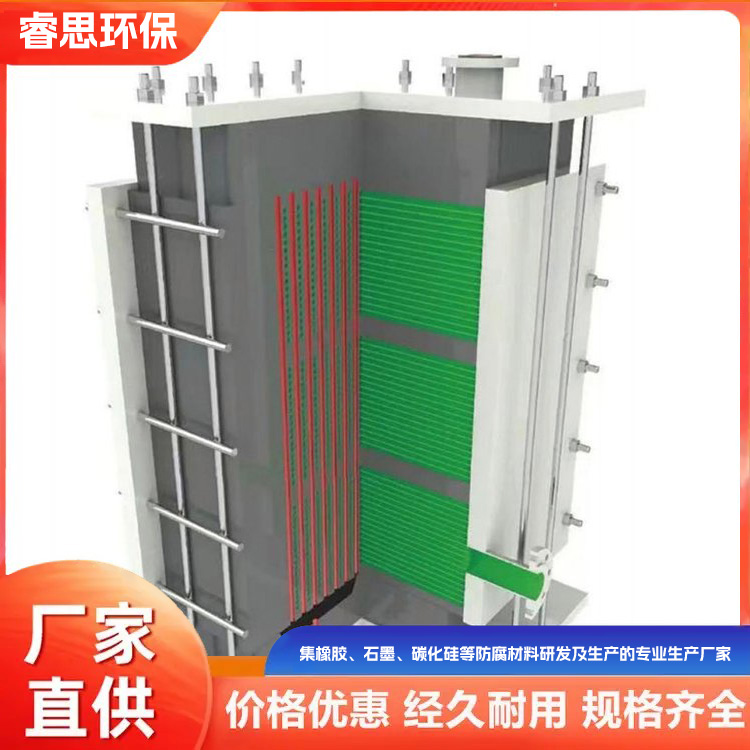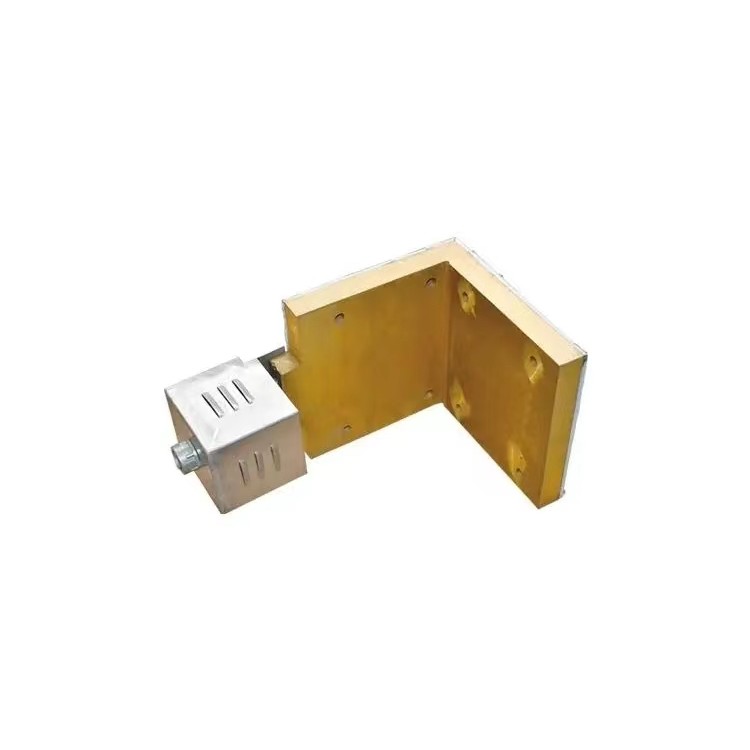

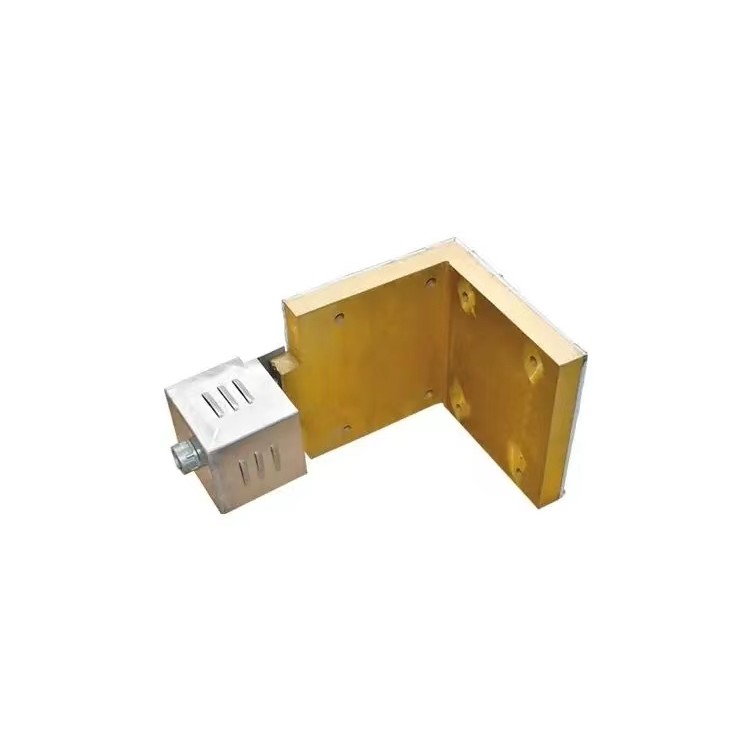







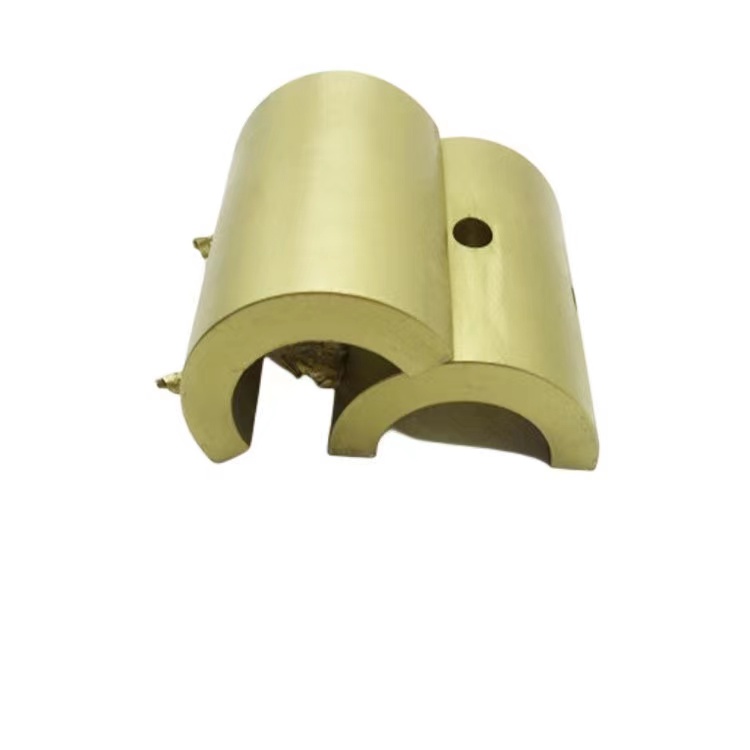
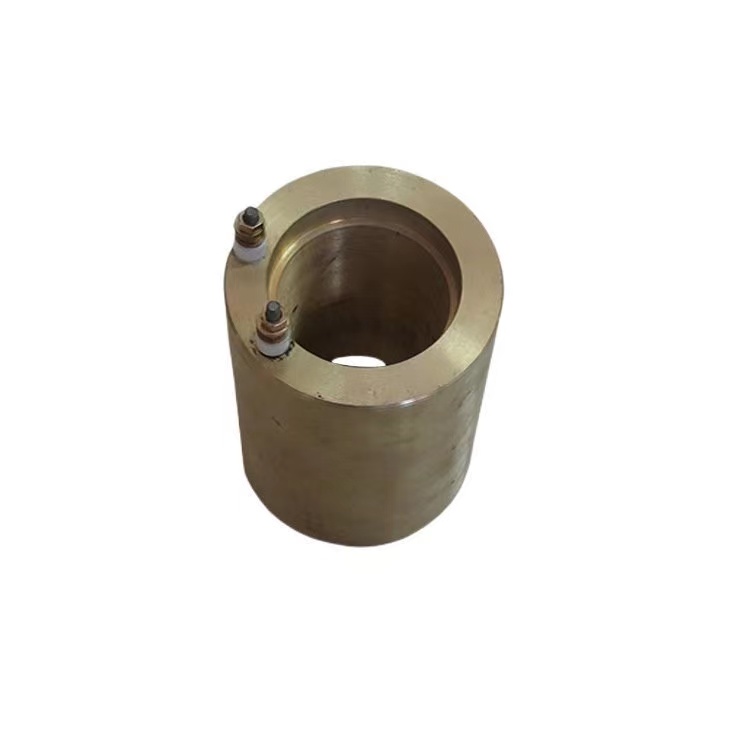
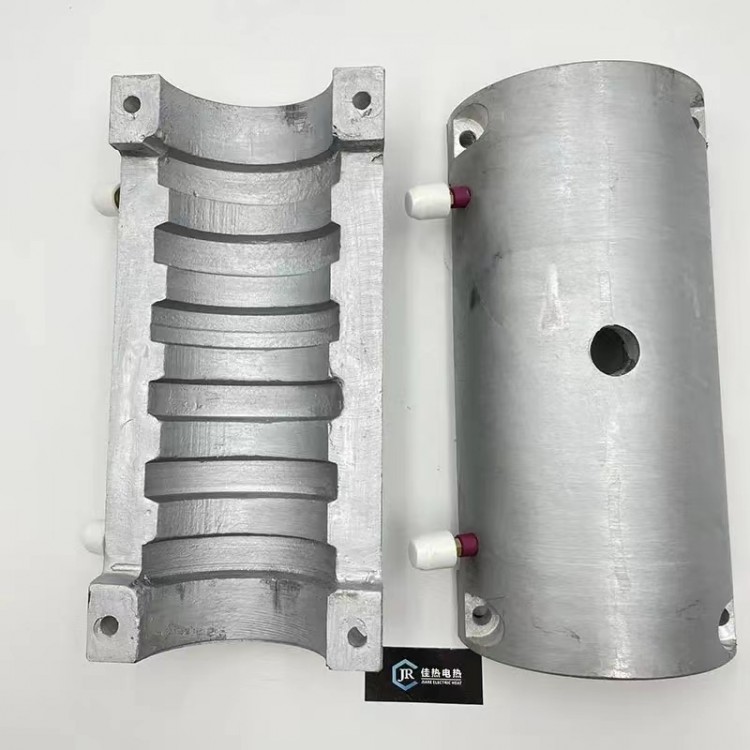
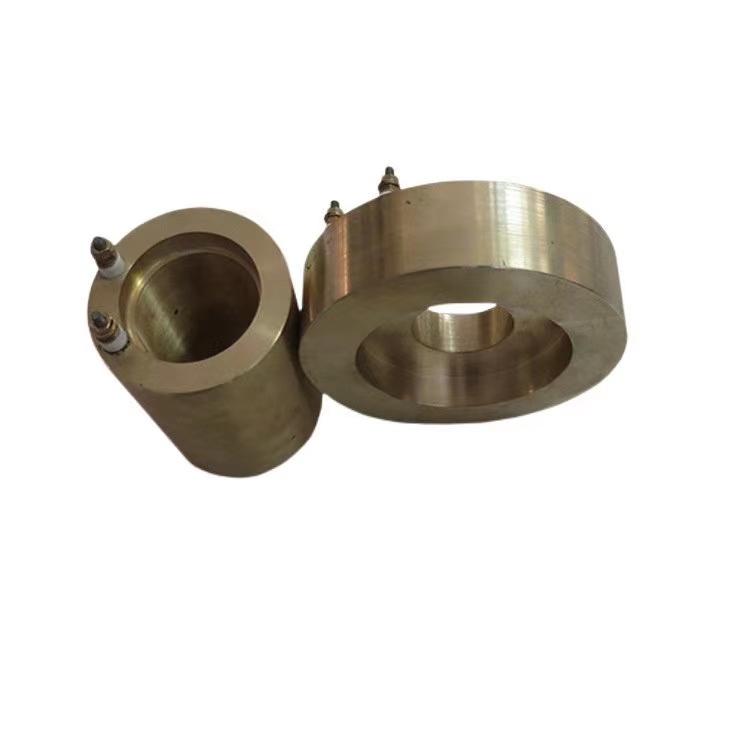
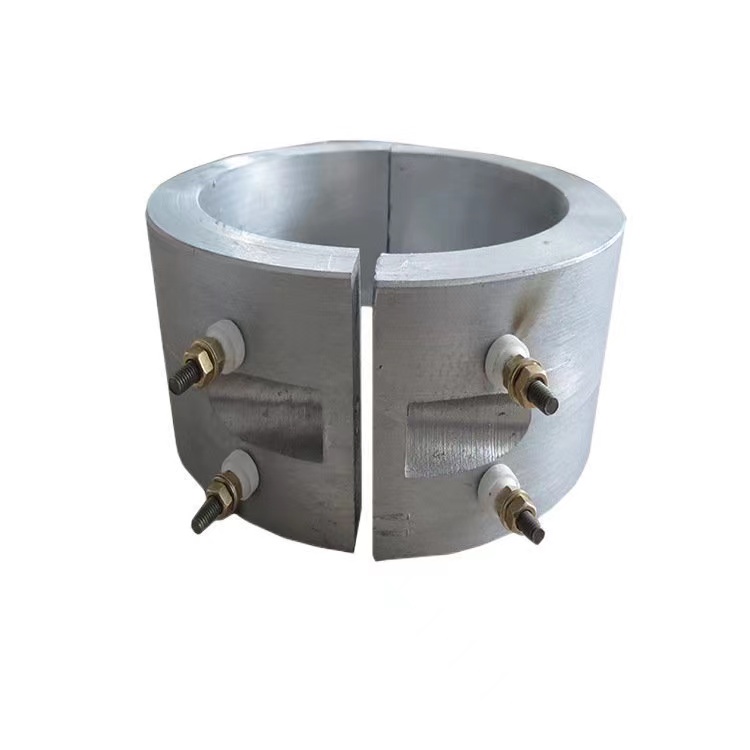
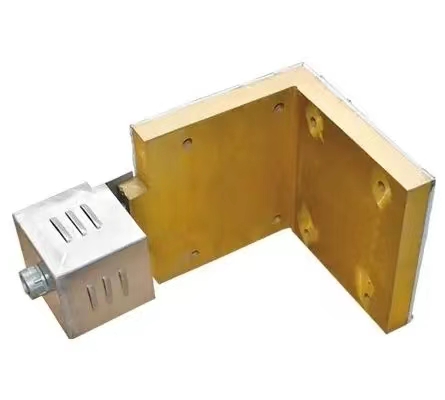
Cast aluminum heaters are electrically heated units with tubular heating elements as the heating body, encased in an aluminum alloy shell formed by die casting. They are typically used within a temperature range of 150 to 450 degrees Celsius and are widely applicable in plastic machinery, mold heads, cable machinery, chemicals, rubber, oil, and other equipment.
Technical Specifications
Cast aluminum electric heater surface load can reach 2.5-4.5 W/cm², with operating temperatures between 300-450°C.
2. The cast aluminum heater is an efficient and evenly distributed heat source with a metal alloy of good thermal conductivity, ensuring uniform surface temperatures and eliminating hot and cold spots on the equipment. It boasts long service life, excellent thermal insulation, strong mechanical properties, corrosion resistance, and magnetic resistance. By adding thermal insulation to the external heat dissipating surface and sintering infrared on the internal surface, energy consumption can be reduced by 35%.
Cautionary Notes
1. Aluminum casting electric heating coils should be properly positioned and secured. The effective heating area must be tightly sealed to the heated object, and burning in the air is strictly prohibited. In case of dust or contaminants on the surface, they should be cleaned promptly before use to prevent reduced heat dissipation and shortened lifespan.
2. Magnesium oxide powder at the electrical heating element's outlet end, to prevent contamination and moisture from seeping in at the usage site, thus avoiding electric leakage accidents.
3. The wiring section should be placed outside of the heating and insulation layers; the housing should be effectively grounded. Avoid contact with corrosive, explosive substances, and moisture; the lead wires should be able to withstand the temperature and heating load of the wiring section for a long time, and excessive force should be avoided when tightening the wiring screws.