













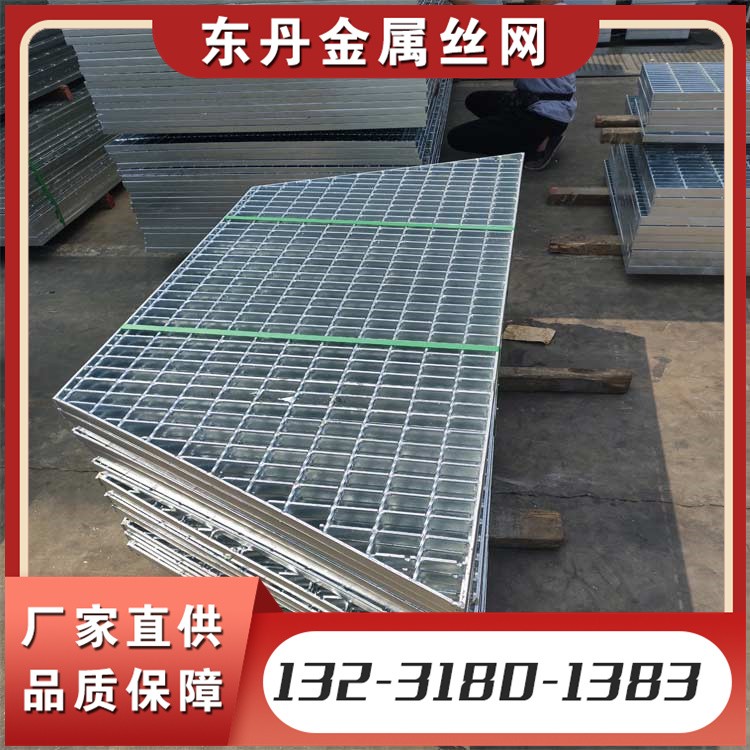
Hot-Dip Galvanized Steel Grating
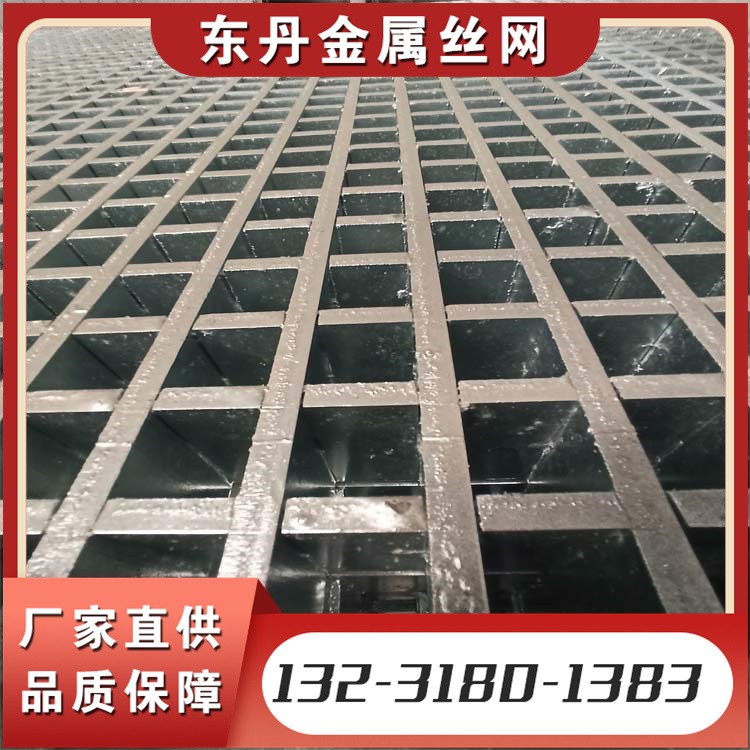
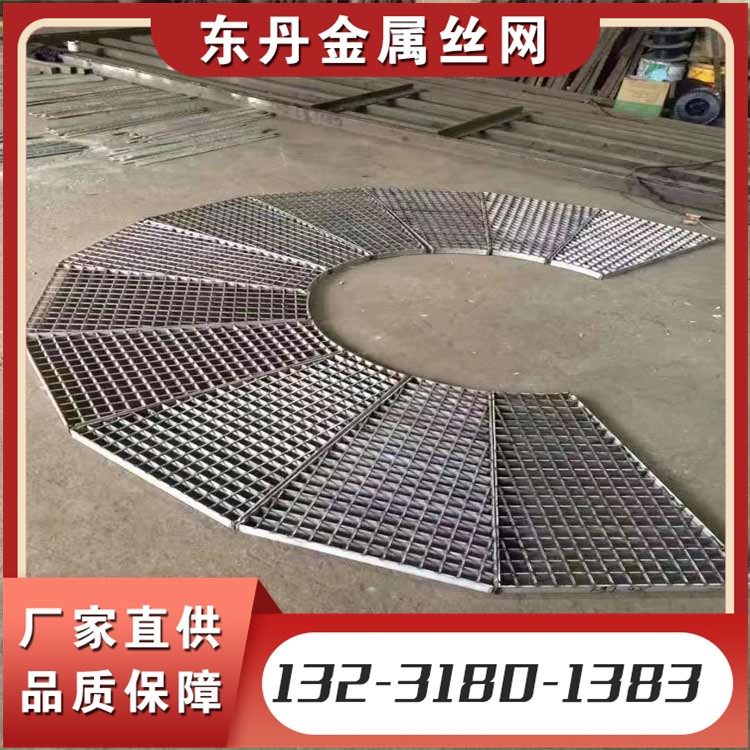
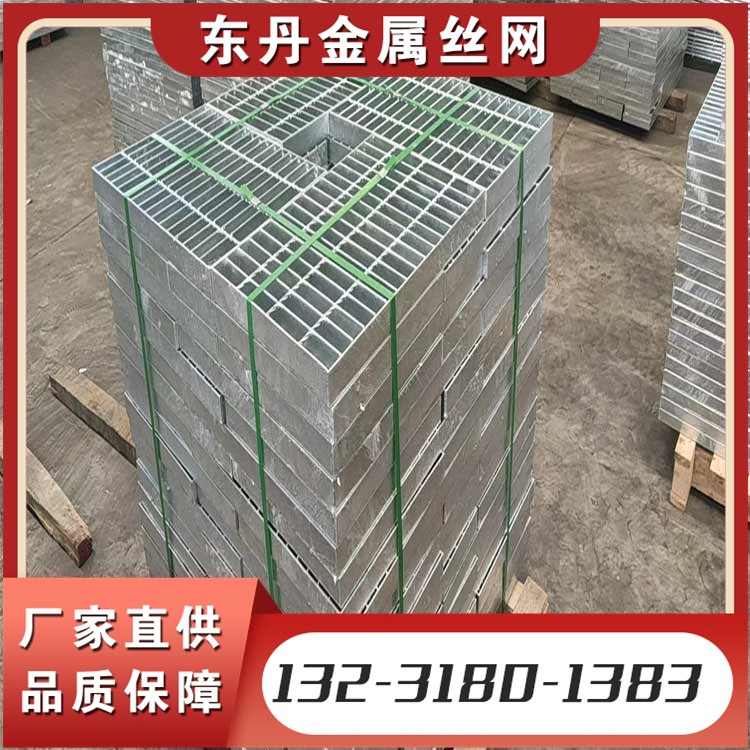
(Hot-dip galvanized steel grating) is a highly popular product with broad applications in steel grating, as it is焊接 after formation and then undergoes hot-dip galvanizing. This not only enhances its aesthetic appeal but also provides excellent corrosion and rust resistance, extending its service life significantly, making it a favored choice among numerous customers.
Hot-dip galvanized steel grating panels feature high strength and lightweight structure; their sturdy grid pressure-welded construction offers high load-bearing capacity, lightweight design, and ease of hoisting; they also possess an aesthetically pleasing appearance and are durable.
Corrosion Resistance: A stable protective film forms on the zinc coating surface within the pH range of 6 to 12.5, offering good corrosion resistance.
Hot-dip galvanized steel grating applications: Widely used in platforms, walkways, gangways, manhole covers, grates, ladders, fences, and railings for platforms, power plants, waterworks, sewage treatment plants, municipal engineering, and environmental protection projects.
Heavy-duty steel grating
1. Heavy-duty steel grating introduction:
Heavy-duty steel grating refers to grating with a bearing steel width of over 65mm and a bearing steel thickness of over 6mm, with crossbars typically made of flat steel or steel rebars with diameters of 10mm or 12mm.
2. Heavy-duty steel grating applications:
Heavy-duty steel grating is designed and manufactured for heavy load applications, suitable for airports, highways, industrial platforms, port terminals, and other special requirements.
3. Heavy-duty steel grating classifications:
4. Heavy-duty steel grating can be divided into two types according to the production process: heavy-duty welded steel grating and heavy-duty riveted steel grating.
A. Heavy-duty welded steel grating refers to a type of steel grating where the cross bars are made of rebar, suitable for single-direction loading applications.
B. Heavy-duty pressure-locked steel grating refers to the type with flat steel crossbars, suitable for bidirectional loading applications. However, it is significantly more expensive than welded steel grating and is generally not recommended.
C. Surface shape can be divided into flat heavy-duty steel grating and ribbed heavy-duty steel grating.
Due to cost considerations, we recommend using flat steel grating in most cases, and toothed heavy-duty steel grating for anti-slip applications such as offshore drilling platforms.
Composite steel grating
This product is composed of steel grating with certain cross-bearing capacity and patterned plates with a sealed surface. After the composite steel grating is hot-dipped galvanized, it may experience warping and deformation due to heat, especially for larger sizes, which can be difficult to flatten. Please pay attention to the selection of the type. The composite steel grating commonly uses Series 3 steel grating as the base, but Series 1 or Series 2 steel grating can also be used. Patterned steel grating typically uses 3mm thick plates, but 4mm, 5mm, or 6mm plates can also be used. The composite steel grating can be joined with a steel mesh on the front or back side to form a reinforced mesh panel, which can prevent small items from falling out. Using this reinforced mesh panel in grain silos, dining rooms, and warehouses can prevent small animals like rats from entering.
Composite Steel Grating Installation Method: Directly weld the steel grating or tread plate to the supporting steel structure, and apply two coats of zinc-rich paint at the welding joints. Use steel grating installation clamps to install without damaging the galvanized layer, and disassembly is convenient. Each set of installation clamps includes one top clamp, one bottom clamp, one M8 round head bolt, and one nut. Stainless steel installation clamps or bolt connection methods can be provided upon request. The installation gap for steel grating is generally 100mm. Ensure that the installation is firm and reliable, and regularly check to prevent the clamps from loosening or falling off. It is recommended to weld or add rubber pads to steel grating near vibration.
Platform steel grating
Platform steel grating is a versatile product in the wide range of steel grating panels, mainly used for platforms in factories, workshops, mining, and ports. It offers an aesthetic and imposing appearance, easy installation, and is a new-generation building product for upgrading.
Platform specialty products include: steel grating plates.
1. Kick plates (edging plates), patterned board guards, and installation accessories such as connecting parts can be additionally welded around the steel grating.
2. Utilize flanges with a different specification than the steel grating's扁steel, or use angle iron, channel steel, square tubes, etc., for edging.
3. Handles and hinges can be installed on the platform steel grating panels for frequent movement or opening.
4. Generally speaking: The welding standard for the edge of the platform steel grating panels is as follows: Series 1 - weld one out of every five; Series 2 - weld one out of every four; Series 3 - weld one out of every three. The welds are single-sided angle welds not less than 3mm, with a length of 20mm.