












Wind and Dustproof Netting for Sand and Gravel Plant A, Wuda Sand and Gravel Plant Wind and Dustproof Netting A, Wind and Dustproof Netting Application Range for Sand and Gravel Plant
Significantly reduces construction costs, enhancing the competitiveness of contractors in the market.
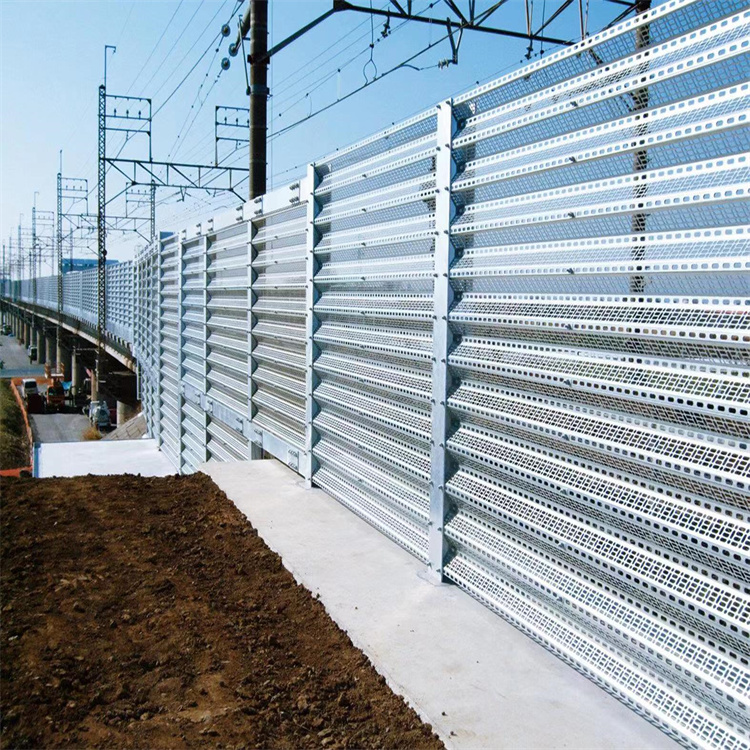
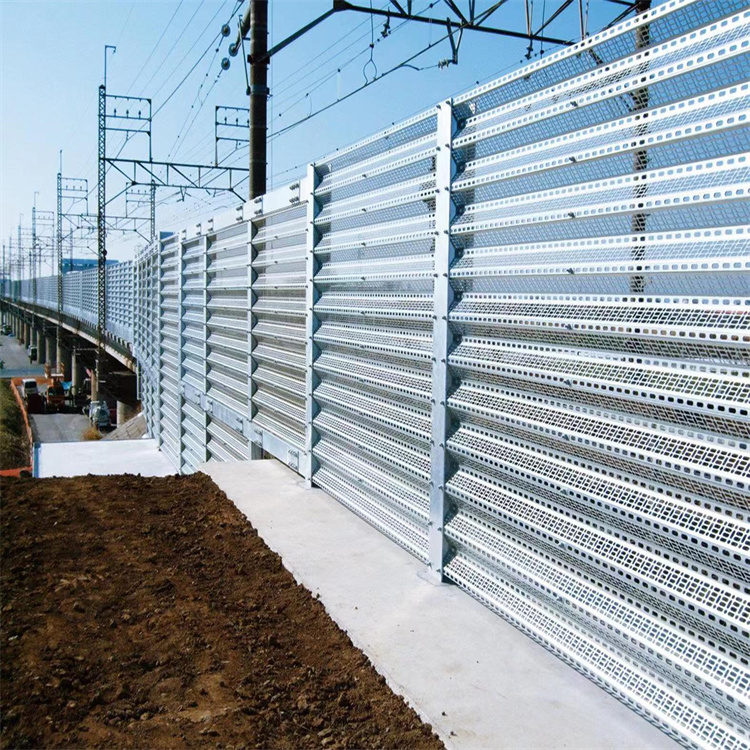
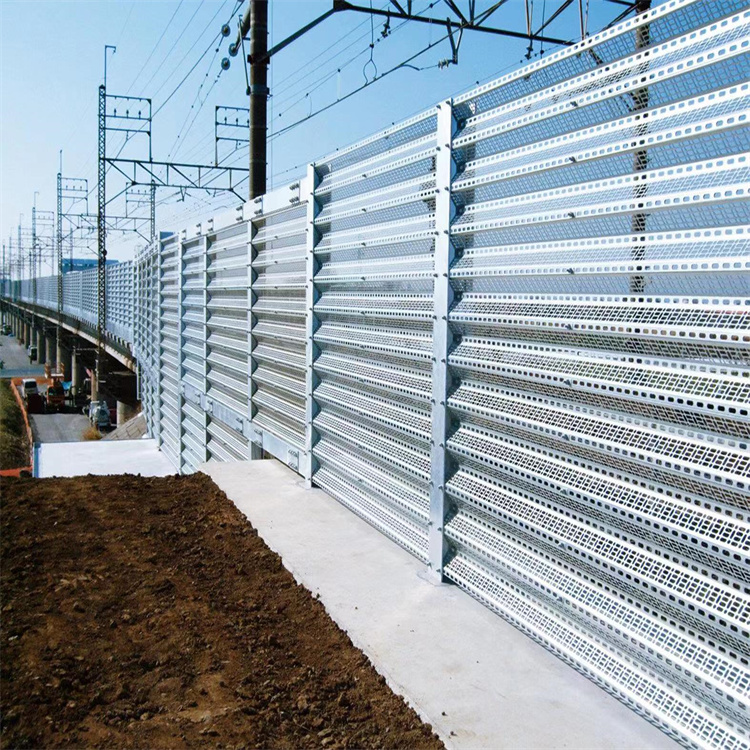
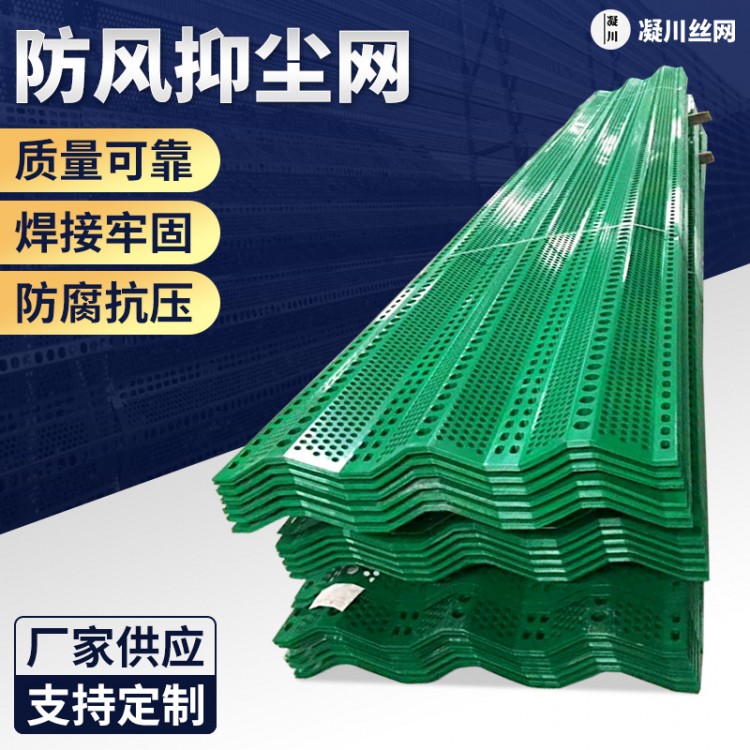
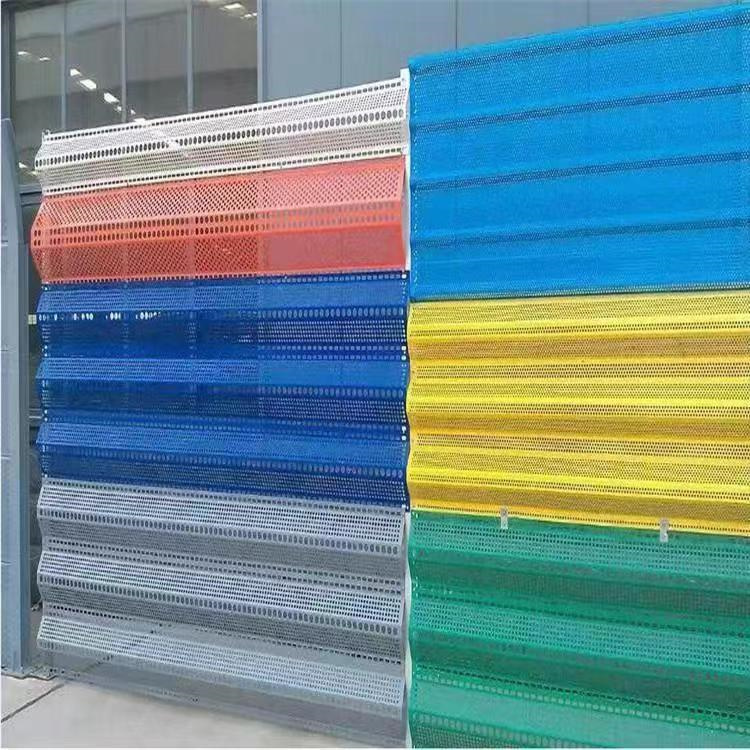
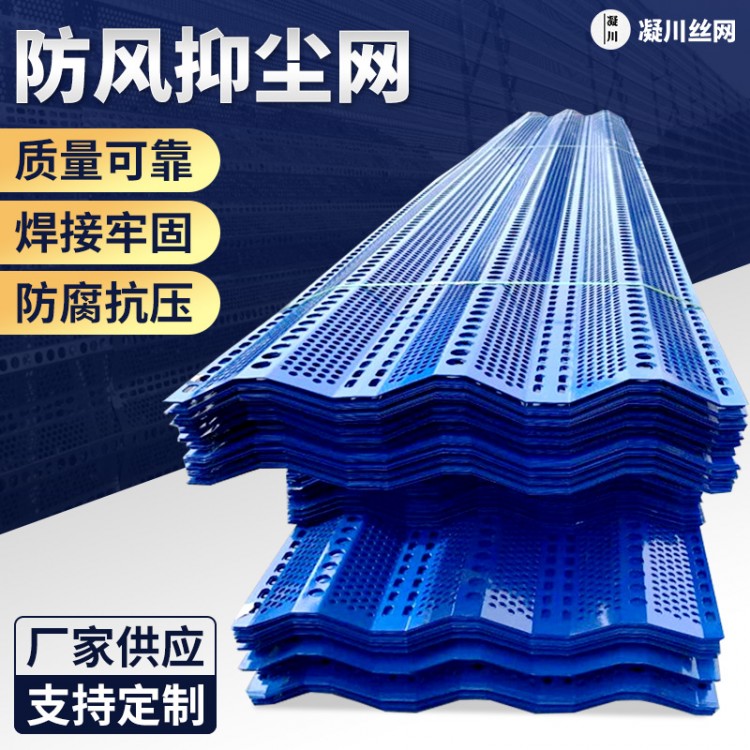
The galvanized aluminum alloy windbreak and dust suppression mesh panel is made of galvanized aluminum alloy steel plate as the base material, which is formed by stamping and then coated with an electrostatic powder coating for secondary corrosion protection, offering a higher corrosion resistance lifespan than galvanized aluminum alloy steel plate. It features anti-depression function with stamping technology; the appearance is beautiful, the coating is tough, has good adhesion, excellent weather resistance, and does not re-adhere. It also has good water resistance, wear resistance, oil resistance, and electrical insulation properties.

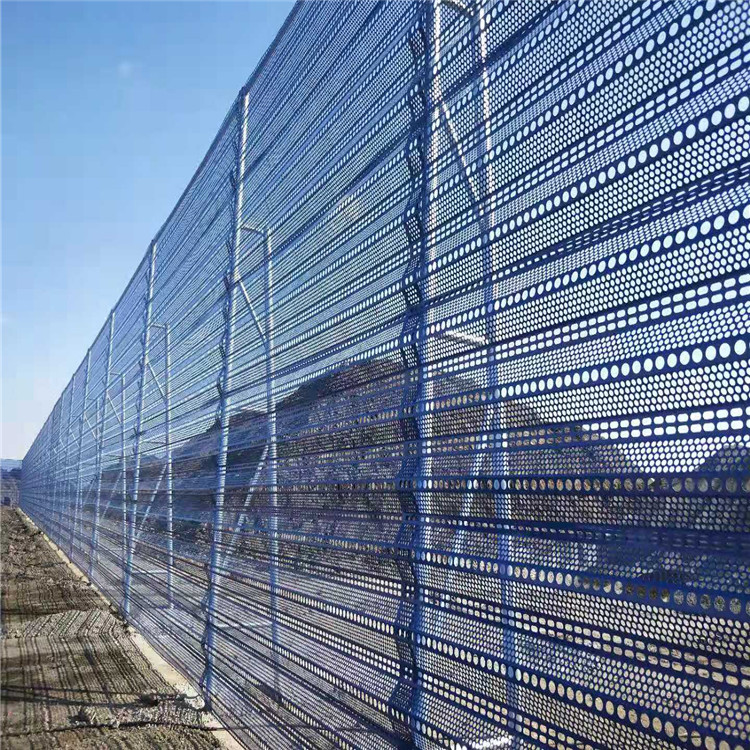
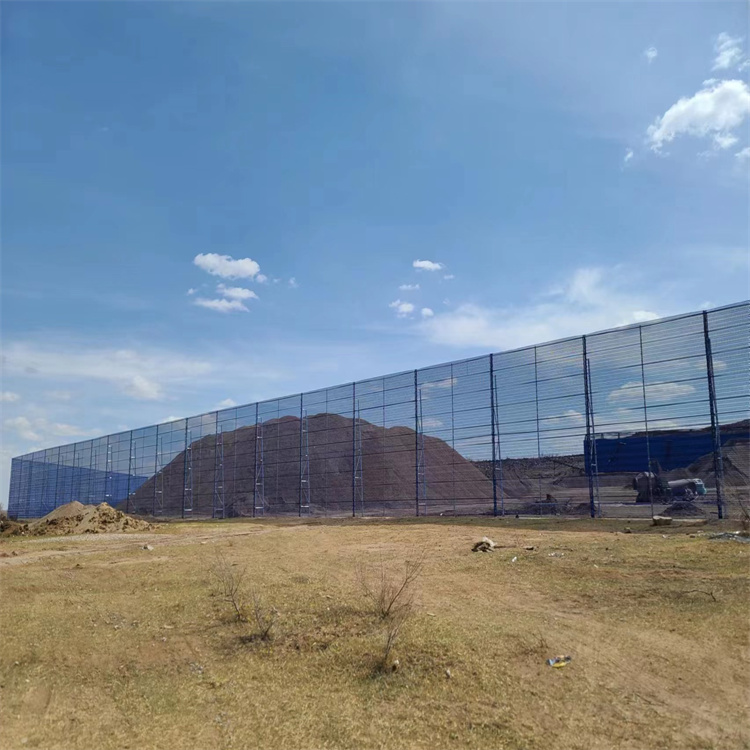
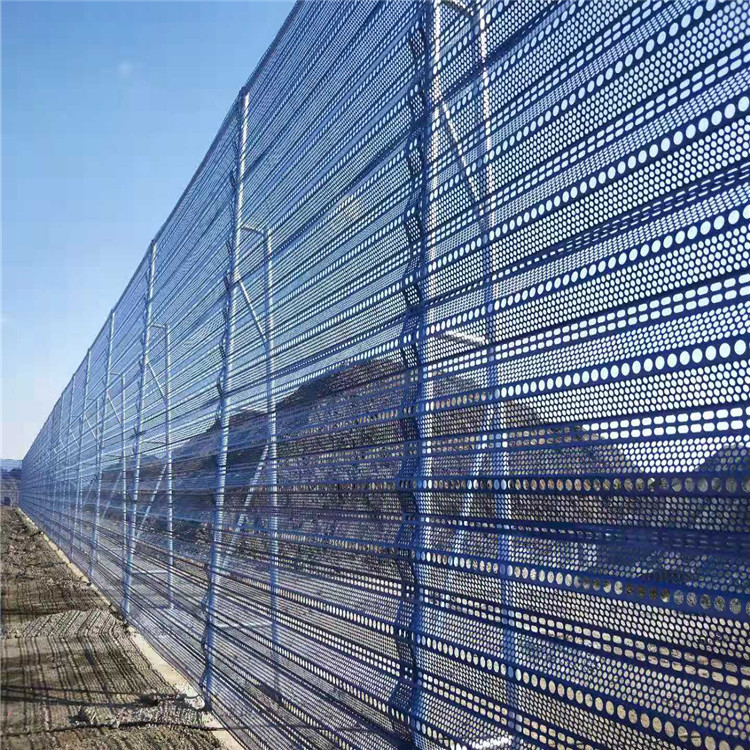
According to the survey, a single-layer dust-proof net can effectively block 65-75% of wind and dust, while a double-layer windproof and dust-proof net can achieve a 95% dust-proof effect.
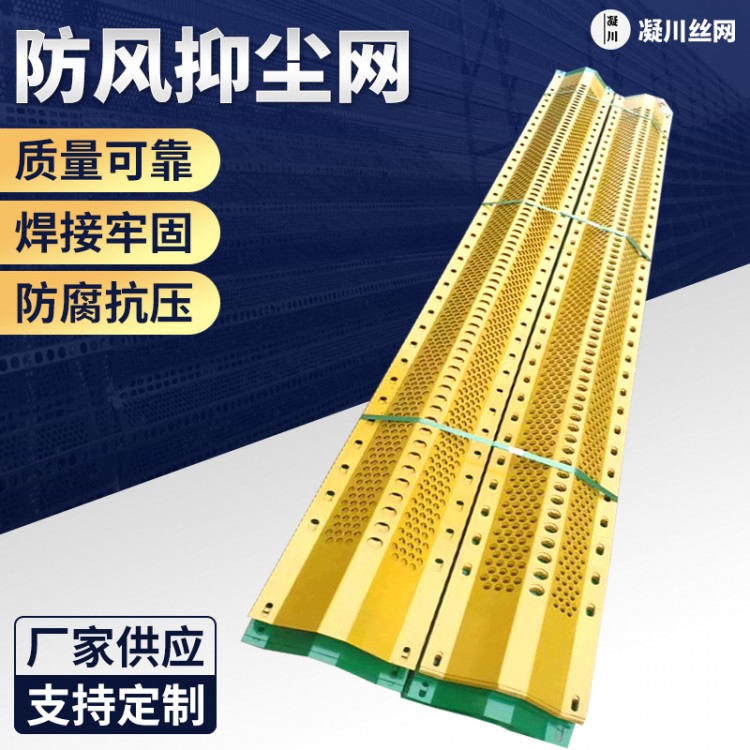
Galvanized Aluminum Zinc Anti-Wind and Dust Control Mesh Single Peak Series
Material width ranges from 250mm to 500mm, with a peak height of 50mm to 100mm, and can be processed within a length of 4 meters. Sheet thickness is from 0.5mm to 1.5mm, and within this scale, we can fabricate according to the customer's drawings.
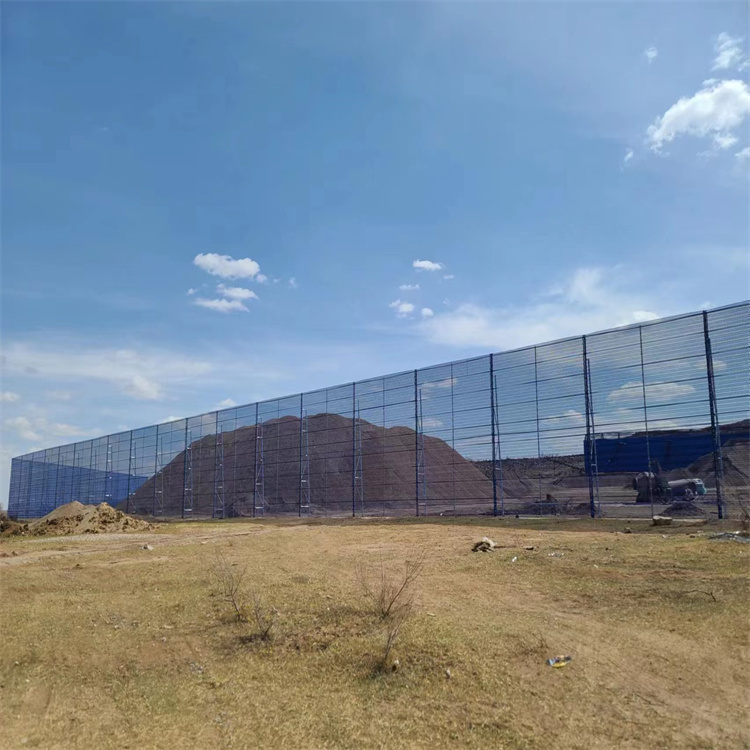
Windbreak and dust suppression wall consists of three parts: independent foundation, steel structure support, and windbreak panel.
Windbreak dust suppression wall dust formation is divided into two categories: one is the static dusting on the surface of the material pile yard; the other is the dynamic dusting during the process of stacking and reclaiming materials.
PPI regulations stipulate that if the temperature for polyethylene usage is set above 6℃, it must be classified as an "exception" and decided upon by the PPI board. PEX, developed to enhance the heat resistance of polyethylene (PE), connects linear macromolecule chains through certain cross-linking agents, which indeed imparts excellent heat resistance to the piping material. However, it also leads to increased production costs and a series of issues related to maintenance and hygiene. Moreover, due to the cross-linking process, the piping transforms from thermoplastic to thermosetting, rendering some discarded piping materials (including substandard piping in factories or small sections during construction) non-recyclable. This has a certain negative impact on the environmental friendliness of PEX piping materials.
WeChat Official Account

Scan to follow Official Account