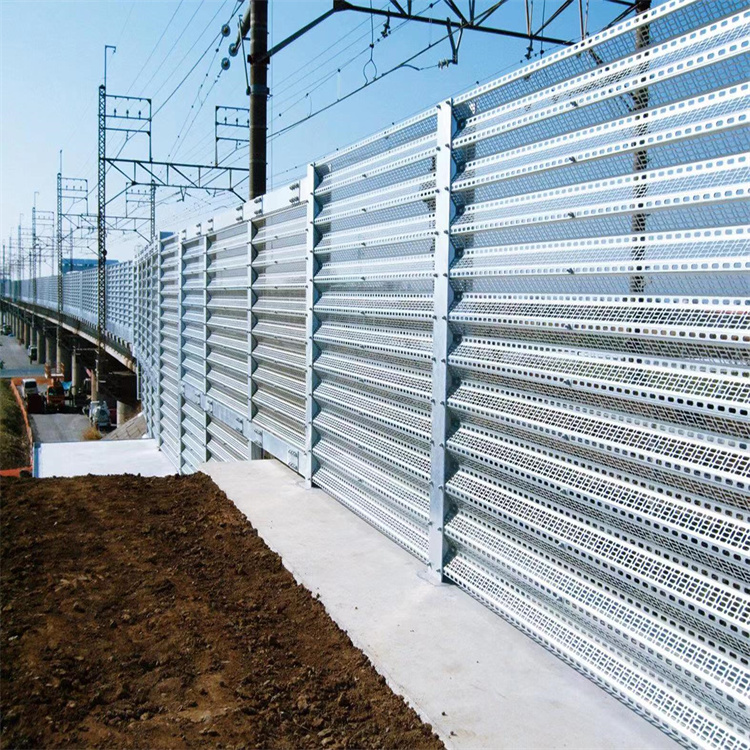

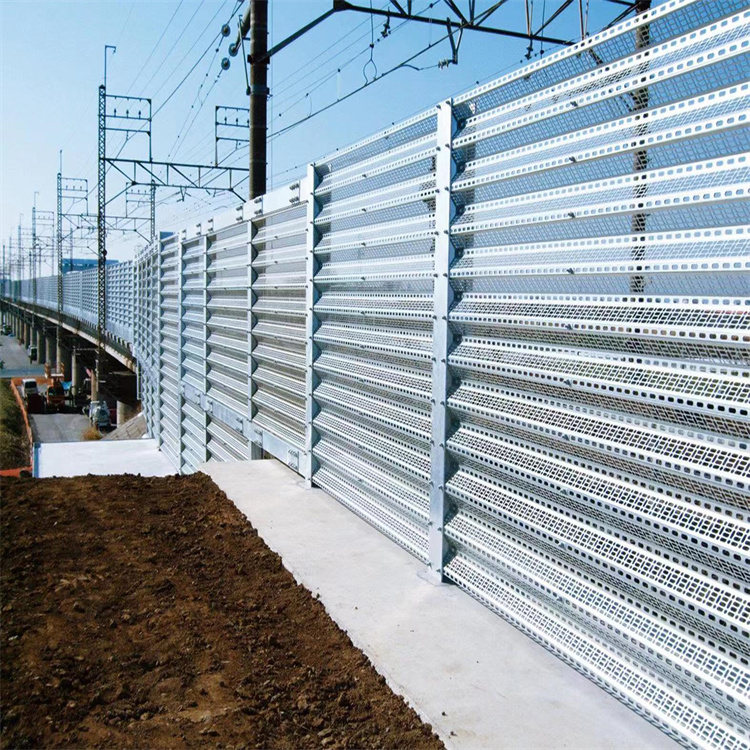











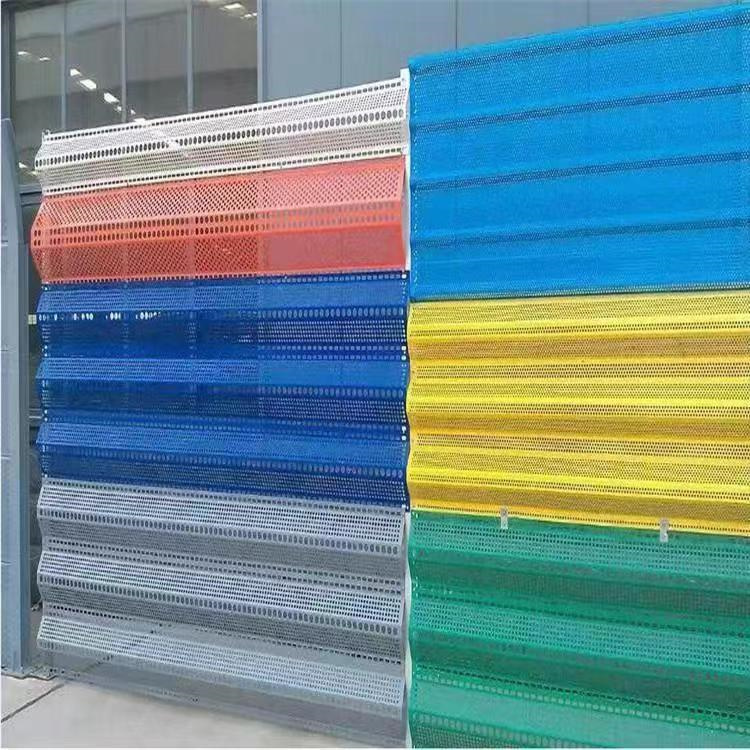
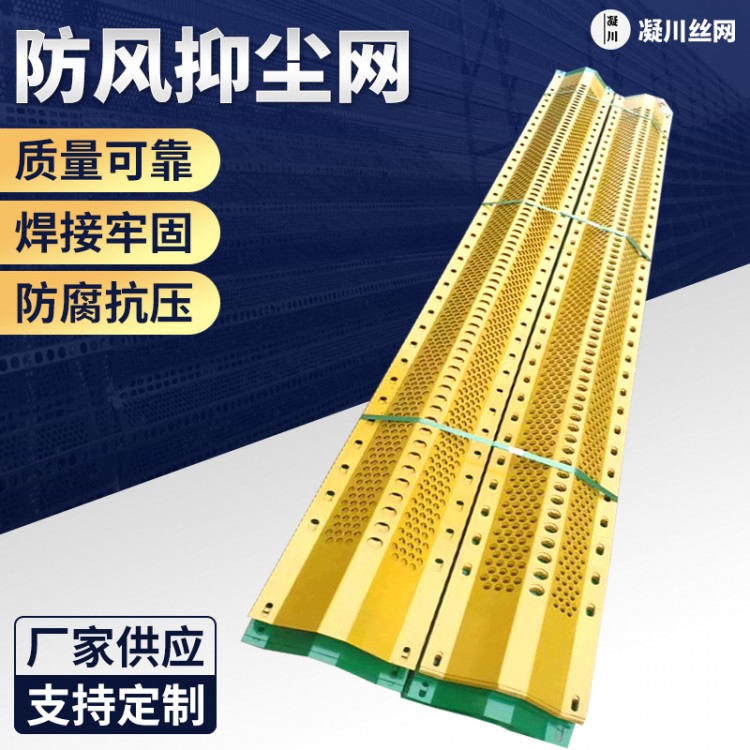

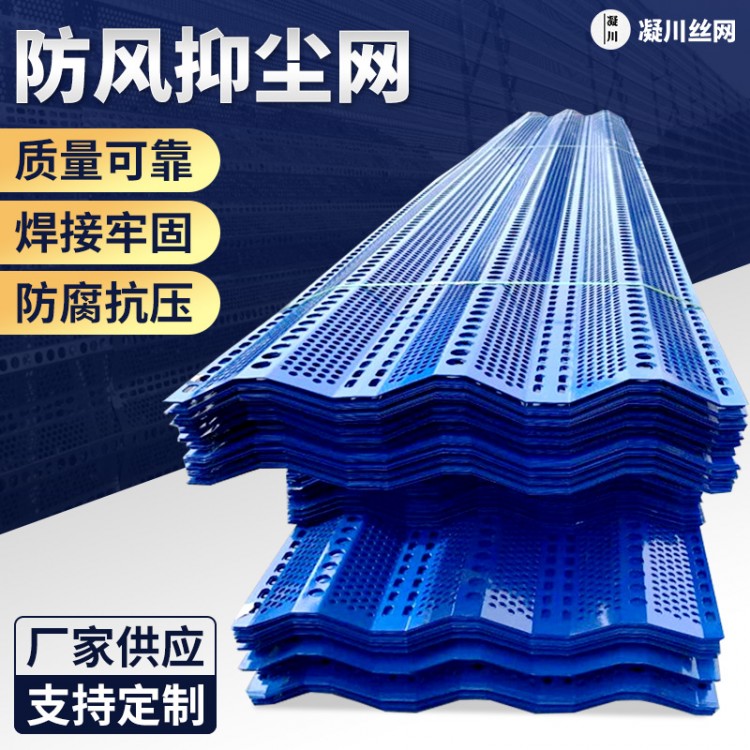
Metal Windscreen & Dustproof Wall A, Pingyang Metal Windscreen & Dustproof Wall A, Metal Windscreen & Dustproof Wall Manufacturer
Mold boards are offered at factory price. Welcome to call for detailed discussions.
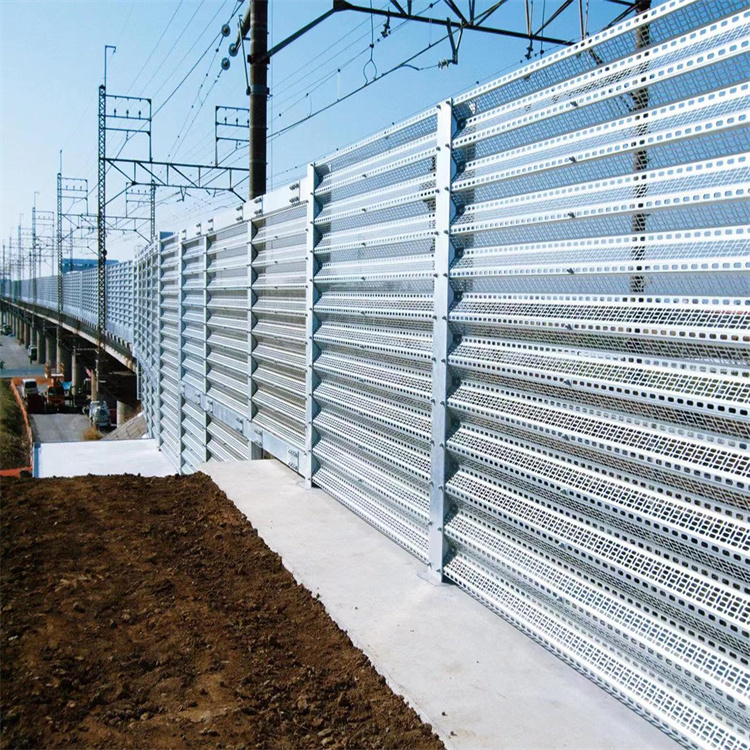
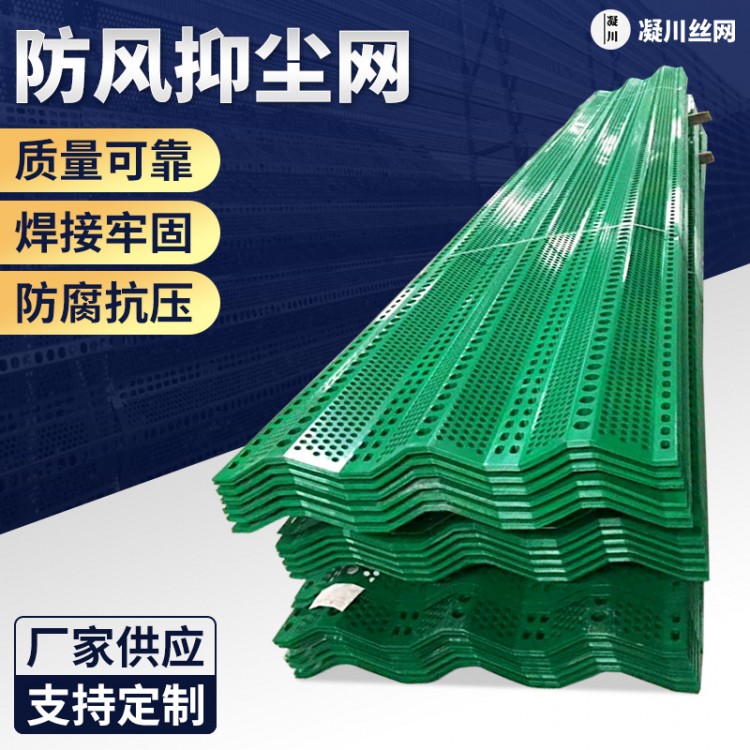
The aluminum-zinc coated steel plate is used as the base material for the anti-wind and dust suppression mesh panel, which is then pressed into shape. The surface undergoes a secondary anti-corrosion treatment with electrostatic powder coating, offering a longer corrosion resistance life than the aluminum-zinc coated steel plate. It features anti-dimpling properties for the stamping function; it is aesthetically pleasing, with a tough coating, good adhesion, excellent weather resistance, non-re sticking, and superior resistance to water, wear, oil, and insulation.
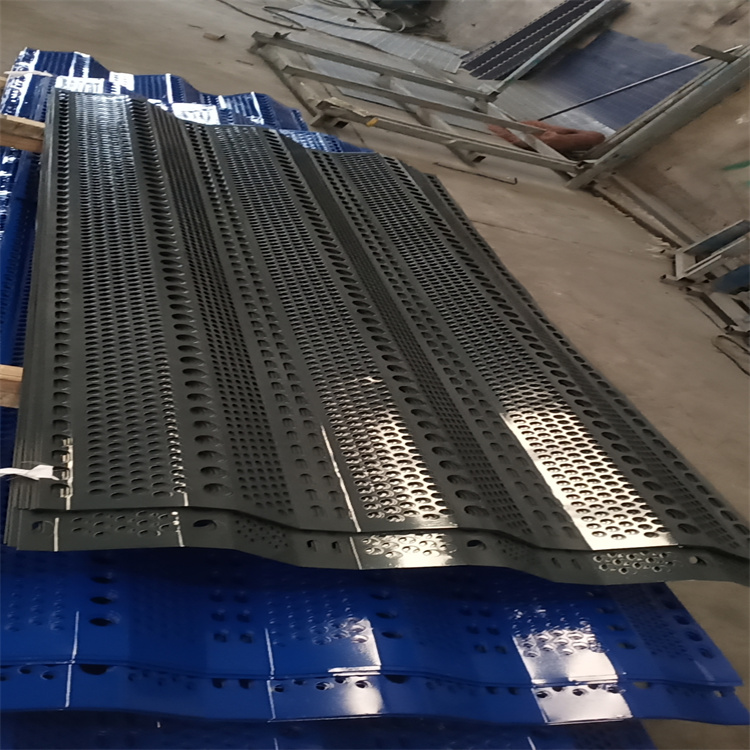
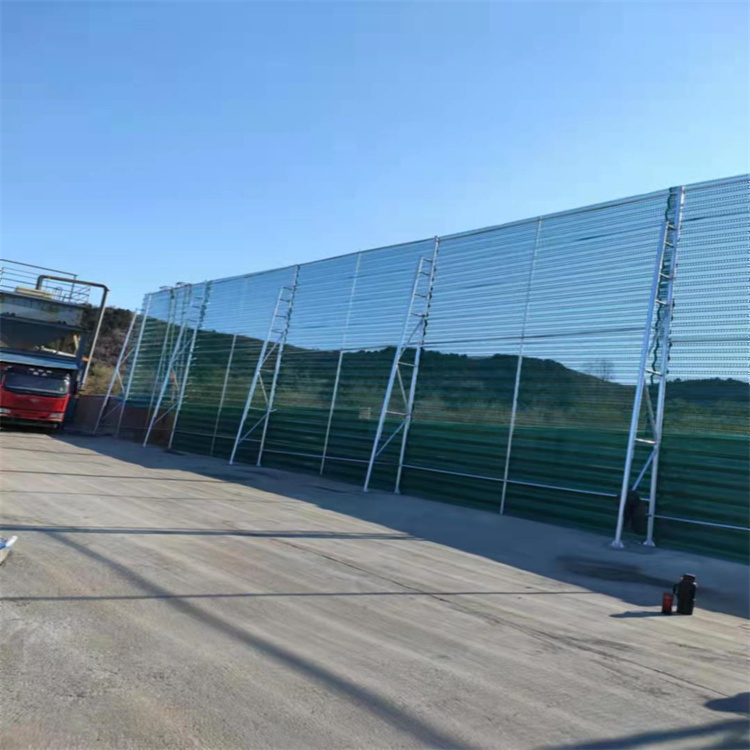
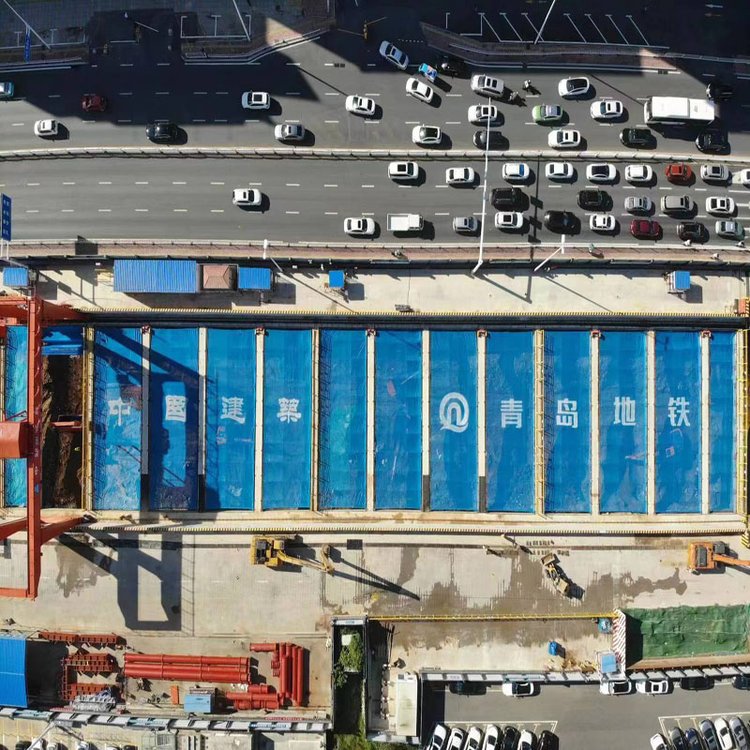
The design of the coal yard windbreak mesh allows the air to flow through each mesh opening as the air passes through the windbreak.
Galvanized Aluminum Zinc Anti-Wind and Dust Control Mesh Single Peak Series
Forming widths range from 250mm to 500mm, with peak heights between 50mm and 100mm, and lengths up to 4 meters can be processed. Sheet thicknesses from 0.5mm to 1.5mm can be manufactured according to customer drawings within this scale.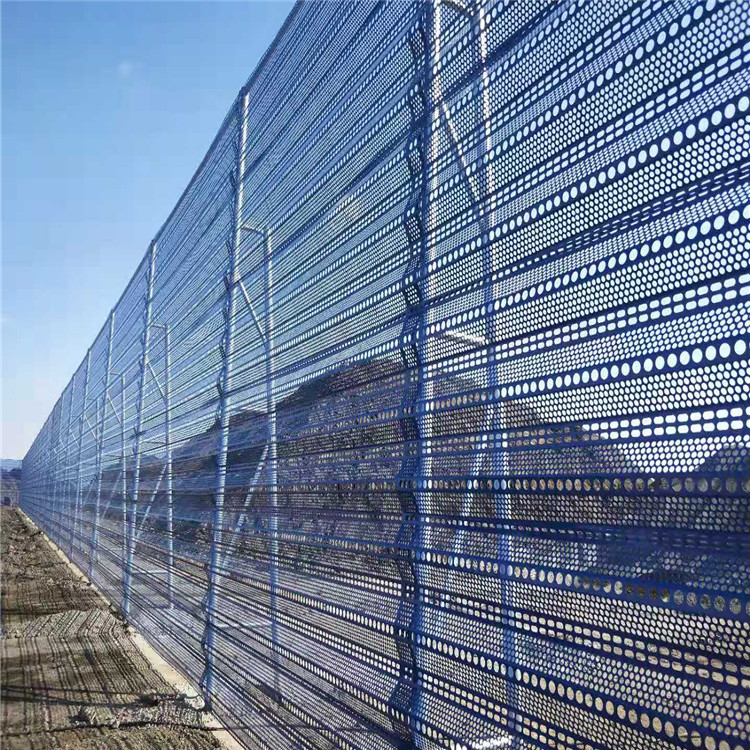 Sheet thickness: 0.5mm-1.0mm, within this range, can be processed and manufactured according to the customer's drawings.
2. Water Spray Dust Suppression: Traditional spray systems are inefficient, wasting both water resources and energy consumption.
To promptly summarize the development, research, and application achievements of China's X-ray digital imaging technology, and to vigorously promote its advancement, the Ministry of Labor established a technical measure project in 1994 to support qualified enterprises in applying the technology. By the end of 1996, four companies had passed the on-site evaluation by the Labor Ministry's Occupational Safety and Health and Boiler and Pressure Vessel Safety Supervision Bureau. The Labor Ministry's Boiler and Pressure Vessel Inspection and Research Center, along with relevant units, jointly undertook a Ministry of Labor scientific and technological project: "Application Research on the Computer Real-time Imaging and Processing System for X-ray Detection of Welds in Boilers and Pressure Vessels" (Project Number: LG94-12). After three years of effort, the project was approved by the ministry in July 1996. Briefly, the X-ray digital imaging detection technology has become applicable to non-destructive testing of metallic materials due to the development of computer digital image processing technology and the emergence of micro-focus X-ray machines. Its principle can be summarized by two "conversions": X-rays穿透金属材料后 are received by the image intensifier, which converts the invisible X-ray image into a visible image, a process known as "photoelectric effect" or "photoelectric conversion." In terms of the carrier of information quantity, the carrier of the visible image is an analog quantity, which cannot be recognized by a computer. To input it for processing, it needs to be converted into a digital quantity, undergoing "analog-to-digital conversion," and then processed by the computer to convert the visible image into a digital image. This is done by using a high-definition television camera to capture the visible image, inputting it into the computer, performing "analog-to-digital conversion," converting it into a digital image, and then processing it by the computer to enhance the image's sensitivity and clarity. The processed image is displayed on the screen, providing information about the nature, size, and location of defects within the material. Observing the test results directly on the screen, defects are graded according to relevant standards, thereby achieving the purpose of the detection.
WeChat Official Account

Scan to follow Official Account