















Furnace Plant Dustproof Wall A Changyi Furnace Plant Dustproof Wall A Furnace Plant Dustproof Wall Price
The planning and construction of color steel dust-proof net mainly consists of four parts:
(1) Color Steel Dustproof Mesh Underground Foundation: Pre-cast concrete blocks or in-situ poured underground foundation.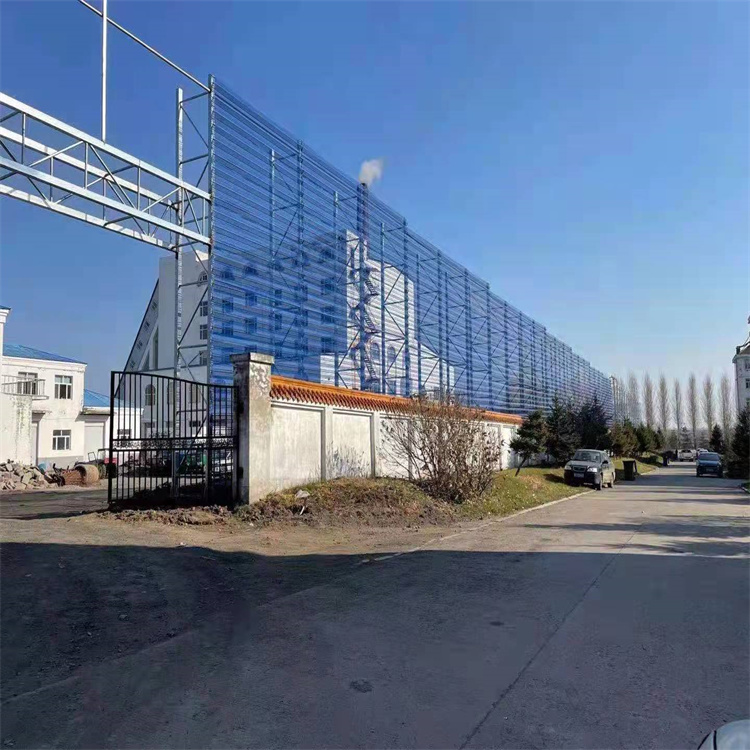
(2) Support Structure: Engineering design based on wind speed and wind pressure design parameters
(2) Color Steel Dustproof Net Support Structure: The engineering planning is based on wind speed and wind force parameters. Steel support brackets are used for support, primarily to provide the required strength for the "wind-resistant dust control wall," to withstand strong wind damage, and also to consider the overall aesthetics. The main support structure is made of steel pipes, and reinforced concrete pillars are used as the brackets for the "wind-resistant dust control wall."
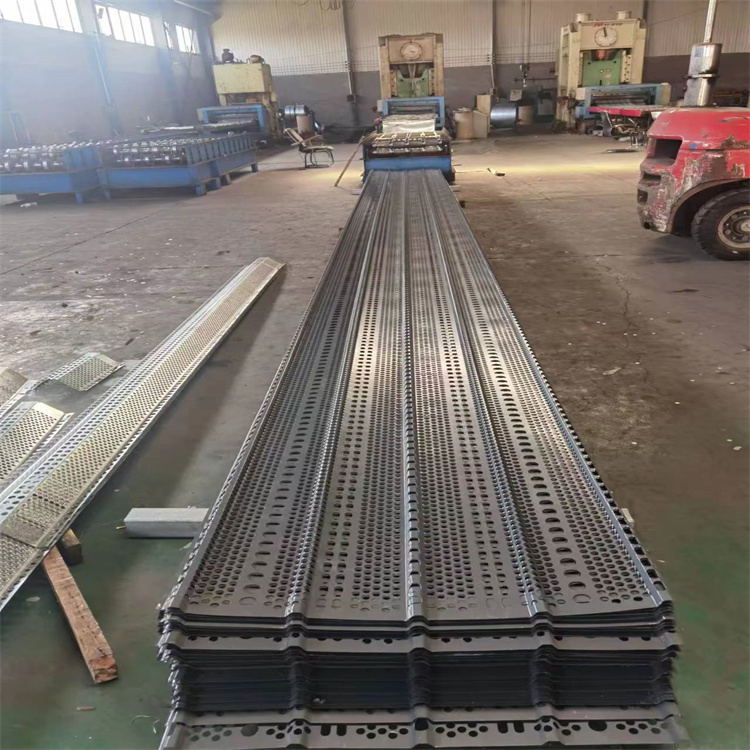
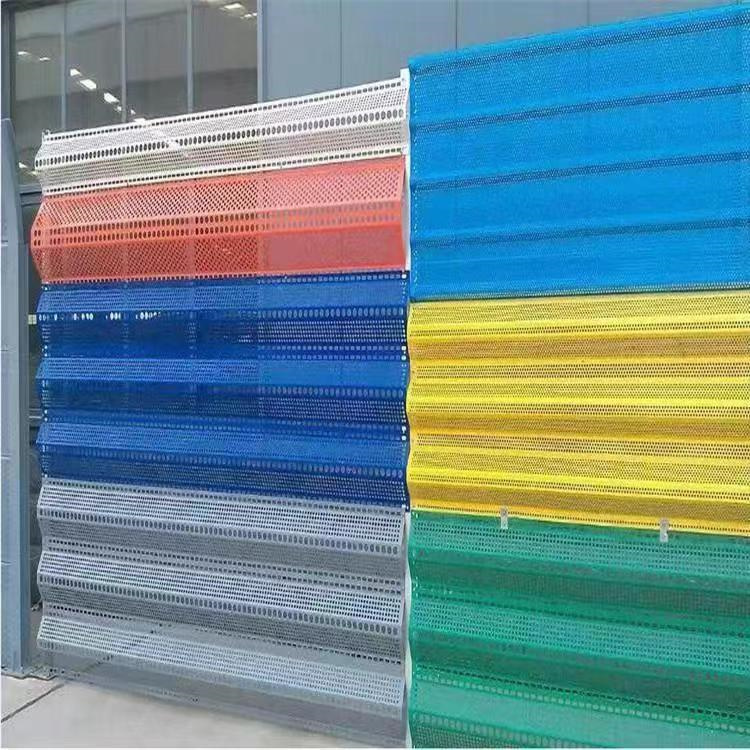
(3) Color Steel Dustproof Mesh Device: Service life of 15 to 20 years. Operating temperature range: -40℃ to +80℃, with screws and clamping plates for connection. The detailed dimensions, bend angle, and hole rate of the windbreaker dust suppression plate should be planned according to the actual conditions of the storage yard.
(4) Retaining Wall: To prevent the overflow of coal slurry water after rain or snow, a retaining wall with a height of 1.2 to 1.5 meters can be installed at the lower part of the windbreak wall.
Using color coated steel sheet as the base material, with thickness ranging from 0.5mm to 1.5mm, punched and formed by CNC equipment. No surface treatment required.
(3) Base materials are color-coated steel sheets with thickness ranging from 0.5mm to 1.5mm, punched and shaped by CNC equipment.
Current dust control measures: Currently, technical measures to control dust from the yard are primarily: 1. Construct enclosed warehouses: The drawback is the large investment scale and long construction period.
Scholars from the National Black Metallurgy Research Institute of Ukraine have proven through experiments that the desulfurization process of dispersing granular magnesium into molten iron and ensuring sufficient diffusion has significant desulfurization potential. The developed large-scale magnesium spray desulfurization process can increase the heat exchange and mass transfer interface in the iron water pretreatment melting pool by 33% to 50%, thereby improving the utilization rate of magnesium. The magnesium spray dosage increases from 7 to 13 kg/min to 16 to 25 kg/min, and the entire desulfurization and slag removal process takes only 50% to 70% of the converter smelting cycle. Parameters for the spray blowing process and equipment structure have been determined, with all process tasks completed by a single spray blowing unit. The research achievements have been applied in steel mills.






















