











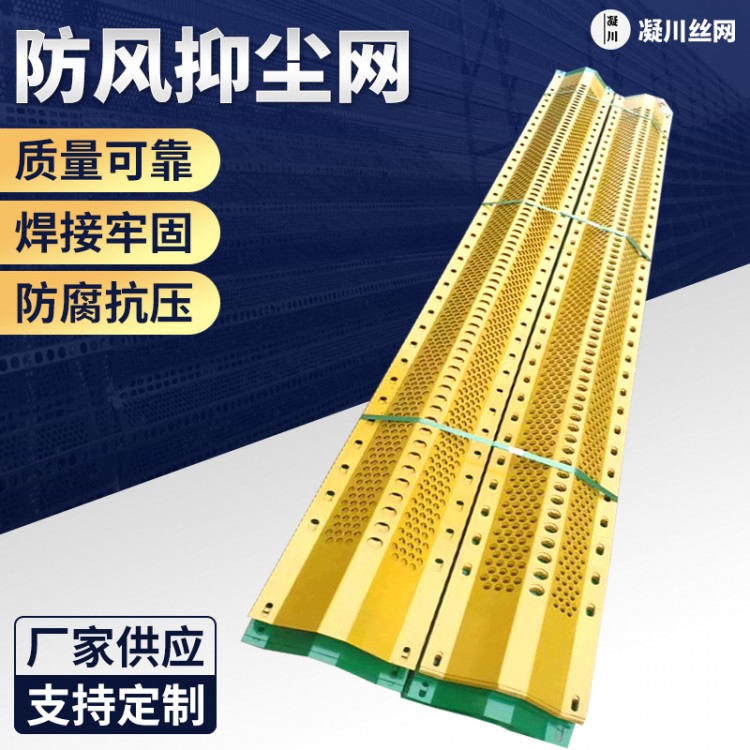

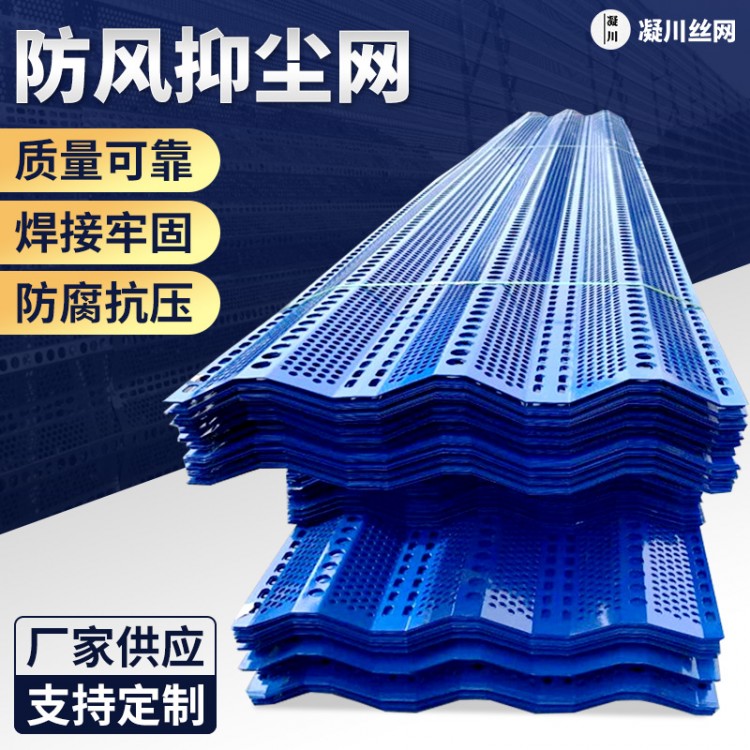
Photovoltaic Power Station Dustproof Net A Ningwu Photovoltaic Power Station Dustproof Net A Manufacturer's Phone Number
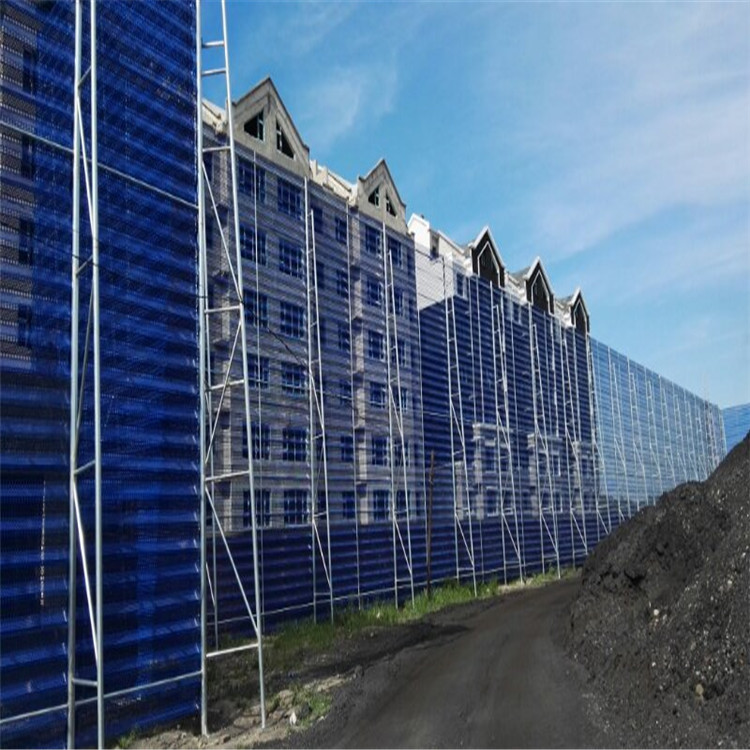
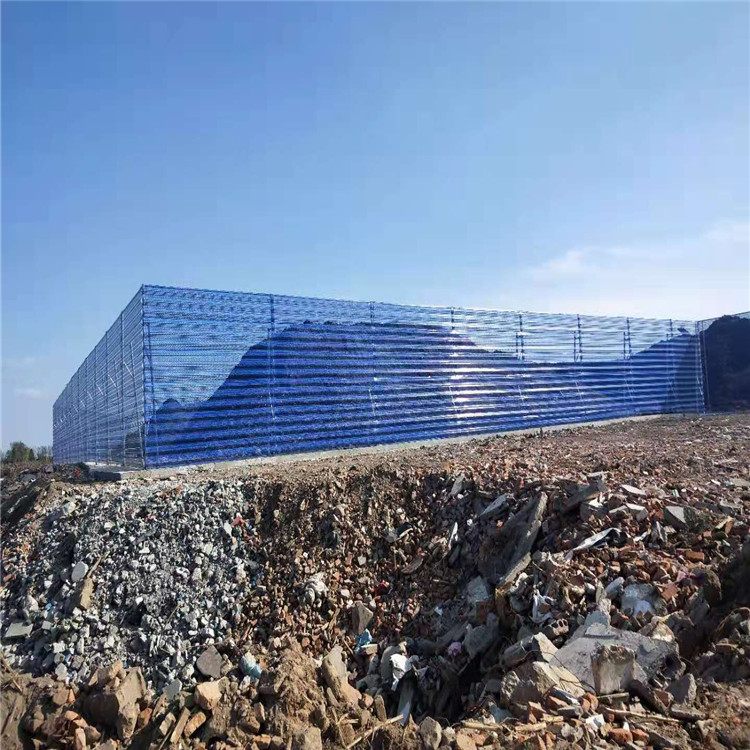
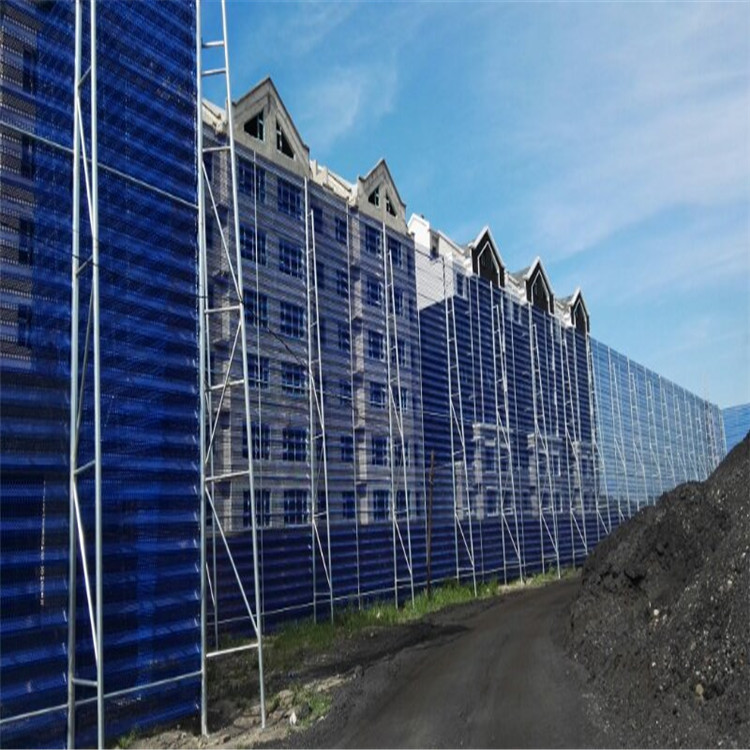
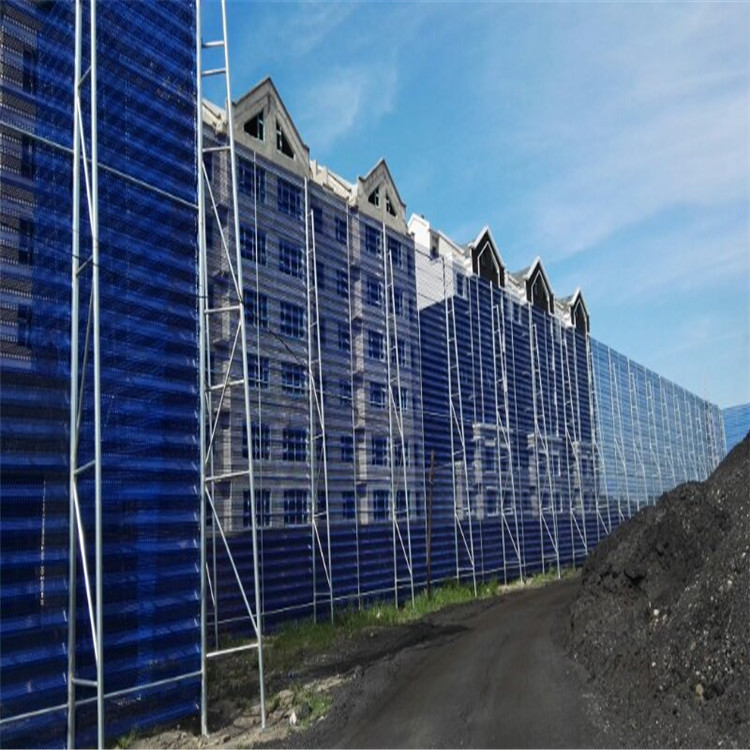
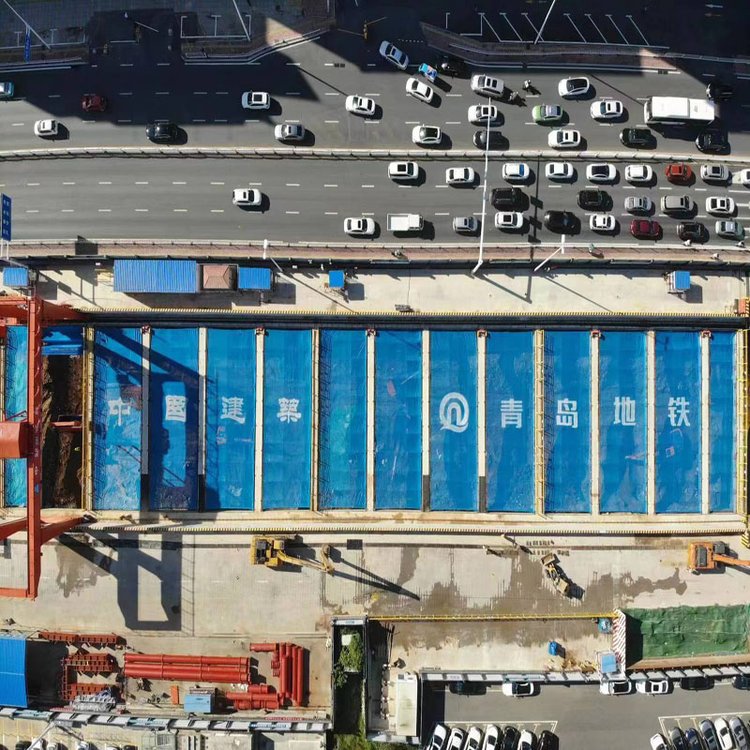
The wall is constructed using a new type of composite material, designed according to aerodynamic principles. The structural parameters are determined based on wind tunnel experiments simulating the on-site environmental conditions, and the materials are processed into wind-deflecting plates of specific geometric shapes. These plates are then assembled into a "wind-breaking and dust-suppressing wall" according to the on-site conditions.
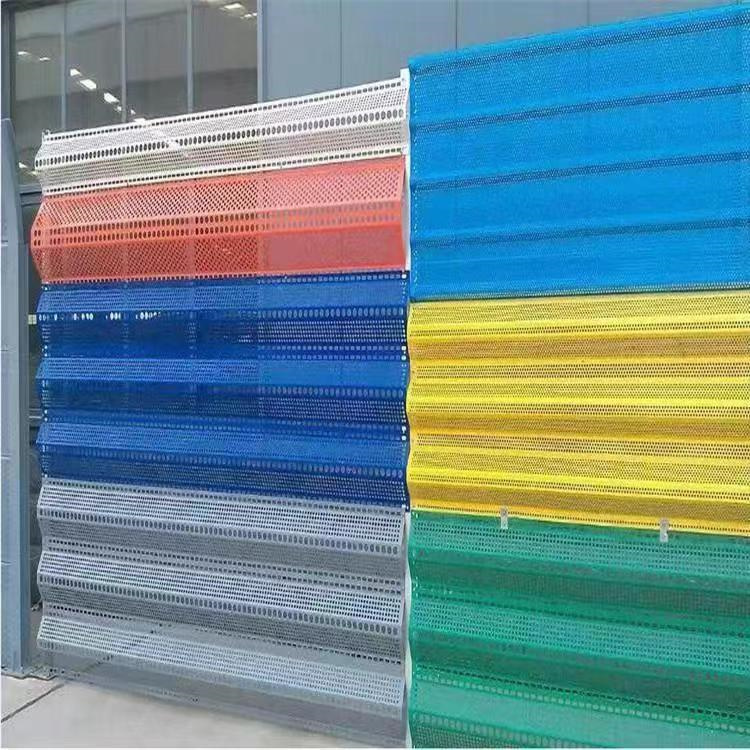
Surface Treatment: Electrostatic Powder Coating
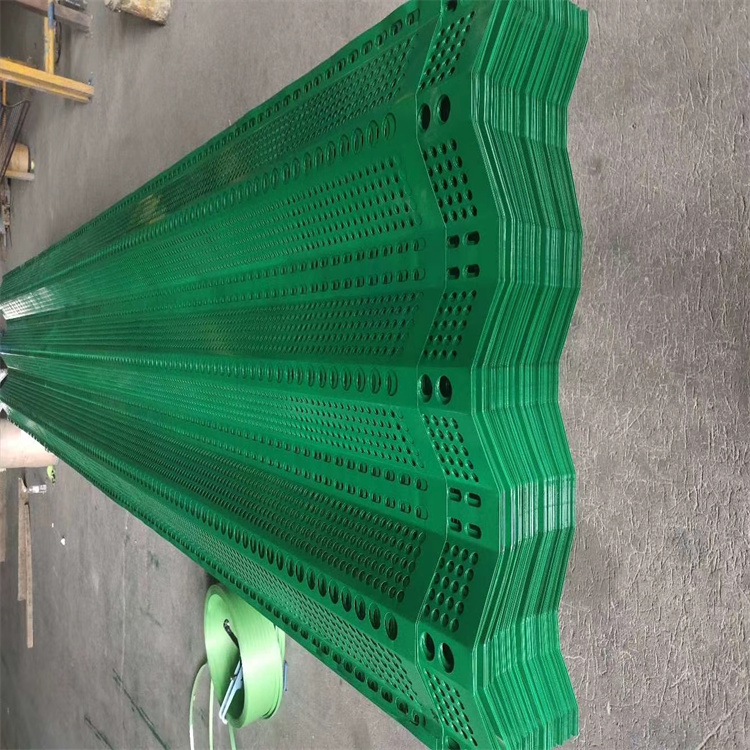
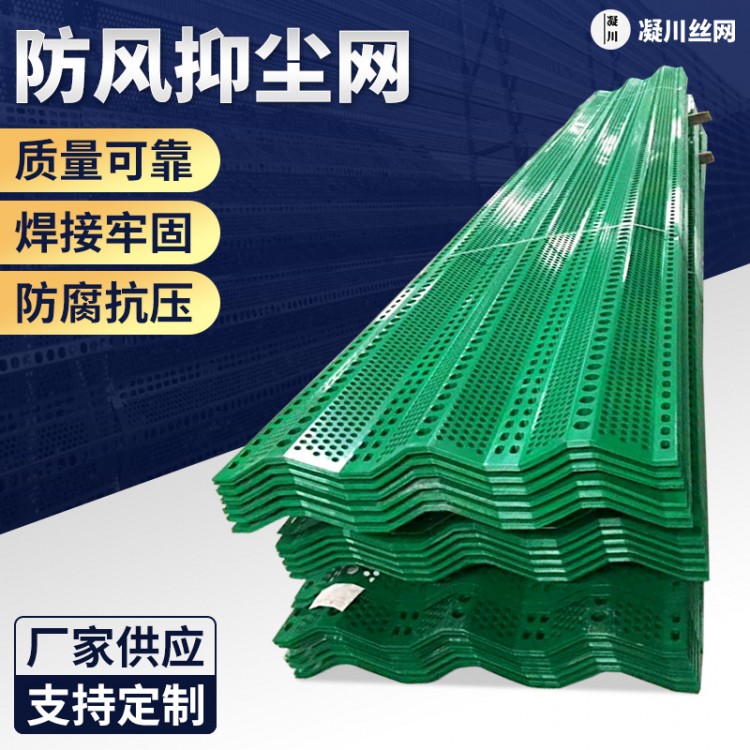
1) Base material: Plain cold-rolled steel sheet, thickness 0.5mm-1.5mm, punched and shaped by CNC equipment, followed by double-sided high-voltage electrostatic powder coating for corrosion resistance.
Aluminum-zinc coated windbreak and dust suppression mesh Double Peak Series:
The molding width ranges from 400mm to 600mm, with a peak height of 50mm to 100mm, and lengths up to 10 meters can be processed. The material thickness is from 0.5mm to 1.0mm, and within this scale, we can manufacture according to the customer's drawings.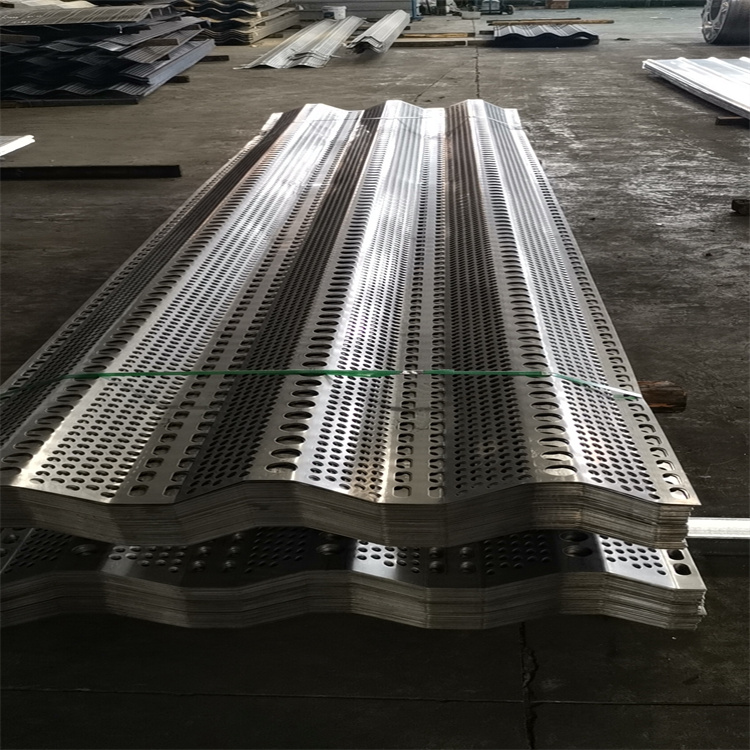
Principle of Coal Yard Windbreak and Dust Suppression Mesh: Utilizing aerodynamic principles, the coal yard windbreak and dust suppression mesh is processed into a specific geometric shape based on wind tunnel test results from the implementation site environment. According to the on-site conditions, the mesh is assembled into windbreak and dust suppression walls. This creates an upward and downward airflow interference inside the wall when the circulating air (strong wind) passes through the wall. The result is strong wind on the outside and weak wind on the inside, with little to no wind on the inside when there's a light breeze outside. This effectively prevents the飞扬 of dust.
(4) Retaining Wall: To prevent the overflow of coal slurry water after rain or snow, a retaining wall can be set up at the lower part of the windbreak, ranging from 1 to 3 meters in height.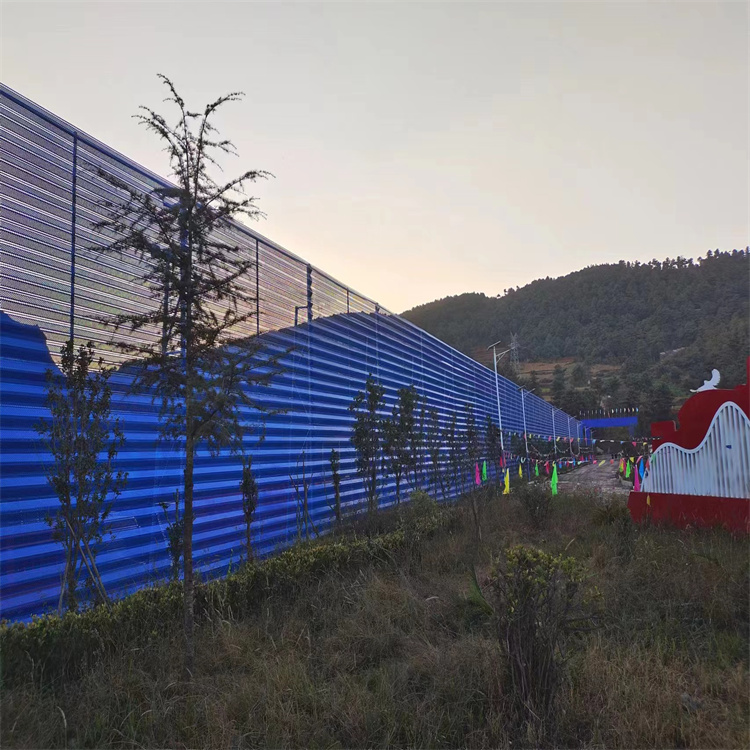
Today, with the growth of intelligent equipment and digital communication, traditional process control and equipment management functions are gradually being integrated into process management systems. The emergence of intelligent pumps marks a decisive step in the further development of process management. After incorporating intelligent functions, not only control but also pump protection and status monitoring are provided on the same variable frequency drive platform. Despite energy-saving and operational advantages, factories still face many obstacles when implementing new technologies to increase the efficiency of motor-driven pumping systems. This is mainly due to a lack of understanding among managers, engineers, and distributors of new technologies and solutions regarding the performance improvement of pump systems.
WeChat Official Account

Scan to follow Official Account