













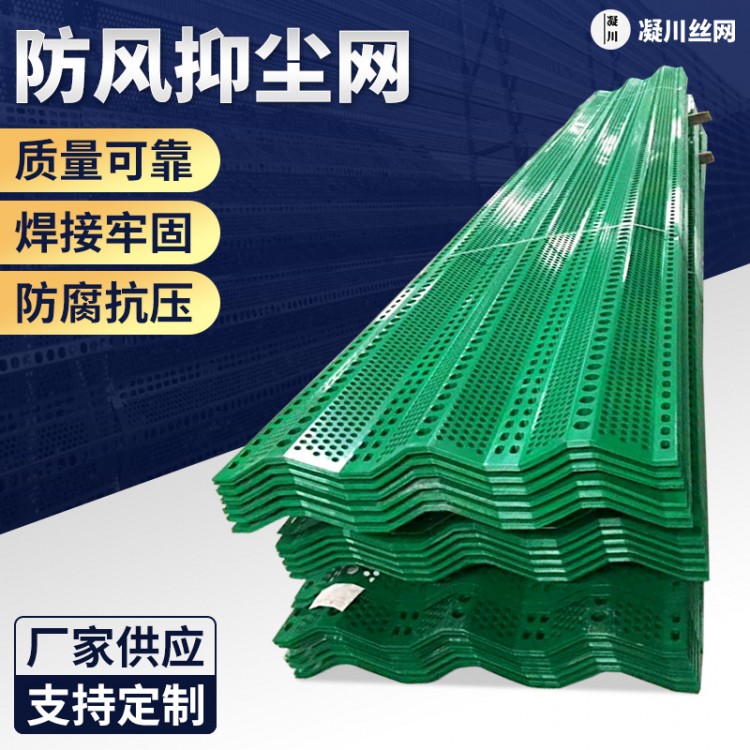
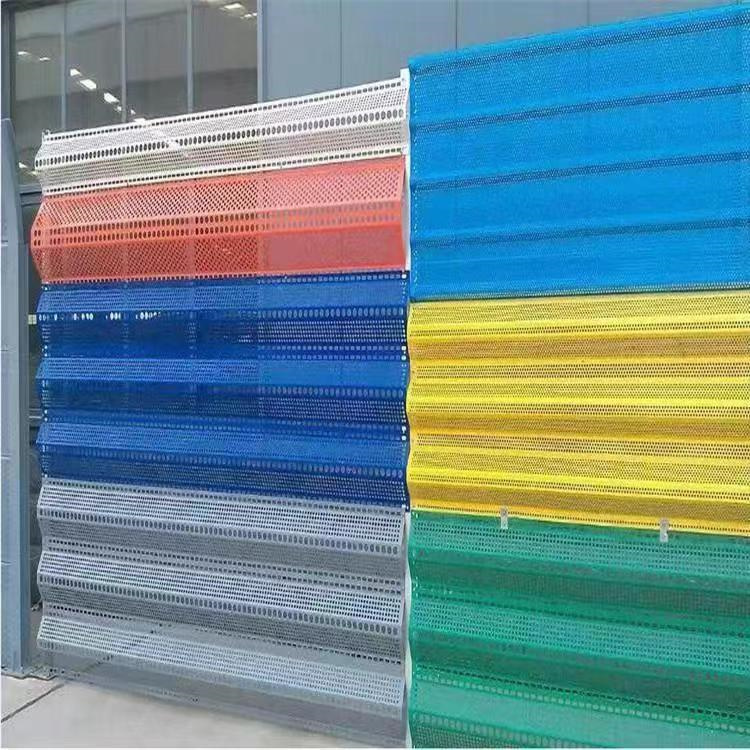
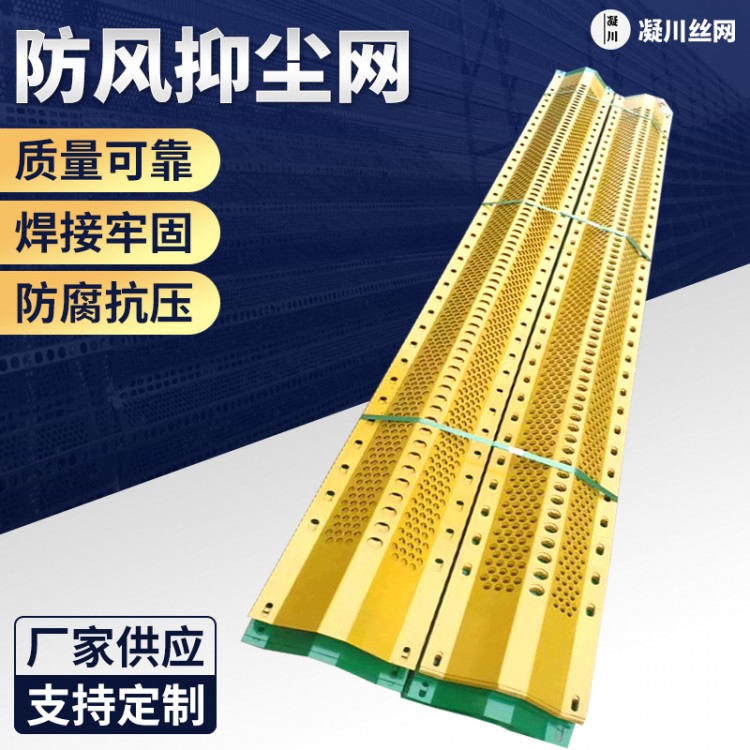

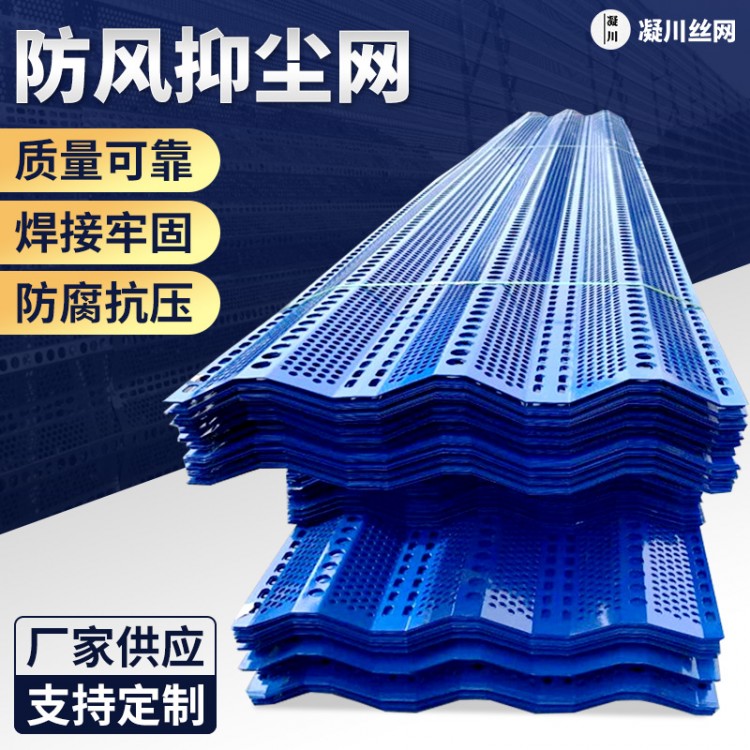
Double-layer Windbreak and Dust Suppression Panel A Wucheng, Double-layer Windbreak and Dust Suppression Panel A, Double-layer Windbreak and Dust Suppression Panel Manufacturing Factory
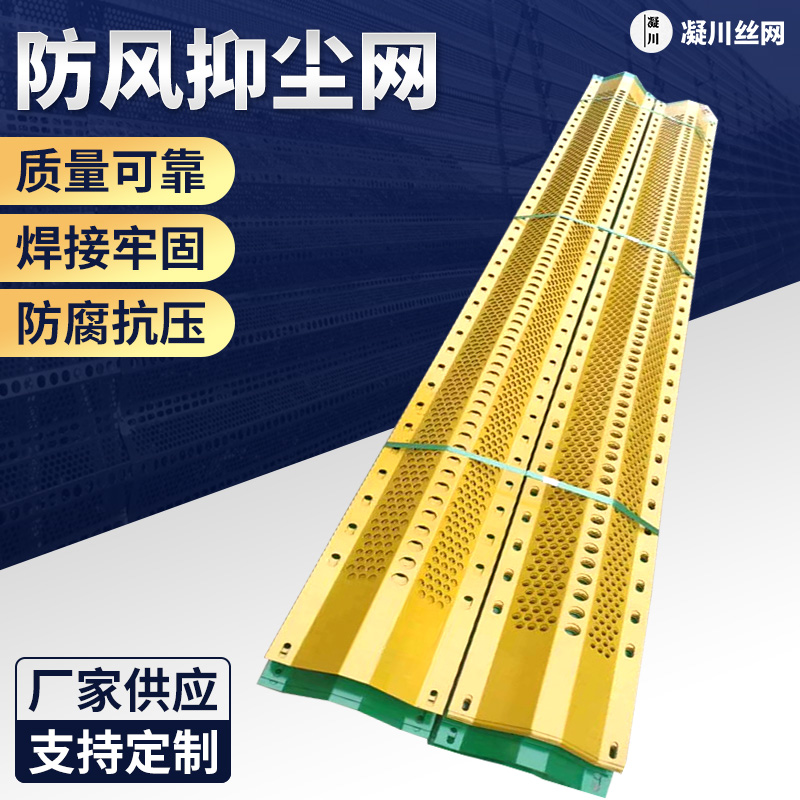
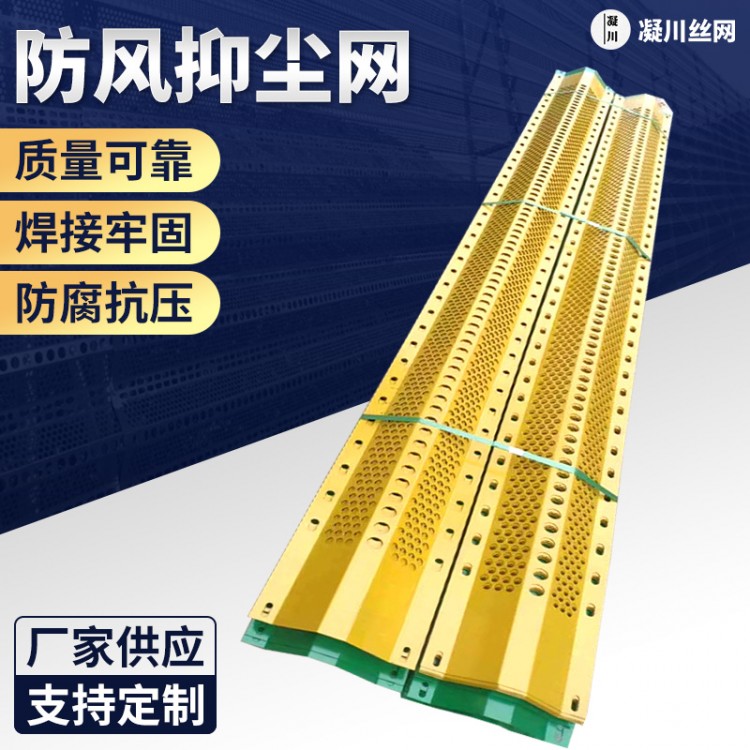
Five, electrostatic powder coating, can prevent the original mesh board from reflecting.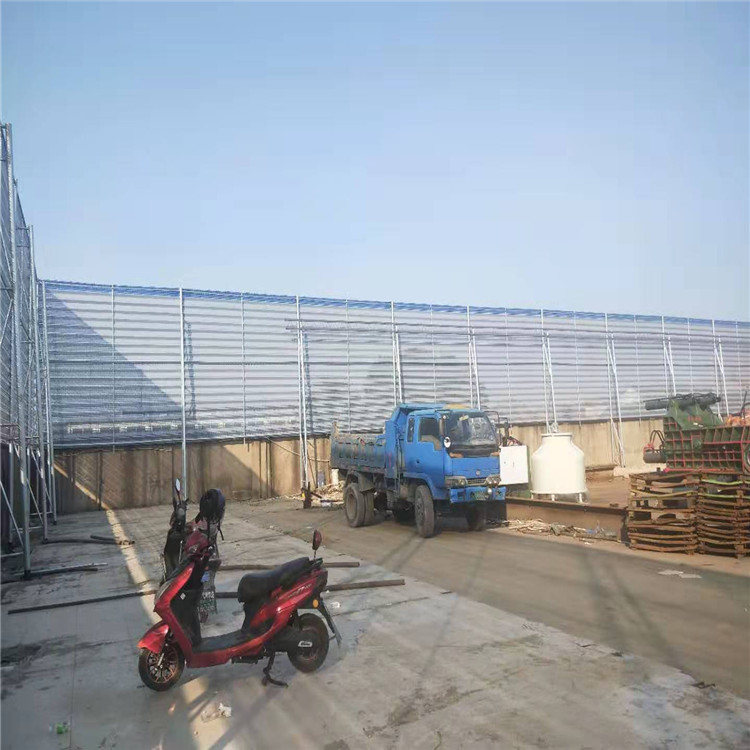 The galvanized aluminum alloy dust suppression mesh panel is made of galvanized aluminum alloy steel plate as the base material, which is formed by stamping and then coated with a static powder paint for secondary corrosion protection, offering a longer corrosion-resistant life than galvanized aluminum alloy steel plate. It features a stamping function with anti-depression capabilities; it has a beautiful appearance, a tough coating, good adhesion, excellent weather resistance, and does not re-adhere. It is also resistant to water, wear, oil, and has good insulation properties.
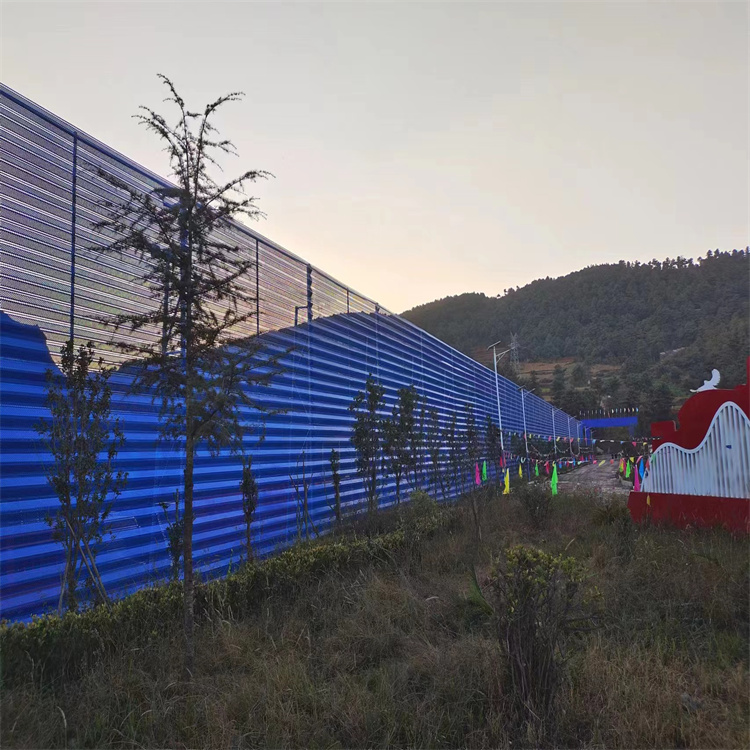
 Many outdoor sports events and outdoor courts are affected by strong winds, impacting training and usage.
Galvanized Aluminum-Zinc Anti-Wind and Dust Control Mesh Single Peak Series
Available for processing with molding widths between 250mm and 500mm, peak heights of 50mm to 100mm, and lengths up to 4 meters. Material thickness ranges from 0.5mm to 1.5mm. Within this scale, we can manufacture according to the customer's drawings.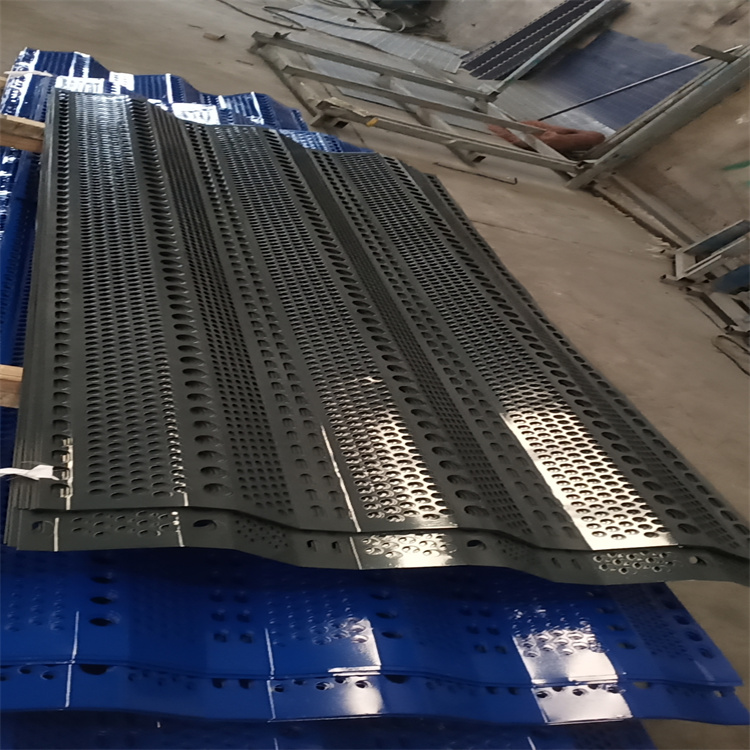
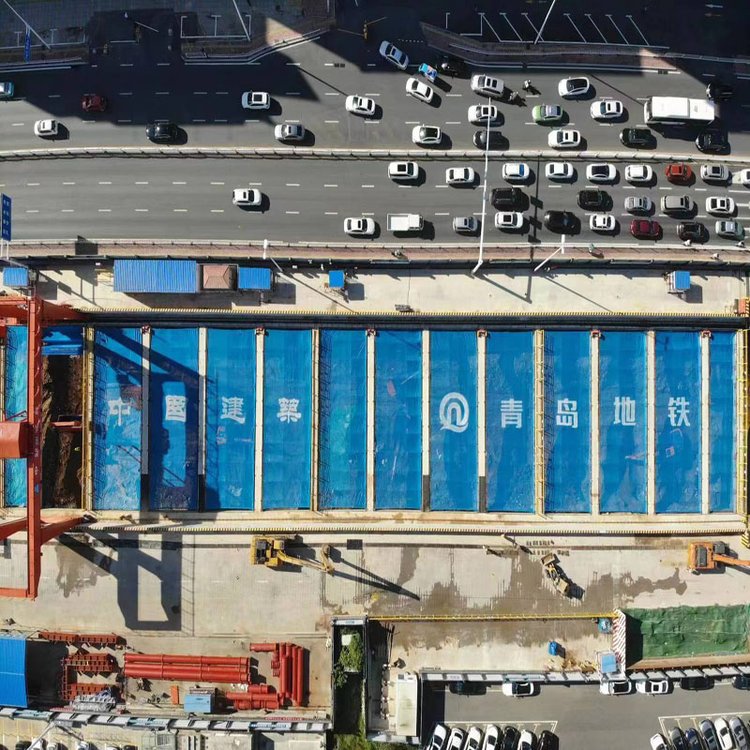
The main bracket is made of steel pipe, utilizing reinforced concrete pillars.Windbreak and Dust Suppression WallBracket
Lengths up to 10 meters are available for processing.
Elements with strong affinity for nitrogen, from strongest to weakest, are TZr, V, NCr, Mn, etc. If the affinity of the alloy element for nitrogen is strong, the activity of nitrogen in the molten steel decreases, the activity of nitrogen decreases, and the nitrogen content increases. During the de-carbonization and chromium preservation period, the molten steel is stirred with a main lance nitrogen flow rate of 10Nm3/min, and the nitrogen content at the end of oxidation can reach 0.135%. During the pre-reduction period of the AOD furnace, the nitrogen flow rate is increased to 14Nm3/min, and the nitrogen content can be increased to about 0.37% during slag removal. During the AOD refining period, with the decrease in the steel temperature, the nitrogen flow rate of 14Nm3/min is still used to stir the molten steel, and the nitrogen content before tapping can be controlled between 0.455% and 0.475%.
WeChat Official Account

Scan to follow Official Account