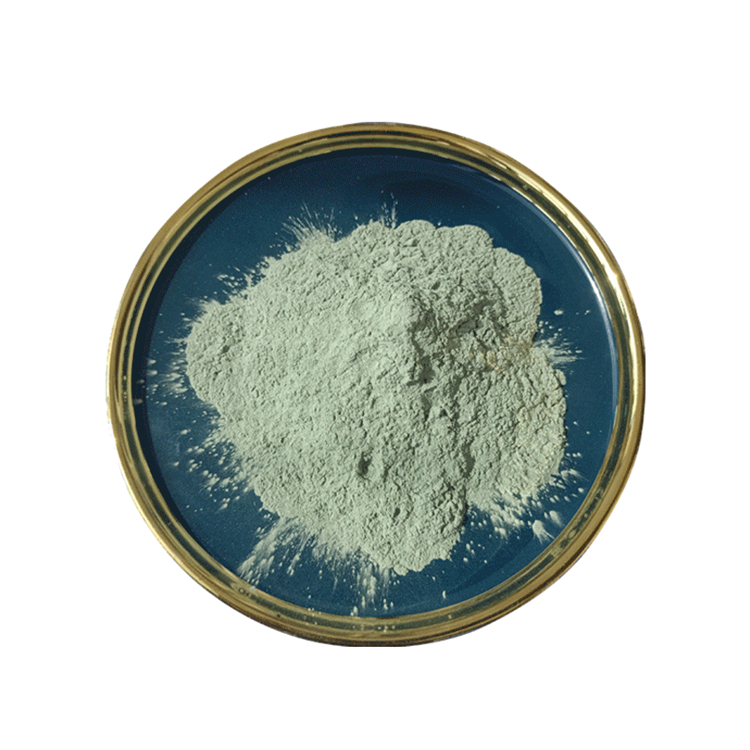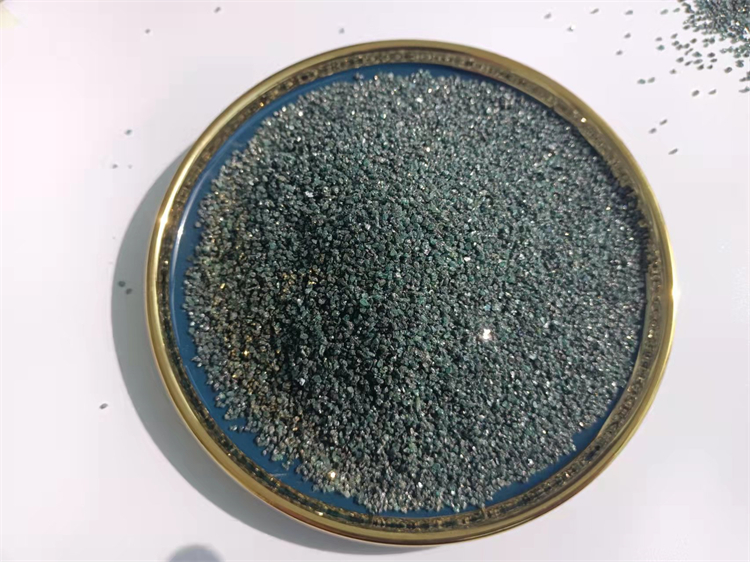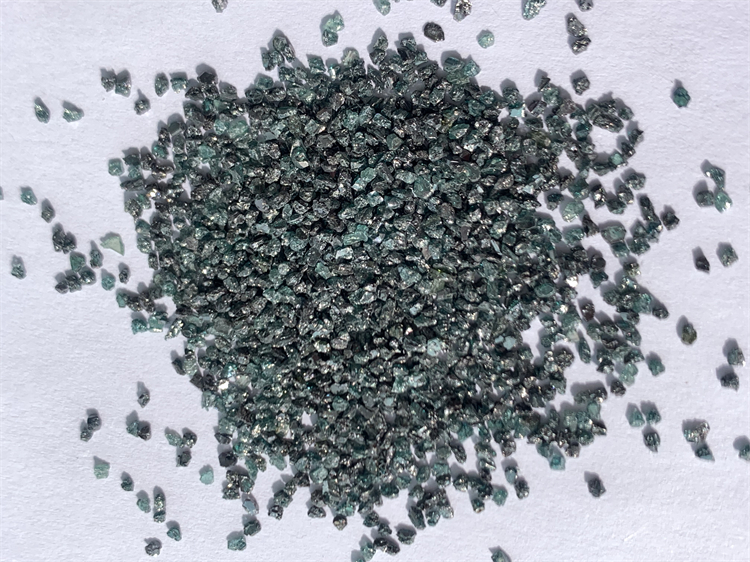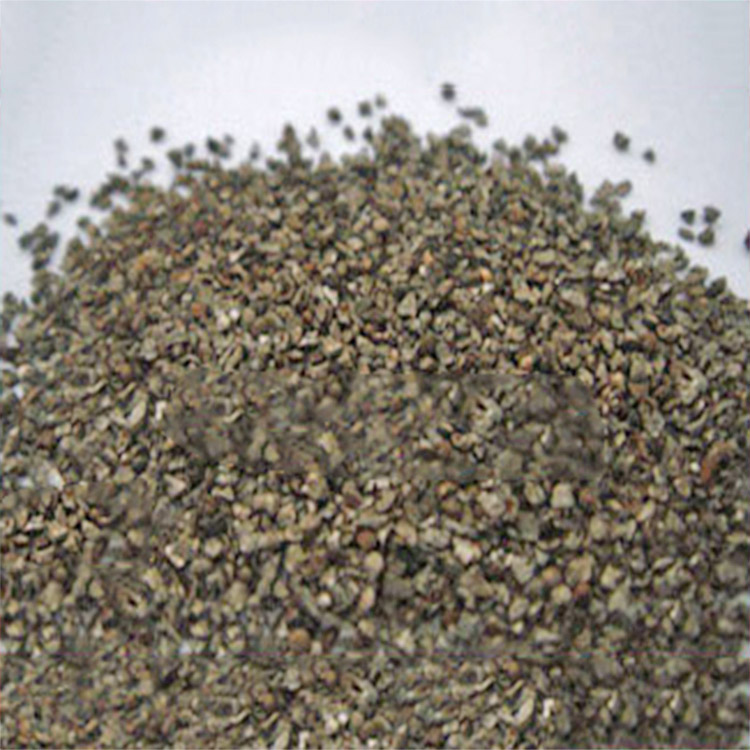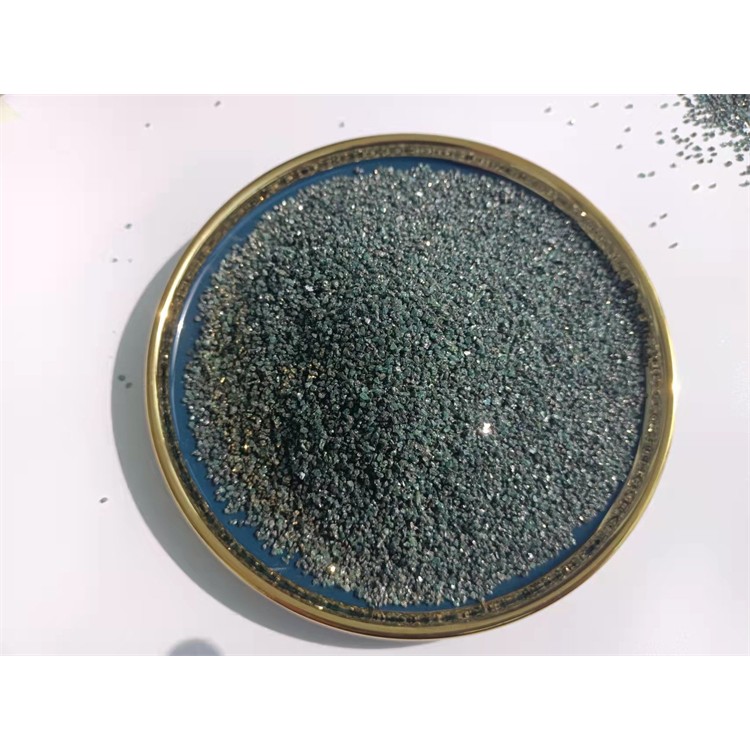

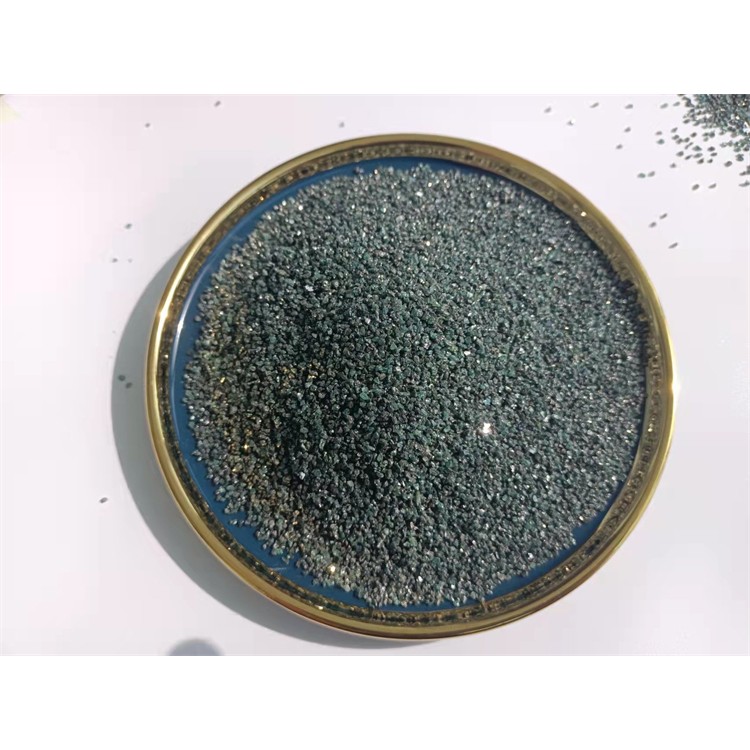
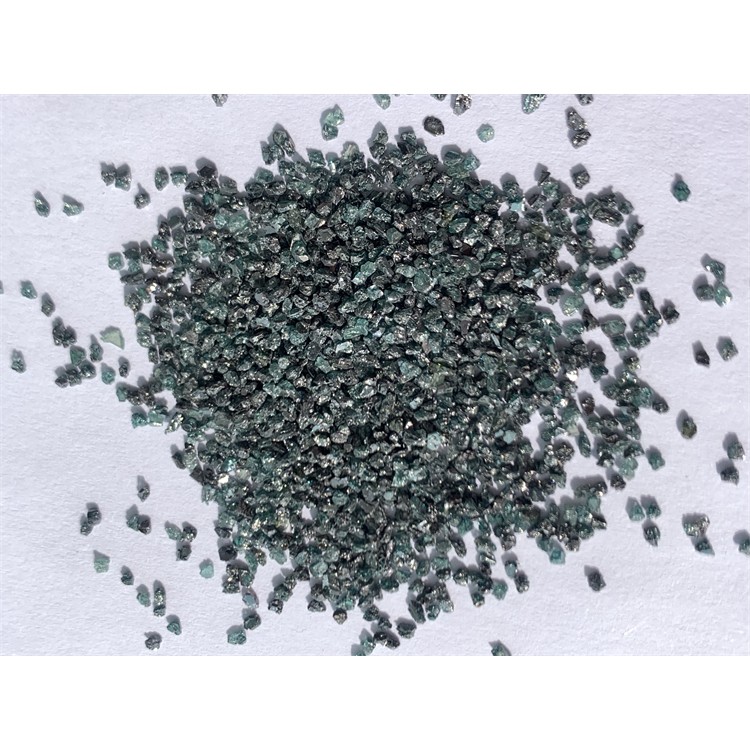
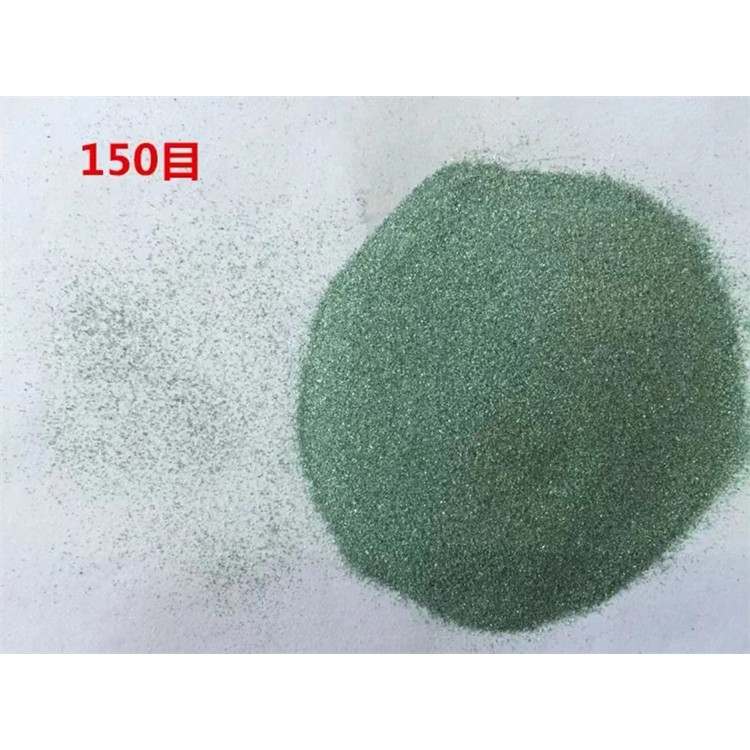


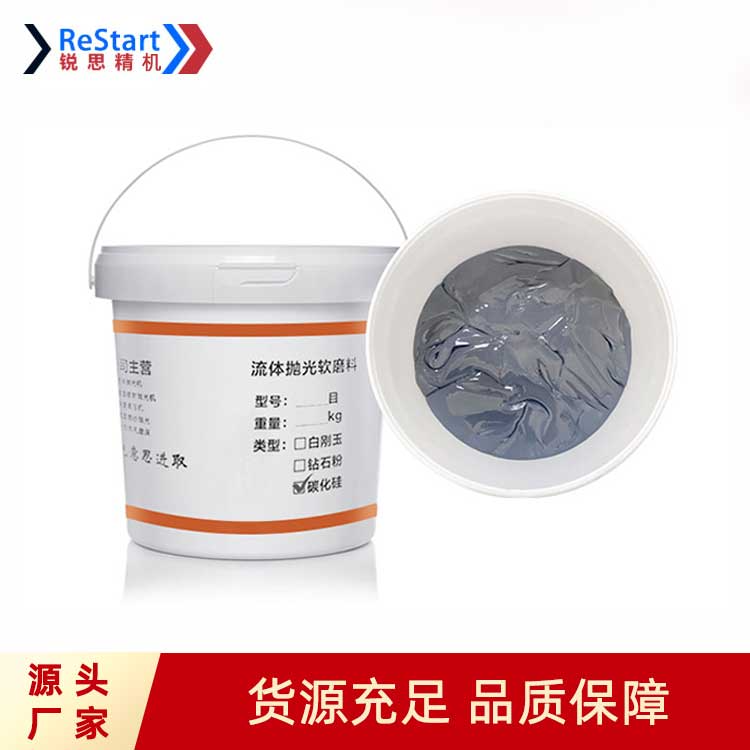
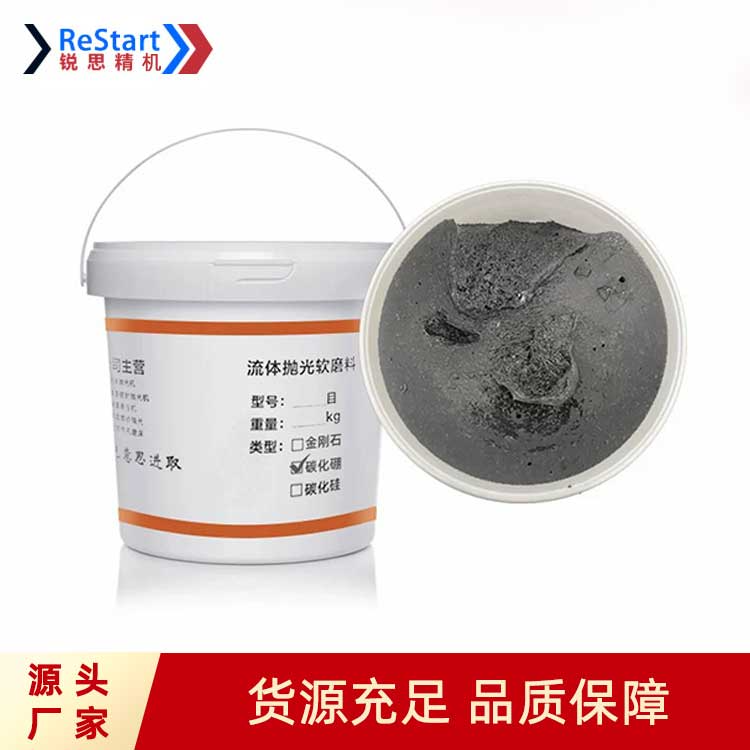
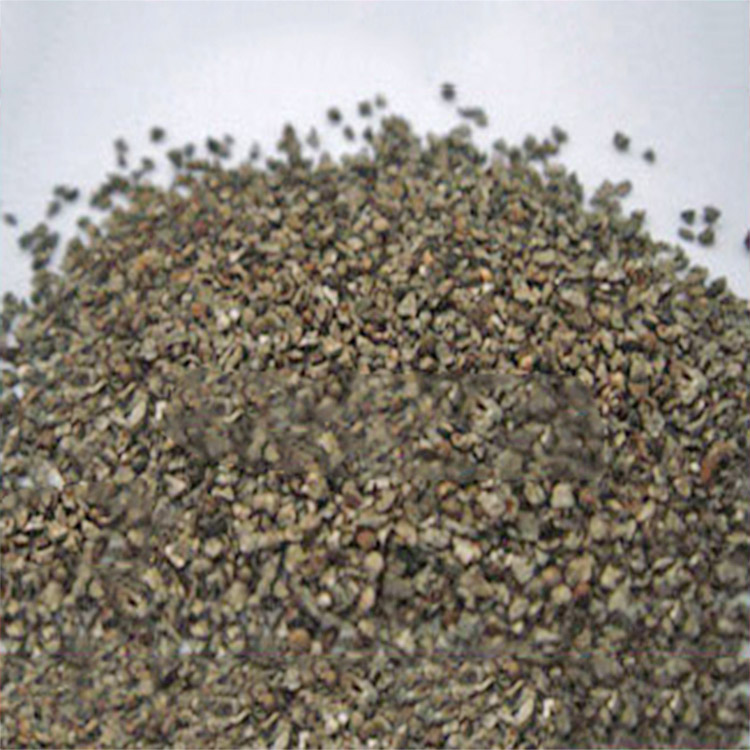





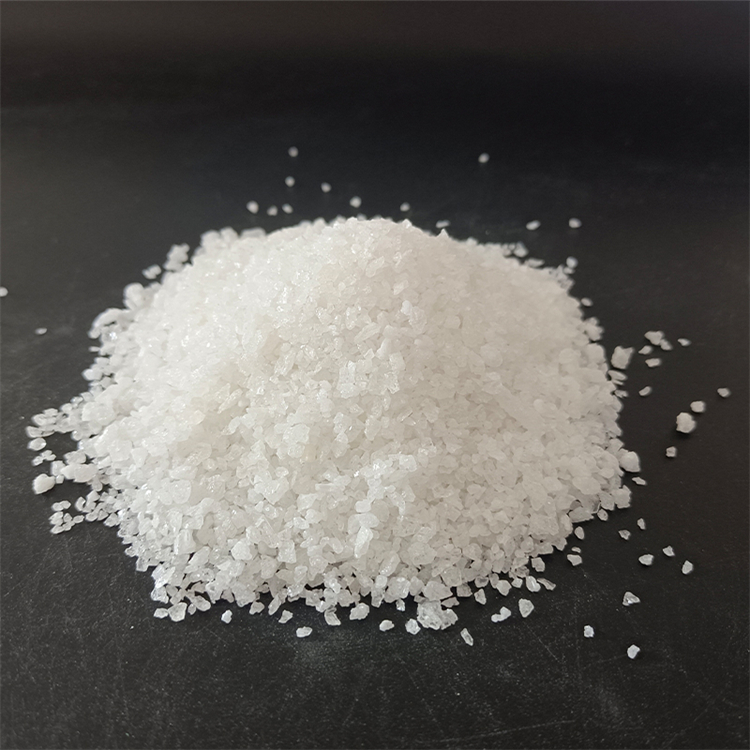
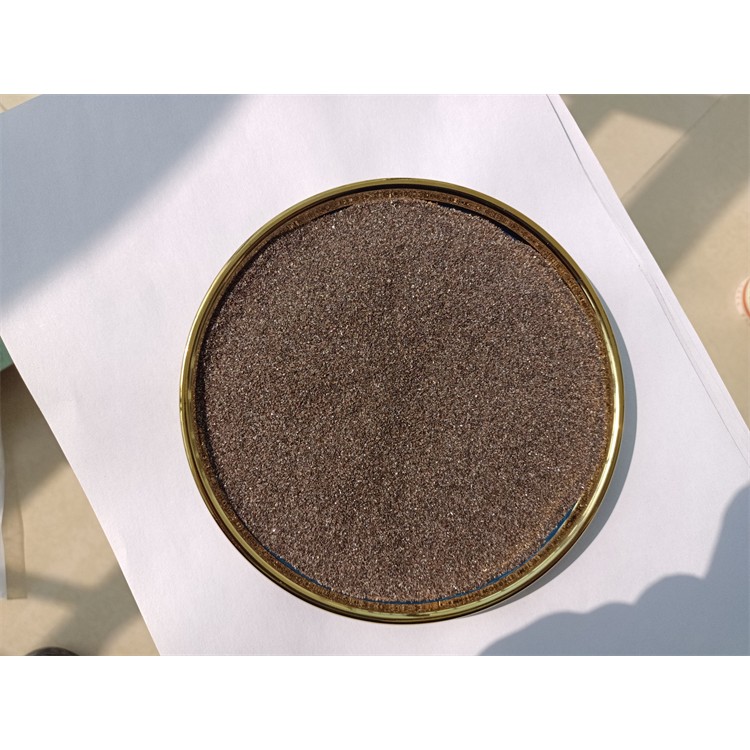
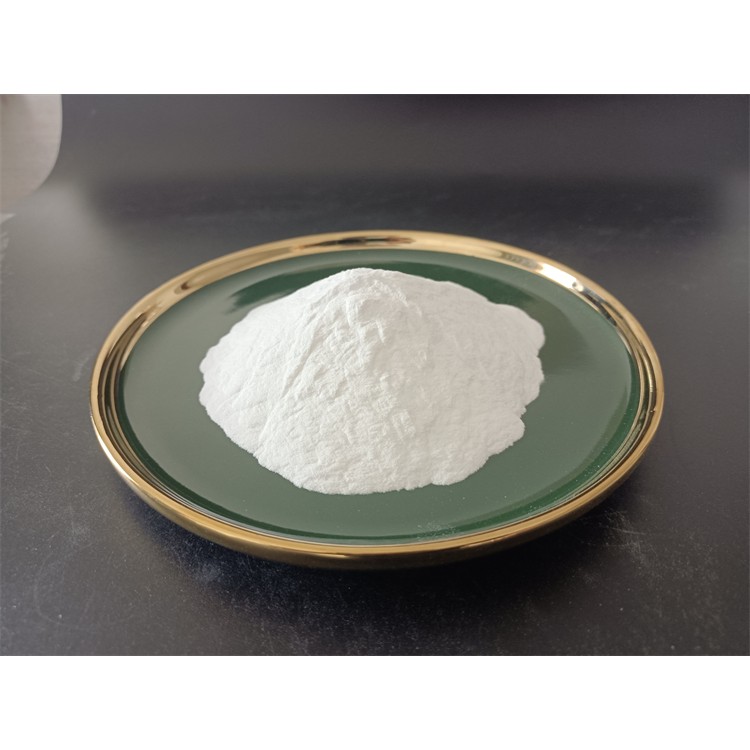
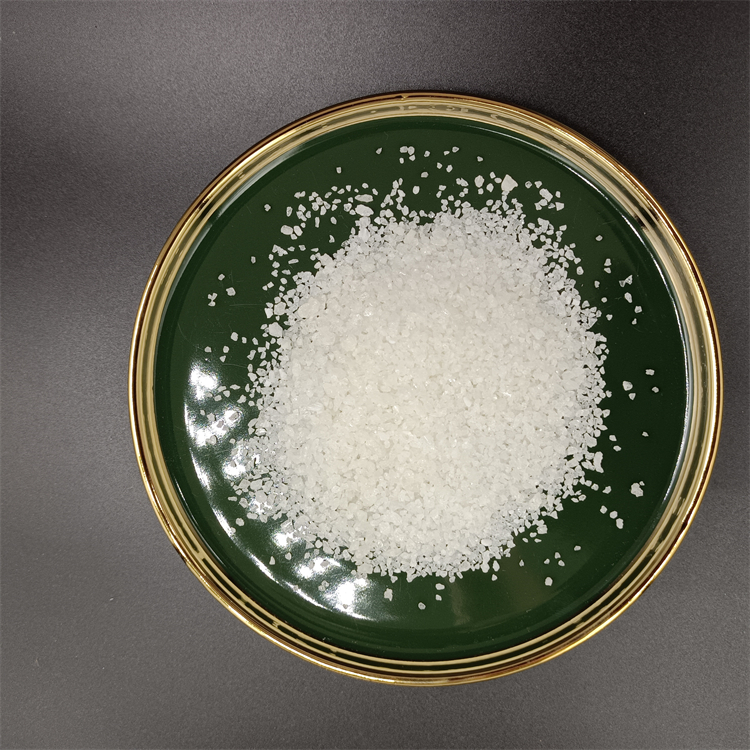
Silicon carbide, with its stable chemical properties, high thermal conductivity, low thermal expansion coefficient, and excellent wear resistance, finds extensive applications beyond its use as an abrasive. For instance, applying silicon carbide powder to the inner wall of a turbine blade or cylinder using special processes can enhance its wear resistance and double its service life. It is also used to produce high-grade refractory materials, which are resistant to thermal shock, have a small volume, light weight, and high strength, offering good energy-saving effects. Low-grade silicon carbide (containing about 85% SiC) serves as a deoxidizer, speeding up steelmaking and facilitating the control of chemical composition to improve steel quality. Additionally, silicon carbide is widely employed in the production of electrical heating elements, such as silicon-carbide rods. It boasts high hardness, excellent thermal conductivity, is a semiconductor, and can resist oxidation at high temperatures.