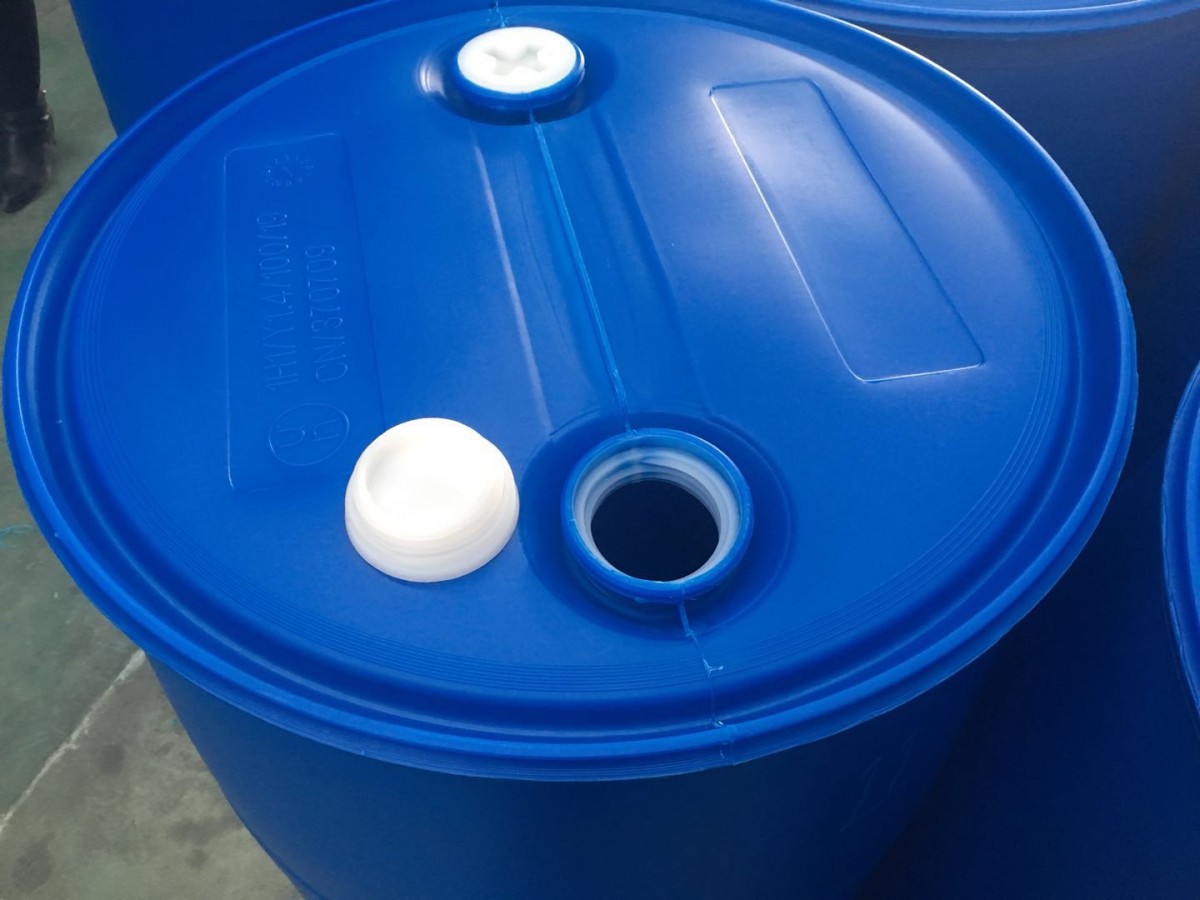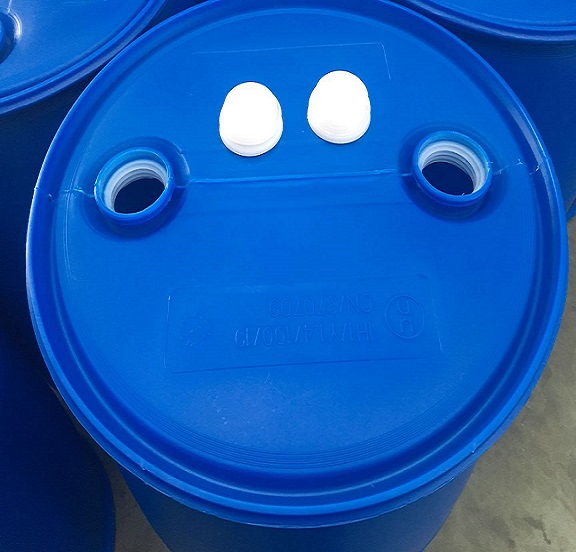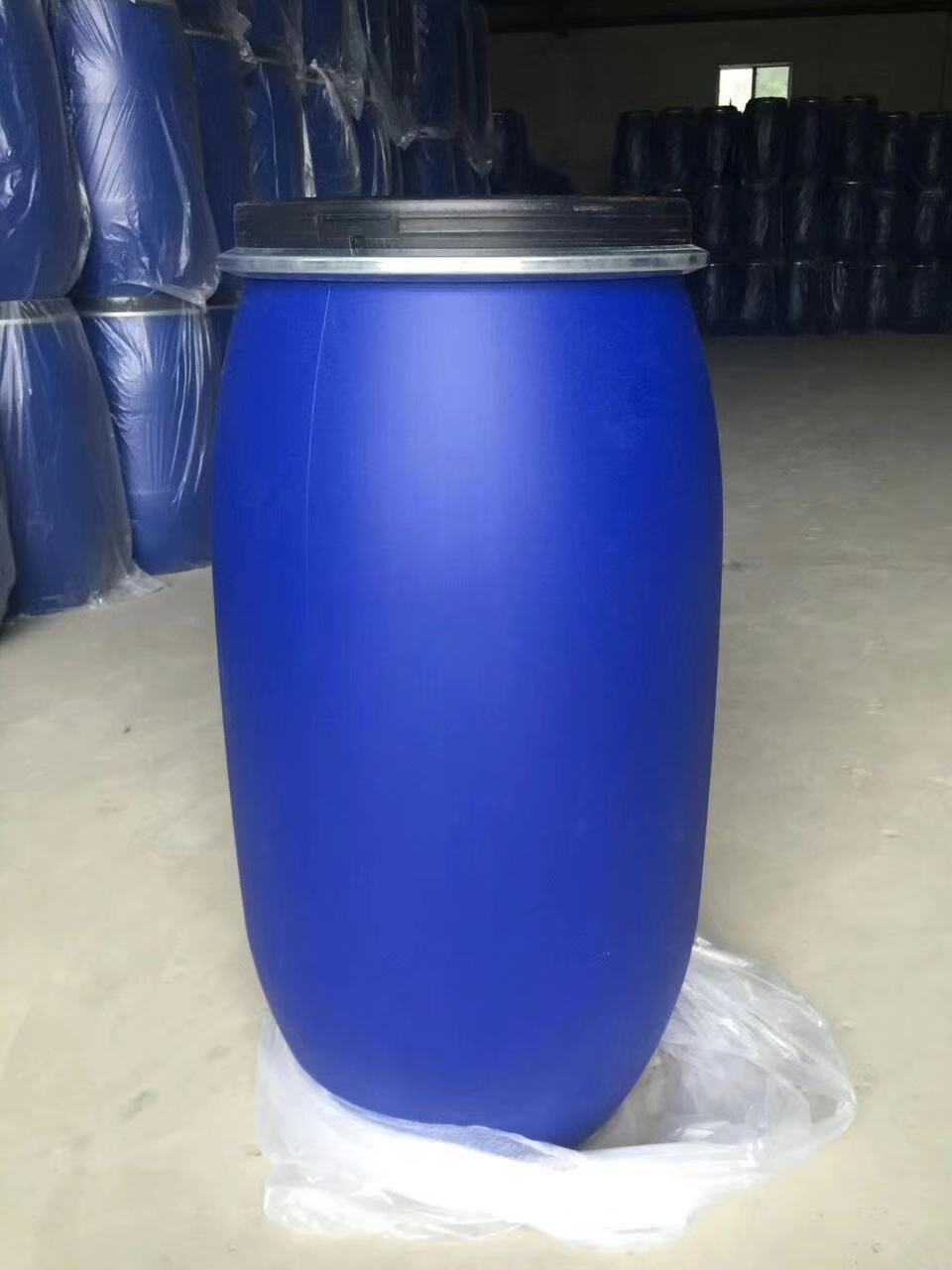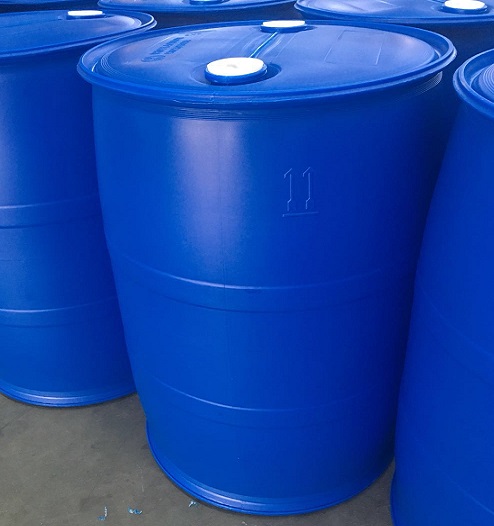


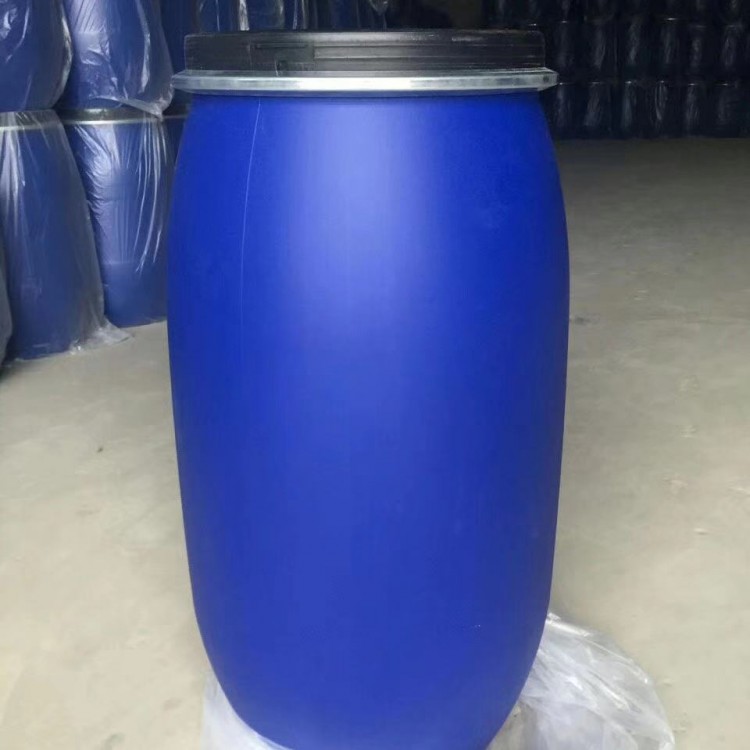
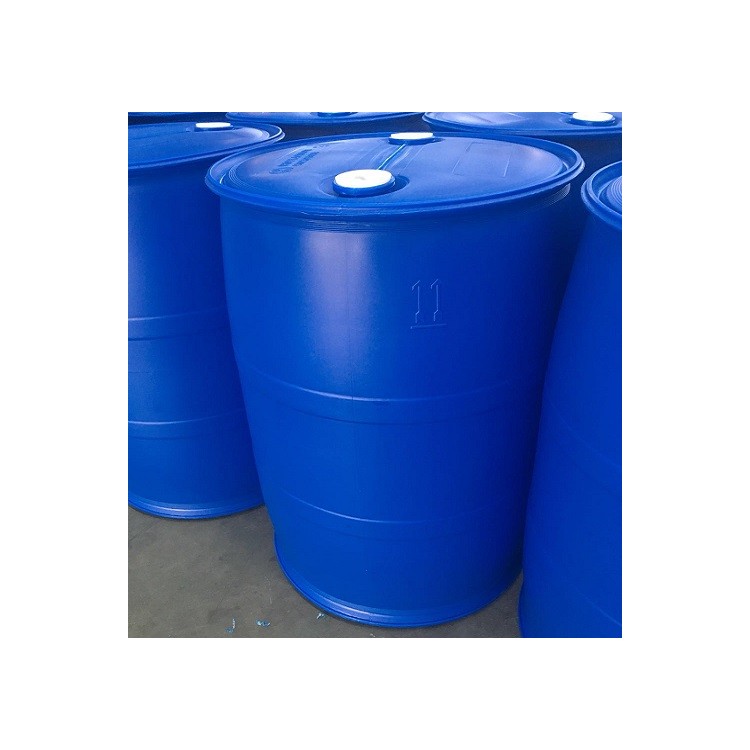


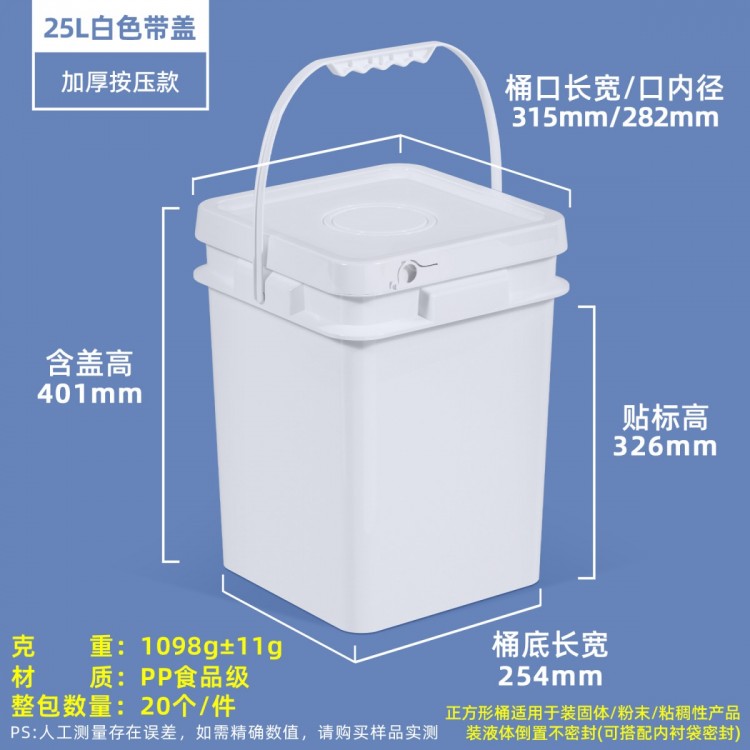
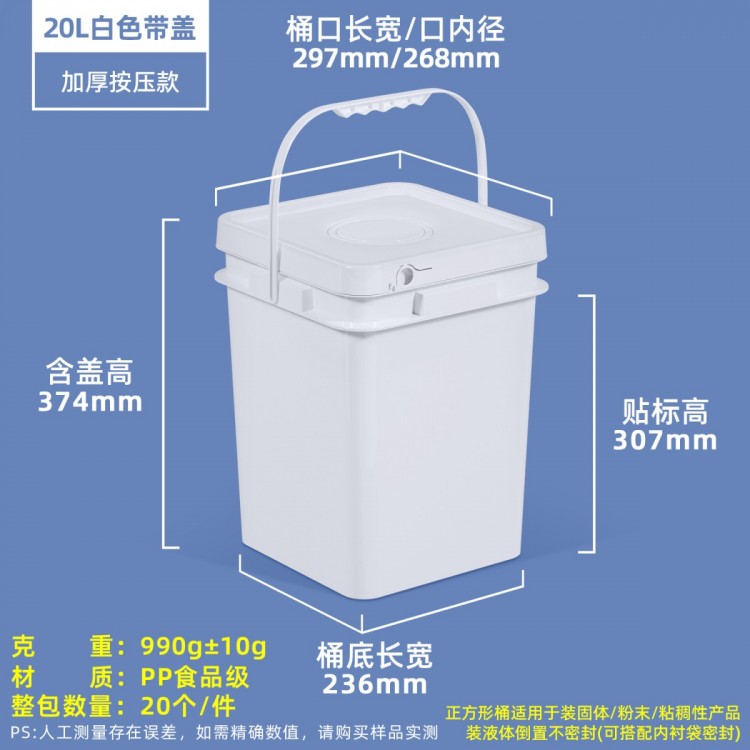






Manufacturer with export qualification for 200-liter plastic drums and 200 kg chemical drums
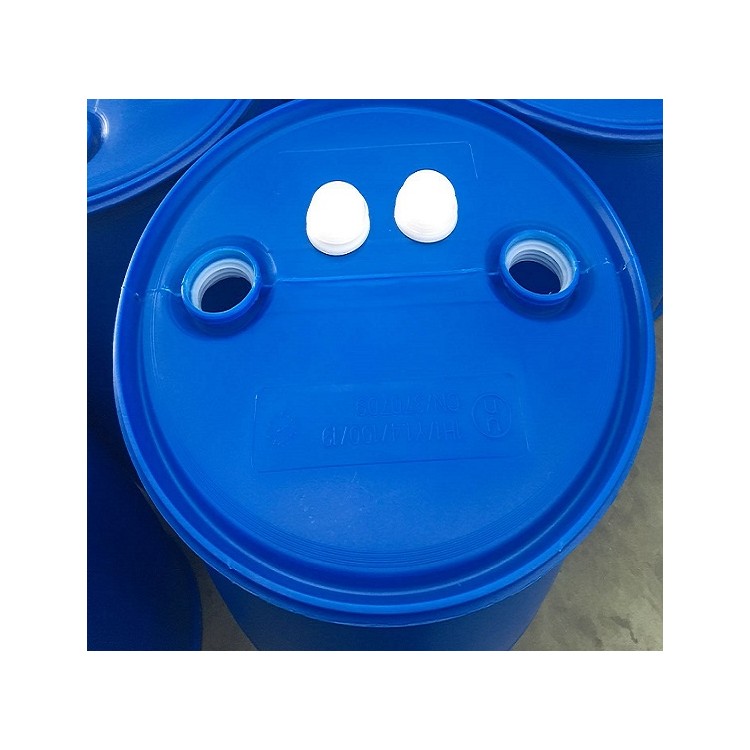
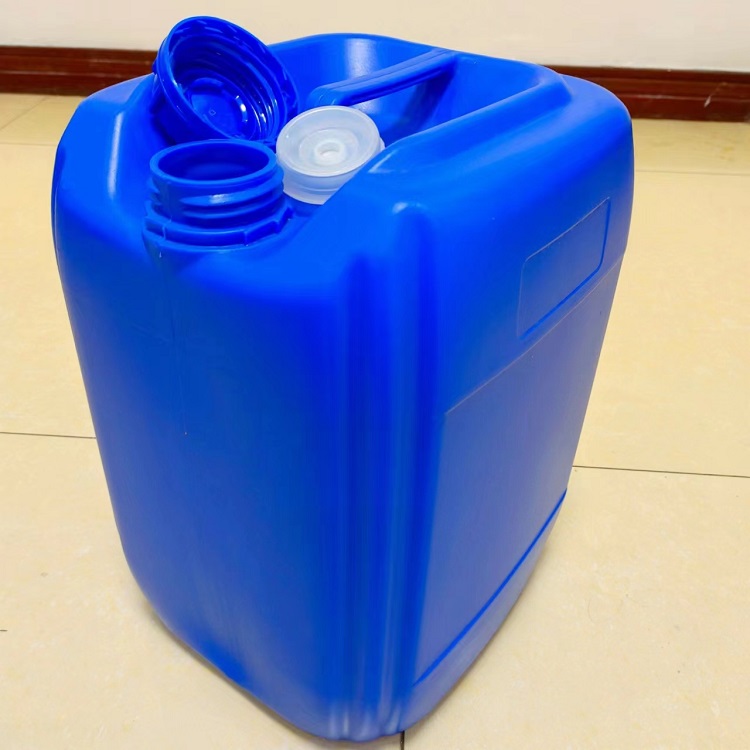
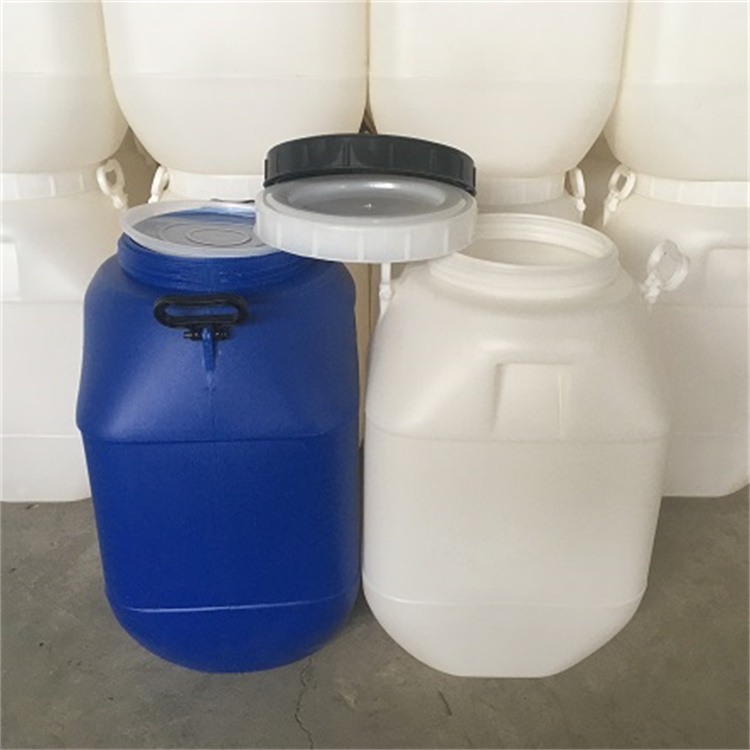
200-gallon plastic drumIntroduction
Specification and dimensions
| Model | Weight (kg) | Maximum Diameter (mm) | Height (mm) | Bowl Diameter (mm) | Color |
| 200L Plastic Drum Closed-loop (double ring) | 9.5±0.15 | 580±10 | 930±10 | 65±1 | Interior white, exterior blue |
Manufactured using UHMWPE (ultra-high molecular weight high-density polyethylene). Features include high strength, corrosion resistance, long service life, easy filling, and excellent sealing performance. Versatile, widely used for packaging in industries such as chemicals, petroleum, and food. Reliable quality with low-temperature drop and high-temperature stacking test specifications meeting UN standards. Easy transportation and container shipping available.
200-gallon plastic drumTest Introduction
Sealing Test: Not less than 20Kpa, maintain pressure for 5 minutes, no leakage.
Hydraulic Test: Constant water pressure of 100Kpa, maintained for 30 minutes, no leakage, no rupture.
Drop Test: Environmental temperature -18°C, treated for 24 hours, drop height 1.5 meters, no crack.
Stacking Test: 40℃ environment, loaded with 740Kg, stacked for 28 days, no collapse, no deformation.
Instructions for Use
Filling
Open the lid and insert a tube with an outer diameter smaller than the sealing diameter for filling.
2. The filling liquid temperature should not exceed 50°C. After the internal liquid cools to room temperature, tighten the outer cap to prevent the drum from warping due to excessive heat, except for caps with exhaust plugs.
3. To ensure the tight seal of the drum opening, it is recommended to use a torque wrench to tighten the drum lid; the required torque varies depending on the sealing material. Please consult our customer service department for the specific torque. A torque of 20-25 n.m with the torque wrench is sufficient to achieve a seal.
4. When the lid is assembled with an external thread, after tightening the lid, place the anti-theft cover on top. Ensure the lid is securely fastened without any misalignment or thread slippage, and check that the seal ring is properly installed and not loose.
II. Storage and Handling
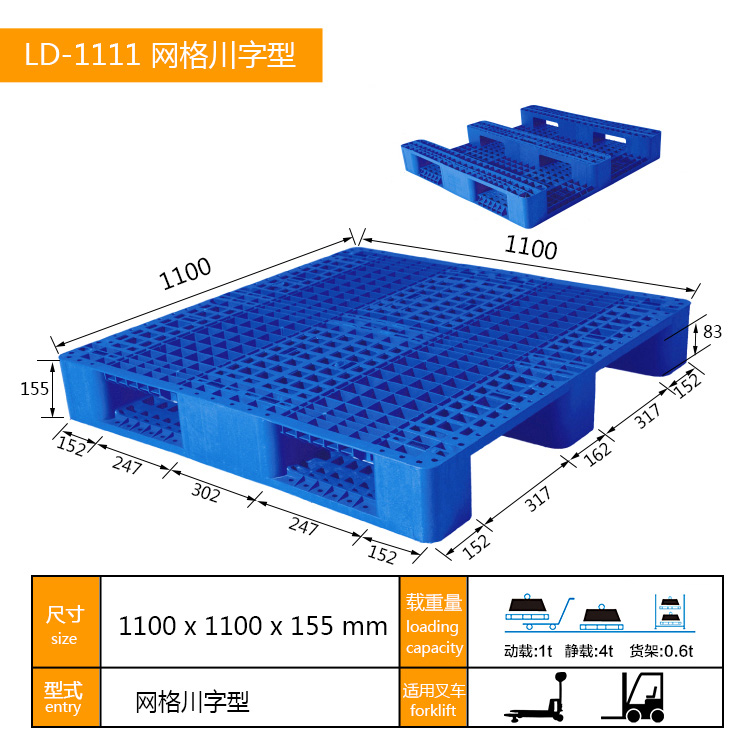
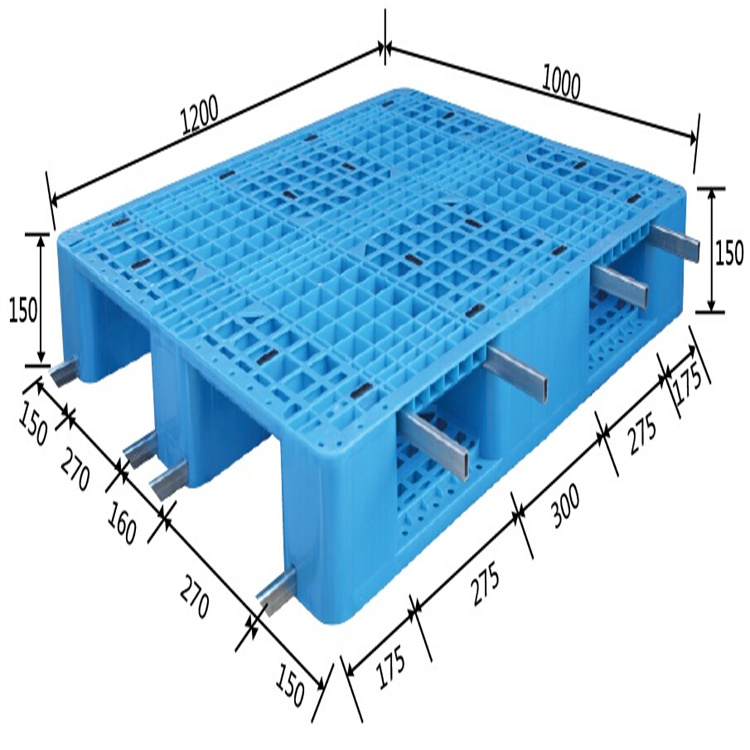
1. After packaging, the drums are stacked on double-sided flat pallets, with the pallet dimensions not exceeding 1.3 meters. Each pallet can hold only one layer of drums, the number of drums depending on the size of the pallet; the rim of the drums must not exceed the rim of the pallet. The drums on the pallet should be symmetrically stacked to ensure the entire pallet and the drums on it are centered around the pallet's center of gravity.
2. Buckets placed on pallets are secured with shrink wrap, ensuring no deformation between them that exceeds 3%; after packaging, the number of layers on the pallet should not exceed 2, and the stacking should align the layers vertically to evenly distribute the upper layer's weight onto the lower one; the ground at the storage area should be level and horizontally positioned.
3. Barrels should be stored under cover to prevent exposure to sunlight, with storage temperatures below 40℃ and above -18℃.
III. Loading and Transportation
1. When packaging hazardous goods for long-distance transport:
1) Pallets should be used for stacking, with the dimensions of the pallets not exceeding 1.3 meters. The edge of the drums must not overhang the pallet edge.
2) Containers should be loaded into shipping containers or vehicles, ensuring that layers are aligned vertically to prevent uneven stacking and instability. The container or vehicle must have rigid side walls and railings at least as tall as the containers to prevent them from toppling.
2. Confirmation of Chemical Compatibility: Ensure the liquid being filled is chemically compatible with the container and sealing materials. If in doubt about compatibility, perform a test; inquiries are welcome. We assume no responsibility for compatibility issues arising from self-filled contents that have not been confirmed by us.
IV. Usage Instructions
Ensure that the liquid inside does not splash out during filling to avoid injury to the operator.
2. Before screwing on the cap, check if the seal is properly installed and there's no sign of it coming off; when screwing, align the threads to prevent leakage at the bucket opening due to misalignment or slipping.
3. Avoid collision with hard and sharp objects during transportation and prevent dropping.