








Boiler deaerators: The corrosion of boiler heating surfaces is mainly divided into chemical corrosion and electrochemical corrosion. The corrosion of boilers is primarily electrochemical. Electrochemical corrosion is mainly influenced by dissolved gases and salts. Higher concentrations of O2 and CO2 in the water accelerate corrosion. The occurrence of boiler metal corrosion shortens its service life and exacerbates scaling on the heating surfaces of high-heat-load boilers, thereby promoting another form of electrochemical corrosion known as under-scale corrosion.
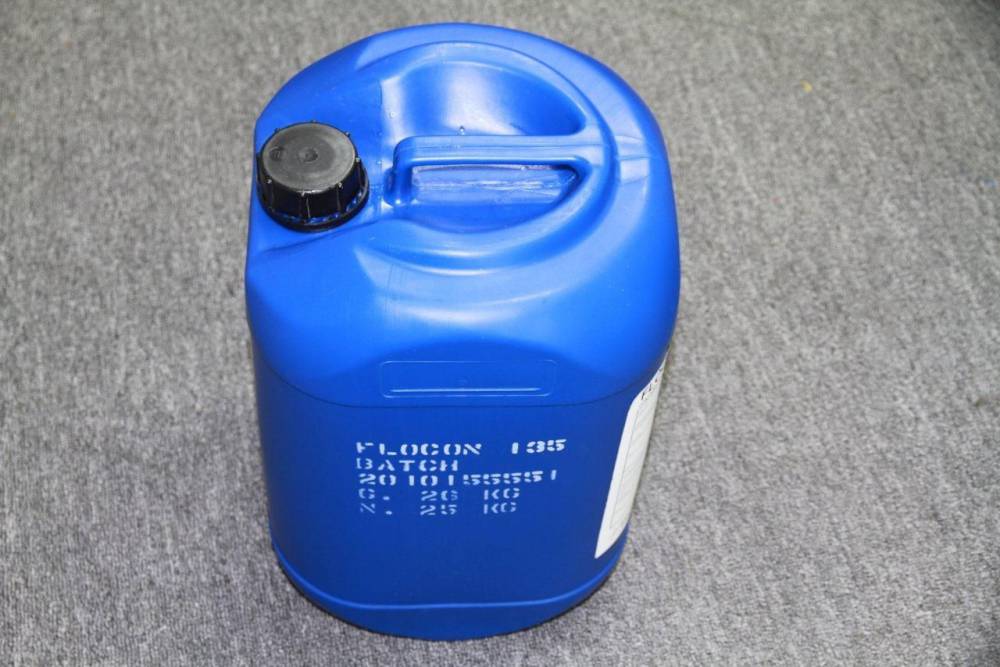
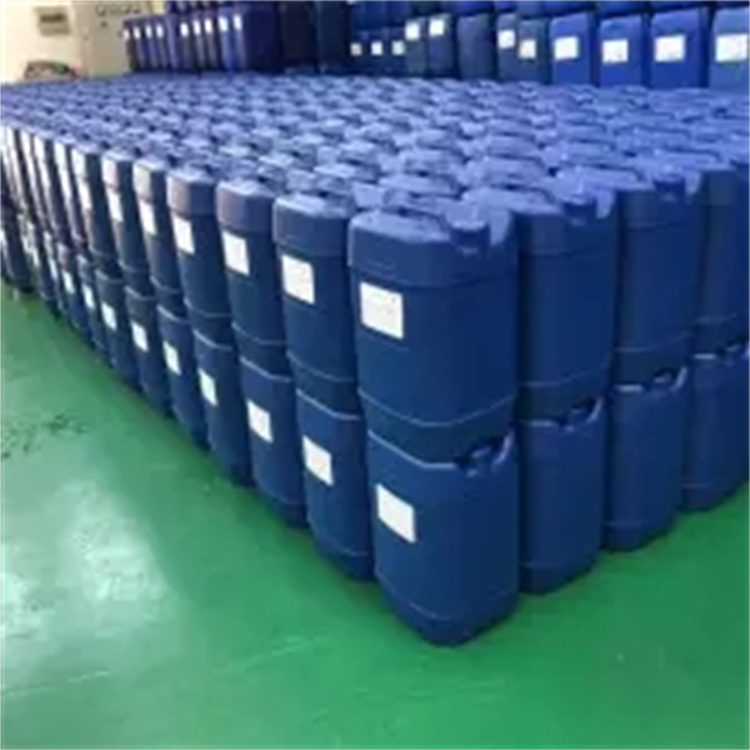
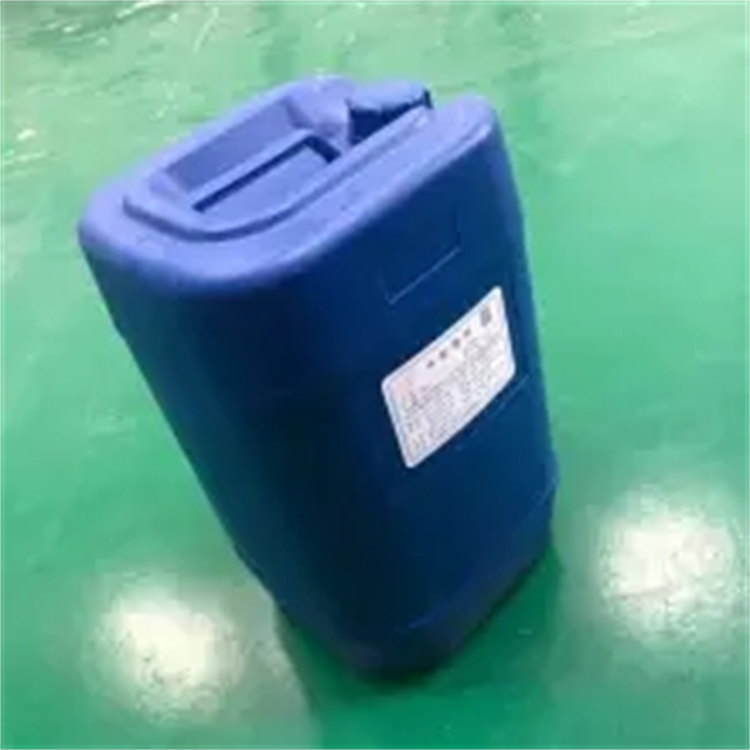
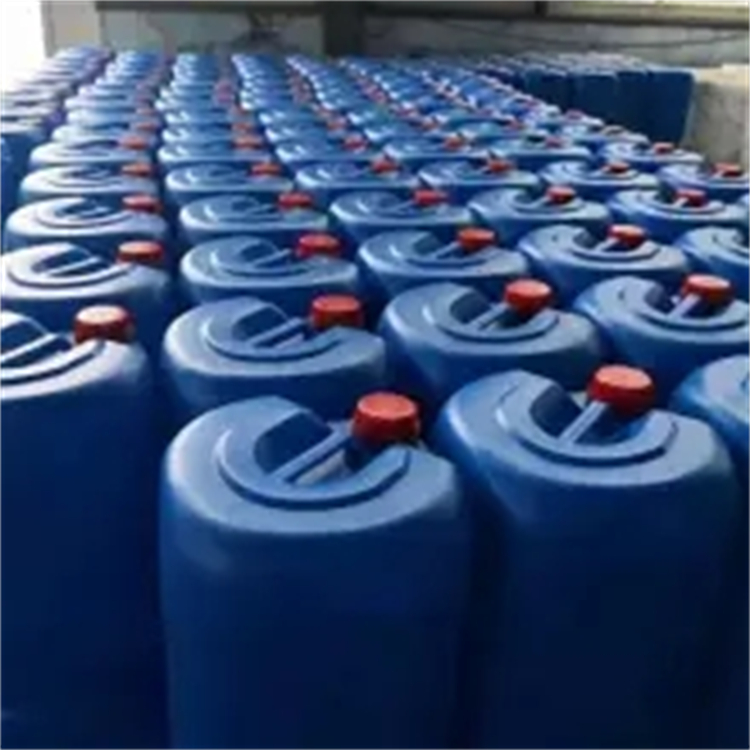
Platinum boiler deoxygenating agent is suitable for high/medium/low pressure boilers and is a premium material used worldwide for boiler water deoxygenation. It boasts a high melting point and deoxygenation efficiency far exceeding that of commonly used materials, making it an ideal product for safety and environmental protection. It has the appearance characteristics of white, fine crystals, dissolves easily in water, and forms harmless substances with dissolved oxygen in the water. It requires a small dosage and acts rapidly. In actual use, to completely remove O2 from the water, a certain excess amount needs to be maintained.
Chemical oxygen scavengers work faster and more completely at higher excess amounts in water at the same temperature; at the same dosage, higher water temperatures yield better oxygen removal; and at the same oxygen removal level, higher water temperatures allow for lower dosages.
Dose of deoxygenator G can be calculated according to the following formula: G = 8[O2] + β
Oxygen content in O2- water, mg/L; Excess of deoxygenating agent, β, mg/L, usually ranging from 10-15.
Typical dosage is 40-50 mg/L. Add to the feedwater pipeline before the feedwater pump using orifice plates, membrane dosing units, or piston pumps, etc.