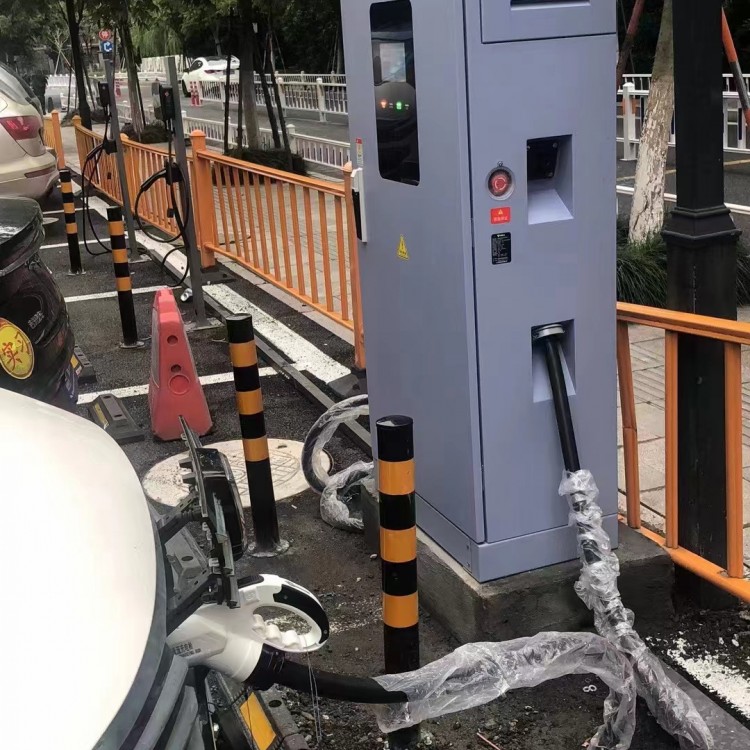

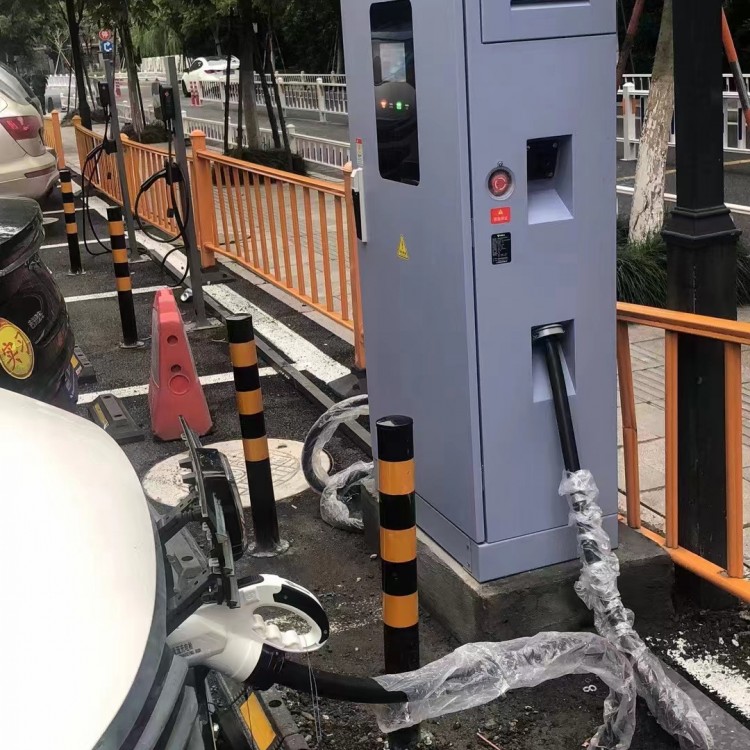
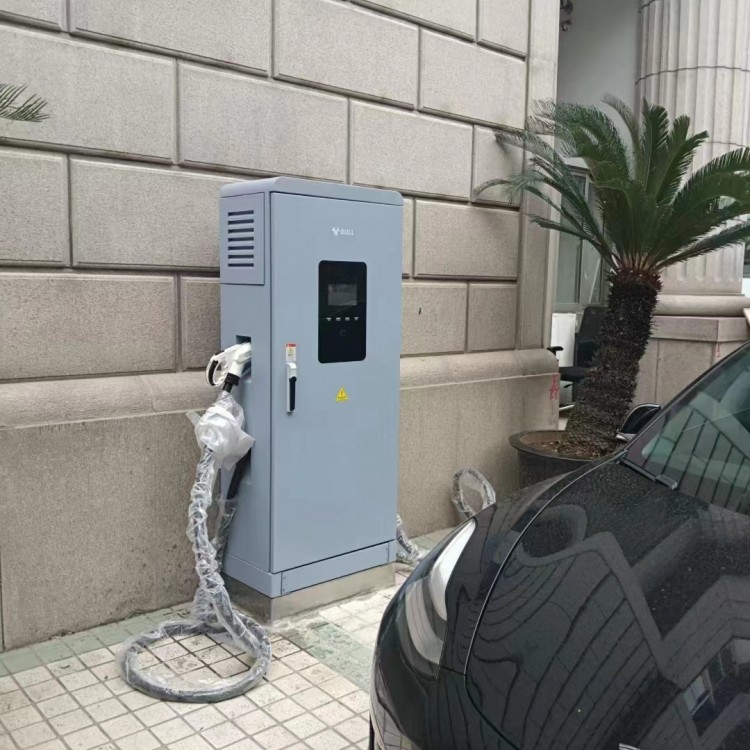
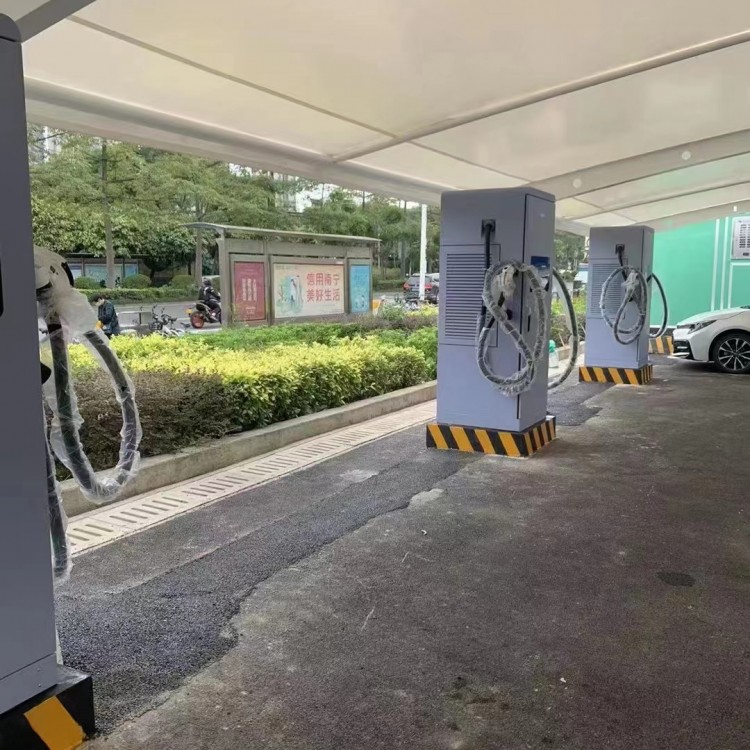







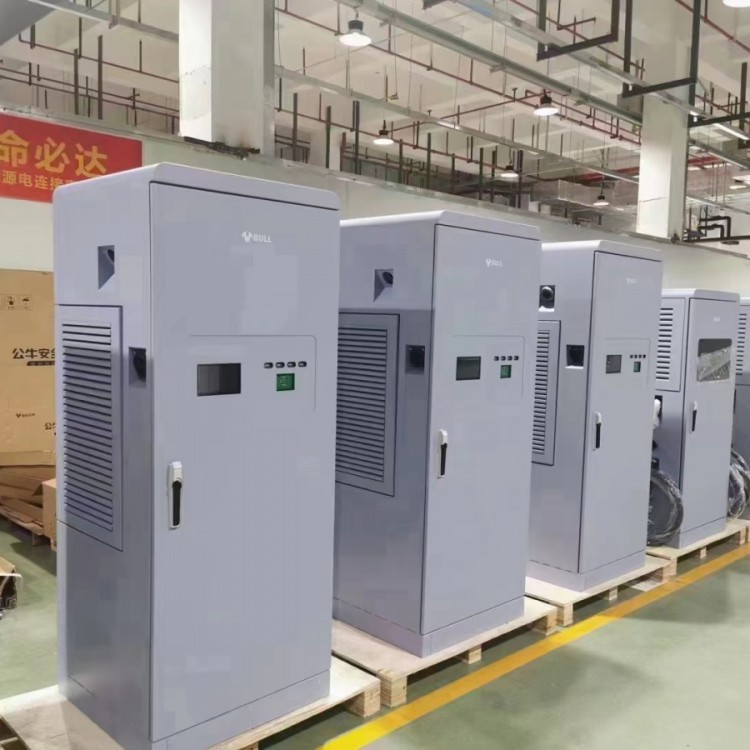
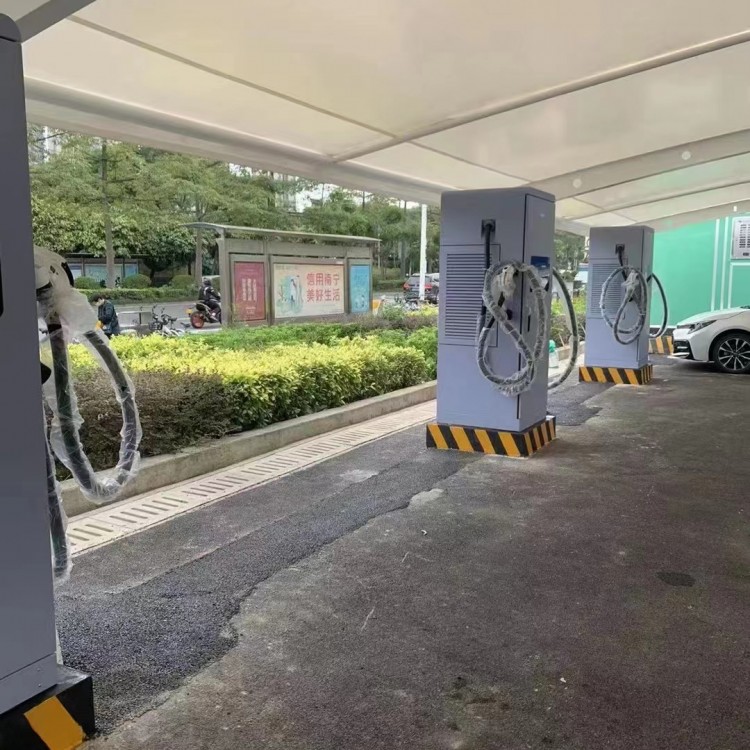


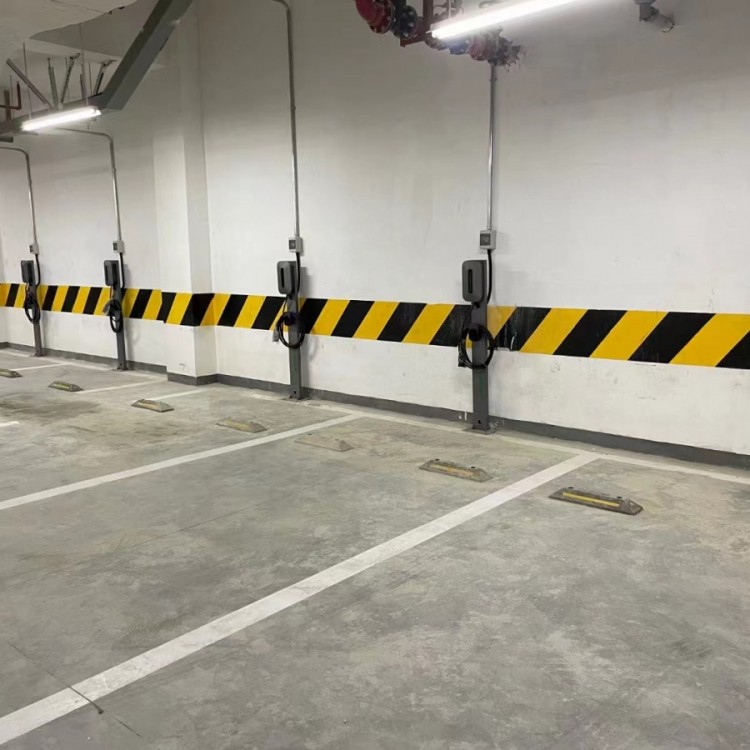
Bull, NIO, Xpeng, Tesla Charging Stations - 220V/380V, Commercial Site Building, ResidentialConstruction Requirements for Charging Poles: As EV charging poles (sockets) on the distribution side of the power grid, their structural characteristics determine that the automated communication system is characterized by a large number of points to be measured, their dispersion, wide coverage, and short communication distances. Moreover, with the development of the city, the network topology requires a structure that is flexible and scalable. Therefore, when selecting the communication method for EV charging poles (sockets), the following issues should be considered: 1. Communication Reliability – The communication system must withstand harsh environments and strong electromagnetic or noise interference over the long term while maintaining uninterrupted communication; 2. Construction Costs – Under the premise of reliability, consider the overall construction costs as well as the long-term costs for use and maintenance; 3. Two-way Communication – It must not only upload information but also send control commands; 4. Data Transmission Speed for Multi-business – As the volume of terminal business continues to grow, the communication between the main station and sub-stations, and sub-stations and terminals requires higher data transmission speeds for multi-business operations; 5. Flexibility and Scalability of Communication – Due to the characteristics of charging poles (sockets) having numerous control points, wide coverage, and dispersion, standard communication protocols should be adopted. With the development of network technology trends and the continuous growth of power operation business, it is necessary to consider IP-based service carriage. At the same time, it should be easy to install, debug, operate, and maintain.
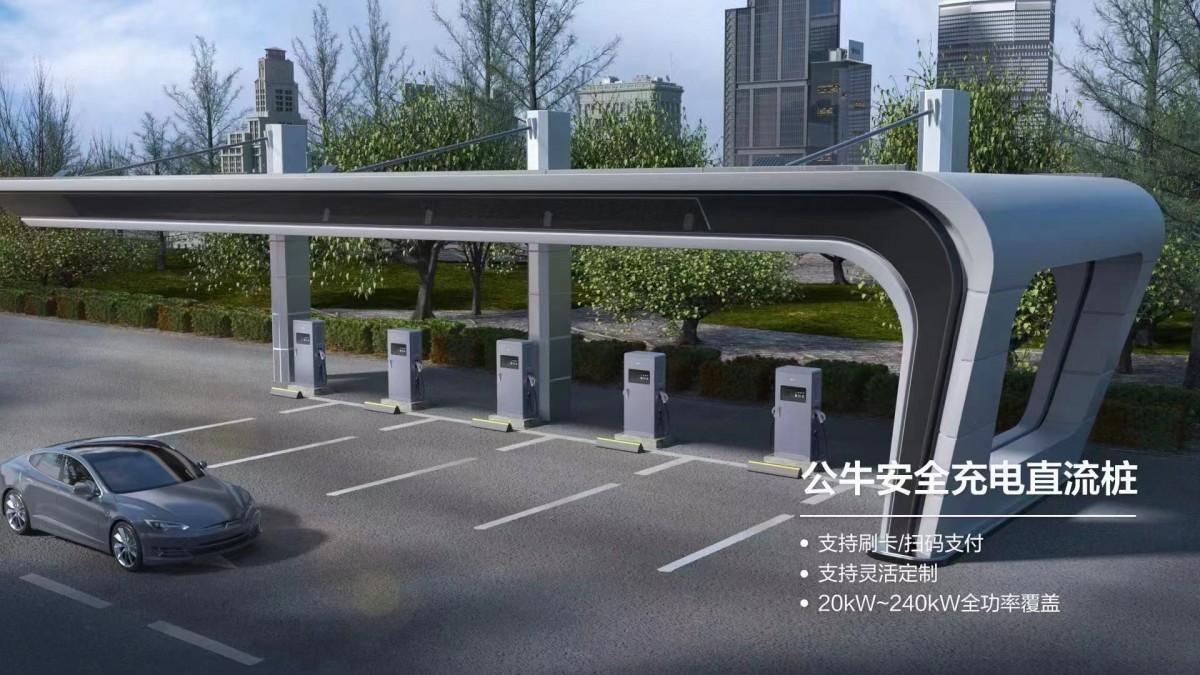
Bull NIO Xpeng Tesla Charging Stations, 220V-380V, Commercial Installation, Residential(1) Main Functions of the Charging Pile Cloud Platform - Resource Management: Archive management for charging stations, charging pile management, user archive management, monitoring of charging pile operations, and monitoring of abnormal transactions. - Transaction and Settlement: Management of charging price strategies, pre-payment management, billing management, revenue and financial reports. - User Management: User registration, user login, user account management, message management. - Charging Services: Search for charging facilities, view charging facilities, map addressing, online self-service payment for charging, charging settlement, navigation, etc. - WeChat Mini Program: Scan to charge, bill payment, and other functions. - Data Services: Data collection, SMS reminders, data storage and analysis.