












Product Details
I. Overview:
The gel ball cleaning unit is a device used to effectively clean the condenser cooling tubes of a steam turbine generator set during operation. The performance of this unit directly affects the cleanliness of the condenser and its heat transfer efficiency. Its application range is quite extensive, suitable not only for the condensers of steam turbines but also for the cooling tube cleaning of fixed tube sheet heat exchangers in the oil, chemical, and other industries. Under continuous operation without reducing load, this unit can be put into use at any time, maintaining the cleanliness of the cooling tubes, extending their service life, reducing labor intensity, and is an indispensable device for improving the economic benefits of power plants and ensuring the safe operation of condensers.
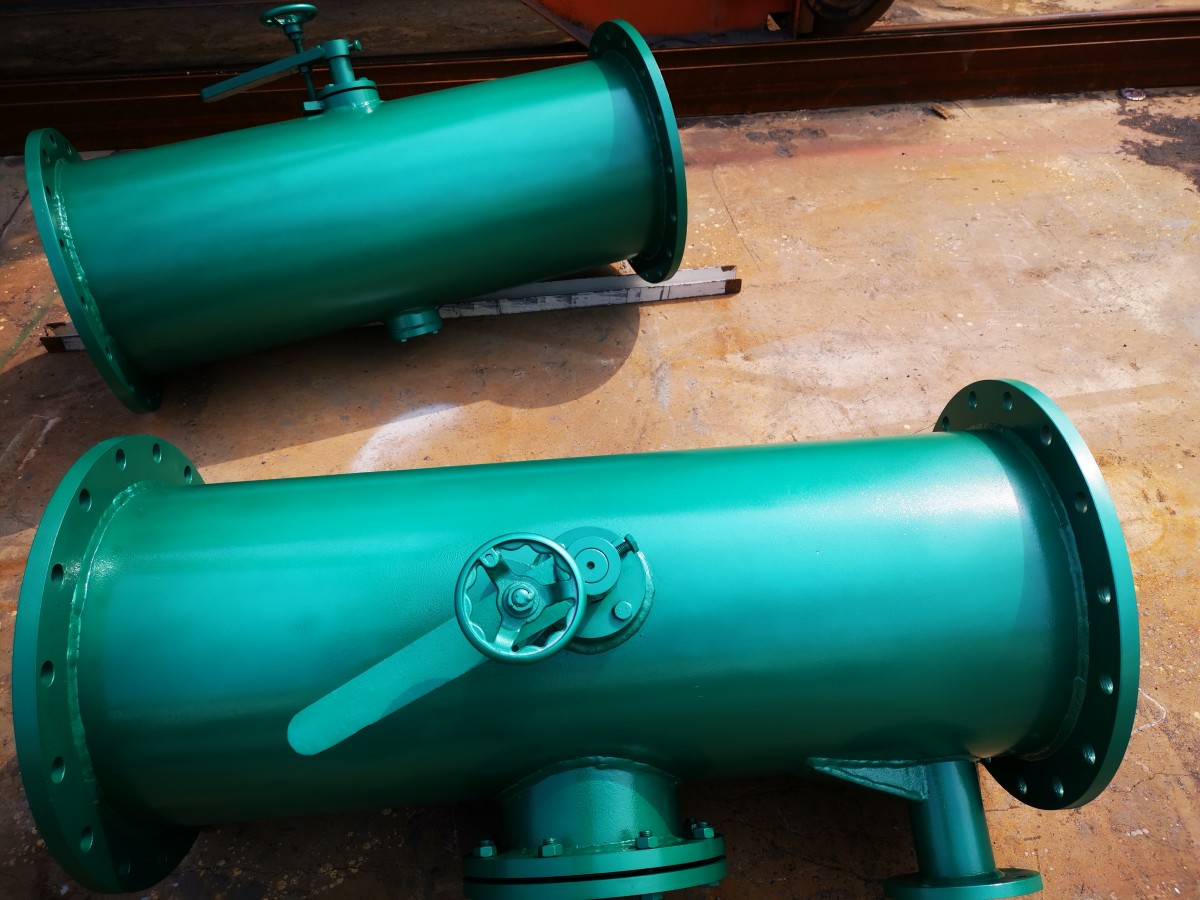
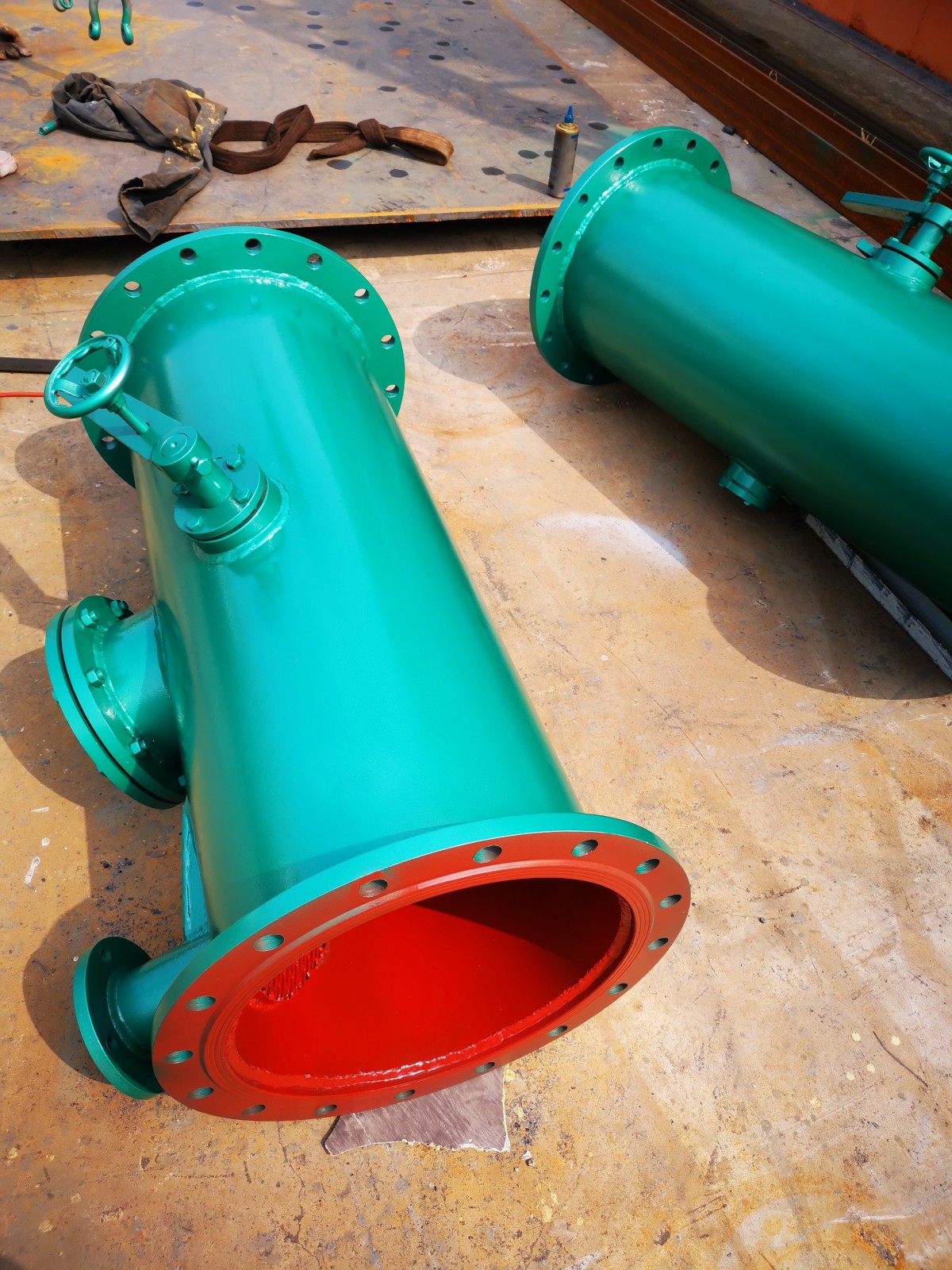
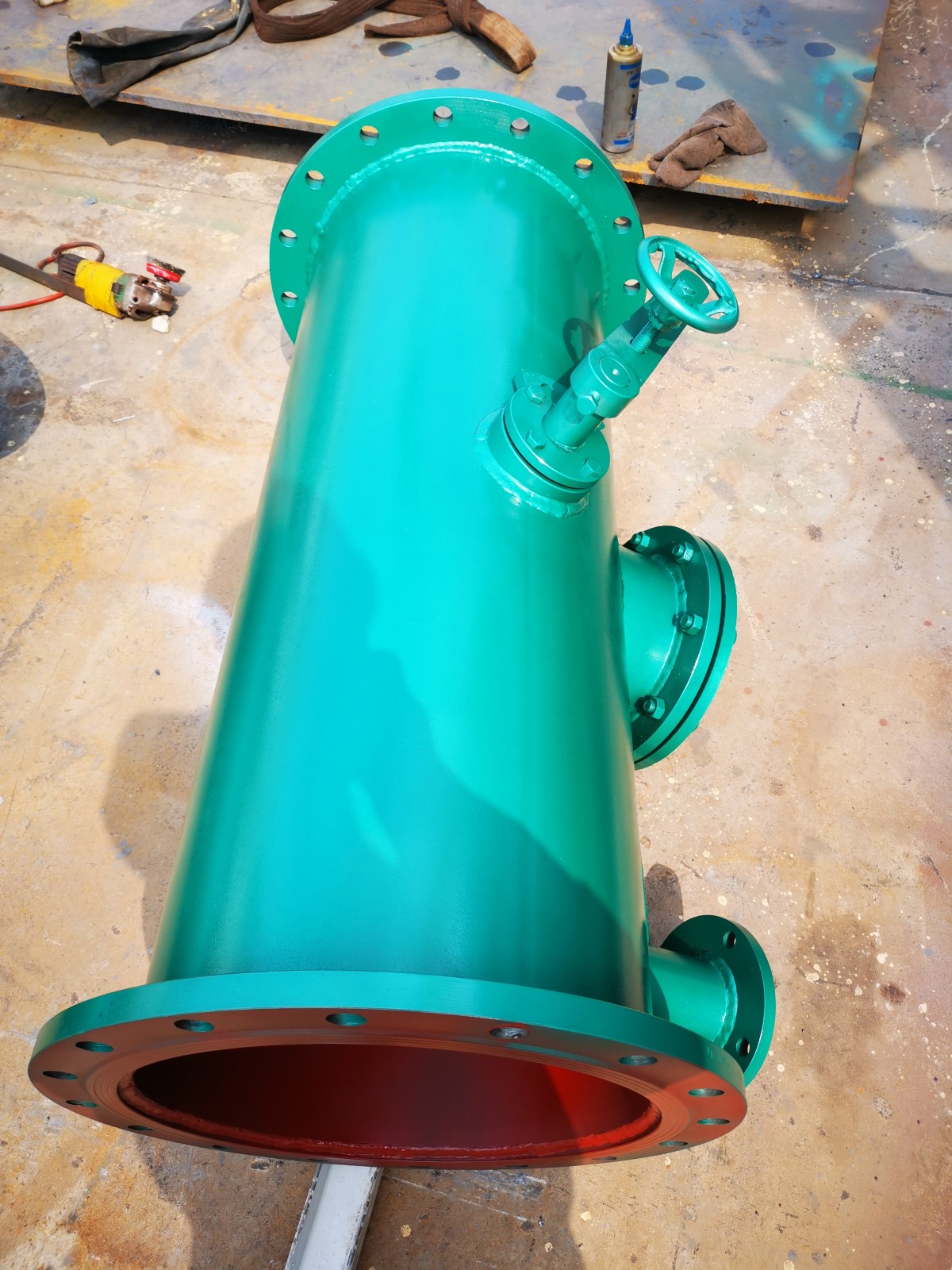
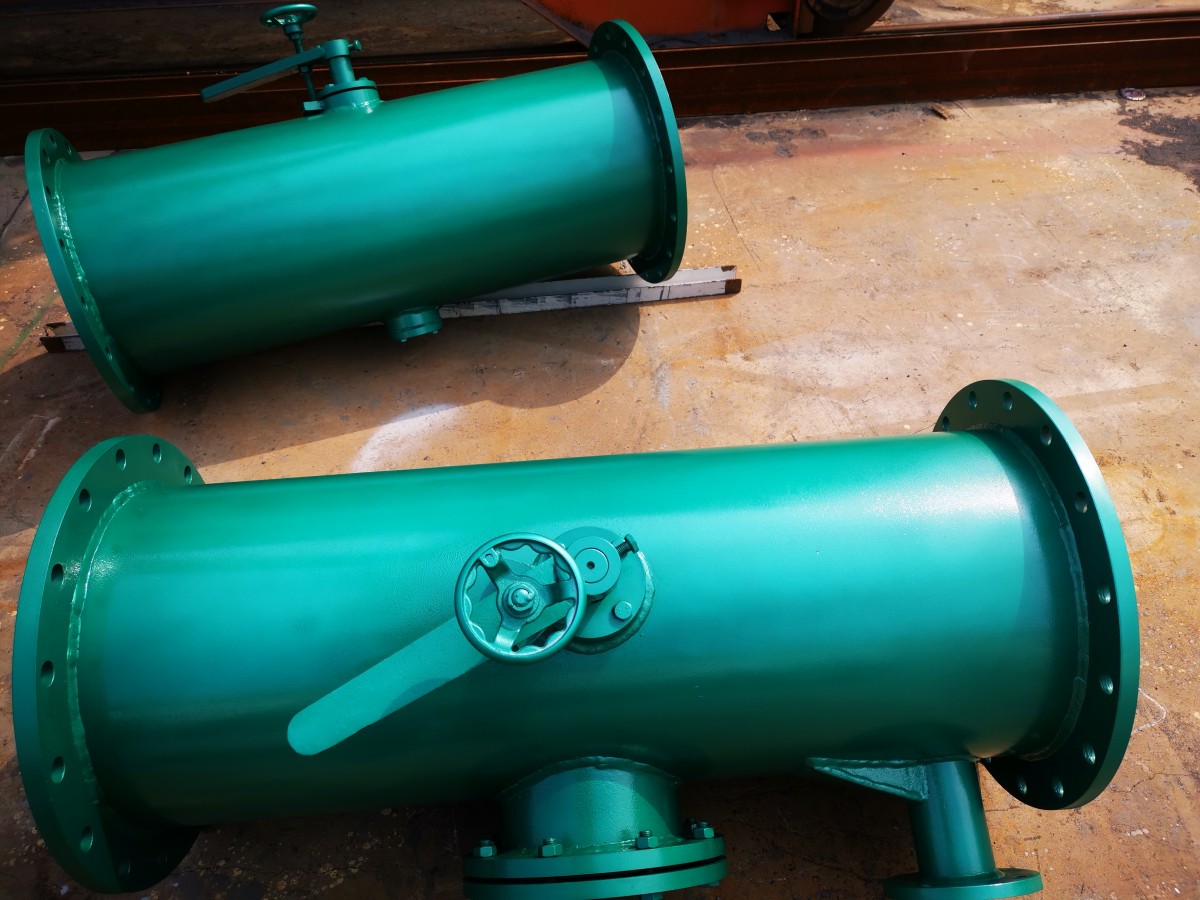
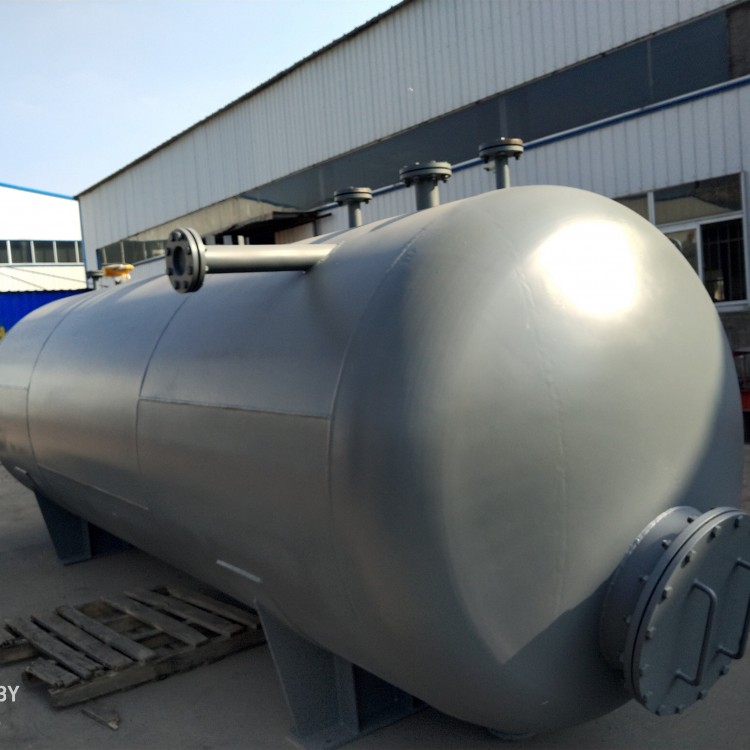
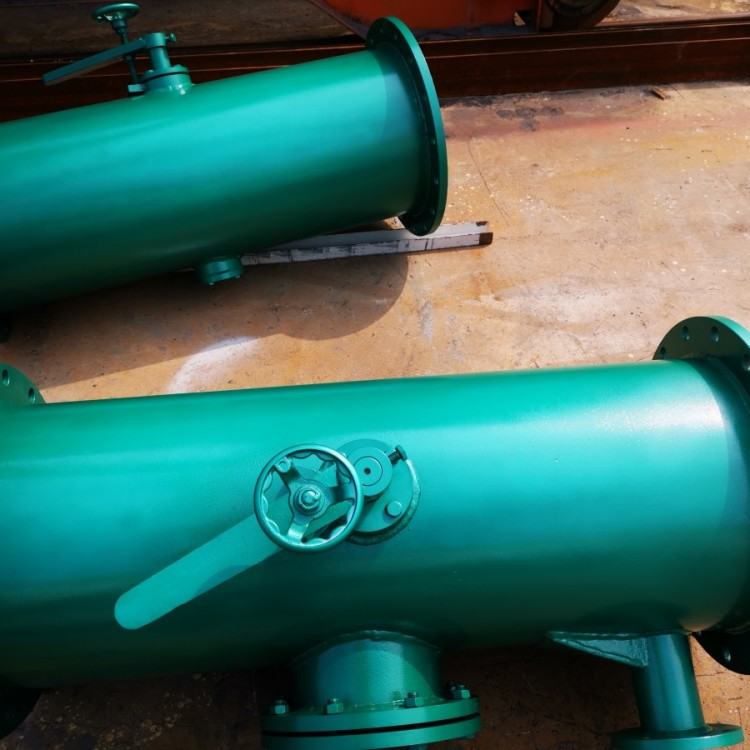
Our factory's rubber ball device is the upgraded version of other rubber ball cleaning devices currently available. The main components, the secondary filter and the ball collection net, come in two current models. It features the following characteristics:
1. Innovative and rational design structure; 2. Easy to operate; 3. High gel ball recovery rate (≥96%); 4. Strong secondary filter efficiency.
Section II: Gel Ball Cleaning System Diagram
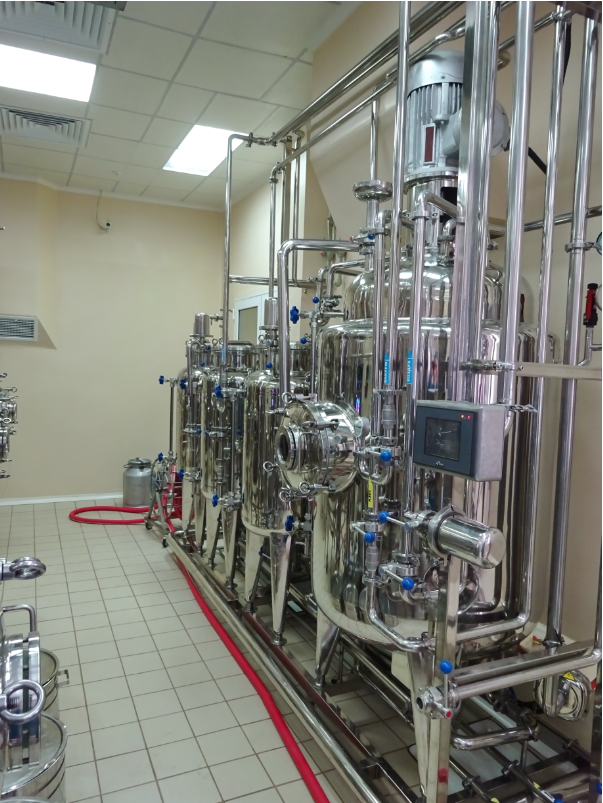
The rubber ball cleaning system consists of a secondary filter, ball collection net, ball loading chamber, rubber ball pump, diverter, valves, piping, and electrical control unit.
III. Working Principle:
Select appropriate sponge rubber balls, with a wet diameter slightly larger than the inner diameter of the cooling tubes (about 1-2mm), and having a wet density similar to water. Place the balls into the ball chamber through the manual access hole, with a quantity approximately 10% of the copper tube count in the condenser water chamber. Then, start the ball pump and open the ball valves at both ends of the system. The balls are propelled into the condenser water chamber by the water flow with a slightly higher pressure at the water intake. Due to their multi-porous, soft, and elastic nature, the balls are compressed as they pass through the cooling tubes, scrubbing the inner diameter once. This action removes dirt from the tube walls, which is then carried away by the water flow. The balls, along with the circulating water, enter the ball collection net, where they are separated by the net plates. They are then pumped back to the ball chamber by the ball pump, thereby repeating the cycle for continuous and automatic cleaning of the condenser cooling tubes.
IV. Components of the Gel Ball Cleaning Unit:
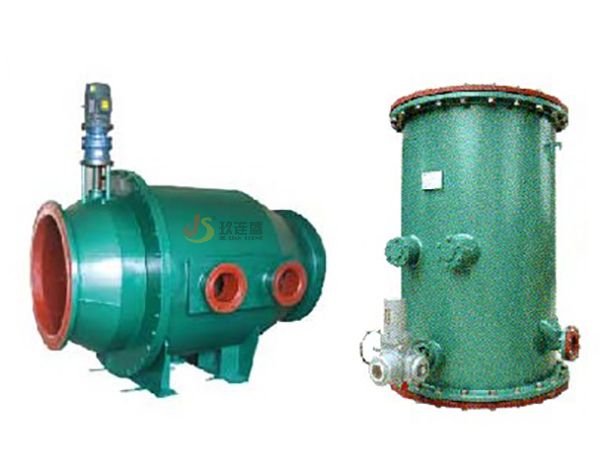
1. Secondary Filter: The secondary filter is one of the main components of the cooling water purification system, removing all debris larger than 6mm. It plays a crucial role in ensuring the smooth flow of rubber balls and the normal operation of the condenser. For detailed operational parameters and more information, refer to the "New Electrically Rotating Jet Secondary Filter" manual.
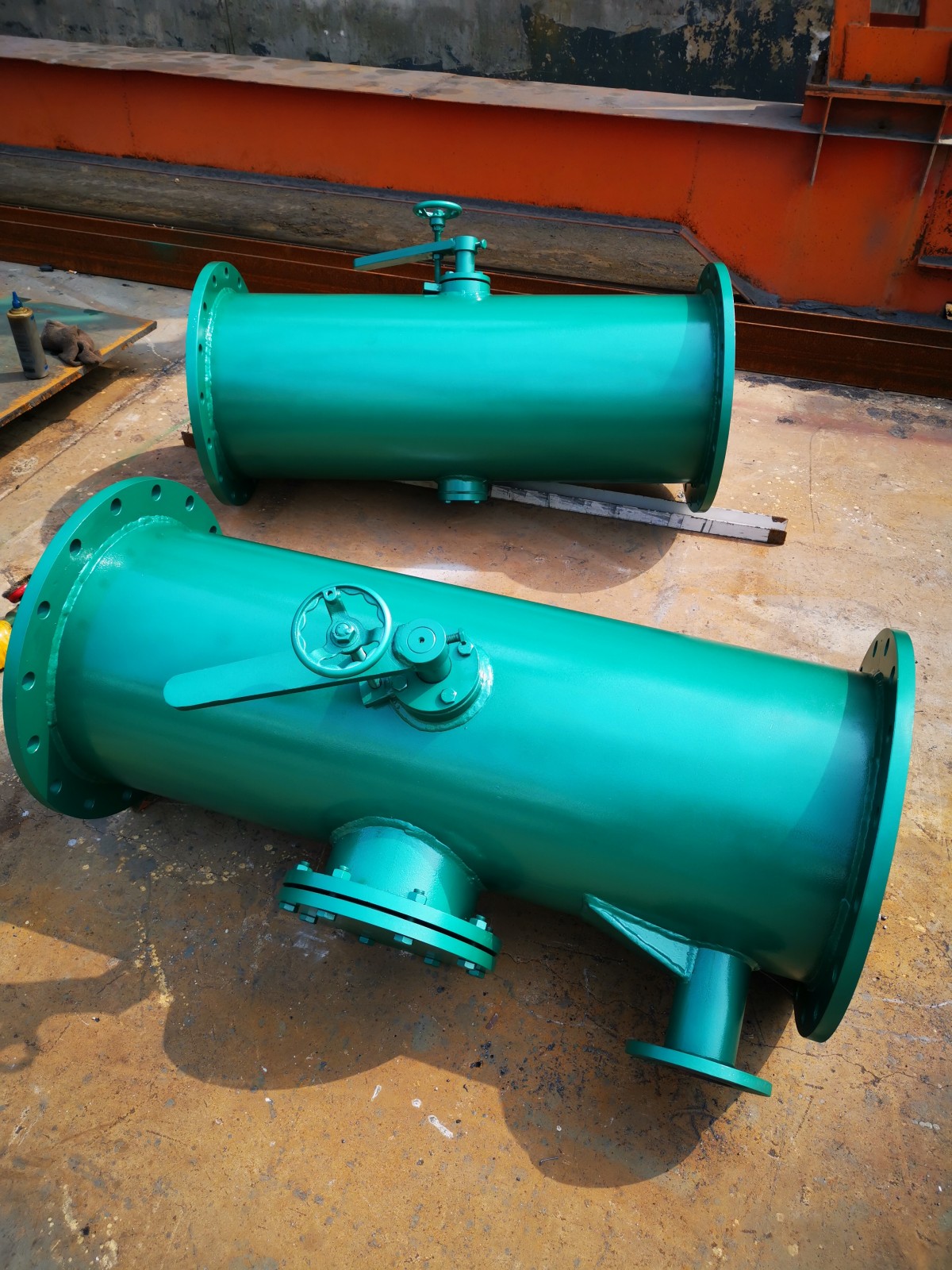
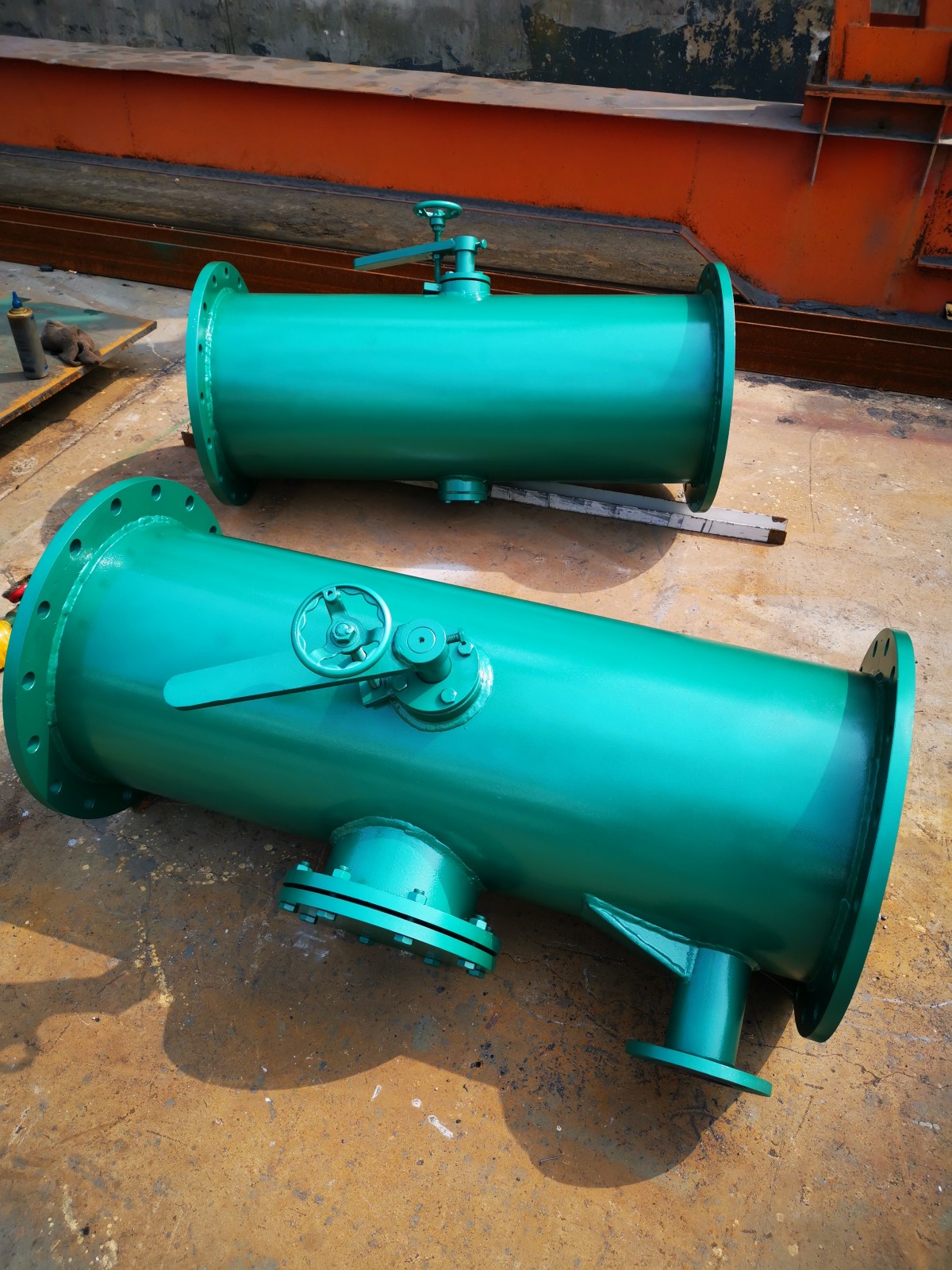
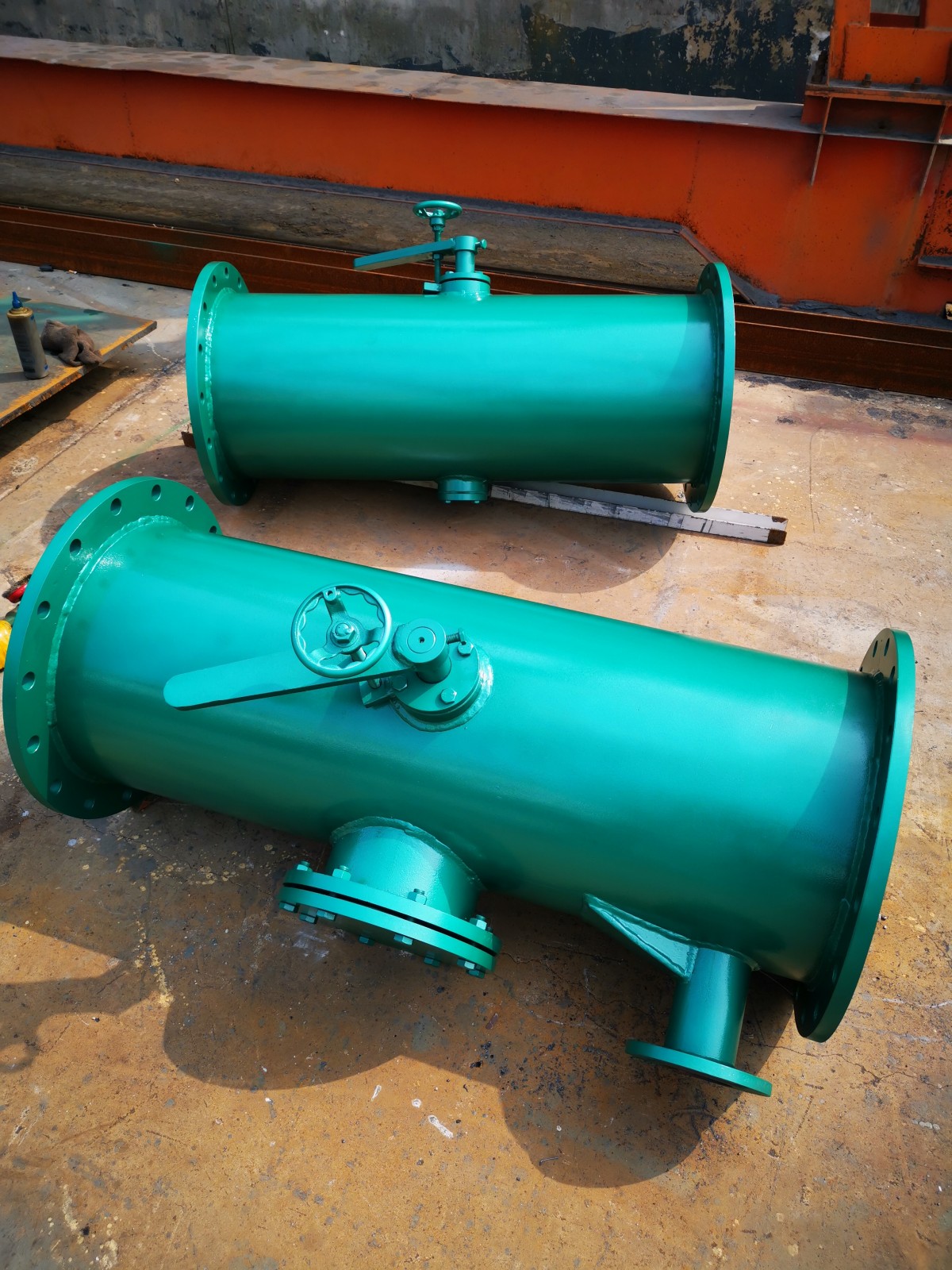
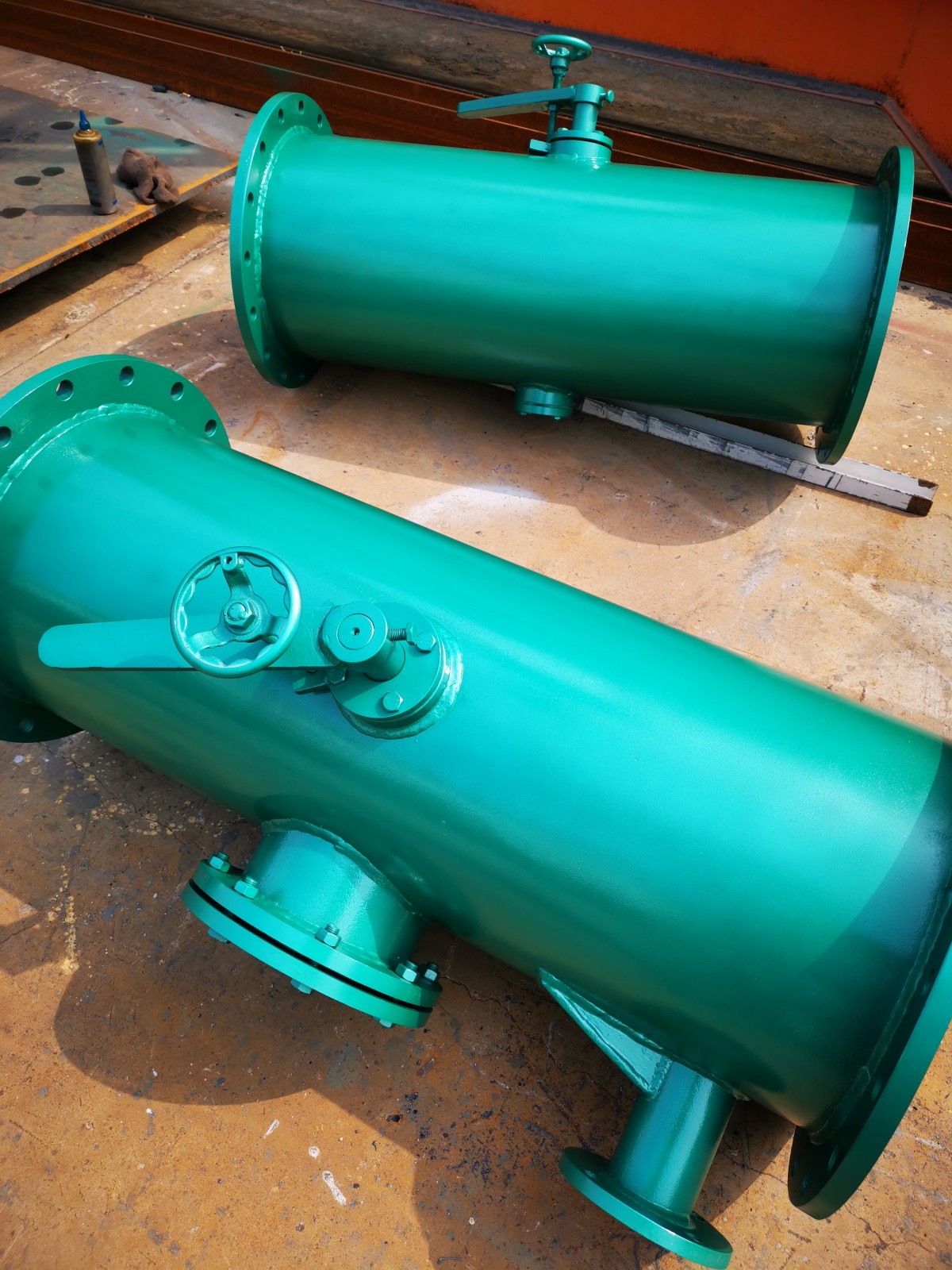
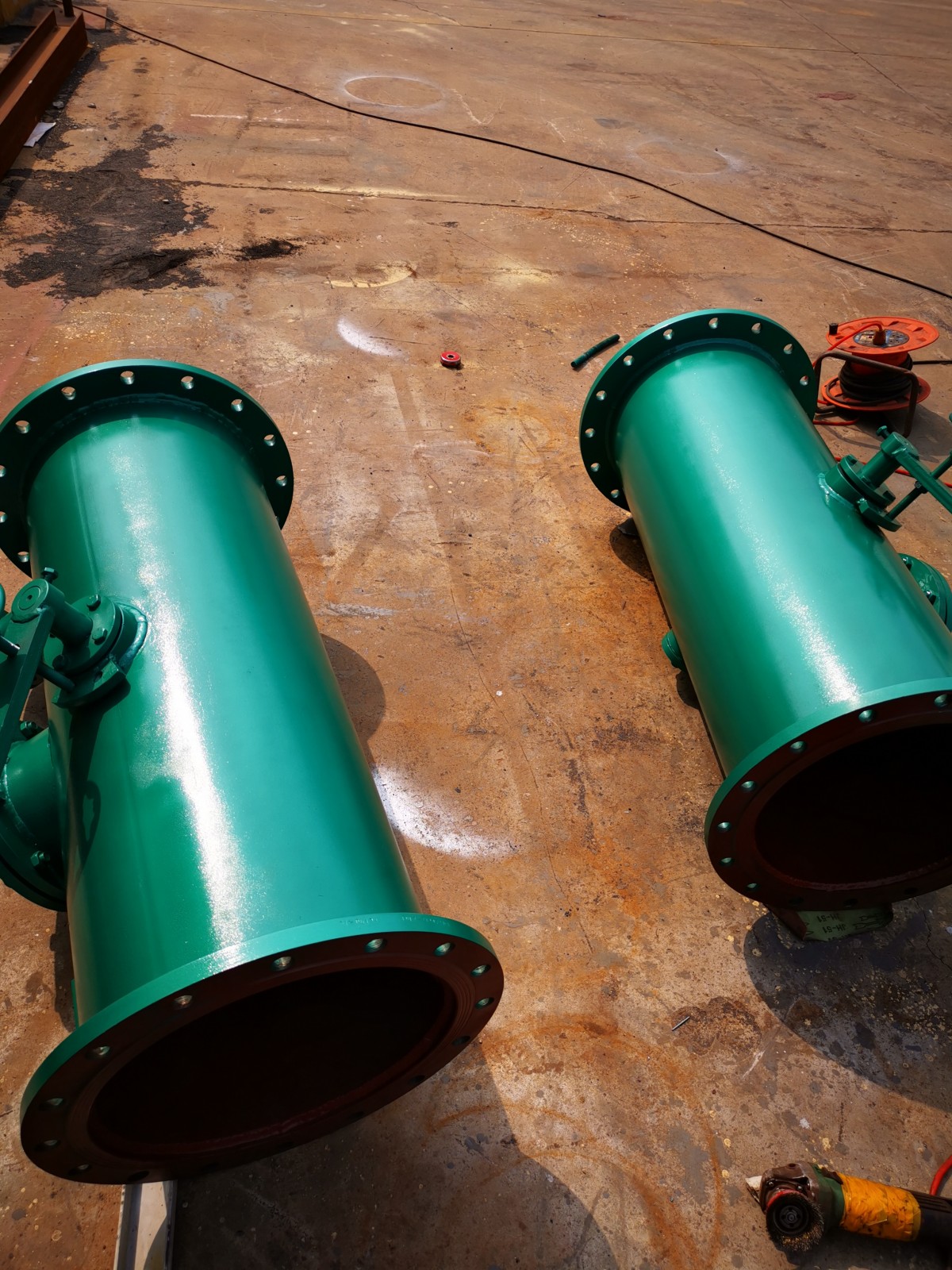
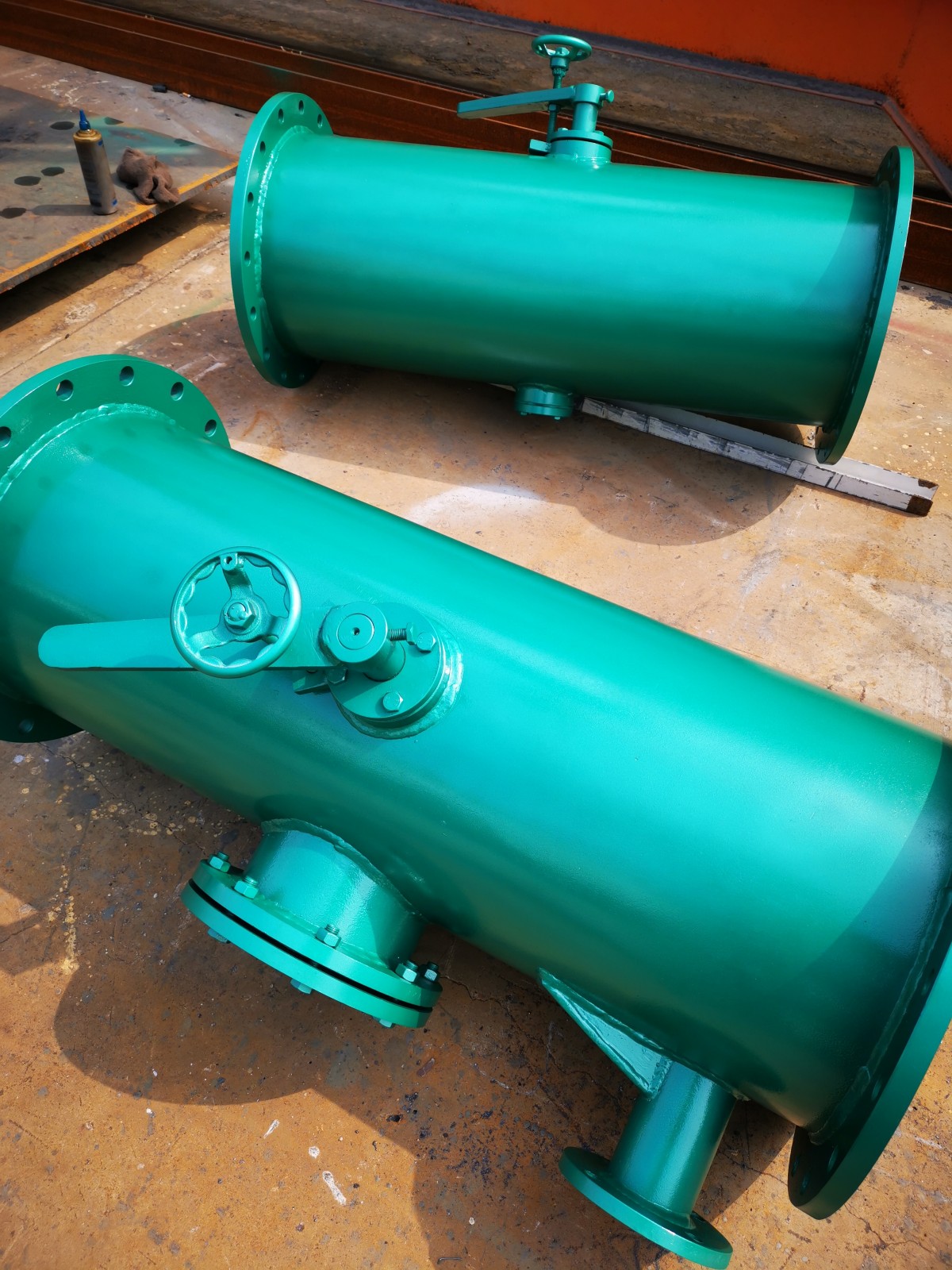
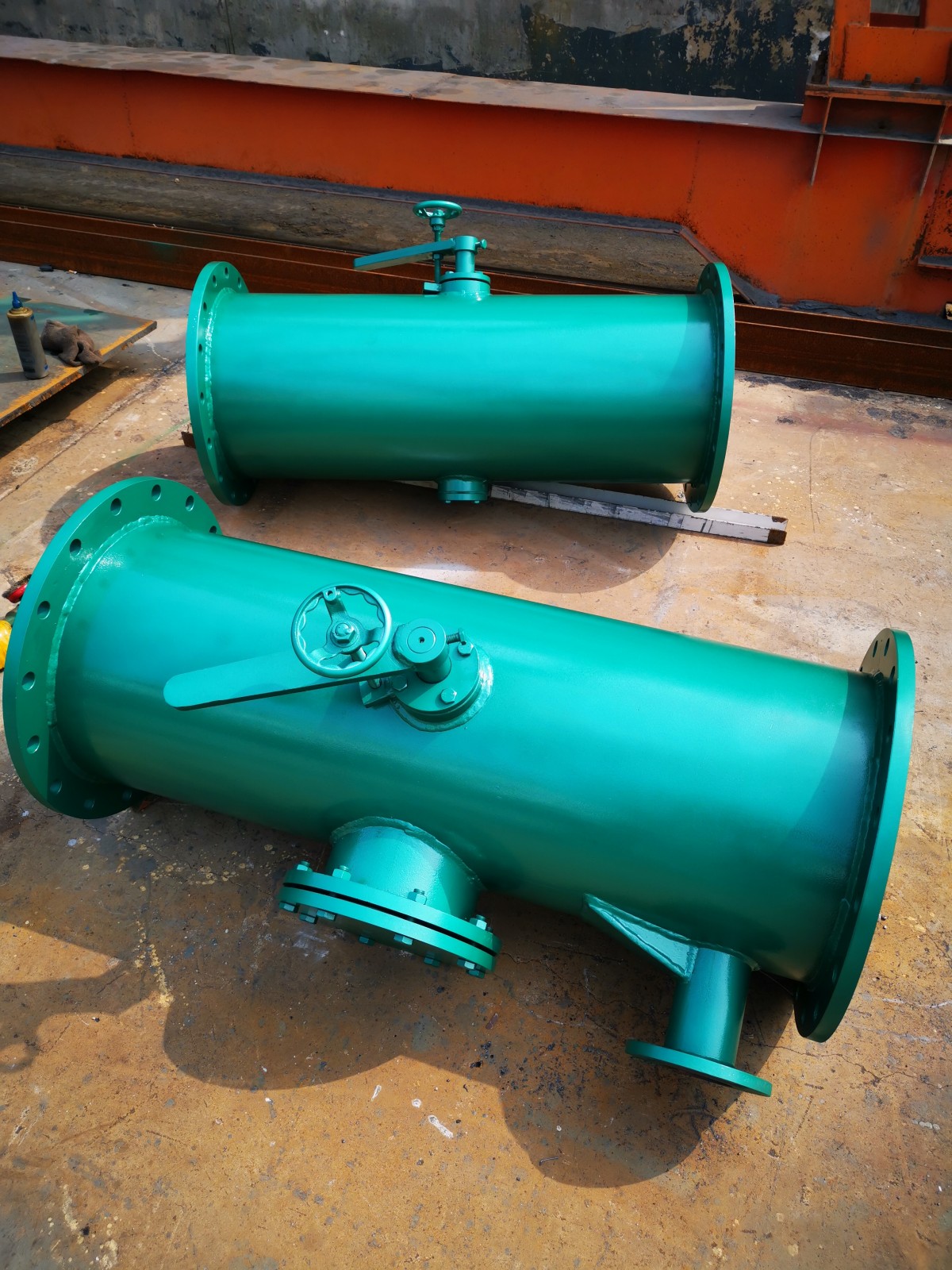
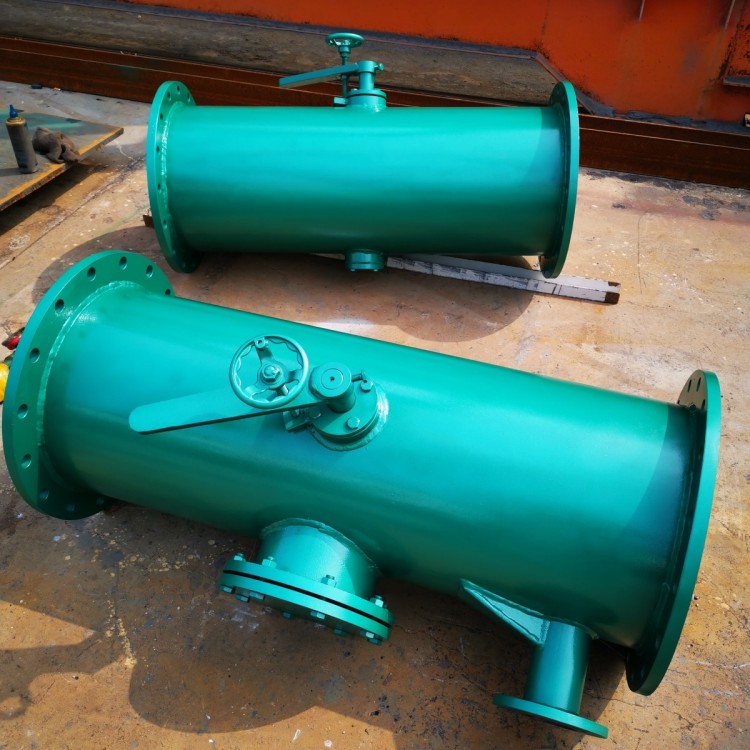
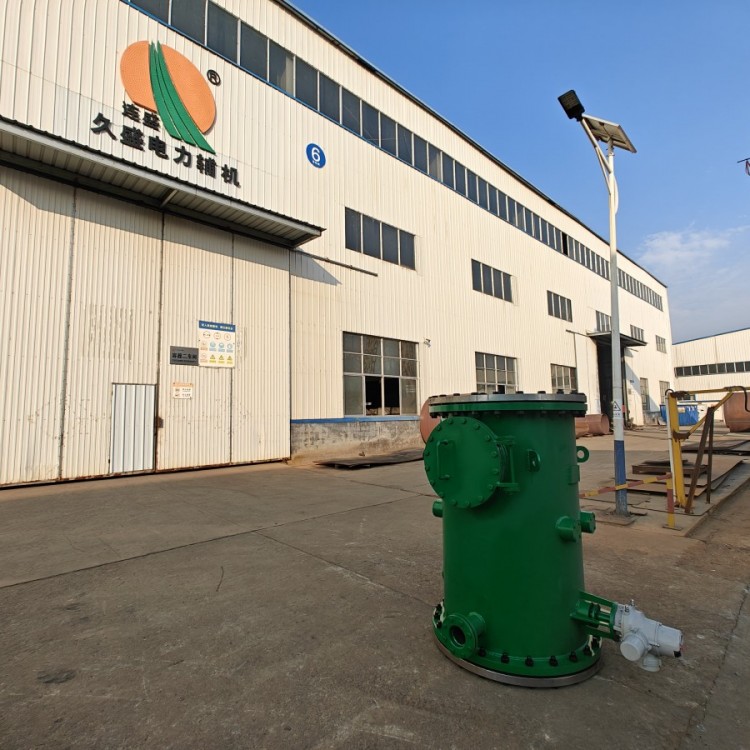
2. Catch Net: The catch net is a crucial component in the rubber ball cleaning system, installed on the condenser outlet pipe section. Its function is to separate rubber balls from the cooling water, ensuring it is ball-proof and ball-free, with the balls retrieved and discharged through an outlet pipe from the catch net to return them to the ball loading room. Our factory's catch net features the latest design, with its grill plate being rotatable; during the operation of the rubber ball unit, the grill plate is positioned to catch the balls. When the cleaning device is not in use, the grill plate can rotate to align with the water flow direction, reducing water resistance and also clearing debris from the grill plate.
The rotation and positioning of the mesh board are executed by an electric actuator (for small ball collection nets, manual control is applied). Whether the mesh board is in place is a crucial factor for ensuring the collection efficiency of the ball collection net.
3. Ball Filling Room
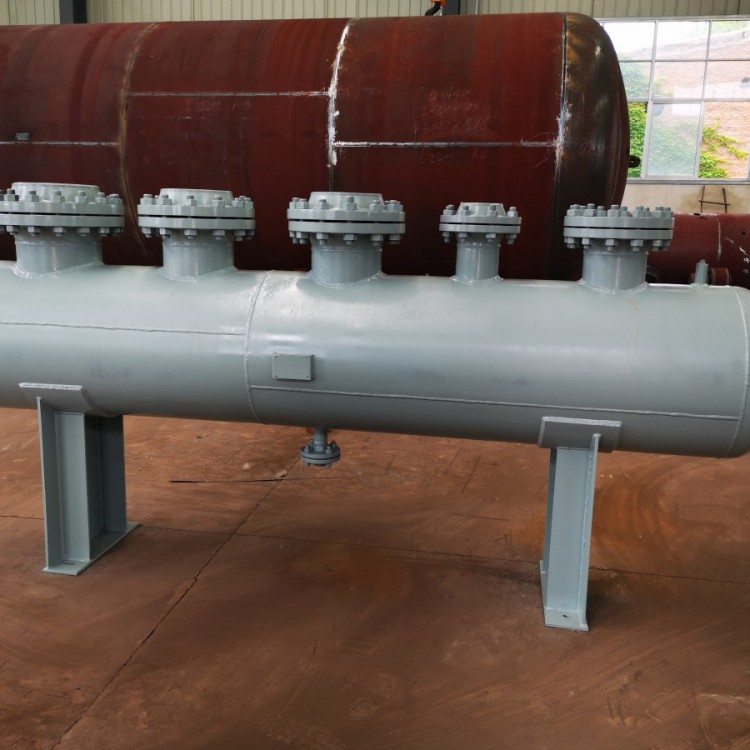
The ball filling room is a device in the胶球 cleaning system used for adding, removing, storing balls, and observing the ball circulation. It is divided into Type I and II based on the storage capacity of the balls, and into electric and manual types according to the user's requirements. When the switch valve is placed in the "ball in" position, balls can freely and continuously circulate within the system. When the switch valve is set to the "ball out" position, balls are blocked within the filling room, while cooling water can still pass through, ensuring all balls in circulation return to the filling room.
4. Spherical ball pump
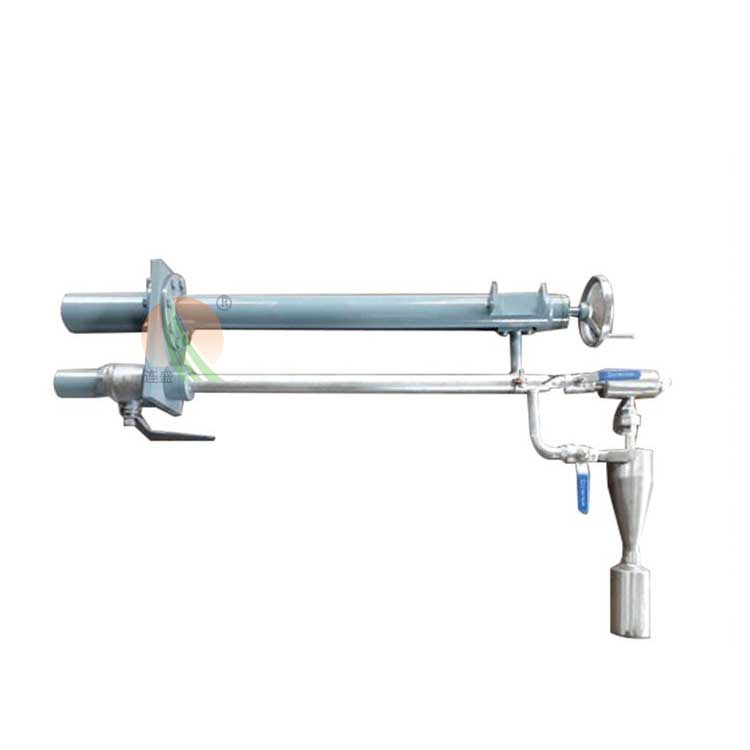
The rubber ball pump is the power source that drives the continuous circulation of rubber balls in the rubber ball cleaning system. The water flow from the ball intake net, after passing through the rubber balls, increases the pressure head and is sent into the cooling water pipes. This pump is a fixed, trouble-free centrifugal pump, featuring non-blocking, non-crushing of balls, and minimal wear on the balls. Depending on different operating conditions, different parameter specifications of rubber ball pumps are selected. For small condensers and heat exchanger systems, a low-flow pump should be chosen to reduce hot water backflow; for systems with long rubber ball conveying pipelines and significant resistance loss, a high-head pump should be selected to ensure the normal circulation of the balls.
5. Operation Control Cabinet (CGK-Ⅱ)
(1) Employed with an HMI touch screen control, it's more advanced and rational, with a low failure rate. (HMI man-machine interface touch screen and PLC)
(2) Achieve precise location control for more accurate and thorough detection, ensuring high recovery rates of the balls. The entire process is automated. It allows for long-distance control (operation and monitoring) via a single cable.
6. Divider
A分流器 is a three-way (pipe) valve. The ball can be directed into the condenser side requiring cleaning by switching the guide plate. It can also be used as a three-way pipe for the convergence of the ball collection net outlet pipe and the divergence of the ball intake pipe.
V. Installation Instructions and Precautions:
Prior to the start-up of the rubber ball cleaning unit, ensure that the condenser water chamber and the inner walls of the copper tubes are thoroughly cleaned of scale, and replace any copper tubes with cracks or deformation in the inner diameter to ensure unobstructed flow of rubber balls.
(2) Seal off all dead corners of the condenser individually to prevent the hiding of rubber balls, which can affect the cleaning effect and the recovery rate of rubber balls.
(3) The system pipeline layout should be simple, short, and straight, with as few bends as possible.
(4) Select a ball valve pump reasonably, ensuring sufficient flow rate and an outlet pressure slightly higher than the circulating water pressure (approximately 0.02 MPa or more).
(5) Regularly inspect the ball chamber for the number of rubber balls, continuously replenish as needed, to meet cleaning requirements.
(6) Regularly inspect the ball collection rate; for instance, if the recovery rate is low, consider the following three aspects.
Is the ball receiving grid panel in the receiving position and properly aligned?
b. Is there any debris in the condenser water chamber, blocking the openings of the cooling pipes, and hindering the passage of the rubber balls?
c. Is the ball pump outlet pressure normal?