



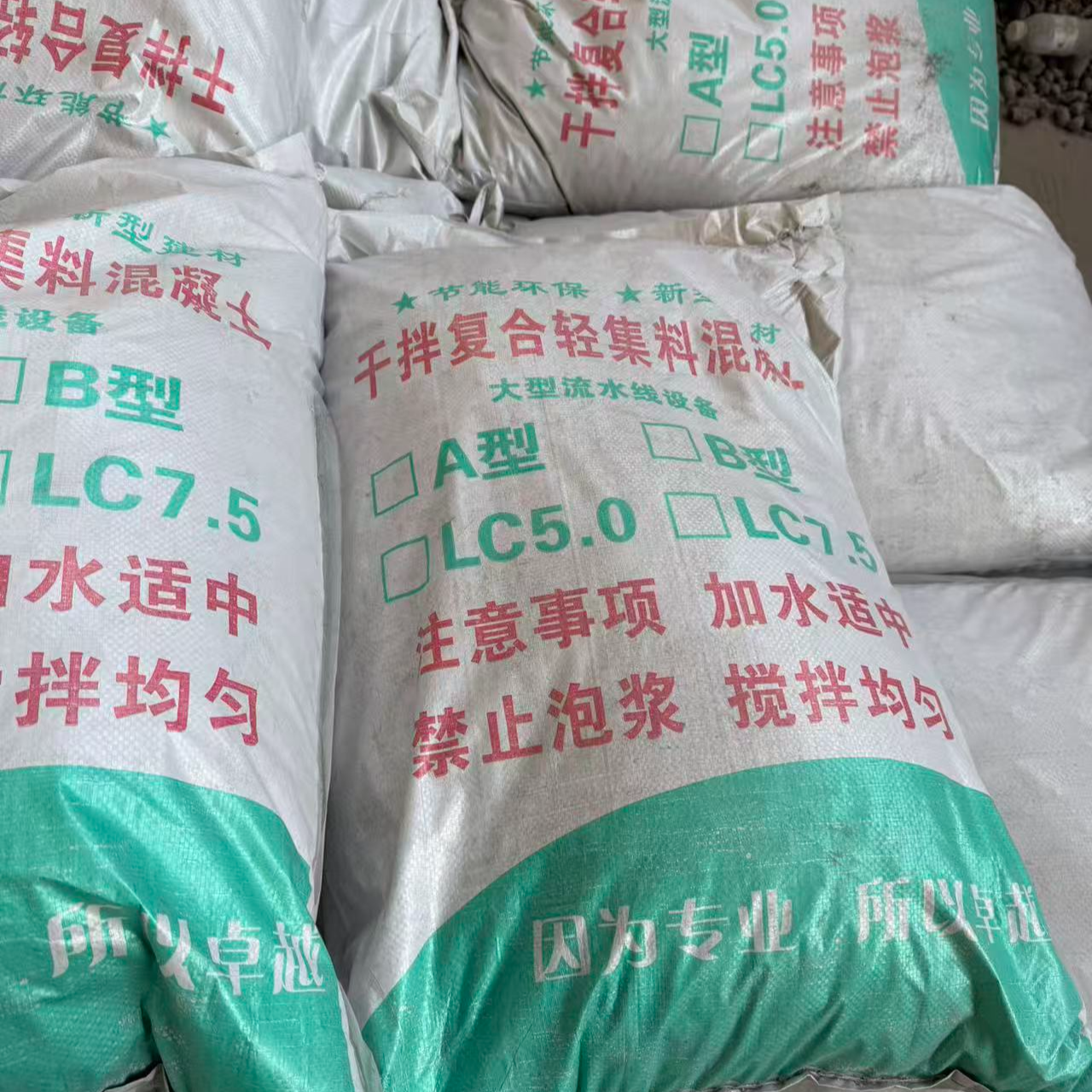
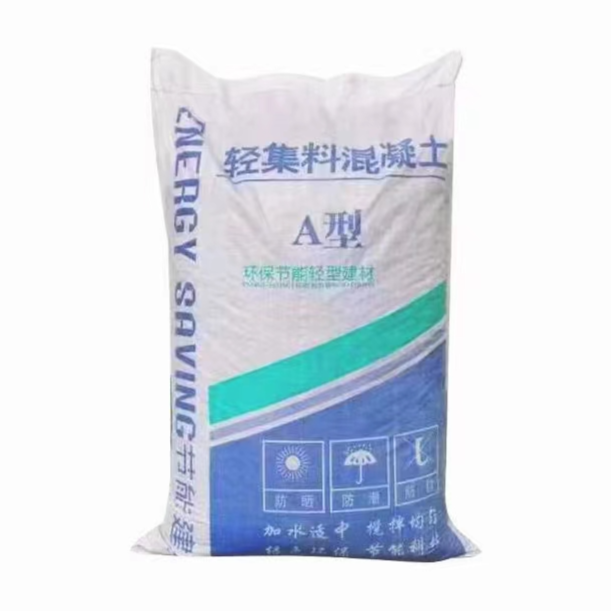
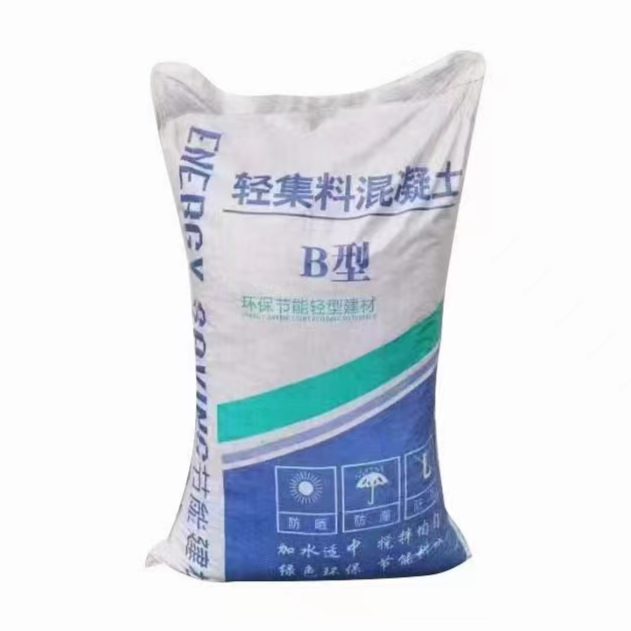
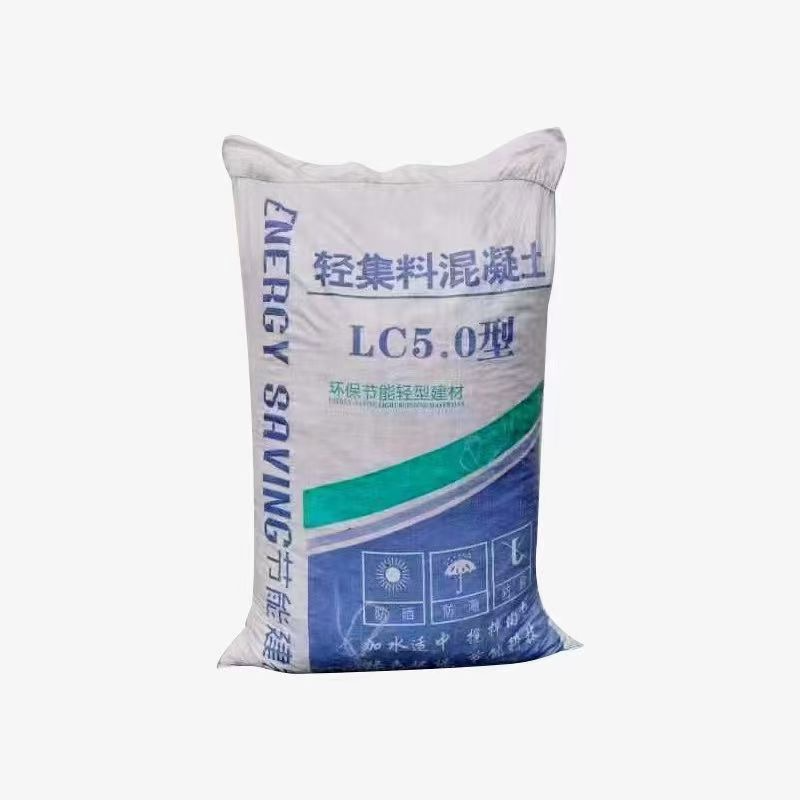





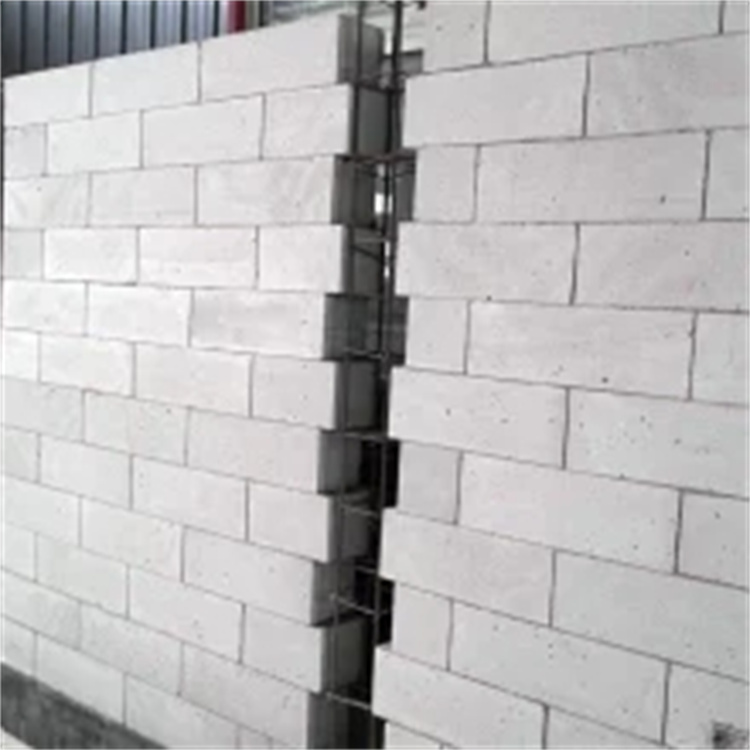
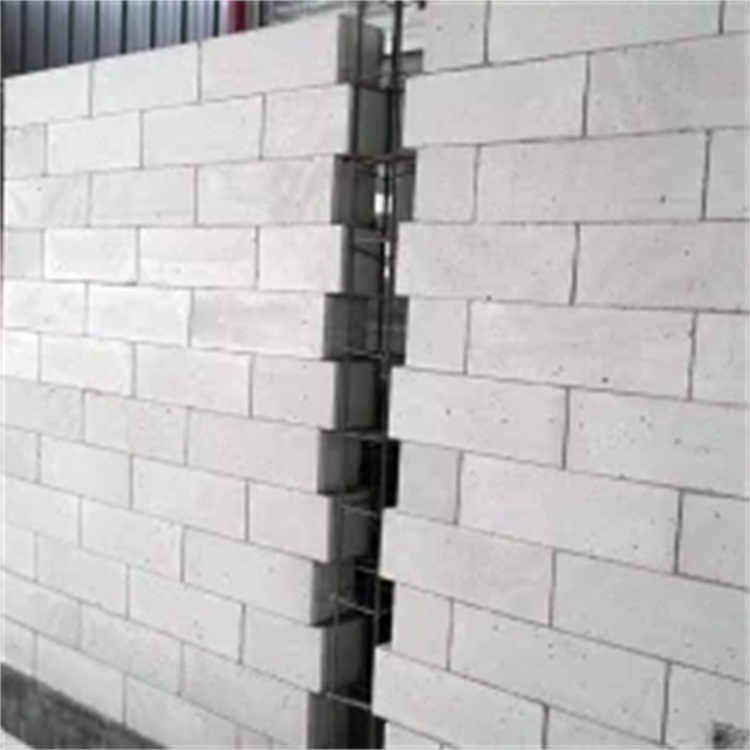
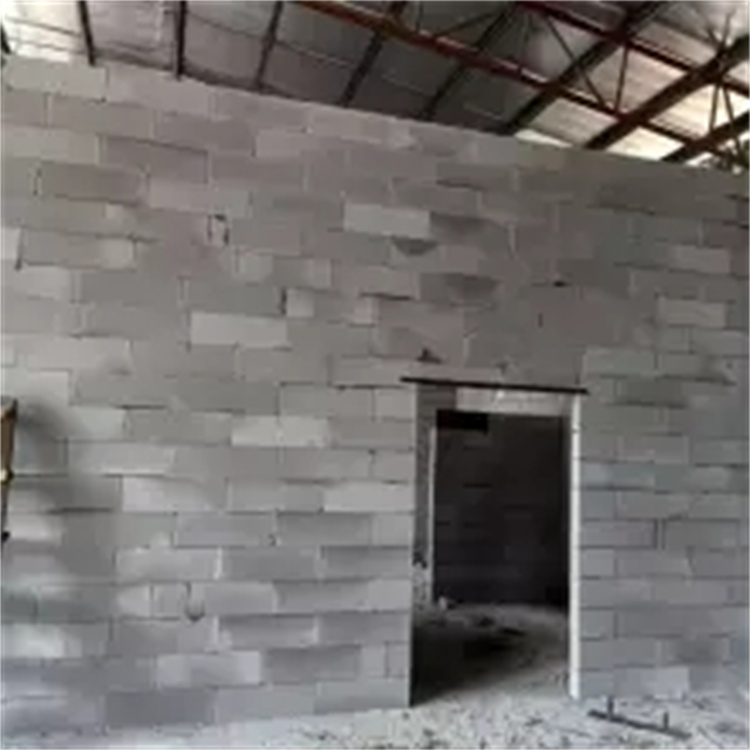
Lightweight: As building materials, it reduces the weight of the structure, significantly lowering the overall construction cost.
2 Fireproof: Main raw materials are mostly inorganic, offering excellent fire resistance and emitting no harmful gases when exposed to fire.
3 Soundproofing: Due to its porous structure, it has certain sound-absorbing capabilities.
4 Insulation: Due to the large number of pores and micropores within the material, it offers excellent thermal insulation properties.
5 Permeability Resistance: Due to the material's composition of numerous independent small pores, it absorbs water and conducts moisture slowly. The time required to reach saturation with the same volume of water is five times that of clay bricks.
6 Seismic Resistance: Same building structure, 2 seismic resistance levels higher than clay bricks.
7 Eco-friendly: Protects farmland, conserves energy, and reduces consumption throughout the manufacturing, transportation, and usage process, categorizing as green and environmentally friendly building materials.
Durability: Material strength is consistent.
9 Quick processing: Possesses good machinability, can be sawed, planed, drilled, and nailed, and can be bonded with suitable adhesives, creating favorable conditions for construction work.
10 Economy: Green Environmental Protection Energy Conservation