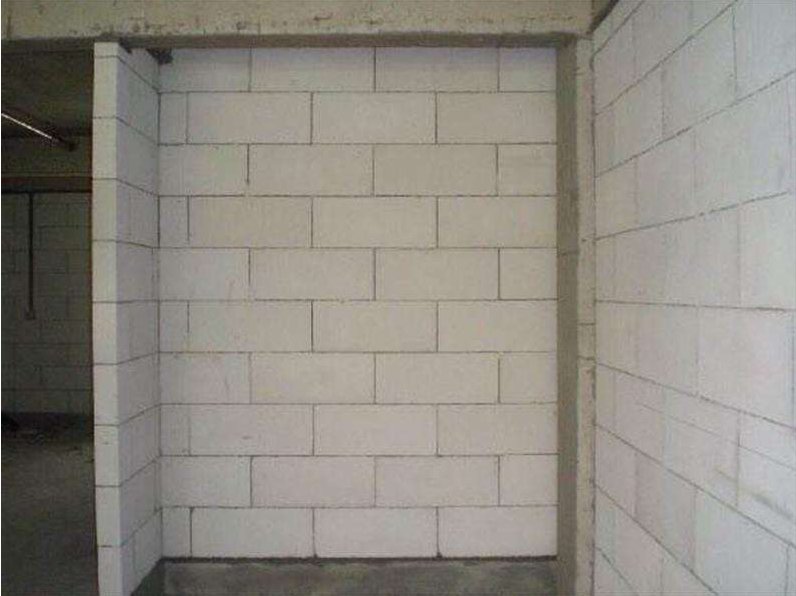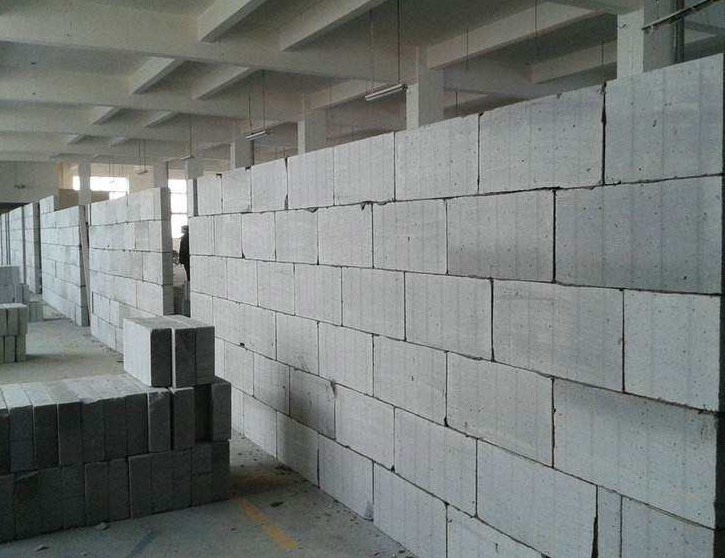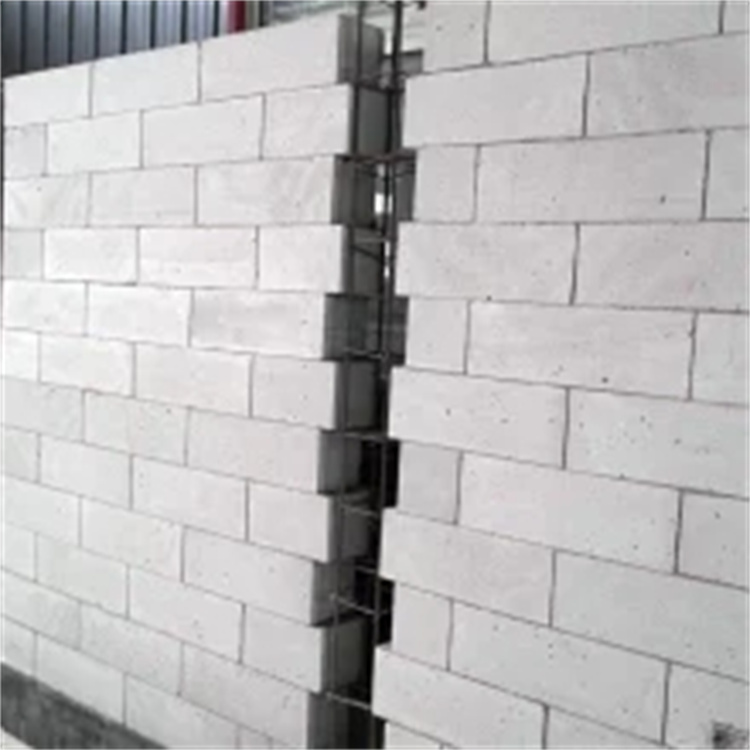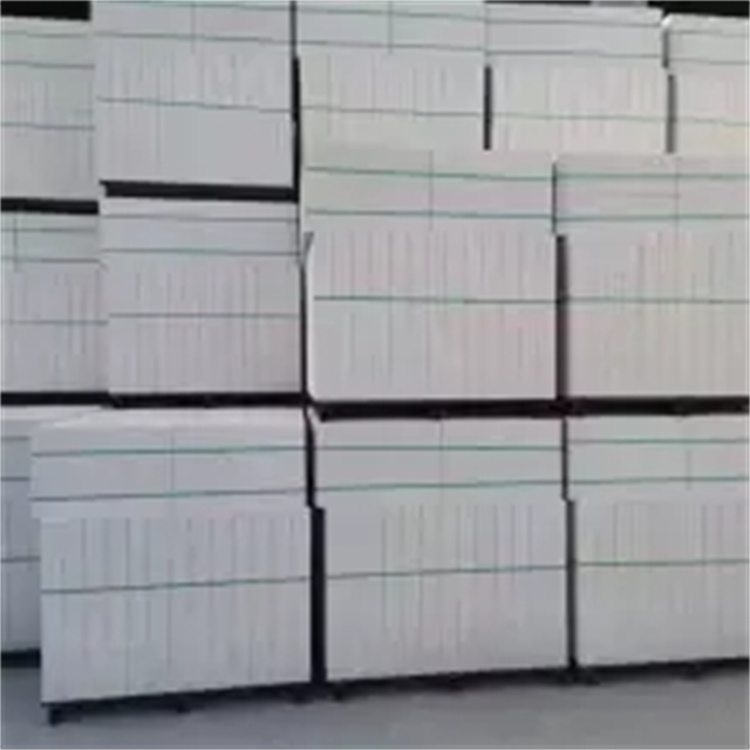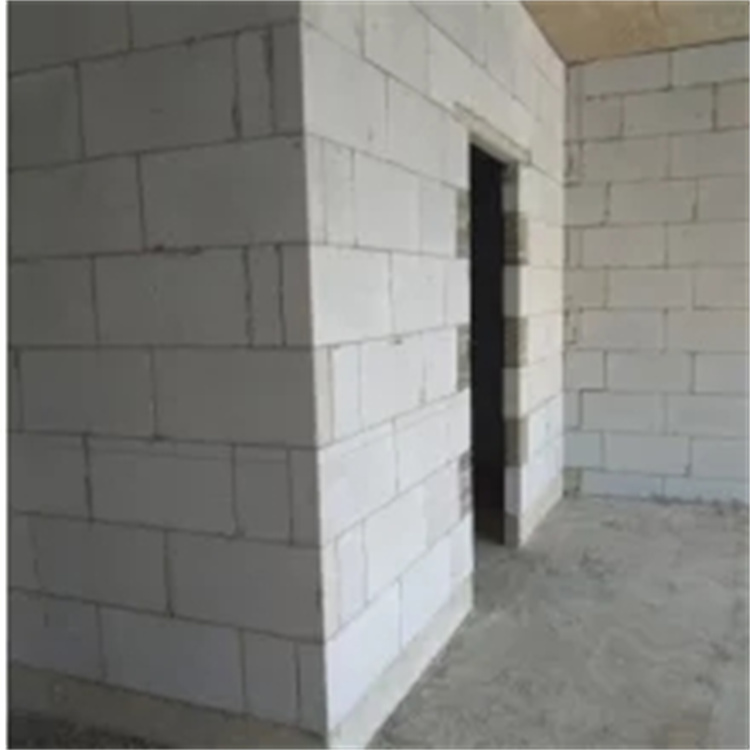


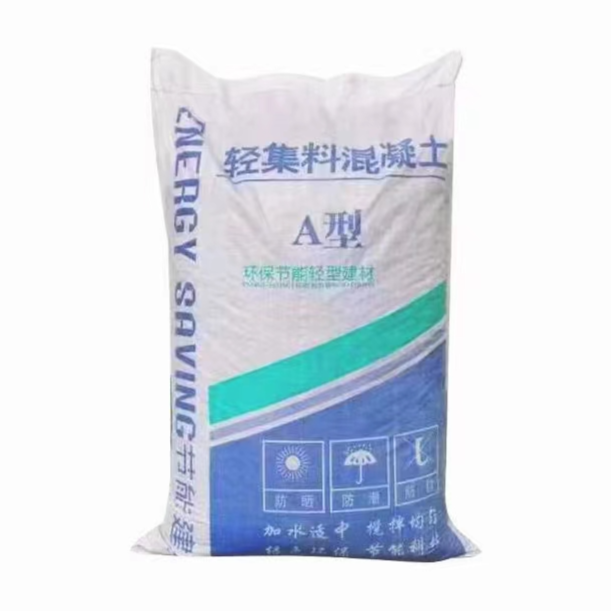
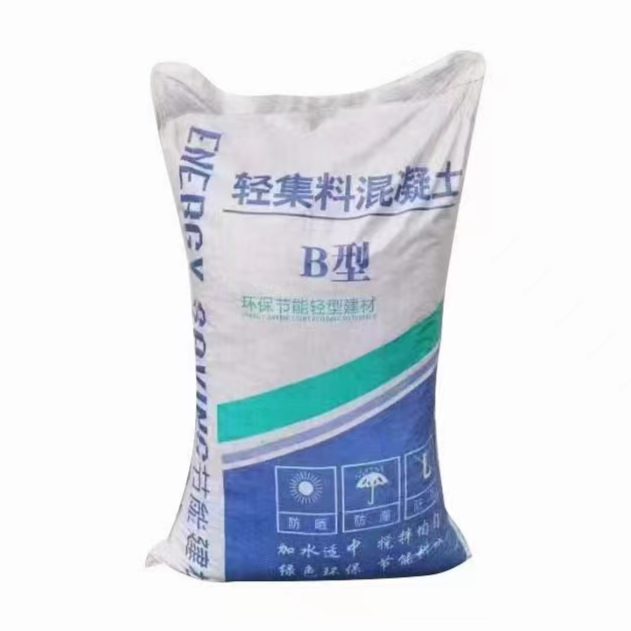
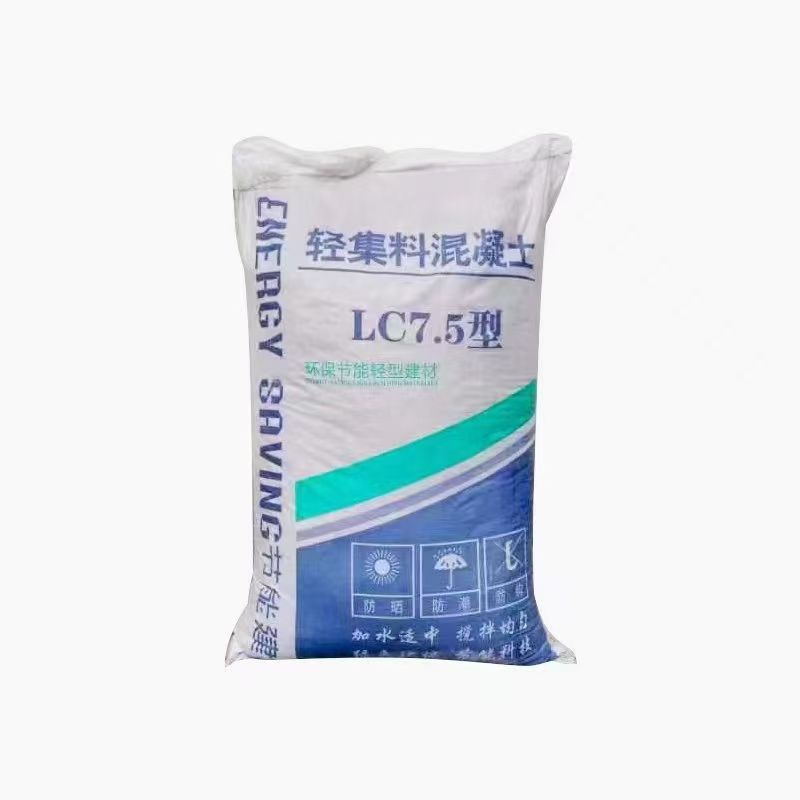
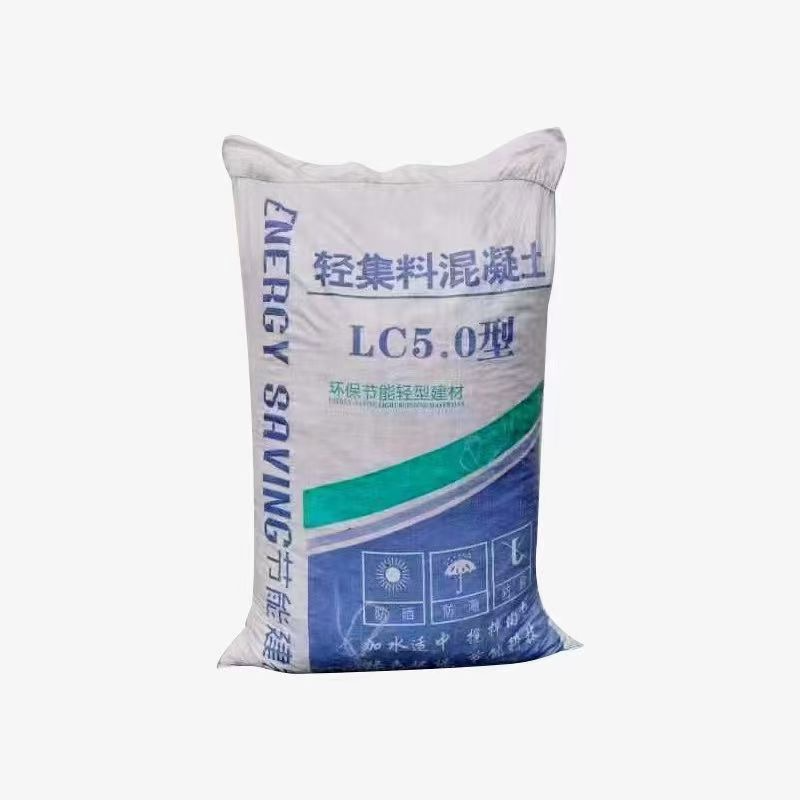





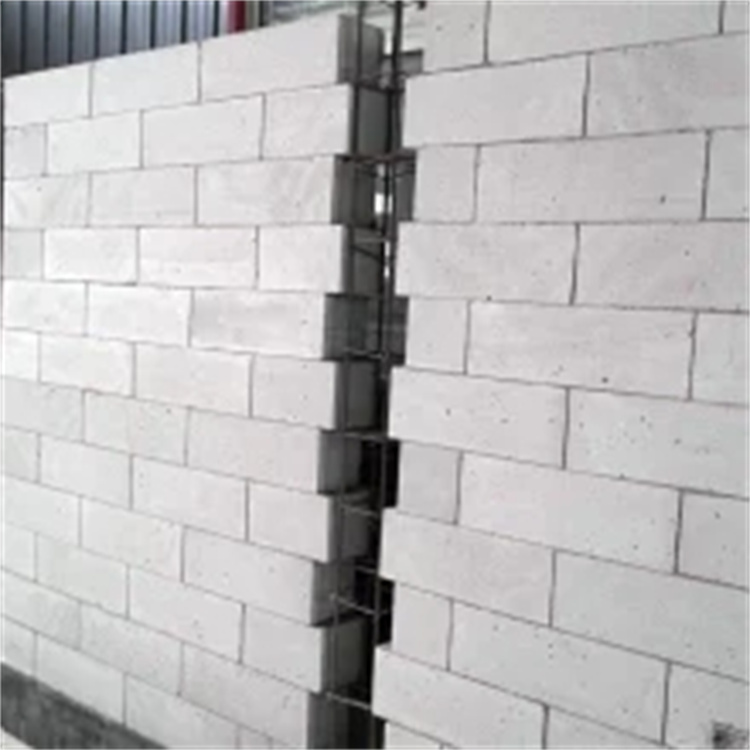
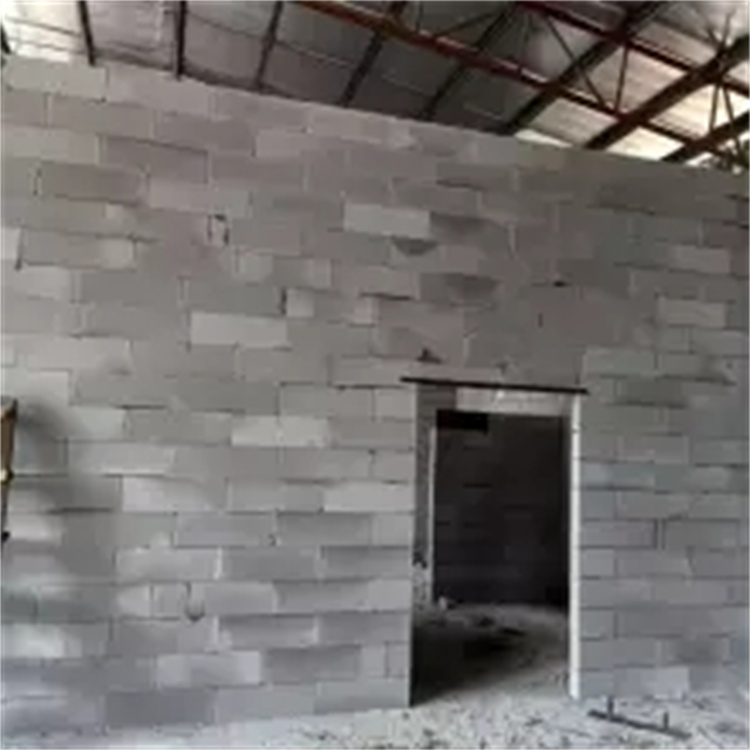
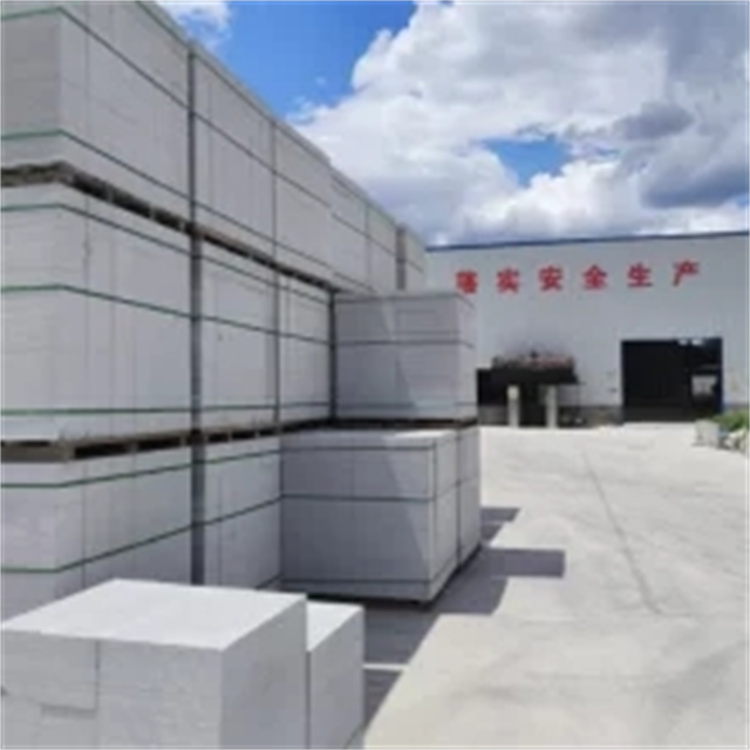
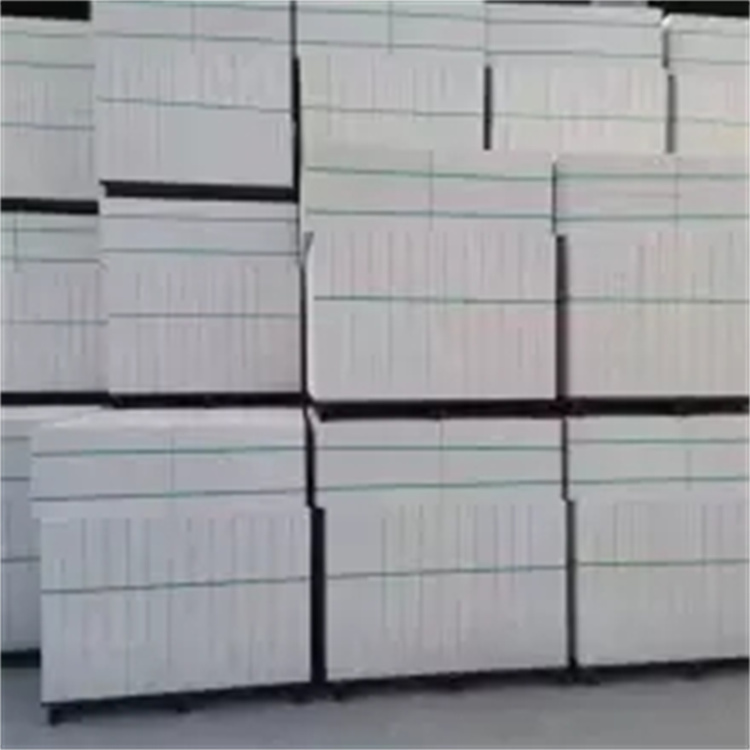
1 Lightweight: As building materials, it reduces the self-weight of structures, significantly lowering the overall construction cost.
2 Fire Resistance: The main raw materials are mostly inorganic materials, offering excellent fire resistance and emitting no harmful gases upon ignition.
3 Soundproofing: Due to its porous structure, it possesses certain sound-absorbing capabilities.
4 Insulation: Due to the material's internal abundance of pores and micropores, it boasts excellent thermal insulation properties.
5 Water Permeability: Due to the material's composition of many independent small pores, it absorbs and conducts moisture slowly. The time required to absorb water to saturation in the same volume is 5 times that of clay bricks.
6 Seismic Resistance: Same building structure, improves 2 seismic resistance levels compared to clay bricks.
7 Eco-friendly: Throughout the manufacturing, transportation, and usage process, it can protect arable land, save energy, and reduce consumption, making it a green and environmentally friendly building material.
Durability: Material strength is consistent.
9 Quick processing: Possesses good machinability, can be sawed, planed, drilled, and nailed, and can be bonded with appropriate adhesive materials, creating favorable conditions for construction.
10 Economy: Green Environmental Protection and Energy Conservation