








Suez GE Module MK-3K EDI Module Repair and Cleaning Ultra-Pure Water Equipment


One,EDI MaintenanceService:
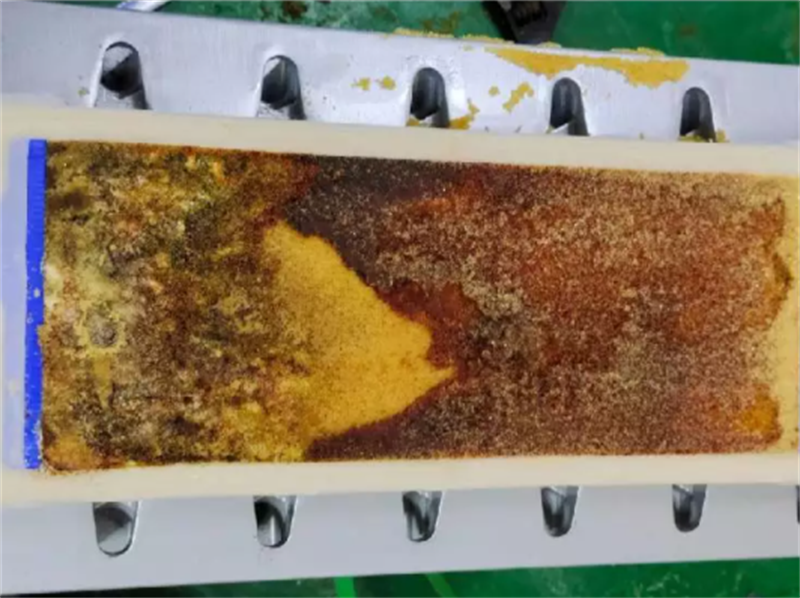
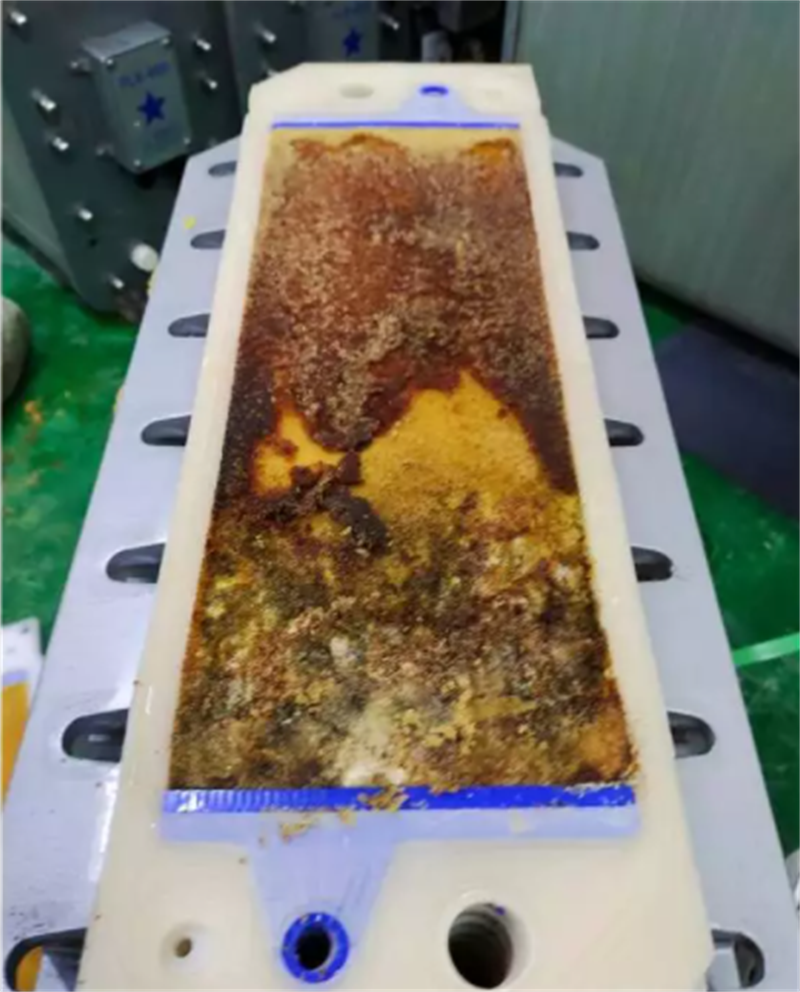
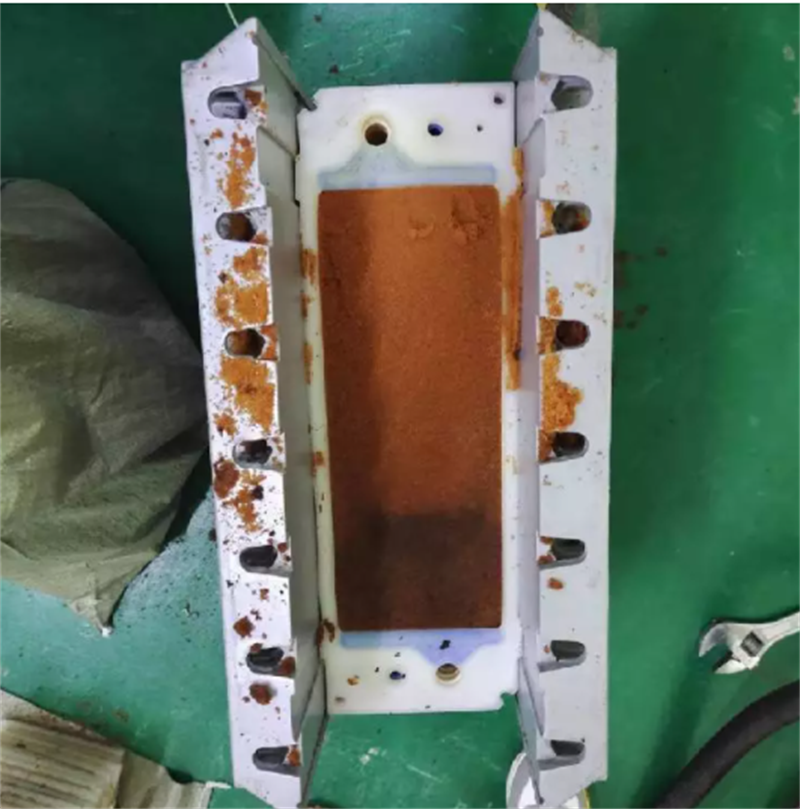
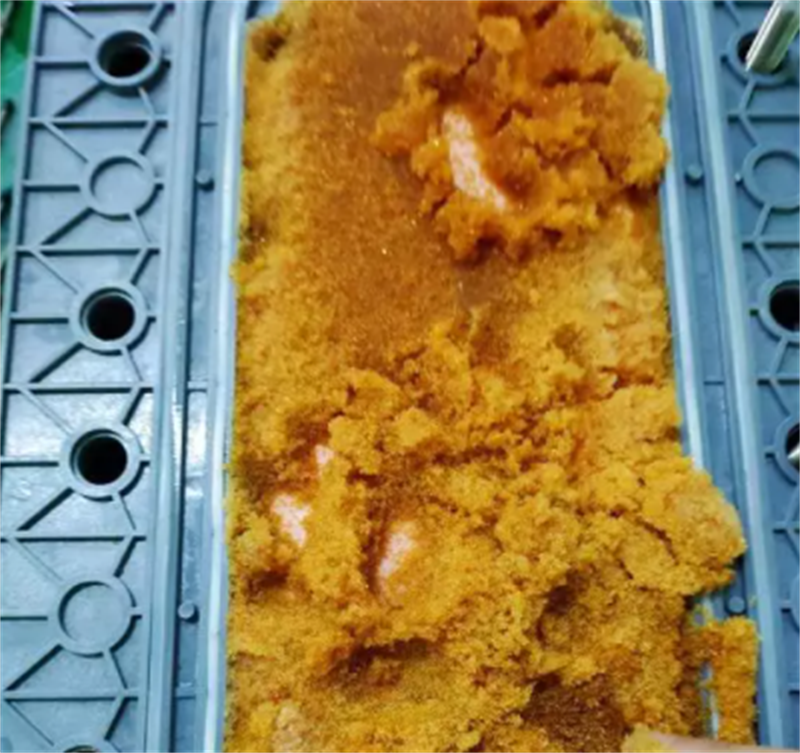
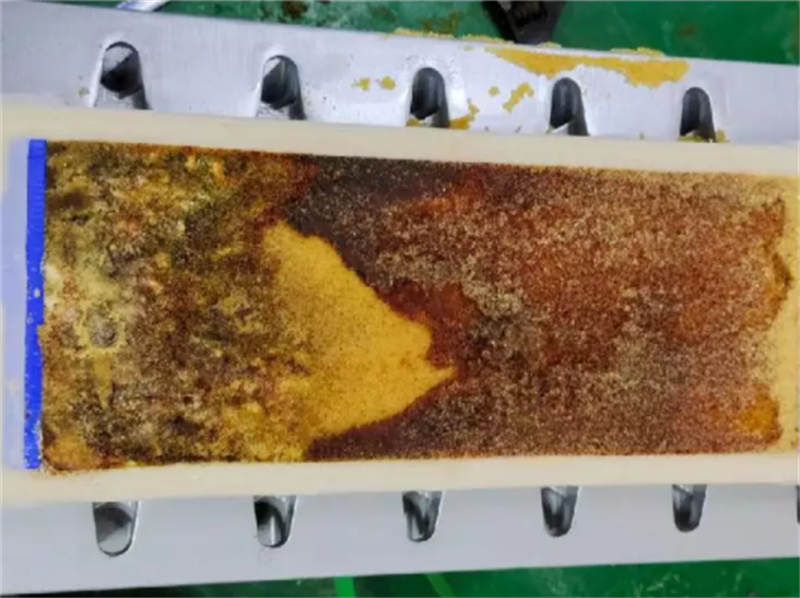
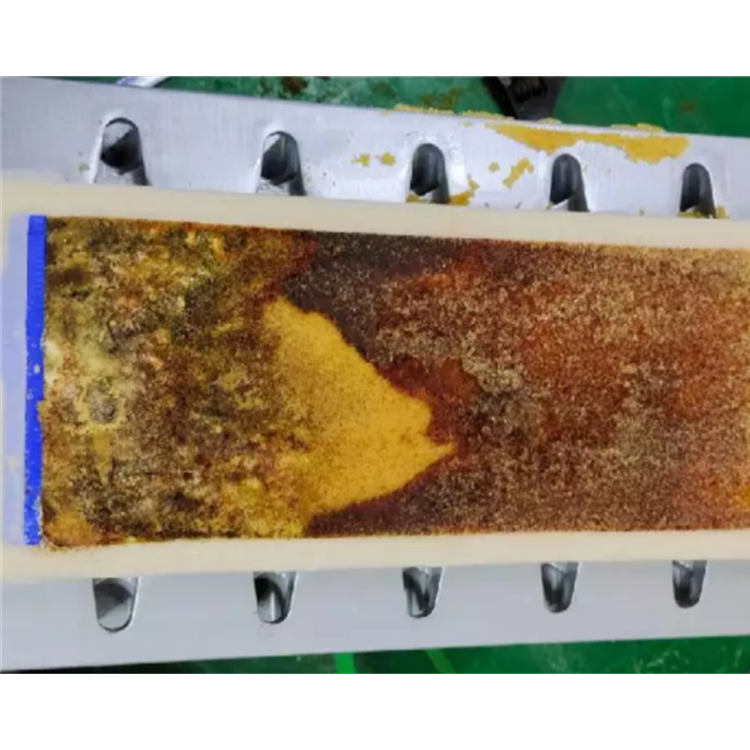
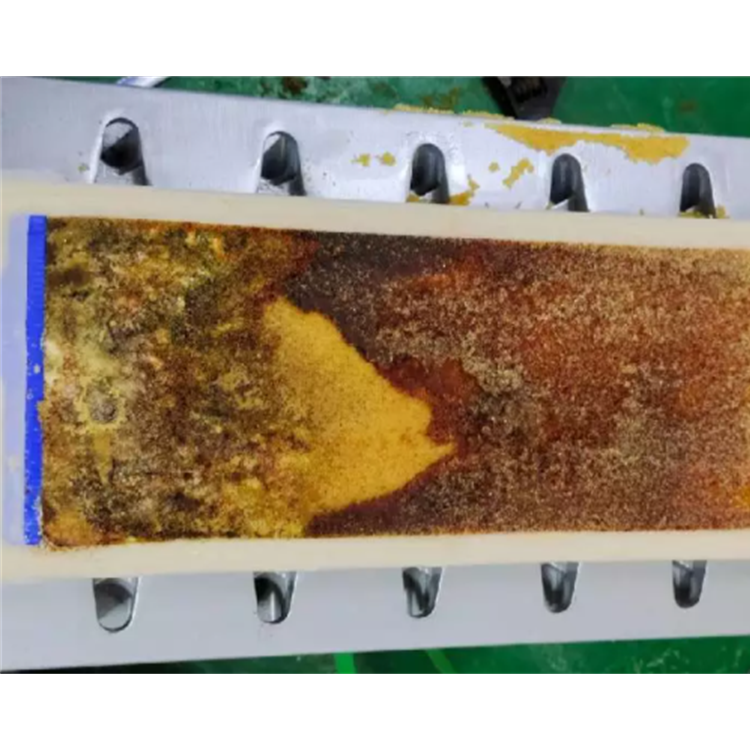
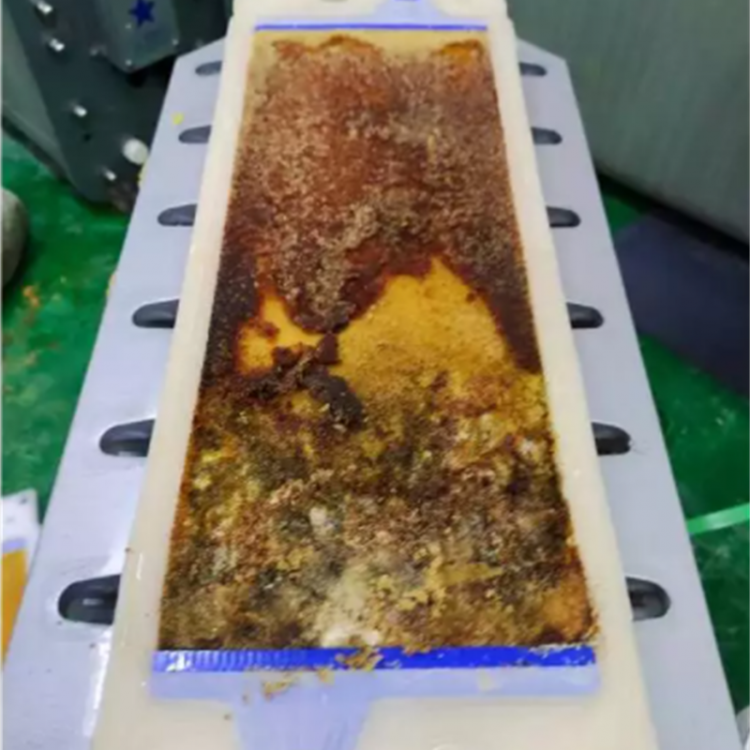
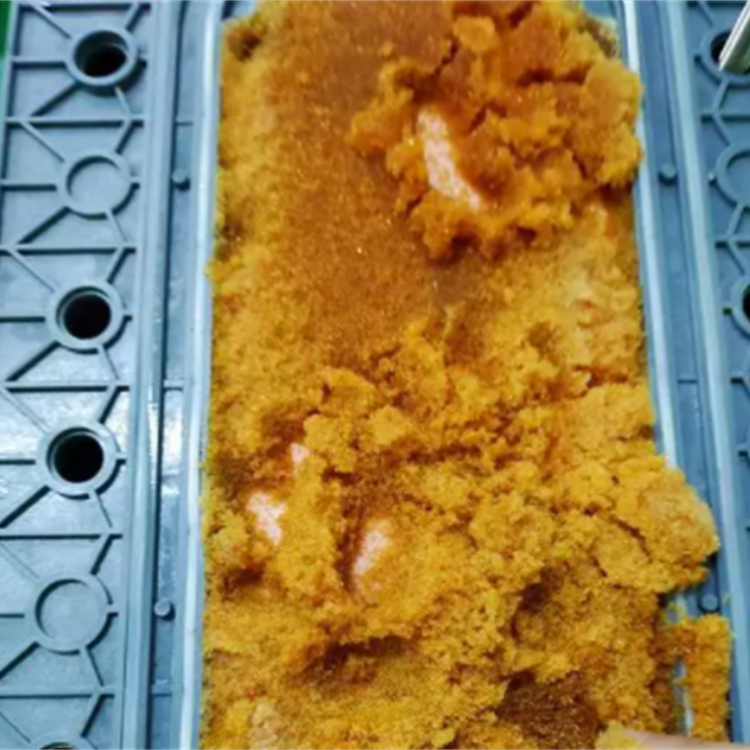
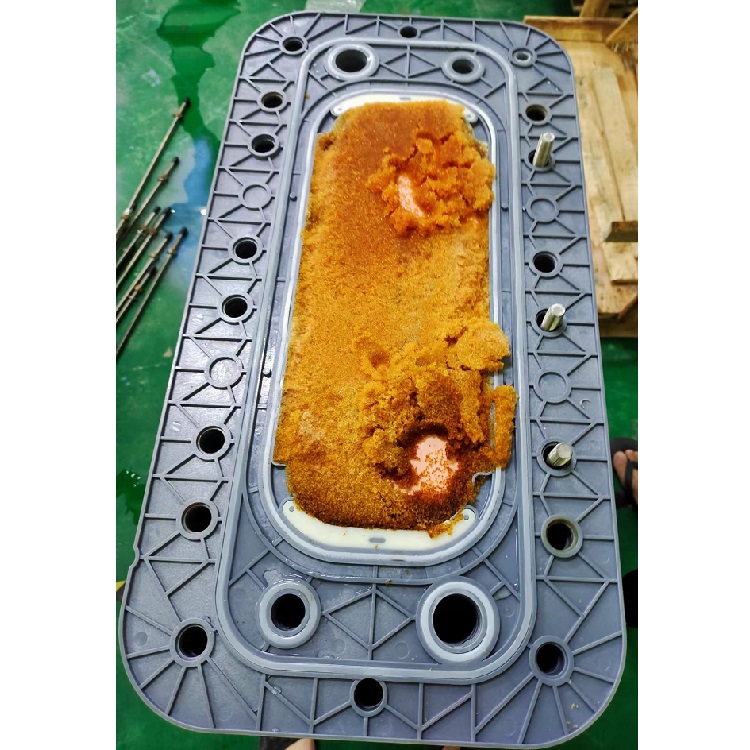
Kobe Environmental Protection (Guangdong) Co., Ltd.Long-term experts in ultra-pure water treatment technology research, engineering installation, and after-sales technical services are available to provide diagnosis and repair services for EDI issues for a wide range of clients and engineering companies. With years of experience in EDI usage and after-sales service, we possess EDI cleaning and regeneration equipment, resins, anion and cation membrane sheets, anode and cathode plates, and other accessories. We can repair EDI issues such as cracked EDI joints, internal overheating and burning, contamination in the pure water chamber, scaling in the concentrated water chamber, and back leaks, restoring EDI water quality to like-new condition. EDI systems that have reached the end of their service life can continue to be used for an additional 3 years after internal replacement of resin membrane sheets and other materials, eliminating the need to purchase new EDI membrane blocks and significantly reducing user costs.
The current main EDI module models we serve are as follows:
American GE E-CELL MK-2ST, MK-2MINI, MK-2E, MK-3, MK-3MINI EDI module system
United States IonPURE LXM30, LXM24, LXM18, LXM10, VNX50-2 CDI Membrane Module Systems
Electropure XL-100, XL-200, XL-300, XL-400, XL-500, and XL-500-L module systems from the USA
II. Causes of EDI Damage:
EDI is a critical component of pure/distilled water systems, and any instability or unavailability will inevitably shorten the lifespan and lead to failure of polishing mixed bed resins, severely impacting production.
The main causes of EDI module failure include the following points:
1. The EDI module operates continuously under high current and low flow conditions, resulting in accumulated heat that cannot be dissipated. This causes the EDI diaphragms near the poles to heat up and deform, leading to an increased EDI concentrate water pressure difference and a decrease in both water quality and quantity.
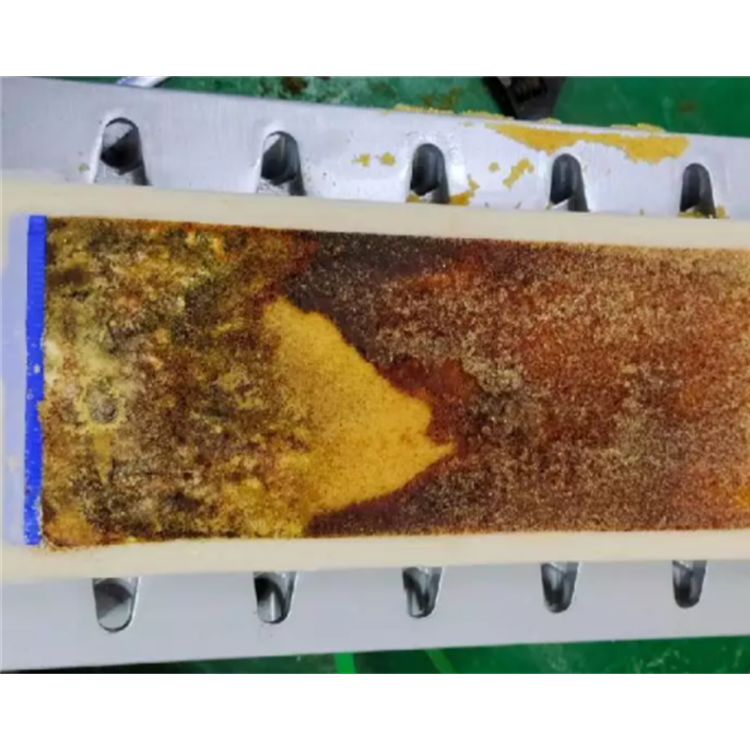
2. The EDI module has been long without cleaning and maintenance. Calcium and magnesium scale has built up on the EDI membranes and channels, resulting in increased differential pressure of the water in and out, leading to a decline in the quality of the produced water, voltage increase, and inability to regulate current, rendering it unusable in the end.
3. EDI module has not been cleaned and maintained for a long time, or has been idle without protection for an extended period. This leads to organic matter buildup on the EDI membrane and channels, causing an increase in the pressure difference between the incoming and outgoing water, resulting in a decline in water quality, a rise in voltage, and an inability to regulate current, ultimately rendering it unusable.
4. Using improper cleaning agents directly leads to damage and fragmentation of the EDI resin, increased differential pressure between incoming and outgoing water, resulting in a complete drop in both water quality and quantity produced.
5. When manually operating the EDI system, powering it on in a water shortage condition directly leads to the carbonization of the membrane and resin due to overheating. Cleaning is ineffective, rendering the system unusable.
6. Lack of a security filter before EDI, directly leading to foreign matter blocking the EDI channel, increased differential pressure of water in and out, resulting in a significant drop in water production, and ineffective cleaning. Additionally, poor pretreatment (softener, sulfur dioxide addition system, RO, etc.), control system failure or malfunction (safety interlock device, issues with low flow protection), and inappropriate system design (unreleased initial RO product water) are also involved.
7. Exceeding rated current or voltage, or human error in operation.
8. Inadequate system maintenance and management, failure to comply with the EDI usage conditions.
Our company offers diagnosis, repair, and regeneration services for various types of damaged EDI and CEDI membrane blocks, restoring them to their original performance. This allows you to extend the lifespan of your existing EDI modules (CEDI membrane stacks) without the need to purchase new ones.
III.EDI MaintenanceMethod:
1. Develop an initial maintenance plan based on the user's data and description.
2. Upon arrival at the factory, the membrane modules are first tested and cleaned on-site. If necessary, they are disassembled for inspection, and damaged internal components are replaced, including plates, anion/cation membrane sheets, resin, separators, joint wires, sealing rings, and other damaged materials.
3. After repair, retest and ship out after 48 hours of successful testing.
4. Assist clients in optimizing current equipment processes and addressing issues in operation, based on maintenance conditions.
5. Cleaning agent solutions for maintenance and care.
If the hardware of the CEDI module (EDI membrane stack) is in good condition, the following replacements for the EDI module will be made:
1. New ion exchange membrane
2. New O-rings
3. New ion exchange resins
4. Standard factory quality inspection.
5. The module contains a protective fluid prior to shipment; users must regenerate before use.
6. Achieve module performance that meets customer requirements or is customized to their specifications.
IV. Maintenance须知:
1. Users should provide as much detail as possible about the pure water equipment's process flow, the EDI operation report, and its operational status, which is beneficial for determining the cause of damage.
2. The EDI module must be in its original, undismantled condition and hardware must be complete prior to repair.
3. Offer complete interface and accessories; ensure sturdy packaging during transportation to prevent secondary damage.
4. Factory inspection and disassembly are free of charge; only the material replacement fee is charged.
5. After repair, strictly follow the application and maintenance requirements for the membrane module.
6. One-year limited warranty on EDI units serviced by our company; water quality above 16M, and water flow pressure meet the factory standard of new membrane blocks.
7. During the repair period, we can provide spare membrane blocks without affecting the customer's production.
FiveEffect
Tertiary RO water serves as the feed water source, with the EDI product water quality exceeding 16M. The water quality, flow, and pressure of the restored product water meet the performance specifications of the original factory's new products. The water and concentrate flow rates reach the level of new membrane blocks.GE/INOPUREOriginal factory products.