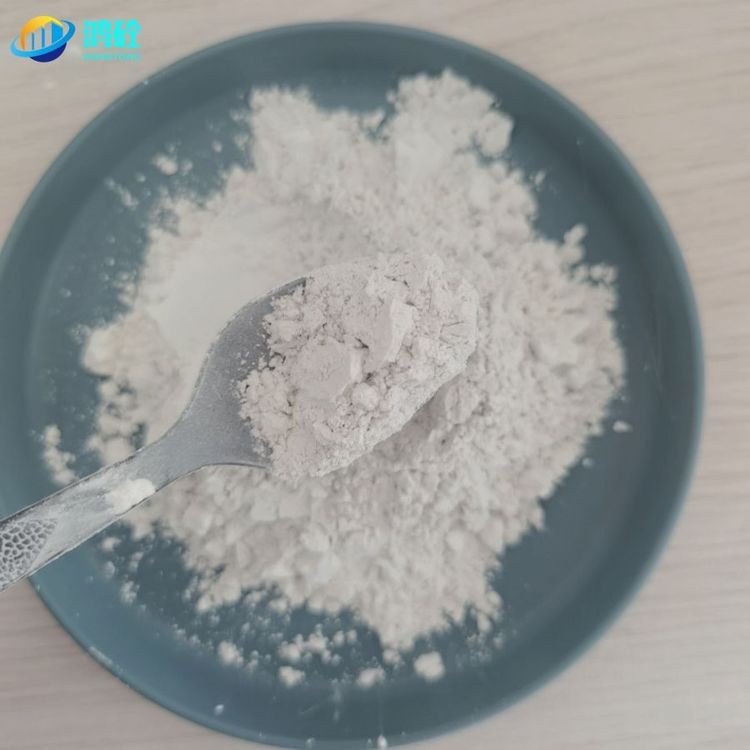







Glass fiber powder is produced by cutting and grinding continuous glass fiber filaments, which are specifically drawn. It is widely used as a filling and reinforcing material in various thermosetting and thermoplastic resins. This powder enhances product hardness and compressive strength, reduces shrinkage, scratch width, wear, and production costs.
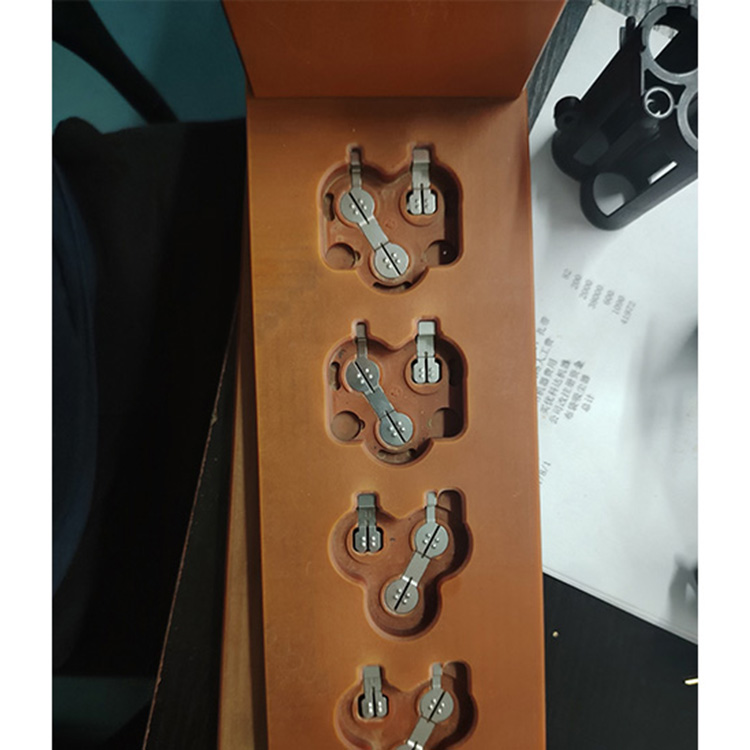
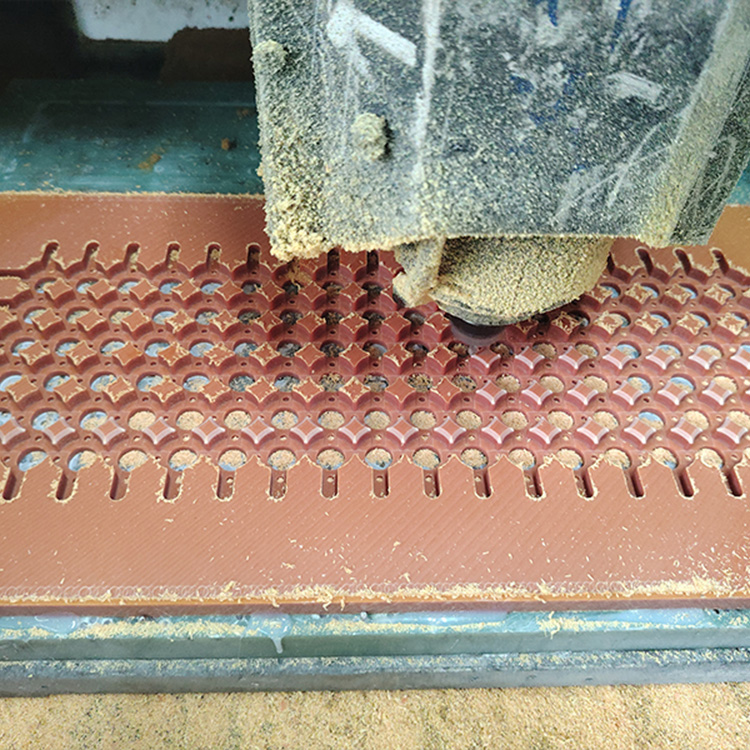
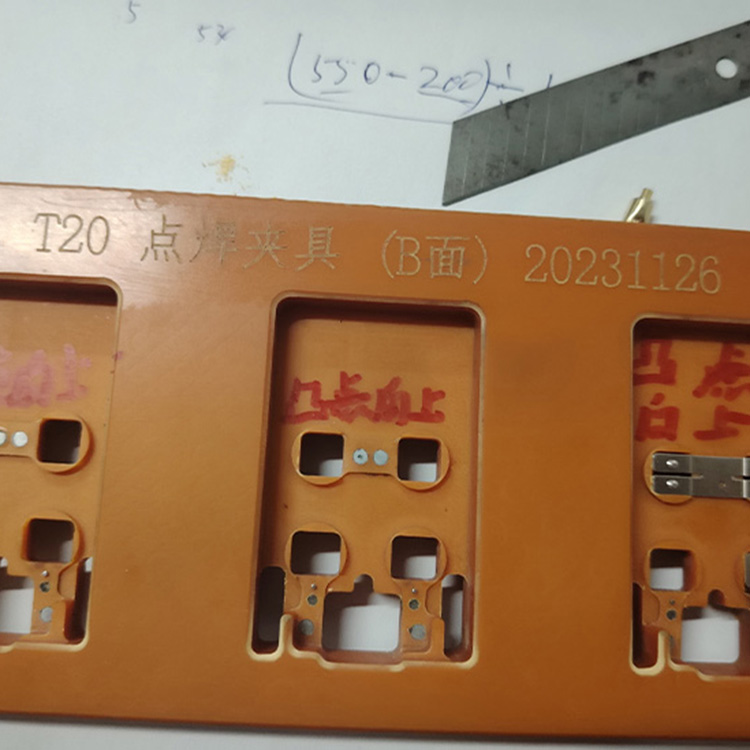
Primarily used to enhance thermoplastic resins. Due to its favorable cost-performance ratio, it is particularly suitable as reinforcement material for car, train, and ship hulls when compounded with resins: used in high-temperature needle felt, car sound-absorbing sheets, hot-rolled steel, and more. Its products are widely used in the automotive, construction, aviation, and daily commodities sectors, with typical items including auto parts, electronic appliances, and mechanical products.
Inorganic fibers that can enhance the anti-seepage and crack resistance of mortar and concrete, serving as a highly competitive alternative to polyester fibers and lignin fibers for reinforcing mortar and concrete. They also improve the high-temperature stability, low-temperature crack resistance, fatigue resistance, and extend the service life of asphalt concrete surfaces.