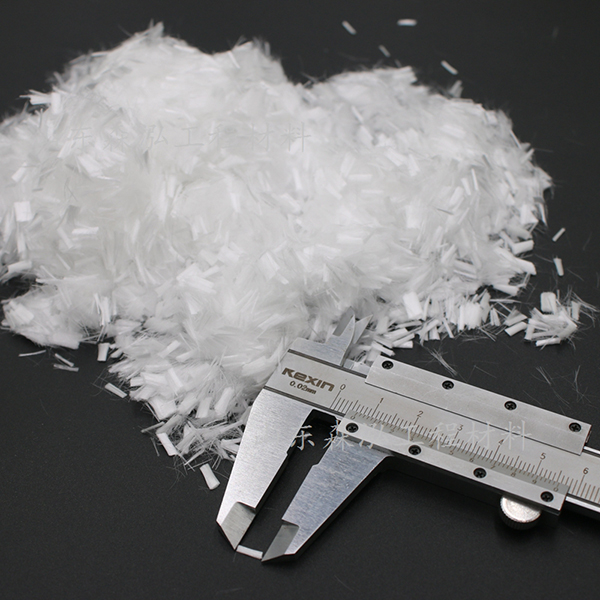







Cellulose fibers are produced from a special plant species in cold regions, processed through a series of unique chemical treatments and mechanical processing. They inherently possess hydrophilic properties and high strength and modulus. Being naturally split from plant cells without artificial production, they offer a strong grip on surfaces. During subsequent processing, special materials are used to support the fibrous sheet monomers, facilitating transportation and placement. Under the action of water immersion and the friction force of mixers, the sheet monomers easily disperse into individual fibers, thereby providing anti-cracking effects and enhancing the mechanical, frost-resistant, and impermeable properties of concrete.
Due to the inherent properties of cellulose fibers, when added to concrete, they form a large number of finely distributed fibers under water immersion and external forces, which can prevent the occurrence of cracks caused by plastic shrinkage, drying shrinkage, and temperature changes in the concrete.