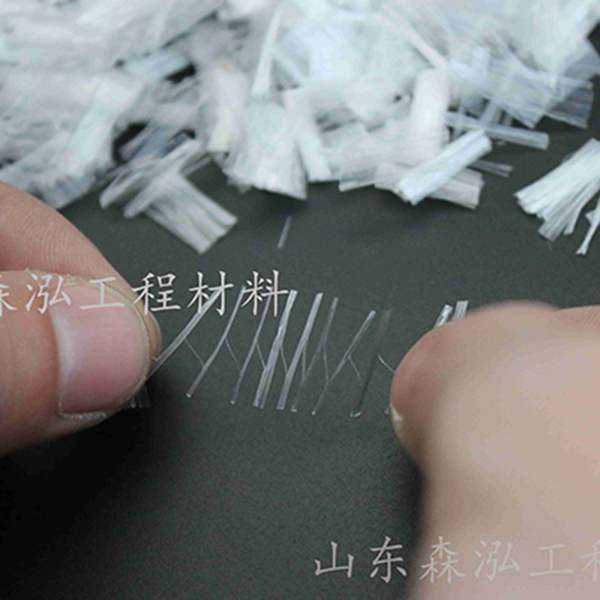







Polypropylene fibers are synthetic fibers made from isotactic polypropylene, derived from propylene polymerization, known as "polypropylene" in China. They offer high strength, good toughness, excellent chemical resistance, anti-microbial properties, and low cost, making them widely used in industries such as ropes, fishing nets, safety belts, bag straps, safety nets, sewing threads, cable sheaths, geotextiles, filter fabrics, paper felts, and reinforcing materials for paper.
Polypropylene woven geotextiles, manufactured utilizing the superior properties of high strength, resistance to acids and alkalis, antimicrobial, and consistent strength in both wet and dry conditions, can reinforce civil engineering structures built on soft soil foundations, such as dams, reservoirs, highways, and railways. They ensure even load distribution over the geotextile, resulting in uniform settlement of the subgrade and reducing ground cracking. When constructing slopes, woven polypropylene geotextiles can stabilize the slope, minimize collapses, shorten construction time, and extend the lifespan of the slope. For carrying heavier loads, composite geotextiles with woven and nonwoven bases can be used. Polypropylene fibers can serve as filling material for concrete and plaster, enhancing the impact resistance and waterproof thermal insulation properties of concrete.