









Working Principle of Raw Material Powder Rotating Scale:
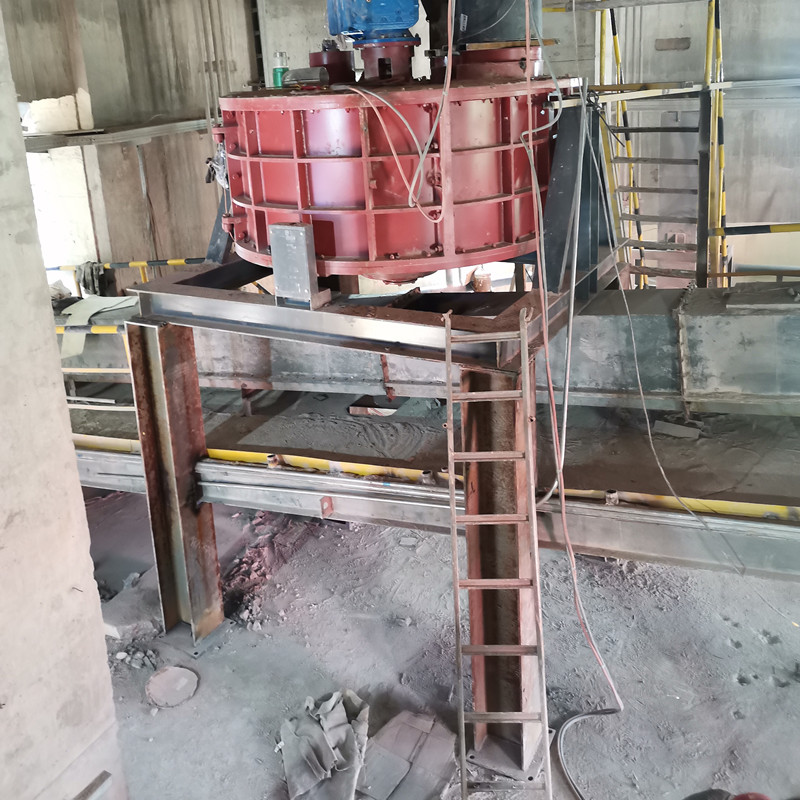
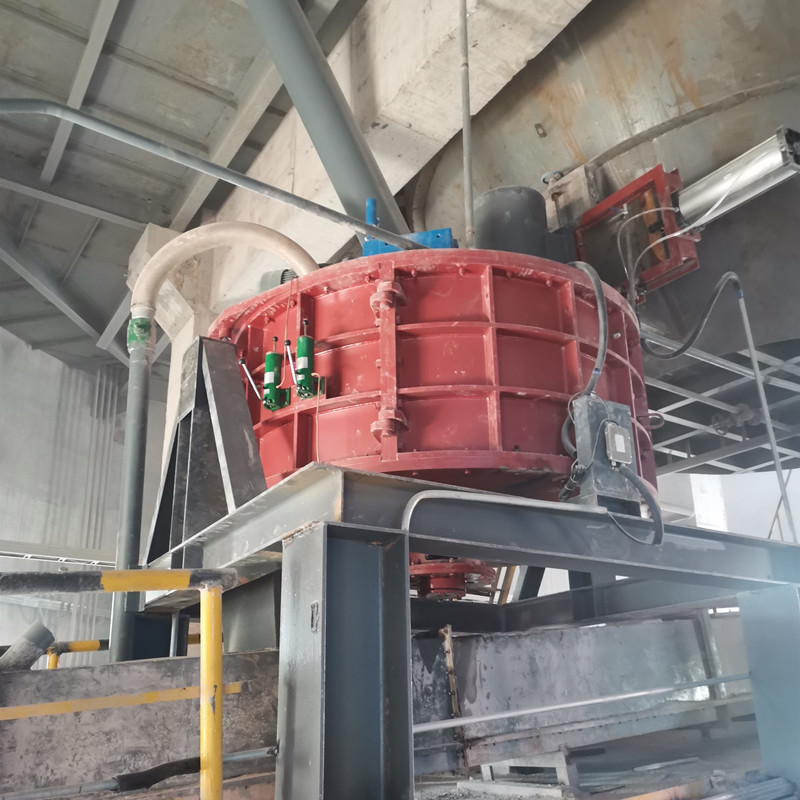
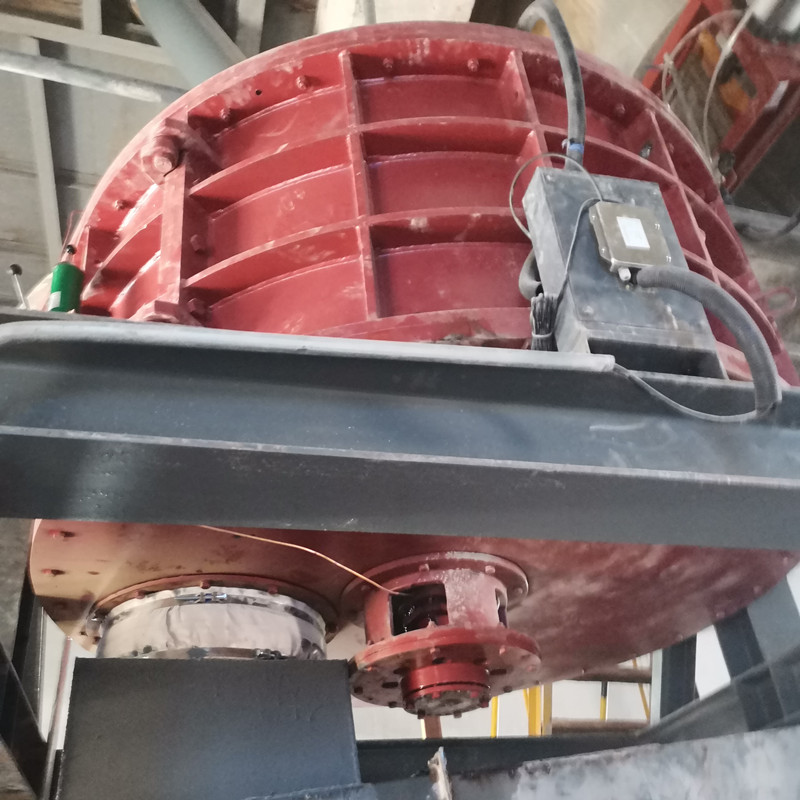
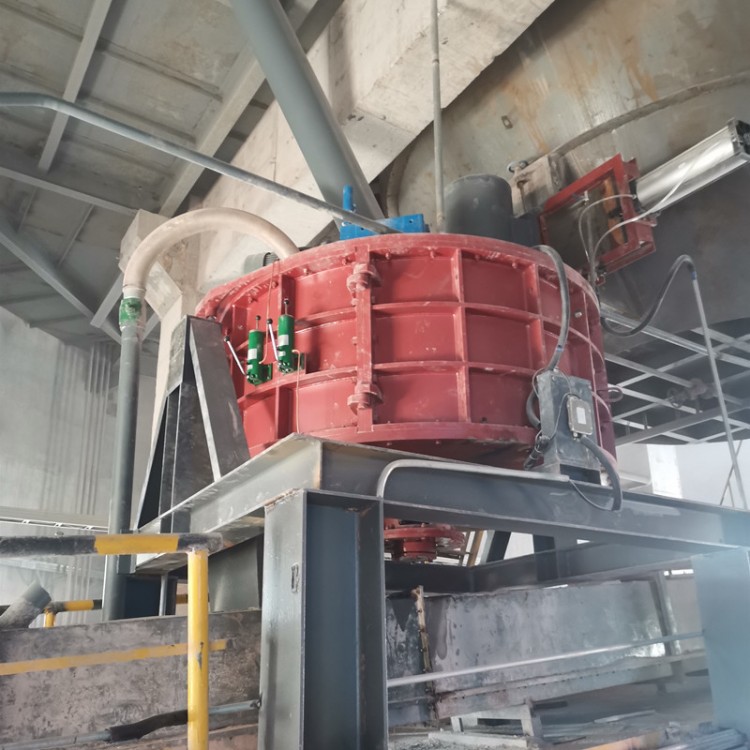
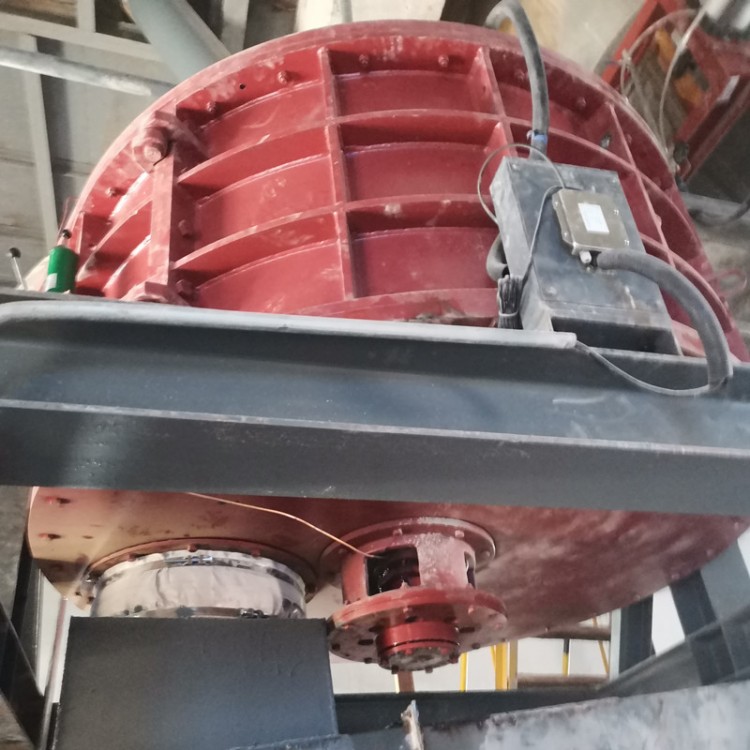
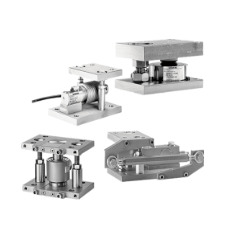
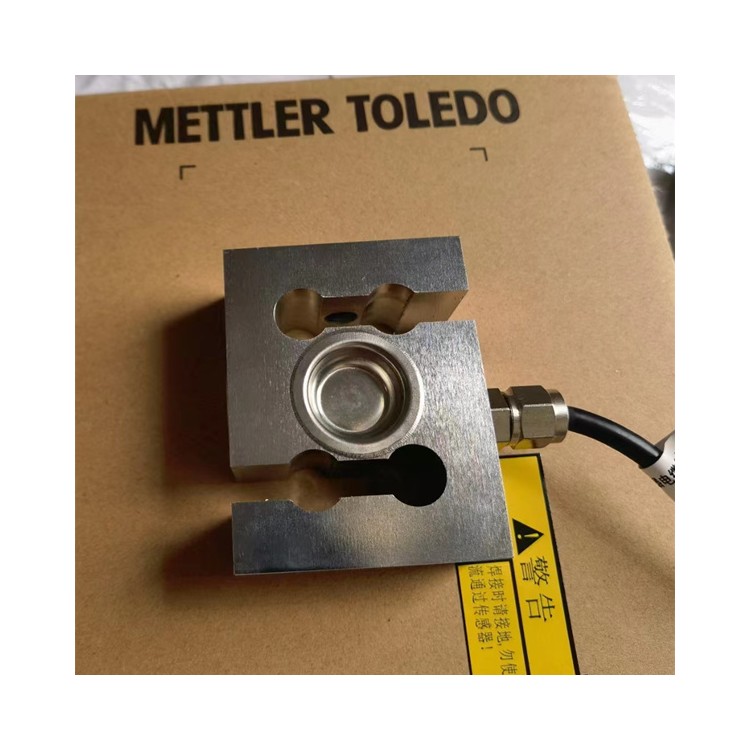
The design incorporates a combination of force and speed measurement principles. The weighing body consists of a disk, rotor, transmission mechanism, pivot points, weighing sensors, speed sensors, weighing frame, infeed and outfeed ports, etc. A pair of pivot points are set on the central line of the disk, with the weighing sensors positioned on the vertical bisector of the line connecting the pivot points, and the speed sensors are set at the end of the driving motor shaft. The pivot points act like a balance knife edge. When no material is being discharged, the balancing device is adjusted to keep the disk in a balanced state relative to the pivot points. The rotor is composed of a series of blades, which, along with the disk wall, form a series of rotating spaces. When discharging material, the material enters these spaces through the infeed port and is discharged through the outfeed port as the rotor rotates. At this point, half of the disk contains material while the other half does not, causing the two semicircles of the disk to lose balance relative to the pivot points. The weighing sensor is subjected to a force, which is proportional to the weight of the material inside the disk.
Rotary scale technical features:
* Material is evenly segmented and propelled by the rotor, with the flow rate of the material synchronized with the rotor speed, thereby facilitating material flow control.
* Material enters the disc weighing body from both sides of the fulcrum axis, its impact force generates a symmetrical moment that cancels each other out, thus not affecting the balance of the weighing body; additionally, even if the impact force is offset due to some reason, as this force is near the fulcrum, the resulting torque is minimal.
* If gas accompanies the material into the hopper (positive pressure) or into the scale (or wind from the discharge system's positive pressure blows into the scale through the discharge port), the gas will simultaneously reach the discharge port (or intake port) symmetrically on both sides of the fulcrum axis. Due to the symmetrical additional torque generated by the gas, it cancels each other out, thus not affecting the balance of the scale body; even if it cannot be canceled out, the torque produced near the fulcrum is very small, with minimal impact. Similarly, if there is a negative pressure condition at the intake or discharge ports, it is the same as the above.
* If material accumulates on the rotor blades, the resultant torque is canceled out due to the symmetrical action after the rotor completes a full rotation, thereby keeping the dynamic zero point of the balance body unchanged, providing the function of "automatic compensation" for the dynamic zero point.