








SLCIntroduction to Series of Electronic Bulk Weighing Scales:
In the transportation of bulk materials, it is often required to measure the weight of the material without interrupting the flow, which can be used internally for inventory settlement, tracking material consumption costs, and ideally controlling the production process; externally, in the mandatory inspection and circulation field, it can serve as the basis for trade settlement.
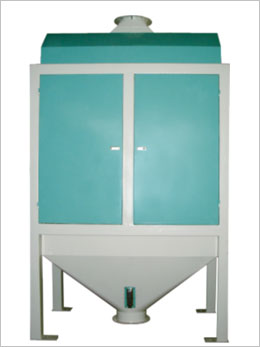
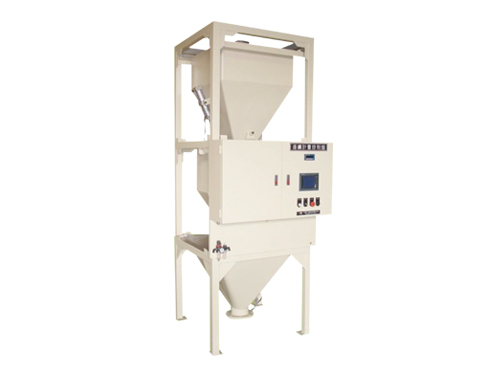
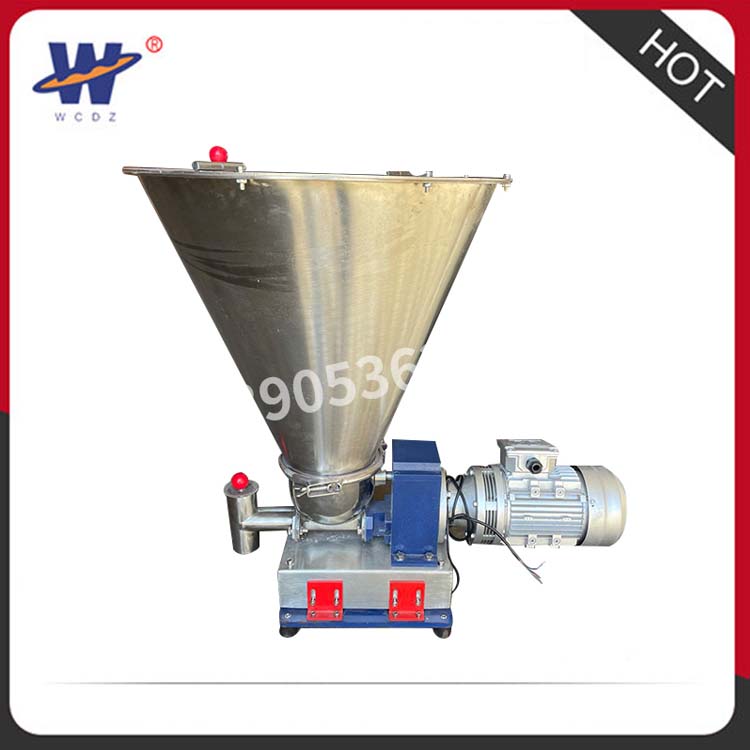
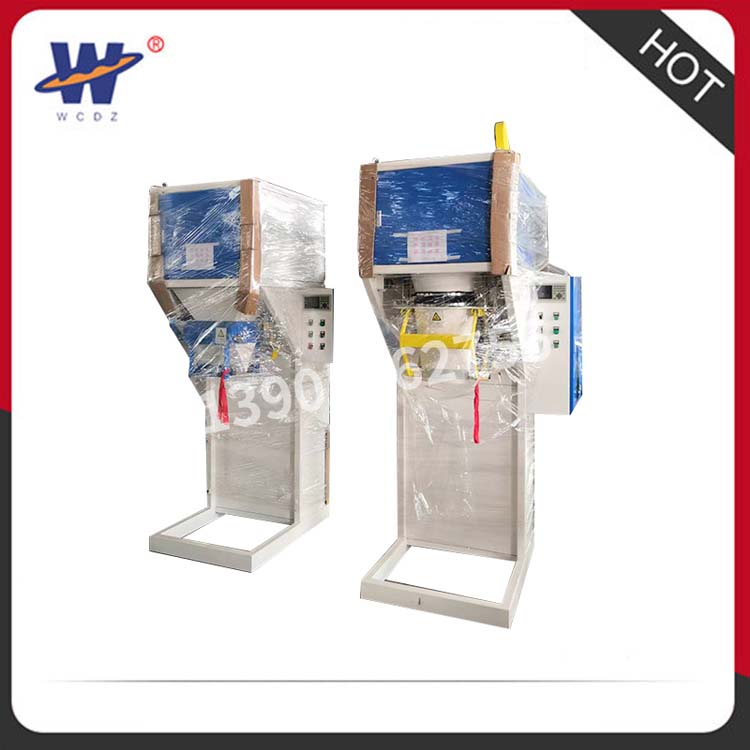
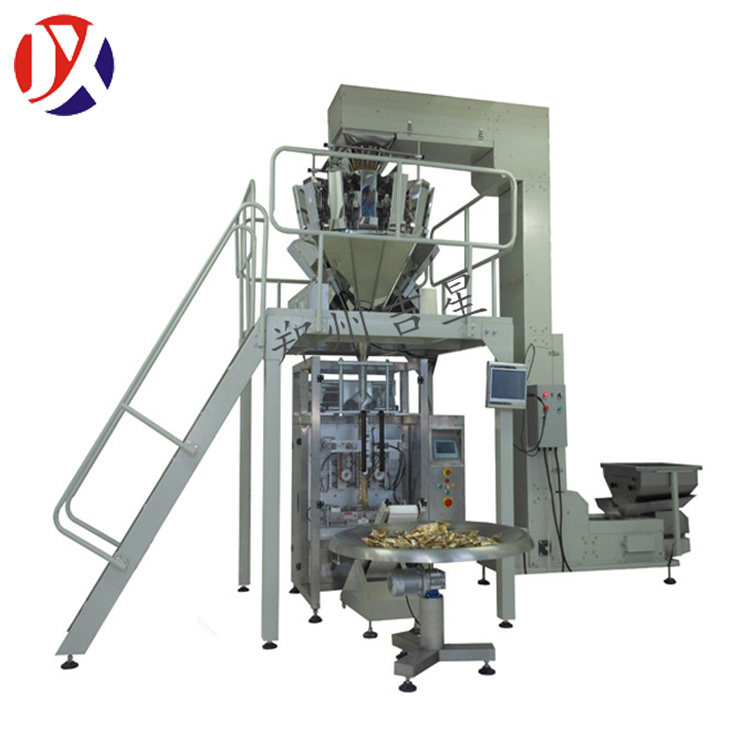
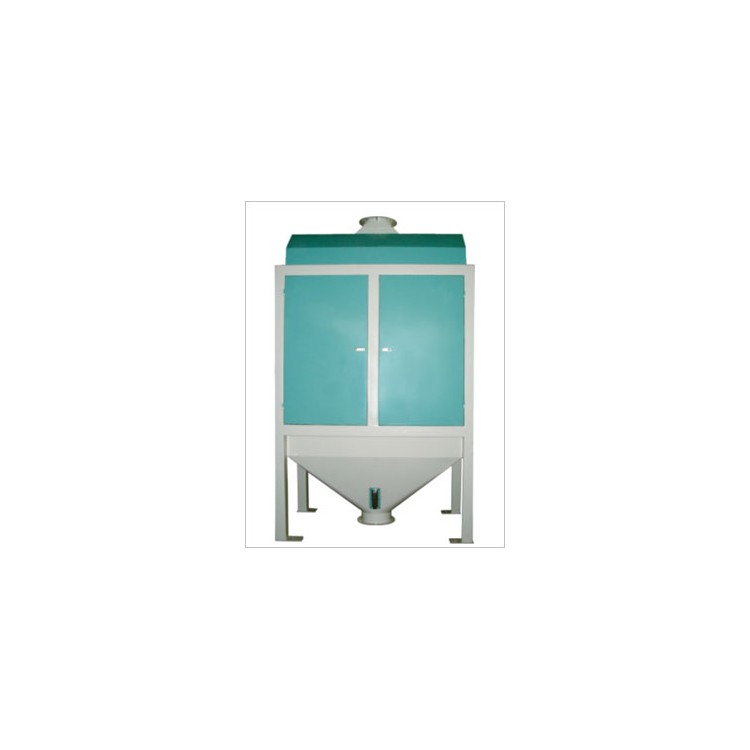
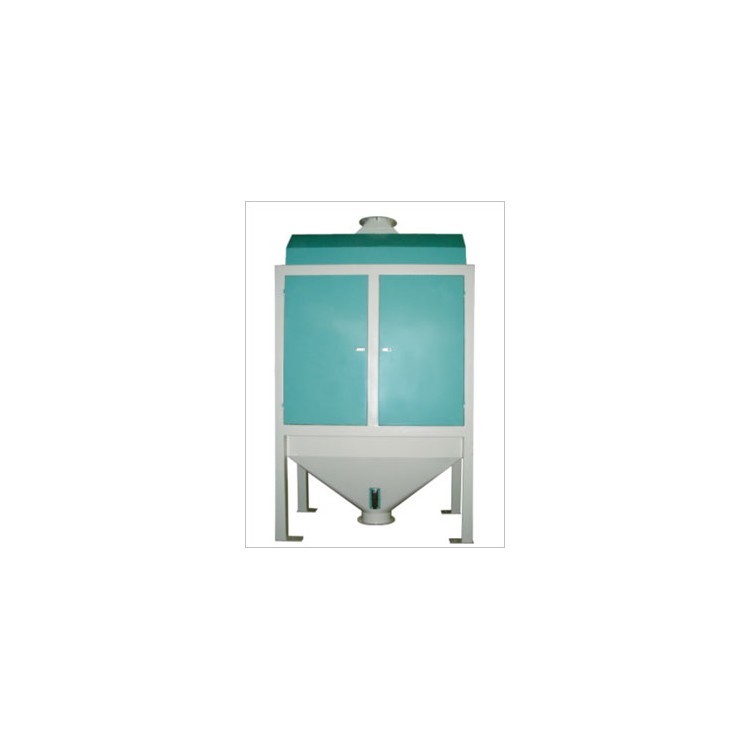
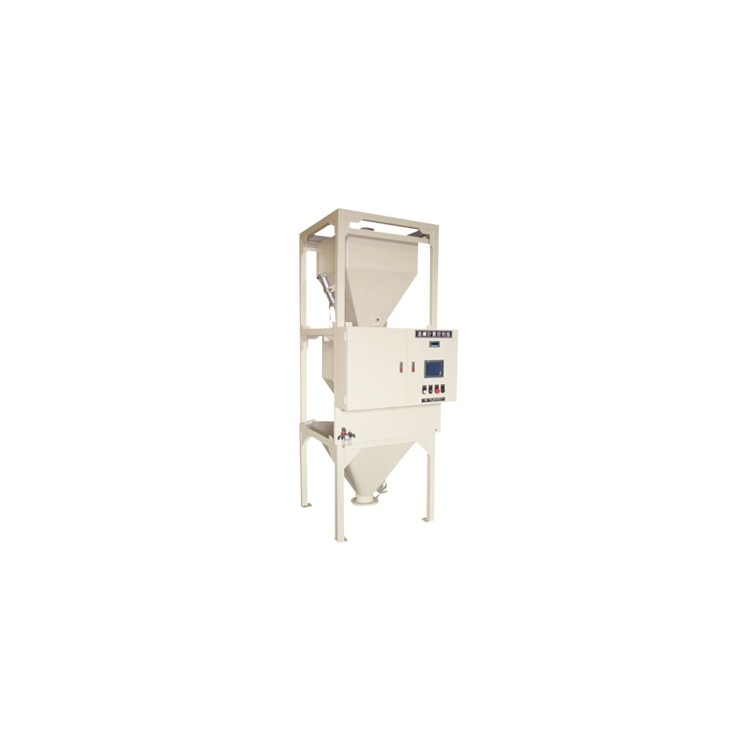
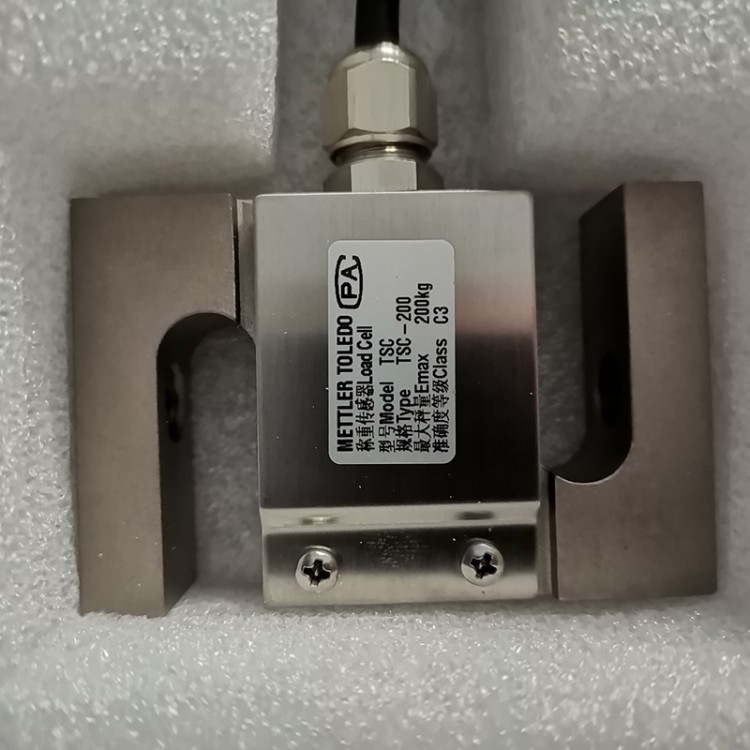
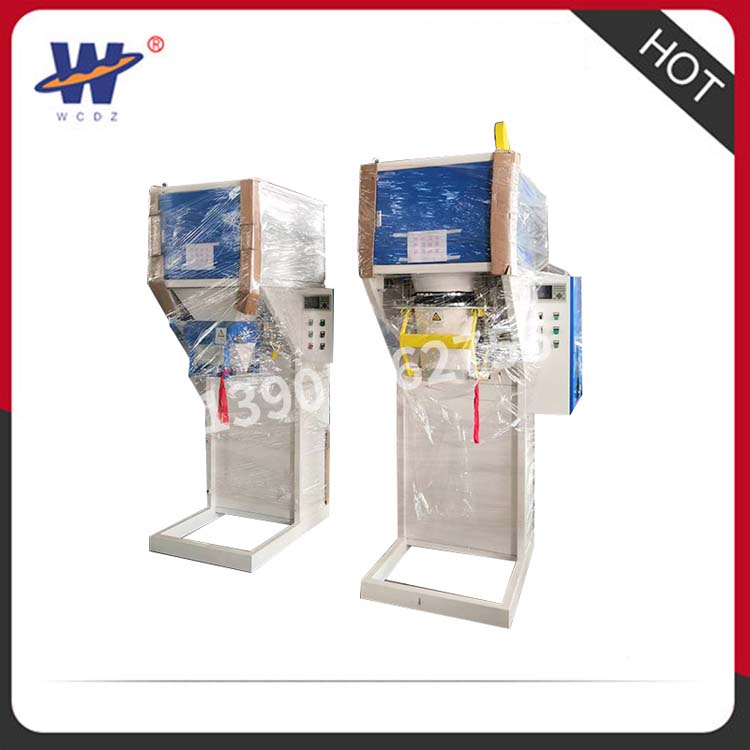
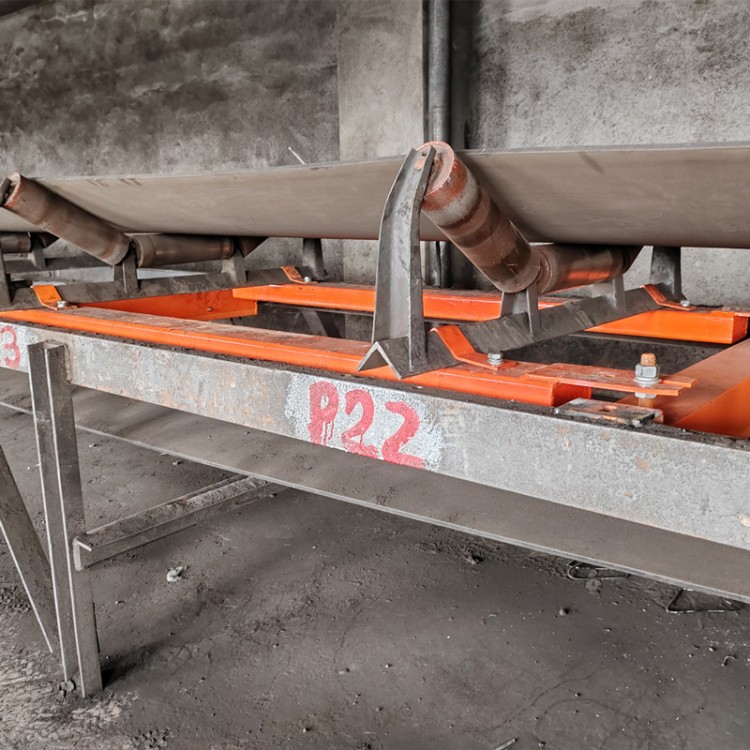
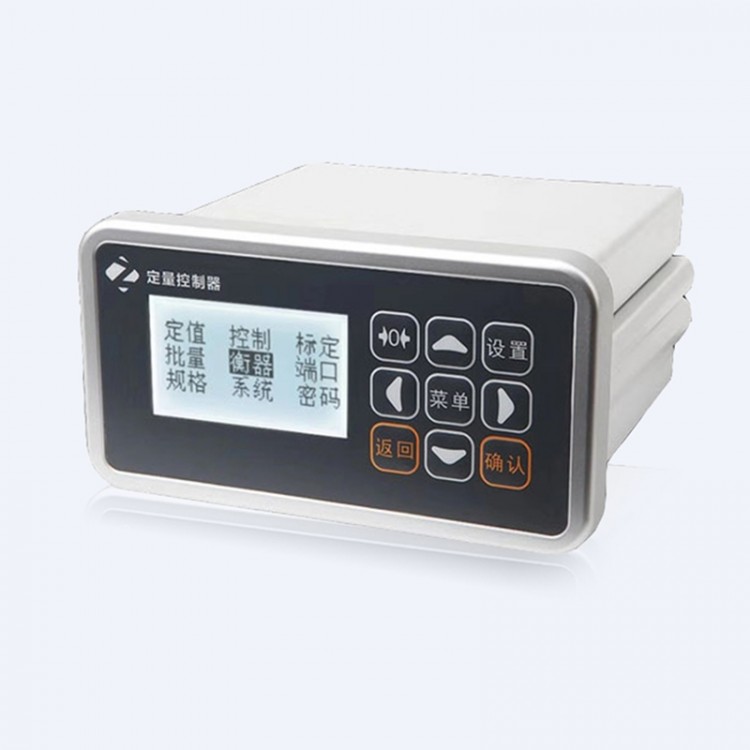
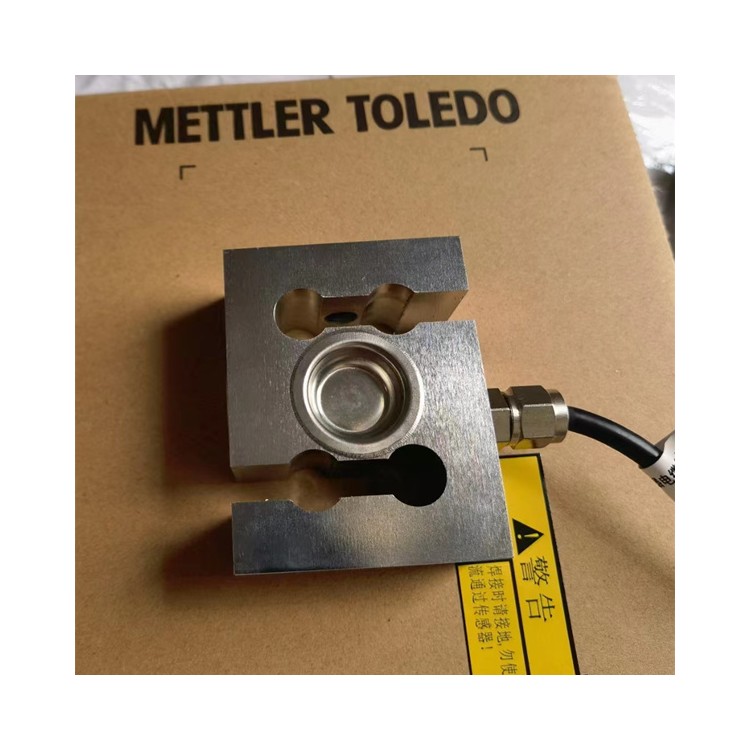
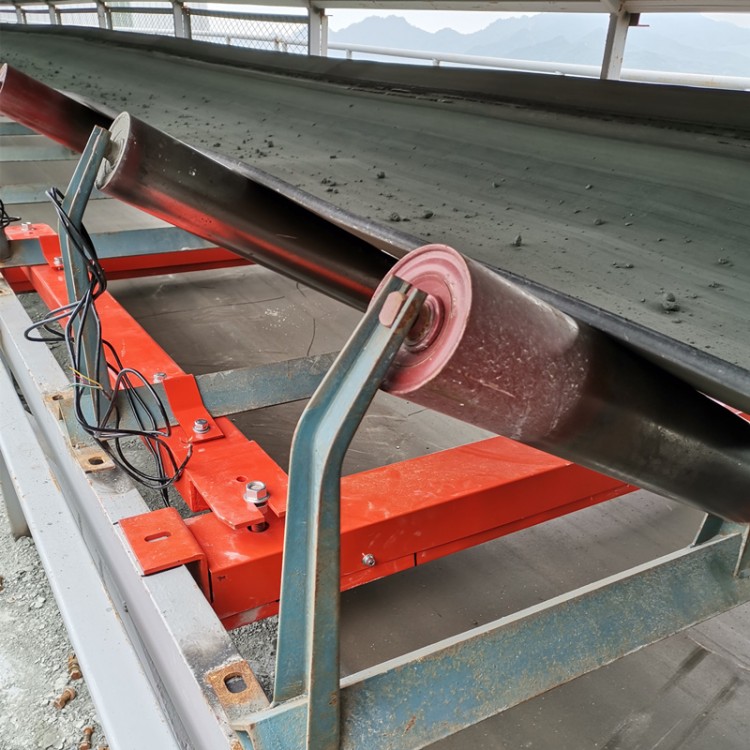
To effectively address the issue of measuring bulk materials, our company has broken free from the traditional constraints of belt scales, nuclear scales, and other bulk material measurement solutions. By combining our practical experience and professional expertise in bulk material handling, we have specifically manufactured the SLC type electronic bulk material scale. This is a new type of hopper scale for automatic weighing of bulk materials, capable of dividing a batch of bulk material into several discontinuous loads, sequentially weighing each load, and then summing up these load values to obtain the total bulk material quantity.Bulk ScaleDue to its static measurement in place of dynamic measurement, it is unaffected by equipment vibration and uneven distribution of materials during transportation, significantly enhancing measurement accuracy. It meets various weight function requirements such as receiving, transferring, distributing, and quantitatively loading bulk materials, offering high cost-performance in similar products.
Bulk ScaleSuitable for operations in small and medium-sized grain warehouses for receiving and dispatching measurements, intermediate measurements in grain processing industries, intermediate measurements in the brewing industry, raw material receiving measurements in feed processing industries, and raw material receiving and intermediate measurements in oil and fat processing industries.
Bulk ScaleApplication Scope:
The bulk scale is suitable for continuous batching feeding/output or stockpile handling control, and is widely used in industries such as flour, oils, brewing, food, grain storage and transportation, feed, chemicals, cement, coal, metallurgy, and ports.